A nameless man was found dead on a beach in 1948 with a secret code sewn into his clothes, and it took 74 years and DNA to even learn who he was
On a December morning in 1948, a well-dressed man was found dead on an Australian beach, slumped against a seawall with no wallet, no identity papers, and the labels cut from his clothes. He carried a hidden scrap of paper that read "it is finished," and a code nobody could crack. For decades, the Somerton Man was Australia's most haunting unsolved case.
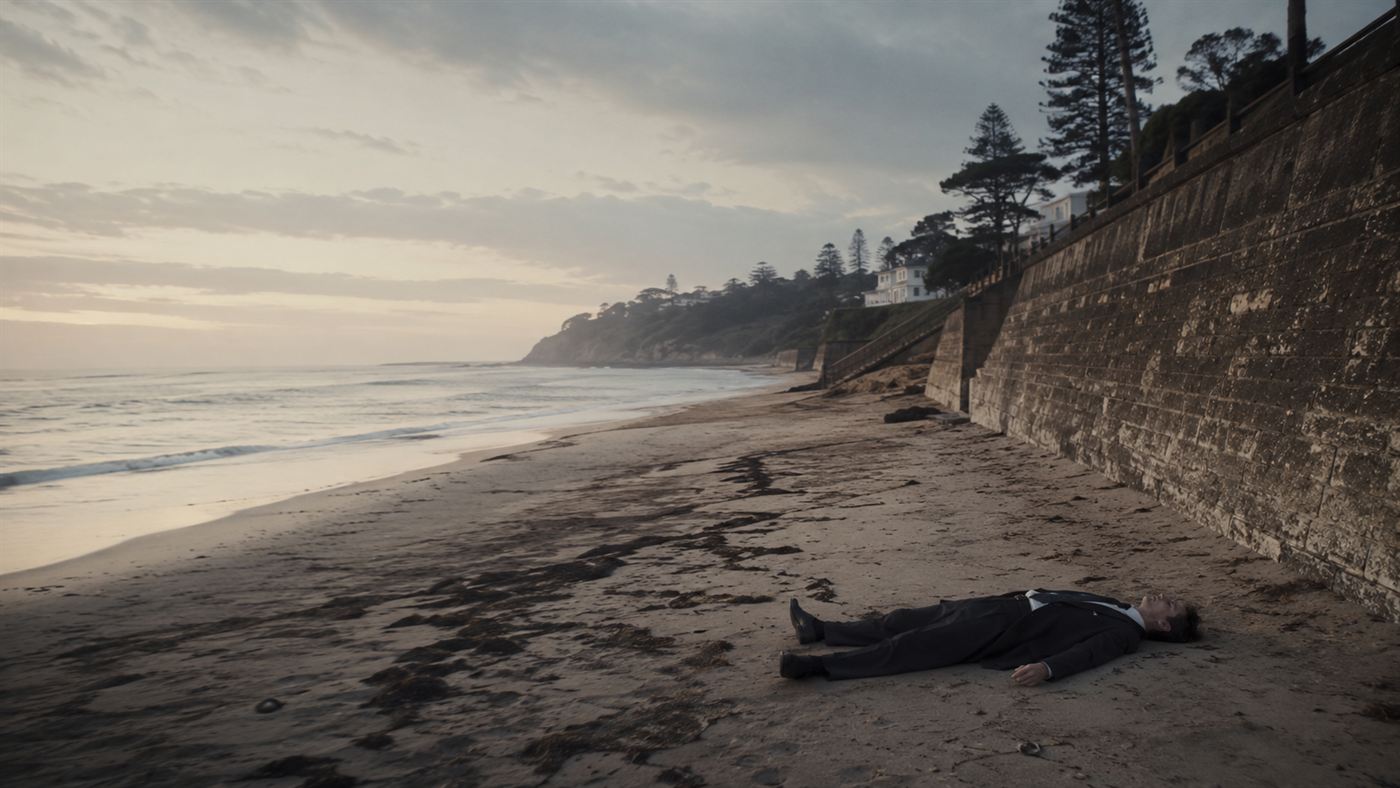
The Somerton Man was found on a beach near Adelaide on 1 December 1948. Illustration: Watts & Wild.
The body turned up on Somerton Park beach, near Glenelg, just outside Adelaide. The man looked healthy and was neatly dressed, but he had no identification at all, and someone had carefully removed every label from his clothing. As the documented record describes, even the cause of death could never be firmly established, with investigators suspecting poison they could not detect. A healthy stranger had simply died, namelessly, on the sand.
Then it got stranger. Months later, a pathologist re-examined the clothing and found a tiny rolled-up piece of paper sewn into a hidden fob pocket. On it were two printed words: "Tamám Shud," Persian for "it is finished," torn from the final page of a book of poetry, The Rubaiyat of Omar Khayyam.
The code that beat everyone for decades
Police appealed for the matching book, and eventually a man came forward; he had found a copy tossed into the back seat of his unlocked car around the time of the death, with the last page torn out. Inside its cover, faint impressions left by a pen revealed a local telephone number, which led to a young nurse, and beneath it a string of jumbled capital letters that looked unmistakably like a code.
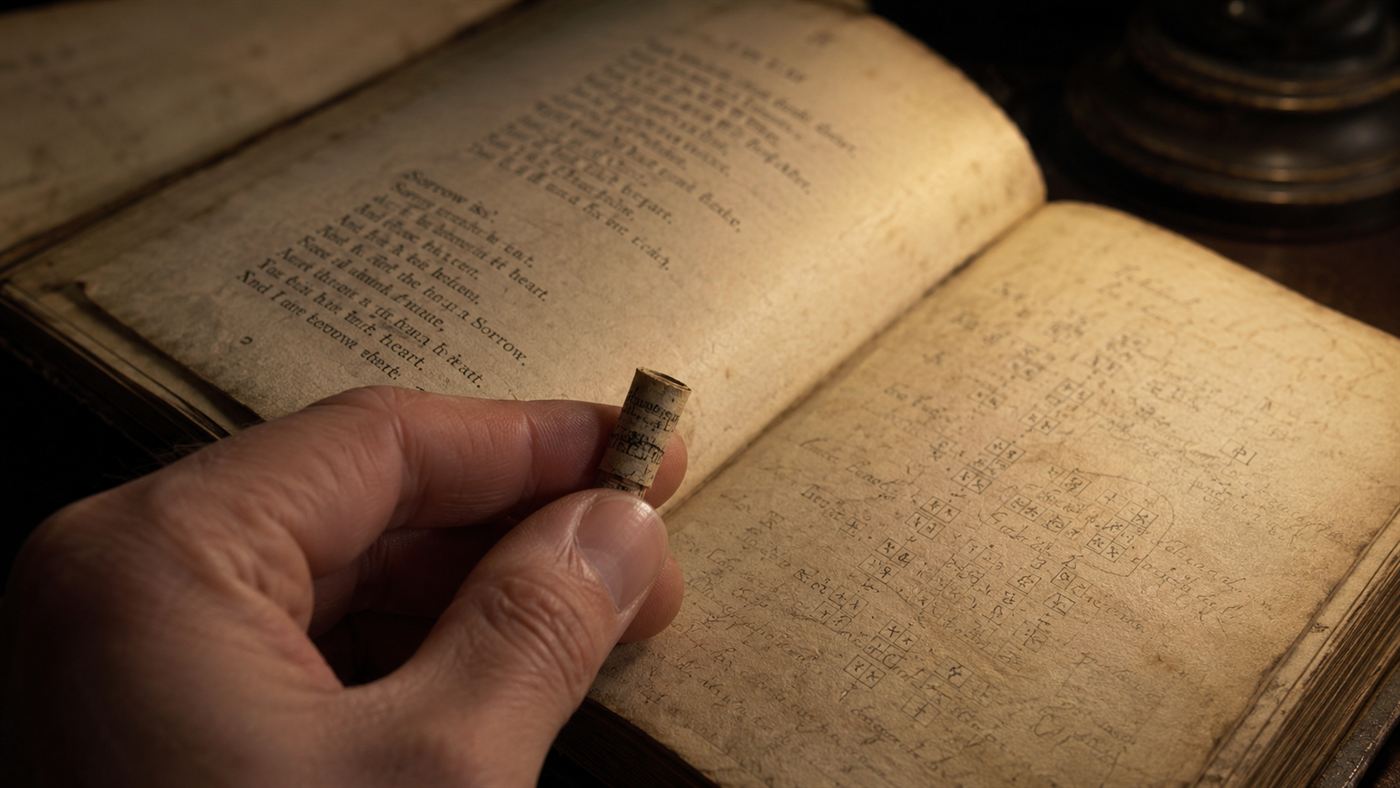
That code lit a fire under amateur and professional sleuths for generations. The letters refused to resolve into any obvious message, and the surrounding facts, the removed labels, the undetectable poison, the Cold War timing, made it irresistible. The leading theory for years was that the Somerton Man was a spy, silenced and stripped of identity. Others guessed a heartbroken lover or a smuggler. Nobody could prove anything, and he was buried under a headstone that simply called him an unknown man.
How DNA finally named the Somerton Man
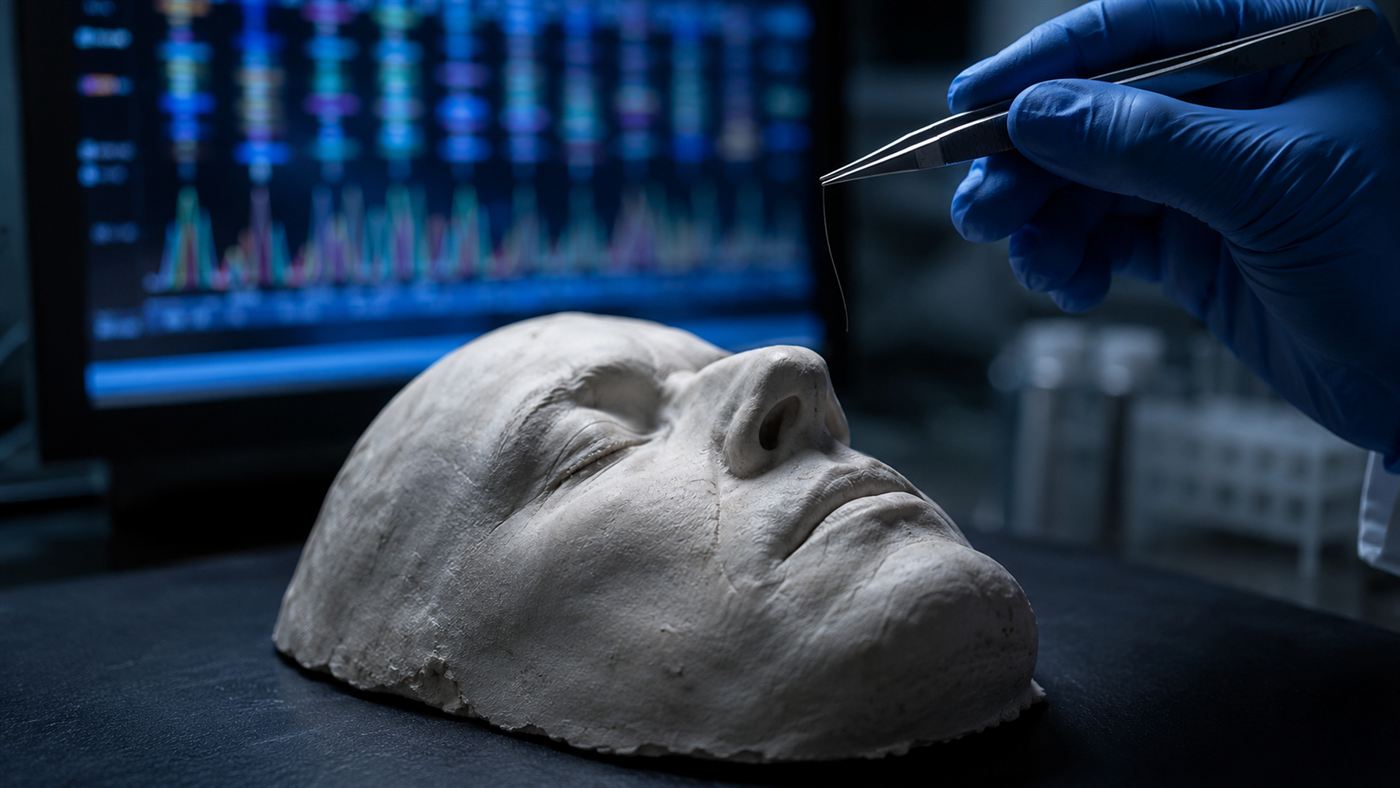
The breakthrough came not from a codebreaker but from genetics. As Smithsonian magazine reported, in 2022 Professor Derek Abbott of the University of Adelaide, working with the forensic genealogist Colleen Fitzpatrick, extracted DNA from hairs embedded in the plaster death mask made of the man decades earlier. By tracing his family tree through distant relatives, they put a name to the face at last: Carl "Charles" Webb, an electrical engineer and instrument maker born in Melbourne in 1905. After 74 years, the unknown man was, very probably, known.
The honest catch
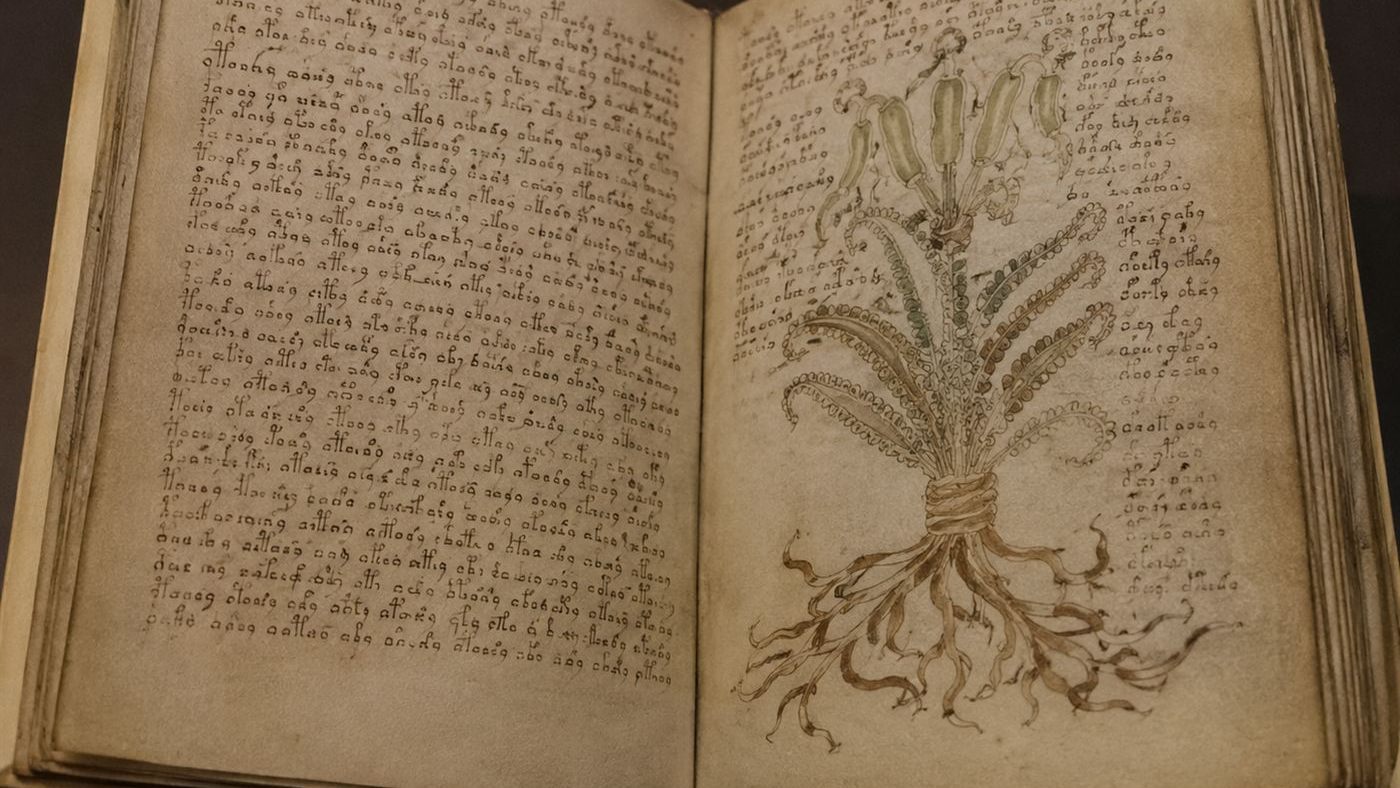
Before you file the case as closed, a few honest caveats. The identification is the work of researchers, and South Australia's police and forensic authorities have not officially confirmed it, so even the name carries an asterisk. More importantly, naming the man does not actually solve the mystery that made him famous. We still do not know for certain how Carl Webb died, why his labels were cut away, what he was doing in Adelaide, or what the code meant; Abbott's own theory is the rather deflating idea that the "code" was just a list of horses Webb liked to bet on. So the Somerton Man is a strange kind of half-solved puzzle: a face with a name again, but a story still full of holes. Sometimes the most modern science can give a 74-year-old mystery a name without giving it an ending. It sits with the other riddles that resist a tidy answer, from the unreadable Voynich manuscript to the deaths at the Dyatlov Pass.
A man died with no name and a code on a beach, and three-quarters of a century later science gave him back his identity but not his story. Do you think the rest of the Somerton Man mystery will ever really be solved? Tell us what you think in the comments.
Related reading: the Voynich manuscript, a 600-year-old book written in a language no one has ever cracked, or the Isdal Woman, the burned body with nine fake names that may have been a Cold War spy. See also how DNA from a grand duke's bones finally settled a 400-year-old Medici poisoning mystery.