A sound so loud it crossed an ocean made scientists wonder if a sea monster was real, until they traced it to cracking Antarctic ice
In the summer of 1997, microphones moored deep in the Pacific picked up a noise that should not have existed. It was enormous, far louder than any known animal, and it rose in pitch in a way that sounded almost alive. Scientists nicknamed it the Bloop, and for years nobody could say for certain what had made it.
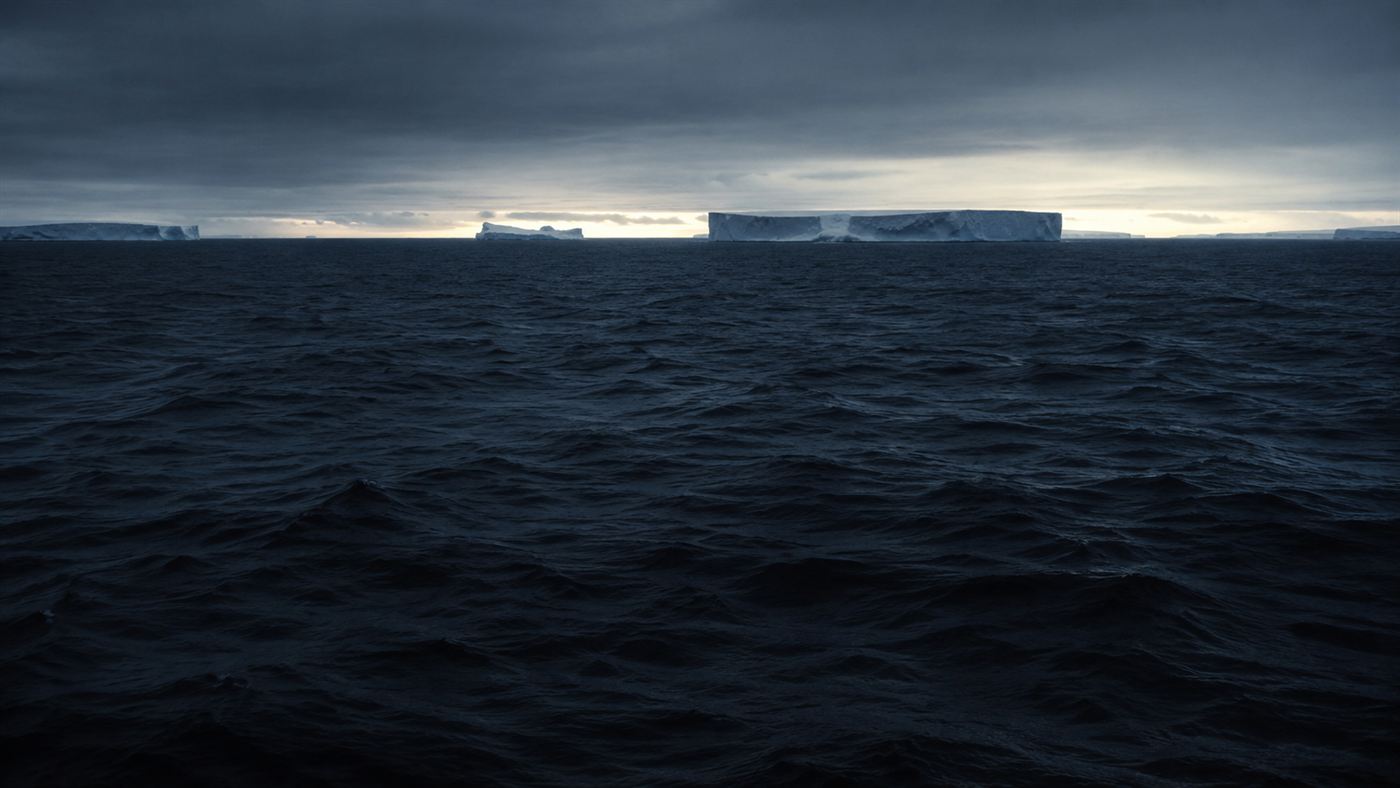
The Bloop came from the cold, remote waters of the far South Pacific. Illustration: Watts & Wild.
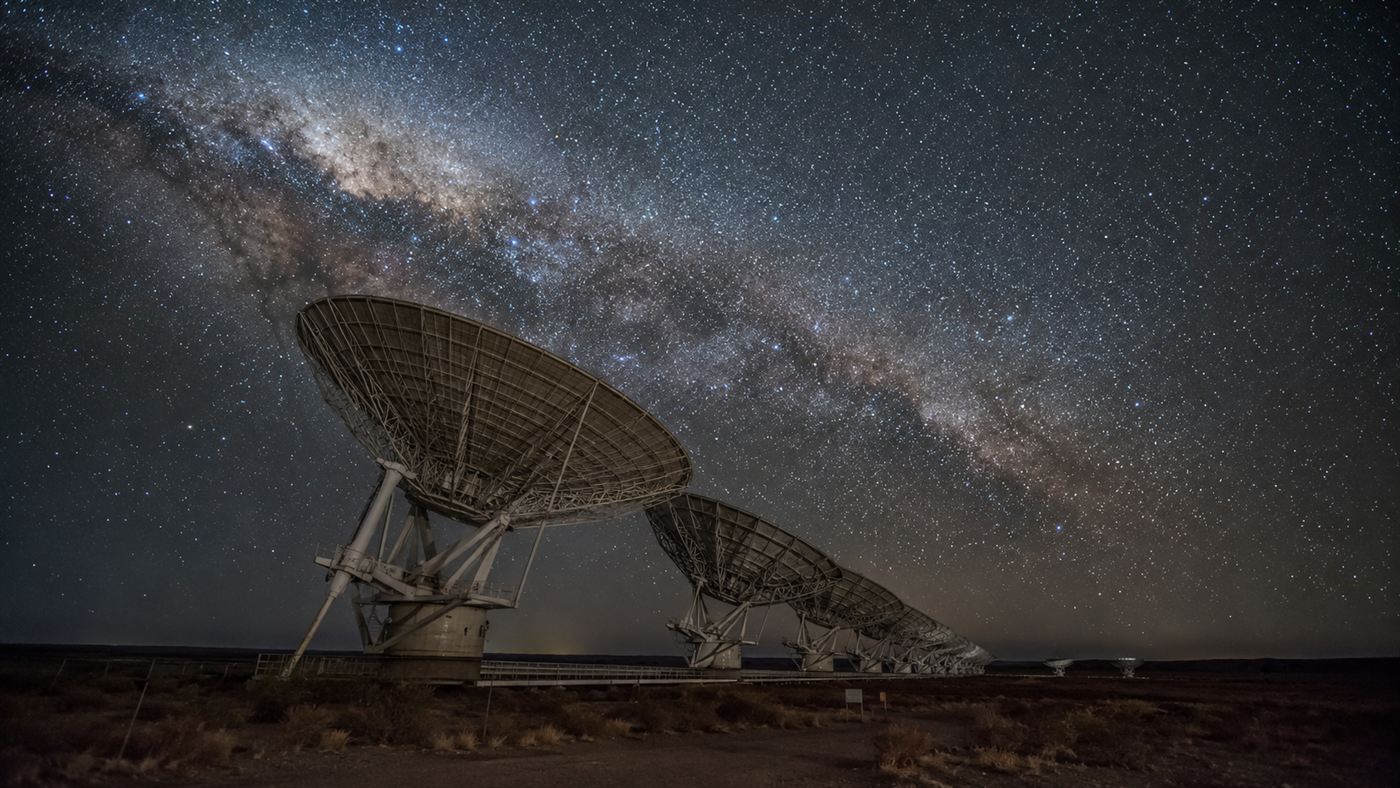
The sound was caught by the US National Oceanic and Atmospheric Administration, NOAA, which runs a network of underwater microphones called hydrophones, originally set up to listen for submarines during the Cold War. As NOAA's own acoustics program records, the noise was so powerful that hydrophones more than 5,000 kilometres apart both detected it. To carry that far underwater, whatever made it had to be staggeringly loud.
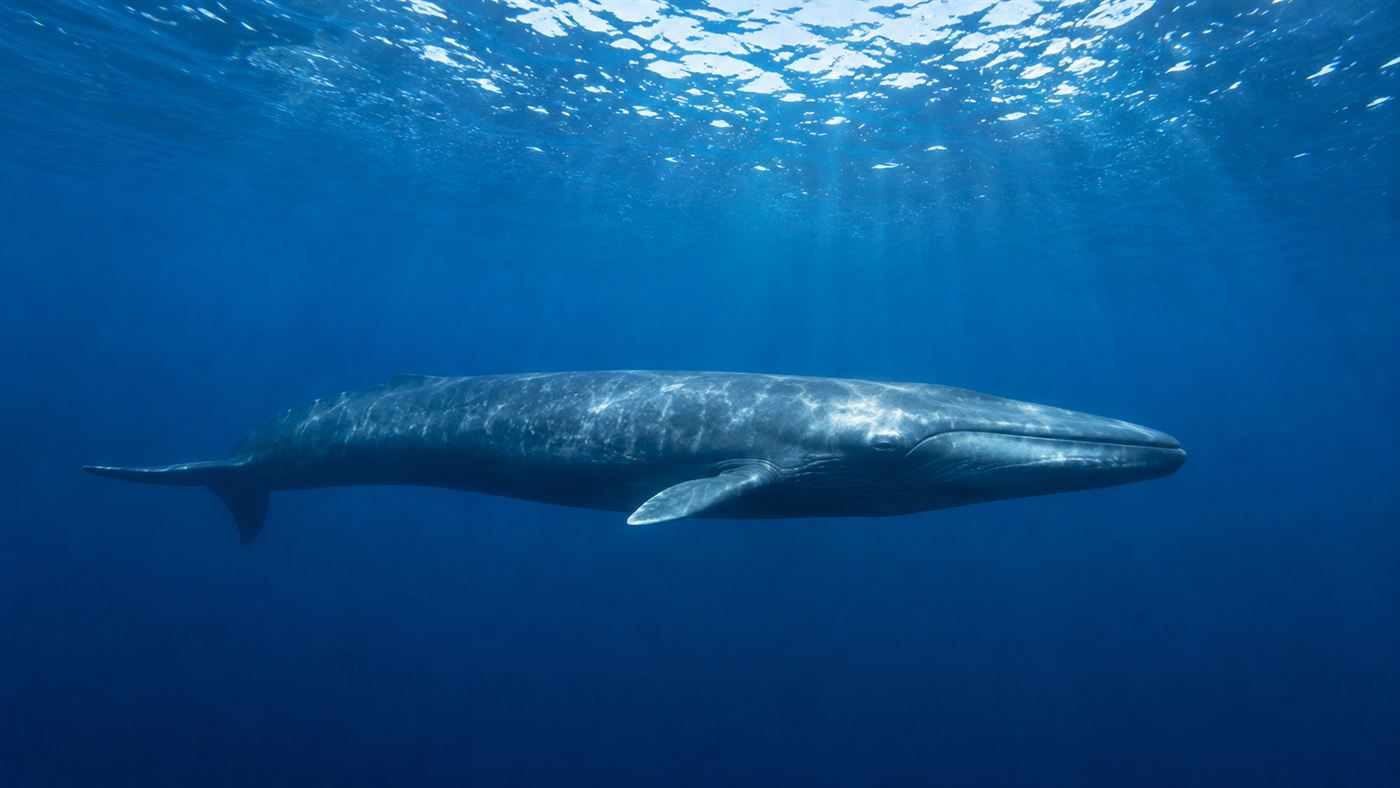
That is what set imaginations racing. The Bloop was louder than a blue whale, the biggest animal that has ever lived, and yet its sonic fingerprint looked oddly organic. If a living thing had made it, that thing would have to be far larger than any creature science had ever catalogued.
Why the Bloop fed a sea-monster legend
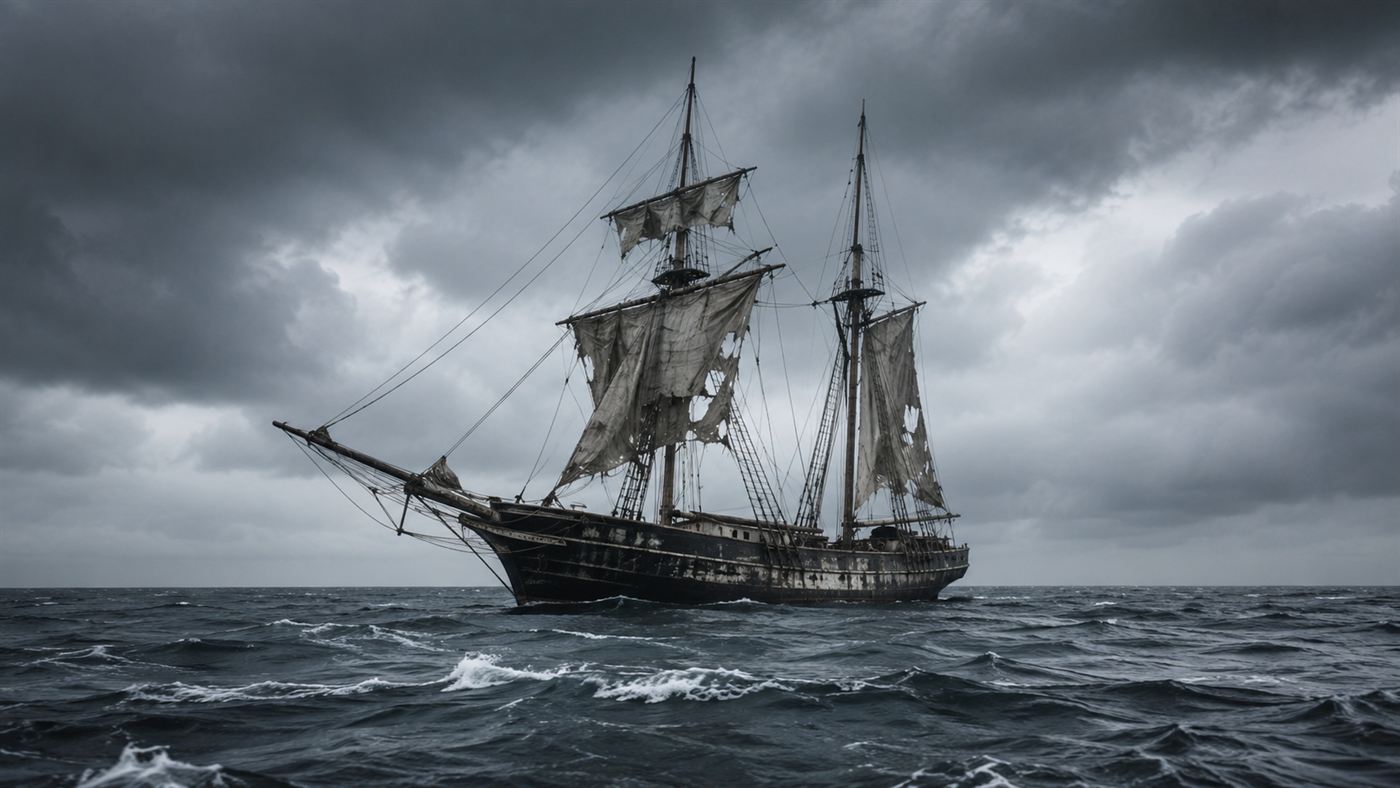
The internet did what the internet does. The Bloop arrived just as the web was taking off, and the idea of a colossal unknown beast lurking in the deep was irresistible. It did not help that the sound came from a remote stretch of the southern ocean not far from where H. P. Lovecraft had placed R'lyeh, the sunken city of his fictional monster Cthulhu. For a while, a NOAA audio file became Exhibit A for everyone who wanted to believe a real sea monster was out there.
The scientists themselves never claimed a creature was responsible; they simply had an unexplained recording. But the gap between "we are not sure" and "it is a monster" is exactly the kind of space a good mystery loves to fill, and the Bloop filled it for the better part of a decade.
How ice solved it
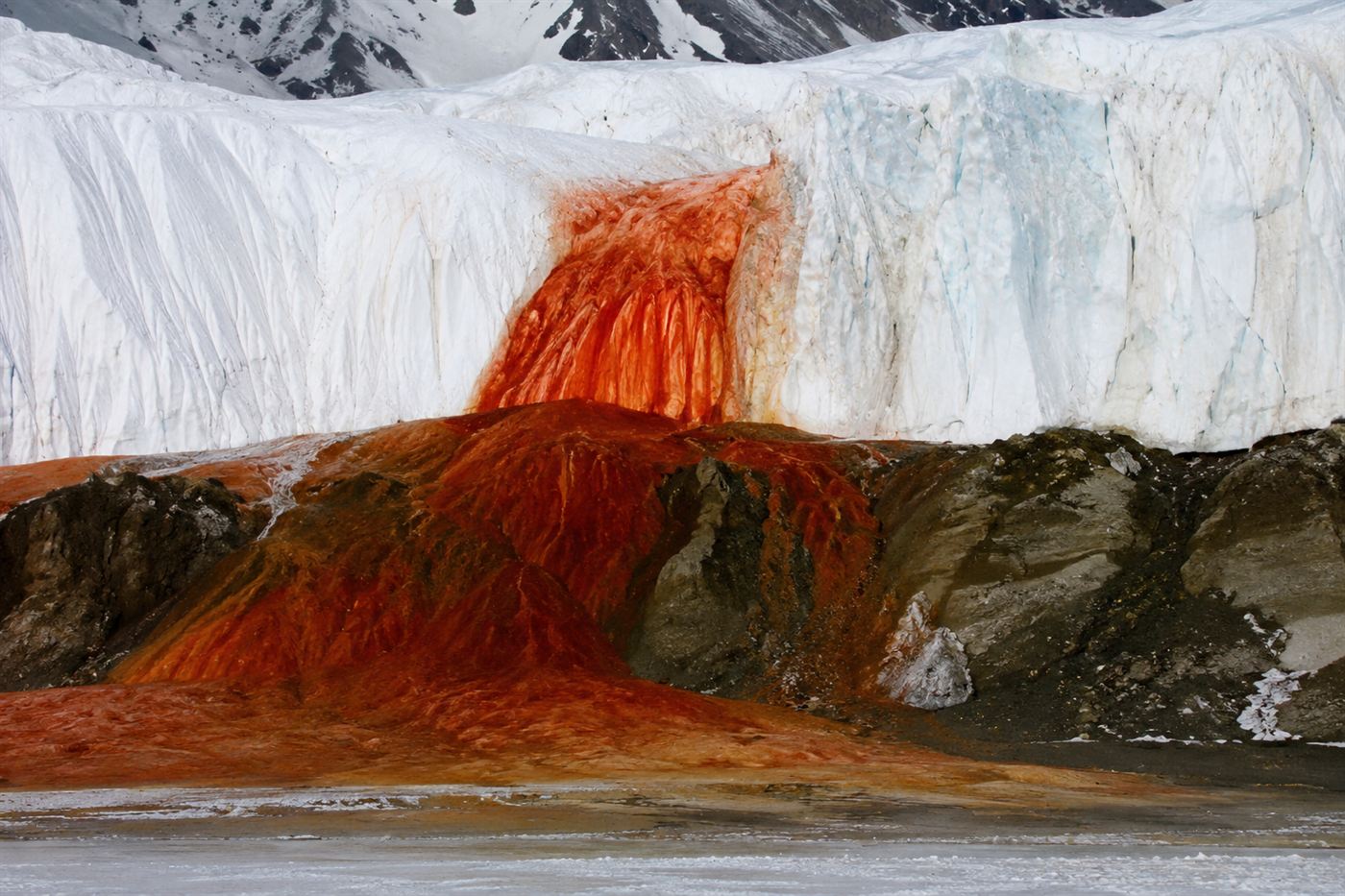
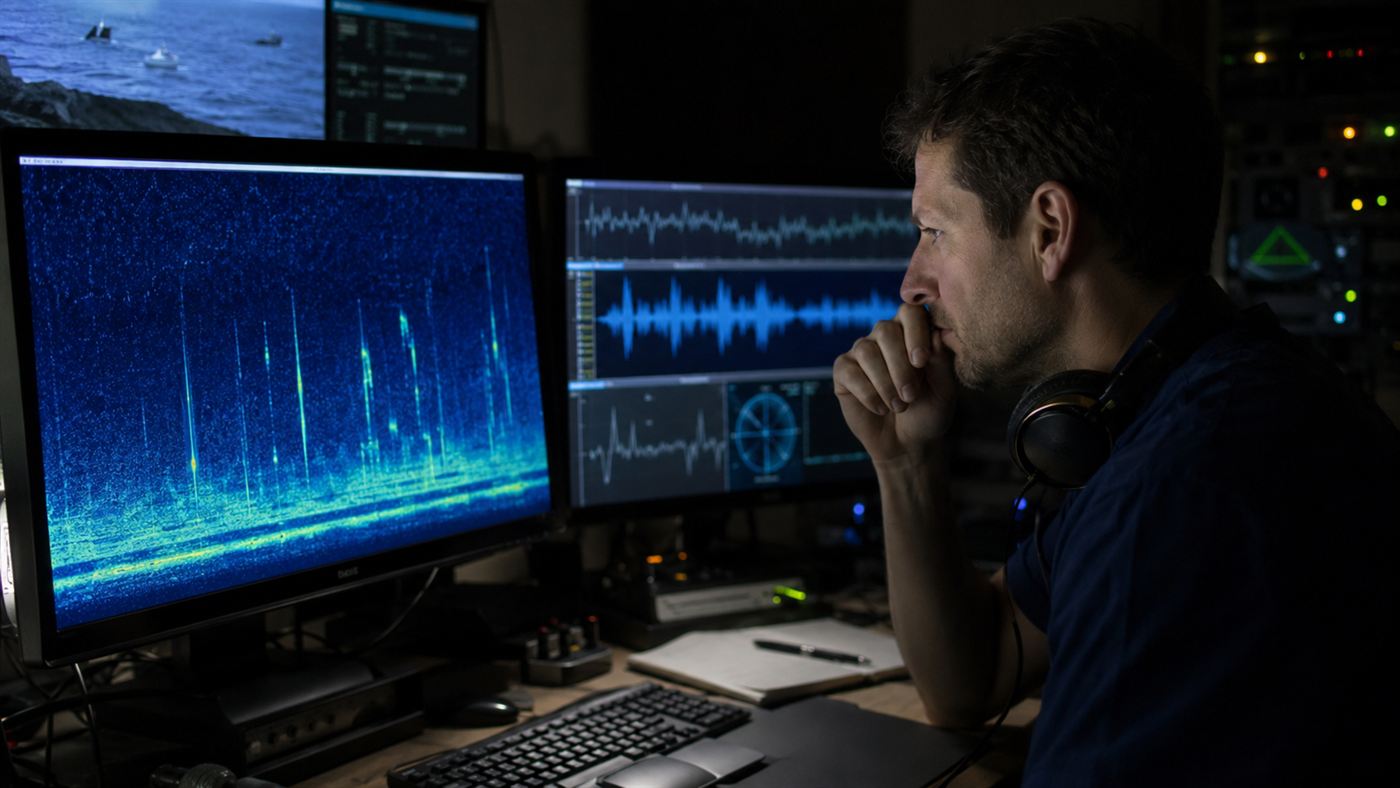
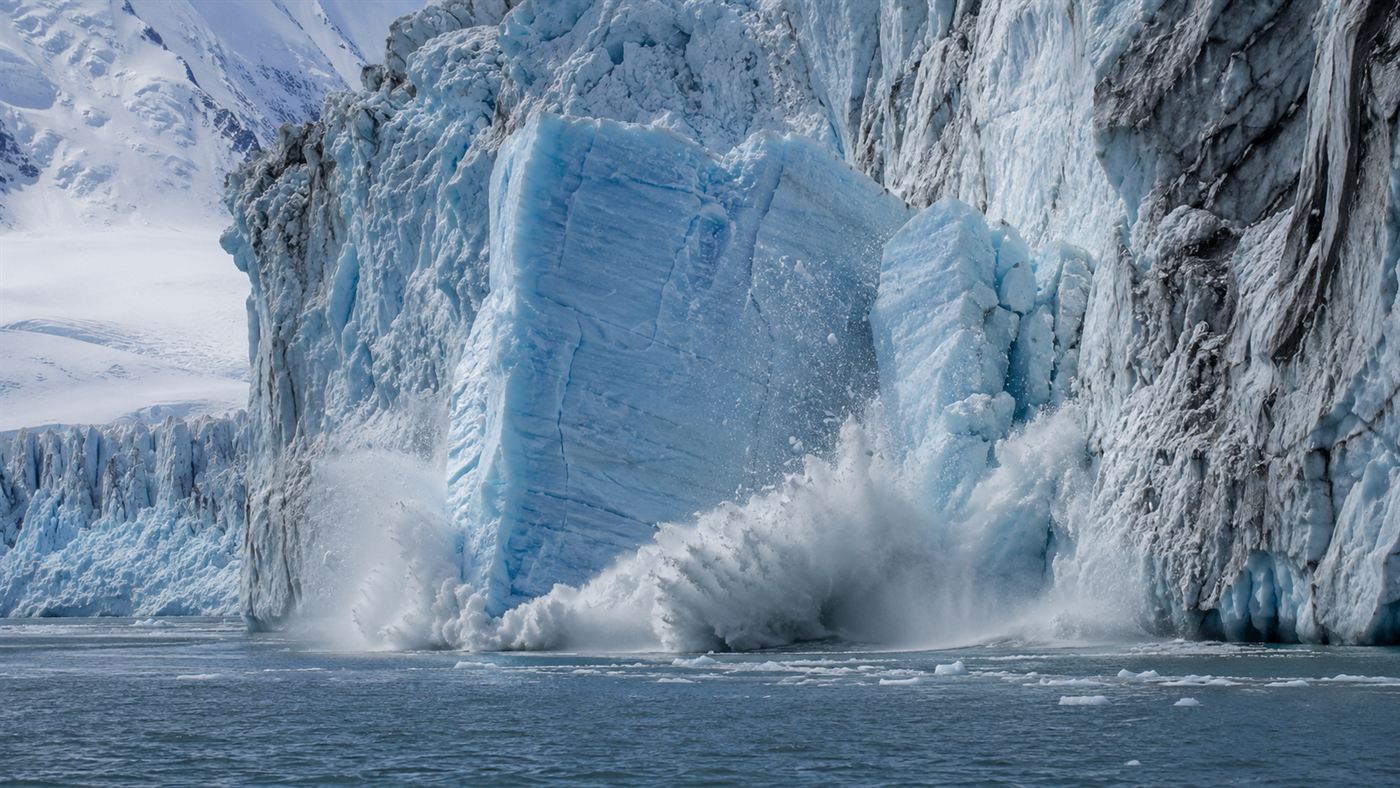
The answer came from listening more, not less. In the early 2000s, NOAA scientists put more hydrophones closer to Antarctica, and they started hearing the same kind of signal again and again. As the documented record describes, the Bloop's profile matched an icequake, the violent cracking and calving of a huge mass of ice as an iceberg splits off an Antarctic glacier. The "biological" rise in pitch was a coincidence; shattering ice can sweep through frequencies in a way that mimics an animal call.
Once researchers knew what to listen for, the monster evaporated. Far from being a one-off from the deep, sounds like the Bloop turn out to be common: NOAA now picks up tens of thousands of icequakes every year in the Southern Ocean. The loudest, strangest noise in the sea was the planet's ice tearing itself apart.
The honest catch
It is tempting to feel cheated that the answer was ice and not a leviathan, but the truth is arguably better. For one thing, the monster story was never NOAA's; it grew in the retelling, and the much-quoted link to Lovecraft's fictional coordinates is a fun coincidence rather than evidence of anything. For another, the real explanation quietly matters more. The Bloop turned out to be the sound of Antarctica shedding its ice, and learning to recognise those icequakes gave scientists a new way to eavesdrop on a frozen continent that is changing fast. A mystery monster would have been a dead end; a planet that booms when its ice breaks is something we actually need to listen to. The Bloop sits with the other great unexplained signals that turned out to have natural, and often more interesting, answers, from the lonely whale that sings at the wrong frequency to the 72-second Wow signal from space.
The loudest mystery in the ocean turned out to be the sound of a continent's ice breaking, not a monster, and that may be the more important thing to be listening for. Are you a little disappointed it was ice, or relieved? Tell us what you think in the comments.
Related reading: the loneliest whale, an animal that has spent decades calling out at a frequency no other whale seems to answer.