Nine hikers fled their tent into a freezing Ural night in 1959, and for sixty years the Dyatlov Pass incident bred theories of yetis and secret weapons, until physics finally cracked it
The Dyatlov Pass incident is one of the most haunting mysteries of the twentieth century: nine experienced hikers who slashed their way out of their tent and ran half-dressed into a freezing Russian night, several with crushing injuries. In 2021, two avalanche scientists offered the most convincing answer yet.
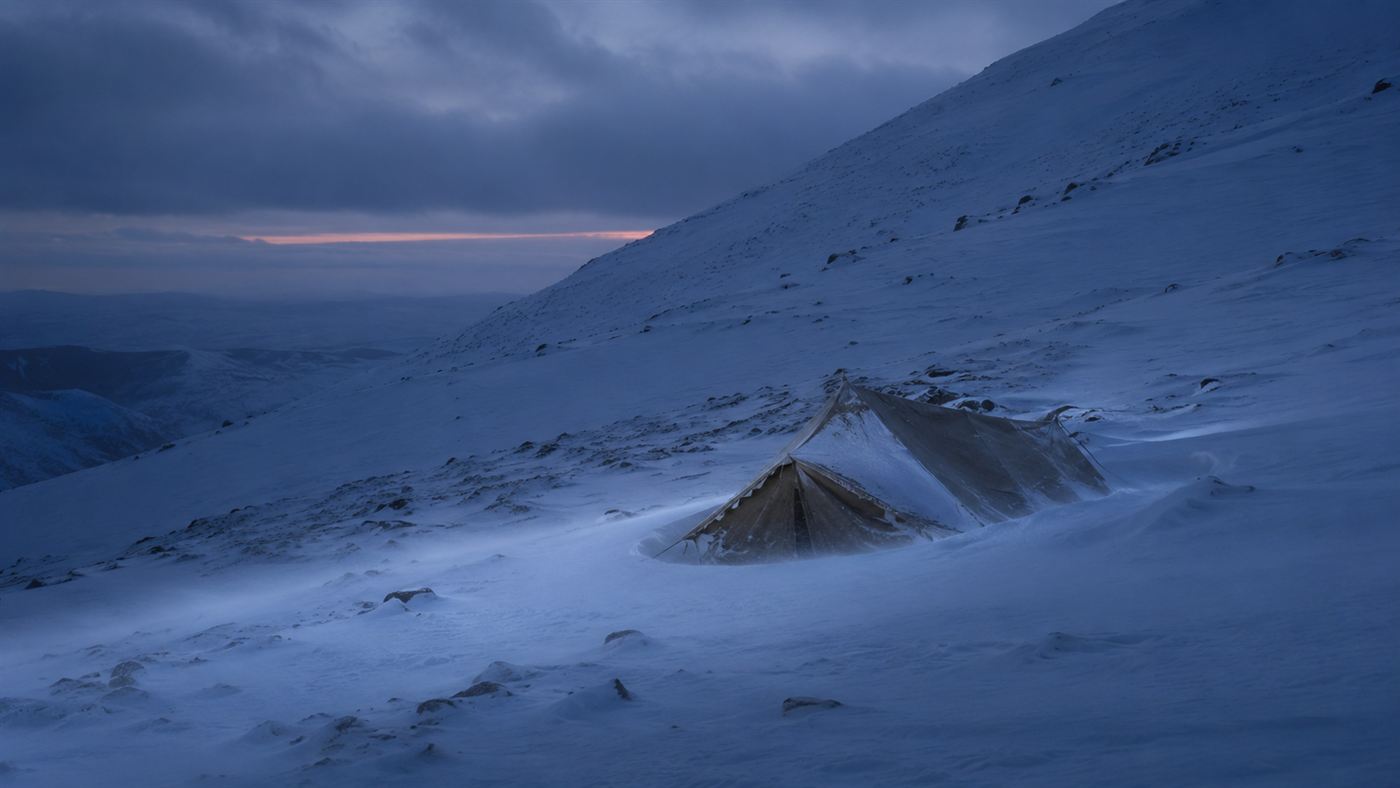
A tent pitched into a snowy Ural slope, the setting of one of history's strangest deaths. Illustration: Watts & Wild.
The Dyatlov Pass incident began as an ordinary expedition. In late January 1959, ten students and graduates from a Soviet technical institute, led by 23-year-old Igor Dyatlov, set out to ski across the northern Ural Mountains to a peak called Otorten. One member turned back ill, which probably saved his life. The other nine pressed on toward a slope the local Mansi people called Kholat Syakhl, or Dead Mountain, and were never seen alive again.
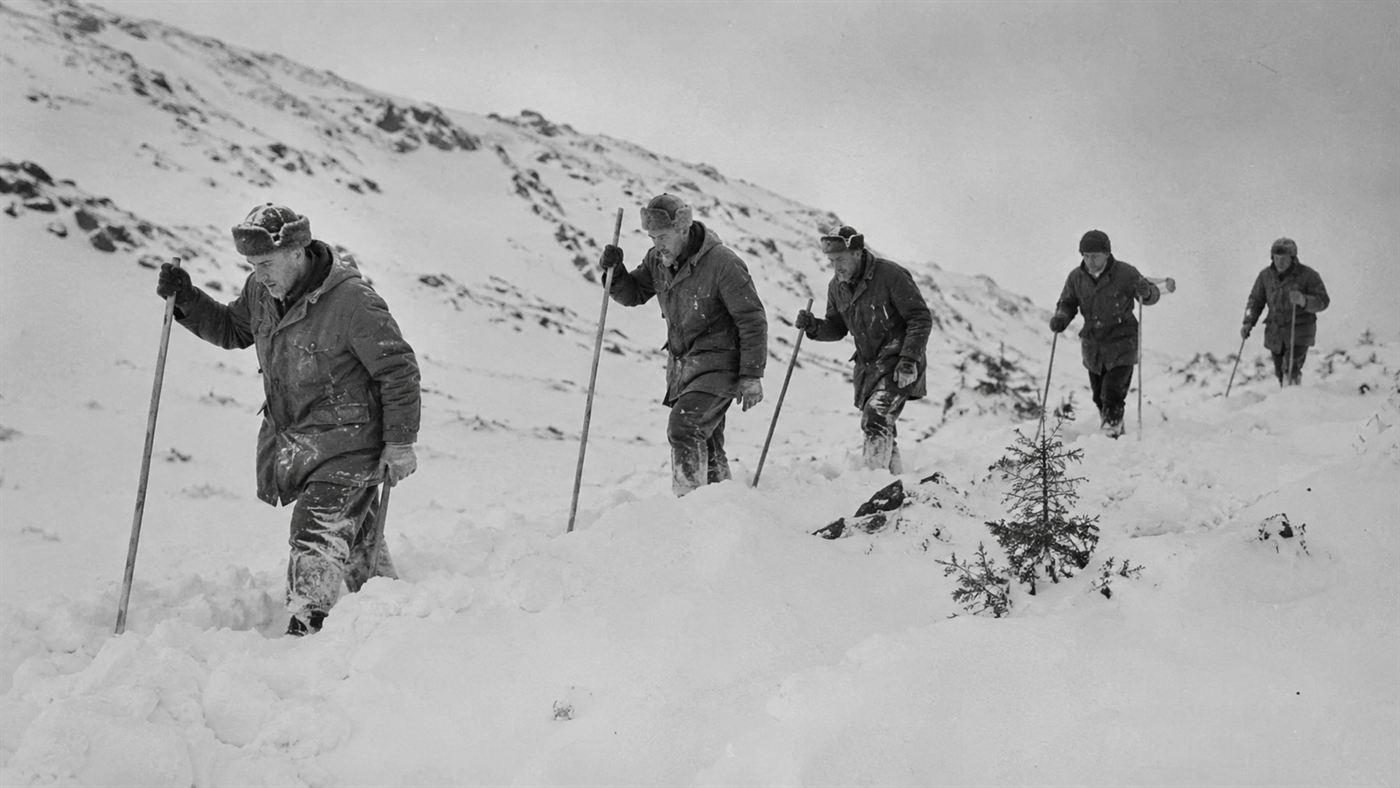
When searchers reached their camp weeks later, the scene made no sense. The tent had been slit open from the inside and abandoned, and the nine had fled downhill into a lethal night, some barefoot, some in their underwear, in temperatures around minus 25 Celsius. As Smithsonian magazine has recounted, their bodies turned up scattered across the slope over the following months, and the condition of some of them only deepened the horror.
What happened at Dyatlov Pass? In 1959, nine Soviet hikers died after fleeing their tent on a snowy Ural slope at night. A 2021 study concluded the most likely cause was a small, delayed slab avalanche that crushed the sleeping hikers, forcing them out into the cold, where they died of their injuries and exposure.
Why the Dyatlov Pass incident became a legend
It was the details that refused to add up that turned a mountaineering tragedy into a 60-year obsession. A few of the hikers had died of straightforward hypothermia, but others had devastating chest and skull fractures with almost no external wounds, the kind of damage usually seen in a car crash. One woman was missing her eyes and tongue. Faint traces of radioactivity clung to some clothing, and the Soviet investigation of 1959 closed with the maddening verdict that the group had died from "an unknown compelling natural force."
Into that vacuum poured every theory imaginable. People blamed a yeti, a secret military weapon or parachute mine test, escaped prisoners, the KGB, even aliens. More sober voices suggested infrasound from wind whipping over the ridge had driven the group into a blind panic. For decades the Dyatlov Pass incident sat in that uneasy space where a real, documented event behaves like a ghost story, and no ordinary explanation seemed to cover all of it.
The injuries no avalanche seemed to explain
An avalanche was the obvious first guess, and for years it was firmly rejected. The slope above the tent was gentle, only around 23 degrees, far shallower than the angle most avalanches need. When rescuers arrived weeks later there was no obvious wall of avalanche debris, and the tent was still partly standing. Footprints showed the hikers had walked, not been swept, away from the camp. Worst of all, a normal snow slide did not seem violent enough to shatter ribs and skulls while leaving the skin unbroken.
Those objections hardened into received wisdom: whatever killed the Dyatlov group, it was not an avalanche. That conclusion held for half a century, and it is exactly the wall that two researchers, armed with modern physics and an unlikely tool, finally broke through.
Two scientists and the snow code from Frozen
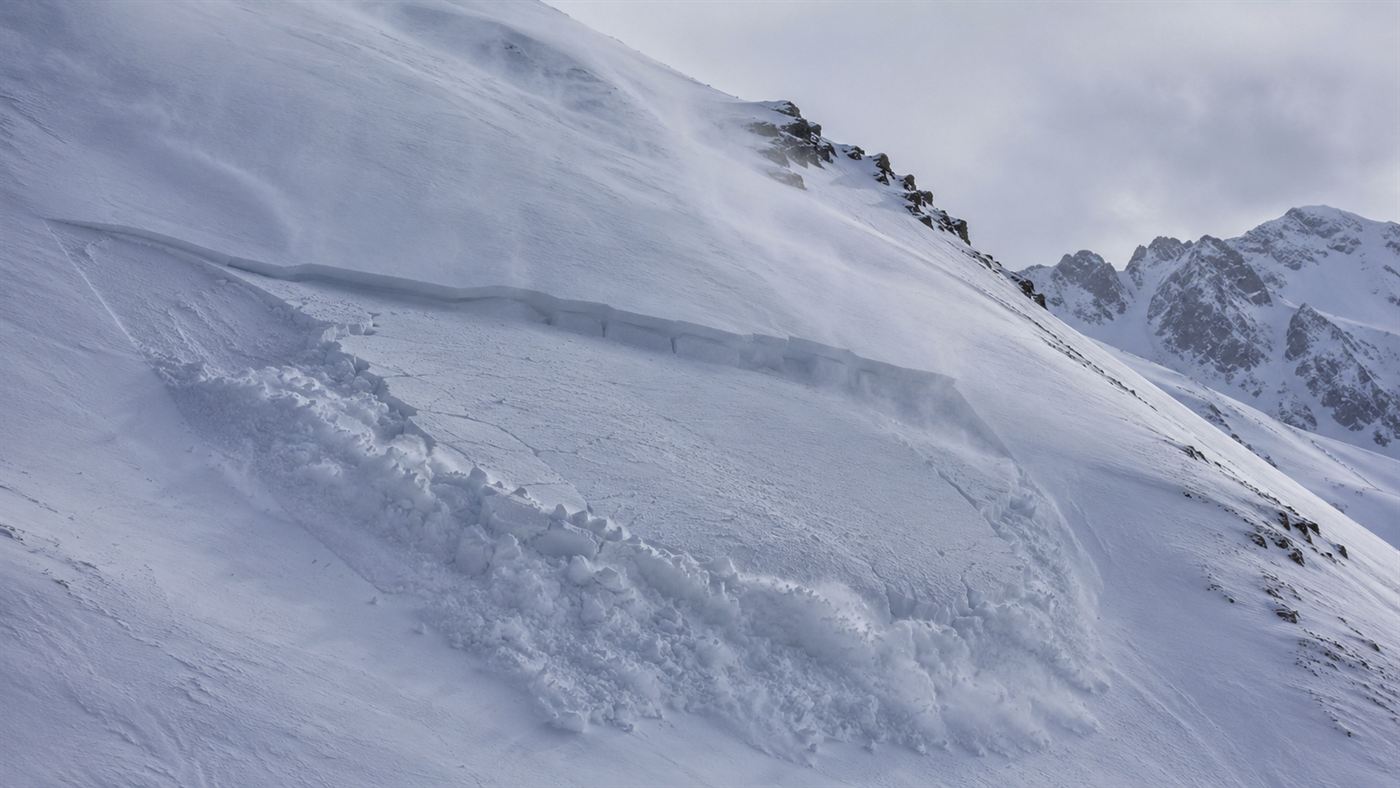
In January 2021, Johan Gaume of Switzerland's EPFL and Alexander Puzrin of ETH Zurich published a study proposing a very specific kind of slab avalanche. Their idea was that the hikers, to shelter from the wind, had cut into the slope to pitch their tent, slicing through a buried weak layer of snow. Over the next hours, fierce katabatic winds piled more snow on the slope above, loading it, until a small, heavy slab broke free and slid down onto the tent in the dark.
To prove a modest slab could break bones, Gaume needed to model how snow moves, and he found his answer in an unexpected place: Disney. He had been struck by the realistic snow in the film Frozen and asked its animators to share their simulation code, which he adapted for science. Combined with 1970s crash-test data on how human bodies absorb impacts, the model showed that a slab landing on hikers lying on a rigid floor could indeed cause the crushing injuries, exactly the puzzle that had stumped investigators for decades.
How the avalanche answer fits the clues
Seen through the slab-avalanche lens, the eerie details start to line up. A small slab hits the tent in the night, badly injuring several sleepers but not burying them. Panicked, knowing they cannot stay, they cut their way out and help the wounded down toward the tree line, the standard survival move, expecting to dig back to the tent later. In the dark and the cold, with broken ribs and no proper clothing, they never make it back, and hypothermia finishes what the snow started.
The model even explains the loose ends. The slab was small and the slope kept sliding snow over the winter, so by the time searchers came there was no dramatic debris field. The injuries match a heavy block striking bodies on hard ground. The missing soft tissues are grimly ordinary: those bodies lay longest, partly in a stream, exposed to decomposition and scavengers. None of it requires a yeti.
The honest catch
It is important to say that the 2021 work is a plausible model, not a confession. Gaume and Puzrin themselves are careful to call it a hypothesis, and a few experts still push back, noting that slab avalanches on such gentle slopes are rare and that some details remain debatable. The radioactivity, for instance, is usually pinned on a camping lantern or one hiker's job, but it is not proven beyond doubt. A mystery this old does not surrender every last thread.
Still, this is what real progress on a legend looks like. For sixty years the Dyatlov Pass incident belonged to the conspiracy theorists, because science had no clean answer. Now it has a coherent, testable one that needs no monsters and no cover-ups, just wind, snow, a cut in a slope and terrible luck. That it leaned on the animation code from a children's film to get there only makes it stranger, and somehow more human.
For six decades the deaths on Dead Mountain belonged to monsters and conspiracies, until two scientists showed that wind, snow and a cut in a slope could explain almost all of it. Does the avalanche answer satisfy you, or do you think the Dyatlov Pass keeps a secret? Tell us what you think in the comments.
Related reading: A frozen Himalayan lake full of hundreds of ancient skeletons, and the DNA that only deepened the mystery.