For 400 years everyone said the Medici duke was poisoned, then DNA from his bones named the real killer
In 2026 a team of scientists opened one of the Renaissance's most famous cold cases. They read the ancient DNA hidden in the bones of a Medici grand duke, dead since 1587, and found the culprit that centuries of gossip had missed. It was not a rival with a vial of arsenic. It was something far smaller, and far harder to put on trial.

The Medici Chapels in Florence, where the family's dead have kept their secrets for centuries. Illustration: Watts & Wild.
The short version is this. In a study published in the journal iScience on June 30, 2026, researchers recovered ancient DNA from the bones of Grand Duke Francesco I de' Medici and found malaria parasites preserved in the tissue for more than four hundred years. The finding points to disease, not murder, and quietly closes one of the most enduring whodunits of the Italian Renaissance.
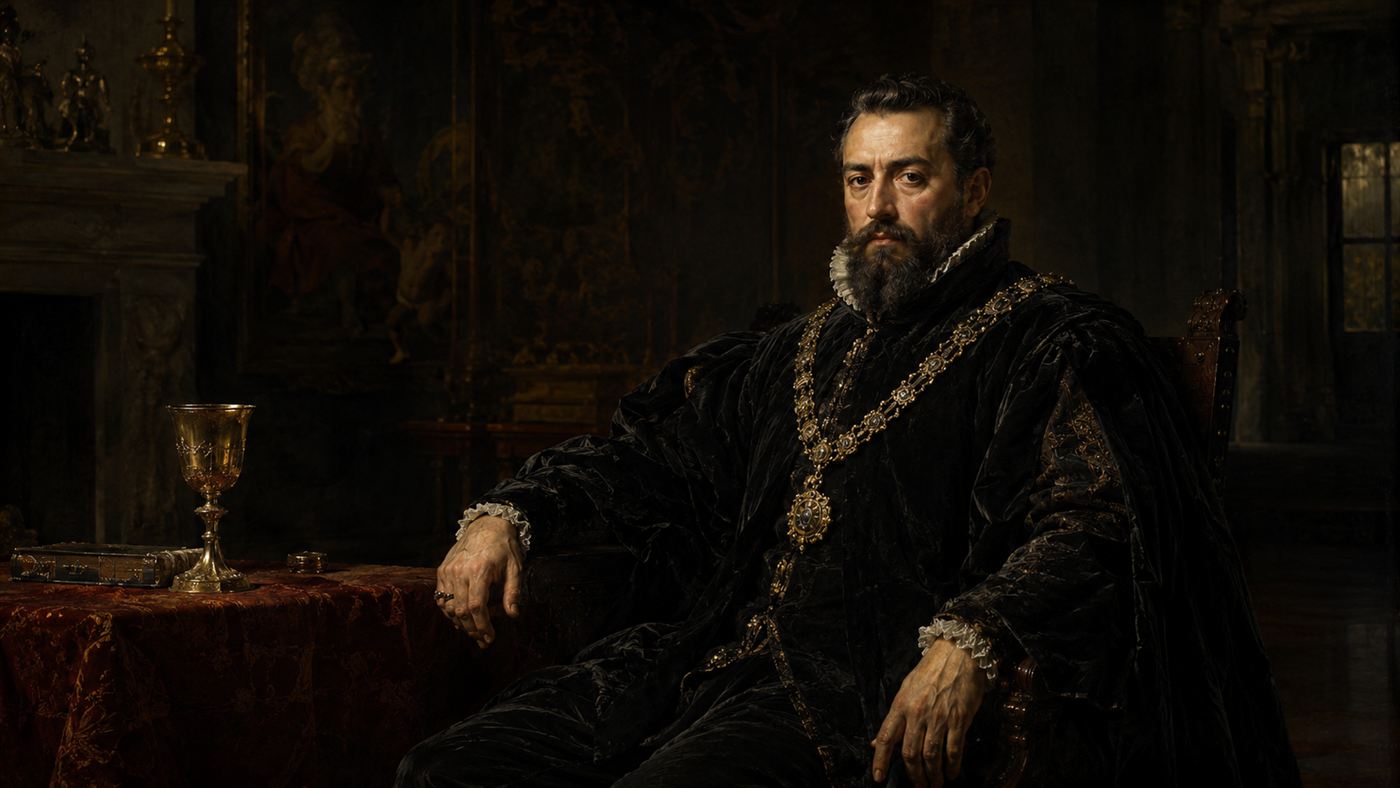
Francesco ruled Florence, and in October 1587 he and his wife Bianca Cappello fell ill and died within a day of each other after staying at a Medici villa outside the city. Two powerful people dying together, in an age thick with court intrigue, was always going to breed suspicion. Almost at once, a story took hold that the couple had been poisoned, and a single name kept surfacing as the villain.
That name was Ferdinando, Francesco's own brother and bitter rival. He had motive in abundance, because when Francesco died Ferdinando inherited the throne and became the next Grand Duke of Tuscany. For four centuries the arsenic rumour clung to him, a rumour that outlived everyone who could confirm it.
How scientists reopened the Medici case
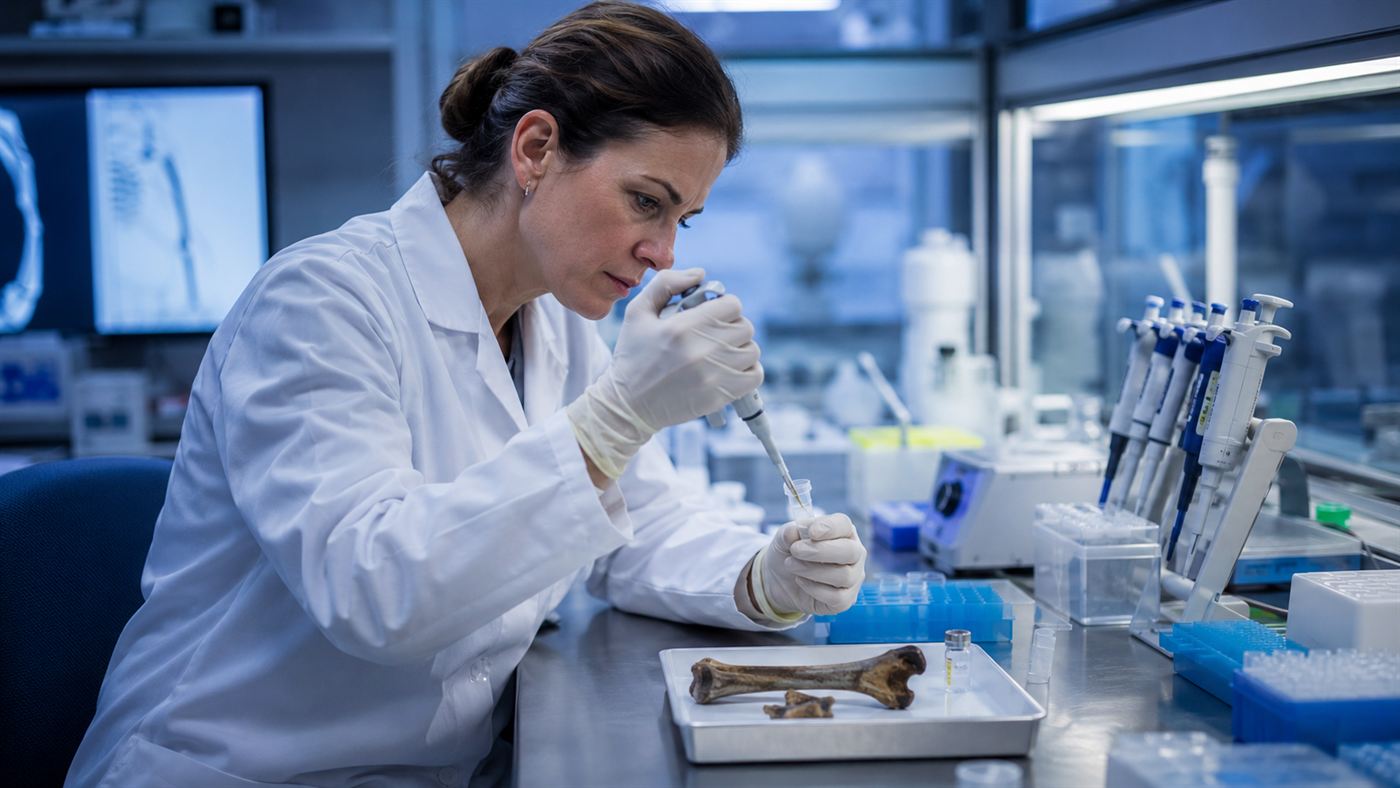
The new work was led by Alexander Ochoa of Yale, with the Italian medical historian Valentina Giuffra of the University of Pisa. Their evidence did not come from archives or old letters but from the dead themselves. The team took rib samples from remains held in the Medici Chapels, inside the Basilica di San Lorenzo in Florence, three ribs from Francesco and one from his brother Cardinal Giovanni.
Inside that old bone, alongside the human DNA, they found the genetic fingerprints of a parasite. Both men had carried Plasmodium falciparum, the deadliest of the organisms that cause malaria, and Francesco carried a second malaria species as well. After four hundred years in a crypt, the bones themselves were finally allowed to speak, and what they said was a diagnosis, not an accusation.
So who really killed Francesco de' Medici?
The answer, on this evidence, is a mosquito. Renaissance Italy was riddled with malaria, its marshy lowlands a breeding ground for the mosquitoes that carry the parasite, and the disease killed rich and poor alike. A grand duke in a villa was no safer from an infected bite than a peasant in a field. The fever, the collapse and the swift death that looked so sinister to contemporaries are exactly what severe malaria does.
There is a nice twist buried in the data too. The strain found in one brother carried two genetic mutations the researchers had never seen before, a small snapshot of how the parasite was changing as it spread across early modern Europe. A crime that never happened turned out to hide a genuine scientific discovery about the history of one of humanity's oldest killers. "Now we can say with scientific certainty that malaria, not poisoning, killed Grand Duke Francesco de' Medici," Giuffra said.
Why the poison story lasted so long
It is worth asking why the murder version held on for four hundred years when the truth was, in hindsight, so ordinary. Part of the answer is that Ferdinando really did benefit, and power passing to a rival is the kind of coincidence that begs for a darker explanation. A poisoning is a story with a shape, with a villain and a motive, the sort of tale that gets retold. Malaria is just bad luck and a bite in the night.
This is history written by the winners, and rewritten by the losers and the gossips who came after. Later chroniclers, some hostile to the Medici, had every reason to keep the poison legend alive, and once a good accusation is in the books it is very hard to remove. It took a technology no Renaissance courtier could have imagined to finally clear a dead man's name.
The honest catch
A result like this is a marvel, and it deserves the excitement. But honesty asks for a little caution too. Finding malaria in Francesco's bones proves he was infected and makes disease the obvious cause of death, yet it cannot completely rule out that something else also played a part. Ancient DNA is fragile, samples can be contaminated, and a single study, however careful, is a strong argument rather than a sealed verdict.
Still, the direction is clear, and there is something quietly moving in it. Four hundred years after a grand duke was buried under a cloud of suspicion, a rib bone and a gene sequence have handed down a fairer judgement, four centuries too late to matter to him, and just in time to matter to us. It is a reminder of the quiet, unglamorous truth that history often prefers a good villain to a dull fact, and that the dead, given the right tools, can still testify in their own defence.
Sources: Phys.org on the study, Live Science, and the study in iScience.
A gene sequence just overturned a story people believed for four centuries. Does clearing a dead man's name still matter, four hundred years later, or is the legend the more interesting thing? Tell us what you think in the comments.
Related reading: the Somerton Man, a body on an Australian beach that took seventy years and a DNA breakthrough to name. See also the phantom serial killer who turned out to be a contaminated cotton swab, and the scientist who found a malaria cure in an ancient Chinese text.