The burned body, the coded notes, and the spy with nine names
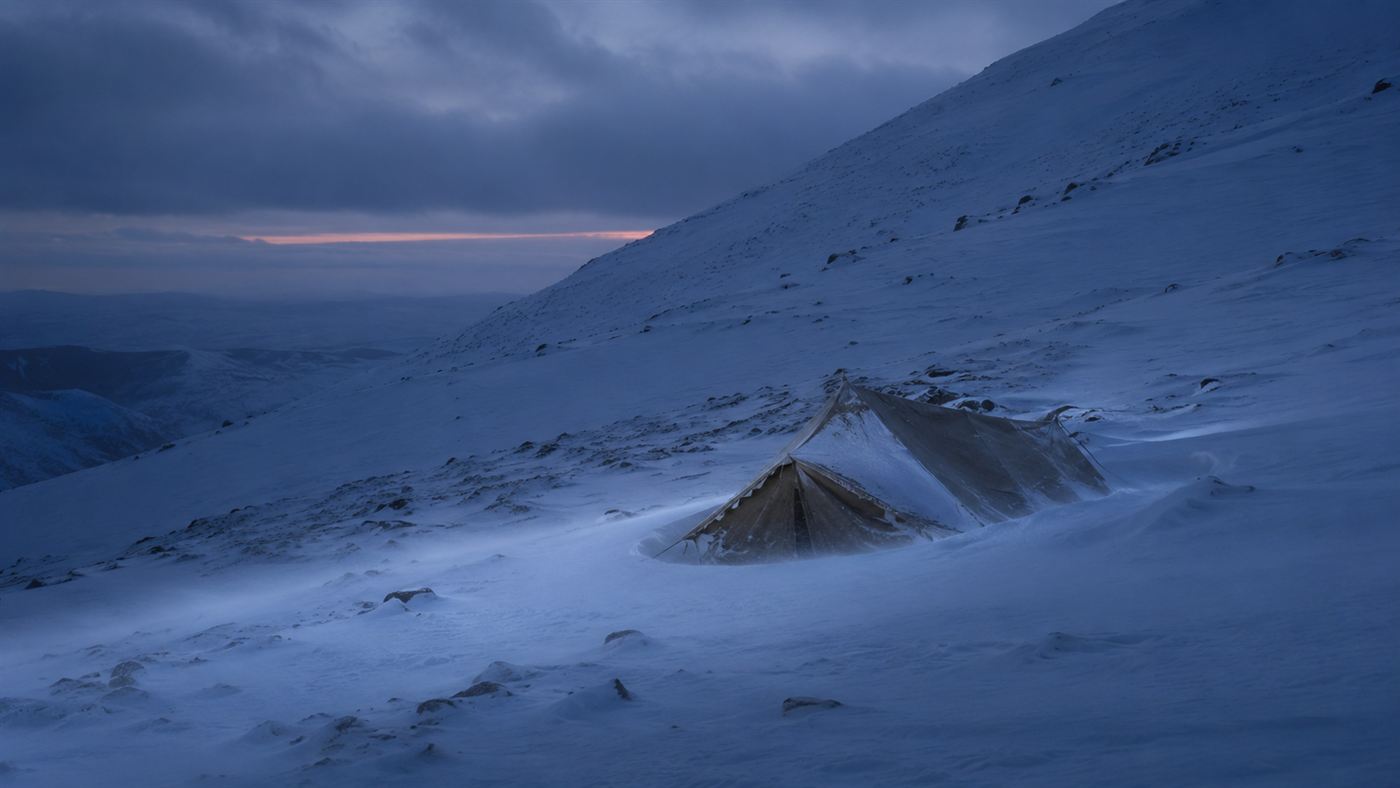
In the autumn of 1970, hikers in a lonely valley near Bergen in Norway stumbled on the burned body of a woman lying among the rocks. She carried no name anyone could trust. She had crossed Europe under a string of false identities, scrubbed the labels from her clothes, and left behind a notebook full of code. More than half a century later, no one has been able to say who she really was. The Isdal Woman remains Norway's most haunting mystery.
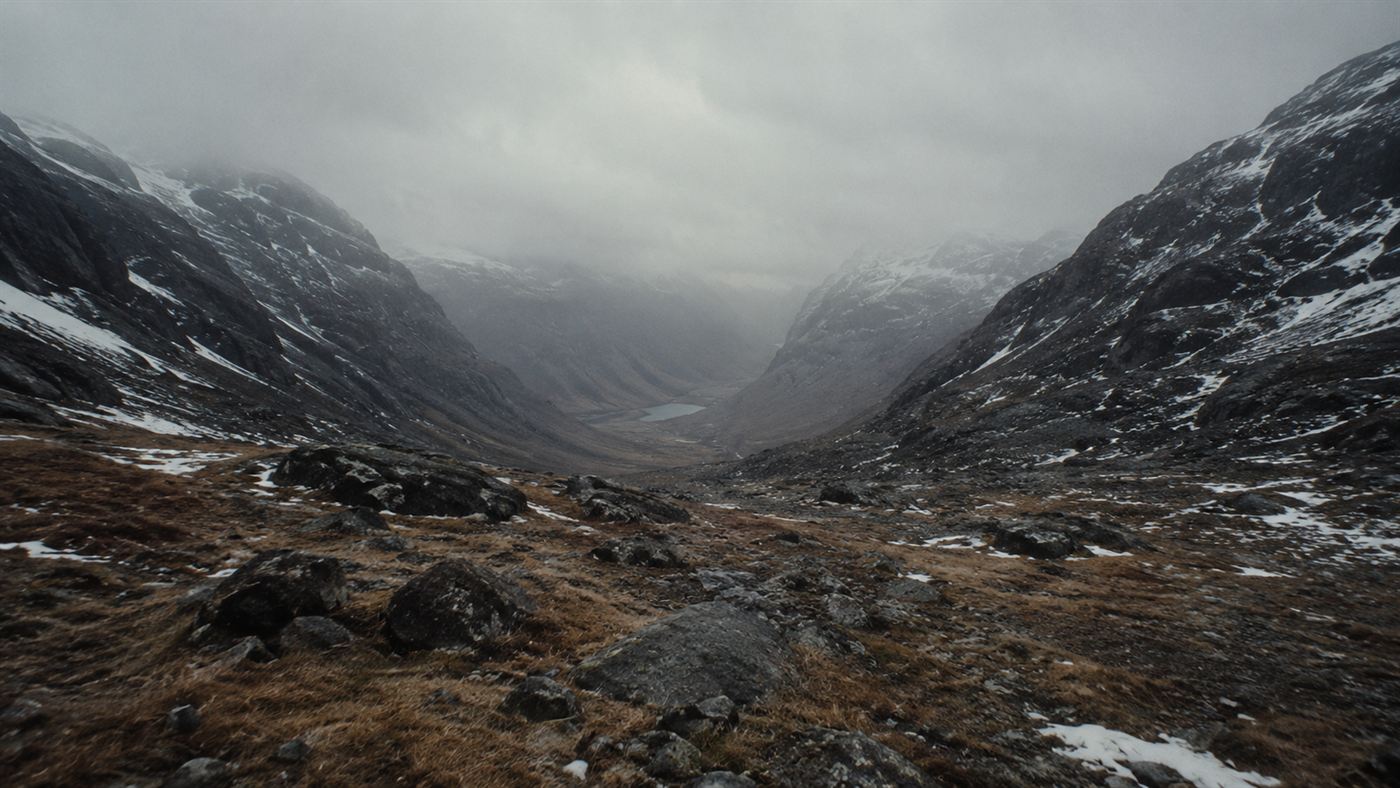
Isdalen, the "Ice Valley", where the body was found. Illustration: Watts & Wild.
It is a case that has everything a real-life mystery could ask for: a remote, eerie setting, a death no one can fully explain, and a victim who seems to have spent her life deliberately erasing herself. Every clue the Isdal Woman left behind only deepens the puzzle of who she was and why she died.
And it begins with the strange, deliberate way she had hidden her own identity.
A woman with nine names
When police searched the dead woman's belongings, they found something deeply odd: she had been living as several different people at once. She had travelled around Norway and Europe using at least eight false identities and fake passports, checking into hotels under different names and frequently changing rooms.
The secrecy went further than aliases. The labels had been deliberately cut from her clothing, and serial numbers scraped off her possessions, as if she were determined to leave nothing that could be traced. She spoke several languages, paid in cash, and behaved throughout with the wariness of someone who did not want to be followed. Whoever she was, she had gone to enormous lengths to make sure no one could ever find out.
The suitcases at the station
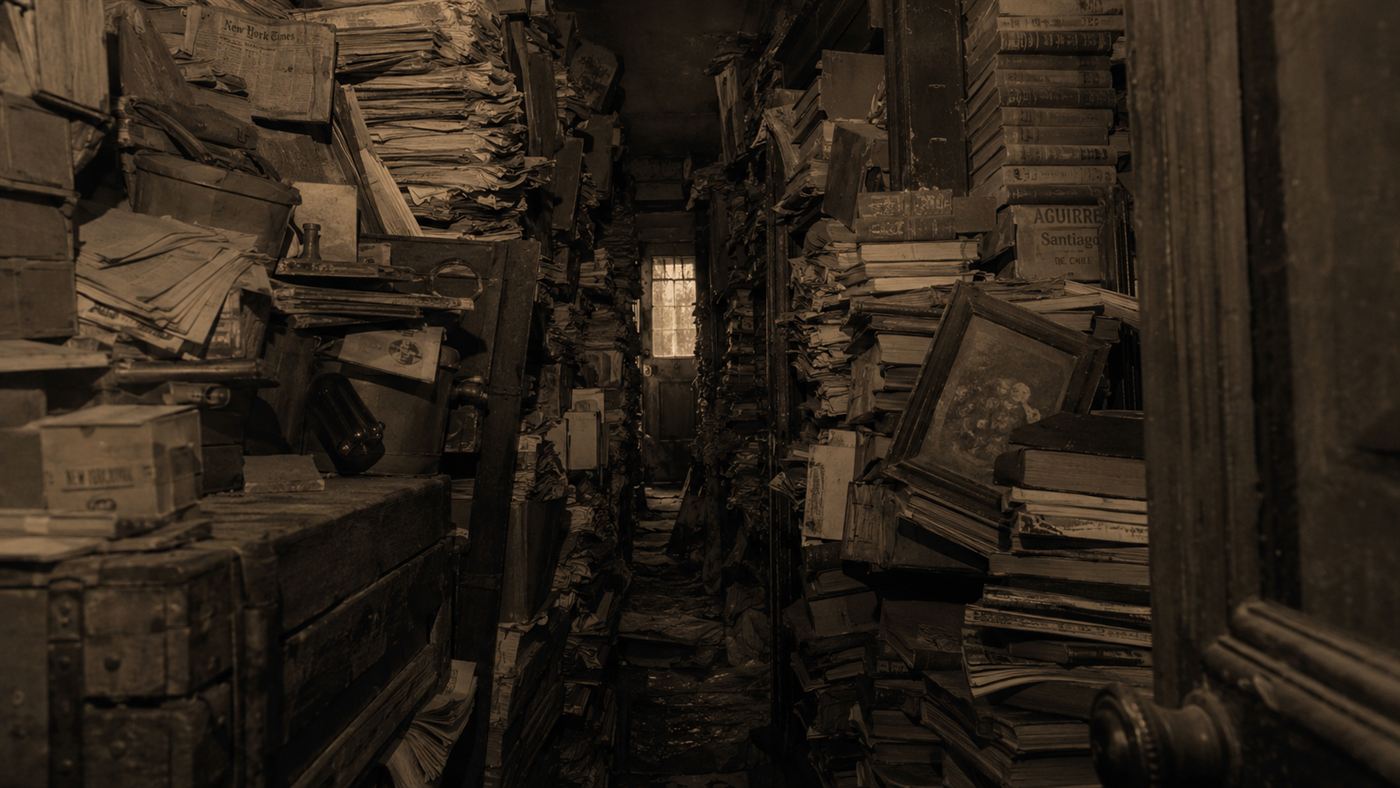
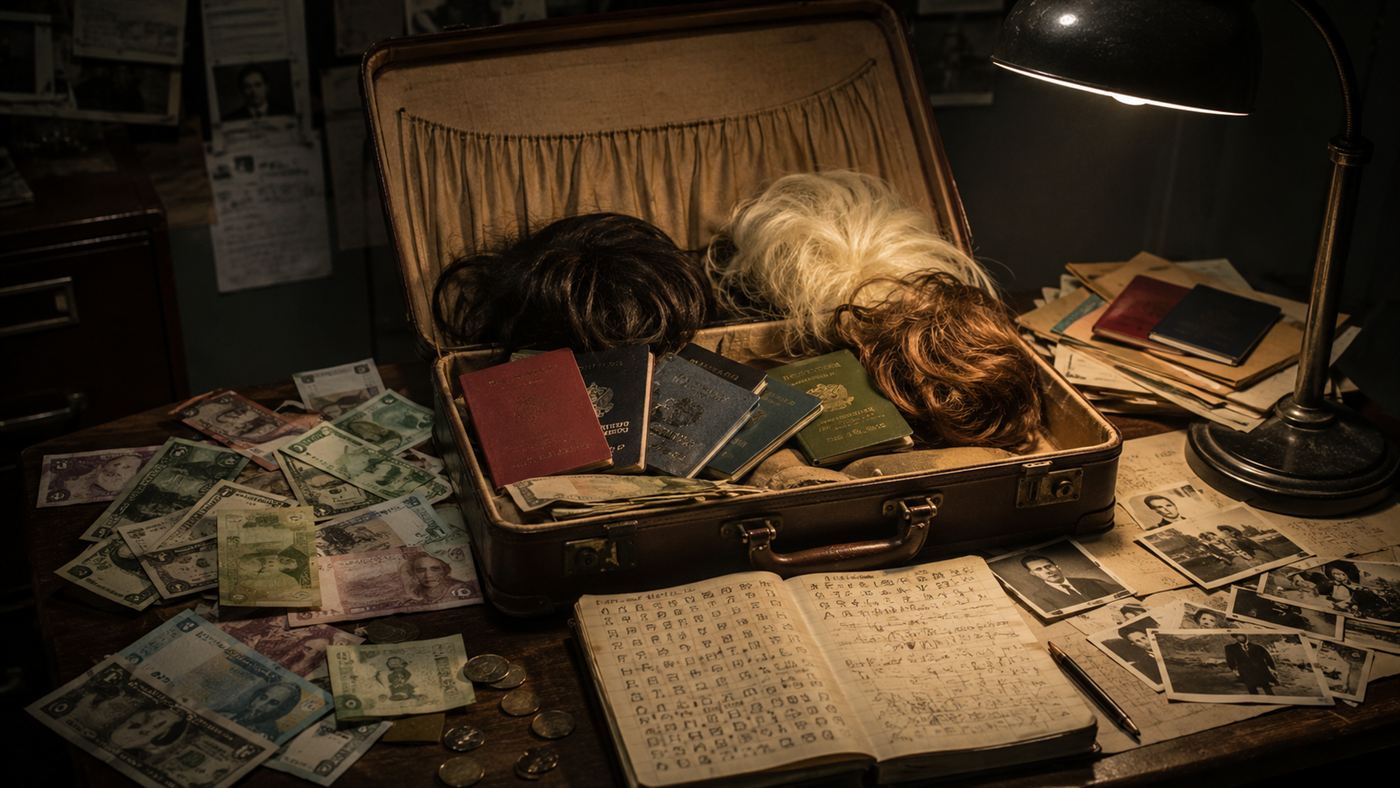
The biggest haul of clues came not from the valley but from the railway station in Bergen, where the woman had left two suitcases. Inside were wigs, cash in several currencies, maps, timetables, and a notebook filled with coded entries that investigators eventually worked out was a disguised record of her travels.
There was also a prescription bottle with the doctor's name carefully scratched out. Taken together, the contents read less like the luggage of an ordinary traveller and more like the kit of a professional with something to hide. To many who have studied the case, every item in those suitcases whispered the same word: espionage. The coded notes alone turned a sad death into something that looked like a chapter from a Cold War thriller.
Suicide, or something darker?
The official verdict, when it came, was strangely flat for such an extraordinary case. An autopsy found she had died from a combination of sedative drugs and carbon monoxide poisoning, with soot in her lungs showing she was still alive as the fire burned, and the police concluded her death was most likely suicide.
Few people have ever been satisfied with that answer. A woman with nine identities and a coded diary, found burned in a remote valley, does not fit the ordinary shape of a suicide, and a bruise on her neck only added to the doubts. Over the years, declassified material even linked her movements to secret weapons tests along the Norwegian coast, fuelling the belief that she was a spy who had been silenced. It is worth being clear that none of the espionage theories has ever been proven; officially, the case is a suicide. But the gap between that tidy verdict and everything she left behind is exactly what keeps the mystery alive.
Who was the Isdal Woman?
That is the question no one has answered. The Isdal Woman was a multilingual traveller who moved through Europe under at least eight false names before dying near Bergen in 1970, and despite decades of effort her true identity is still unknown.
It is not for want of trying. In recent years investigators have reopened the case with modern science, using isotope analysis of her teeth to suggest she most likely grew up in central Europe before moving west, and extracting DNA in the hope of one day matching her to a relative. Those tools have narrowed the search, but they have not yet found her name. She remains, in the most literal sense, a missing person no one ever reported missing.
Was the Isdal Woman a spy?
Probably, though no one can prove it. The fake passports, the coded notes, the scrubbed labels and the constant changes of name all point strongly toward espionage, even though the official ruling was suicide and the spy theory has never been confirmed.
That uncertainty is the heart of the story. We are left with a woman who clearly did not want to be known, who succeeded so completely that she has kept her secret for over fifty years, even from the people determined to uncover it. Whether she was an agent caught in the machinery of the Cold War or a frightened person running from something else entirely, she took the answer with her into a Norwegian valley, and so far it has stayed there.
A woman erased herself so thoroughly that half a century of detective work still cannot bring her back. How does a person vanish so completely that even the truth of who they were dies with them? Tell us what you think in the comments.
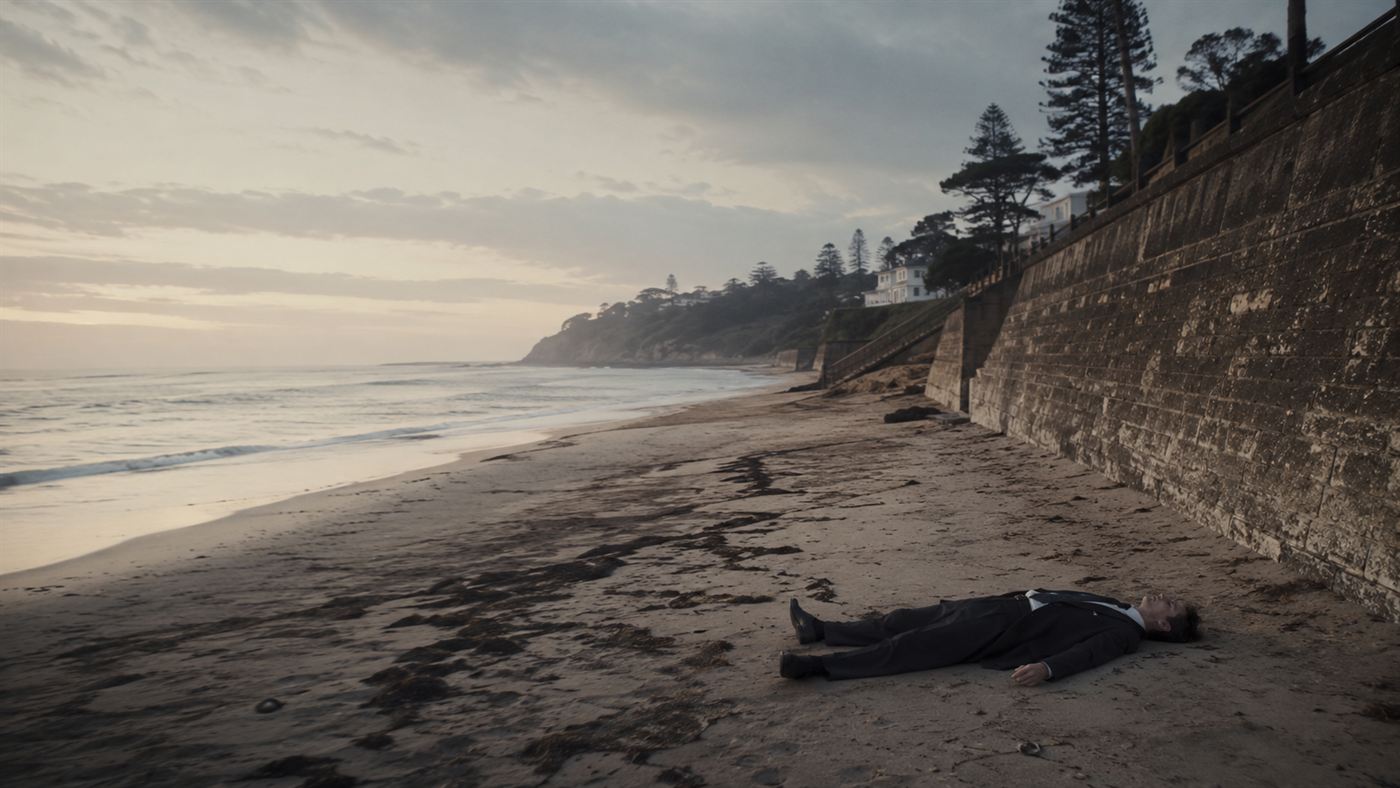
Related reading: the Somerton Man, another unidentified body left with a cryptic clue and no name at all.