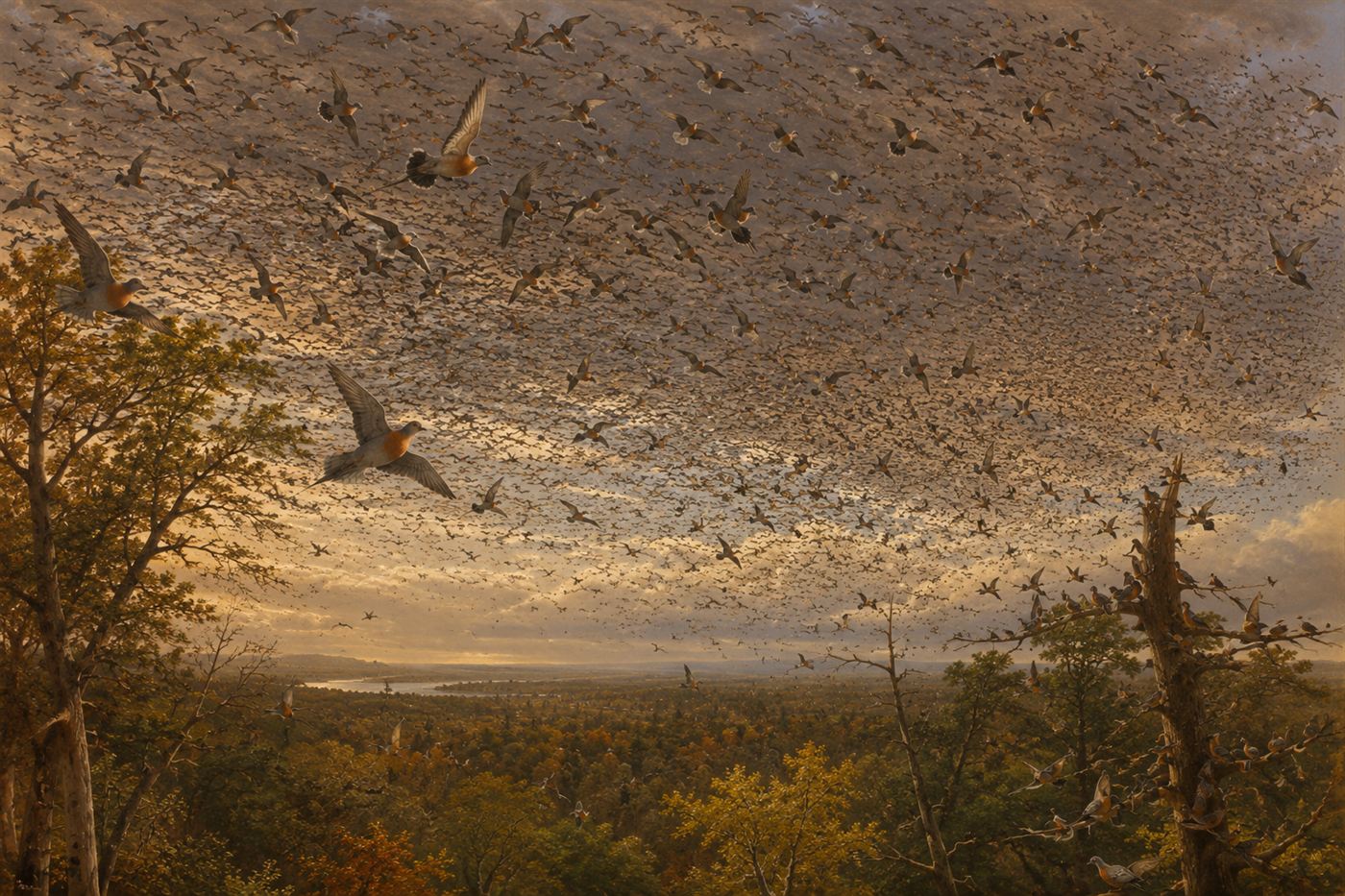
Scientists wiped a flesh-eating parasite off an entire continent not with poison but by breeding billions of flies, sterilising the males, and setting them loose
It is one of the strangest victories in the history of farming and biology. To get rid of a fly that ate cattle alive, scientists did not spray it into oblivion. Instead they built factories to breed the pest by the billion, made the males sterile, and released a blizzard of them into the wild, until the fly quietly stopped being able to reproduce at all.
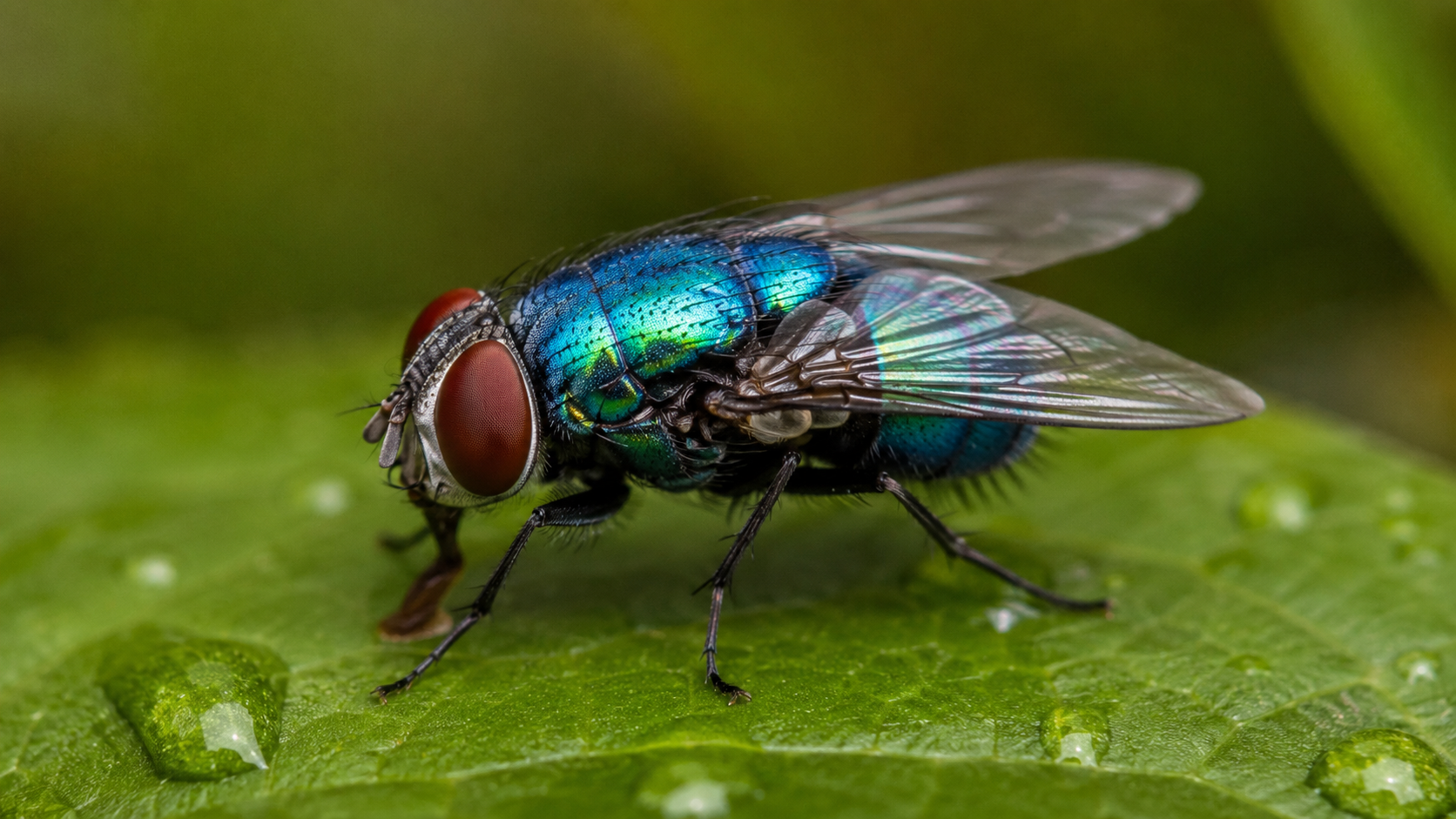
A small fly with a gruesome habit became the target of one of biology's boldest campaigns. Illustration: Watts & Wild.
The story of screwworm eradication is the story of how a clever idea, pursued for decades, beat one of the nastiest parasites in the Americas. It is also a quiet revolution in how we fight pests, one that swapped chemicals for biology and turned the enemy's own sex life into the weapon used against it.
To appreciate the cure, you have to understand just how horrible the disease was.
What is the New World screwworm?
The New World screwworm is no ordinary fly. While most maggots feed on dead and rotting tissue, the screwworm does something far worse: its larvae eat living flesh. A female lays her eggs at the edge of an open wound, even one as small as a tick bite or a fresh navel on a newborn calf, and the hatching maggots burrow inward, feeding as they go and enlarging the wound.
The effect on livestock was devastating. An untreated infestation could kill a full-grown cow in around two weeks, and at its peak the screwworm cost ranchers across the southern United States and Latin America staggering losses every single year. It struck wildlife, pets and sometimes humans too. For generations it was simply an unavoidable horror of raising animals in warm climates.
The idea: beat the fly with its own biology
In the late 1930s, a United States Department of Agriculture entomologist named Edward Knipling had a radical thought. He had noticed a crucial quirk of screwworm behaviour: the female fly mates only once in her entire life. Mate her with the wrong male, and her whole reproductive future is wasted.
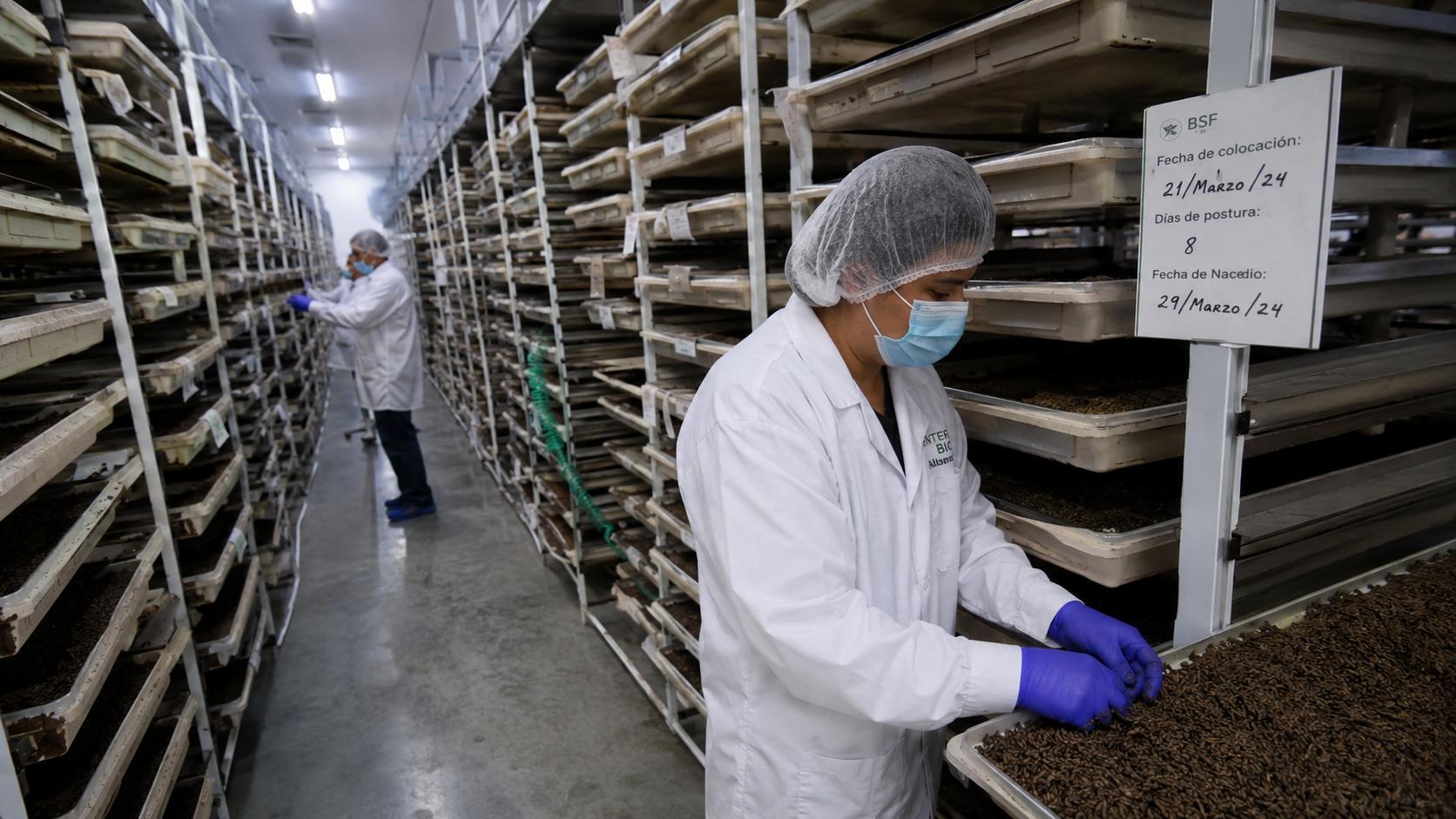
Knipling reasoned that if you could flood an area with vast numbers of sterile males, the wild females would keep mating with them by sheer probability, lay eggs that never hatched, and the population would crash. His colleague Raymond Bushland cracked the practical half of the problem, working out how to rear screwworms by the millions on a diet of ground meat and blood, and then sterilise the males with a burst of radiation without making them too weak to compete for mates. Together they had a weapon: an army of living, flying, harmless duds.
Did screwworm eradication actually work?
Spectacularly. The first real test came in 1954 on the Caribbean island of Curaçao, where sterile flies were released and the screwworm was wiped out in about seven weeks. An island is an easy target, but it proved the principle, and the campaign scaled up to the impossible-sounding idea of clearing an entire mainland.
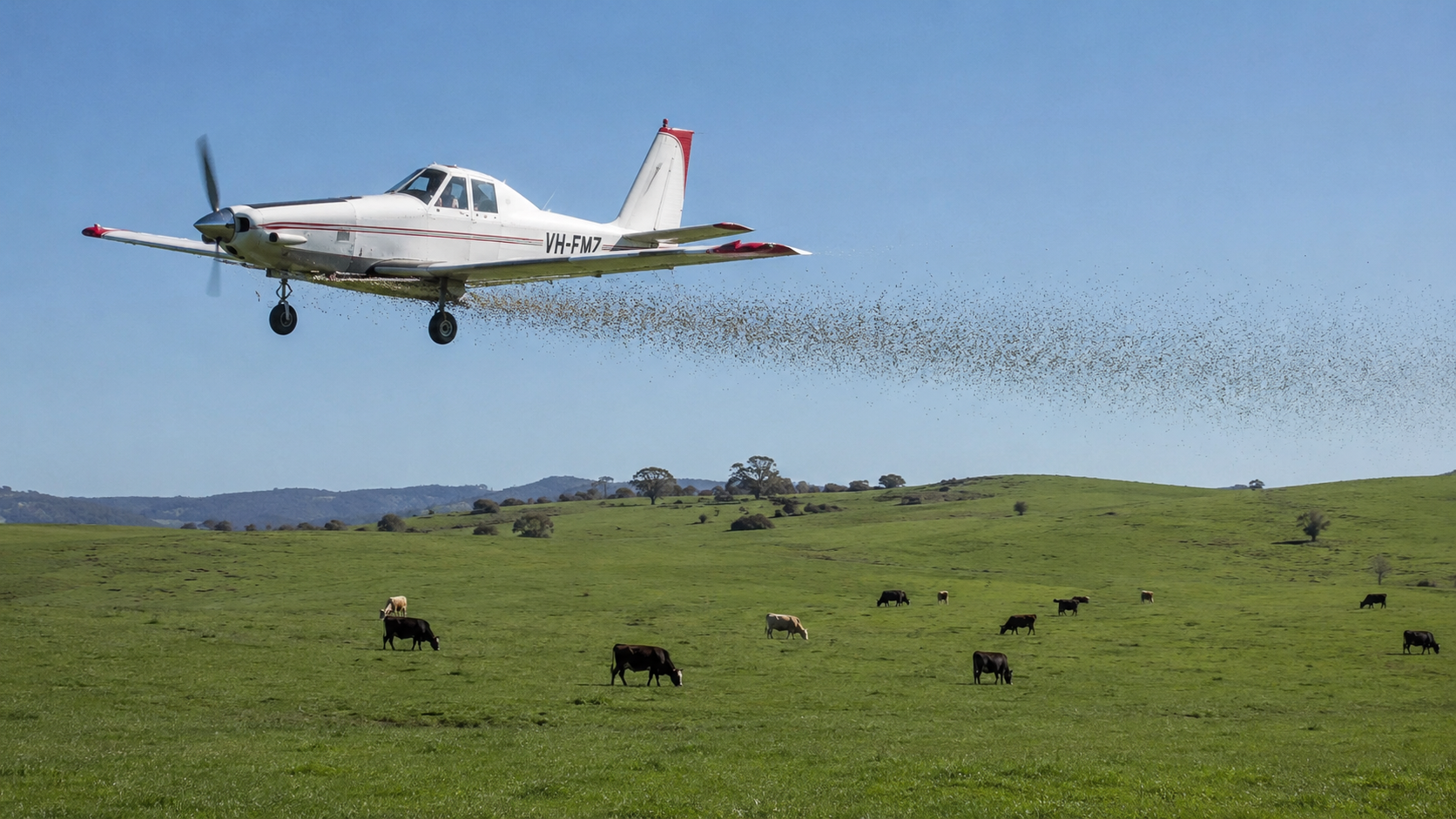
Through the 1960s and 1970s the United States drove the screwworm out, releasing sterile flies by the billion from aircraft over the countryside. The fly was eliminated from the United States, then pushed steadily south through Mexico and Central America, country by country, in one of the largest and most successful pest-control programmes ever attempted. Knipling and Bushland later shared the World Food Prize for an achievement estimated to have saved ranchers and consumers many billions of dollars.
A living wall of sterile flies
Here is the part that sounds like science fiction. Eradicating the screwworm from a whole continent is not actually the hard part; keeping it gone is. The fly still thrives in South America, and it would happily march north again the moment it could. So the eradication is held in place by a permanent barrier of sterile flies.
For decades, a facility kept breeding sterile screwworms, and aircraft kept dropping them along a containment line near the narrow Darién Gap between Panama and Colombia. The southern frontier of North America is, in effect, defended against a flesh-eating fly by a never-ending rain of its own sterilised relatives. Stop the factory, and the wall comes down.
The honest catch
The triumph is real, but it is not finished, and recent events have proved exactly why. In 2025 and 2026 the screwworm began pushing north again through Central America and toward Mexico and the United States, forcing officials to scramble to rebuild sterile-fly production and reinforce the barrier. The "eradication" was never a permanent erasure; it is a containment that has to be funded and flown, without fail, for as long as the fly exists anywhere on Earth.
It is also worth being clear-eyed about what the technique is. This is a deliberate, industrial-scale campaign to drive a species to local extinction, and it works by manipulating life at a vast scale. For livestock and the people who depend on them it is an unambiguous good, but it is a powerful reminder that our ability to reshape nature now includes the power to quietly switch off an entire population's future.
Why screwworm eradication still matters
The sterile insect technique that Knipling and Bushland pioneered has since been turned against other pests, from fruit flies that threaten crops to the mosquitoes that spread disease, making it one of the most important and humane pest-control tools ever invented. It removes a menace without blanketing the land in poison, and it targets only the one species in the crosshairs.
But the deeper lesson is the one written along that line of aircraft over the Darién Gap. Some of our greatest victories over nature are not conquests at all, but truces, held in place only by constant effort, and lost the moment we look away. The screwworm has been beaten for seventy years, and staying that way is a job that never ends.
We beat a flesh-eating fly by breeding it ourselves, by the billion, and dropping sterile males from the sky forever. When a victory over nature only holds as long as we keep paying for it, have we really won, or just signed up for an endless fight? Tell us what you think in the comments.
Related reading: When humans move a species in the other direction, the results can be just as dramatic, as one man's starlings proved across North America. See also the town that thanked its worst pest, the Boll Weevil Monument of Enterprise, Alabama.