An Alabama town was so grateful to the beetle that wiped out its cotton and forced it to grow peanuts instead that it built the world's only statue honoring an agricultural pest
In the middle of a small town square in southern Alabama stands a classical statue of a woman in flowing robes, arms raised, holding a trophy above her head. Look closer at what she is offering up to the heavens and you find the punchline: a giant sculpted beetle, the most destructive crop pest in American history, honored like a god.
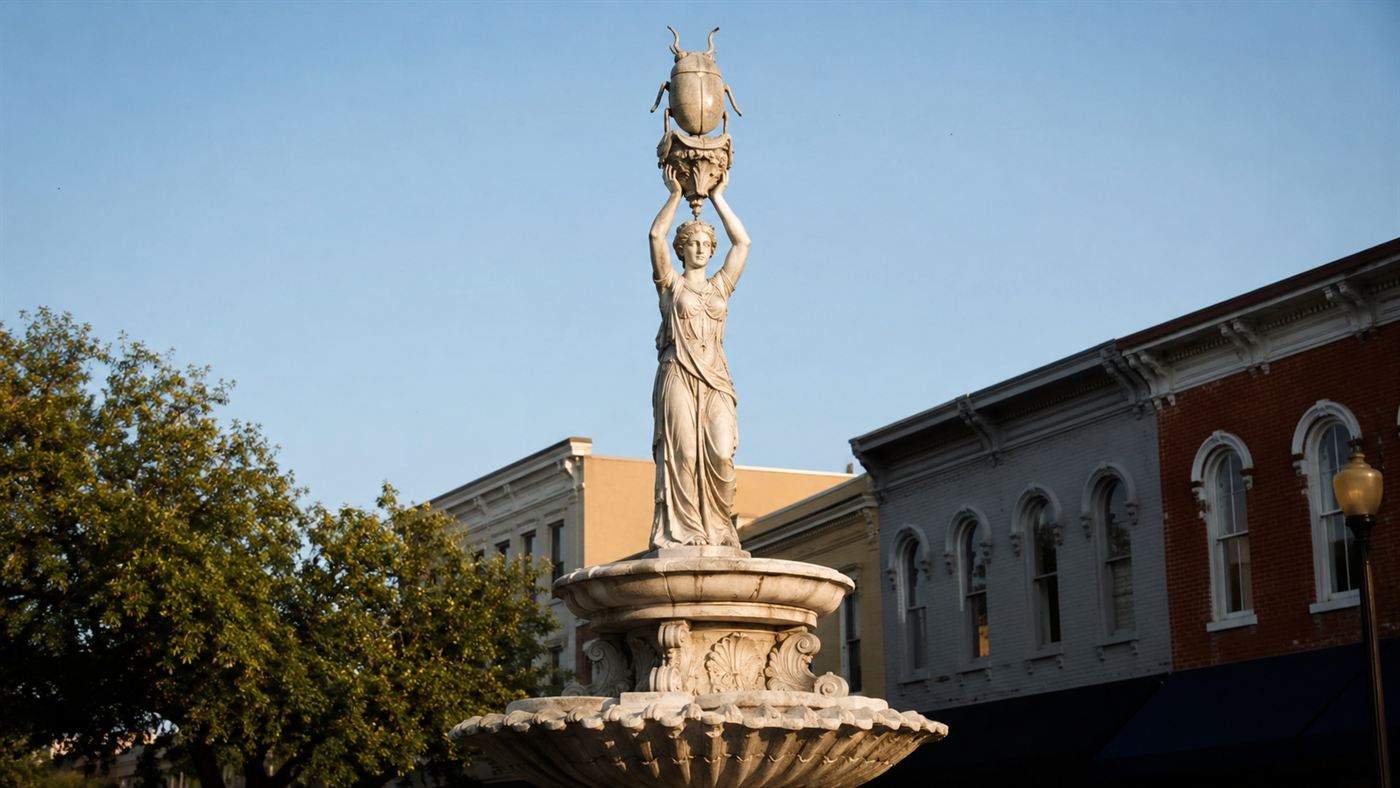
The statue in Enterprise raises a boll weevil to the sky, the only monument of its kind. Illustration: Watts & Wild.
The town is Enterprise, Alabama, in Coffee County, and the statue is the Boll Weevil Monument. It was dedicated on December 11, 1919, and it is generally recognized as the first monument anywhere on Earth built to honor an agricultural pest. Its message is not ironic. The people who paid for it genuinely meant to say thank you.
To understand why a farming town would thank the insect that ruined its main crop, you have to understand just how completely the boll weevil rewrote the economy of the American South, and how a disaster turned, against every expectation, into the best thing that ever happened to this particular corner of Alabama.
The short version: the boll weevil devoured the South's cotton, and Enterprise with it. Desperate farmers switched to peanuts, which turned out to be far more profitable than cotton had ever been. Grateful for being forced to change, the town built the Boll Weevil Monument in 1919 to thank the bug that had saved it by ruining it.
The insect that ate the South
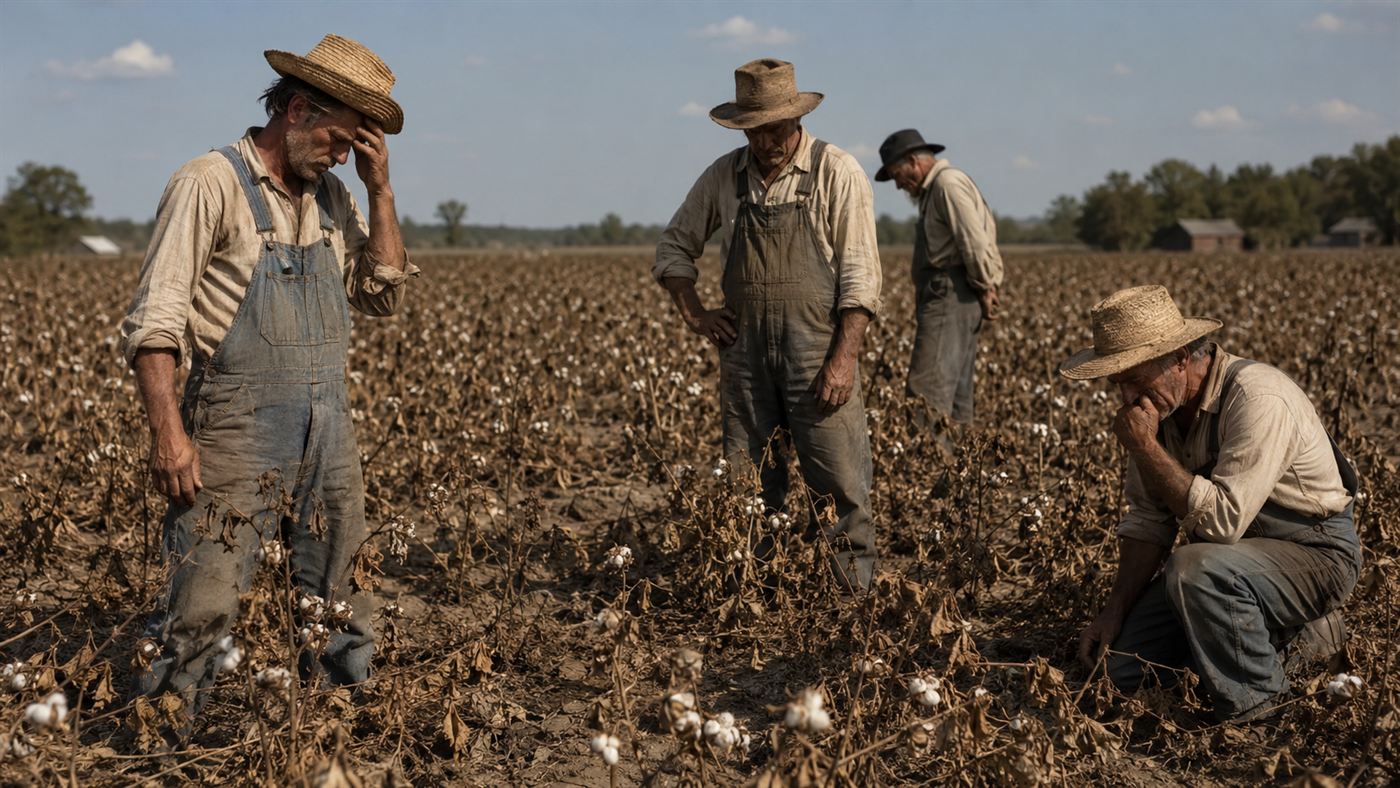
The boll weevil is a small beetle with a long snout that feeds on cotton buds and bolls. It crossed from Mexico into Texas around 1892 and then marched east across the Cotton Belt, one county at a time, over the following three decades. Wherever it arrived, cotton yields collapsed, sometimes by half or more, and the single-crop economies built on cotton collapsed with them.
For the South, this was a slow-motion catastrophe. Entire regions had staked everything on cotton, and the weevil exposed the danger of that bet. By the time it reached Coffee County around 1915, farmers there watched their fields and their livelihoods being eaten in front of them, with no pesticide of the era able to stop it.
How ruin turned into riches
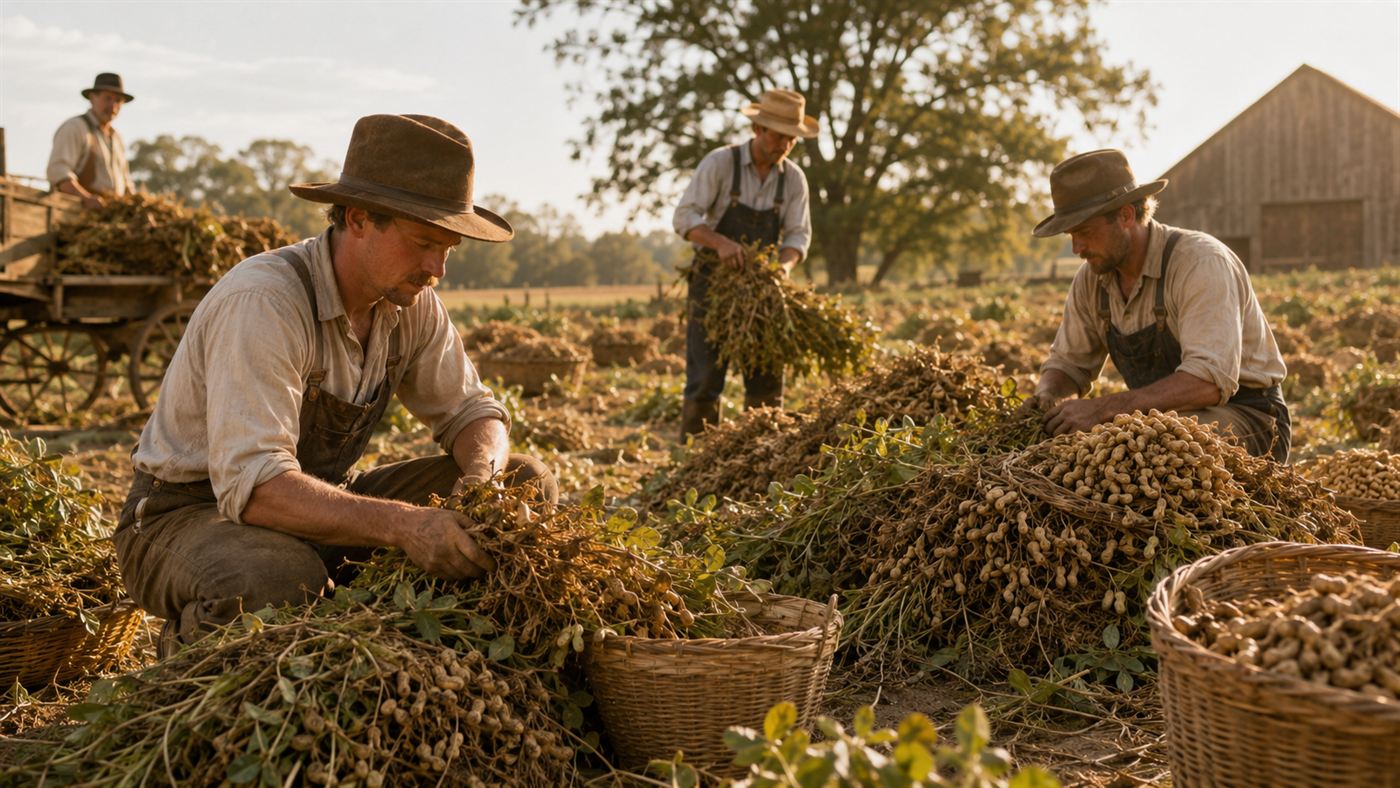
Facing disaster, a few local figures pushed a radical idea: stop growing cotton and plant peanuts instead. A businessman named H.M. Sessions and a farmer named C.W. Baston helped prove a peanut crop could thrive in the sandy soil, and the results were startling. Peanuts did not just survive where cotton had failed, they paid far better.
By 1919, Coffee County had become the largest peanut producer in the entire country, and the money that peanut crop brought in dwarfed what cotton had earned even in good years. Farmers who diversified into peanuts, livestock and other crops found themselves more prosperous, and more protected against any single failure, than they had ever been under king cotton.
Why would a town thank a plague?
The monument was the brainchild of a local businessman and promoter named Roscoe "Bon" Fleming, who understood both civic pride and good publicity. The idea was cheeky but sincere: the boll weevil had forced Enterprise, Alabama to break its dangerous dependence on cotton, and in doing so had handed it a richer, safer future. Why not admit that out loud, in bronze and stone?
The inscription says it plainly, thanking the beetle "as the herald of prosperity." When the Boll Weevil Monument went up, a crowd of thousands turned out for a parade and celebration. It was one of the most self-aware civic gestures in American history, a town publicly laughing at its own catastrophe because the catastrophe had, absurdly, made it rich.
Why the Boll Weevil Monument keeps getting stolen
Curiously, the beetle itself has been a magnet for trouble. The original design did not even include a weevil; the insect was added on top in 1949. Since then, vandals have repeatedly stolen or damaged the bug, and the town has had to repair and replace it more than once, eventually moving the treasured original indoors and mounting a replica outside.
Even that is fitting. More than a century on, the Boll Weevil Monument still provokes strong feelings, still draws curious travelers off the highway, and still stands as proof that the line between disaster and opportunity can be far thinner than it looks while the disaster is happening.
The honest catch
The tidy legend deserves a little friction. The switch to peanuts was not really the work of a helpful insect; it was the work of frightened people making a hard, smart choice under pressure, and plenty of farmers were ruined along the way before the county recovered. The weevil got the statue, but the credit belongs to the humans who adapted.
It is also worth remembering that the boll weevil was no gentle teacher. It caused enormous suffering across the South for decades, driving families off the land and helping push the great migration of Black farmers to northern cities. Enterprise got a happy ending and a good story. Many other places got only the ruin, and no monument to soften it.
A town that thanked the pest that ruined it has become one of the strangest and most oddly wise landmarks in America. Is there a disaster in your own life you would, looking back, actually put on a pedestal? Tell us in the comments.
Related reading: the flesh-eating screwworm that America wiped out by flooding the skies with billions of sterile flies. See also kudzu, the vine that was invited into the South and then ate it.