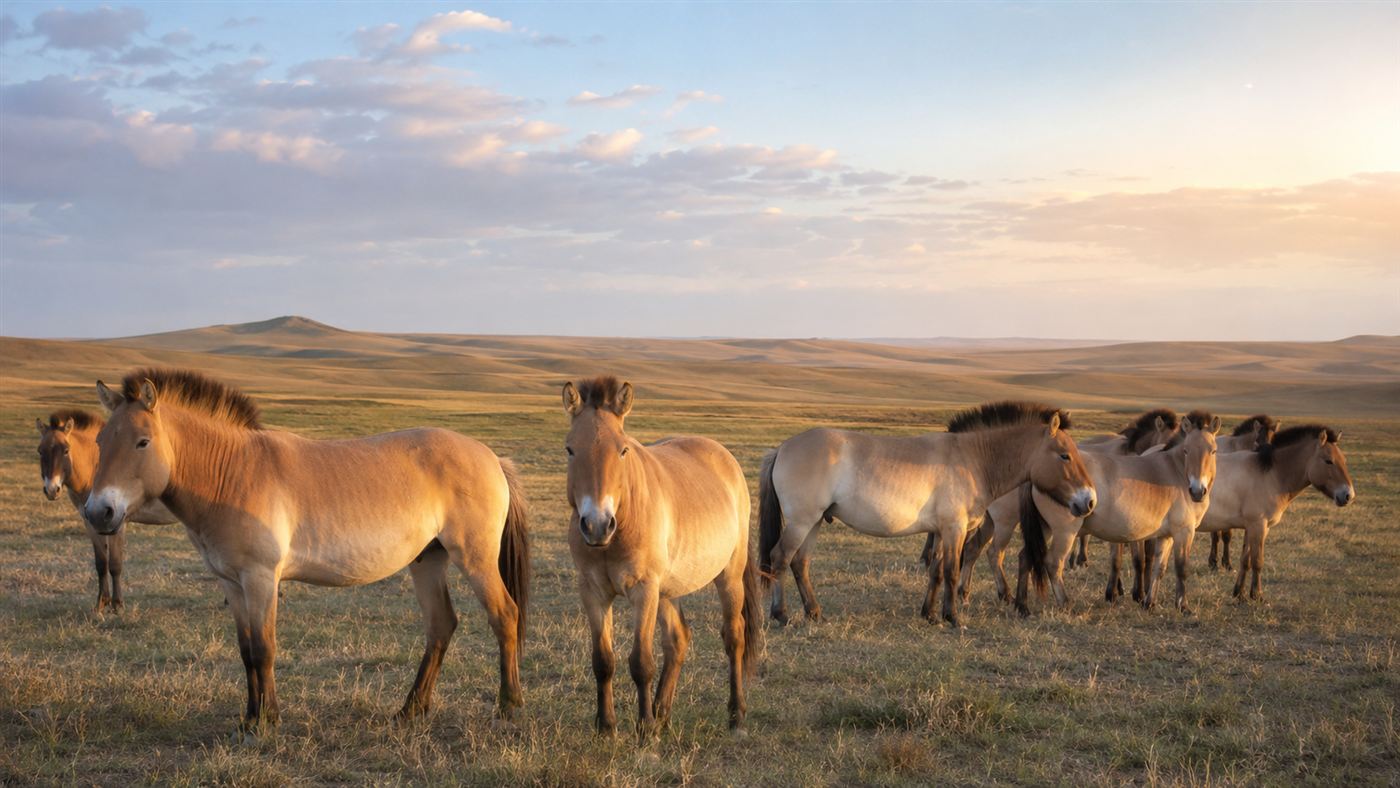
The Pyrenean ibex was cloned back from extinction in 2003 and died just minutes later, the only animal in history to go extinct twice
When the last bucardo died under a falling tree in 2000, a wild mountain goat vanished from the Pyrenees forever. Except that three years later, for a few astonishing minutes, it did not. A team of scientists brought the species back to life, and then had to watch it die a second time. It is a story science is still arguing about.
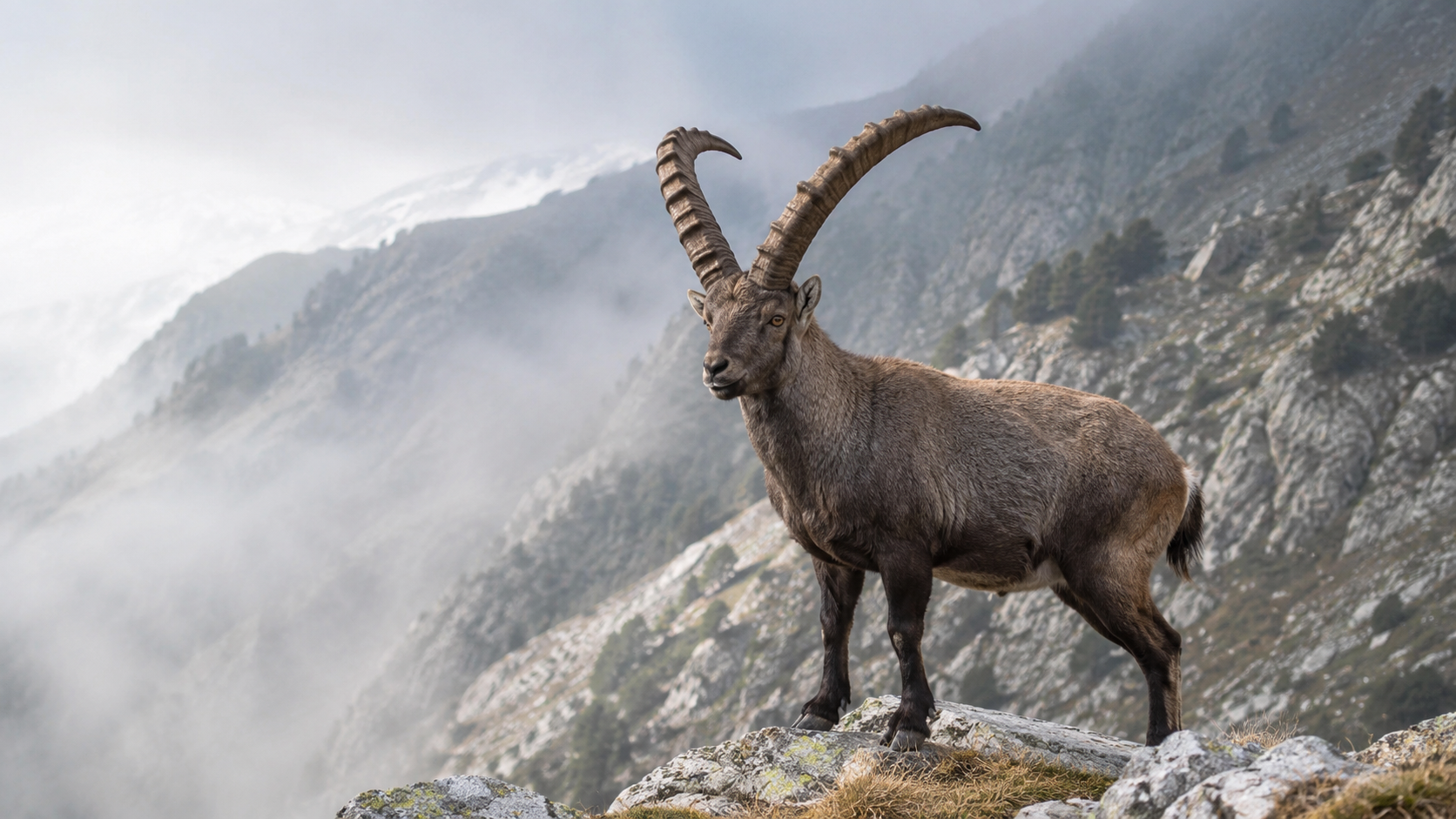
The bucardo, a wild goat of the high Pyrenees, vanished in 2000. Illustration: Watts & Wild.
The Pyrenean ibex de-extinction is one of the strangest milestones in modern biology. In 2003, a calf was born that belonged to a species that no longer existed. For a handful of minutes, the bucardo was no longer extinct. Then the newborn struggled to breathe, and the animal slipped back into extinction for the second time, the only creature ever to do so.
It is a story about loss, about cleverness, and about the limits of both. To understand why it mattered, you have to start with a single goat named Celia, and a piece of frozen ear.
What was the Pyrenean ibex?
The Pyrenean ibex, or bucardo, was a subspecies of wild goat, Capra pyrenaica pyrenaica, that once roamed the rocky heights of the Pyrenees between Spain and France. Males carried thick, ridged horns that curved back over their shoulders. Centuries of hunting and competition slowly squeezed the population down until, by the late twentieth century, only a handful remained in Spain's Ordesa National Park.
By the 1990s there was just one left. On 6 January 2000, that final bucardo, a thirteen-year-old female the scientists called Celia, was found crushed beneath a fallen tree. With her death, the subspecies was officially declared extinct. It should have been the end of the story.
How Celia became a frozen second chance
It was not the end, because of a decision made months earlier. Before Celia died, researchers had captured her, fitted a radio collar, and taken small skin biopsies from her ear. Those scraps of tissue were frozen and stored in liquid nitrogen. At the moment the last bucardo died, a living sample of her was sitting in a deep-freeze, waiting.
This was the same era that had produced Dolly the sheep, the first mammal cloned from an adult cell. The Spanish team, led by researchers including José Folch and Alberto Fernández-Arias, asked an audacious question. If you could clone a living sheep, could you clone a dead species back into the world?
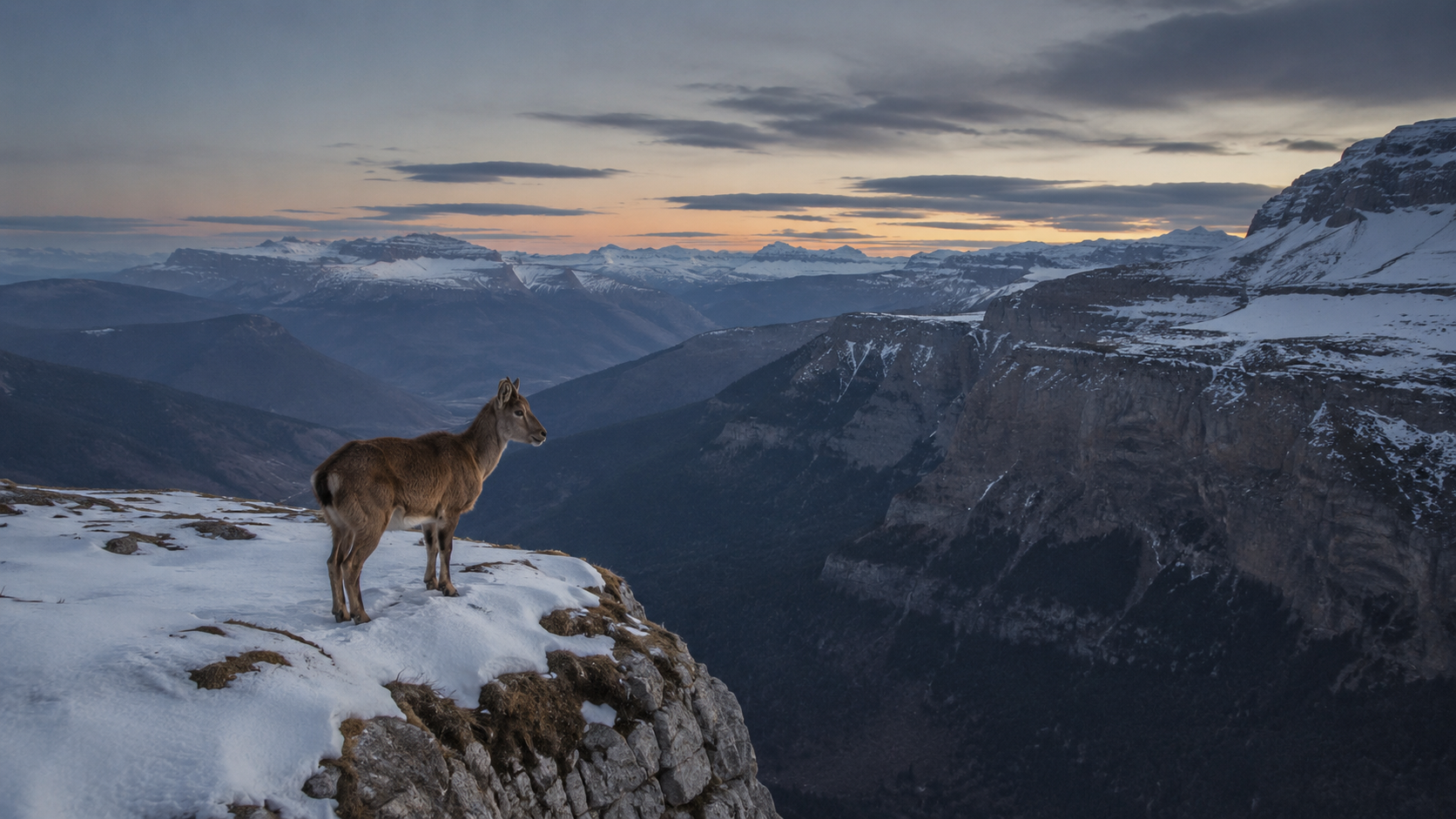
The Pyrenean ibex de-extinction, minute by minute
The work was painstaking and the odds were brutal. The team took Celia's frozen cells and fused them into egg cells emptied of their own DNA, building cloned embryos one at a time. In all they reconstructed hundreds of embryos. Most failed. Of 285 cloned embryos, only 54 were placed into surrogate goats and goat-ibex hybrids, and just one pregnancy carried all the way to birth.
On 30 July 2003, that surrogate gave birth to a living Pyrenean ibex kid. For the first time, a clone had brought an extinct animal back into the world. But the newborn was in immediate distress. It could not get enough air, and within minutes it died. A post-mortem found the cause: a deformed lung with an extra, solid lobe, a defect seen in other clones, that left the animal unable to breathe.
Why did the clone die so fast?
Cloning by transferring an adult cell's nucleus into an egg is astonishingly hard on the resulting animal. The donor DNA has to be reset to behave like that of a brand-new embryo, and that reprogramming often goes subtly wrong. Even Dolly's success sat on top of hundreds of failures, and many cloned mammals are born with defects of the heart, lungs or immune system.
The bucardo clone simply lost that lottery in the most visible way. Its lungs never formed correctly, and there was nothing the team could do. The science had been good enough to create life, but not yet good enough to make it last. That gap, between bringing something back and keeping it alive, is the heart of the whole de-extinction debate.

The honest catch
It is tempting to tell this as a triumph, but the truth is more sobering. The clone was genetically a bucardo, but it would have been female, like Celia, and there were no males and no other bucardos left. Even if it had lived, one animal cannot rebuild a species, so this was never going to repopulate the Pyrenees. It was a proof of concept, not a rescue.
It also raised hard questions that have not gone away. De-extinction is expensive, the success rate is tiny, and critics argue the money and attention might do more good protecting the thousands of species still clinging on today. The bucardo did not come back to stay. It came back to show that the door, once thought permanently shut, might be opened just a crack.
Why the Pyrenean ibex de-extinction still matters
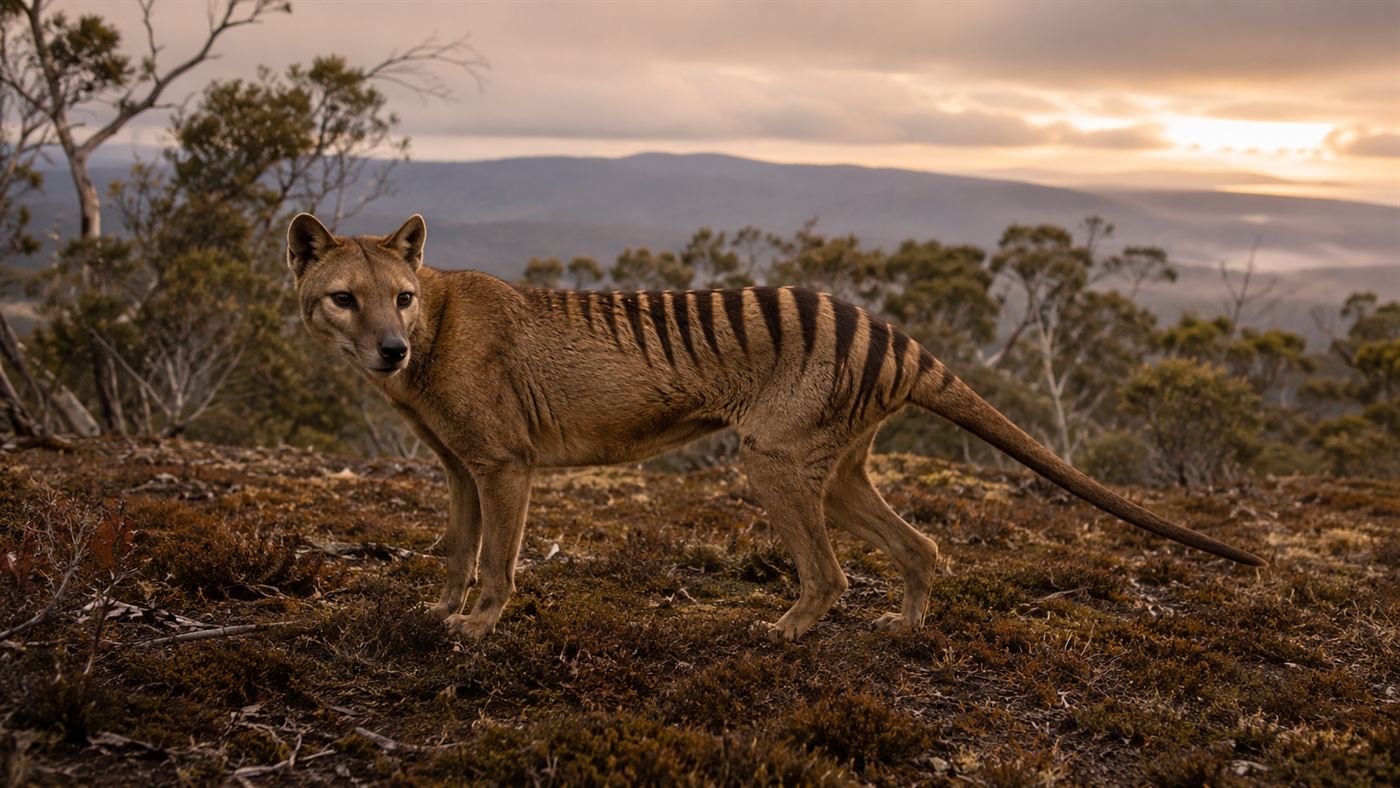
More than twenty years later, the bucardo remains the only animal humans have ever brought back from extinction, however briefly. Every modern de-extinction project, from the woolly mammoth to the thylacine, is walking through the door that Celia's frozen ear opened in 2003. The tools have improved enormously, but the basic dream, and the basic doubt, are unchanged.
What lingers is the quiet lesson underneath the headlines. We have the power to undo extinction for a few minutes, but not yet the power to make it stick, and far less the wisdom to have prevented the loss in the first place. The cheapest and surest way to keep a species alive, it turns out, is to not let the last one die under a tree.
Scientists brought an extinct animal back to life and then watched it die within minutes, the only species ever to vanish twice. Should we be spending our cleverness reviving the dead, or saving the living species we still have? Tell us what you think in the comments.
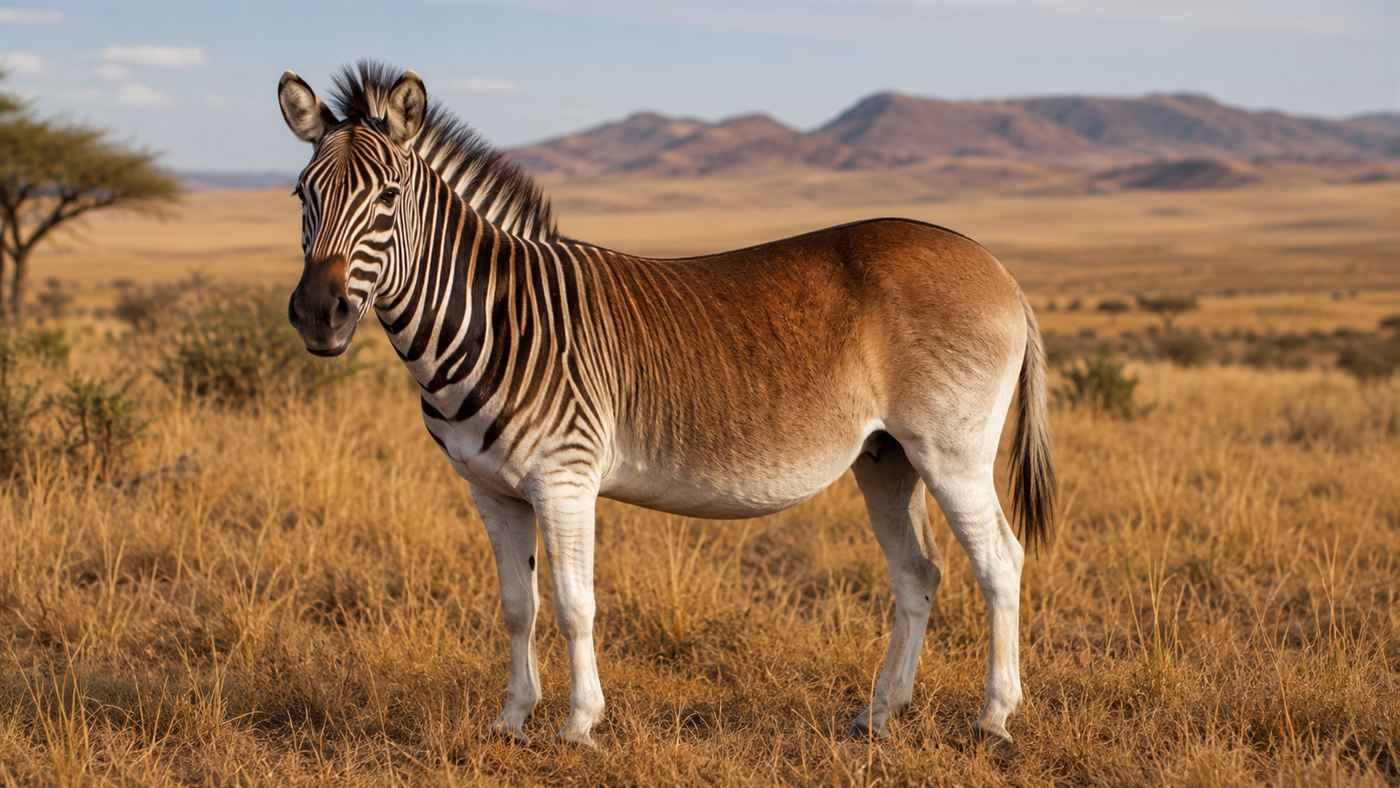
Related reading: South African breeders are trying to bring back the quagga by selectively breeding the zebra stripes off its descendants.