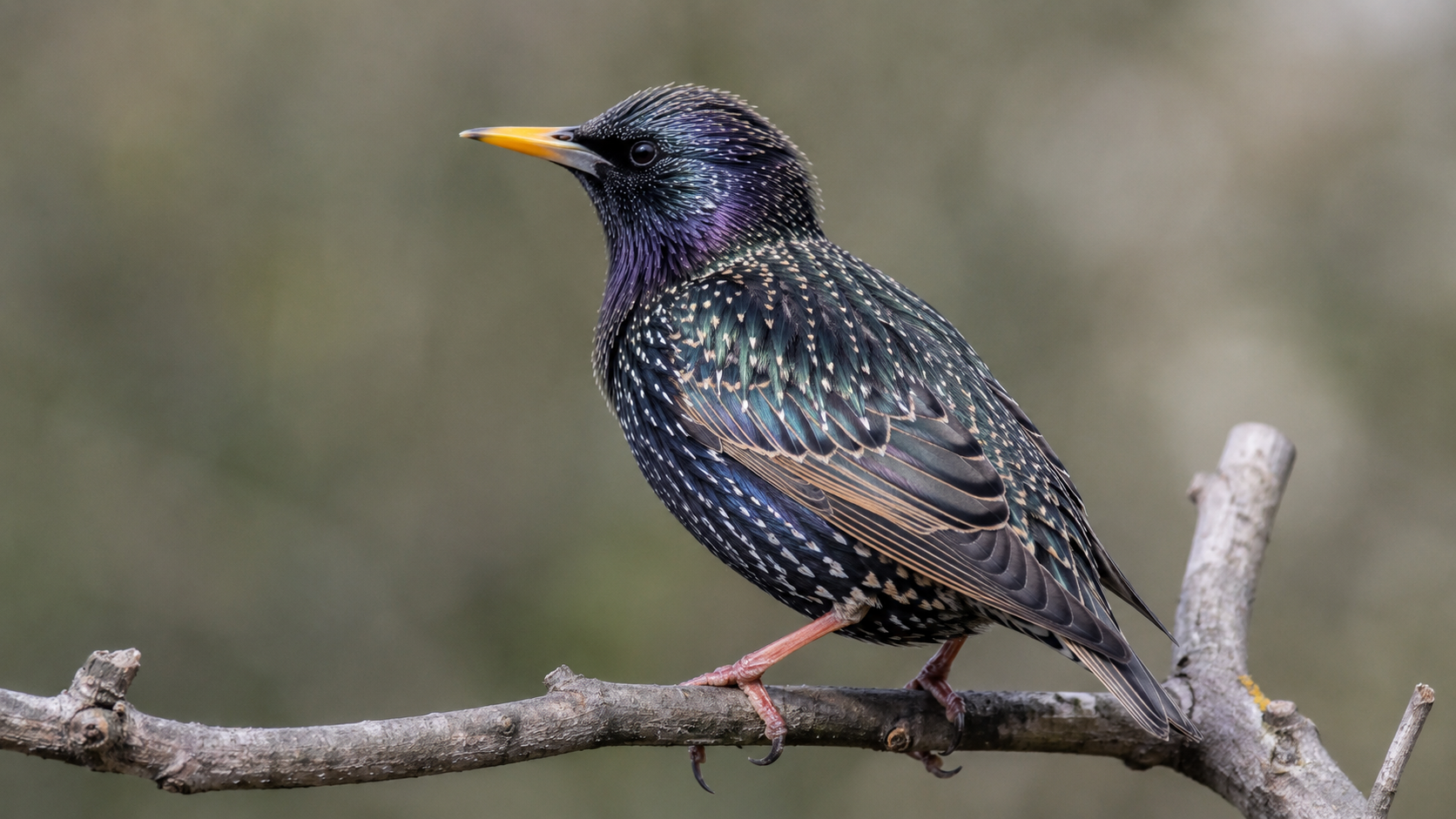
One man released a few dozen European starlings in Central Park in 1890, and today 200 million of them blanket North America, all supposedly for the love of Shakespeare
It is one of the most repeated stories in nature: a single eccentric New Yorker, besotted with Shakespeare, set loose a handful of birds in 1890 so that America would have every species the playwright ever named. From those few dozen came a feathered army of 200 million. It is a perfect story. It is also, in the crucial part, not true.
From sixty birds in 1890 to a continent-spanning flock of 200 million. Illustration: Watts & Wild.
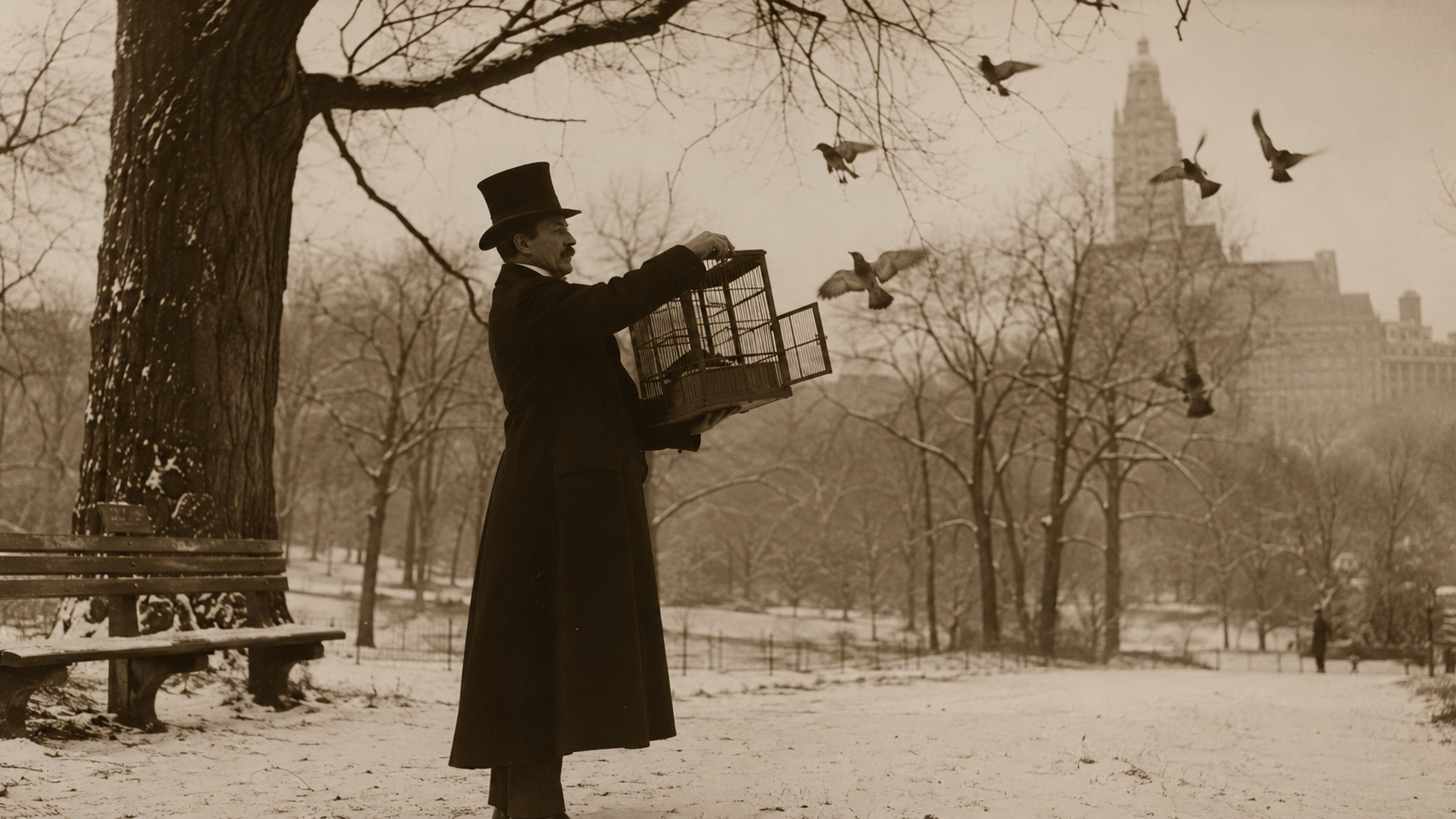
Every European starling in North America, and there are something like 200 million of them, can be traced back to one place and one moment: New York's Central Park, in the spring of 1890. The man who opened the cage was Eugene Schieffelin, a wealthy drug manufacturer with a passion for birds and a position as chairman of the American Acclimatization Society.
What he set in motion that day is one of the most consequential acts of amateur meddling in the natural world that the continent has ever seen. The birds did not just survive. They conquered.
Who released the European starlings?
Schieffelin belonged to a Victorian movement that thought it was doing the New World a favour. Acclimatization societies across Europe and the Americas deliberately moved plants and animals around the globe, convinced that enriching a country with foreign species was a mark of progress and good taste. To them, importing European birds was like importing European art.
On 6 March 1890, Schieffelin released about sixty European starlings into Central Park, and followed up with roughly forty more the next year. Many of his other introductions, including skylarks and nightingales, quietly failed to take hold. The starlings did the opposite. They found America very much to their liking.
From sixty birds to 200 million
Starlings are superb colonists. They are aggressive, adaptable, will eat almost anything, and nest happily in the nooks of human buildings as readily as in trees. From that first foothold in Manhattan, they spread outward year after year, reaching the Mississippi, then the Rockies, then the Pacific, then up into Canada and down into Mexico.
By the early twenty-first century, the population had exploded to more than 200 million birds across the continent, all descended from that original tiny flock. It is one of the fastest and most complete biological invasions ever documented, and it began with a few cages of birds and a well-meaning man who had no idea what he was unleashing.
The Shakespeare story everyone tells
Here is the version you have probably heard. Schieffelin, the tale goes, was such a devoted reader of Shakespeare that he resolved to bring to America every single bird the Bard ever mentioned. The starling earns its place because of one fleeting line in Henry IV, where a character muses about teaching a starling to speak. For the love of a single sentence, the story says, a continent was changed forever.
It is irresistible, and it is everywhere, repeated in textbooks, documentaries and museum displays for decades. The trouble is that there is essentially no evidence for it. The whole Shakespeare motive appears to have been invented long after Schieffelin was dead.
Did Shakespeare really cause it?
When historians went looking for the source of the Shakespeare claim, the trail ran cold almost immediately. The story seems to originate with a 1948 nature essay by the writer Edwin Way Teale, who offered it without a single citation, and no letter, diary entry or contemporary report from Schieffelin's own lifetime backs it up.
What is true is duller and, in a way, more damning. Schieffelin released the starlings not out of poetic devotion but as part of the ordinary business of his acclimatization society, which was busy trying to plant all sorts of European species in America for vague notions of usefulness and beauty. The continent was not reshaped by a romantic literary whim, but by a fashionable bad idea that an entire society of respectable men thought was perfectly sensible.
The honest catch
A couple of things deserve straightening out. The neat line that "every starling in America descends from Schieffelin's birds" is broadly accepted, but he was not necessarily the only person releasing starlings in that era, and the species had failed in earlier American attempts before his population finally caught. He lit the fuse that worked, rather than being the sole conceivable source.
And the birds themselves are not villains. A starling is just a starling, doing exactly what it evolved to do; the damage, from crop losses to elbowing native bluebirds and woodpeckers out of their nest holes, is the predictable result of human choices, not avian malice. If there is a lesson, it is about us. Moving a species across the world for sentiment or fashion is a decision whose consequences can outlast everyone who made it by centuries.
Why the European starlings still matter
The starling invasion is now a textbook case in every discussion of invasive species, biosecurity and the law of unintended consequences. It is the reason countries today think so carefully before letting a new animal cross their borders, because everyone knows how a few dozen birds in a park can end.
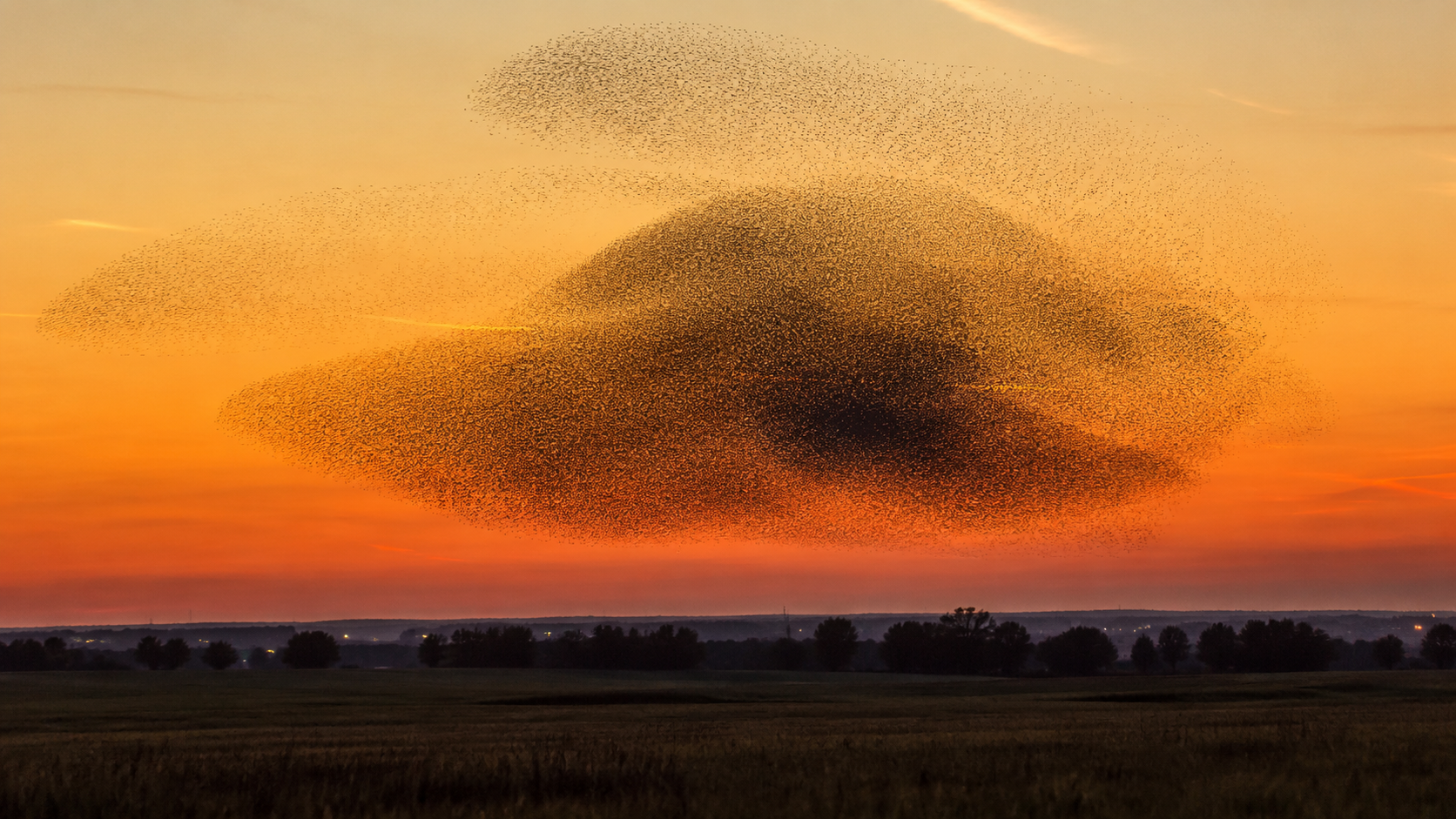
There is also a strange beauty in the aftermath. Those vast, shape-shifting clouds of starlings that wheel over fields at dusk, the murmurations people travel to see, are the living legacy of one Victorian's afternoon in Central Park. The most spectacular bird show in North America is also the continent's longest-running ecological mistake, and the two are exactly the same thing.
A few dozen birds in a park became 200 million across a continent, and the charming story we tell about why is mostly invented. How many other "facts" we all repeat are really just a good story that got written down once and never checked? Tell us what you think in the comments.
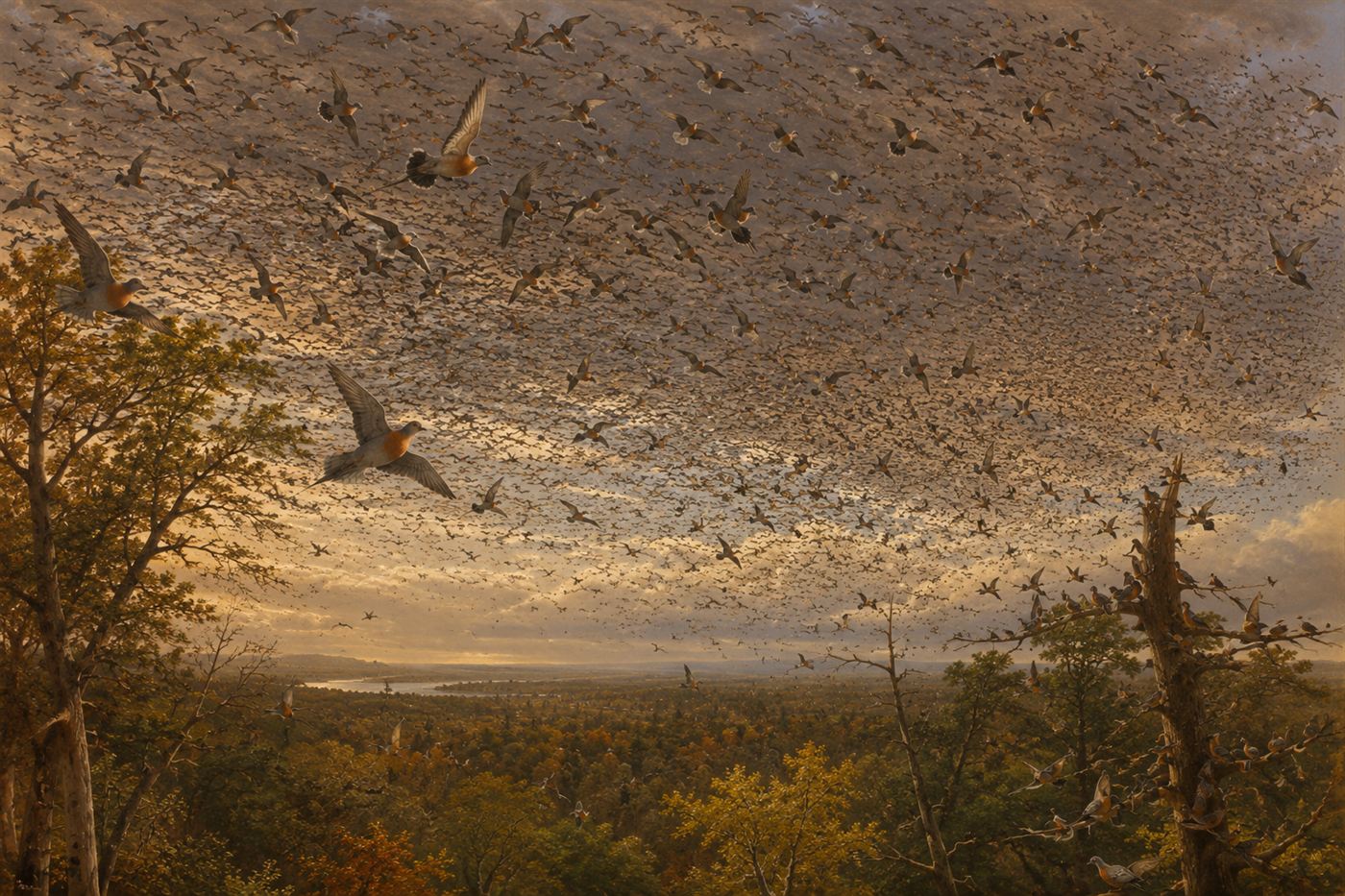
Related reading: While the starling exploded, North America's most abundant bird, the passenger pigeon, was wiped out in the same few decades.