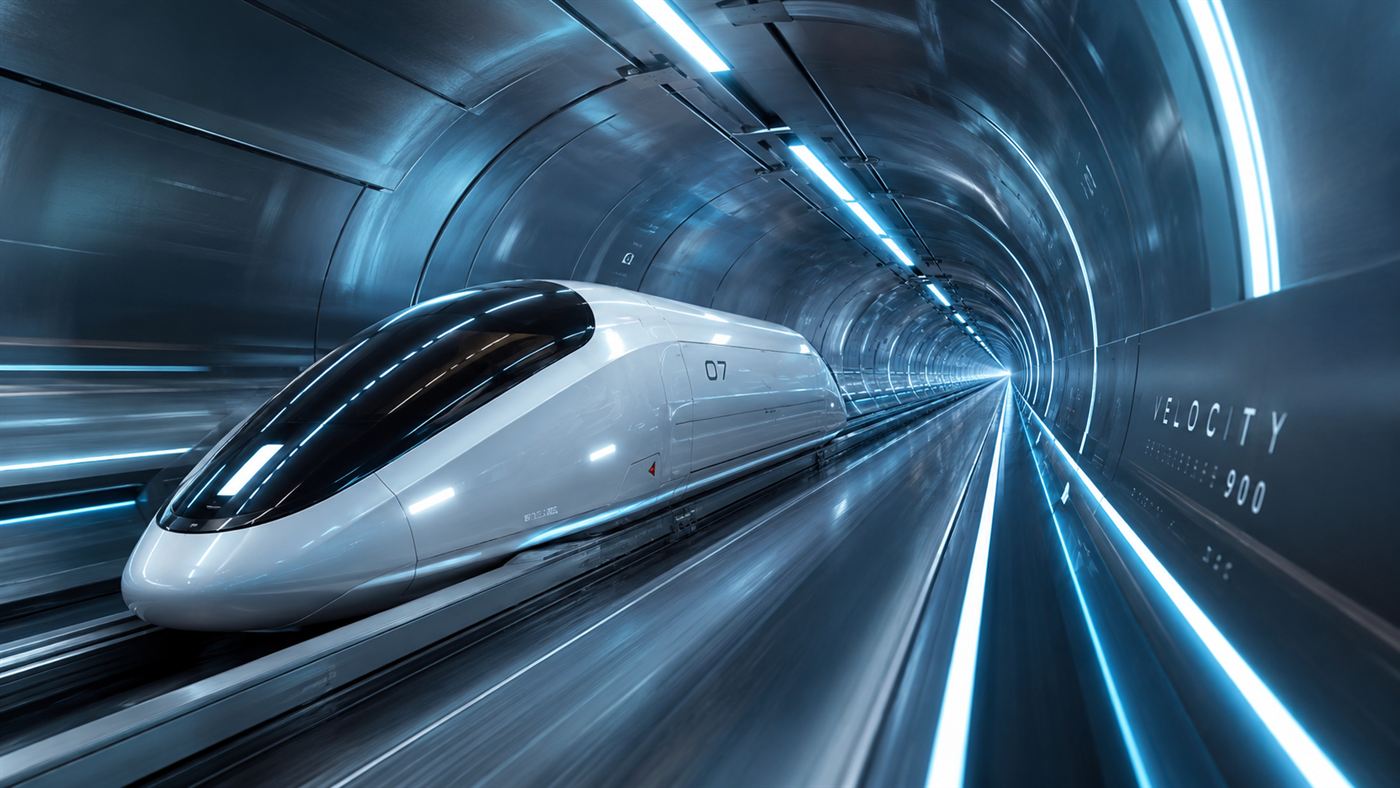
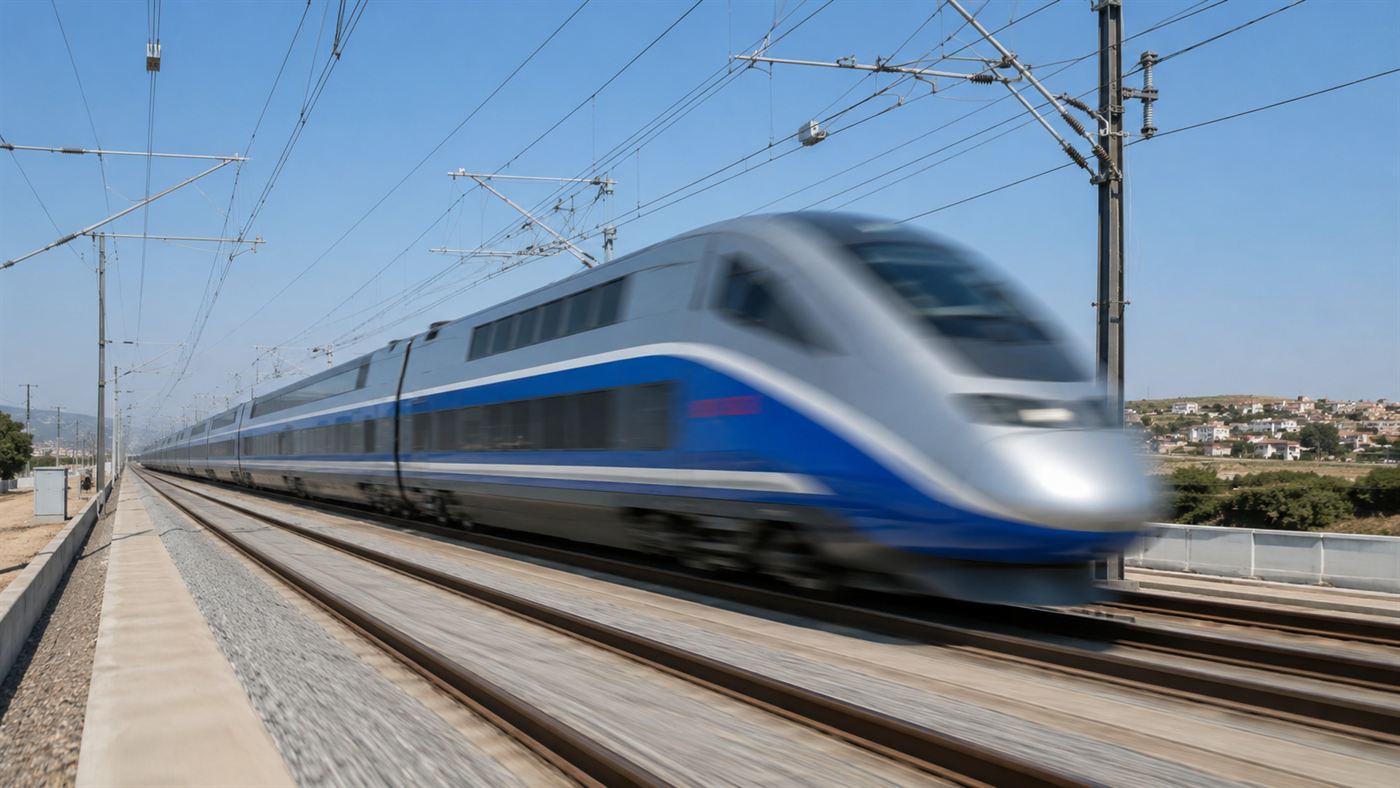
Japan built the fastest train on Earth, a 603 km/h machine that floats on superconducting magnets, and still cannot finish the track to run it on
Japan has already built and tested the fastest train the world has ever seen. The SCMaglev does not roll on rails at all; at speed it hovers above the track on the force of supercooled magnets, and it has hit a blistering 603 kilometres per hour. The strange part is that, more than a decade later, there is still nowhere for paying passengers to ride it that fast.
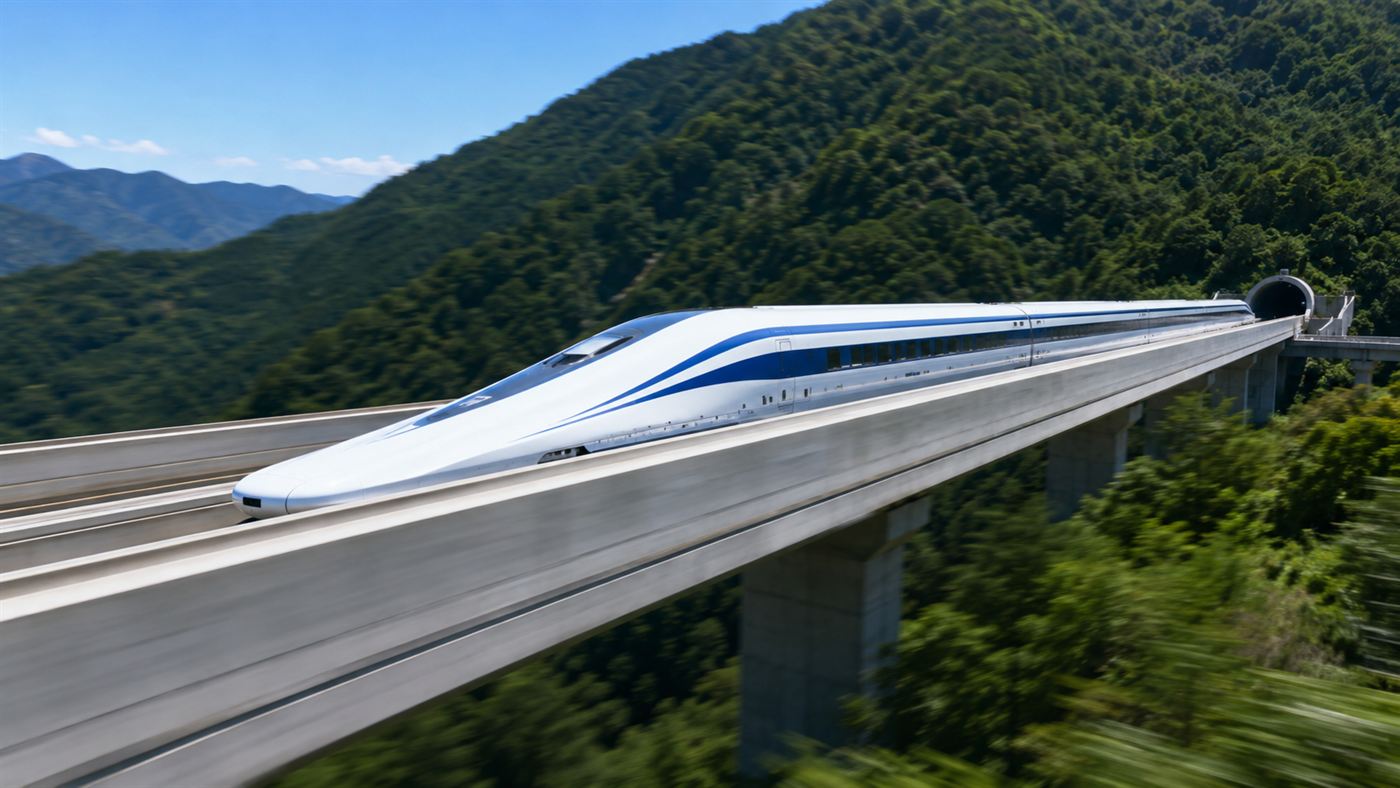
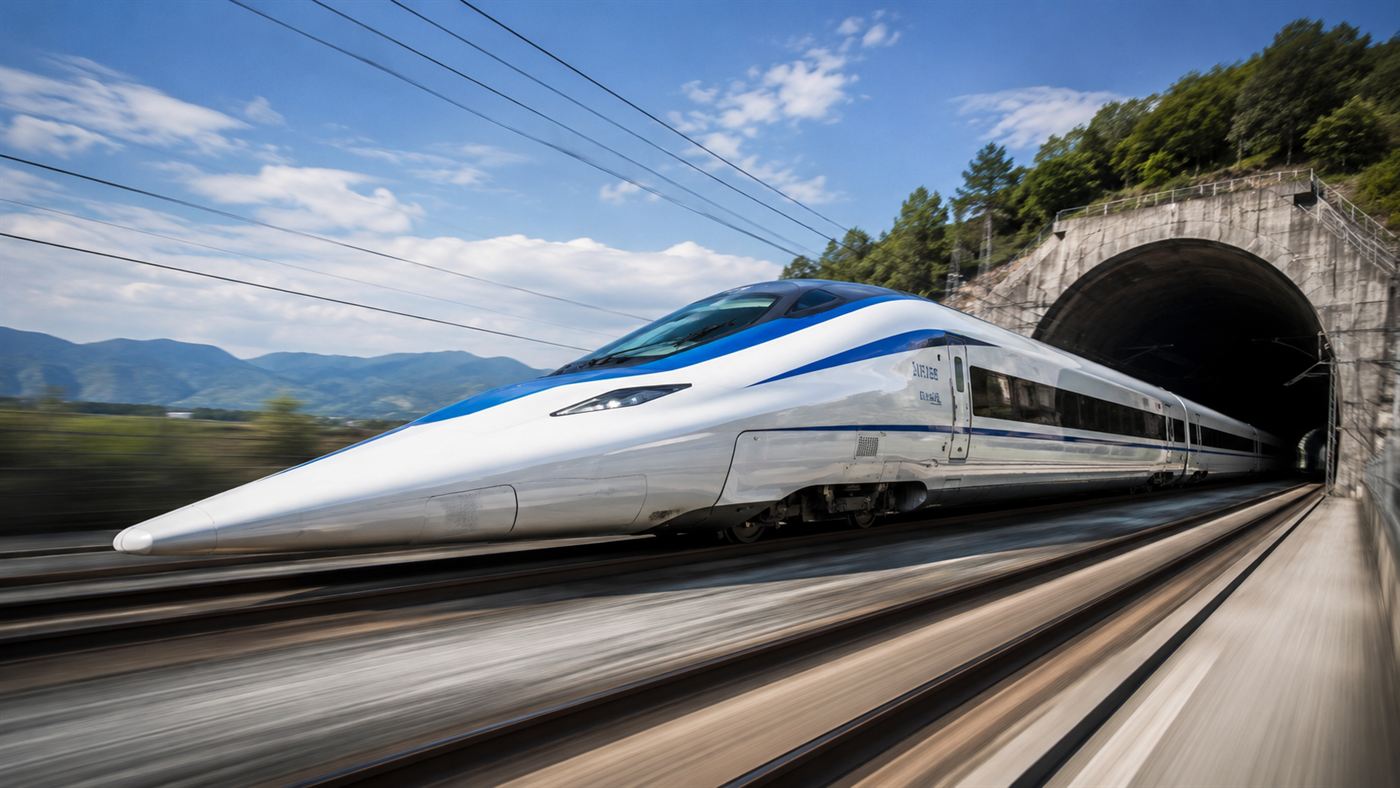
The SCMaglev L0 Series, the fastest train ever built, on its Yamanashi test line. Illustration: Watts & Wild.
The record is not in dispute. As the documented record shows, on 21 April 2015 the L0 Series train reached 603 km/h on the Yamanashi test track, the absolute speed record for any train, recognised by Guinness. That is roughly 375 miles per hour, fast enough to cross a city in the time it takes to read this paragraph, on a vehicle carrying passengers rather than a rocket sled.
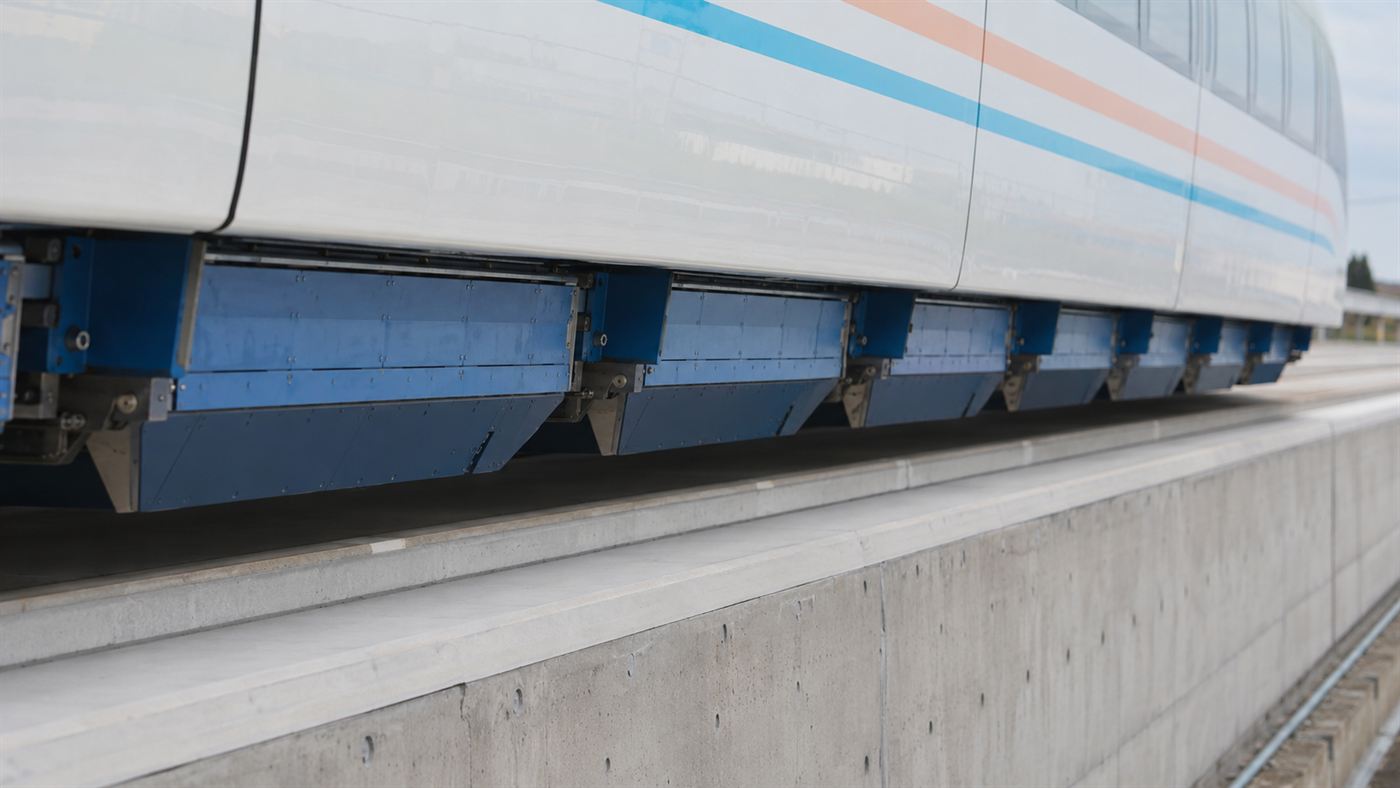
What makes it possible is a different idea of what a train even is. A normal train, even a bullet train, presses steel wheels onto steel rails, and at extreme speeds that contact becomes a problem. The SCMaglev throws the wheels away. At high speed it rides about ten centimetres above its guideway, held up purely by magnetism, touching nothing at all.
How the SCMaglev floats on cold magnets
The trick is superconductivity. The train carries coils of niobium-titanium chilled to around minus 269 degrees Celsius, a few degrees above absolute zero, kept that cold by liquid helium. At those temperatures the coils carry electricity with essentially no resistance and become ferociously powerful magnets. As the train accelerates, the interaction between those magnets and coils built into the walls of the U-shaped guideway lifts it up and pushes it forward.
It still has wheels, but only as landing gear, used at low speed before there is enough magnetic force to levitate, and again as it slows to stop. For most of a journey, the fastest train on Earth is quite literally not touching the ground.
The line it was built for
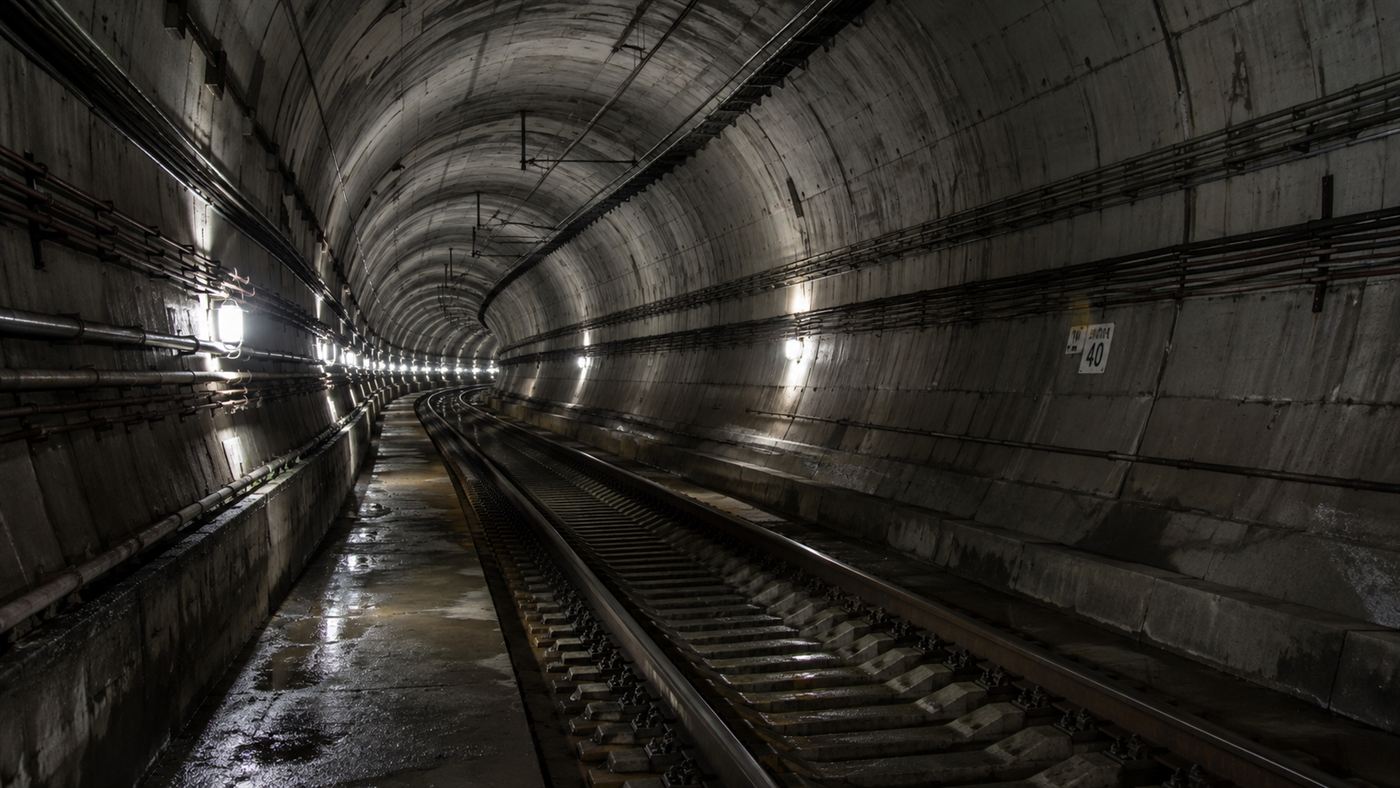
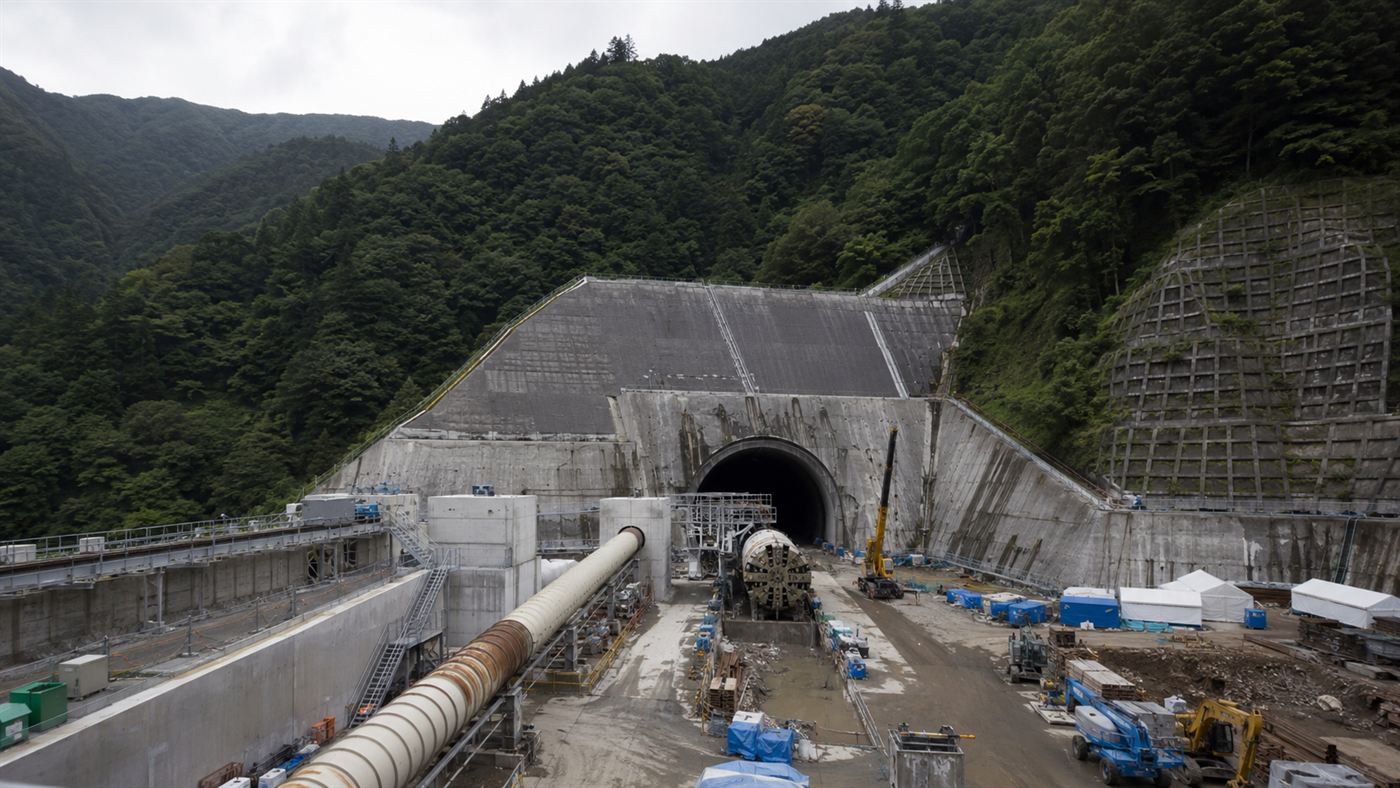
All of this is meant for the Chuo Shinkansen, a new line designed to connect Tokyo and Nagoya in around 40 minutes, a trip that takes far longer today. In service the trains will cruise at about 500 km/h, still comfortably faster than anything else running anywhere. To keep that straight, fast line through Japan's crumpled, mountainous landscape, the engineers made a brutal choice: bury almost all of it. Around 90% of the Tokyo-to-Nagoya route runs in tunnels, deep beneath mountains and cities.
That ambition carries an enormous price tag, well over ¥9 trillion, in the region of 64 billion US dollars, making it one of the most expensive transport projects ever attempted. Japan has been developing this technology since the 1970s, and the Chuo Shinkansen is meant to be its grand payoff.
The honest catch
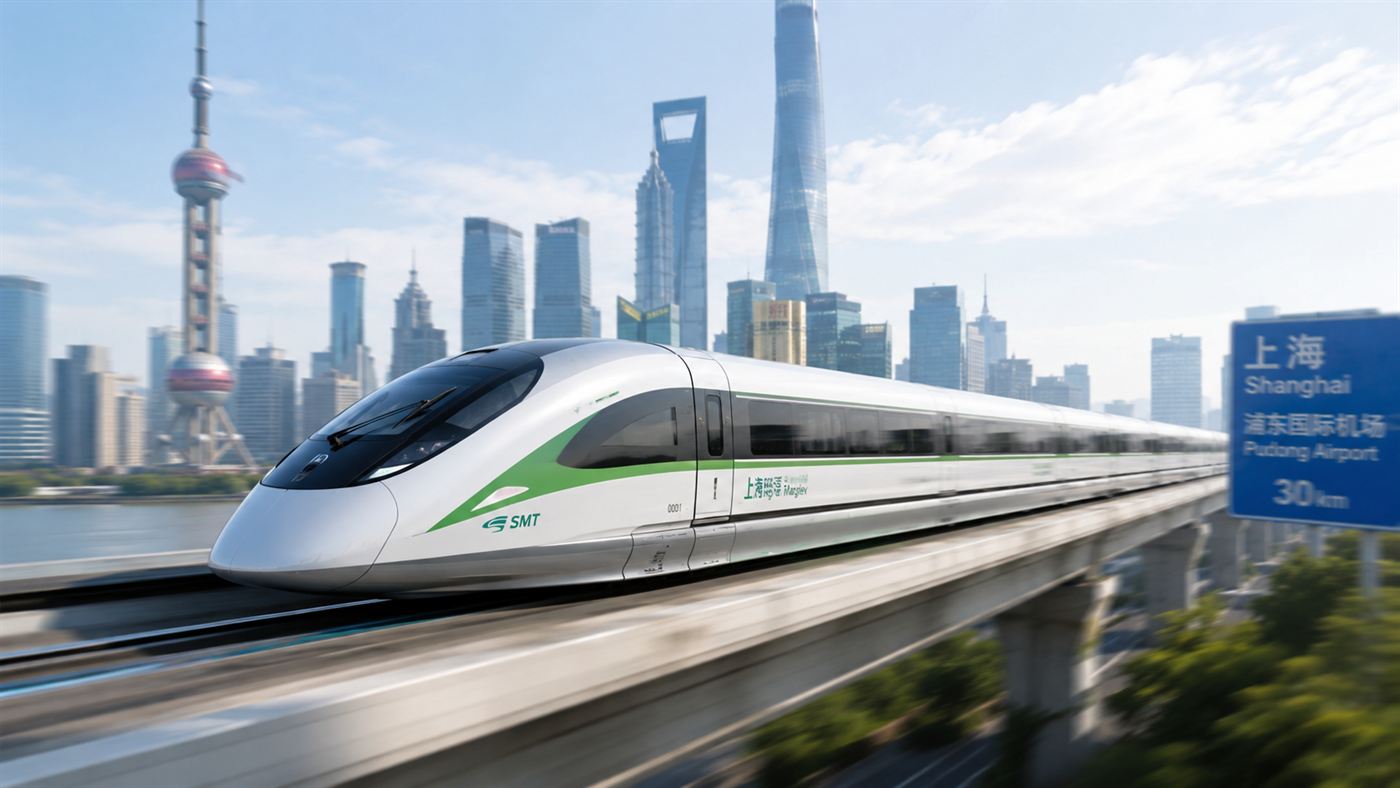
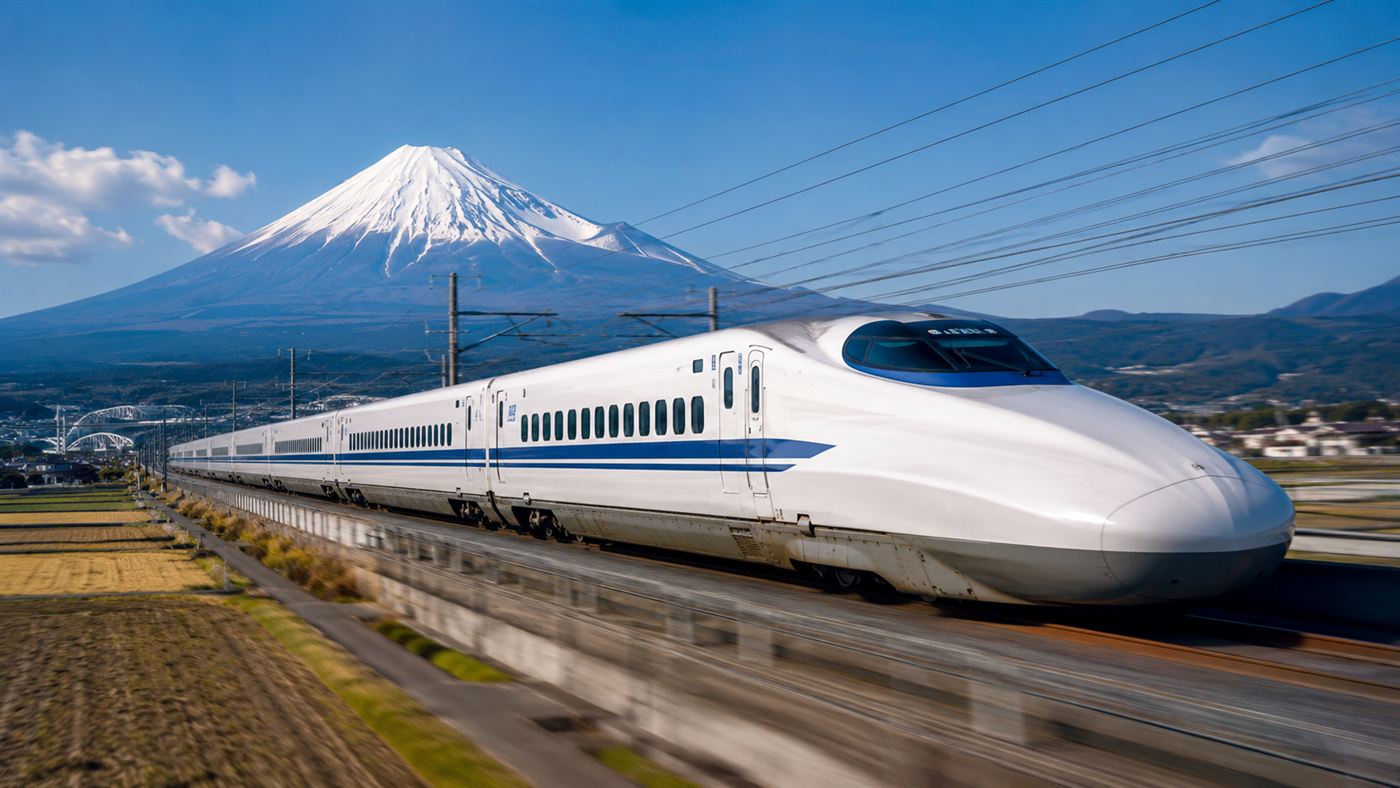
And here is where the fastest train in the world runs into the slowest of problems. The line was meant to open around 2027, but it has slipped to the mid-2030s, held up not by the technology but by a fight over water. The governor of Shizuoka prefecture blocked tunnelling there for years, worried that boring through the mountains would drain water from the Oi River that local communities and farms depend on. A machine that conquers physics was stopped cold by a dispute over a riverbed. There are deeper questions too: the cost is staggering, the supercooling is energy-hungry, and a route that is 90% tunnel offers passengers a 500 km/h view of concrete walls. Critics ask whether shaving an hour off an already-fast journey is worth tens of billions of dollars and decades of debt. None of that changes the raw achievement, though: humanity has built a train that flies a hand's width above the ground at 603 km/h, and the only thing it is still waiting on is somewhere to run. It belongs in the same race for ground-speed glory as the Shanghai maglev and the original 1964 Japanese bullet train.
Japan solved the hard physics of a 603 km/h floating train years ago, and is still stuck on the politics of a single tunnel. Is a train this fast and this expensive worth the wait, or has the moment for it already passed? Tell us what you think in the comments.
Related reading: the Shanghai maglev, the fastest train you can actually ride today. The magnets that float these trains rely on superconductors, and a big new record just fell in 2026.