In 1964 Japan bet everything on a sleek electric train that crossed the country at over 200 km/h, and the Shinkansen has carried billions of passengers without a single death in operation
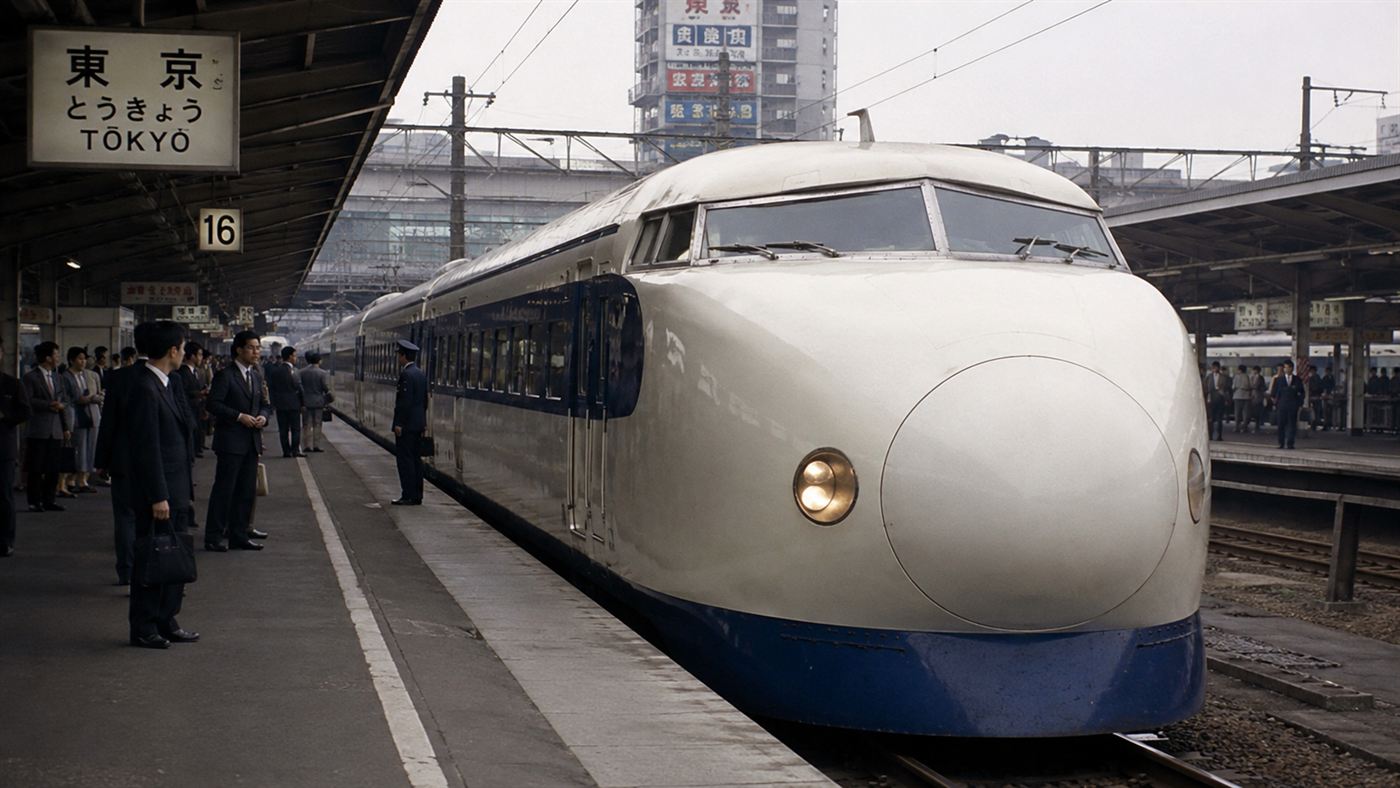
On 1 October 1964, days before the Tokyo Olympics, Japan switched on the Shinkansen, the world's first bullet train. It was a gamble on rail at the very moment the rest of the world was falling for the car and the plane, and it changed travel forever.
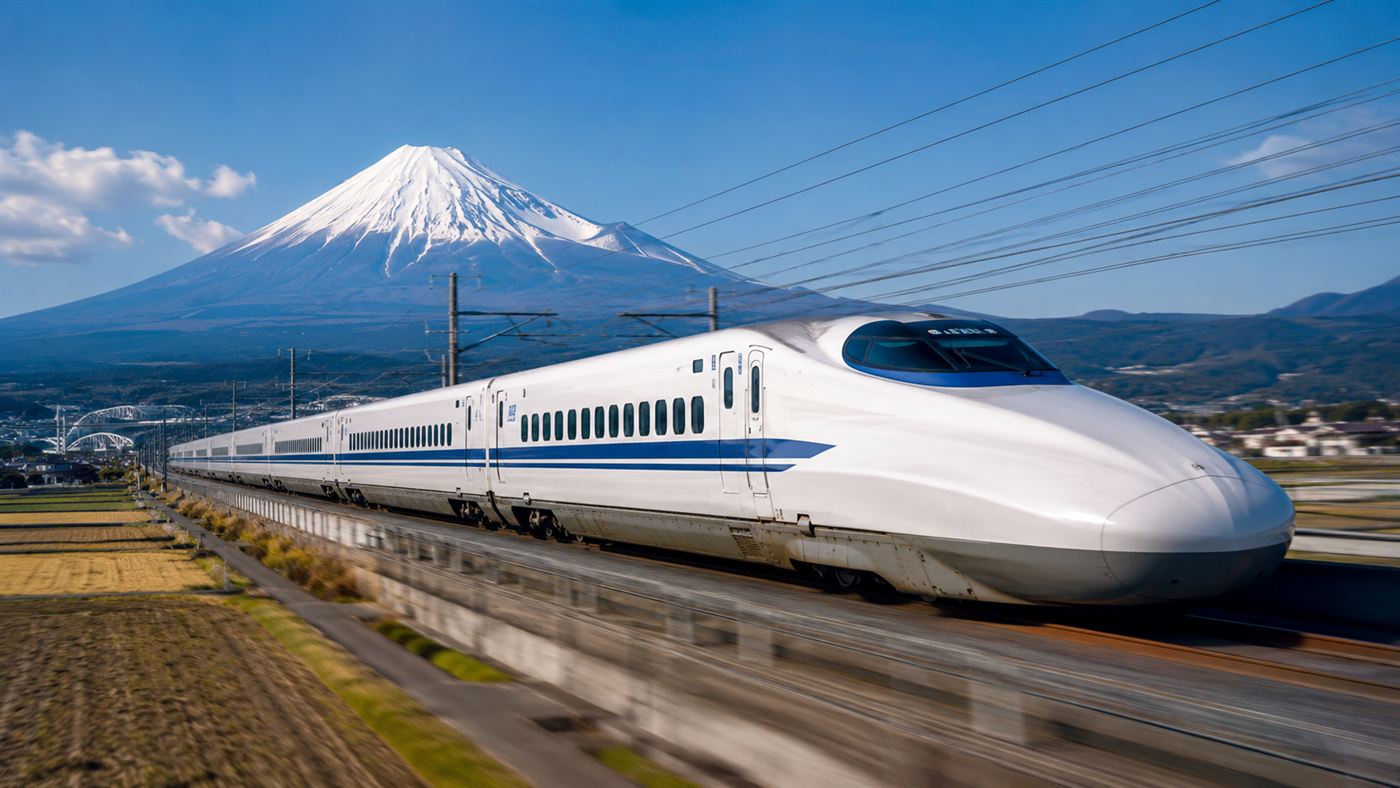
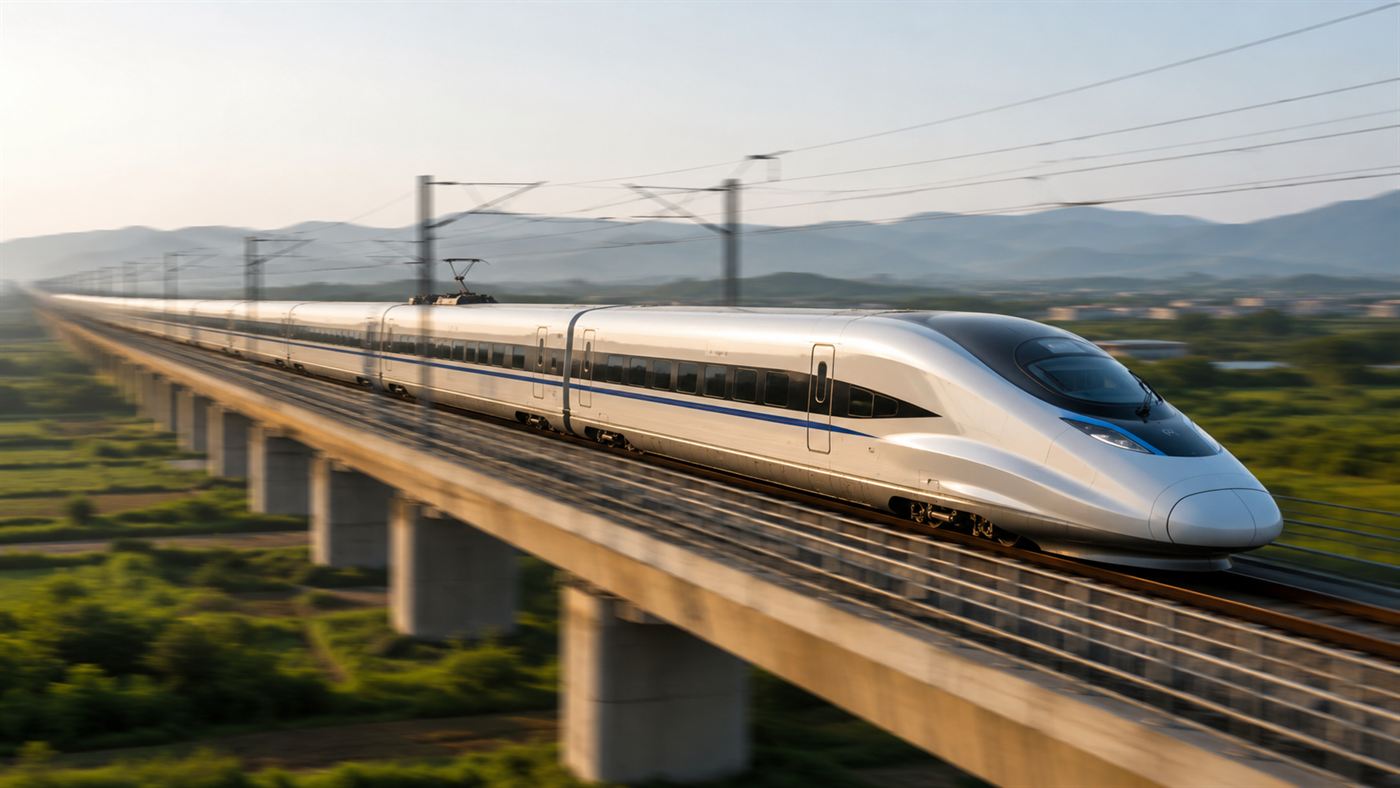
The Shinkansen turned the long haul across Japan into a smooth, high-speed glide. Illustration: Watts & Wild.
Picture a train so fast and so smooth that it makes the rest of the world's railways look like relics overnight.
That is what Japan unveiled in 1964, and six decades later the Shinkansen is still the benchmark every other country measures itself against.
What was the first bullet train? The Shinkansen, which opened in Japan in 1964, was the world's first high-speed bullet train. Running between Tokyo and Osaka at up to about 210 km/h, it halved travel times and has since carried more than 10 billion passengers without a single fatal accident in operation.
The first bullet train for the jet age
The first line, the Tokaido Shinkansen, linked Tokyo and Osaka along Japan's crowded industrial spine.
Running at up to around 210 kilometres per hour, the bullet train cut the journey from nearly seven hours to about four, and today the fastest services do it in around two and a half.
To reach those speeds safely it ran on dedicated tracks with no level crossings and gentle curves, completely separated from slower trains.
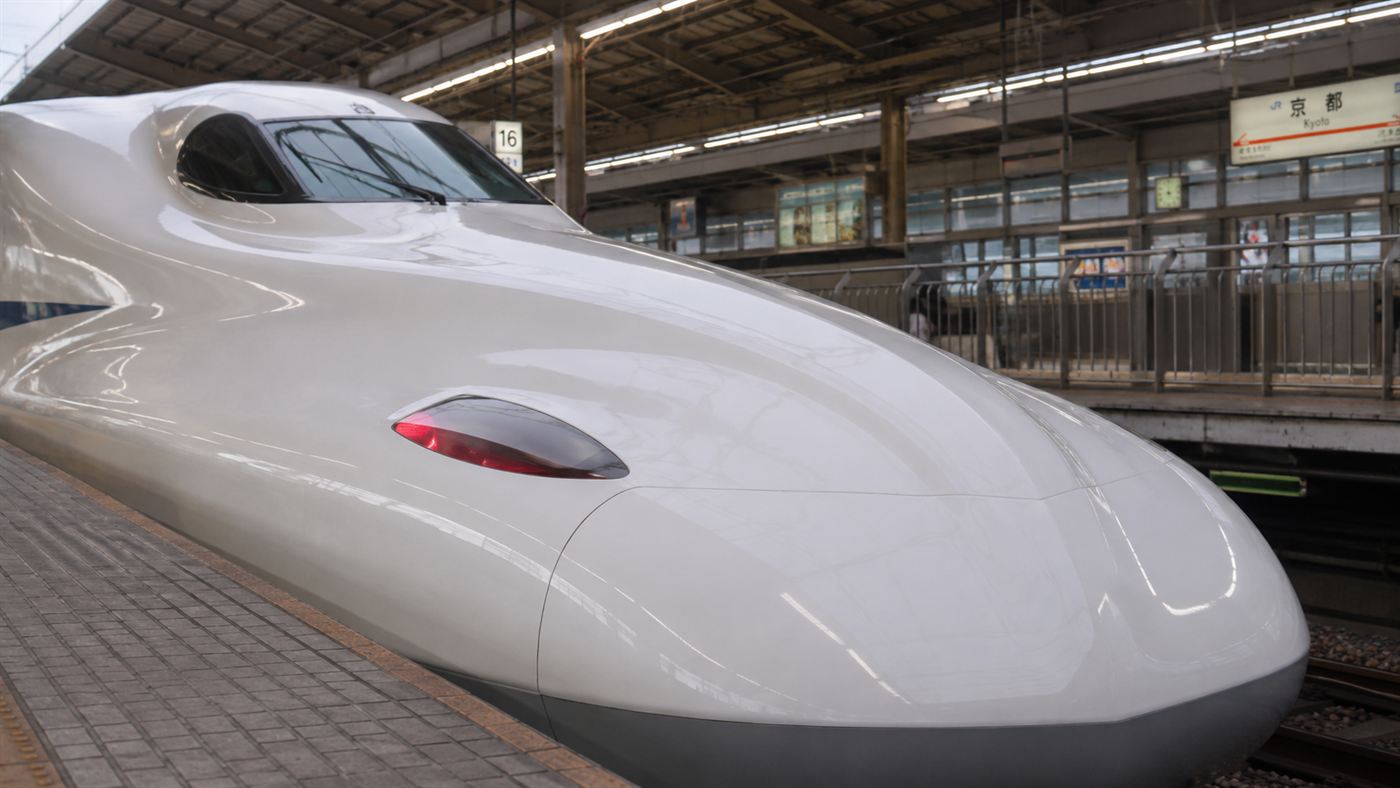
Its long, rounded aerodynamic nose and electric motors became the template for high-speed rail everywhere.
For passengers used to slow, smoky trains, stepping aboard the Shinkansen felt like time travel.
Betting against the car
What makes the Shinkansen so bold is the moment Japan chose to build it.
In the 1960s the United States and much of Europe were ripping up tram lines and pouring concrete for motorways and airports, sure that the future belonged to cars and planes.
Japan went the other way and poured its money into high-speed rail, convinced that fast, frequent trains were the smarter way to move a crowded nation.
That contrarian bet paid off so completely that the world eventually came back around to it.
Today the descendants of the Shinkansen carry the bulk of travel between many of the planet's great cities.
The engineer who fell on his sword
Behind the triumph is a very human story of sacrifice.
The driving force behind the project was the engineer Hideo Shima, who fought to make the high-speed dream real.
But the cost of Hideo Shima's line ballooned to roughly double the original budget, turning the project into a political scandal.
Hideo Shima took responsibility and resigned in 1963, before the bullet train he had championed ever carried a passenger.
Hideo Shima did not stand on the platform for the grand opening, even though it was largely his triumph rolling out of the station.
Sixty years, zero deaths
The Shinkansen's most astonishing achievement is not its speed but its safety.
Trains run so punctually that the average delay is measured in seconds, often under a minute across a whole year.
The system is wired to an earthquake-warning network that can automatically brake the trains before the shaking arrives, vital in a country that quakes often.
For a machine that hurtles along at the speed of a small plane, that record is almost unbelievable.
The world copied it
For years the Shinkansen stood almost alone, a glimpse of a future no one else had built.
Then the idea spread, inspiring France's TGV, Germany's ICE, Spain's AVE and, eventually, the enormous high-speed rail network of China.
Every one of those systems traces its lineage back to that first bullet train out of Tokyo.
What began as one daring Japanese line became a worldwide way of travelling, echoed today in record-breakers like China's 450 km/h CR450.
The Shinkansen did not just move Japan faster, it rerouted the future of the train.
The honest catch
The bullet train is a genuine triumph, but the glossy version skips a few things.
It cost about double its budget and nearly became a national embarrassment before it proved itself, a reminder that even brilliant infrastructure can look like folly mid-build.
High-speed rail also tends to serve big cities best, which can quietly drain life and investment from the smaller towns it rushes past.
And the proud zero refers to deaths from accidents in operation, since there have still been tragedies on platforms and crossings, so the Shinkansen is extraordinarily safe rather than literally without sorrow.
Sixty years on, the Shinkansen remains a monument to Hideo Shima's brave idea: that the train was not the past but the future, if you were willing to reinvent it.
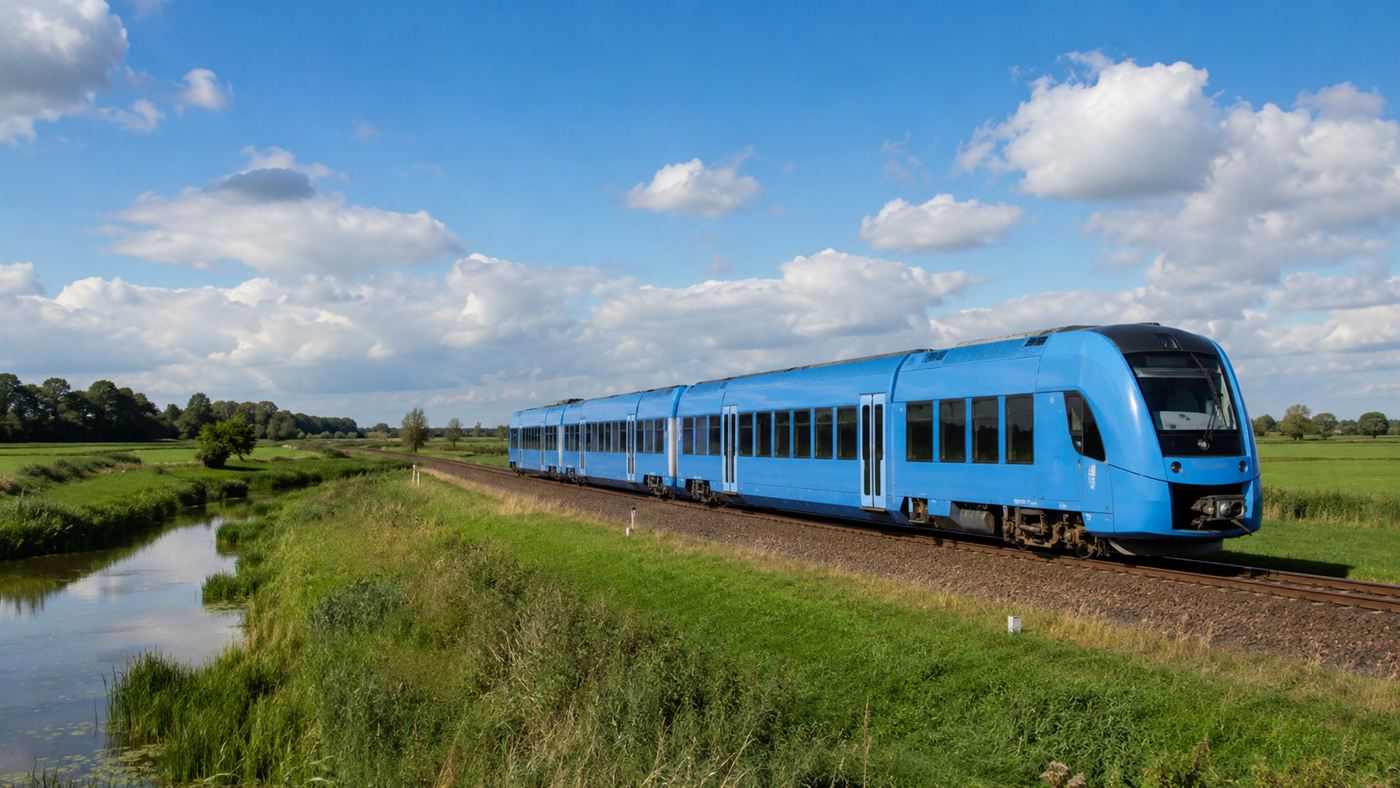
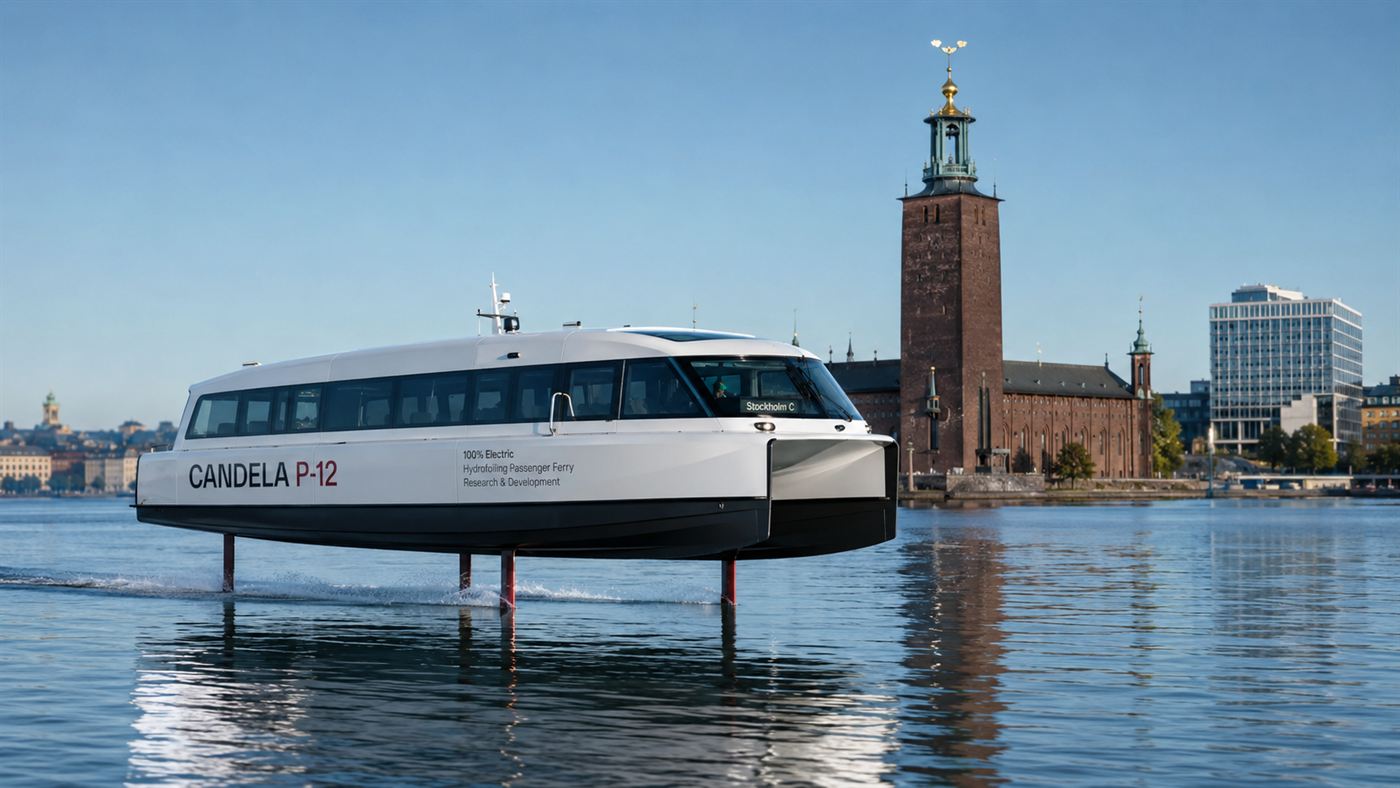
It belongs with the other bold bets on how we move, from China's record CR450 trains and Germany's hydrogen-powered railways to clean machines like the electric hydrofoil ferry. Now the United States is attempting its own, with Brightline West, its first true high-speed line.
If a crowded country could reinvent the train sixty years ago, why have so many rich nations still failed to build proper high-speed rail, and would you trade your car or flight for a bullet train? Tell us in the comments.