Elon Musk promised a 1,000 km/h tube that would beat the plane, and a decade later the hyperloop has quietly stalled
It was pitched as the fifth mode of transport, a way to fly between cities along the ground. The hyperloop vacuum tube would fire passengers through near-airless steel faster than a jet, and for a few years it felt almost inevitable.
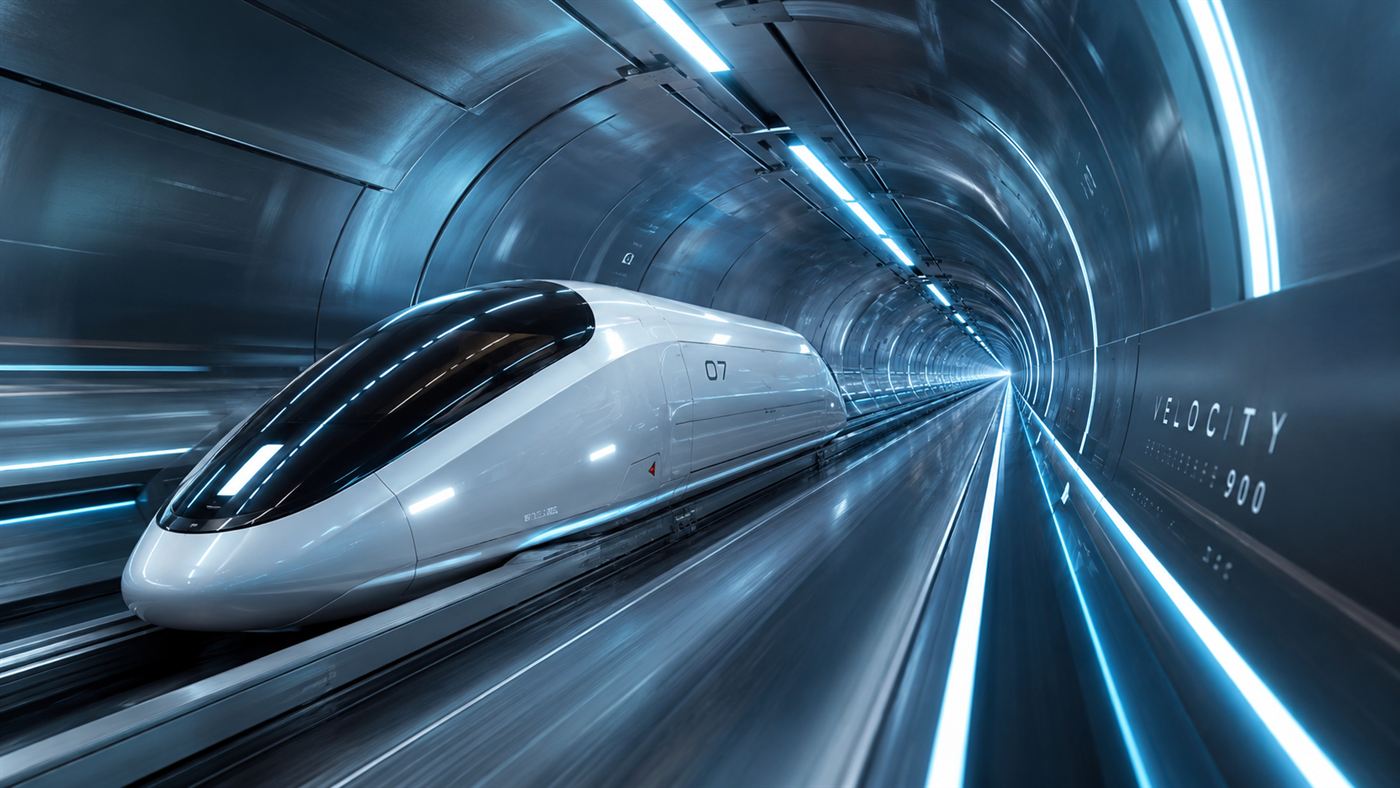
The hyperloop dream: a pod racing through a near-vacuum tube at almost the speed of sound. Illustration: Watts & Wild.
Every few years a technology arrives that seems to make the future suddenly visible.
For a while in the 2010s, it was exactly that technology, and then it wasn't.
What is the hyperloop? The hyperloop is a proposed transport system in which passenger pods travel through tubes pumped down to near-vacuum, so there is almost no air resistance. With magnetic levitation and that thin air, the pods could in theory reach around 1,000 kilometres per hour, close to the speed of sound.
A tube to beat the plane
The modern idea burst into view in 2013, when Elon Musk published an open paper called Hyperloop Alpha.
Musk sketched a route between Los Angeles and San Francisco that pods would cross in about 30 minutes, faster than flying.
Crucially, Musk did not try to build it himself, instead releasing the design for anyone to develop.
The promise was intoxicating, city-to-city travel at the speed of sound, powered by solar panels on the tube.
Almost overnight, the idea became the shiniest in transport.
The race to build it
With the design free for the taking, a cluster of startups sprang up to make it real.
Companies such as Hyperloop One, later backed by Virgin, and Hyperloop Transportation Technologies built test rigs and signed up cities.
Musk's own SpaceX even ran competitions where student teams raced their own pods down a test tube.
Glossy videos promised links between Dubai, Mumbai and cities across Europe and America.
For a few heady years, it looked as if the tube of the future was just around the corner.
One short ride
The reality on the ground turned out to be far more modest.
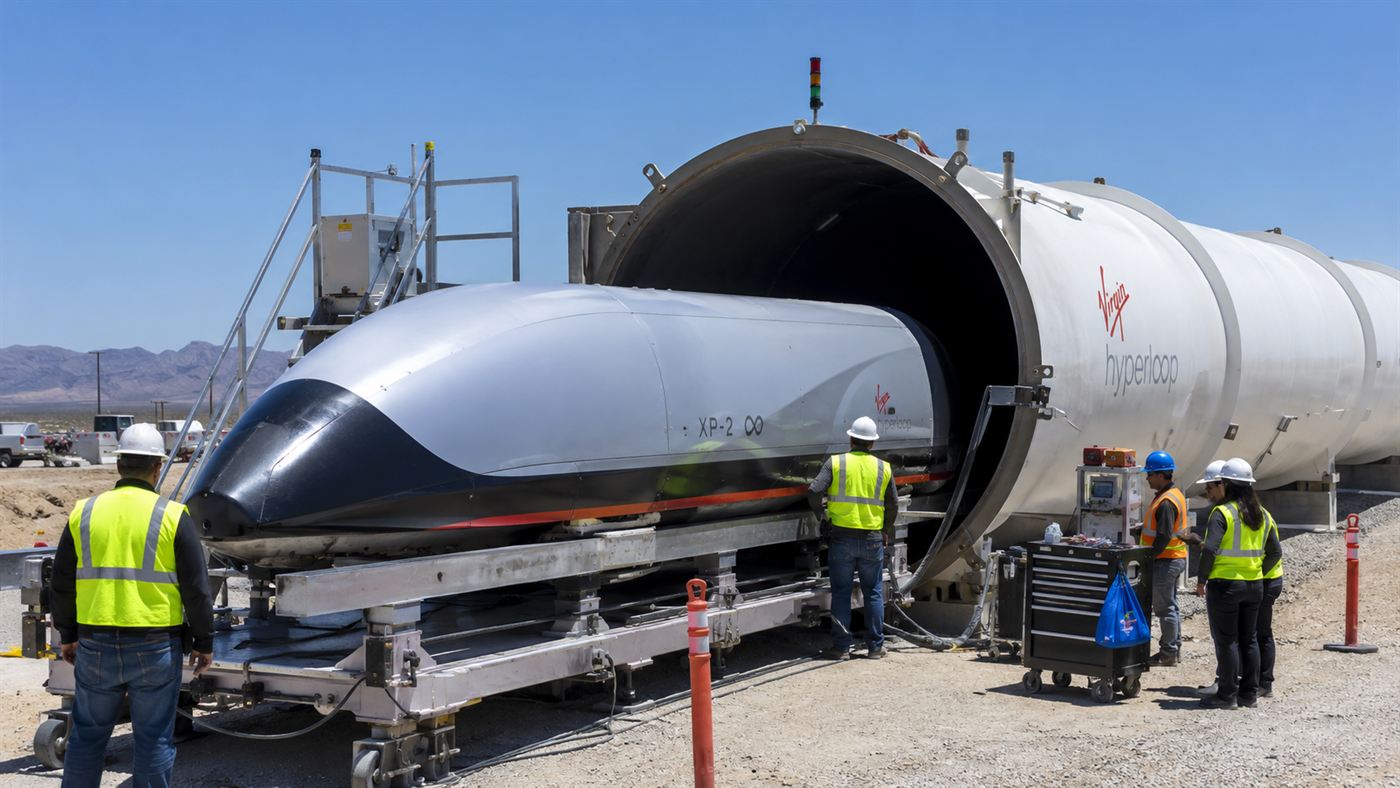
In November 2020, Virgin Hyperloop ran the first and almost only test with human passengers at its track in the Nevada desert.
Two volunteers rode a pod for a few hundred metres and reached only around 170 kilometres per hour, a fraction of the dream.
It was a genuine milestone, but it was a world away from a near-vacuum tube crossing a state at the speed of sound.
After that brief ride, the momentum quietly began to drain away.
Why the hyperloop vacuum tube stalled
The project ran into physics and economics that were brutally unforgiving.
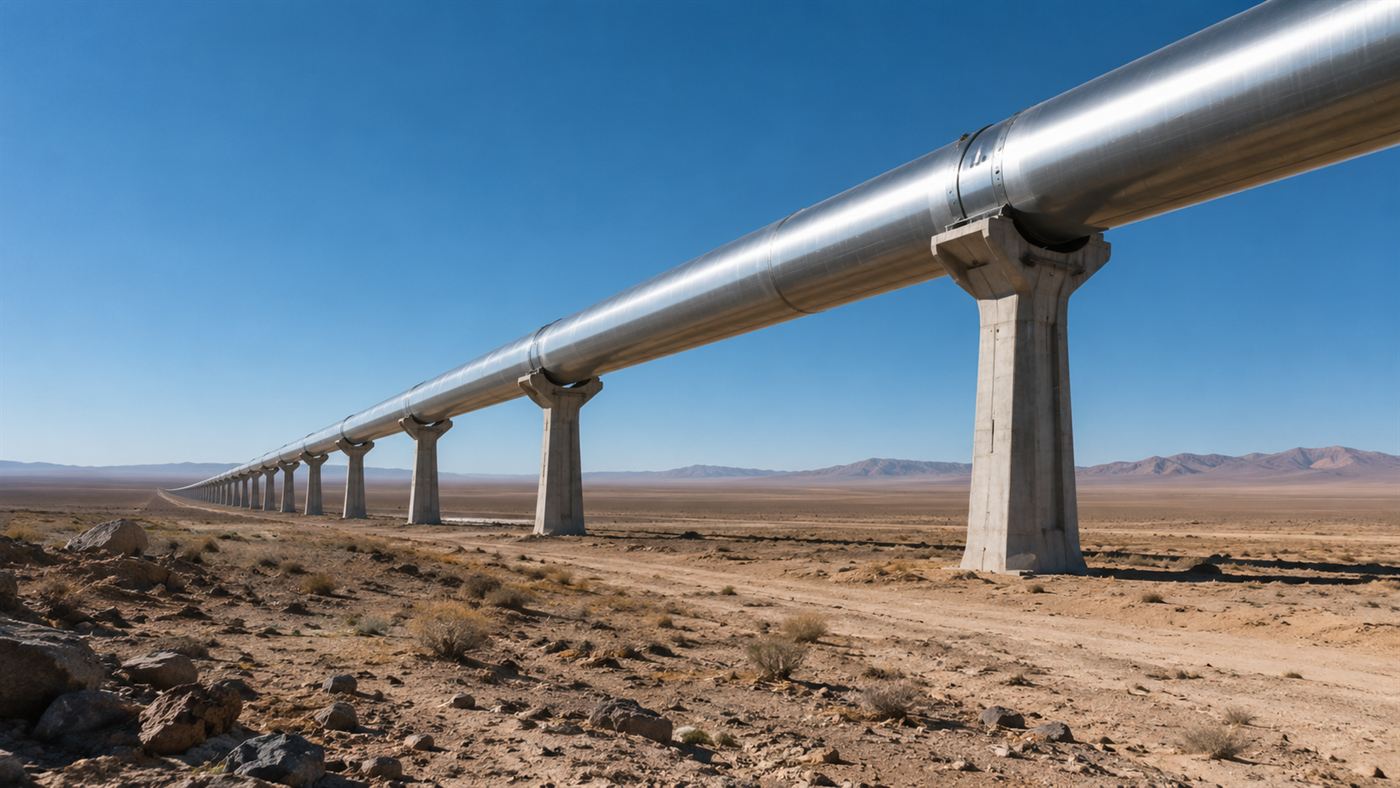
Holding a near-vacuum inside a steel tube hundreds of kilometres long is enormously hard and expensive, and the metal expands and shifts with the heat of the day.
At near-sonic speed the route has to be almost dead straight, since even gentle curves would throw passengers around, and any breach of the tube could be catastrophic.
By 2022 Virgin Hyperloop had dropped passengers to focus on cargo, and at the end of 2023 the company shut down for good.
The fifth mode of transport had run out of road before it ever really left the desert.
The honest catch
It would be easy to call the hyperloop a straightforward failure, but the picture is more nuanced.
The original promise was wildly oversold, and many transport experts warned from the start that it was impractical at any sensible cost.
Some critics argued it served mainly to cast doubt on real projects like California's high-speed rail, sucking attention away from proven technology.
Yet the underlying idea of running a maglev train inside a low-pressure tube has not died, and China tested such a vehicle at more than 600 kilometres per hour in 2024.
The hyperloop brand may be fading, but the dream of the vacuum tube is still quietly humming along.
It is a reminder that a dazzling vision and a working machine are two very different things, and the gap between them is where most futures get stuck.
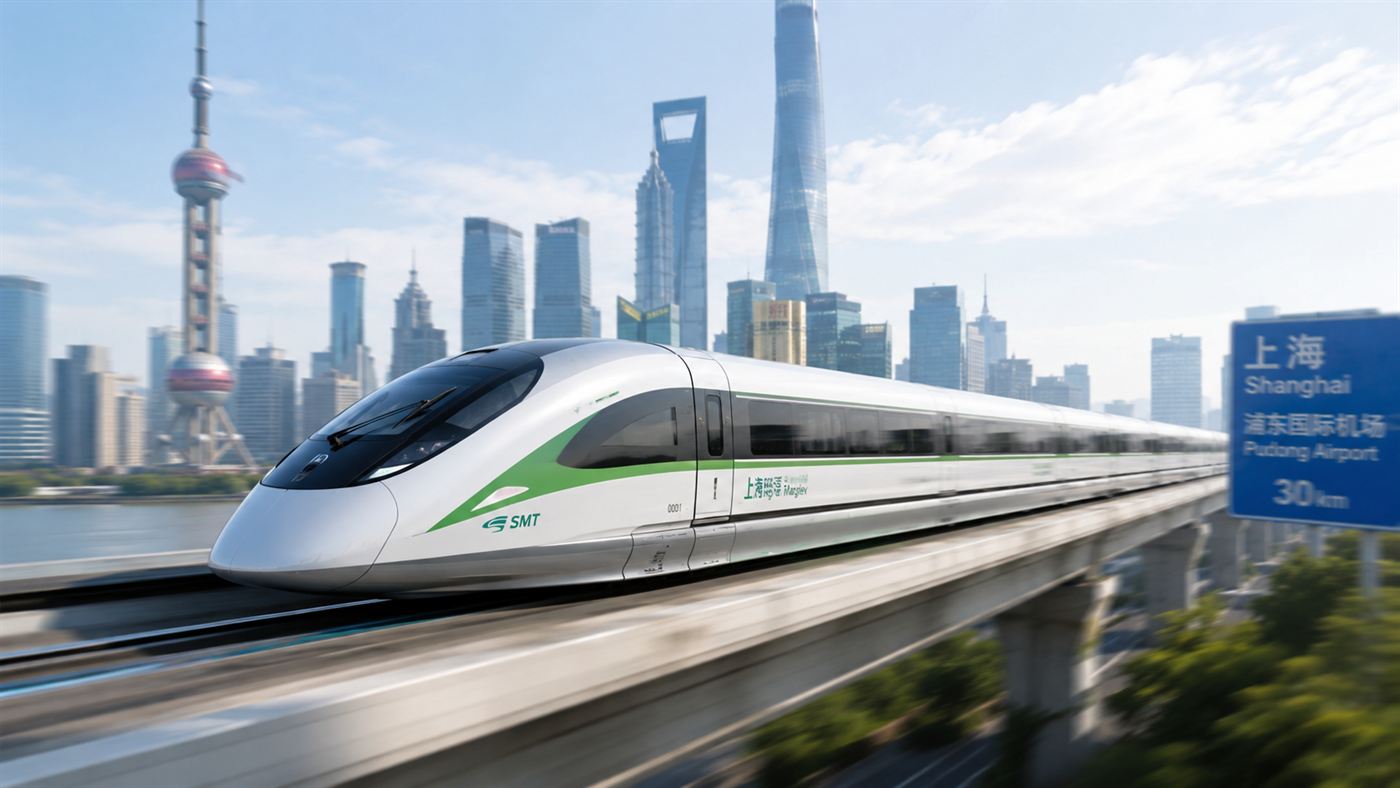
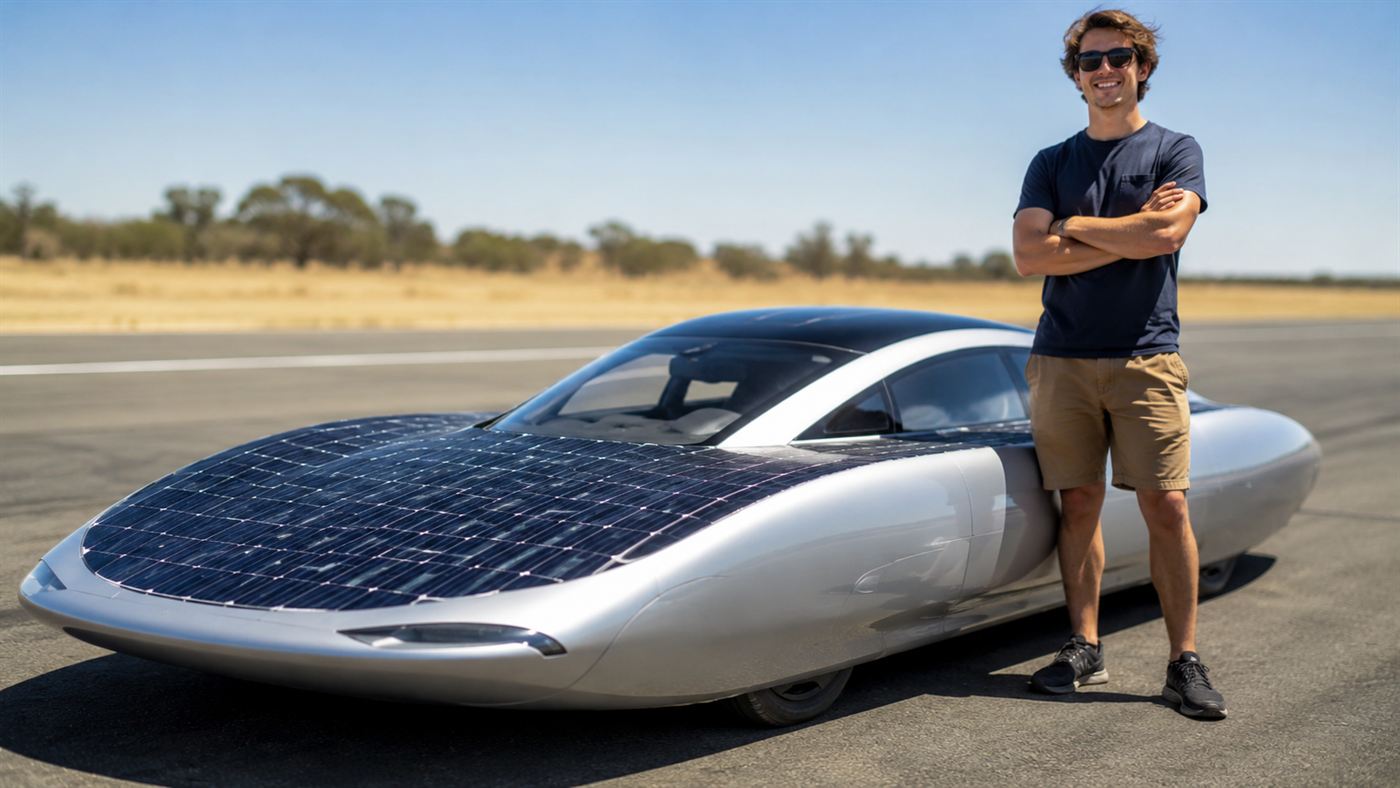
It rides in the same story as the other bold bets on going faster, from the maglev that really does float at 431 km/h to the solar car that rose and fell in a matter of weeks.
If the hyperloop promised the speed of sound and delivered one short desert ride, how should we tell the difference between the next real breakthrough and the next beautiful pitch? Tell us in the comments.