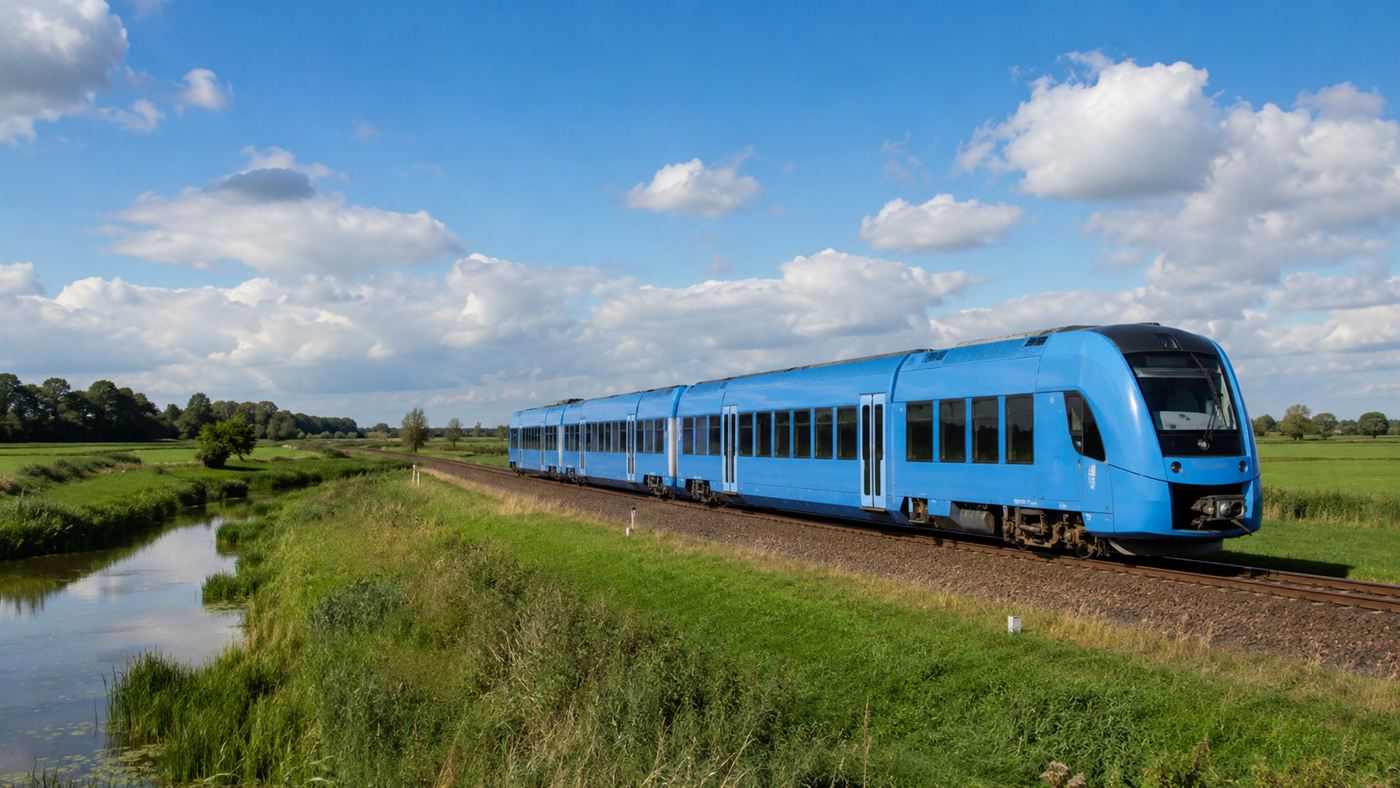
Shanghai's maglev floats on magnets and hits 431 km/h, the fastest train on Earth, yet almost nobody else has built one
In Shanghai you can ride the fastest passenger train on the planet, a sleek machine that does not even touch the rails. The Shanghai maglev train should have been the future of travel, so why has it stayed a one-off marvel for more than twenty years?
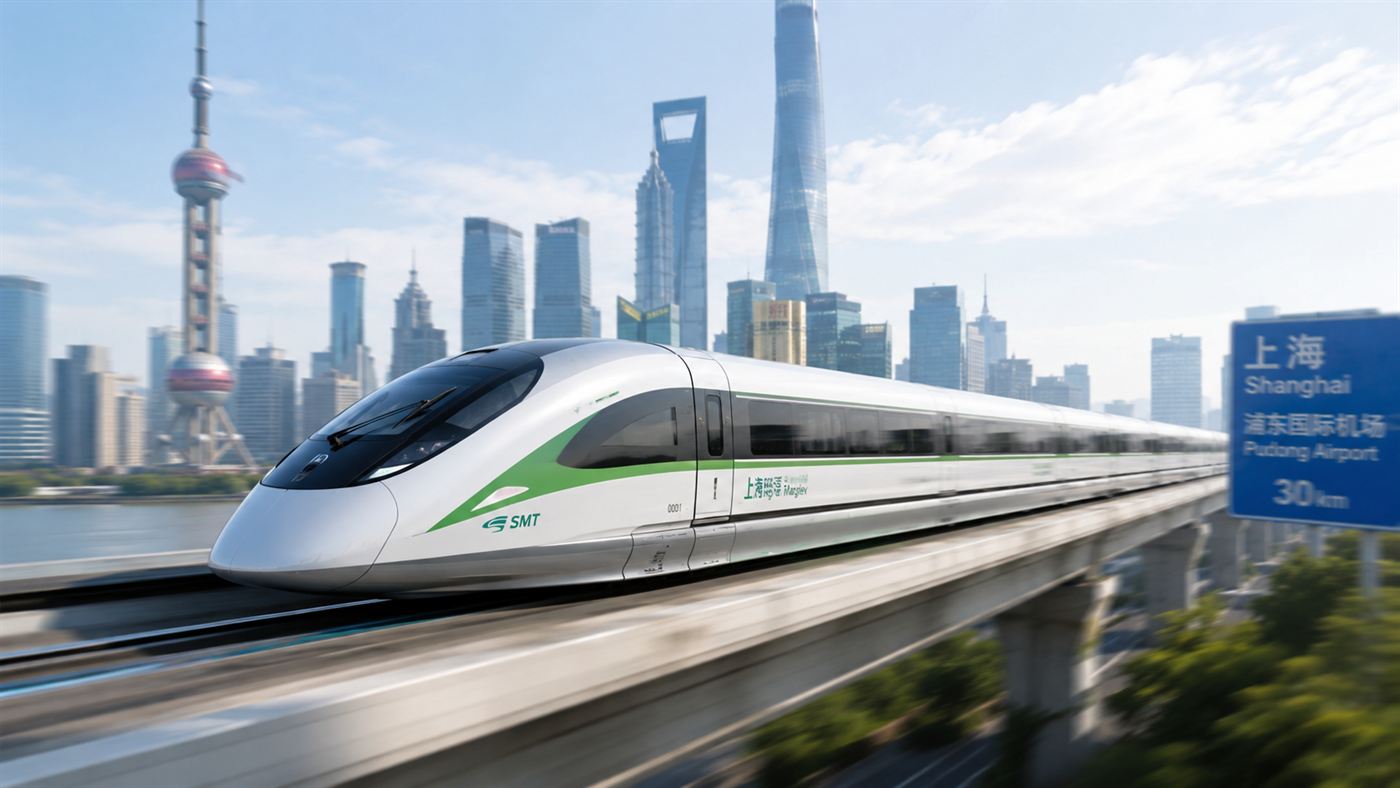
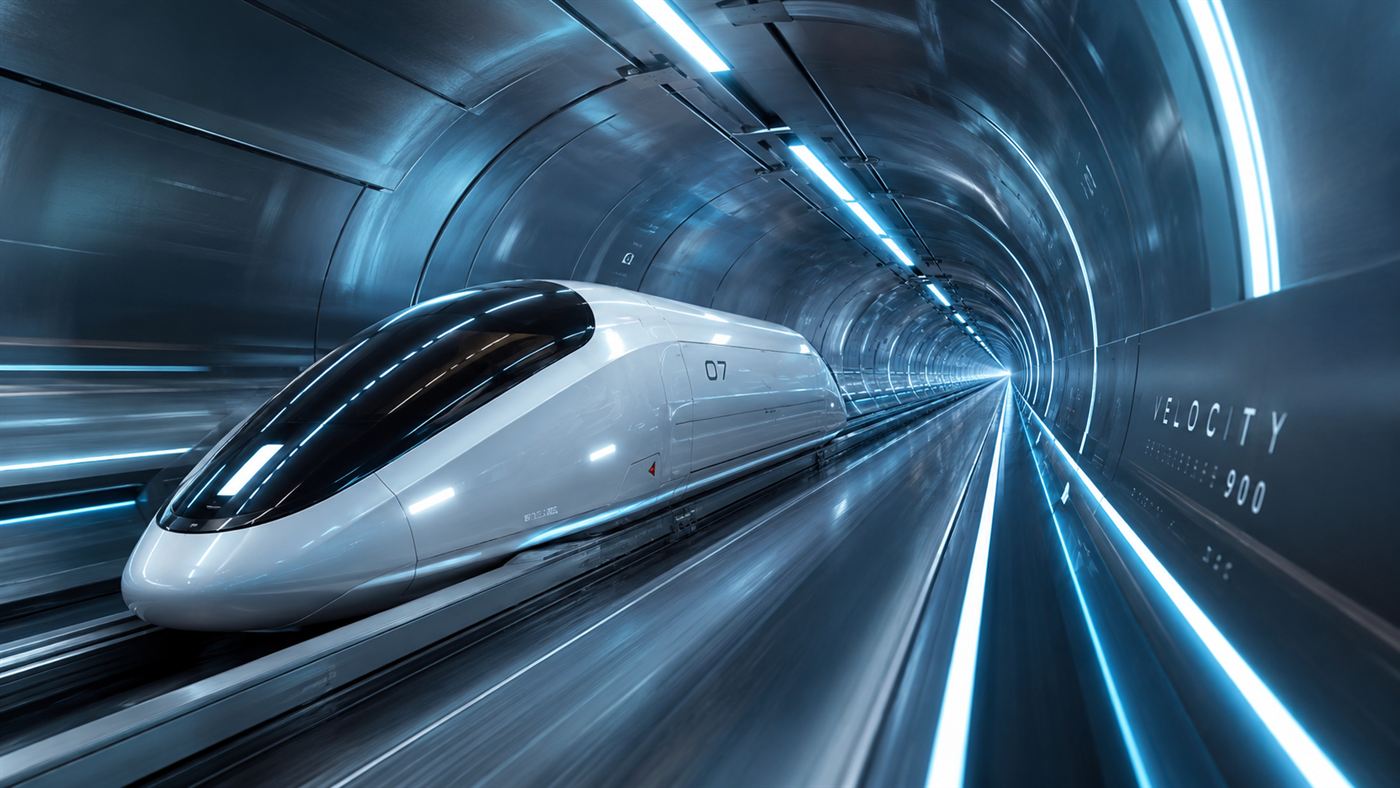
The Shanghai maglev reaches 431 km/h on its run to the airport. Illustration: Watts & Wild.
Most trains roll along on steel wheels, grinding against steel rails just as they have for two centuries.
The Shanghai train does something stranger, it floats.
How fast is the Shanghai maglev? The Shanghai maglev reaches a top speed of 431 km/h, around 268 mph, making it the fastest passenger train in regular service anywhere in the world. It covers the roughly 30 km from the city to the airport in about seven and a half minutes.
A train that never touches the track
Maglev is short for magnetic levitation, and the name says it all.
Powerful electromagnets lift the train about a centimetre above its guideway and push it forward without anything ever touching the track.
With no wheels and almost no friction, the only real resistance left is the air itself.
That is how this train can glide to 431 km/h so smoothly that passengers can barely feel the speed.
It is less like catching a train and more like riding a low-flying aircraft that happens to hug the ground.
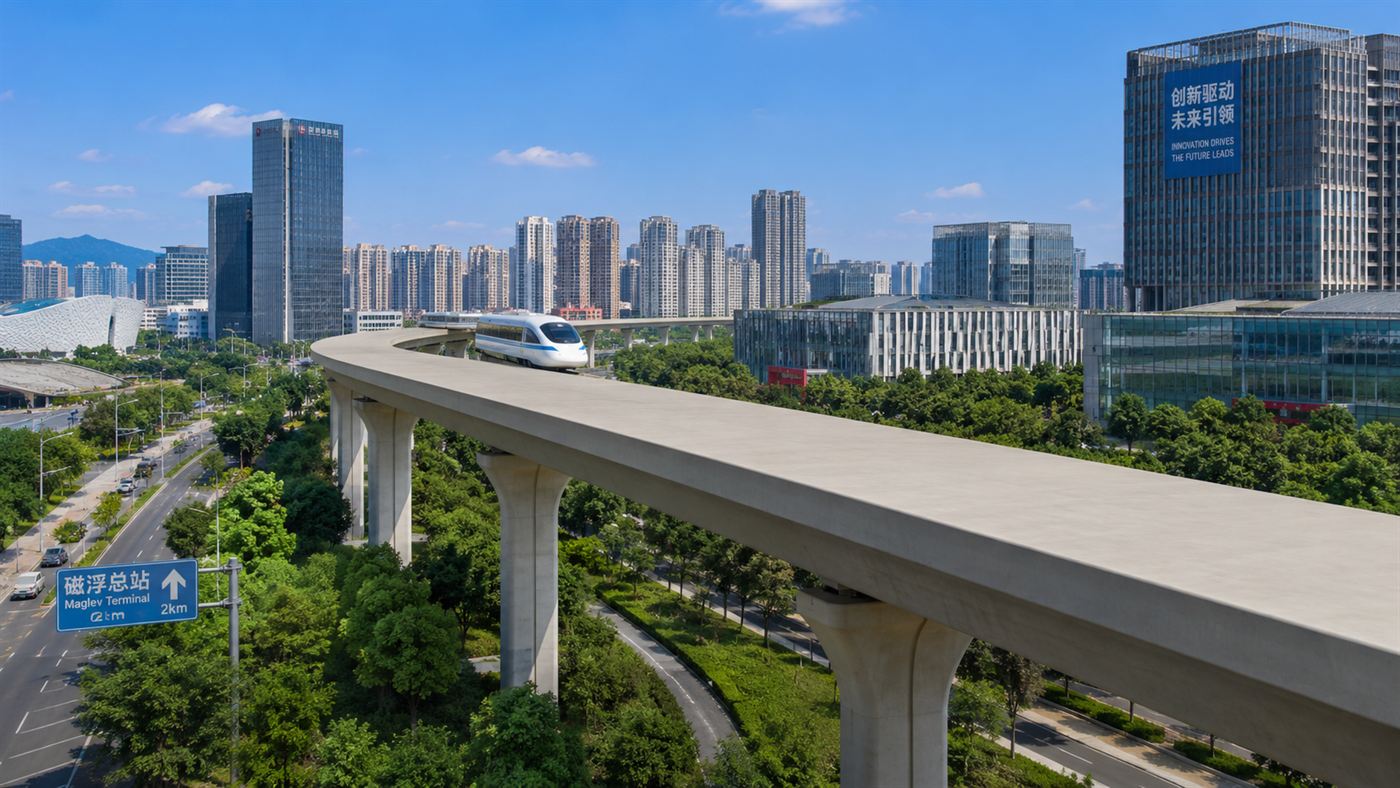
From a German lab to a Shanghai airport
The technology behind it, called Transrapid, was developed in Germany over decades.
Yet it was China that turned it into reality, opening the Shanghai line for passengers on the first day of 2004.
It was the world's first commercial high-speed maglev, running from Longyang Road station out to Shanghai Pudong International Airport.
Building the roughly 30 km line cost on the order of 1.2 billion dollars, a staggering sum for such a short route.
For a few years it looked as though the age of the floating train had finally arrived.
The Shanghai maglev train, the fastest ride almost nobody takes
Here is the twist, because that gleaming future never quite spread beyond this single stretch of track.
The line still ends at Longyang Road, on the edge of the city rather than in its heart, so many travellers must change to the metro anyway.
Plans to extend the maglev deeper into Shanghai and on toward Hangzhou stalled for years over cost and local worries about noise.
The train reportedly runs at a loss and has carried far fewer passengers than its builders once hoped.
The fastest train on Earth ended up as a short, dazzling shuttle that most of Shanghai rarely uses.
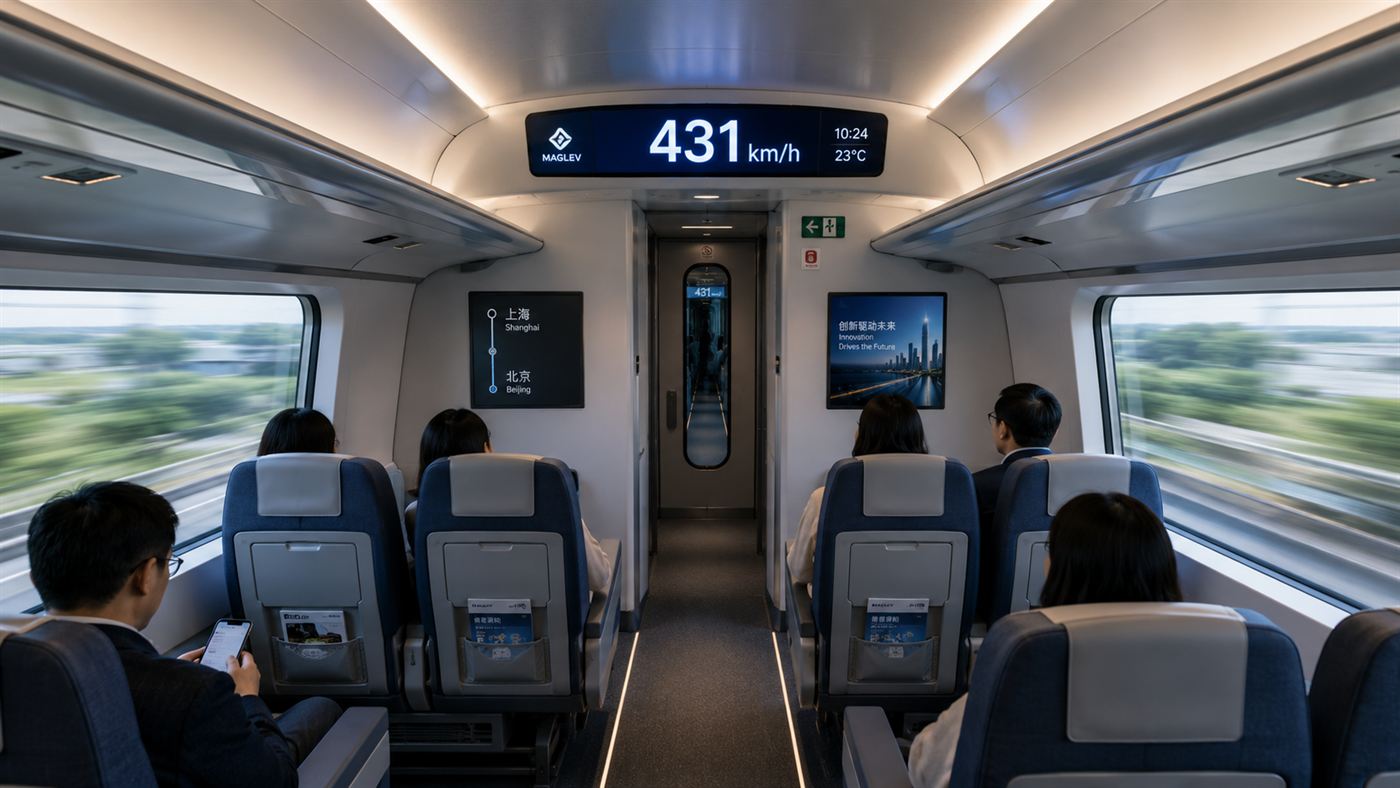
Why the world stuck with wheels
The reason it never took over comes down to plain economics.
Conventional high-speed rail runs on ordinary tracks, so it can share stations and lines and reach city centres without a whole new system being built from scratch.
China poured its money into exactly that, building tens of thousands of kilometres of wheeled high-speed railway instead of more floating track.
Germany, the maglev's birthplace, never built a commercial line at home and cancelled a planned airport route in Munich in 2008.
A test maglev crash in the German town of Lathen in 2006, which killed 23 people, further dented confidence in the technology.
The honest catch
It would be easy to write the maglev off as a beautiful dead end, but that is not quite fair either.
The Shanghai line genuinely is the fastest passenger service on Earth, and it has run safely for over twenty years.
Its problem was never the engineering, which works beautifully, but the price and the awkwardness of building a parallel network.
And the dream is not dead, because China has since tested a new maglev designed to reach 600 km/h, faster still than anything on rails today.
The floating train may yet have its day, just not as quickly as the world once imagined.
The Shanghai maglev is a reminder that the cleverest machine does not always win, because the world also has to be able to afford it.
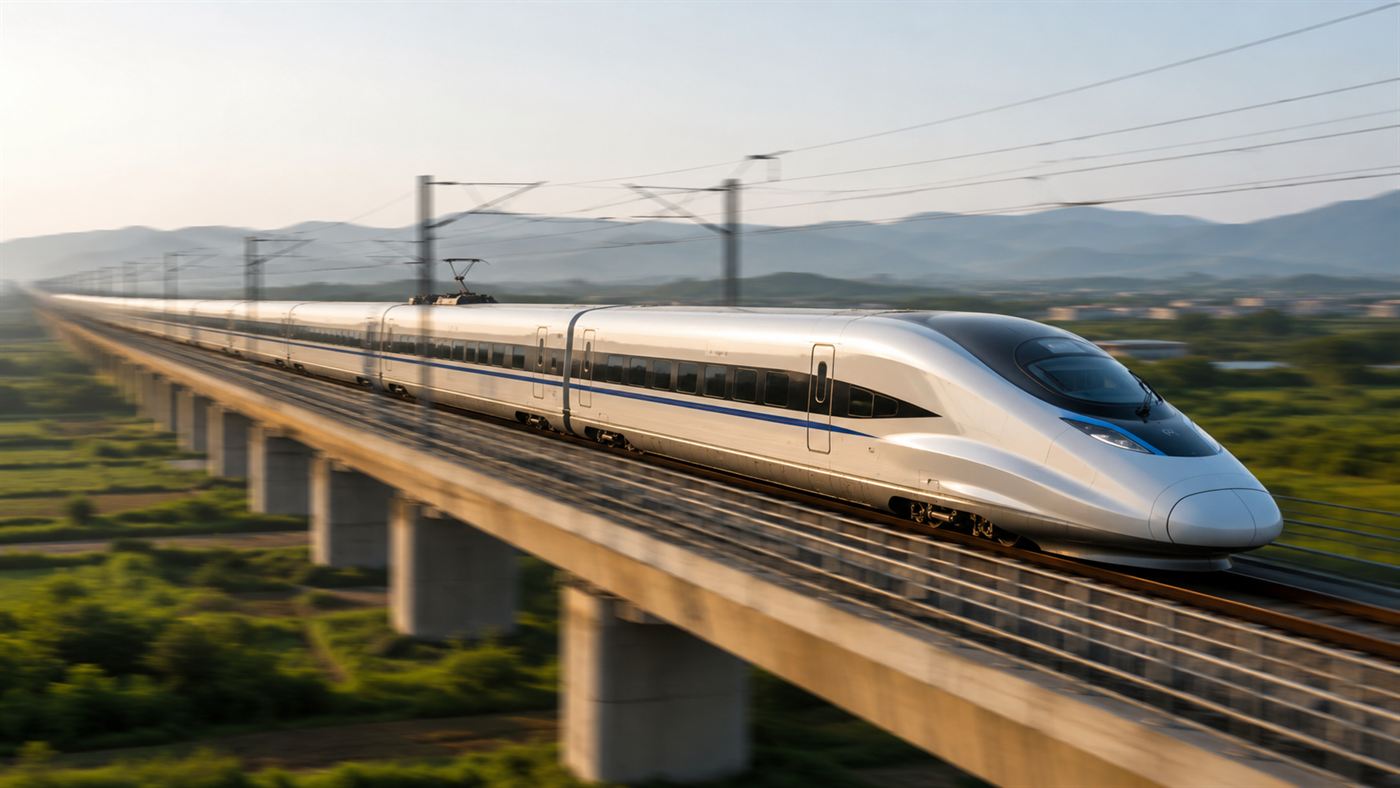
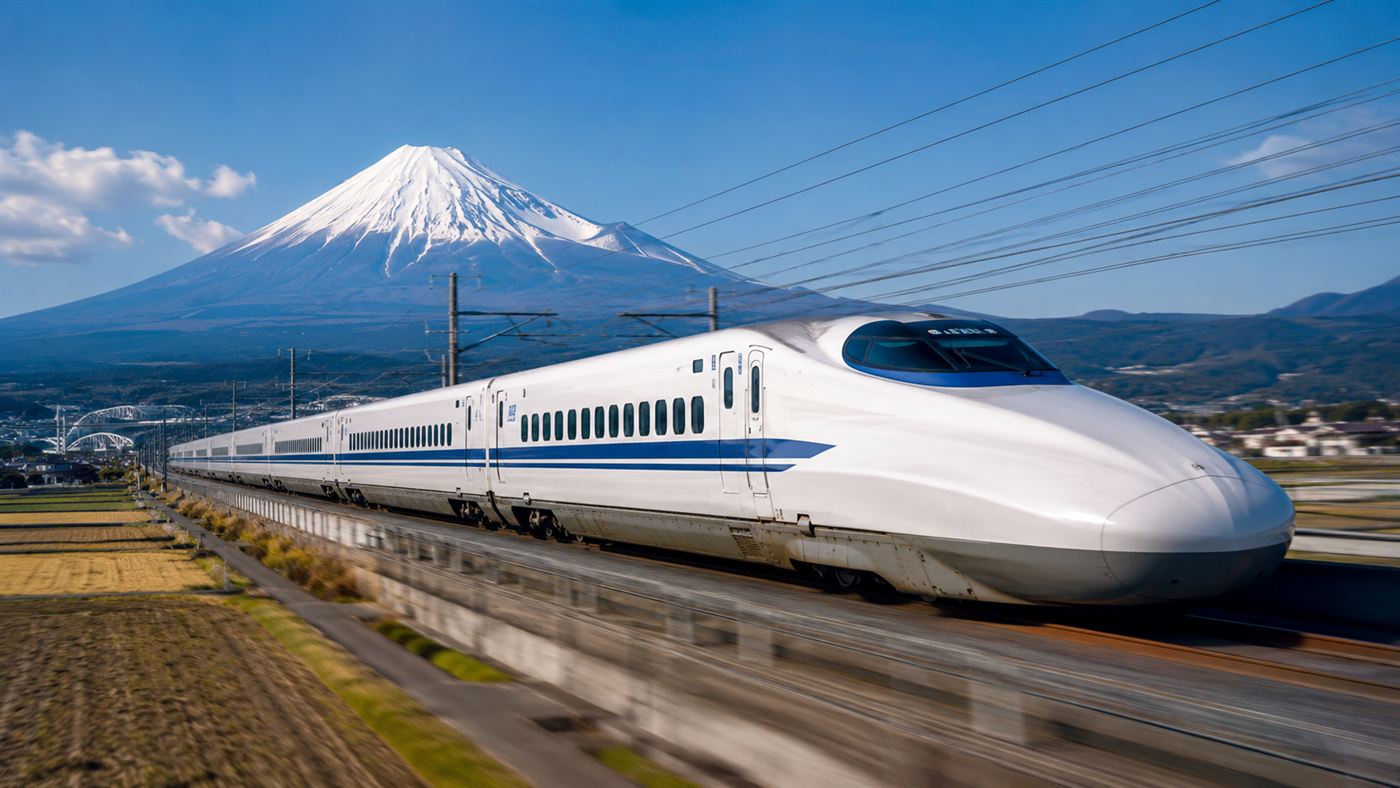
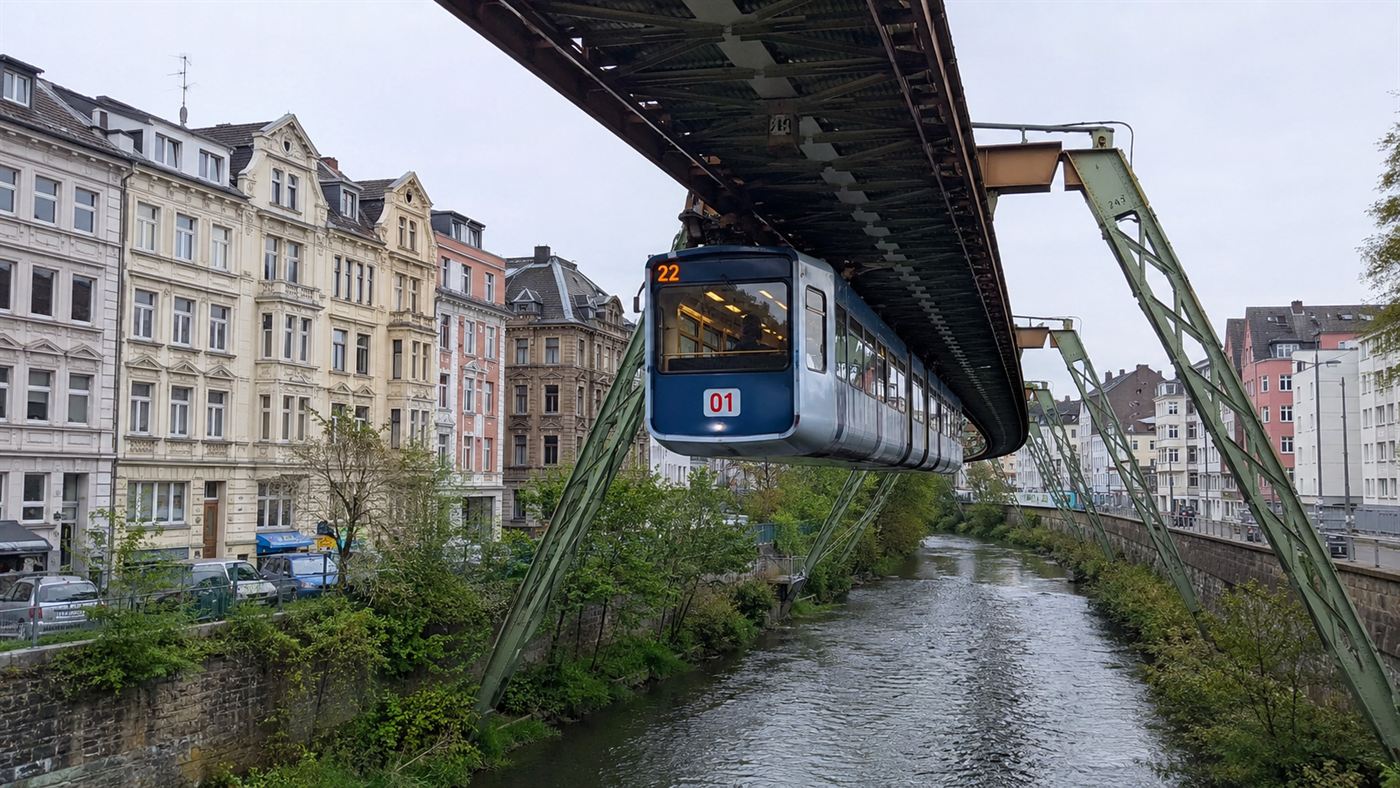
It rides in the same story as the other great experiments in moving people fast, from the conventional bullet train chasing it on steel wheels to the century-old railway that hangs from the sky.
If we can build a train that floats at 431 km/h and still not roll it out widely, what does that say about the gap between what we can invent and what we can actually afford, and would you ride it? Tell us in the comments.