Japan's bullet train was too loud for the law, so a birdwatching engineer rebuilt its nose like a kingfisher's beak
When Japan's fastest electric train kept booming out of tunnels too loudly to be legal, the fix did not come from a wind tunnel alone. It came from a kingfisher. An engineer who watched birds in his spare time reshaped the nose of the Shinkansen 500 series after the beak of a diving bird, and the boom went away.
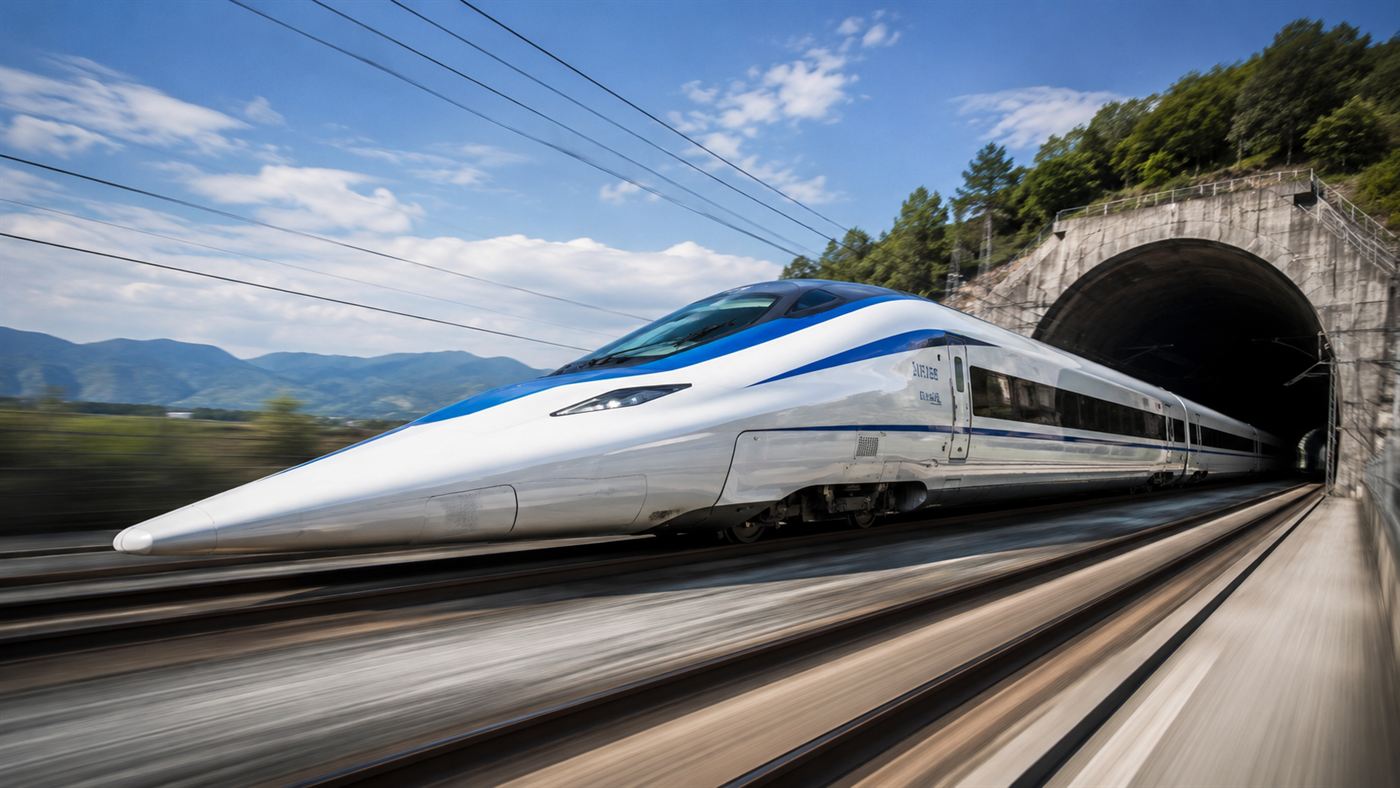
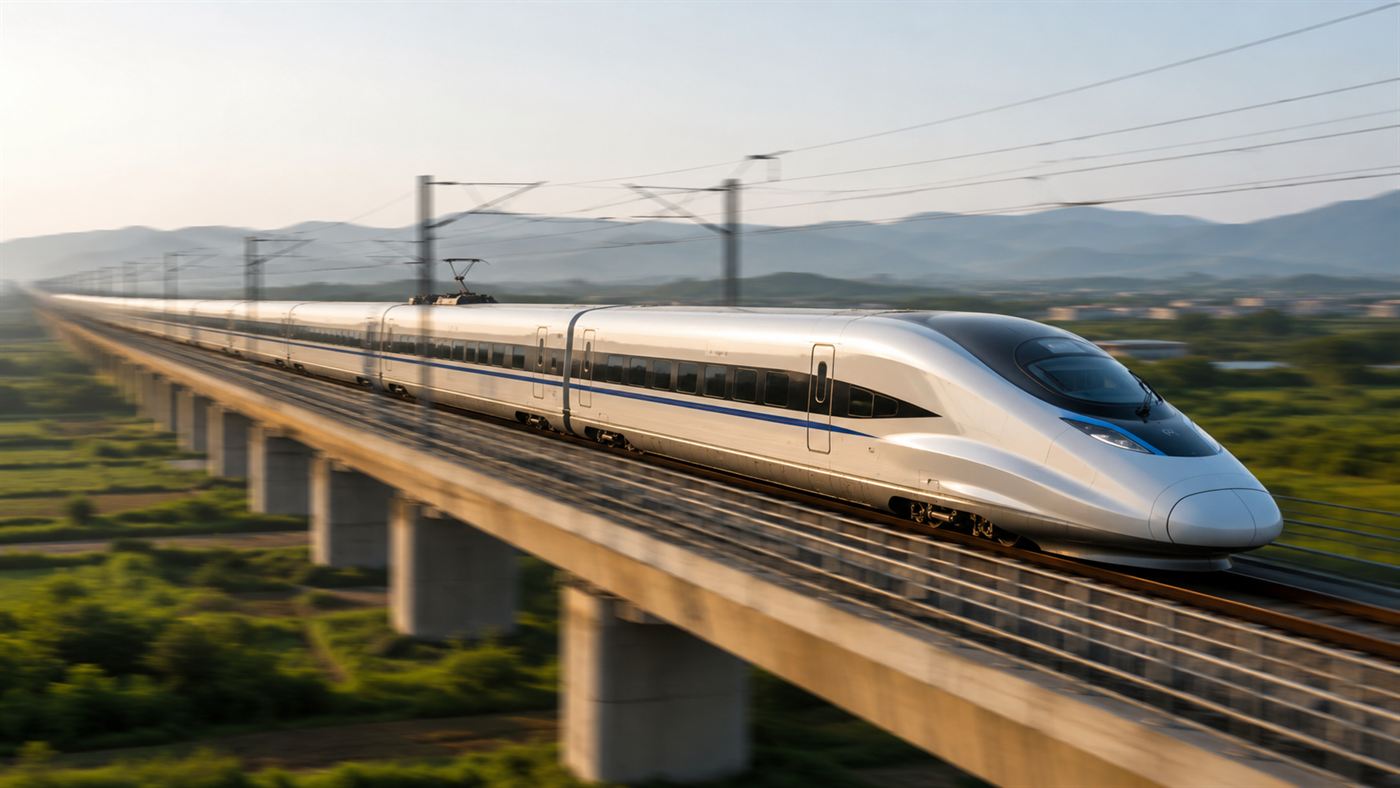
The 500 series nose, stretched to 15 metres and shaped like a beak. Illustration: Watts & Wild.
The problem was a strange kind of thunder. When Japan's high-speed trains pushed past 300 kilometres an hour, entering a tunnel turned them into pistons. The train shoved a wall of air ahead of it, the air compressed inside the tunnel, and when that pressure wave reached the far end it burst out as a loud bang, the so-called tunnel boom. In quiet residential areas it was loud enough to rattle nerves and break Japan's strict noise rules.
The man tasked with solving it on the 500 series was Eiji Nakatsu, an engineer at JR West who happened to be a keen member of the Wild Bird Society of Japan. Faced with a train that broke the law every time it left a tunnel, he did something most engineers would not think to do. He started asking what birds already knew.
Why the bullet train needed a kingfisher
Nakatsu thought about the kingfisher, a bird he had watched many times. A kingfisher hunts by diving from the air straight into water, a substance hundreds of times denser, and it does so with barely a splash. If it hit the water clumsily it would scare the fish and go hungry, so evolution had shaped its long, tapered beak to slip from one medium into a much denser one without a shockwave. That, Nakatsu realised, was almost exactly the train's problem: moving suddenly from open air into the dense, confined air of a tunnel.
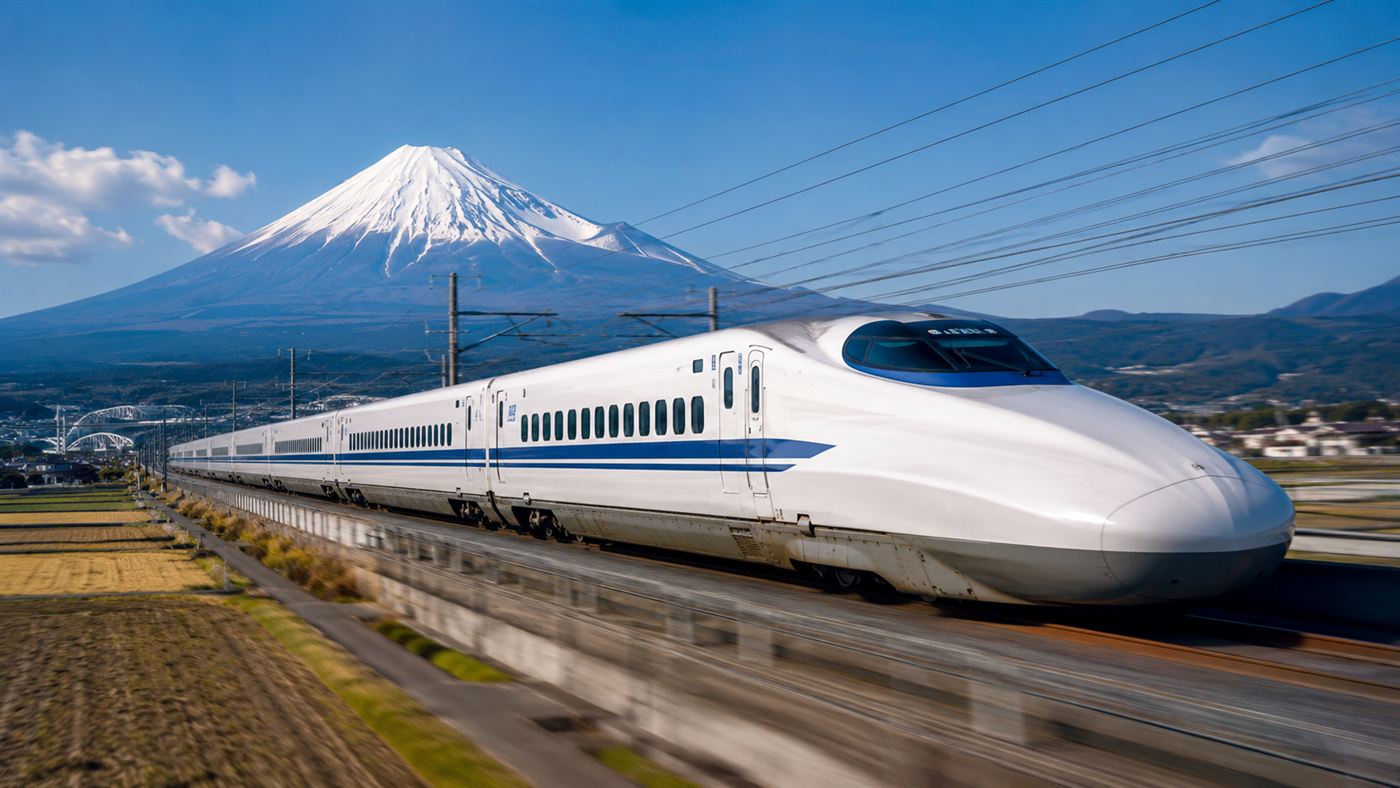
So the team tested nose shapes against the geometry of a kingfisher's beak. As Nakatsu later explained in an interview with Japan for Sustainability, the ideal shape for the Shinkansen turned out to be almost identical to the bird's bill. The result was the 500 series' distinctive nose, about 15 metres long and nearly round in cross section, a beak in steel that lets the train pierce the tunnel air smoothly instead of slamming into it.

The owl that silenced the pantograph
The nose was not the only noise. High on the roof, the pantograph, the arm that reaches up to collect electricity from the overhead wire, howled as air tore past it. To quiet it, Nakatsu's team turned to another bird famous for moving through air without a sound: the owl.
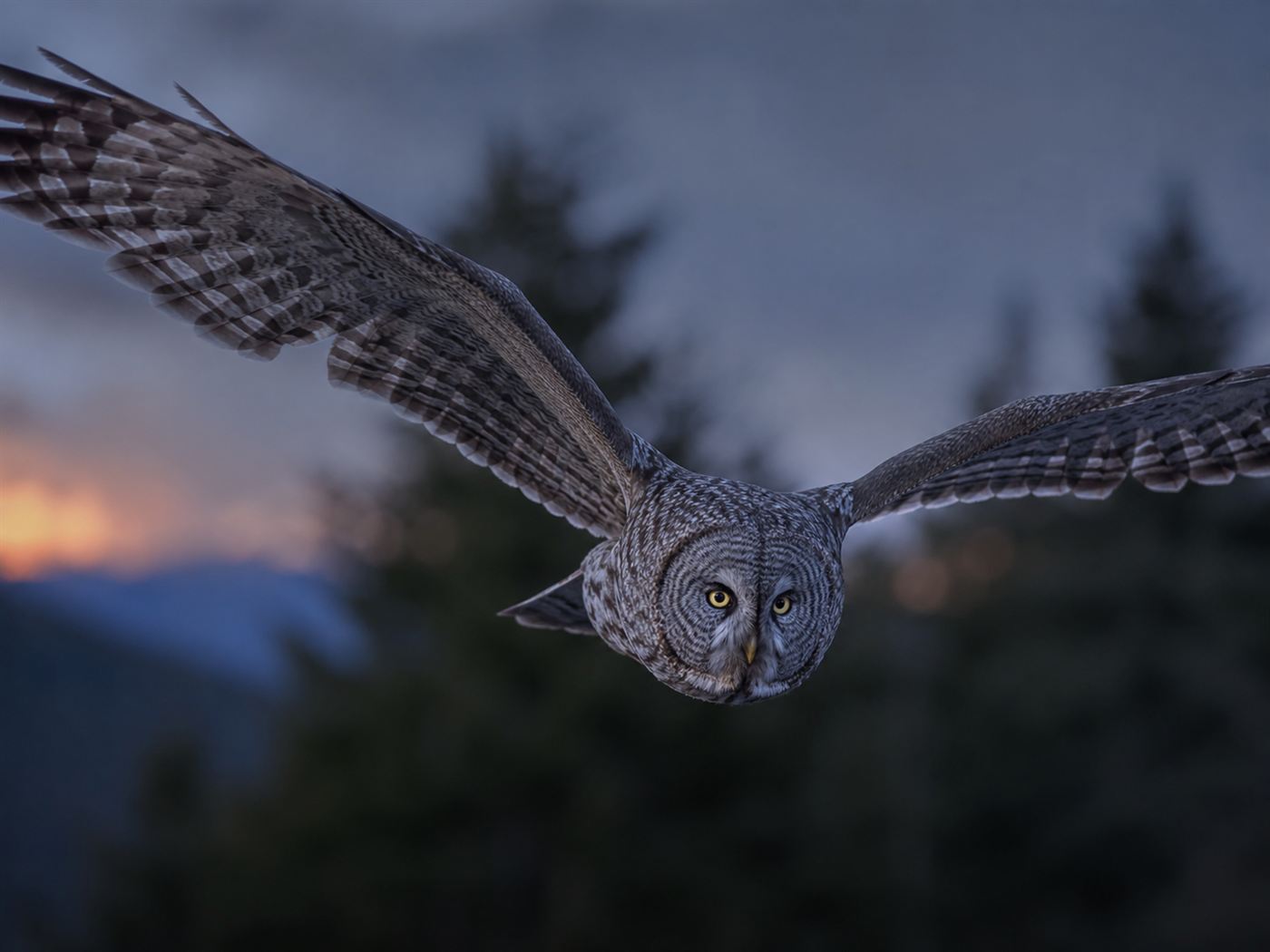
Owls hunt in near silence because the leading edge of their wing feathers is fringed with tiny saw-tooth serrations that break the rushing air into small vortices instead of one loud rush. The engineers copied that, adding a series of serrations to the pantograph to act as vortex generators. The howl dropped to within the legal limit. They went further still, shaping the pantograph's supporting shaft after the smooth body of a penguin to cut its air resistance.
What the birds bought
Put together, the borrowed designs did more than just quieten the train. As Ferrovial notes in its account of the project, the changes cut the tunnel air pressure by around 30 percent and electricity use by about 15 percent, while letting the train run roughly 10 percent faster, all while staying under Japan's tough noise ceiling.
That is a rare trifecta in engineering: quieter, faster and more efficient at the same time, with the gains coming not from a bigger motor but from a better shape. The 500 series entered service in 1997 and became one of the most recognisable trains in the world, its long beak the visible signature of a design that had gone looking for answers in the wild.
The honest catch
The story is usually told as a tidy flash of inspiration, a man sees a bird and saves the train, and that part deserves a gentle correction. The kingfisher was a guiding idea, not a magic shortcut. Behind it lay long, patient work in wind tunnels and with computer models, testing shape after shape, and the beak was the direction that work kept pointing toward rather than a finished blueprint handed over by nature.
The fix had costs, too. That dramatic 15-metre nose eats into cabin space, leaving the 500 series with fewer seats than blunter trains, and it was eventually moved off the top express duties. Biomimicry is a powerful way to find ideas, but the ideas still have to survive the same hard trade-offs as any other piece of engineering.
Why birdwatching built a better train
What makes this more than a fun anecdote is what it says about where good ideas come from. Evolution has spent millions of years solving problems of drag, noise and pressure, the very problems a 300 kilometre an hour train runs into, and a kingfisher or an owl is a working answer that has already been field-tested for an age.
It took an engineer who also happened to look up at birds to connect the two. If a kingfisher could quiet a bullet train, what other everyday machines might be hiding a better design somewhere out in nature? Tell us in the comments.
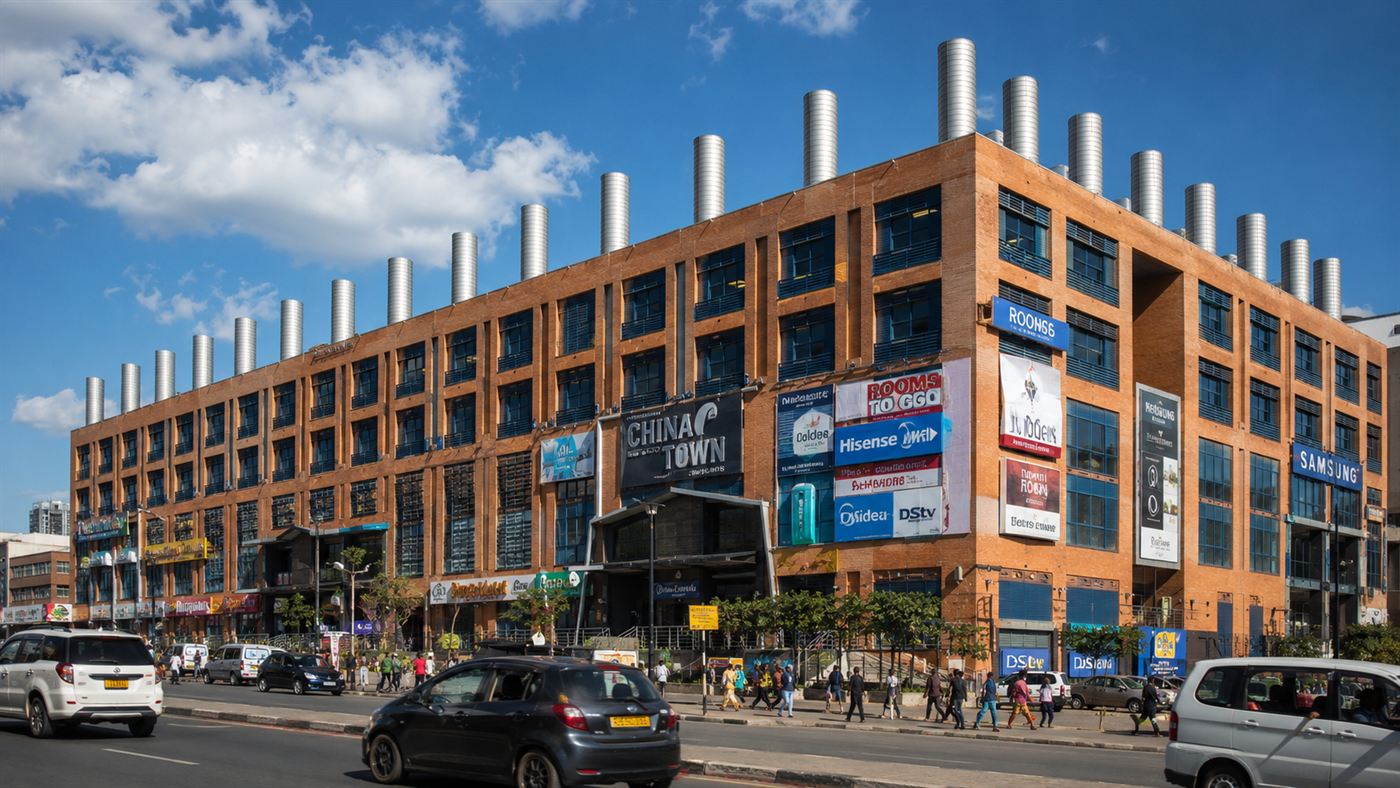
Related reading: An office block in Zimbabwe stays cool with almost no air conditioning by copying how termites ventilate their mounds.