Japan dug the world's longest undersea tunnel, the Seikan Tunnel, because a typhoon sank five ferries in the strait and killed more than 1,400 people in a single night
Most great tunnels are built to save time. The Seikan Tunnel, burrowing far beneath the sea between Japan's two largest islands, was built to save lives, after a single storm turned a routine ferry crossing into one of the deadliest maritime disasters in the country's history.
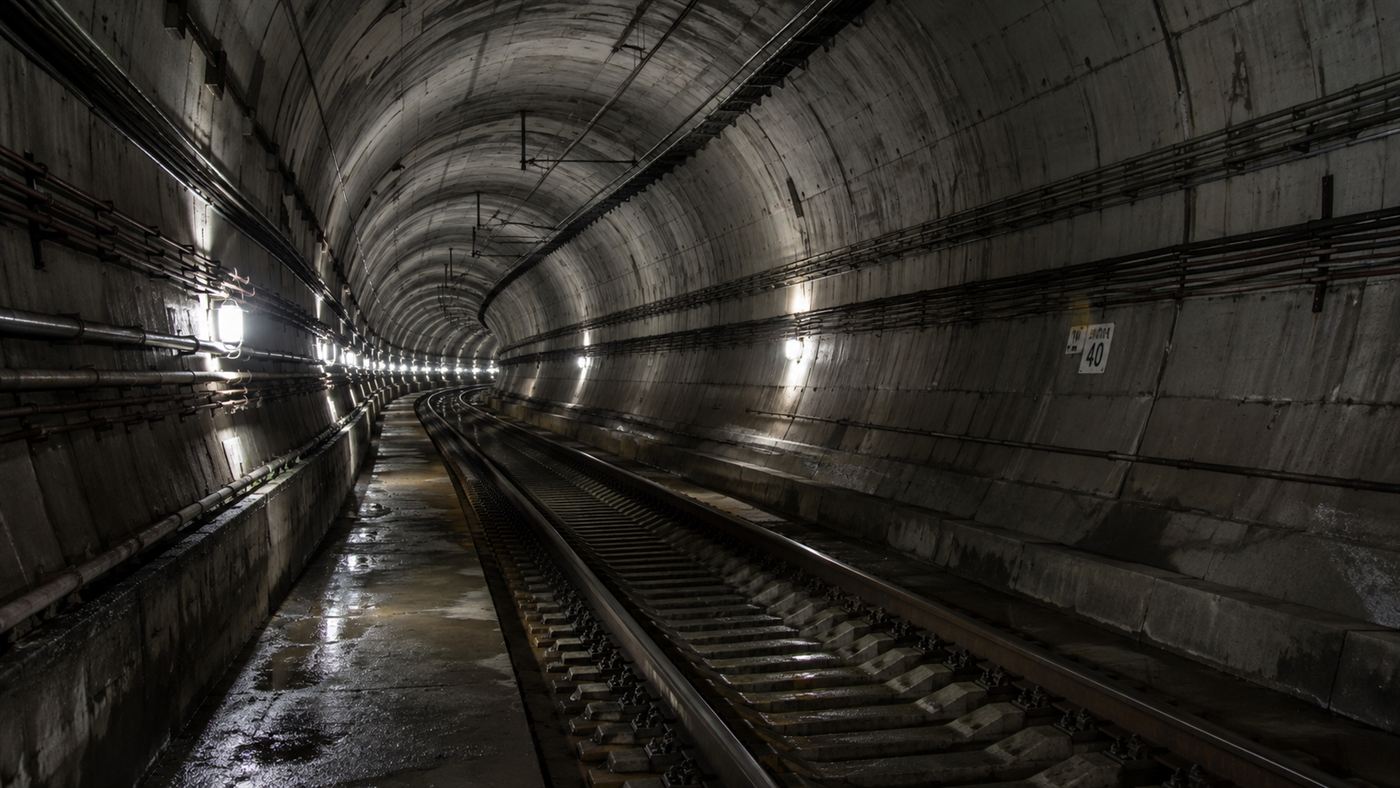
The Seikan Tunnel runs deeper below the sea than any other railway, a response to tragedy as much as a feat of engineering. Illustration: Watts & Wild.
The Seikan Tunnel is one of the great engineering achievements of the twentieth century, and one of the saddest in its origins. It is a railway tunnel 53.85 kilometres long that links Honshu, Japan's main island, with the northern island of Hokkaido, plunging beneath the Tsugaru Strait that divides them. For total length it is the longest tunnel in the world with an undersea section, and it runs deeper below the waves than any other rail tunnel ever dug.
But the reason it exists is not really about records. Japan committed to this colossal, decades-long project because crossing the Tsugaru Strait by boat had proven that it could kill people by the hundreds. The tunnel is, in a very direct sense, a monument built so that a particular horror would never happen again.
The Seikan Tunnel is a 53.85 km railway tunnel under the Tsugaru Strait connecting Honshu and Hokkaido in Japan. It is the world's longest tunnel with an undersea section and the deepest railway tunnel, and it was driven by the 1954 Toya Maru ferry disaster, which killed more than 1,400 people.
The night the Toya Maru went down
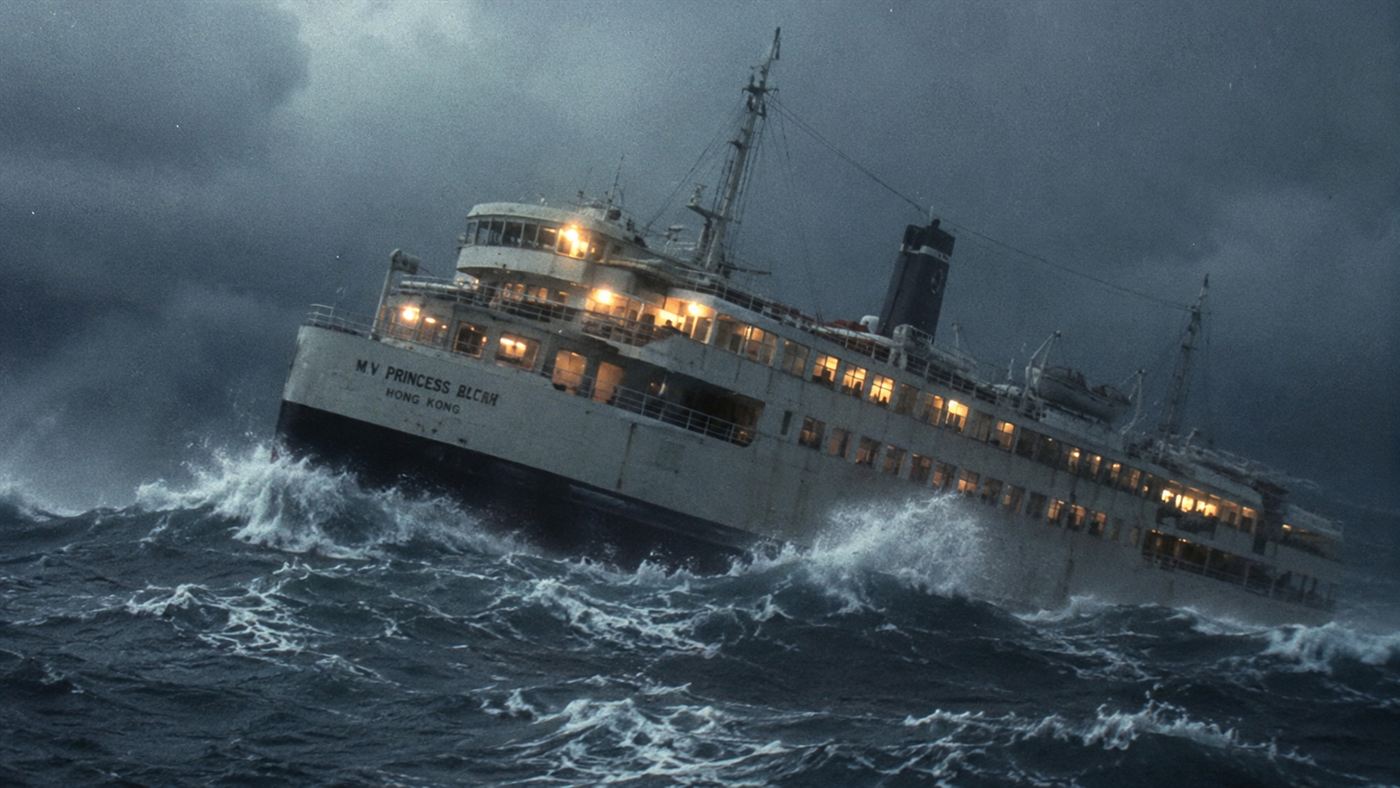
On 26 September 1954, a powerful typhoon swept over northern Japan just as ferries were crossing the Tsugaru Strait. The flagship ferry, the Toya Maru, set out in a deceptive lull and was caught in the full fury of the storm, losing power and eventually capsizing. By the time the night was over, the Toya Maru and four other ferries had been lost in the strait, and more than 1,400 people were dead.
It was a national catastrophe, sometimes called Japan's Titanic, and it laid bare an uncomfortable truth: the ferry link that stitched Hokkaido to the rest of the country was at the mercy of the weather. The Toya Maru disaster turned a long-discussed dream of tunnelling under the strait into an urgent national priority, and the following year the national railway accelerated its feasibility studies in earnest.
Digging the deepest railway under the sea
Turning that resolve into a tunnel took the better part of forty years of surveying and digging, with full-scale construction running from 1971 to 1988. The engineering ambition was staggering: the track in the Seikan Tunnel sits about 240 metres below the surface of the sea and roughly 100 metres beneath the seabed itself, far deeper than the famous undersea tunnel under the English Channel.
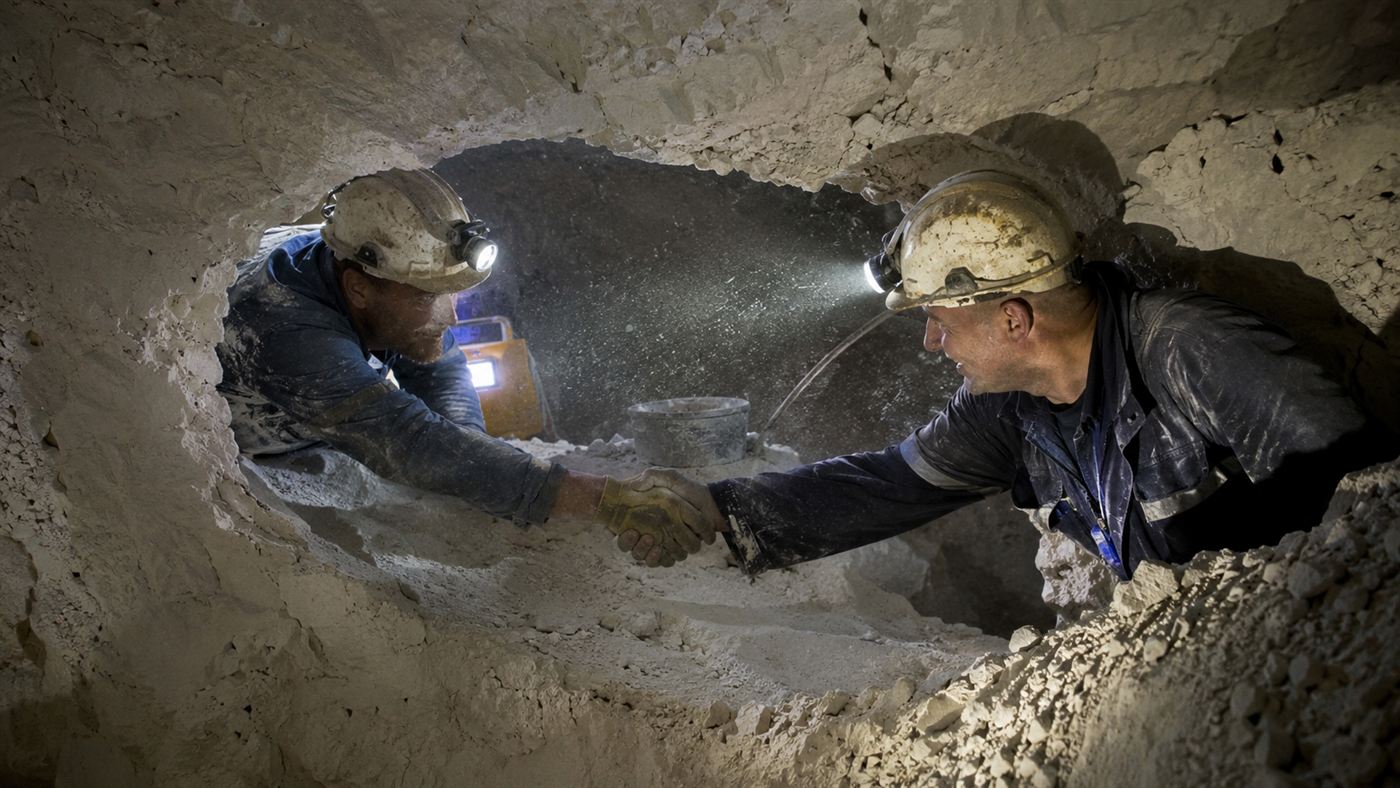
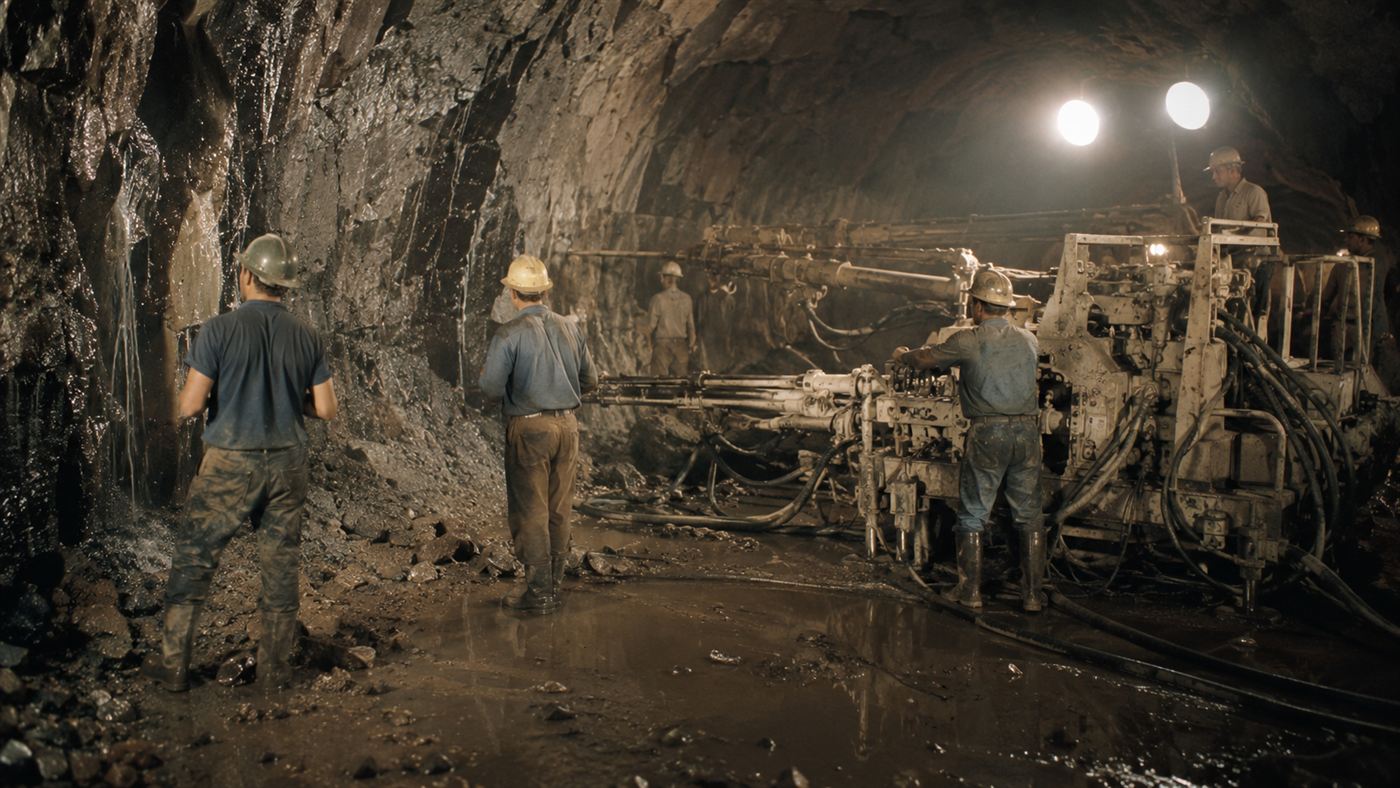
Of the tunnel's 53.85 kilometres, some 23 kilometres run directly under the Tsugaru Strait, through rock that was fractured, weak, and soaked with seawater under enormous pressure. To build an undersea tunnel through that, crews had to constantly inject grout to seal the rock ahead of them, advancing slowly into ground that was always trying to flood. It was less like classic tunnelling and more like a long, grinding siege against the sea.
Fighting the sea, ton by ton
The danger was not theoretical. The worst moment came in 1976, when miners broke into a patch of soft, waterlogged rock and the sea poured in at a rate of around 80 tons per minute, threatening to drown the works entirely. It took more than two months of desperate effort to seal the breach and pump the tunnel dry, a flood that could easily have ended the whole project.
Building the Seikan Tunnel cost lives as well as money. Thirty-four workers died over the course of construction, in cave-ins, floods, and accidents in the cramped, wet, high-pressure conditions deep under the Tsugaru Strait. The final bill came to around 1.1 trillion yen, close to twelve times the original estimate, swollen by inflation and by the sheer difficulty of the ground. The tunnel even includes undersea emergency stations, escape points carved out far below the waves.
The Seikan Tunnel opened too late
When the Seikan Tunnel finally opened on 13 March 1988, it should have been a moment of pure triumph. Instead it arrived into a world that had quietly moved on. In the decades it took to build, air travel had become cheap, fast, and routine, and most people travelling between Honshu and Hokkaido simply flew, covering in an hour and a half a journey that took much longer by train through the tunnel.
So the great undersea tunnel, conceived in the age of ferries, opened as something of a magnificent white elephant for passengers. It carried freight and slower trains, but never the crowds its builders once imagined. Its fortunes lifted somewhat in 2016, when the high-speed Hokkaido Shinkansen began running through it, finally sending bullet trains beneath the Tsugaru Strait, though even now the tunnel is far from busy.
The honest catch
The superlatives around the Seikan Tunnel need a little care. It is the longest undersea tunnel by total length and the deepest railway tunnel, but the Channel Tunnel actually has a longer stretch running beneath the seabed, and the Gotthard Base Tunnel later beat Seikan as the longest railway tunnel overall. Records like these depend heavily on exactly how you measure them.
And there is the awkward economics. Judged coldly as transport, the Seikan Tunnel is hard to justify; it cost a fortune, took decades, killed 34 people, and ended up lightly used because aircraft won the very race it was built for. Yet judged as a response to the Toya Maru tragedy, it makes a different kind of sense. A country looked at a strait that had drowned more than 1,400 of its people and decided to go under it for good, whatever the cost, and that resolve is carved into the rock 240 metres below the sea.
Japan spent decades and a fortune digging under the sea to make sure a ferry disaster could never repeat, then watched aeroplanes make the tunnel almost unnecessary. Was the Seikan Tunnel worth it as a promise to the dead, even if the maths never added up? Tell us in the comments.
Related reading: The day an English and a French tunneller shook hands under the seabed and joined Britain to Europe for the first time since the Ice Age.