Japan ran out of land for an airport, so it built an entire island in the sea, and that island has been sinking under the runways ever since
When Osaka needed a new airport and had nowhere to put it, engineers did something audacious: they built a brand-new island in Osaka Bay and set the airport on top of it. It opened in 1994 as a marvel of engineering. The trouble is that the sea floor underneath has never stopped giving way.
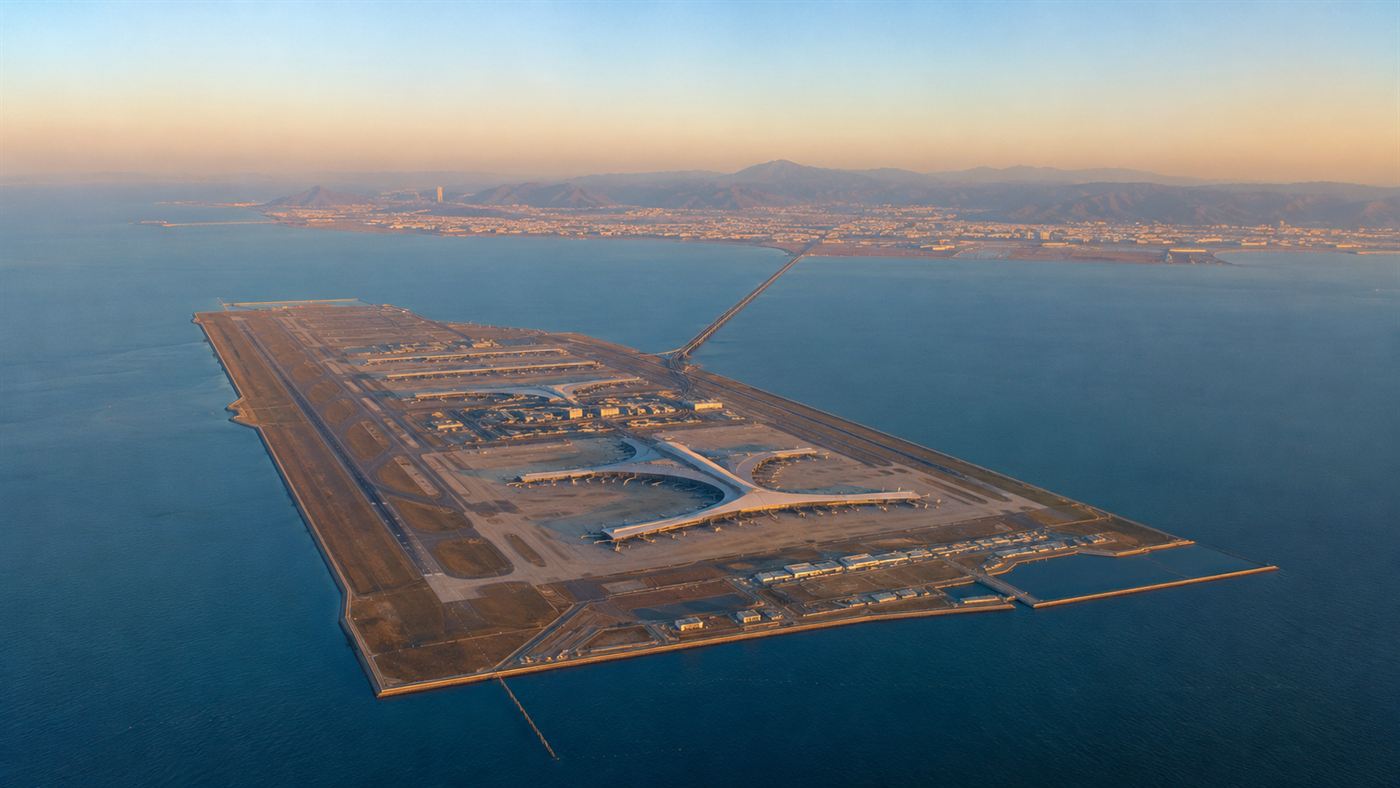
Kansai International Airport sits on an island that engineers poured into Osaka Bay. Illustration: Watts & Wild.
Most airports are built on land. Kansai International, which serves Osaka and the cities around it, is built on the sea, on a man-made island roughly four kilometres long that simply did not exist before engineers poured it into being. When it opened in September 1994, after years of work and around 20 billion dollars, it was one of the boldest pieces of civil engineering anywhere on Earth. It was also, from its very first day, the story of the Kansai airport sinking island, because the ground was already settling into the bay.
The reason was buried far below the waterline. As the airport's engineering record shows, the island sits on top of about 20 metres of soft marine clay that is 70 percent water, and the sheer weight pressing down has been squeezing that clay like a sponge ever since. The engineers knew the ground would settle. What they did not expect was how far it would go.
An island built to order
The problem Osaka faced in the 1980s was simple and unforgiving.
It had outgrown its old airport and had nowhere on land to build a bigger one.
Japan's earlier attempt to expand Narita Airport near Tokyo had run into years of furious protests and land disputes, so this time the planners decided to step around people entirely and build out at sea.
Crews carved some 21 million cubic metres of earth from three mountains and dropped it into Osaka Bay, raising an island four kilometres long and two and a half wide.
To force the water out of the soft seabed so it could carry the load, they first sank around a million sand drains into the clay, less like laying a foundation than like trying to build solid ground out of pudding.
The Kansai airport sinking island that keeps going down
The engineers always knew the island would settle as the clay compressed, and they planned for it. Soft, uneven ground is one of the oldest enemies in construction, the same villain that nearly toppled the Leaning Tower of Pisa eight centuries after it was built.
Their forecast was that it would sink by about 5.7 metres and then steady.
Instead, by 1999 the first island had already dropped 8.2 metres, almost half again as much as predicted, and it kept going down.
As The B1M has documented, the ground has settled well over 11 metres in total since construction began, though the rate has slowed from around 50 centimetres a year in the 1990s to just a few centimetres now.
An airport that cost a fortune to lift out of the water has spent its entire life trying to slip back into it.
Holding up a terminal with metal plates
Keeping a building level on ground that sinks unevenly is a puzzle all of its own.
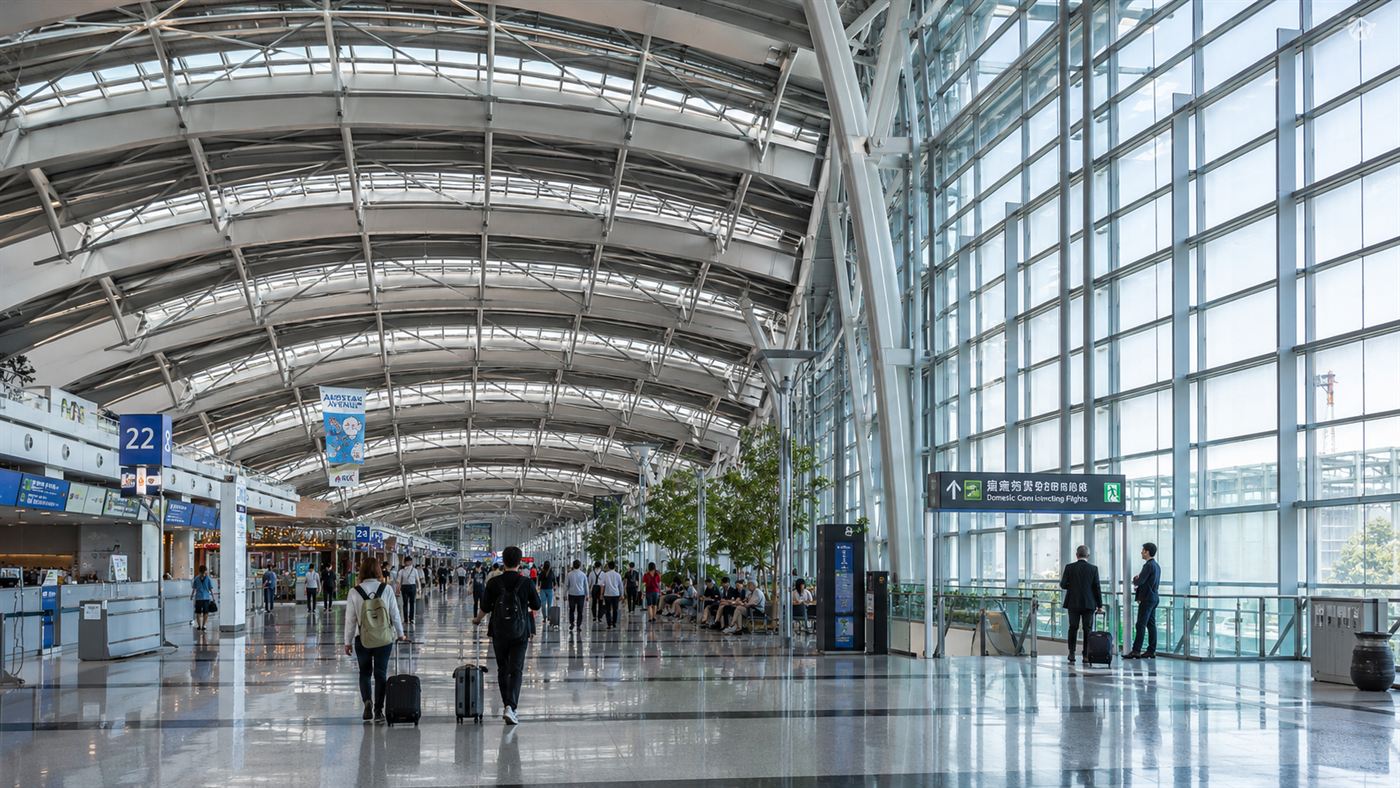
The main terminal, designed by the Italian architect Renzo Piano, is a single soaring hall 1.7 kilometres from end to end, the longest airport terminal in the world.
It rests on hundreds of adjustable columns, each one able to be jacked back up by slipping thick metal plates underneath as the floor beneath it drops.
Teams track the settling constantly and shim the building back to level, column by column, year after year.
The marvel is not only that they built it, but that they must keep re-levelling it for as long as it stands.
The night a ship cut the island off
Then came the day the slow sinking was the least of Kansai's problems.
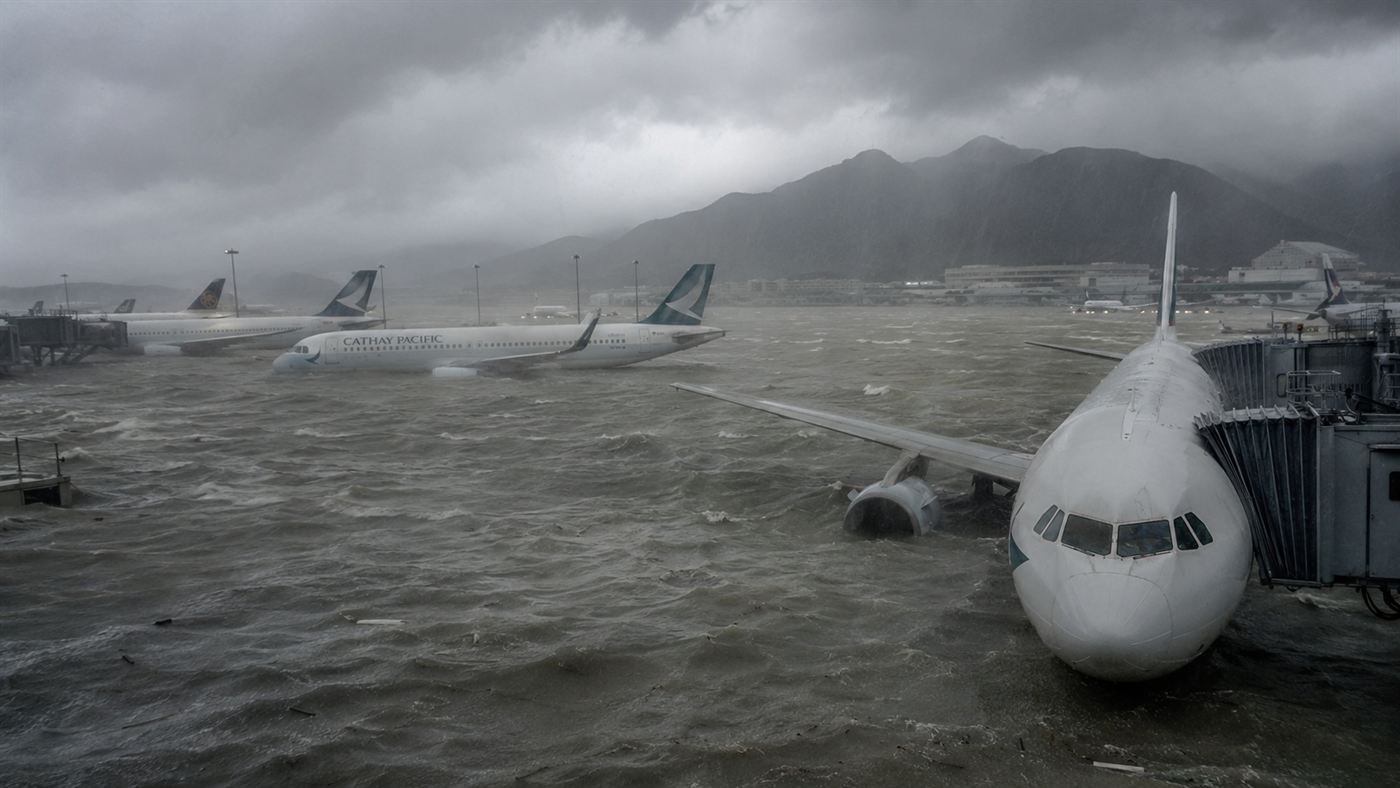
On 4 September 2018, exactly 24 years after it opened, the airport took a direct hit from Typhoon Jebi, one of the most violent storms to strike Japan in decades.
A storm surge washed straight over the low island and flooded a runway, leaving parked airliners standing in seawater that reached up to their engines.
Worse, a large tanker that had anchored nearby to ride out the storm broke loose and slammed into the only bridge connecting the island to the mainland.
With the bridge crippled, around 5,000 passengers and staff were left trapped on the island overnight without power, and had to be carried off by ferries and buses the next day.
The honest catch
Kansai is a genuine triumph, but it is one that comes with a permanent bill.
The island will go on settling for decades, and every centimetre means more money spent raising sea walls, re-levelling buildings and pumping the place dry.
Some experts have warned that without major intervention, parts of the airport could sink close to sea level by around 2067, just as the oceans themselves are rising to meet it.
The storm of 2018 was a preview of that future, a glimpse of how exposed a low island becomes when the weather turns violent.
Building land where there was none solved one problem and quietly signed the builders up to fight the sea for as long as the airport exists.
For now, Kansai works, moving tens of millions of passengers a year on ground that should not really be there at all.
It is a reminder that engineering can conjure an island out of a bay, but it cannot quite order the sea to stop.
Would you trust an airport built on a sinking island in the path of typhoons, or are some places simply not meant to be built on? Tell us what you think in the comments.
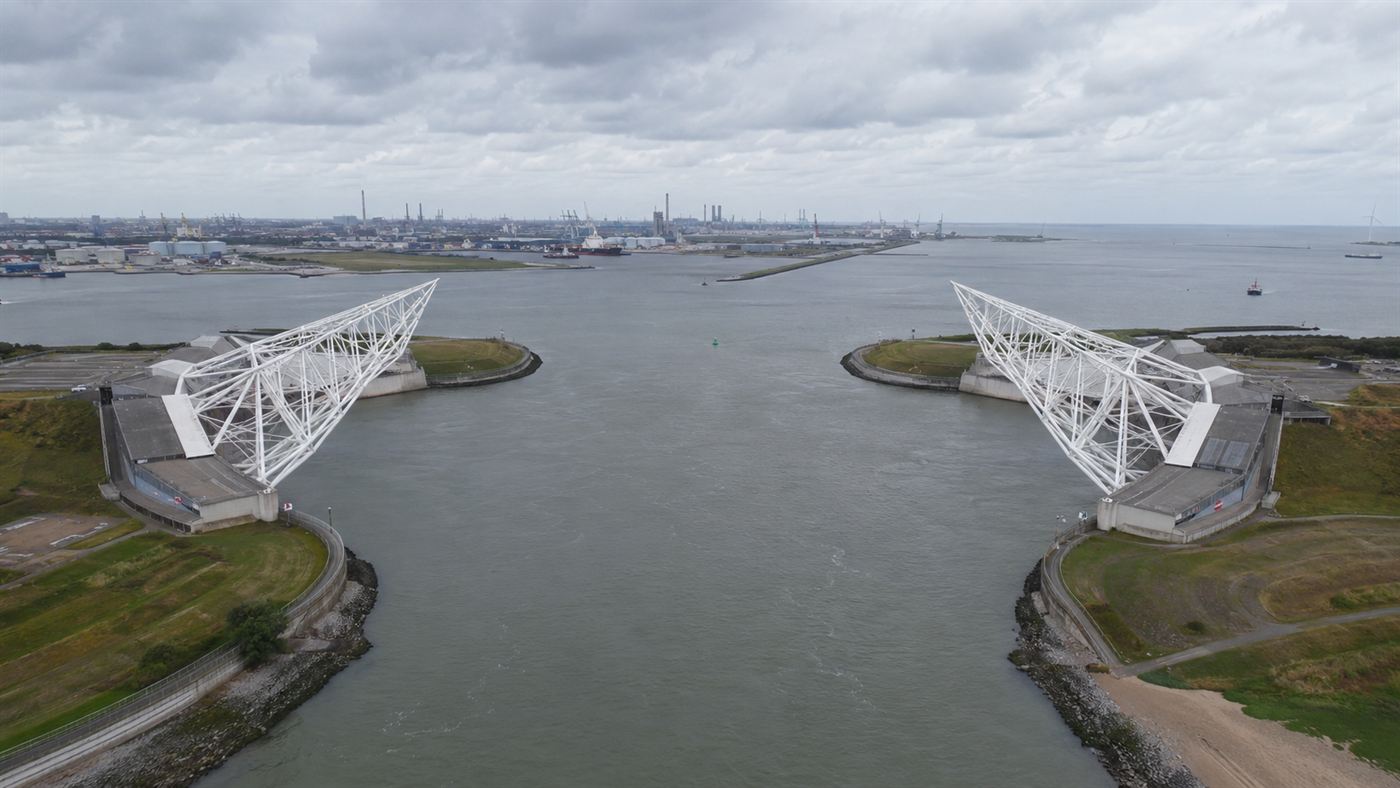
Related reading: The Netherlands built two steel arms the size of the Eiffel Tower that close the sea off by themselves whenever a storm surge threatens Rotterdam.

Maria Heloisa Barbosa Borges covers energy, heavy industry and the natural world for Watts & Wild, with an eye for the people caught where engineering meets the wild.