In 1937 an odorless gas leak blew up a Texas school and killed nearly 300 children, and the New London School explosion is the reason natural gas has its rotten-egg smell today
Every time you catch a whiff of gas and reach to turn off the stove, you are being protected by a tragedy most people have never heard of. The smell itself is not natural. It was added because of one terrible afternoon in East Texas, the New London School explosion of 1937.
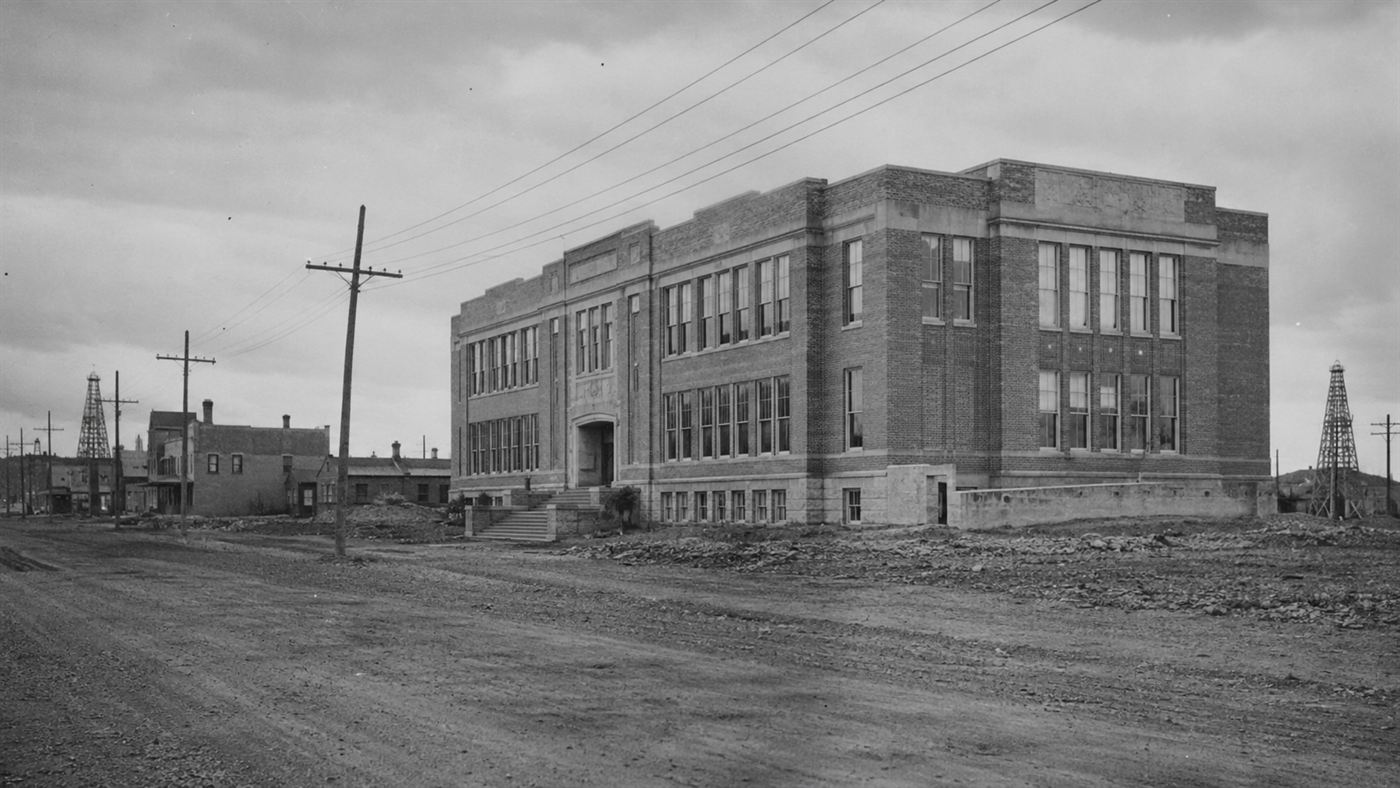
The New London school was one of the most modern in the country before the blast. Illustration: Watts & Wild.
Natural gas is one of the most useful fuels ever tamed, but it hides a quiet danger. In its raw state it has no smell and no color, so a leak can fill a room or a crawlspace without a single person noticing until it is far too late. For most of the early gas age, that was simply an accepted risk. It took the death of a schoolhouse full of children to change it.
The New London School explosion is not a household name, yet it touches almost every building you have ever entered. It is the reason gas companies deliberately make their product stink, and the reason a leak announces itself long before it can kill you. To understand the smell in your kitchen, you have to go back to a boomtown that thought it had escaped hard times.
The short version: On March 18, 1937, odorless natural gas leaking beneath the school in New London, Texas, ignited and destroyed the building, killing nearly 300 students and teachers. It is the deadliest school disaster in US history. Within weeks, Texas required that gas be given a warning smell, and the rotten-egg odor we all know today is the direct result.
The richest school in Texas
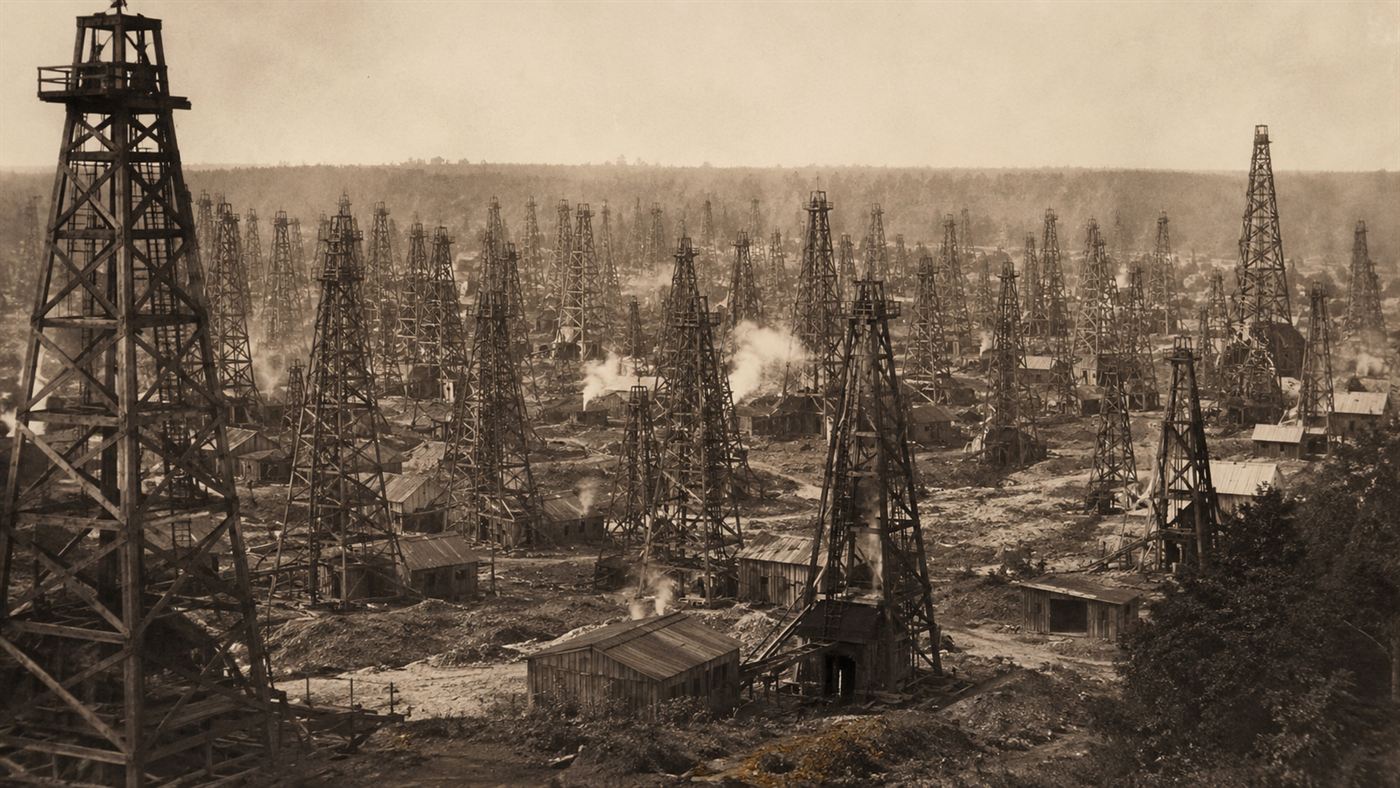
New London sat in the middle of the East Texas oil field, one of the largest oil discoveries the world had ever seen. In the early 1930s, while much of the country was crushed by the Great Depression, this corner of Rusk County was awash in money. The Consolidated school district was so wealthy from oil taxes that it built a sprawling, modern school of steel and concrete, filled it with the latest equipment, and even installed electric lighting under its football field.
It was, by every measure of the day, a symbol of the good life the oil boom had brought. Families who had known nothing but dust and debt now sent their children to one of the best-equipped schools in America. That prosperity, and one small decision made to save a little of it, set the stage for the disaster.
The gas nobody could smell
To cut costs, the school board had cancelled its contract for commercial gas and quietly tapped into a residue gas line belonging to a nearby oil company. This residue, or waste gas, was a byproduct of oil production that companies often burned off or let others use for nearly nothing. Tapping it was a common practice in the oil field at the time, and it heated the school for free.
But this raw gas was completely odorless, and it was leaking. Slowly, invisibly, it seeped into the enclosed crawlspace that ran the full length of the main building, more than 250 feet, and filled it like an unseen reservoir. Nobody could smell it. Some students had complained of headaches, but there was no warning anyone could recognize. A vast, hidden pool of explosive gas sat waiting beneath the classrooms.
March 18, 1937
It was a Thursday afternoon, minutes before dismissal, with the building full of students and teachers. In the manual training shop, an instructor switched on an electric sander. The spark from its switch is believed to have found the gas-air mixture that had crept up from the crawlspace. In an instant the entire structure lifted off the ground and slammed back down in a mountain of rubble.
Nearly 300 students and teachers were killed, making it the deadliest school disaster in the history of the United States. Rescuers, many of them oil-field roughnecks who rushed from the derricks with their bare hands and heavy equipment, dug through the wreckage in a driving rain all night. Among the reporters who arrived was a young Walter Cronkite, who later said that in a long career covering war and calamity, he never saw anything worse.
What the New London School explosion changed
Out of the grief came one of the fastest, most consequential safety reforms in industrial history. As NOAA has documented, within weeks of the New London School explosion Texas passed a law requiring that a malodorant be added to natural gas so that leaks could be smelled before they became deadly. It was the first law of its kind, and the idea spread quickly across the country and then the world.
As Wikipedia records, the odorant chosen was mercaptan, a sulfur compound with a powerful rotten-egg smell. From then on, gas that had once been silent and invisible would betray itself at the faintest trace. The disaster also pushed Texas to license and regulate engineers more strictly. The single deadliest day in American school history quietly rewrote the safety rules for a fuel that now heats and powers much of the planet.
Why gas smells like rotten eggs
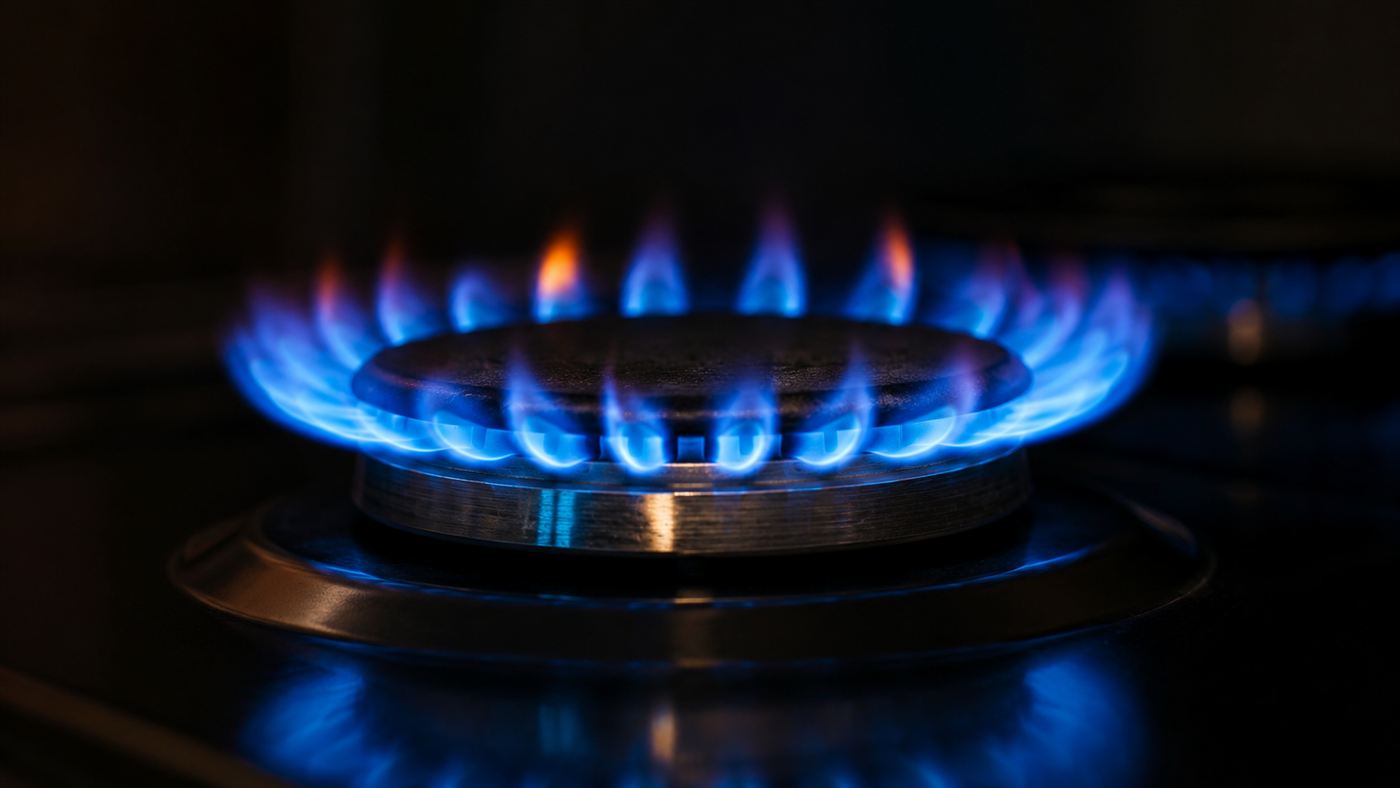
The smell you associate with gas is not the gas at all. Pure methane, the main component of natural gas, is genuinely odorless. What you are smelling is the tiny amount of added mercaptan, a compound so pungent that the human nose can detect it at concentrations of just a few parts per billion. Utilities add only a trace, carefully calibrated so that you notice a leak long before the gas reaches a dangerous, explosive level.
As the American Oil & Gas Historical Society notes, this deliberate stink is now a legal requirement for gas delivered to homes and businesses. It is one of those rare safety measures that works on almost everyone, instantly and without training. You do not need a detector or a manual. You just need a nose, and the horrible smell does the rest, all because of what happened in New London.
The honest catch
It would be neat to say that odorized gas solved the problem for good, but the truth is more careful than that. The rotten-egg warning is genuinely lifesaving, yet it is not foolproof. Mercaptan can fade, a phenomenon known as odor fade, when gas passes through new steel pipe or certain soils that absorb the sulfur compound. People can lose their sense of smell with age or illness, and someone deeply asleep will not wake to it. That is why modern safety layers gas detectors, better pipe standards and building codes on top of the smell, rather than relying on the nose alone.
The story of blame is also less tidy than it sounds. The school's waste-gas tap is often described as a reckless money-saving cheat, but it was a widespread and accepted practice in the oil field of the 1930s, and no single person was ever found legally responsible. The disaster was less a villain's crime than a whole industry's blind spot, exposed at a horrifying cost. What redeems the story, a little, is how fast that blind spot was closed. A simple additive, born from the loss of a town's children, has quietly warned billions of people ever since. It is worth remembering where the smell came from.
A smell we all take for granted was written into law by the loss of a schoolhouse full of children. Did you know why natural gas smells the way it does, and does knowing the story change how you hear that warning? Tell us in the comments.
Related reading: Centralia, the Pennsylvania town sitting on a coal fire that has burned for over sixty years, or how Galveston raised an entire city after America's deadliest storm. See also the Hutchinson gas explosions, where natural gas traveled seven miles underground before erupting in a Kansas town, and the Cleveland LNG explosion that flooded a neighborhood's sewers with invisible vapor before it ignited.
More from Watts & Wild
More in Energy →

Bruno writes about energy, industry and the big machines that run the modern world, with an eye for the human story behind the engineering.