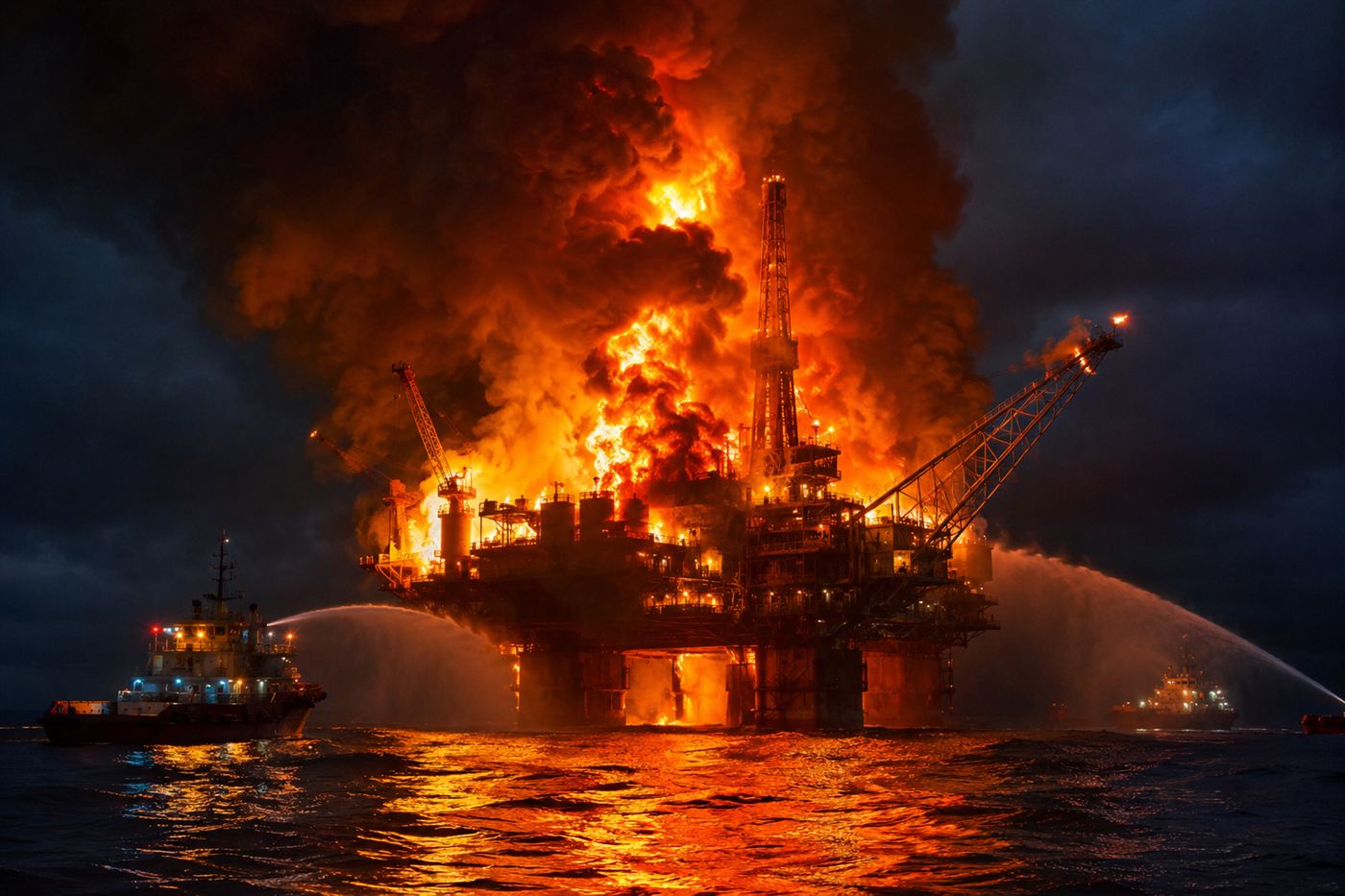
John Lokitis kept mowing the lawns and painting the benches of his hometown long after the Centralia mine fire had emptied it, because the coal beneath the streets has burned since 1962
The Centralia mine fire has burned beneath a small Pennsylvania town since 1962, swallowing homes, streets and an entire community. The state condemned the borough and erased its ZIP code, and yet a stubborn handful of residents refused to leave the smoking ghost town for decades.
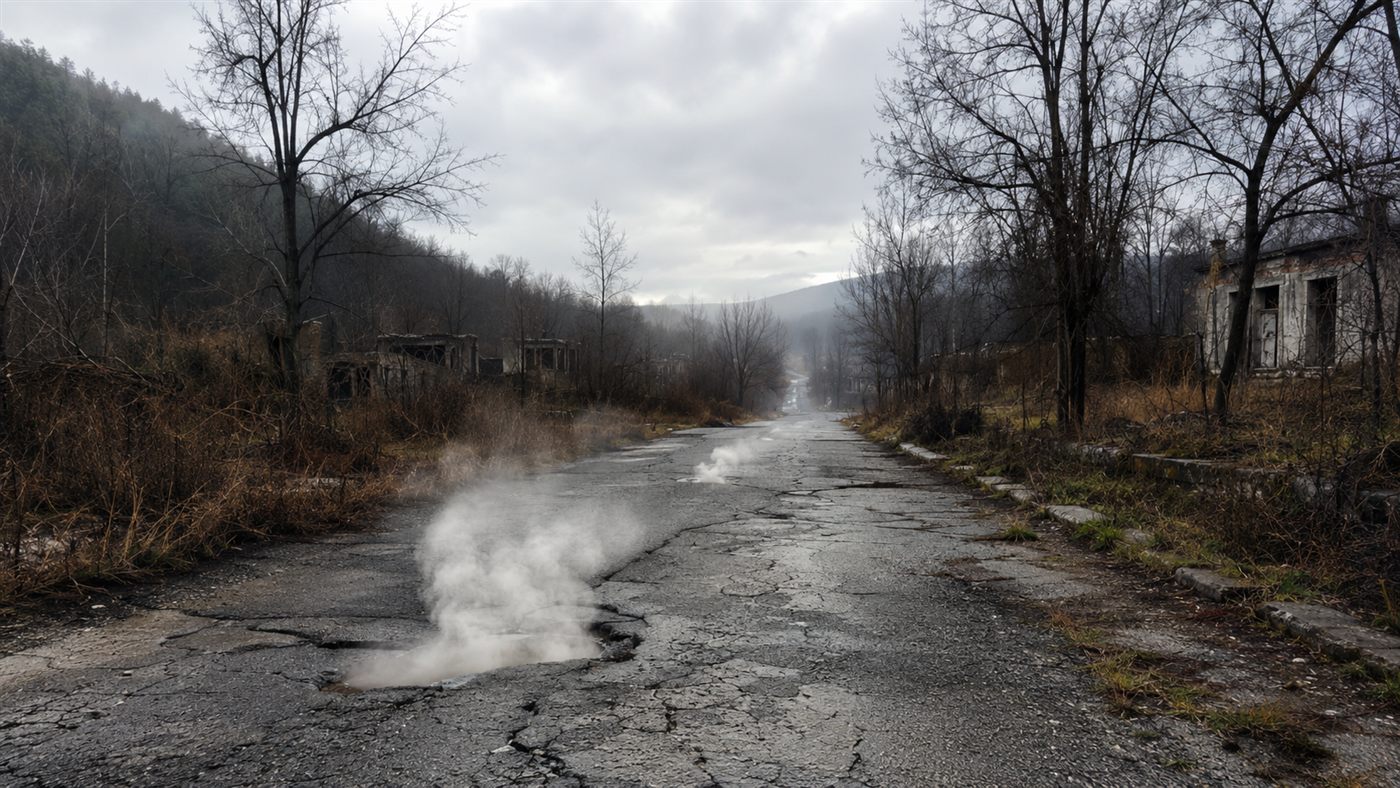
For sixty years, smoke and steam have seeped from the ground in Centralia, Pennsylvania. Illustration: Watts & Wild.
For a long time, the strangest resident of Centralia, Pennsylvania, was a man who refused to act as if his town were dying. John Lokitis went on mowing the empty lots where his neighbors' houses had stood, painting the public benches, and tending the cemeteries, even as almost everyone else accepted a government buyout and left. The Centralia mine fire had hollowed out his hometown, but as Smithsonian magazine documented in its profile of the holdouts, Lokitis simply would not give it up.
He had a reason to be stubborn and a reason to be afraid. Somewhere beneath the quiet streets, a seam of anthracite coal had been on fire since 1962, and no one had ever found a way to put it out. By the time the state finally evicted Lokitis in 2009, Centralia had gone from a working coal town of around 1,500 people to a near-empty grid of cracked roads venting smoke, one of the most haunting ghost town stories in America.
What is the Centralia mine fire? It is an underground coal fire burning beneath Centralia, Pennsylvania, since 1962, when a trash fire is thought to have ignited a coal seam under the town. The fire poisoned the air, opened sinkholes, emptied the borough into a ghost town, and could keep burning for roughly 250 years.
How a trash fire started the Centralia mine fire
The exact origin is still argued over, but the most accepted account is almost mundane. In May 1962, ahead of Memorial Day, the Centralia borough council had a trash dump in an abandoned strip-mine pit set alight to clean it up, a routine thing at the time. The fire was supposed to burn out. Instead it found an exposed coal seam in the pit wall and slipped underground into the vast network of old mine tunnels that honeycombed the hills.
That is the cruel twist of the Centralia mine fire. The town sat on top of some of the richest anthracite coal in the world, the very thing that had built it, and that buried wealth became a fuse. Once the fire reached the labyrinth of mined-out passages, it had all the fuel it could ever want and a built-in supply of air, and a small dump fire quietly became an underground coal fire that would outlive everyone who started it.
A town that slowly emptied
For years the danger was easy to ignore, because an underground coal fire mostly hides. Then it began to surface. Gardens wilted, basements filled with carbon monoxide, and the snow melted in strange patches over warm ground. The turning point came on Valentine's Day 1981, when a 12-year-old named Todd Domboski felt the earth open under his feet and dropped into a steaming sinkhole, clinging to a tree root over a pit venting lethal gas until his cousin hauled him out. The boy survived, and the Centralia mine fire suddenly had the nation's attention.
The money followed the fear. In 1984 Congress approved more than 42 million dollars to relocate residents, and most took the offer. In 1992 Pennsylvania claimed the whole borough under eminent domain and began condemning what was left. The final insult came in 2002, when the Postal Service revoked Centralia's ZIP code, 17927, as if the town had been officially deleted. A community that once had churches, schools and bars was being unwound house by house.
The holdouts who refused to leave
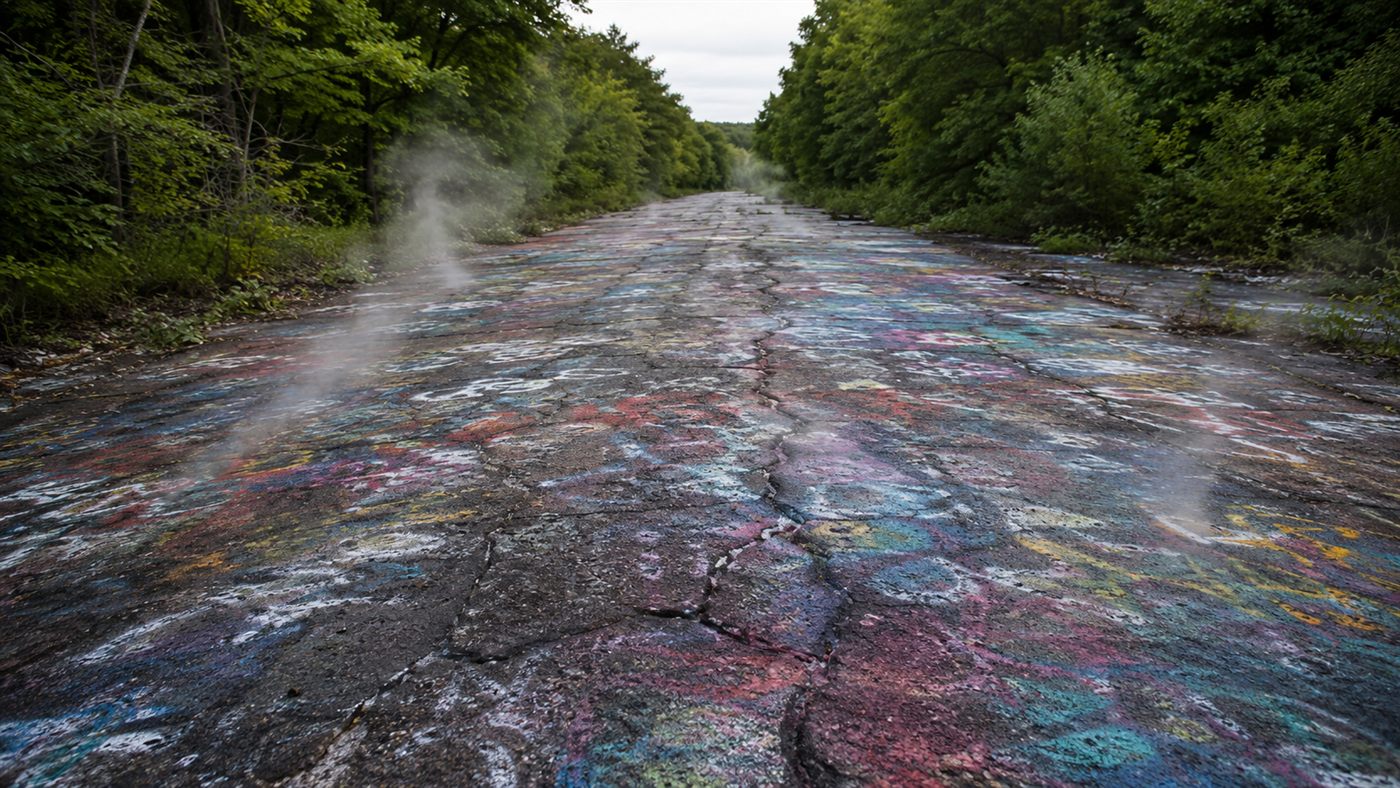
Not everyone took the check. A small group of residents, including John Lokitis, insisted the fire was not under their part of town and that the buyout was less about safety than about clearing them off valuable coal land. His father, also named John Lokitis, put it bluntly to reporters: they knew they would lose the buildings eventually, but nobody was going to tell them where they had to live. For them the ghost town was still home.
The standoff dragged on until 2013, when state and local officials finally cut a deal with the last seven holdouts, letting them live out their lives in Centralia before their houses pass to the state. It was a quiet, humane end to a decades-long fight, and it left the strange spectacle of a ghost town that was not quite empty, a handful of tended homes scattered across a grid of streets that lead nowhere.
Why an underground coal fire is so hard to stop
People often ask why no one simply put the fire out, and the answer is humbling. A burning coal seam is not a campfire you can hose down. It sits tens of meters underground, drawing air through cracks, sinkholes and the old mine workings, so there is no single flame to reach. Engineers tried digging trenches to cut it off, flushing it with water and fly ash, and drilling boreholes to map the burning coal seam, and the Centralia mine fire kept slipping past every barrier.
The only sure fix would have been to excavate the burning coal entirely, a project once estimated in the hundreds of millions of dollars, far more than the coal or the town was worth on paper. So the authorities did the cold arithmetic and chose to move the people instead of fighting the fire. Geologists estimate the underground coal fire has enough fuel to burn for as long as 250 years, which means it will outlast the great-grandchildren of everyone who ever lived above it.
The Graffiti Highway and a town that became a legend
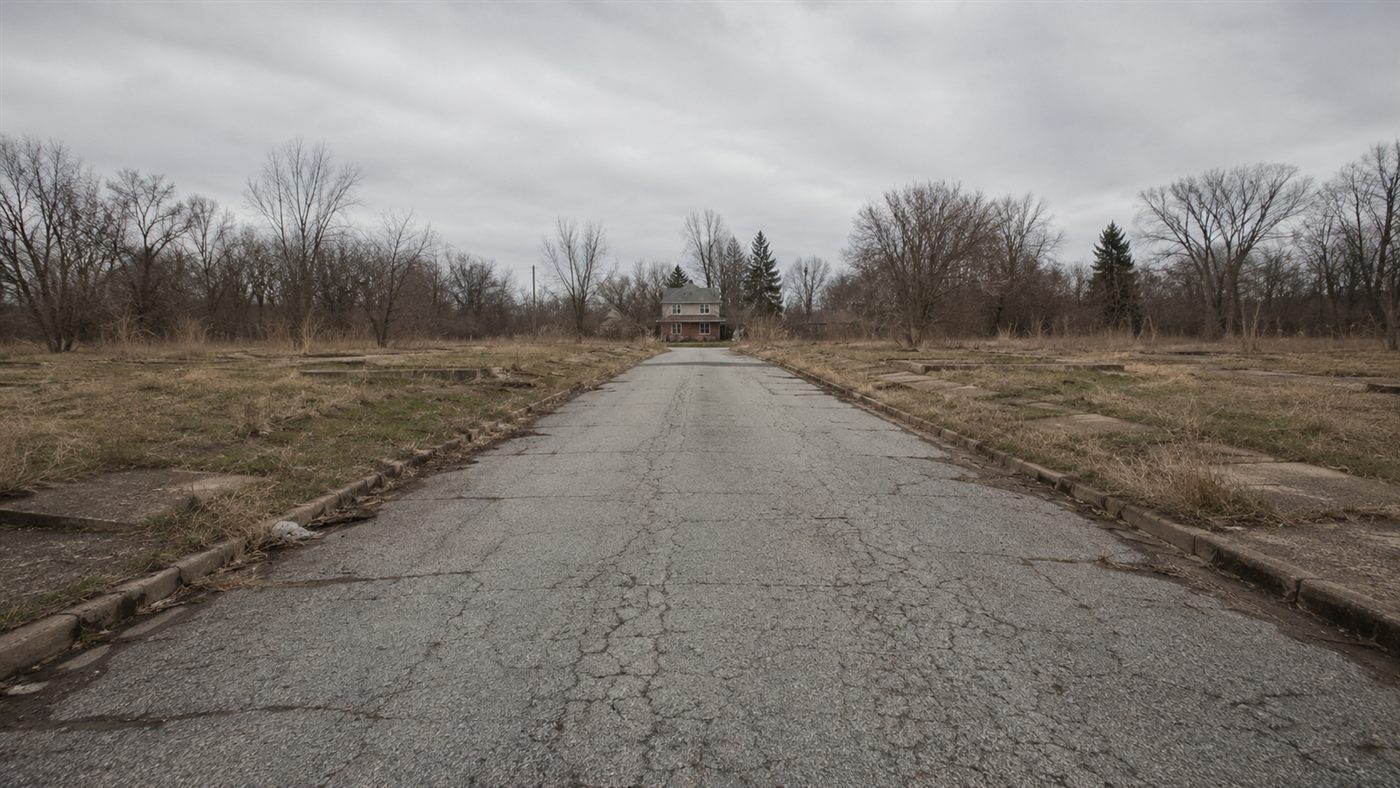
As the people left, the curious arrived. A bypassed section of old Route 61, buckled and split by the heat below, was claimed by spray-paint artists and renamed the Graffiti Highway, a riot of color running through the woods that drew thousands of visitors taking photos beside the venting cracks. The eerie images of the Graffiti Highway and the smoking streets helped inspire the foggy, ash-strewn world of the Silent Hill video games and film, which sealed Centralia's place in pop culture.
That fame had a cost. So many people came to walk the Graffiti Highway and pose over the steam that crowds, trespassing and litter became a problem, and in 2020 the landowner had the Graffiti Highway buried under tons of dirt to keep visitors off. Even buried, the road is part of the legend now, and the Centralia mine fire remains one of the few disasters that turned a living town into a tourist destination and a horror backdrop at the same time.
The honest catch
The Centralia story is true, but the campfire version oversells it. The smoke today is far thinner than the apocalyptic haze people imagine, and on a calm day large parts of the site look like ordinary overgrown countryside rather than a vision of hell. The cause is also not fully settled; the 1962 trash fire is the leading explanation, not a proven one, and some researchers point to other possible ignition points. And the buyout was not simply a heartless eviction: for many families the carbon monoxide and the sinkholes were a genuine danger, and leaving was the sane choice. What makes Centralia unforgettable is not that it is uniquely deadly, but that it shows how a single careless fire, meeting the right coal seam, can quietly erase a town from the map.
A single trash fire in 1962 met a seam of coal and quietly burned a whole town off the map, and a few people loved it enough to stay anyway. If your hometown sat over a fire that could burn for 250 years, would you take the buyout or refuse to leave like John Lokitis did? Tell us what you think in the comments.
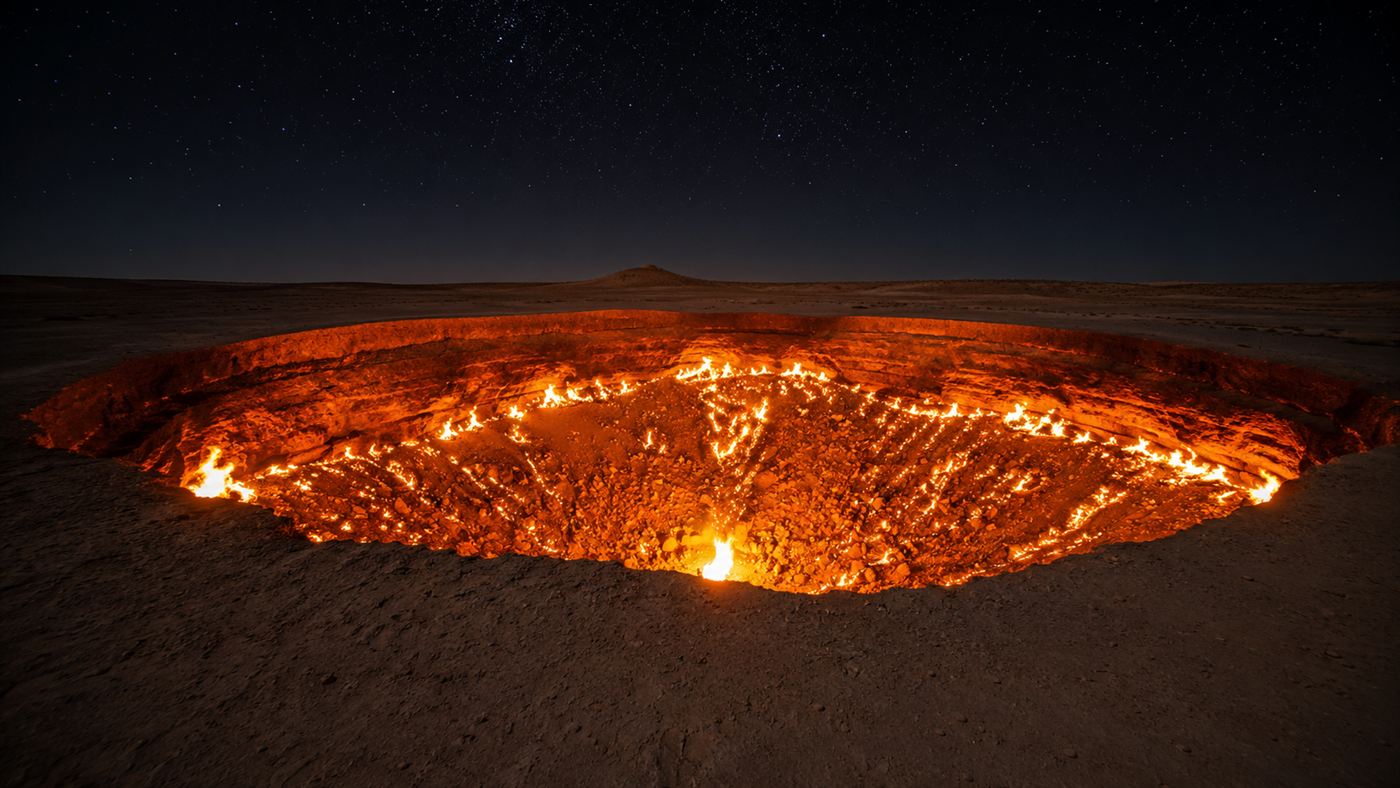
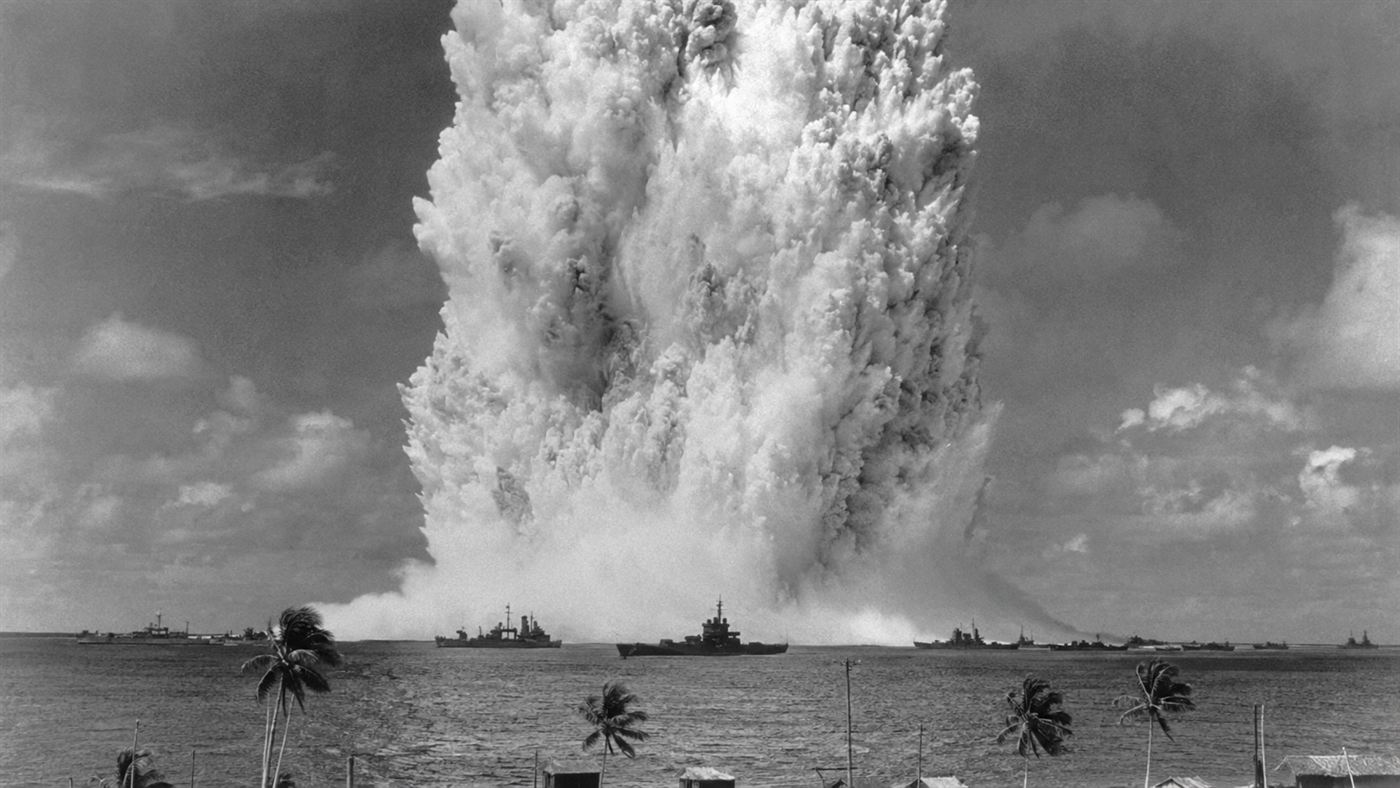
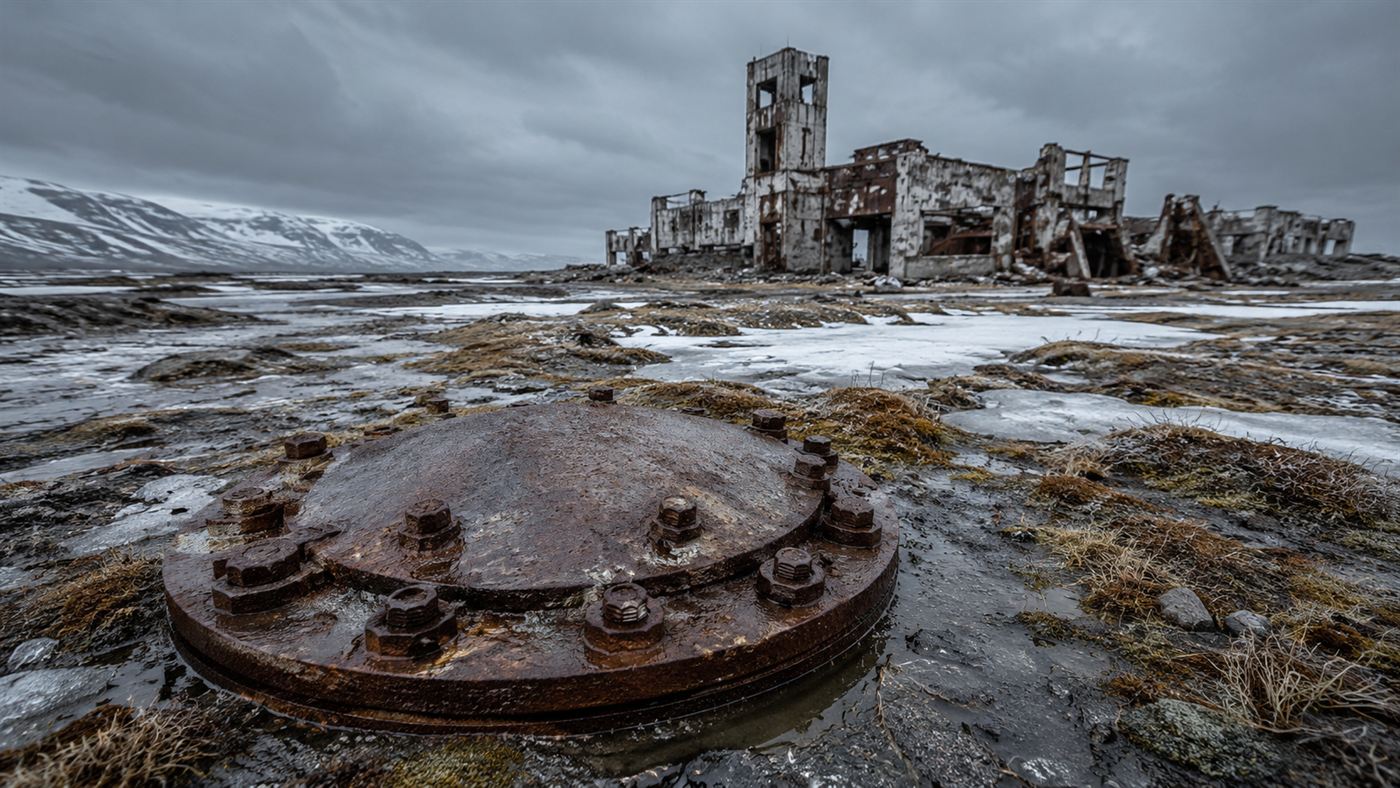
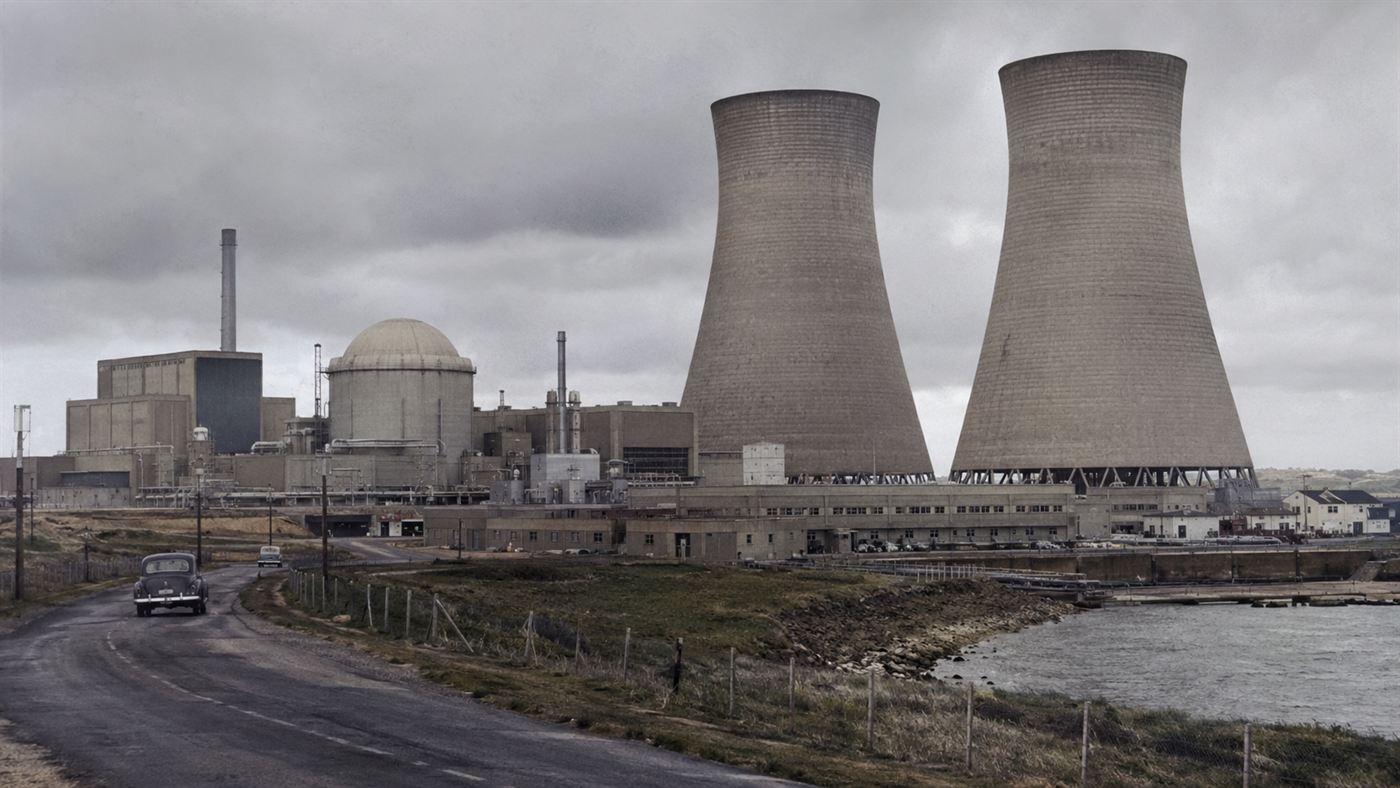
Related reading: fire underground is stranger than it sounds, from the gas crater that has burned for half a century to the deepest hole humans ever drilled. For another community told to abandon its home, see how Bikini Atoll's residents are still waiting to return, and for an energy disaster Britain tried to hide, the Windscale reactor fire. See also Picher, Oklahoma, the mining town so toxic the government paid everyone to leave, or the New London School explosion that gave natural gas its warning smell. For four towns erased on purpose, see how Massachusetts drowned a whole valley to build the Quabbin Reservoir.