When Edison switched on his Pearl Street Station in 1882, he did not just light a few blocks of Manhattan, he invented the electric utility and the whole business of selling power
We flick a switch and the light comes on, and we never wonder who we are buying that electricity from or how it reaches us. The answer starts in a cramped building in lower Manhattan, where Pearl Street Station quietly created an entire industry out of nothing.
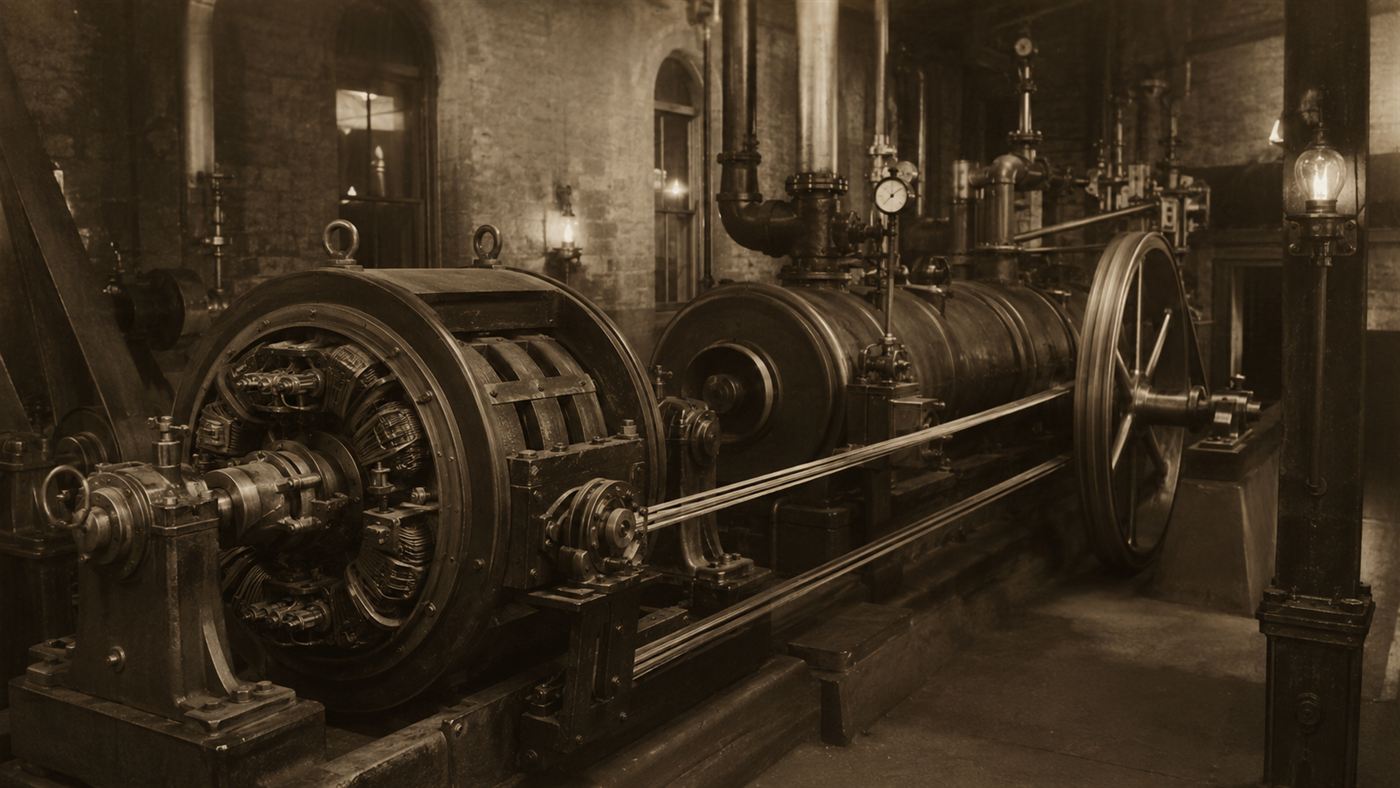
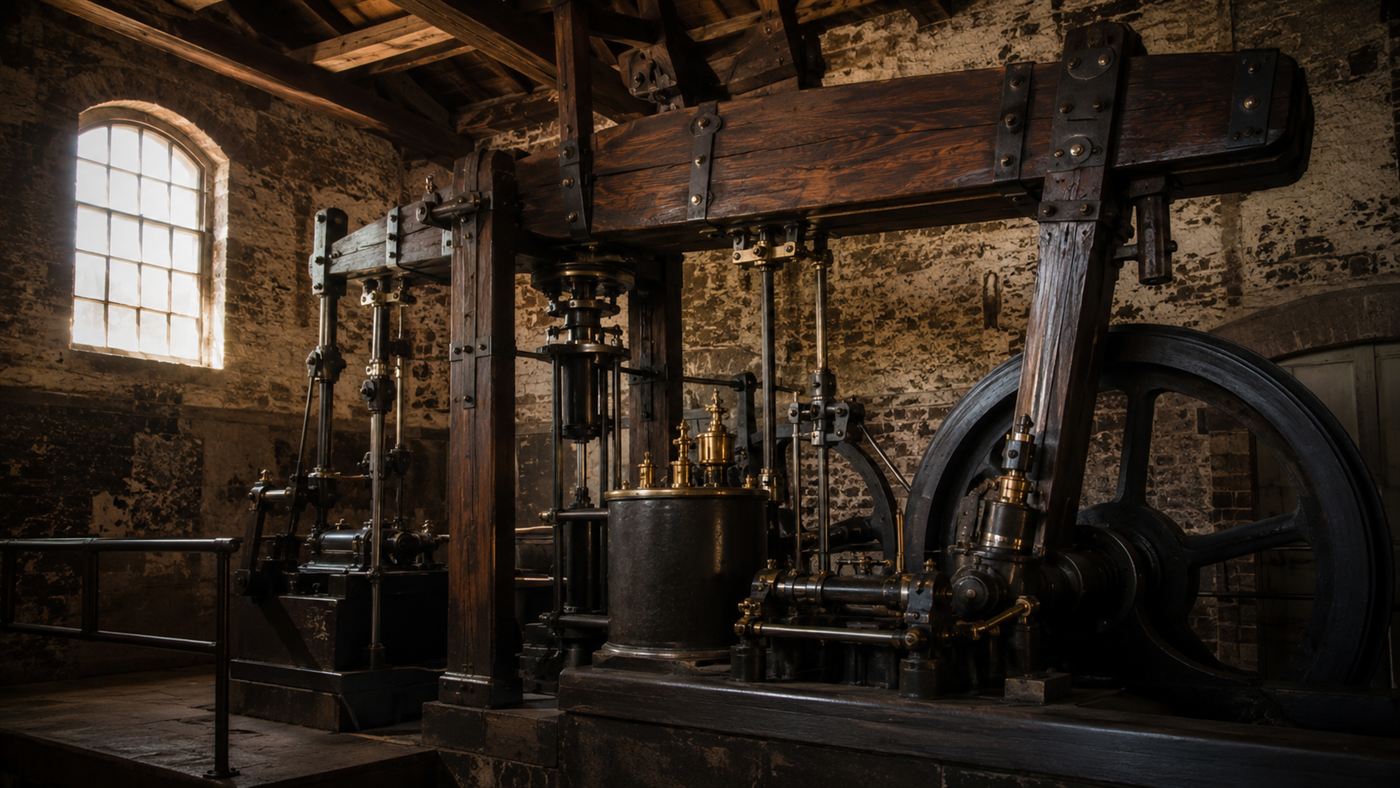
A steam-driven dynamo of the kind that powered Pearl Street Station. Illustration: Watts & Wild.
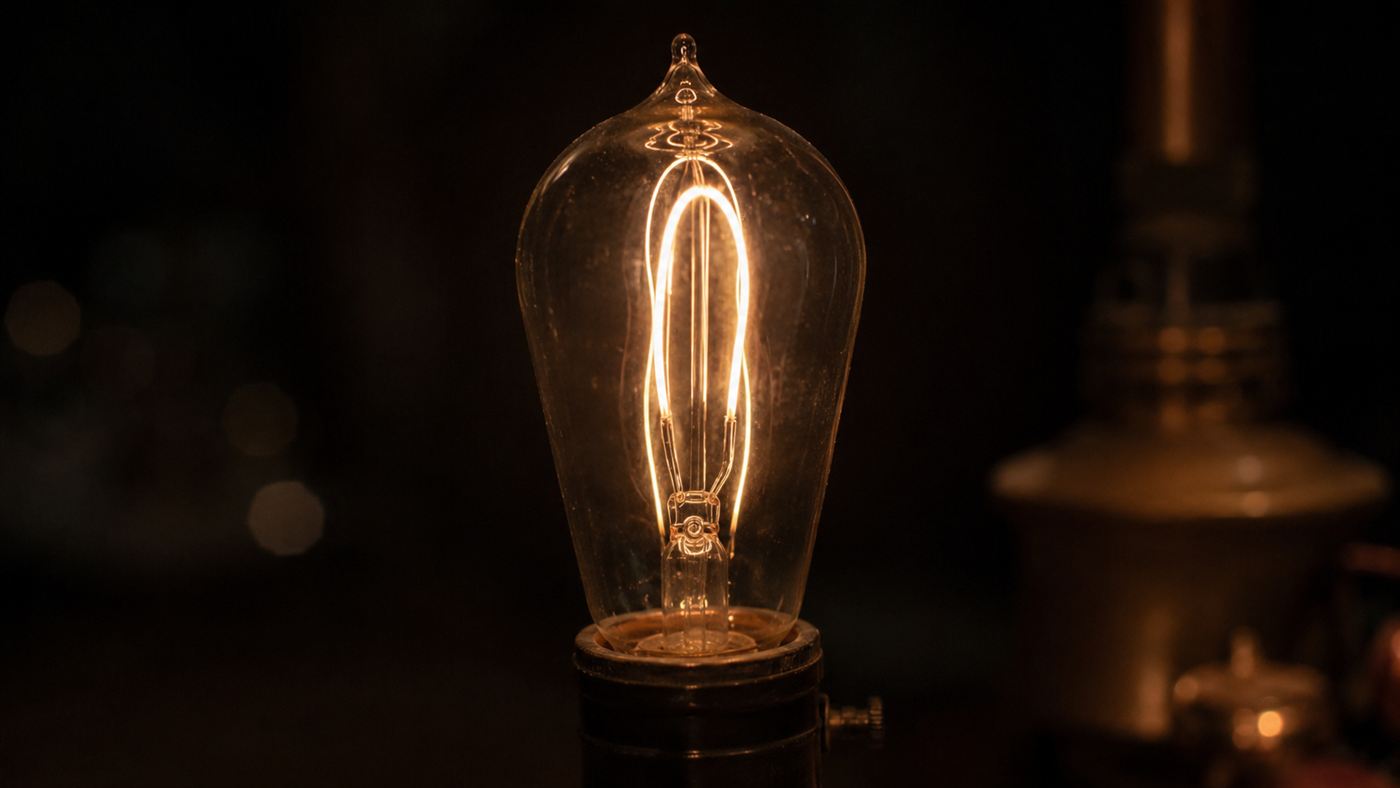
Thomas Edison is remembered as the man who invented the light bulb, which is only half the story and arguably the less important half. A light bulb is useless if there is no electricity to run it, and in 1879, when Edison perfected his bulb, there was no such thing as an electricity supply you could simply buy. So Edison did something far more ambitious than invent a lamp. He built the entire system to power it, and Pearl Street Station was its beating heart.
As the record of the plant shows, Pearl Street Station was the first commercial central power station in the United States, opening in September 1882. On its own that would be a footnote. What makes it monumental is what it started. Edison did not just illuminate a corner of New York. He invented the business of generating electricity and selling it to the public, and we have been buying from his descendants ever since.
The short version: In 1882, Thomas Edison opened Pearl Street Station in lower Manhattan, the first commercial central power plant in America. It burned coal to spin dynamos, generated direct current, and piped it through underground cables to light homes and offices nearby. More than a power plant, it was the birth of the electric utility, the model of selling electricity as a service that still runs the world.
Light you could buy by the socket
To grasp the leap, picture the world Edison was selling into. In 1882, cities were lit by gas, and homes by gas, oil lamps and candles, all of them smoky, smelly and a constant fire risk. Edison's electric light promised something cleaner, steadier and safer, but there was a catch. A customer could not just buy a bulb and screw it in. There was nowhere to plug it, because electricity was not yet a thing you could purchase.
Thomas Edison understood that the bulb was only one piece of a much larger puzzle. To make electric light real for ordinary people, he had to invent, or perfect, everything around it: the generators, the wiring, the switches, the fuses, the meters to measure how much each customer used, and a central plant to produce the power. He was not designing a gadget. He was designing an industry, and he had to build all of it at once.
A power plant in Lower Manhattan
Edison chose to prove it in the most demanding place he could, the financial district of New York, where the customers were rich, influential and hard to impress. He set up Pearl Street Station in a building in lower Manhattan, packed with coal-fired steam engines turning huge dynamos he nicknamed Jumbos, and he laid a network of copper cables in conduits beneath the streets to carry the current to nearby buildings.
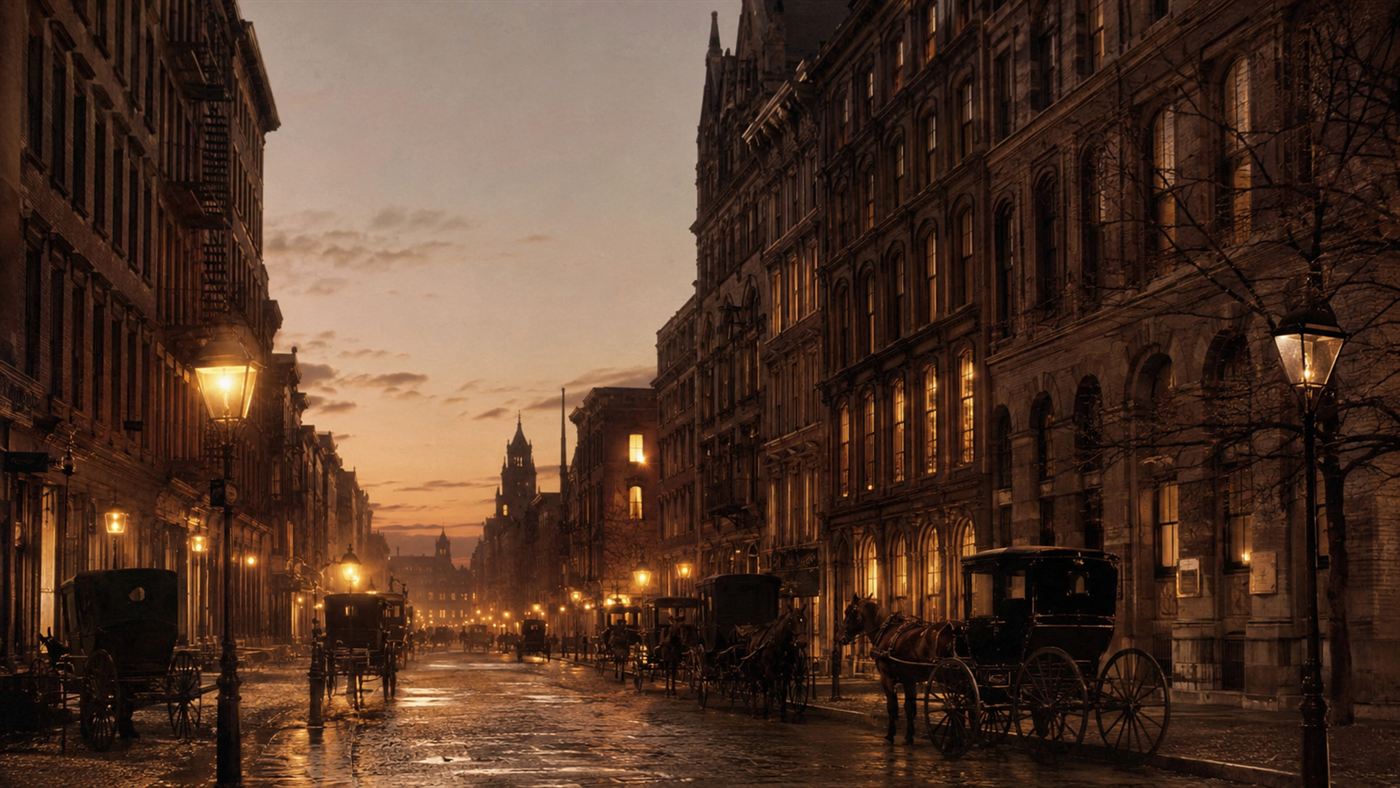
On the fourth of September, 1882, Edison threw the switch, and the electric age flickered to life. At first the station served only a modest patch of the city, on the order of eighty-five customers and a few hundred lamps, but they were the right customers, including the offices of the New York Times and the banker J. P. Morgan. Reporters could now write by a clean, steady electric glow, and word of the marvel spread from exactly the people whose opinion moved the world.
The invention that was really a business
The true genius of Pearl Street was not any single machine but the model it created. Edison had built a central place that generated electricity, a network that distributed it to many customers at once, and a system of meters that measured each customer's use so they could be billed for exactly what they consumed. In other words, he had invented the electric utility.
That template, generate power in bulk in one place, send it out over wires, and sell it as a metered service, is precisely how electricity still reaches you today. The power stations are vastly bigger and the wires stretch across whole countries, but the fundamental idea has not changed since 1882. When you get an electricity bill, you are a customer of an industry that Edison conjured into being in that cramped Manhattan building. He did not just light a room. He invented the way the world buys light.
Why the Pearl Street Station could not spread far
For all its brilliance, Pearl Street Station carried the seed of its own limitation, and it lay in the kind of electricity it produced. Edison's system ran on direct current, or DC, and DC has a stubborn weakness: it cannot be sent very far. As it travels along a wire, it loses energy quickly, so Edison's power could only reach customers within roughly a mile of the station.
For a dense city district that was fine, but think about wiring a whole country that way. You would need a power station every mile or so, an absurd and ruinously expensive prospect. Edison's model worked beautifully in a small, crowded area and fell apart the moment you tried to stretch it across real distances. The industry he had founded had a ceiling built into it, and someone was going to have to break through that ceiling for electricity to reach everyone.
The war Edison lost
The answer was a different kind of electricity, alternating current, or AC, championed by George Westinghouse and Nikola Tesla. AC could be raised to high voltage, sent efficiently across great distances, and stepped back down for use, exactly the thing DC could not do. That set off the famous War of the Currents, a bitter fight over which system would electrify the world.
Edison fought hard, and not always cleanly, to defend his DC empire, but the physics was against him. AC won, and the great long-distance power projects, like the harnessing of Niagara Falls, were built on it. Today the entire grid runs on alternating current, not Edison's direct current. And yet, in the deepest sense, Edison still won the more important battle. The specific technology of Pearl Street was superseded, but the business it invented, the electric utility selling metered power to the public, is the one we all still live inside.
The honest catch
The neat story of a lone first needs a couple of corrections. Pearl Street is often called the first power station in the world, and that is not quite right. Edison had opened a smaller demonstration station in London, at Holborn Viaduct, months earlier in 1882, and there had been experimental and arc-lighting plants before that. Pearl Street's real claim is more specific: it was the first permanent, commercial, central power station in the United States, the first built to run as a lasting business.
There is a darker footnote too. In the War of the Currents, Edison did not merely lose on the merits, he behaved badly, running fear campaigns against AC that included publicly electrocuting animals and quietly encouraging the use of AC in the first electric chair, all to paint his rival's system as a killer. It is an ugly chapter for an American hero. And it is worth remembering that the electric age began, at Pearl Street, by burning coal, the start of a fossil-fuelled path whose consequences we are still reckoning with. None of this undoes the achievement. Edison built the machine that switched on the modern world. He just did it, like most people who change history, as a flawed human being and not a saint.
A cramped coal-fired plant in Manhattan invented the way the whole world buys electricity. Does Pearl Street Station deserve to be remembered as the true birthplace of the electric age, even though the current it used was soon replaced? Tell us what you think in the comments.
Related reading: How Niagara Falls and alternating current finished the job Pearl Street began.
More from Watts & Wild
More in Energy →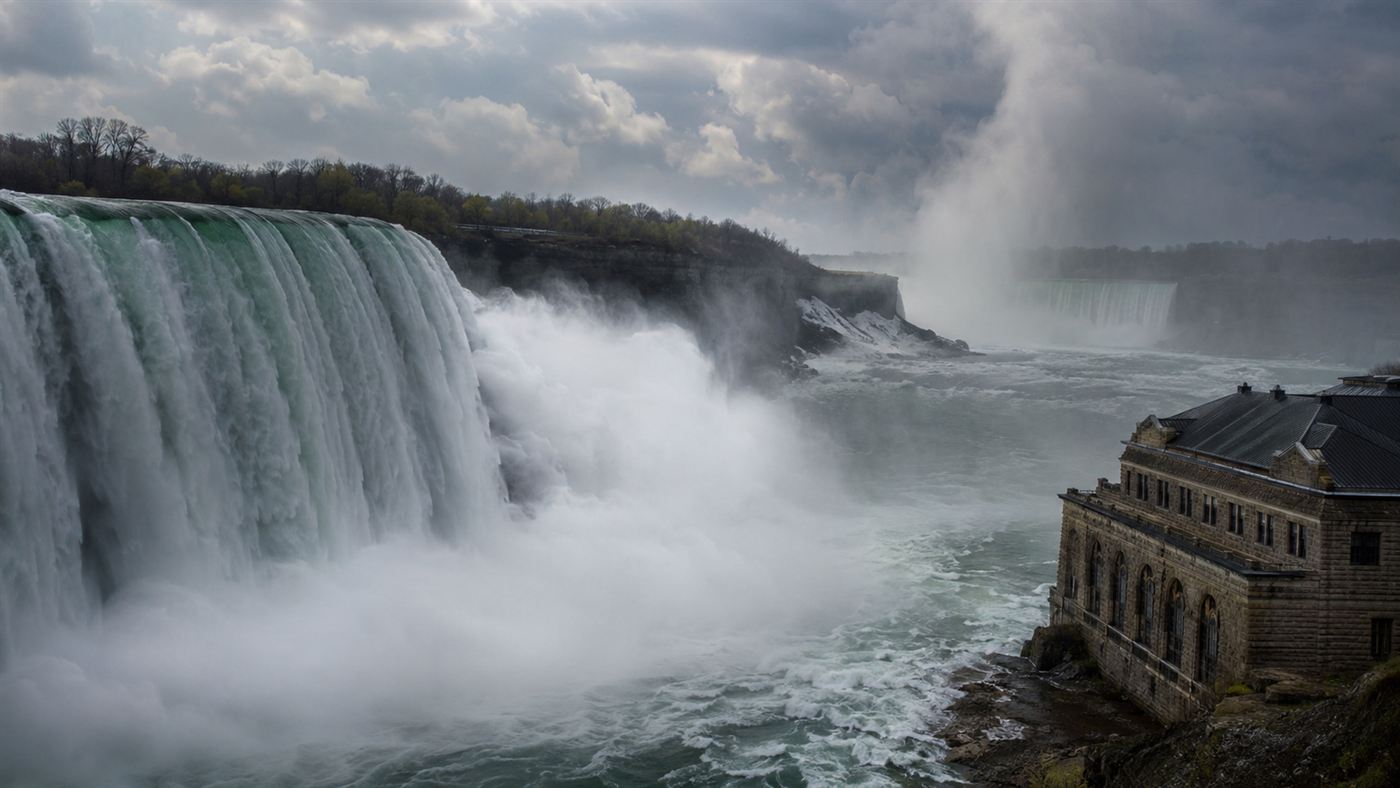

Bruno writes about energy history, industrial disasters, and the people who shaped the technologies we take for granted. He is based in Brazil.