The Bagger 288 is the heaviest machine ever to move on land, a 13,500-ton excavator that chews through whole German villages to reach the dirtiest coal there is, as it did at Lützerath
The Bagger 288 is not a building or a ship but the single heaviest machine humanity has ever driven across land. For decades this 13,500-ton excavator has been clawing the dirtiest coal out of the ground in Germany, swallowing forests and whole villages, including, in 2023, a hamlet called Lützerath.
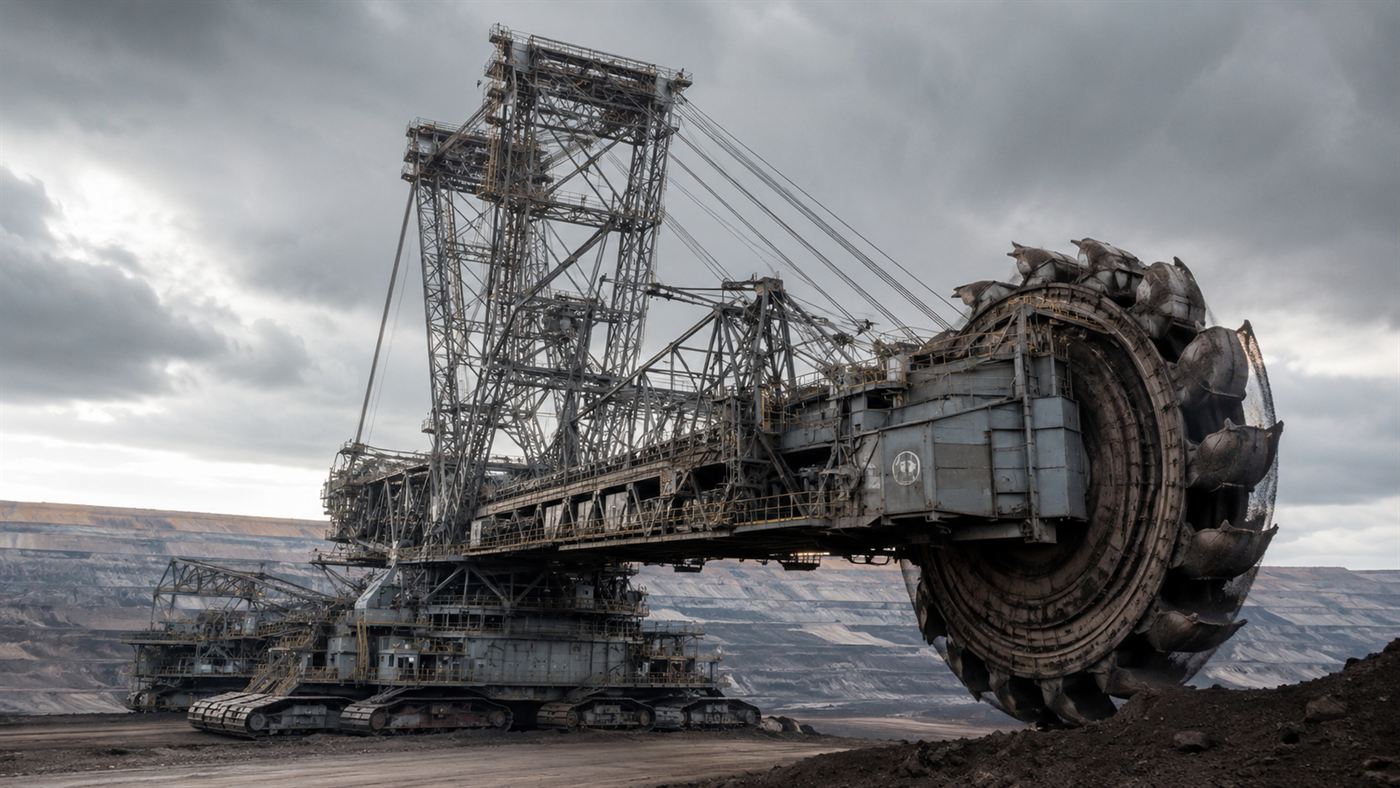
The Bagger 288 dwarfs everything around it in the Garzweiler lignite mine. Illustration: Watts & Wild.
The Bagger 288 excavator looks like something a child drew to be deliberately terrifying. It stands as tall as a 30-story building, stretches longer than two football pitches, and is fronted by a spinning wheel of buckets big enough to swallow a small truck. It weighs more than 13,000 tons, and yet it crawls slowly across the landscape on its own. This is not a model or a relic. It is working in Germany right now.
Built in 1978, it is the heaviest land vehicle ever made, and its one job is to peel away the earth and dig out lignite, the brown, wet, low-grade coal that is among the most polluting fuels on the planet. To reach that coal it does something genuinely shocking. It eats towns. In January 2023, the village of Lützerath stood directly in its path.
The Bagger 288 is a German bucket-wheel excavator built in 1978, and the heaviest land vehicle ever made at around 13,500 tons. It can remove up to 240,000 tons of earth or coal a day at the Garzweiler lignite mine. Expanding that mine has meant demolishing villages over the years, most controversially Lützerath in 2023.
How big is the Bagger 288 excavator, really?
The numbers stop sounding like a machine and start sounding like geography.
The Bagger 288 is about 96 meters tall and 220 meters long, and it weighs roughly 13,500 tons, heavier than the steel in the Eiffel Tower.
It moves on a set of crawler tracks at about 0.6 kilometers per hour and is fed roughly 16 megawatts of electricity through a trailing cable, since no engine on board could power it. That trailing cable is why a different machine, NASA's crawler-transporter, still holds the title of largest self-powered land vehicle.
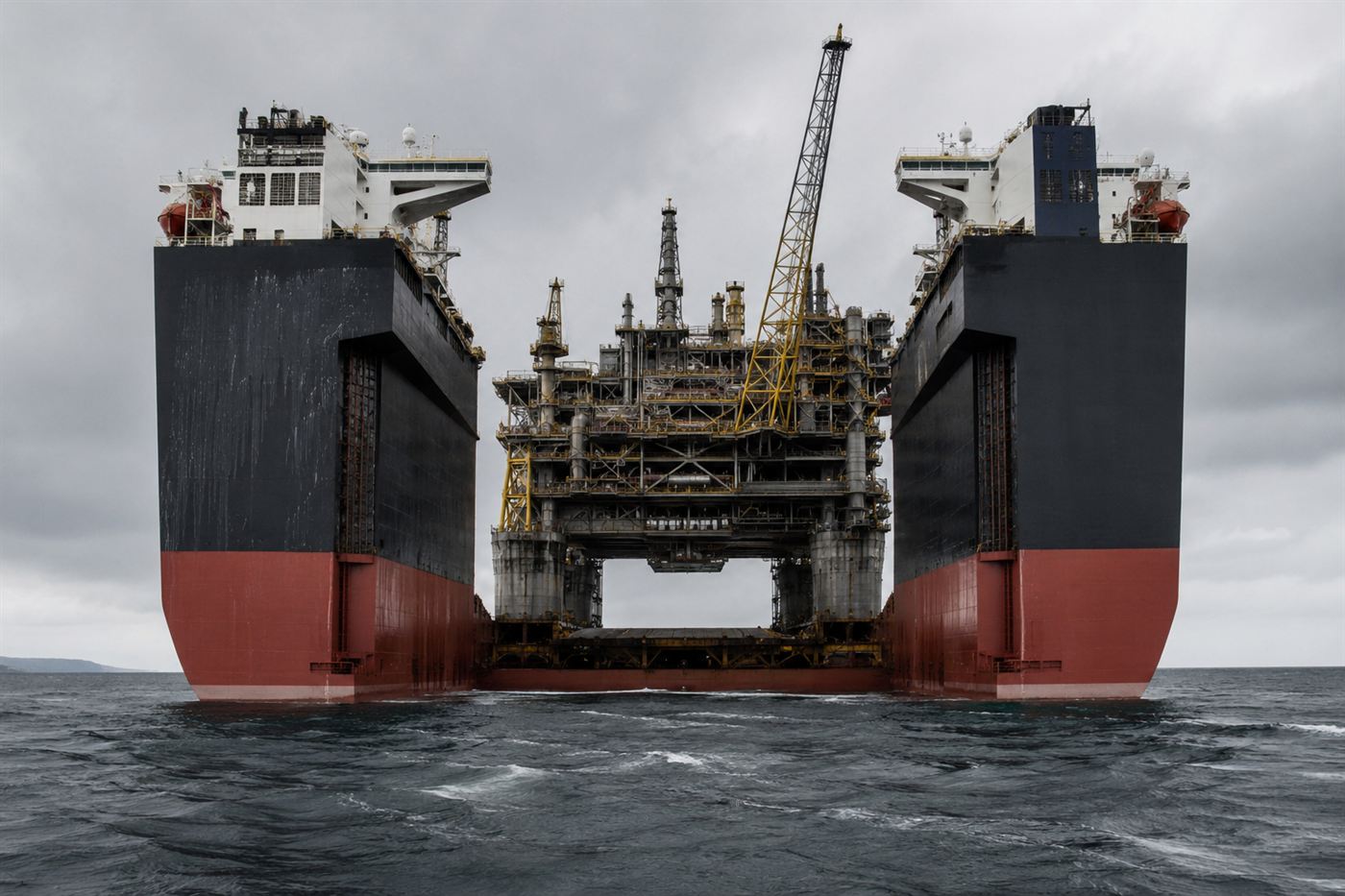
A crew of only about five people runs the whole thing, dwarfed inside a machine that took five years and a fortune to build, a cousin in sheer scale to the largest ship ever built.
Why build a machine this monstrous?
The answer is lignite, and the brutal economics of digging it.
Lignite, or brown coal, sits in thick seams near the surface, but to reach it you first have to strip away everything on top, the soil, rock and forest, across enormous areas.
Germany is the world's largest producer of lignite, and the open-pit mines of the Rhineland, run by the utility RWE, are among the biggest holes humans have ever dug.
Only an excavator on the scale of the Bagger 288 can move that much overburden fast enough to make the coal worth taking.
It is, in a sense, the physical price of cheap domestic power, and that price is paid in landscapes, the same hard bargain that is slowly swallowing the Swedish town of Kiruna for its iron.
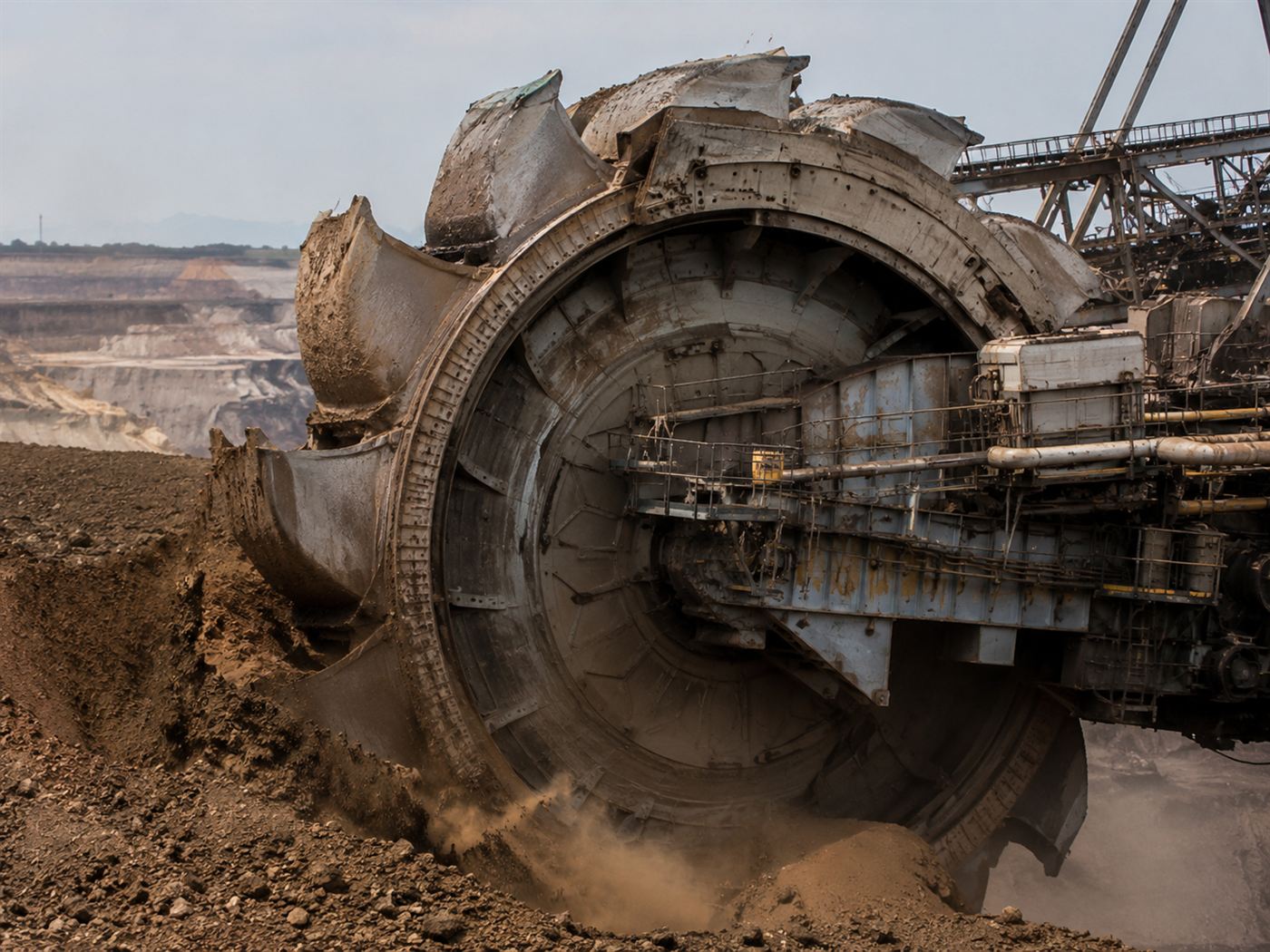
The villages in its path
The grimmest thing about these mines is what they consume to keep growing.
As the pit edges forward, anything in the way has to go, including ancient woodland like the Hambach Forest and dozens of villages that have simply been erased from the map.
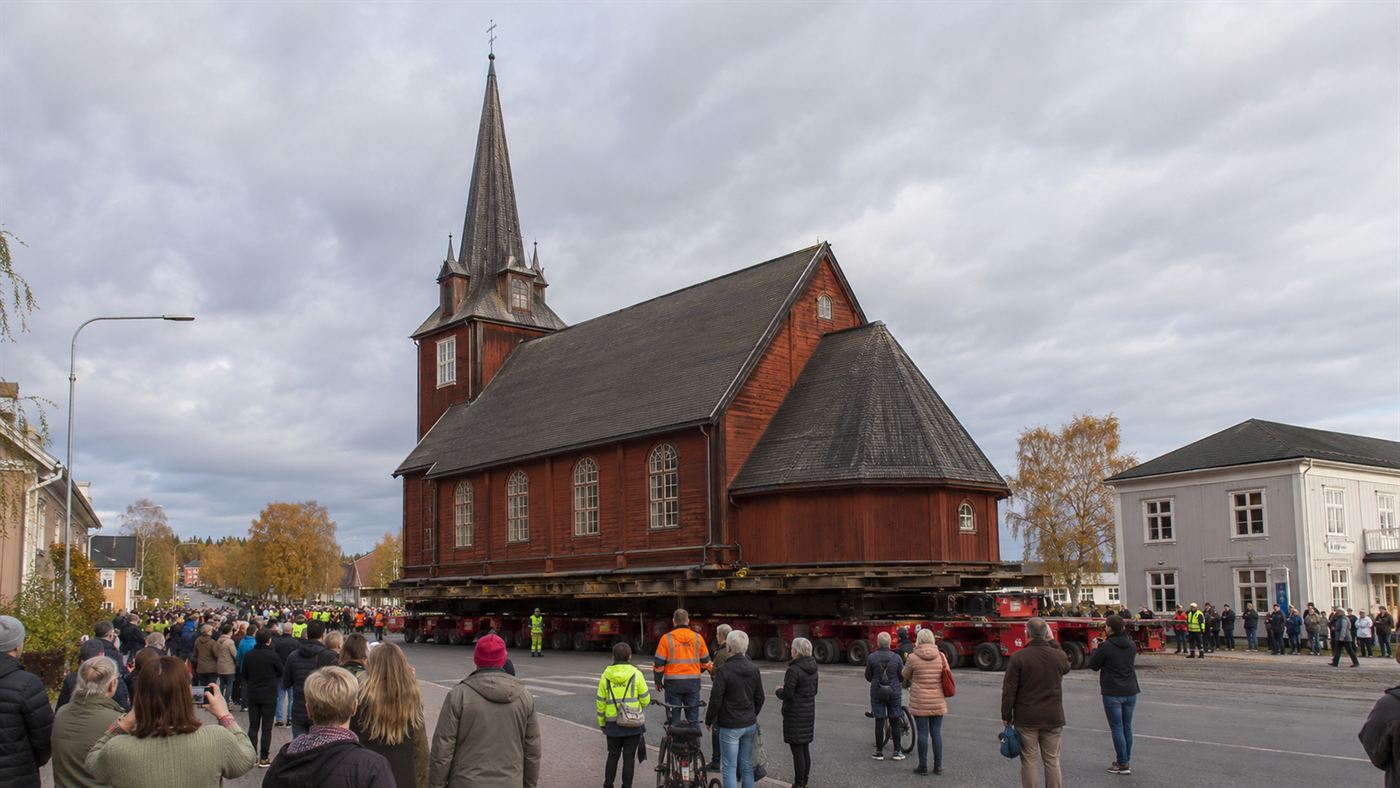
Whole communities have been relocated to new-build settlements nearby, their old churches, farms and streets dug up for the coal underneath.
For the people who grew up in them, the advancing mine is not an abstraction but a slow-motion eviction by machine.
It is one of the clearest examples anywhere that even the energy we call cheap is never really free.
What happened at Lützerath?
In January 2023, one tiny hamlet turned the whole argument into a battle.
Lützerath had been condemned so that the Garzweiler mine could expand into the coal beneath it, after a court backed RWE's right to dig.
Climate activists occupied the empty village to try to stop the demolition, turning it into a symbol of resistance.
As Fortune reported, the Swedish activist Greta Thunberg joined the protest and was carried away by German police, in scenes broadcast around the world.
The village lost, the bulldozers and excavators moved in, and Lützerath became shorthand for a much bigger contradiction.
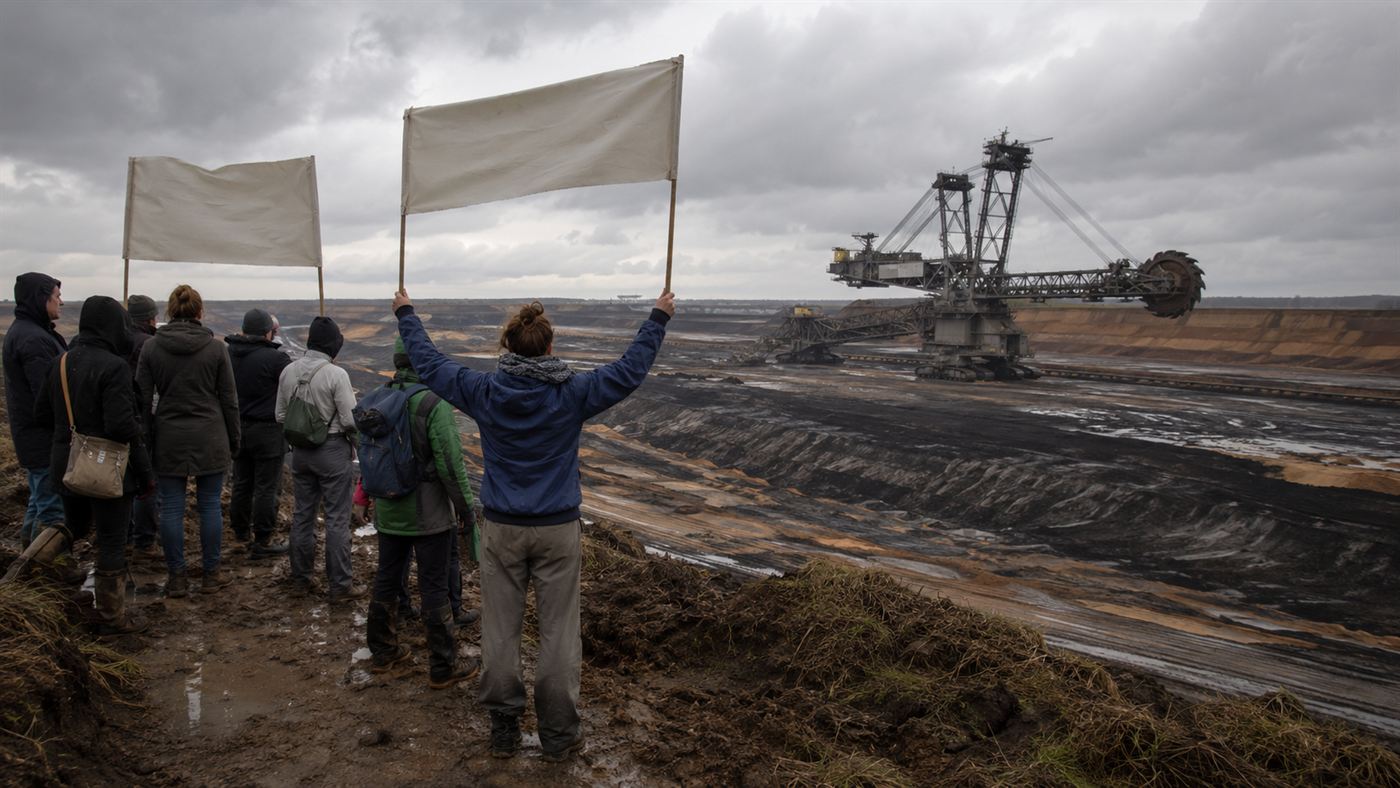
The contradiction at the heart of green Germany
Germany is, on paper, a green-energy superpower.
It has poured money into wind and solar and switched off its last nuclear reactors, and yet it keeps the Bagger 288 running to dig the dirtiest coal there is.
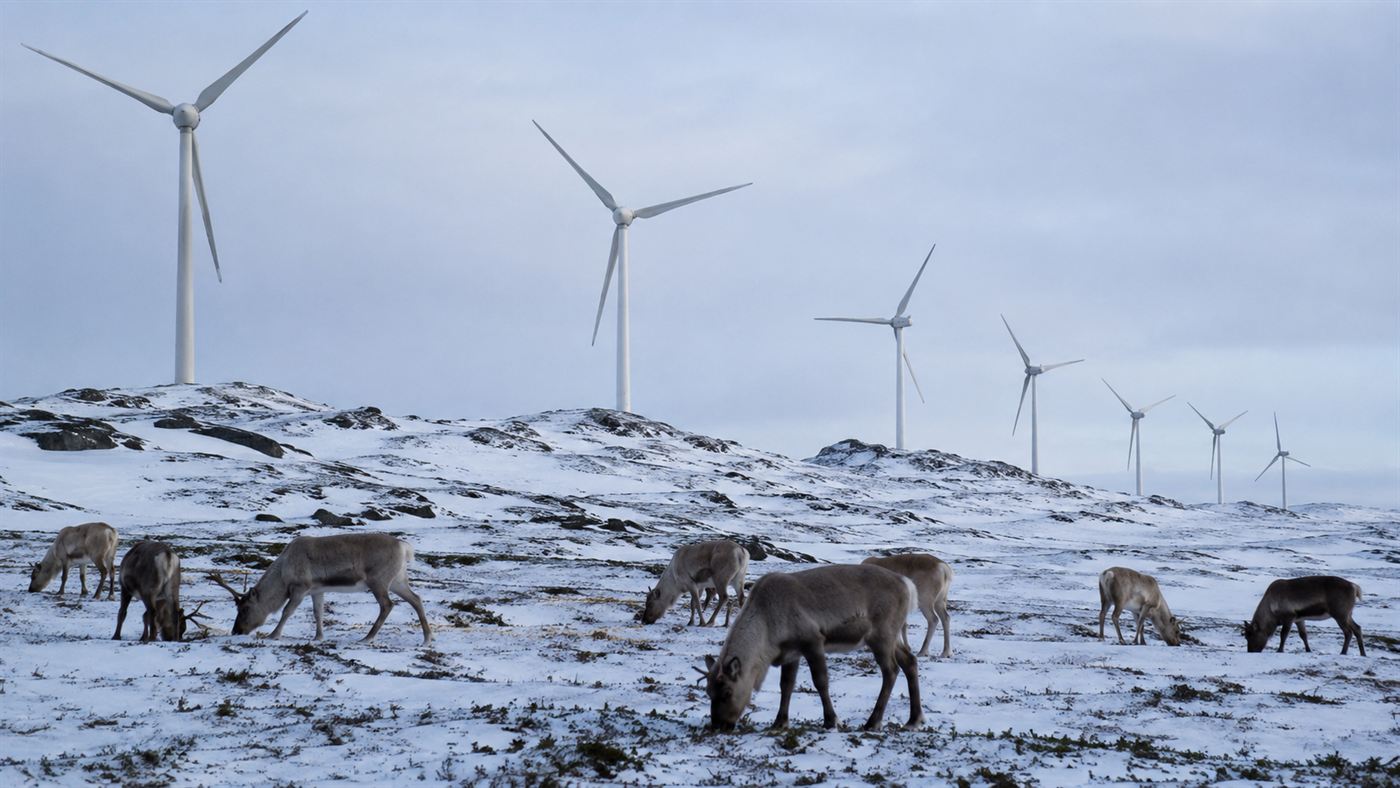
When Russian gas was cut off in 2022, the country leaned back on its home-grown lignite for energy security, even firing old coal plants back up, much as the wind farms on Sami land showed that going green is not automatically just.
Germany still plans to quit coal, aiming for 2030 in the Rhineland, which is why the mines have a deadline even as they expand today.
The machine and the solar panel, in other words, are running at the same time, in the same country, pulling in opposite directions.
The honest catch
It is easy to cast the Bagger 288 as a cartoon villain, and that misses the point.
The machine only does what a country's hunger for cheap, reliable power tells it to do, the same hunger that kept Britain burning coal until it shut its last coal plant after 142 years.
Local lignite genuinely shielded Germany from an energy crisis when imported gas suddenly vanished.
The exhausted mines are also meant to be refilled and flooded into huge lakes once the digging stops, a landscape rebuilt rather than abandoned.
But none of that erases the forests felled, the villages lost or the carbon poured into the sky to get there.
The Bagger 288 is the most honest monument we have to how much earth we are still willing to move for power.
The Bagger 288, the heaviest land vehicle ever made, is the size of a small mountain, runs on a cable, and spends its days unmaking the land one enormous bite at a time.
It is both a marvel of engineering and a warning, the clearest possible picture of the scale at which we still rearrange the planet to keep the lights on.
Is a machine like the Bagger 288 a monument to human ingenuity, a monster we should be ashamed of, or simply an honest reflection of how much power we demand? Tell us in the comments.