Engineers built one of the world's tallest dams in the Italian Alps and ignored the crumbling mountain above it, and in 1963 the Vajont Dam unleashed a wave that killed almost 2,000 people
The Vajont Dam was a masterpiece of concrete, one of the tallest ever built, and it still stands today, barely scratched. The horror is that it worked perfectly while nearly 2,000 people died below it, because the danger was never the dam. It was the mountain.
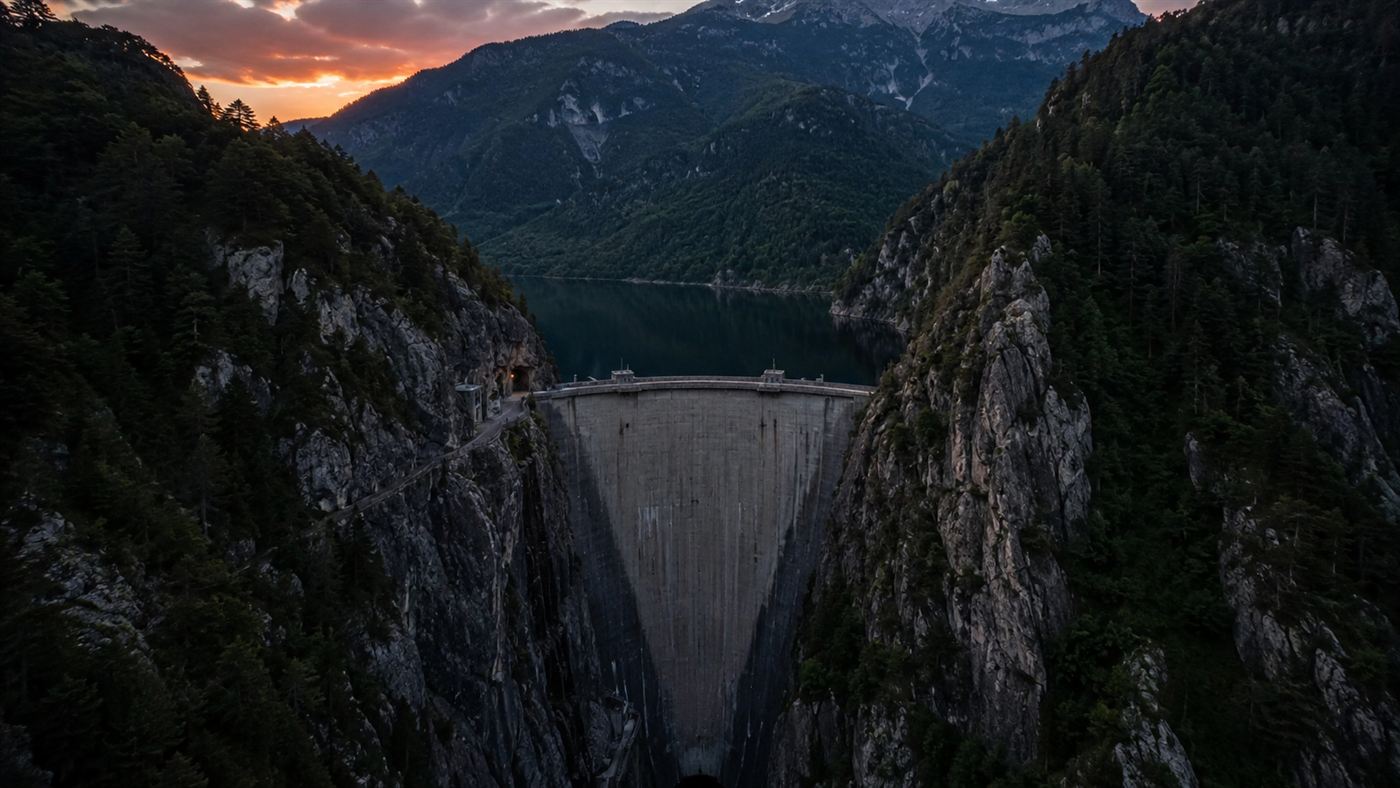
The Vajont Dam, one of the tallest in the world, still stands intact in its alpine gorge. Illustration: Watts & Wild.
The Vajont Dam disaster began on an October night in 1963, when a wall of water more than 200 metres high climbed out of a reservoir in the Italian Alps and fell on the villages below.
The dam that held that reservoir did not break. It is still there, whole, more than sixty years later. That is what makes the story of the Vajont Dam so haunting, and such a hard lesson in engineering.
What happened at the Vajont Dam? In 1963 a massive landslide slid off Monte Toc into the reservoir behind the Vajont Dam in northern Italy. It pushed a giant wave over the top of the dam, which destroyed the town of Longarone and killed nearly 2,000 people, while the dam itself barely cracked.
A record-breaking dam
The Vajont Dam was built to be one of the engineering wonders of its age.
Finished around 1960 in a narrow gorge north of Venice, it was a slender, double-curved arch of concrete soaring about 262 metres high, among the tallest dams in the world.
Its job was to hold back a deep reservoir and feed a hydroelectric scheme for booming postwar Italy, and records of the Vajont Dam note it was one of the highest dams ever constructed.
As a piece of pure structural engineering, the dam was a triumph.
The fatal mistake was not in the concrete, but in the rock it was anchored to.
The mountain nobody wanted to hear about
Looming over the new reservoir was a peak called Monte Toc, and its name in the local dialect already hinted at trouble, suggesting rotten or broken ground.
Geologists and locals warned that the slopes of Monte Toc were unstable, and as the reservoir was filled the whole hillside began to creep downhill.
The journalist Tina Merlin reported the danger to the people living below and was taken to court for spreading alarm, then acquitted.
Engineers watched cracks open and measured the slow slide of Monte Toc, and even tried lowering the reservoir to calm it, but the warnings never became an evacuation.
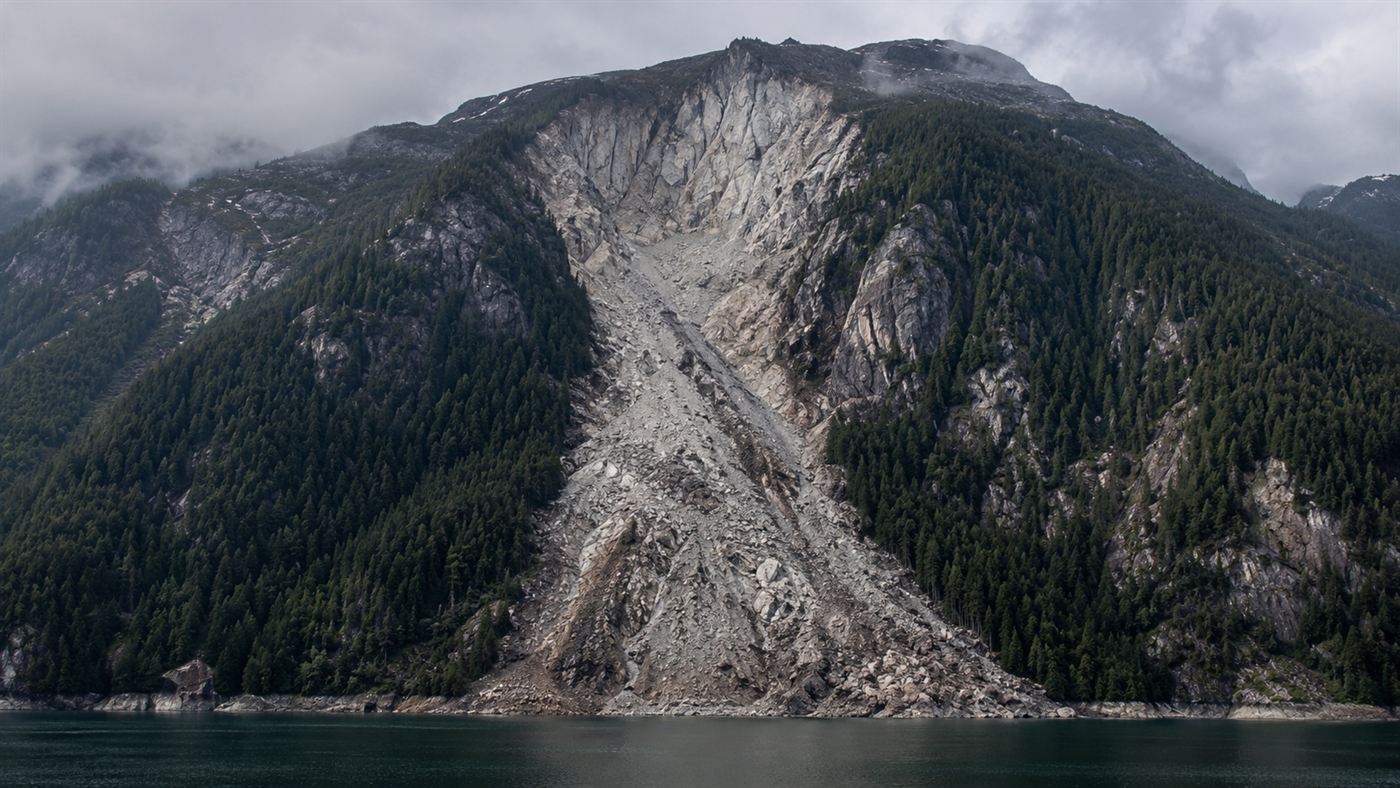
The night the mountain fell
On the night of 9 October 1963, the slow creep of Monte Toc became a sudden collapse.
Around 270 million cubic metres of rock, a chunk of mountain, broke loose in a single colossal landslide and crashed into the reservoir in well under a minute.
The landslide displaced an unimaginable volume of water all at once, far faster than the reservoir could absorb.
Part of that water surged up the far slope, and part of it rose as a wave estimated at around 250 metres and poured straight over the crest of the Vajont Dam.
The dam shuddered, held, and let the disaster pass over its head.
Longarone was gone in minutes
What came down the valley was not a flood so much as a moving wall of water and air.
It struck the town of Longarone on the valley floor and, within minutes, accounts of Longarone describe the town being almost entirely swept away.
Nearby villages around Longarone were wrecked too, and the final toll came to nearly 2,000 people, many never found.
By the time rescuers reached the valley at dawn, much of it had simply been scoured flat.
And above the devastation, the Vajont Dam still stood against the sky, almost untouched.
The dam that survived the Vajont Dam disaster
The cruel irony of Vajont is that the structure did exactly what it was designed to do.
The dam withstood a force far beyond anything it was built for, and Britannica notes the dam itself survived the 1963 catastrophe largely intact.
This was never a failure of the dam, but a failure to understand the mountain and the reservoir together as one system.
Later trials placed blame on the engineers and officials who had pressed ahead despite the warning signs of a landslide from Monte Toc.
The reservoir was never refilled, and the Vajont Dam became a monument instead of a power station.
The honest catch
It would be comforting to call Vajont a freak accident, a piece of bad luck, but that is not honest.
The instability of Monte Toc was known, the hillside was visibly moving, and filling the reservoir was what helped trigger the final landslide.
The disaster is now taught around the world as a case study in what happens when engineers treat geology as an afterthought.
Today a memorial and a long scar on the mountain are all that remain to mark what the valley lost, and the dam stands as a silent warning.
The Vajont Dam endures as one of the most sobering stories in engineering, proof that a flawless structure cannot save you if the ground it sits in is ignored.
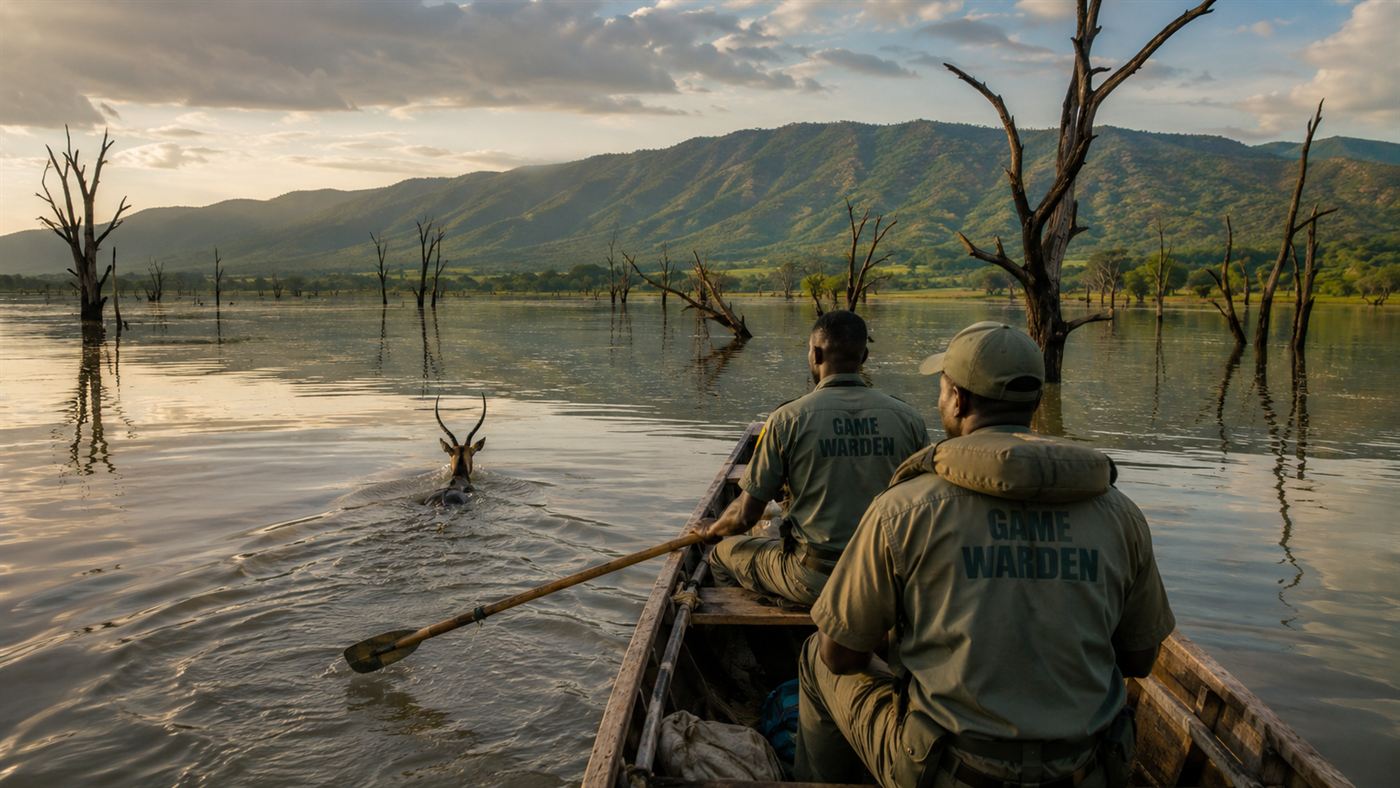
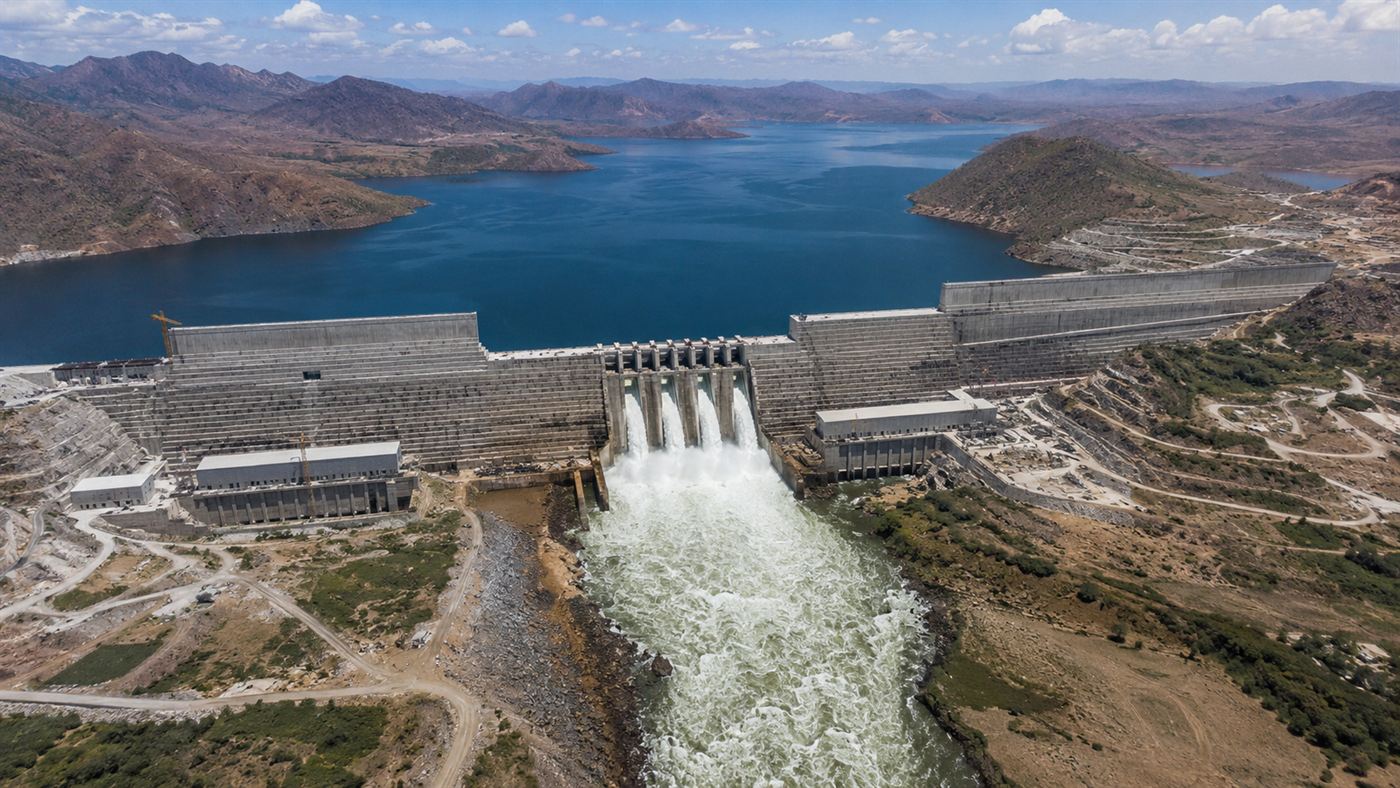
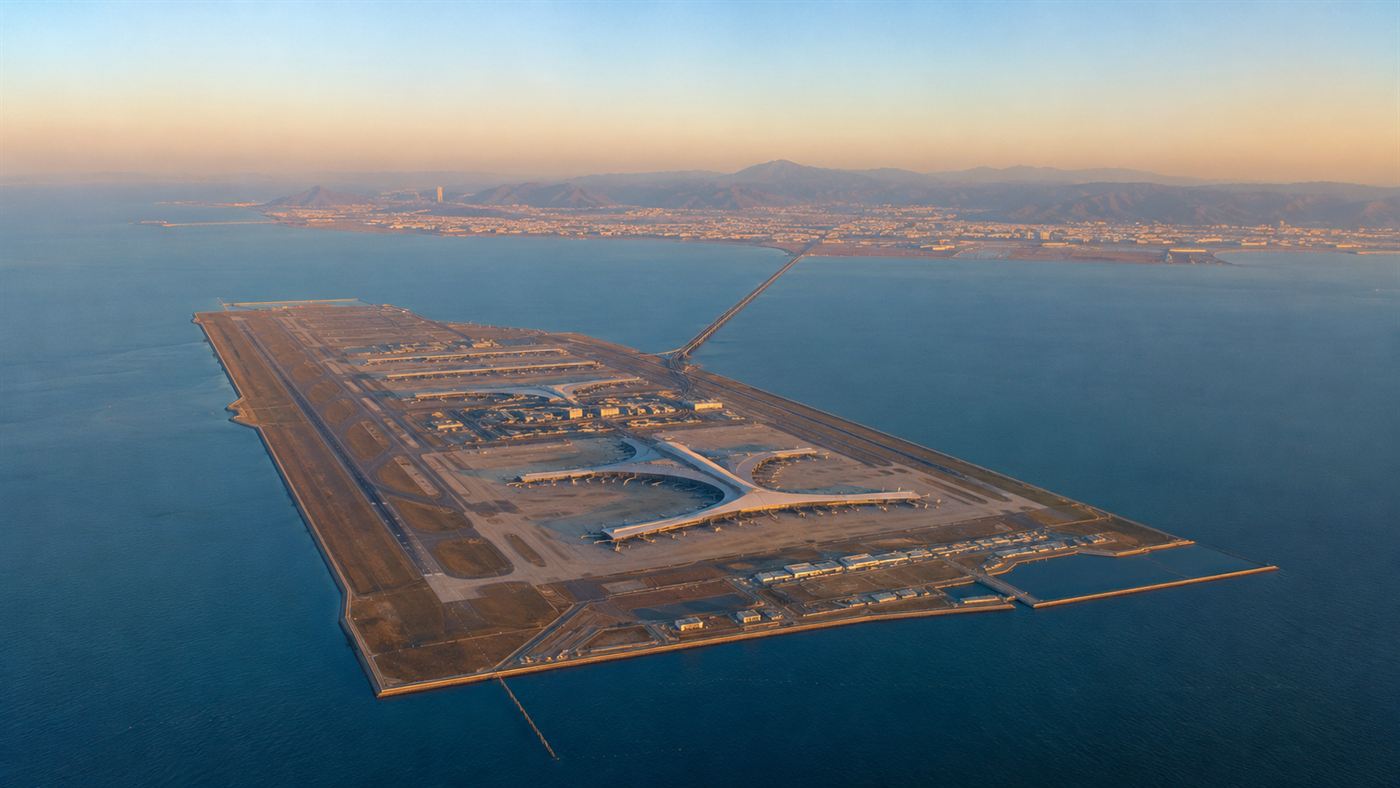
It is the dark twin of the dams we celebrate, from the wildlife saved at Africa's rising Lake Kariba to the giant megadam on the Nile, and a cousin of other projects that fought stubborn ground, like the airport island slowly sinking into the sea.
Should a dam ever be judged a success if it survives while the people below it do not, and how much of a mountain do we really need to understand before we trust it? Tell us in the comments.
More from Watts & Wild
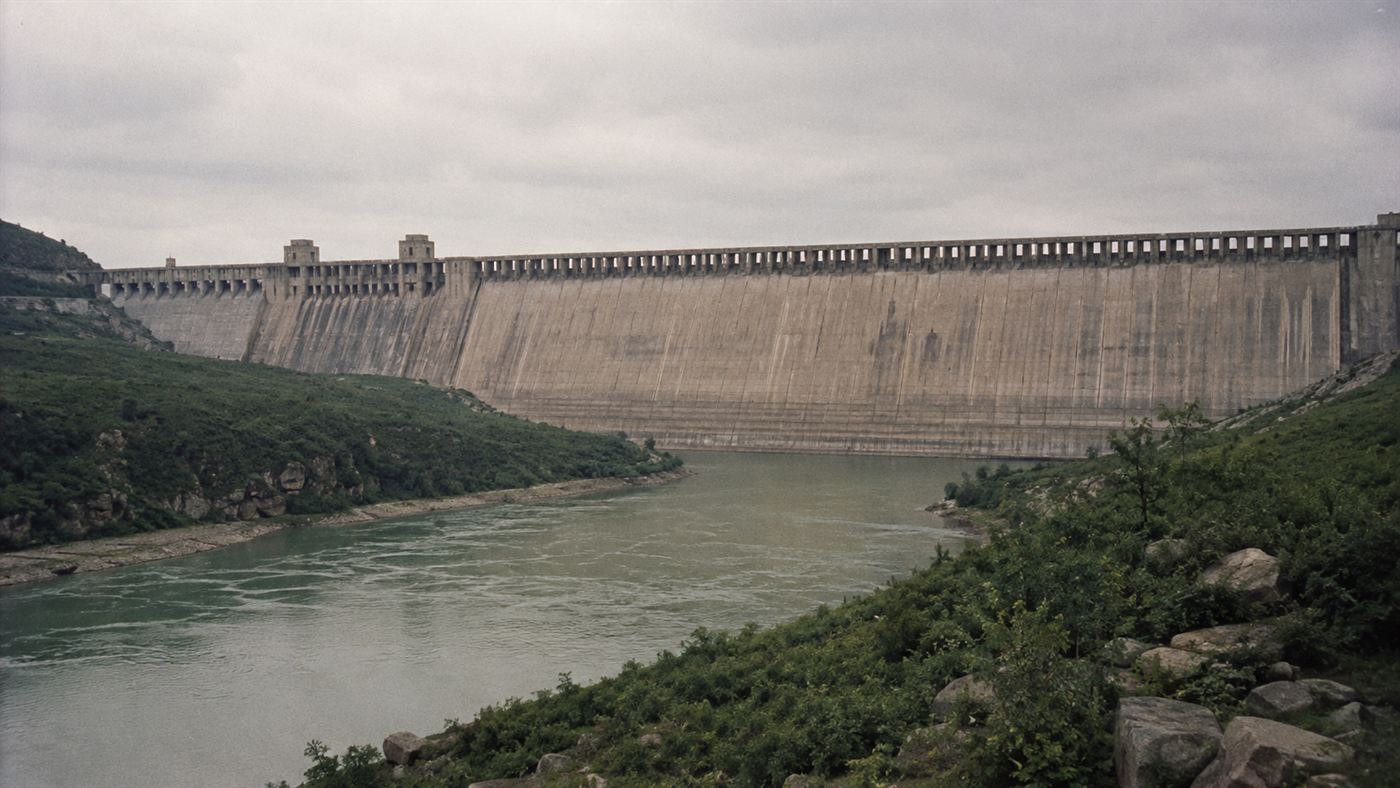 China's Banqiao Dam was called indestructible. In 1975 it collapsed and killed more than 170,000 people. The engineer who warned it would fail had been silenced twenty years earlier.
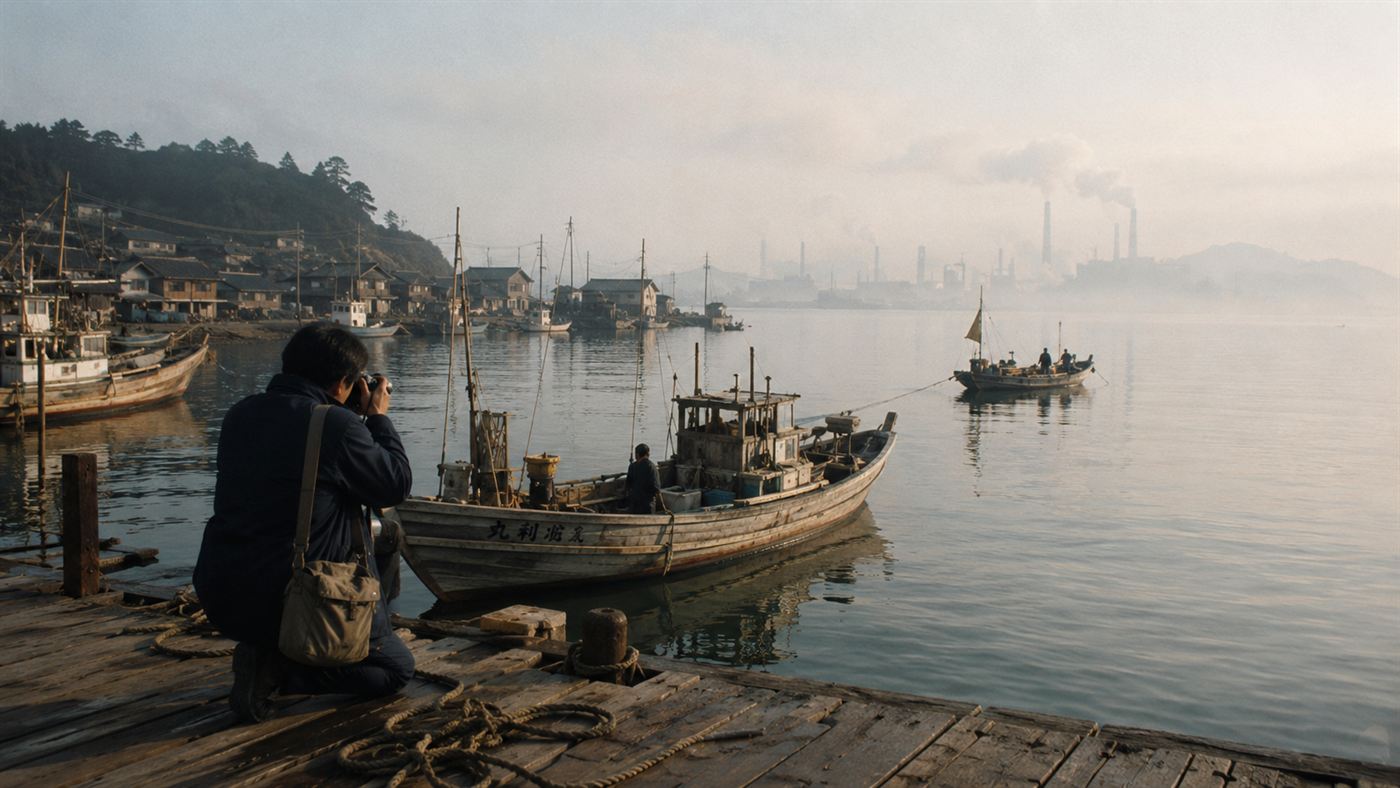 The company that poisoned Minamata Bay with mercury for decades knew the cause in 1959 and chose to stay silent
 The animal rescue at a rising dam
 Africa's largest dam on the Nile
 The airport island that keeps sinking
 The dam its builder called safe hours before it broke