A tiny Pacific island grew so rich on bird droppings that its people barely worked, then they dug up almost the whole country and Nauru became a cautionary tale of ruin
For a few dizzying years, Nauru was the richest place on Earth per person, floating on a fortune of phosphate left by millions of seabirds. Then the islanders dug up their own country, and when the digging stopped there was almost nothing left.
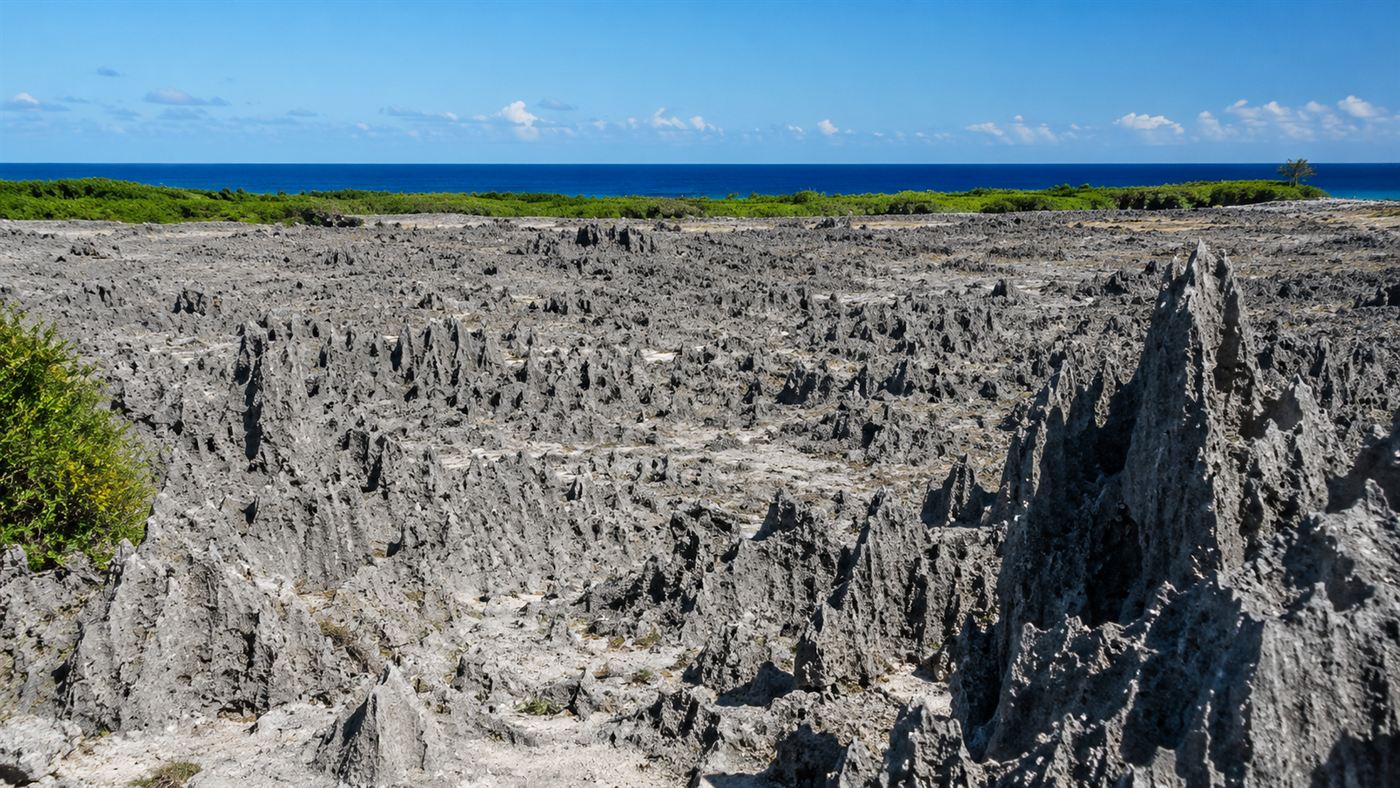
Most of Nauru's interior is now a moonscape of coral pinnacles left behind by phosphate mining. Illustration: Watts & Wild.
There are cautionary tales about wasted riches, and then there is Nauru, a country whose own phosphate mining quite literally dug it into ruin.
This speck in the western Pacific Ocean once had the kind of wealth that should have set it up forever, and it threw nearly all of it away in a single generation.
Why is Nauru so poor now? It grew enormously rich mining phosphate left by ancient bird droppings, but it dug up about 80 percent of the island, exhausted the phosphate, and lost most of its fortune to bad investments, leaving a barren and struggling nation.
An island made of bird droppings
Nauru is one of the smallest countries in the world, a single coral island of just 21 square kilometres in the middle of the Pacific Ocean.
For hundreds of thousands of years, seabirds roosted on that coral and left behind their droppings, or guano, which slowly turned into a thick layer of high-grade phosphate rock.
Phosphate is precious because it is a key ingredient in the fertiliser that feeds the world's crops, and guano deposits like this were among the most prized fertiliser sources on Earth.
In other words, this Pacific island was, almost literally, made of one of the most valuable substances in modern farming.
That accident of nature would make this Pacific island rich, and then break it.
The richest people on Earth
Foreign powers spotted the phosphate early, and from the early 1900s Germany, and later Britain, Australia and New Zealand, ran the phosphate mining and shipped the wealth away.
When Nauru became independent in 1968, it finally took control of its own phosphate mining and the money came flooding home.
By the 1970s and 1980s, Britannica notes Nauru enjoyed one of the highest per-capita incomes in the world.
The government gave citizens near-free housing, healthcare and schooling, almost nobody paid tax, and many families barely had to work.
For a moment, this tiny Pacific island looked like it had won the lottery of geology.
How phosphate mining dug up the country
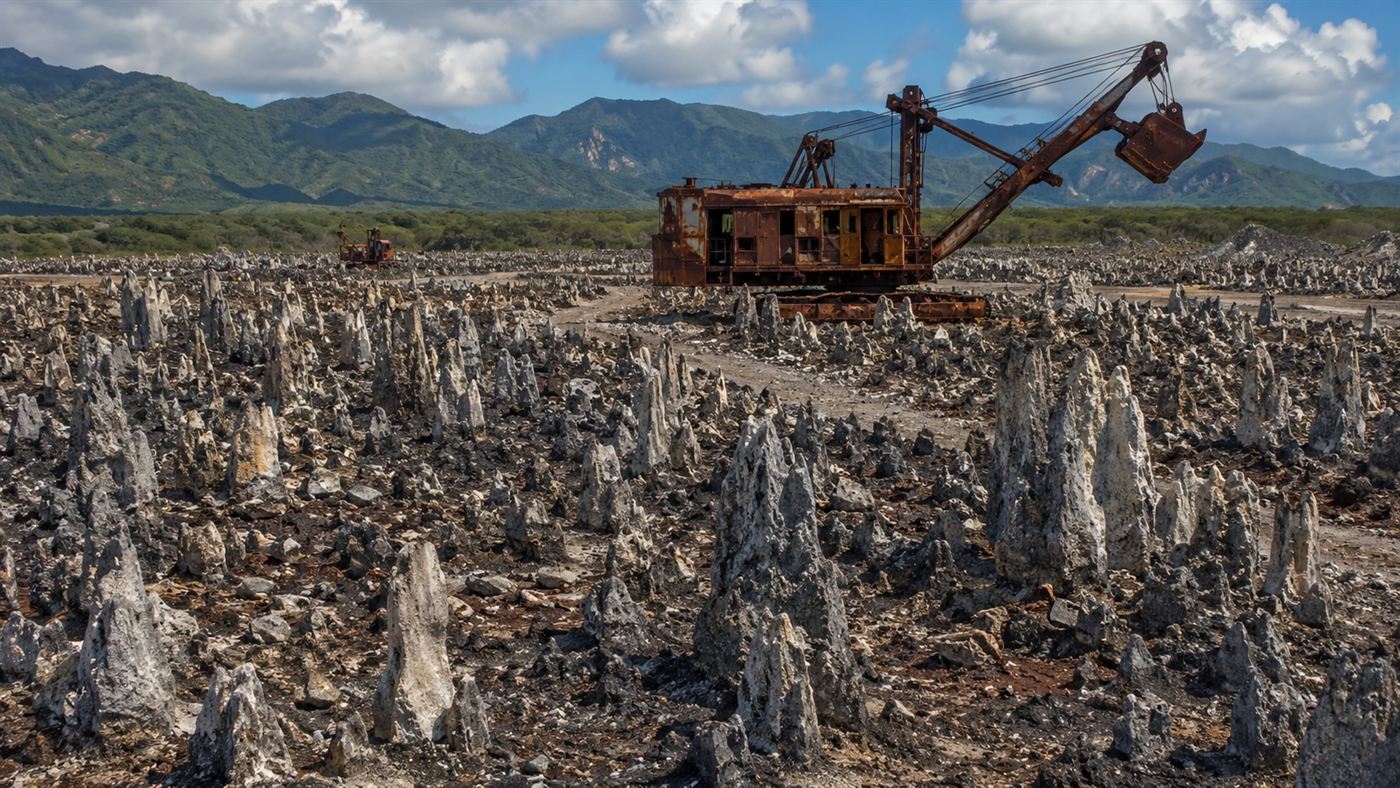
The catch was that the phosphate could only be reached by strip mining, which tore the island apart.
Strip mining scraped away the surface of the interior, leaving a jagged forest of bare coral pinnacles where the rock had been dug out from between them.
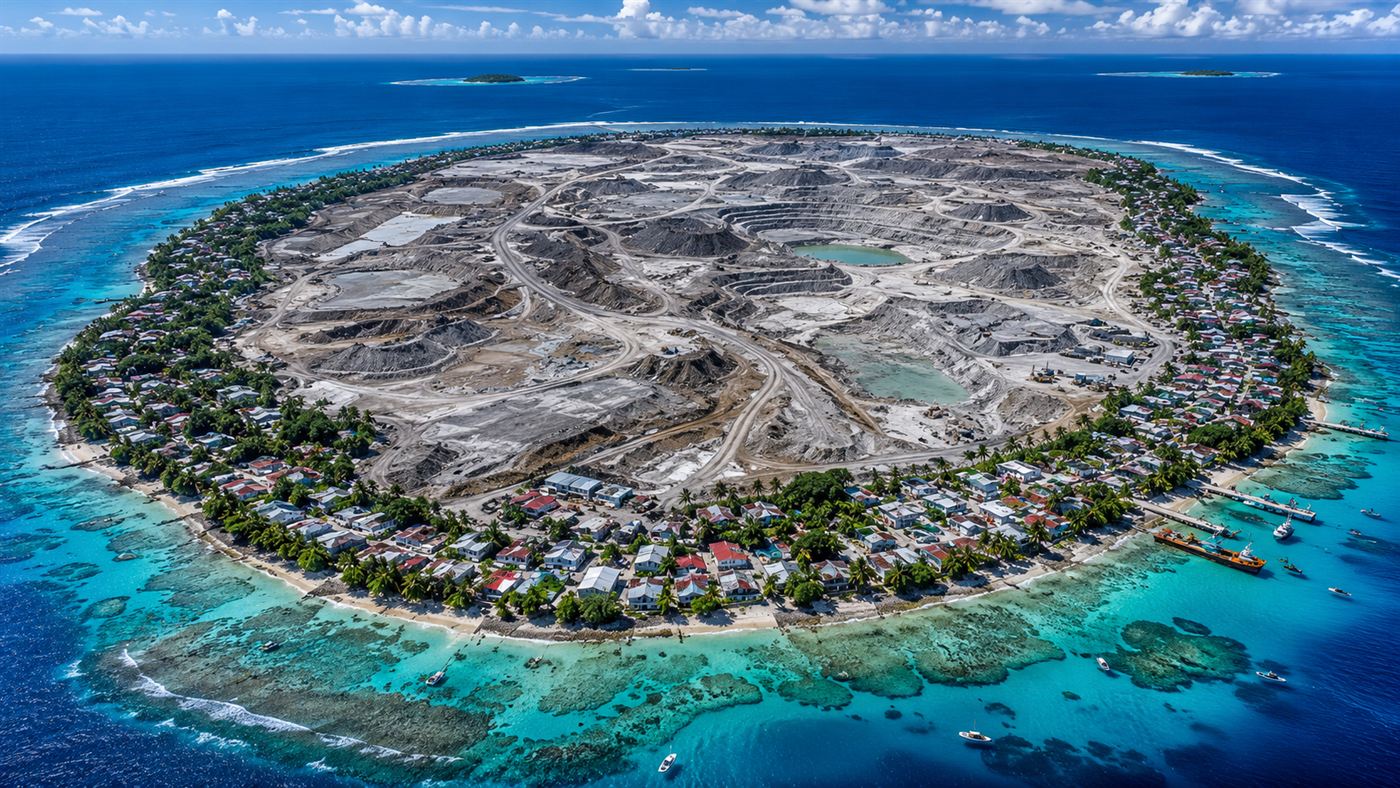
Over the decades that strip mining hollowed out roughly 80 percent of the Pacific island, turning the centre of the country into a lunar wasteland too rugged and bare to live on or farm.
Everyone was squeezed onto a thin green ring of coast, while behind their homes lay a dead grey heart of mined-out land, and accounts of the island describe about four-fifths of it stripped bare.
The island was eating itself to sell the pieces.
When the phosphate ran out
A fortune dug out of the ground should have been turned into a fortune that lasted, and the country tried, setting up a trust fund for the day the phosphate ran out.
Instead the money drained away through reckless spending and disastrous investments, from failed property deals abroad to, famously, bankrolling a flop London musical about Leonardo da Vinci.
As the phosphate mining wound down and the deposits thinned, the income collapsed and the trust fund was left a shadow of what it should have been.
By the early 2000s Nauru was effectively bankrupt, its airline and assets sold or seized.
The richest little country on Earth had become one of the most precarious.
Desperate reinventions
With the phosphate gone, the island lurched from one money-making scheme to the next.
It became an offshore banking haven criticised as a hub for money laundering, then shut that down under international pressure.
For years its biggest source of income has been hosting an Australian offshore detention centre for asylum seekers, a controversial arrangement that props up the budget.
Meanwhile, decades of imported processed food in place of fishing and farming left Nauru with some of the highest rates of obesity and diabetes in the world.
The honest catch
It is easy to mock Nauru for blowing its fortune, but the honest story is more uncomfortable.
For its first decades the phosphate wealth was carried off by colonial powers, and the islanders inherited a half-eaten country and a single fragile industry.
Still, the choices made after independence, the overspending and the runaway strip mining of the land, were real, and they turned a windfall into a warning.
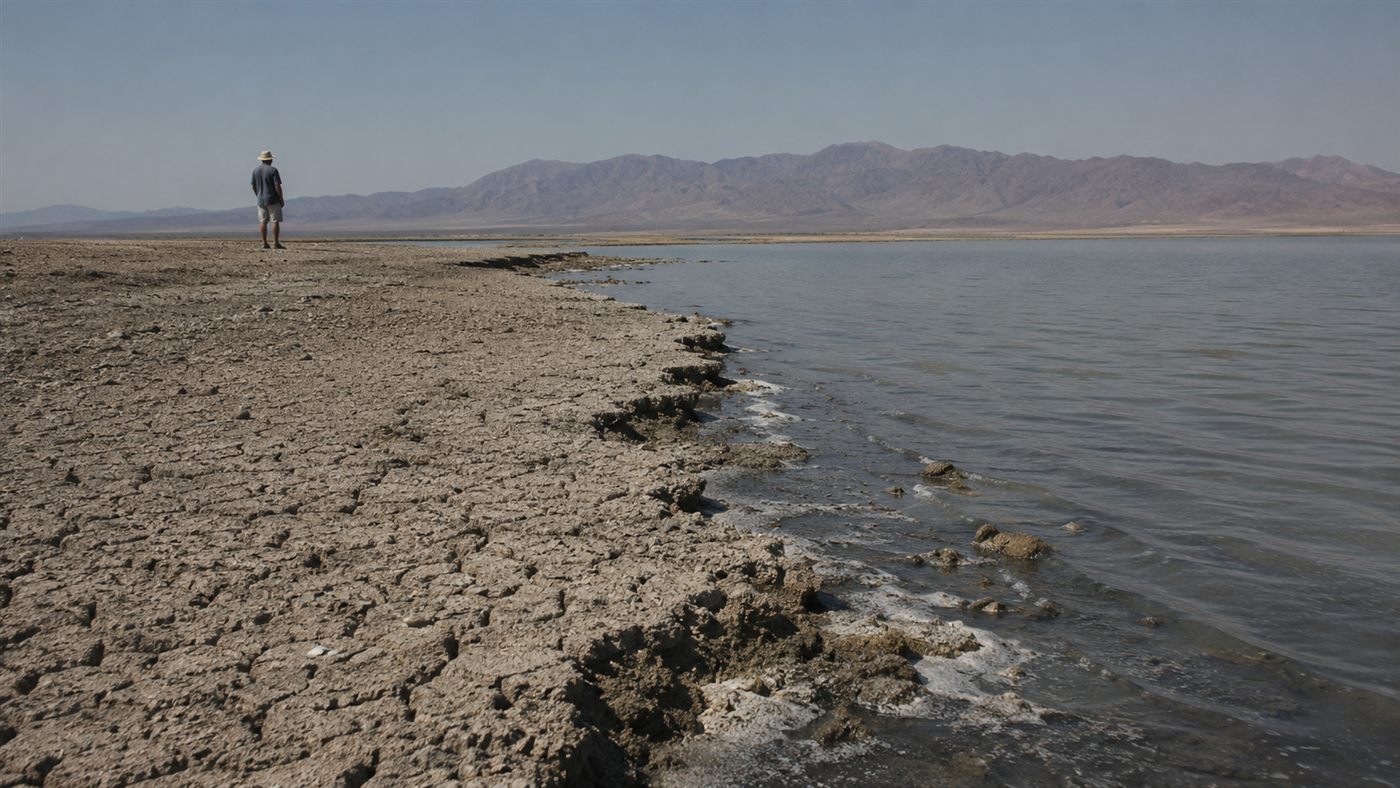
Today Nauru faces rising seas around its narrow coast even as it tries to rehabilitate the mined interior, a stark lesson in what some economists call the resource curse, the same shadow that hangs over communities living beside the lithium of the drying Salton Sea.
Nauru remains one of the most extraordinary boom-and-bust stories on the planet, a whole nation whose strip mining ate the ground beneath its feet.
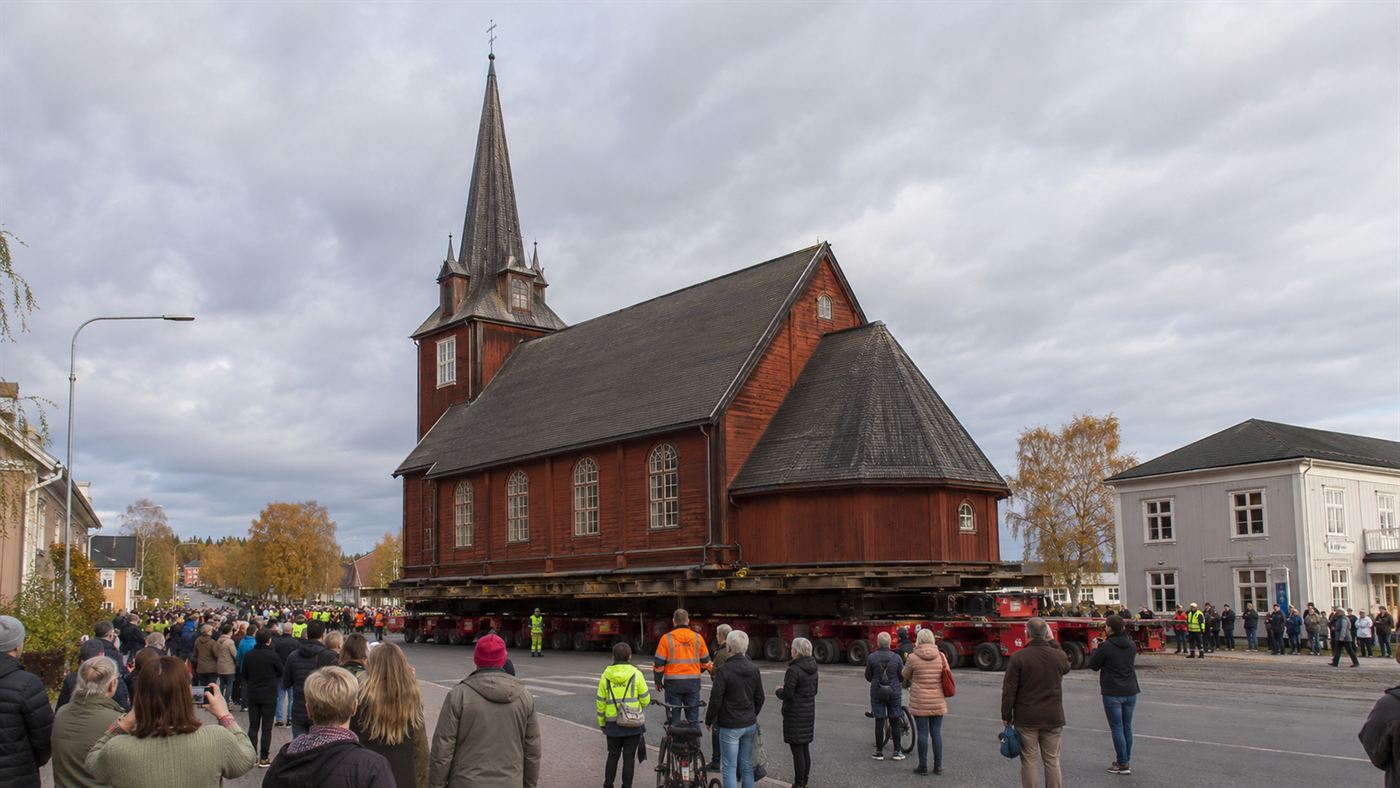
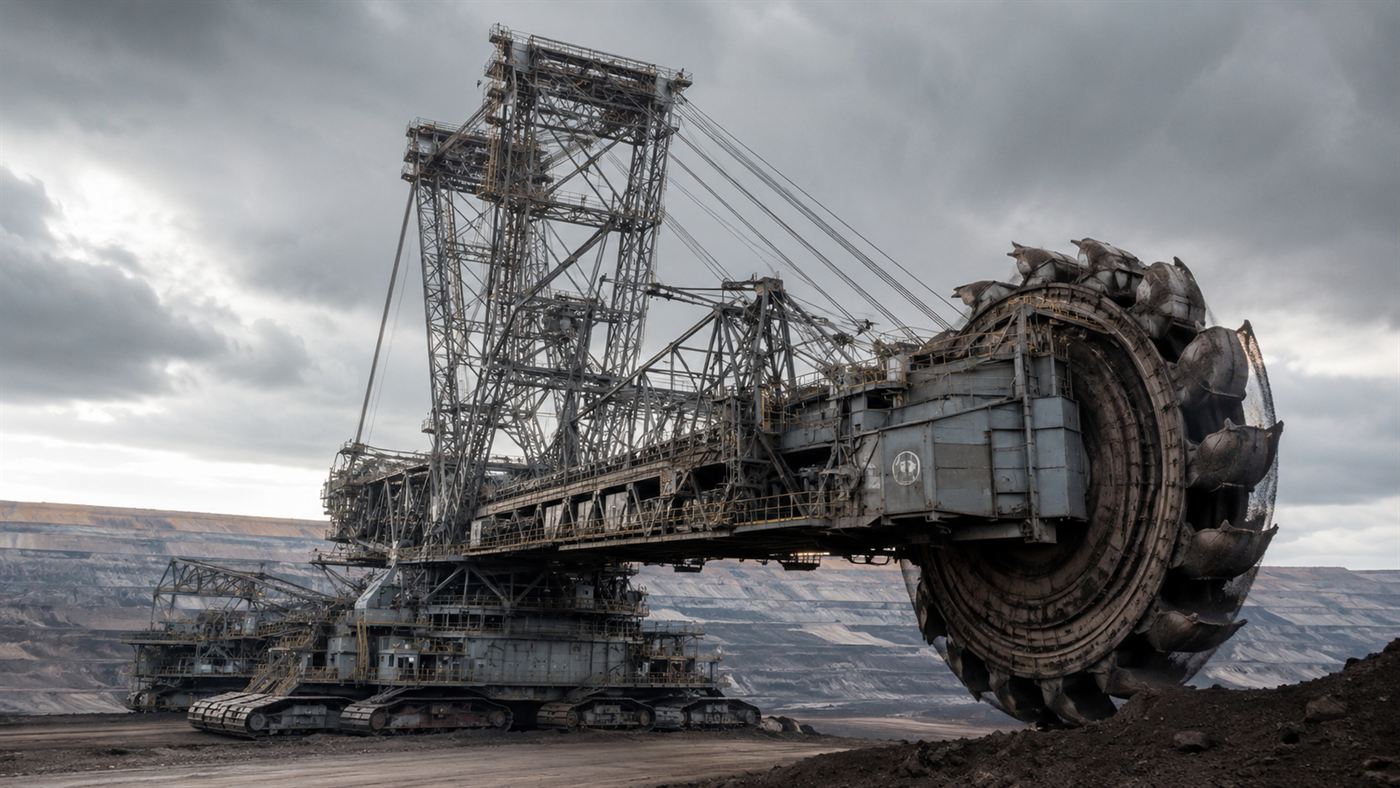
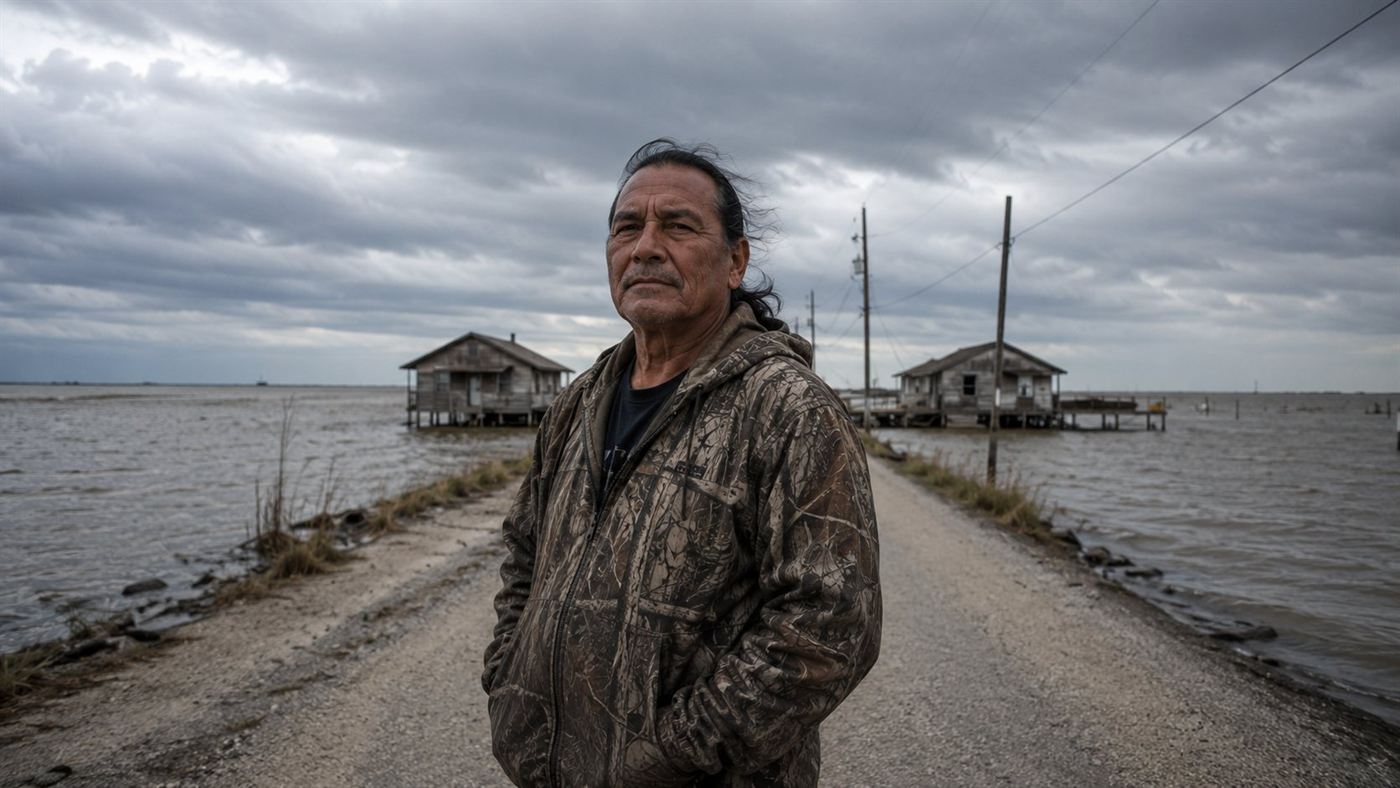
It is a Pacific cousin of other places reshaped or emptied by what lies underground, from the Swedish town being moved bodily off its own iron mine to the giant machines that devour whole landscapes for coal, and a warning for low islands like the vanishing Isle de Jean Charles.
Was Nauru's collapse a failure of its own making or the long aftershock of being mined by others first, and what should a country do when its one treasure is also its only ground? Tell us in the comments.