Henry Ford tried to build a slice of small-town America deep in the Amazon to grow his own rubber, and the jungle, the blight and his own workers defeated Fordlandia
In 1928 the carmaker Henry Ford bought a chunk of Brazilian rainforest the size of a small country and set out to build a tidy American town in the middle of it. Fordlandia was meant to make his own rubber. Instead it became one of the great industrial failures of the century.
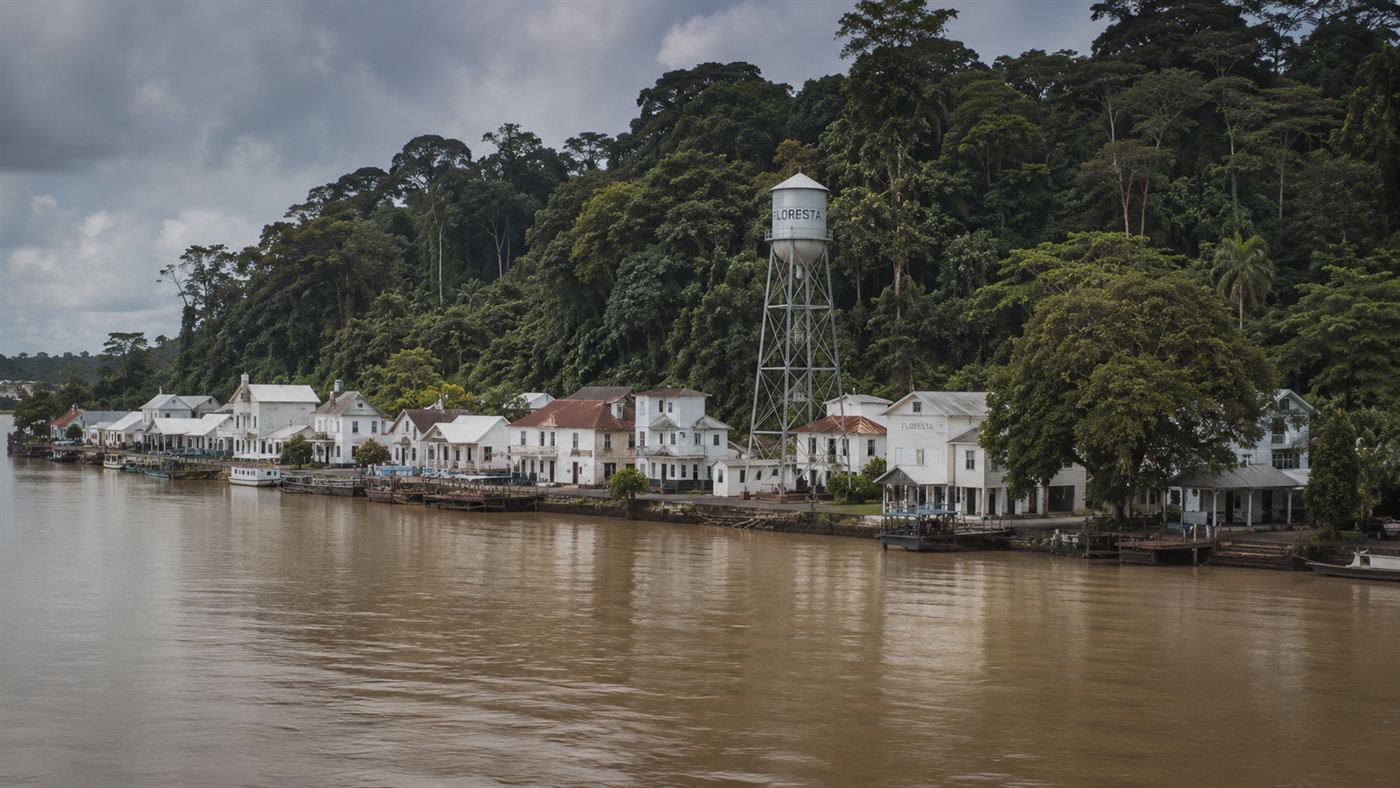
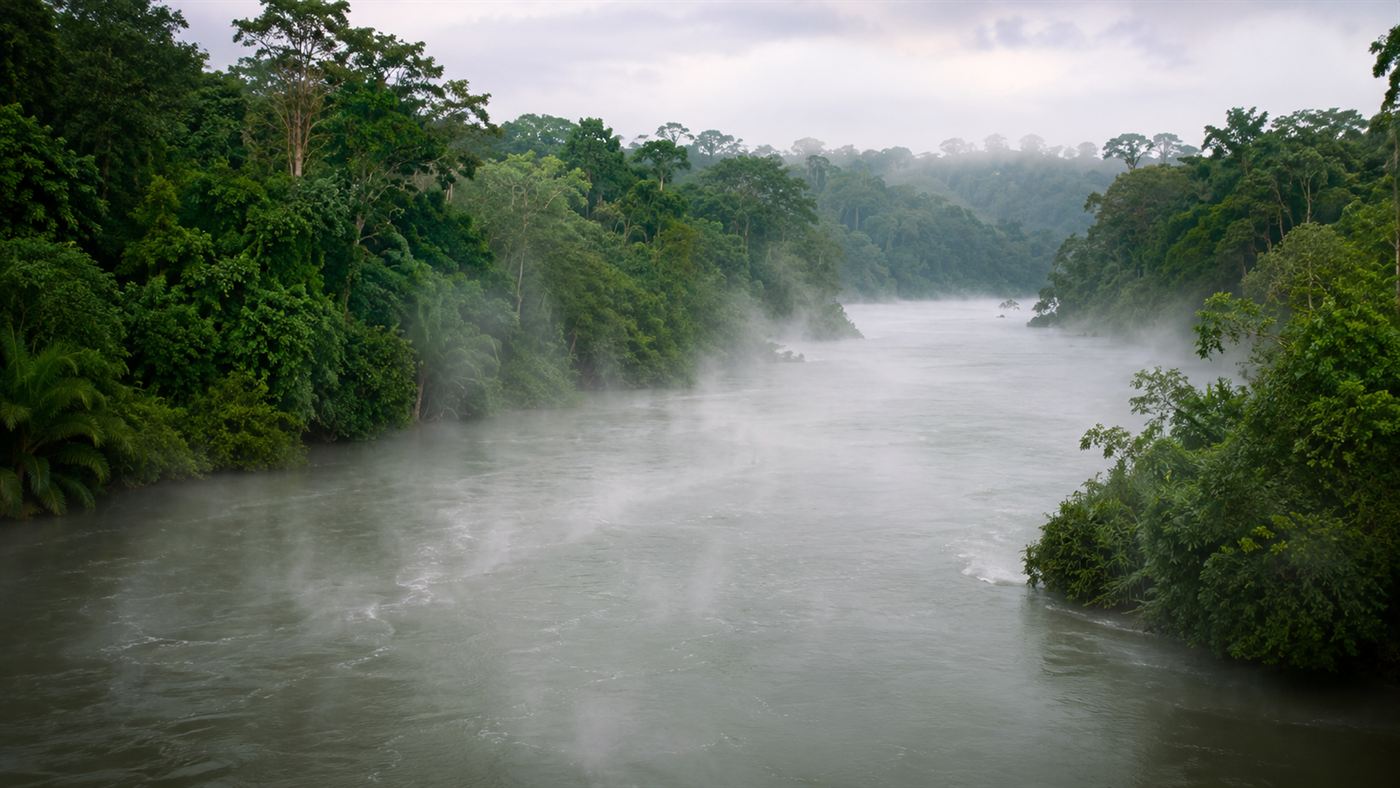
Fordlandia rose on the Tapajos river, a piece of the American Midwest dropped into the Amazon. Illustration: Watts & Wild.
In 1928, Henry Ford did something that still sounds barely believable: he tried to build the Fordlandia rubber plantation, a small American town complete with white picket fences, deep in the Brazilian Amazon.
The richest industrialist in the world wanted his own rubber supply, and he was sure that the same methods that had conquered the car could conquer the jungle. The jungle disagreed.
What was Fordlandia? It was a rubber plantation and company town that Henry Ford built on the Tapajos river in the Amazon, starting in 1928, to supply rubber for his cars. Bad planning, plant disease and a workforce that rebelled meant it never produced rubber at any real scale, and Ford abandoned it in 1945.
Why Henry Ford wanted his own jungle
By the 1920s, Henry Ford was building millions of cars, and every one of them rode on rubber tires.
That rubber came almost entirely from plantations in British and Dutch colonies in Southeast Asia, and those empires controlled the price, which Ford hated.
So Ford decided to grow his own, going back to where the rubber tree originally came from: the Amazon.
In 1927 and 1928 he acquired a vast tract of land along the Tapajos river, around 10,000 square kilometres, and Britannica describes Henry Ford as the man who had already revolutionised manufacturing with the moving assembly line.
If anyone could industrialise the rainforest, the thinking went, it was him.
A piece of Michigan in the rainforest
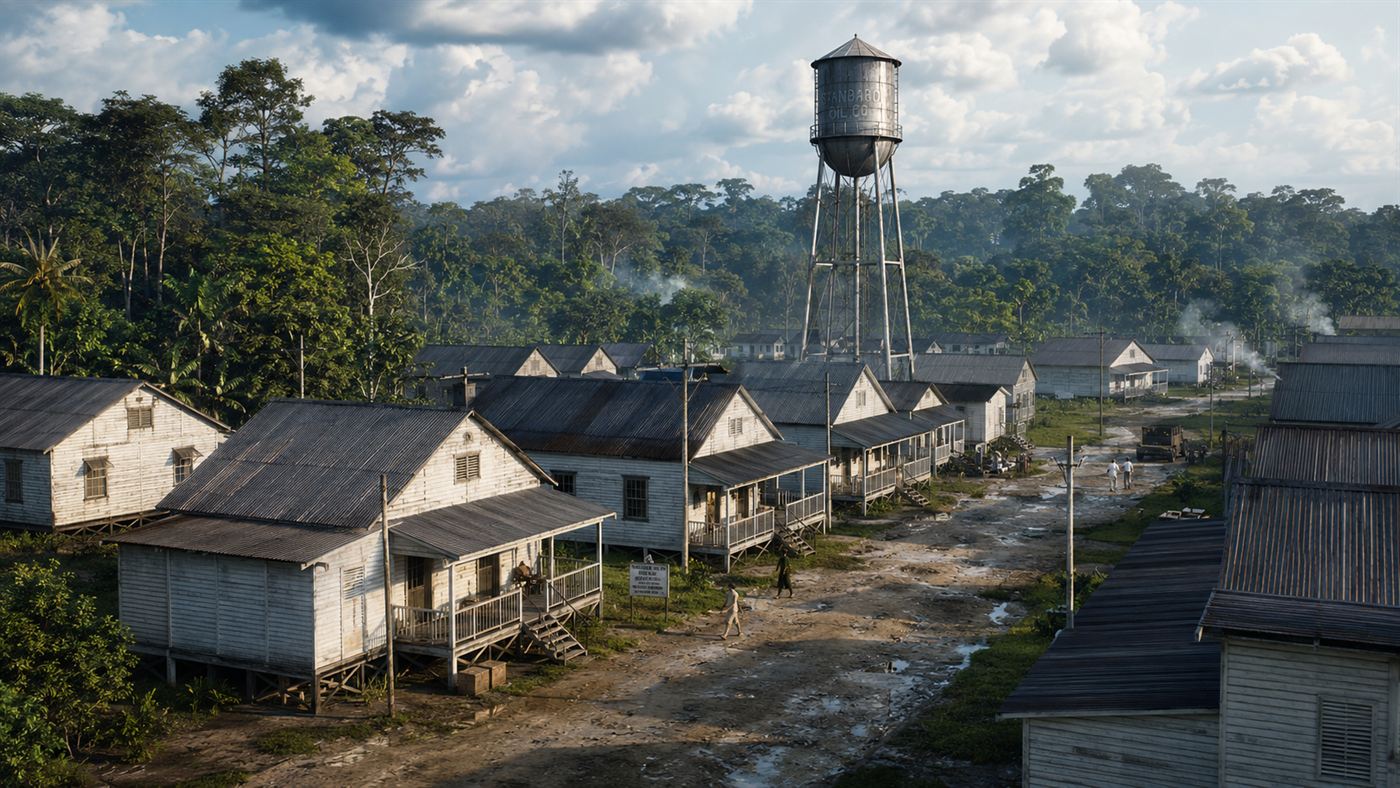
What Ford built was not just a rubber plantation, it was a slice of small-town America transplanted whole.
Fordlandia got neat clapboard houses, a hospital, a school, a power plant, paved streets, a golf course and even an ice-cream parlour.
The managers Ford sent also imposed an American way of life on Amazonian workers, with a canteen diet of unfamiliar food, a strict no-alcohol rule and the factory time clock.
Workers used to the rhythms of the forest were told to labour through the midday heat and to eat hamburgers and canned food in a cafeteria.
It was, in effect, an attempt to run the Amazon like a factory floor in Detroit.
Everything that could go wrong
The trouble came fast, and from every direction.
In 1930 the workers, fed up with the food and the rules, rioted in what became known as the Breaking Pots rebellion, smashing the cafeteria and chasing the managers into the forest until the army arrived.
The deeper problem was that nobody Ford sent actually knew how to grow rubber, and they ignored the people who did.
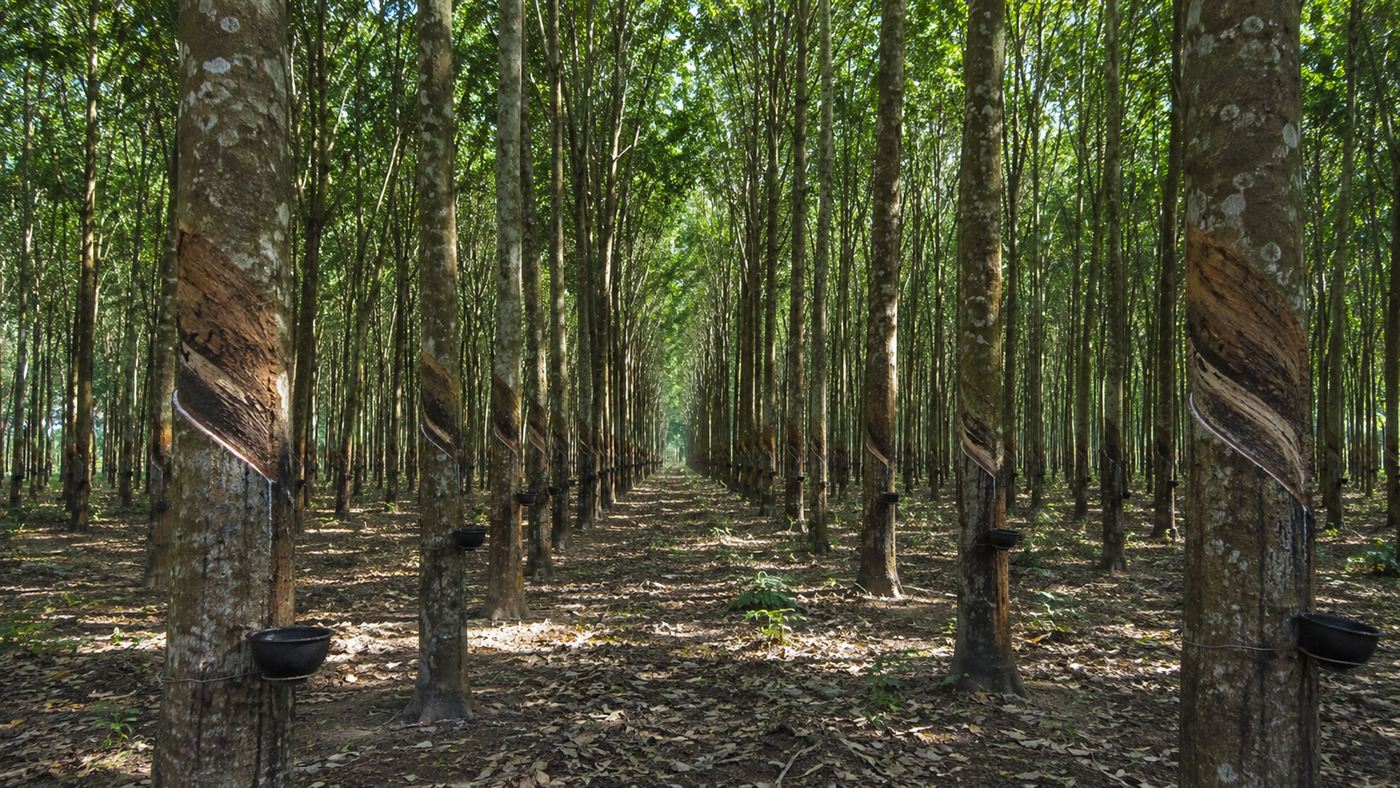
They planted the rubber trees close together in tidy rows, exactly the way you would lay out a field of corn back home.
In the Amazon, that neat geometry turned out to be a death sentence for the whole rubber plantation.
The blight that doomed the Fordlandia rubber plantation
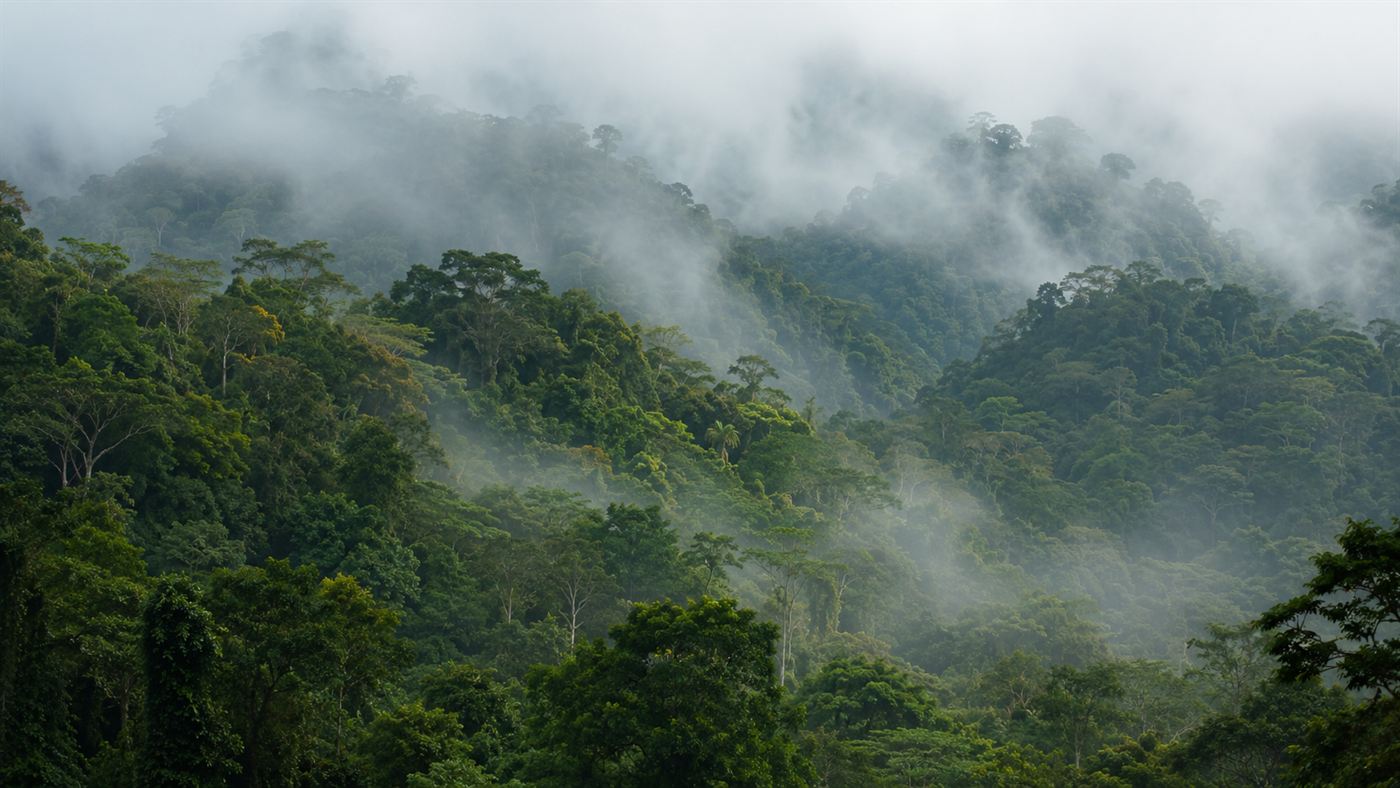
Wild rubber trees in the Amazon grow far apart, scattered through the forest among other species.
There is a reason for that spacing: a native fungus called South American leaf blight, which feeds on rubber leaves and spreads easily when the trees are packed together.
By planting a dense rubber plantation, Ford's men effectively laid a banquet for the disease, and the blight is the reason large rubber plantations have never worked in the rubber tree's own homeland.
The same crop thrives in Asia precisely because the blight was never carried there, so the trees can be grown close together in safety.
At Fordlandia, the leaf blight and other pests tore through the rubber trees, and the plantation that was supposed to feed Ford's factories never delivered.
Abandoned to the jungle
Ford's people tried again at a second site downriver called Belterra, with a little more success, but the rubber dream was already dying.
By the time the trees might have matured, the Second World War had spurred the rise of cheap synthetic rubber, and the world no longer needed a plantation in the Amazon.
In 1945 the Ford company sold the whole project back to the Brazilian government for a fraction of what it had cost, a loss of millions, and records of the venture note it never produced rubber for Ford at any meaningful scale.
Henry Ford had sunk a fortune into Fordlandia and, famously, never once set foot in the town that carried his name.
The honest catch
It is easy to file Fordlandia away as pure folly, the rich man who thought he could buy the rainforest, but the truth is a little more textured.
The town was real, and parts of it endured, with families still living among the old water towers and bungalows of Fordlandia today.
Some of what Ford brought, like the hospital, genuinely helped people in a remote corner of the Amazon.
But the core lesson stands, and it is an ecological one: Henry Ford tried to impose a factory logic on a living rainforest he did not understand, and ignored both the biology of the rubber trees and the knowledge of the people who already lived there.
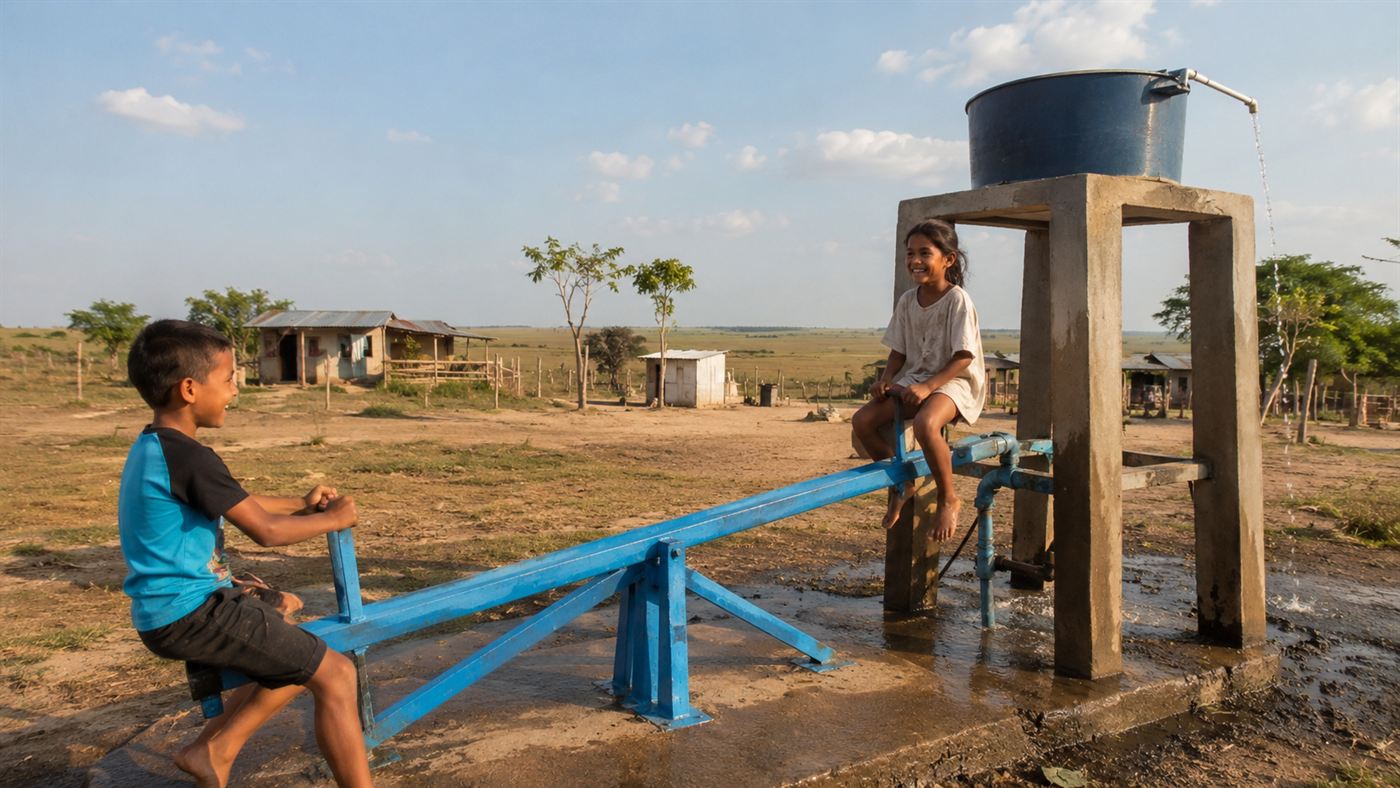
It is the opposite of places like Colombia's Las Gaviotas, where a community grew a forest by working with the ecosystem instead of fighting it.
Nearly a century on, the ruins of Fordlandia still stand on the Tapajos as a monument to industrial overconfidence, slowly being reclaimed by the same Amazon it tried to tame.
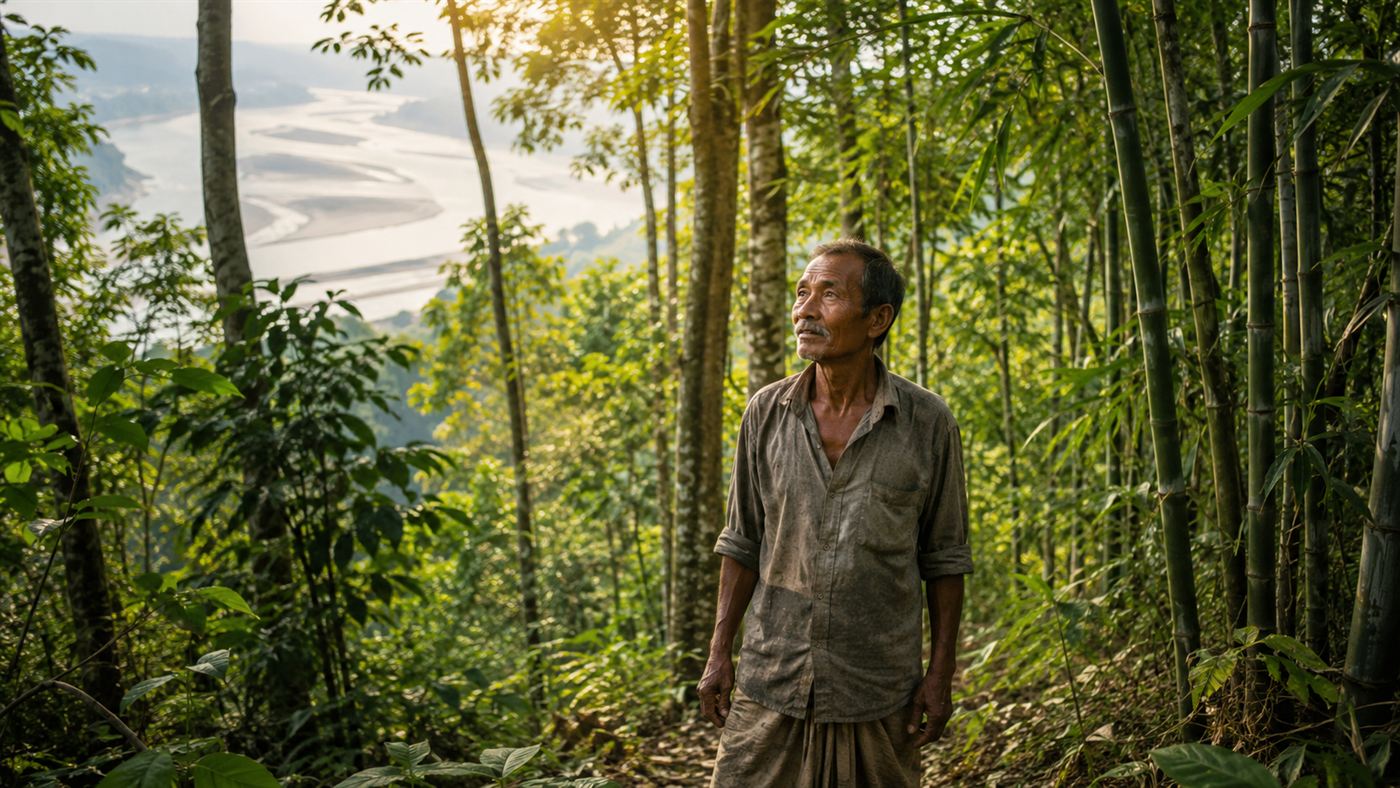
It is a story that rhymes with other attempts to bend the rainforest to a single plan, and with the people who have tried instead to heal it, like the man who planted an entire forest by hand on a bare Indian sandbar.
Was Fordlandia doomed from the start by Henry Ford's hubris, or could a humbler version have worked, and what should it teach companies eyeing the Amazon today? Tell us in the comments.