The island of the dodo once had just four Mauritius kestrels left in the wild, and a Welsh ornithologist spent 45 years turning them into 350
In 1974, just four Mauritius kestrels remained alive in the wild. The bird that once flew in thousands above the island where the dodo was shot to extinction had been poisoned by DDT, its forests felled, its nests raided. What came next, the Mauritius kestrel recovery, would turn the island of the dodo into a textbook for pulling species back from the edge.
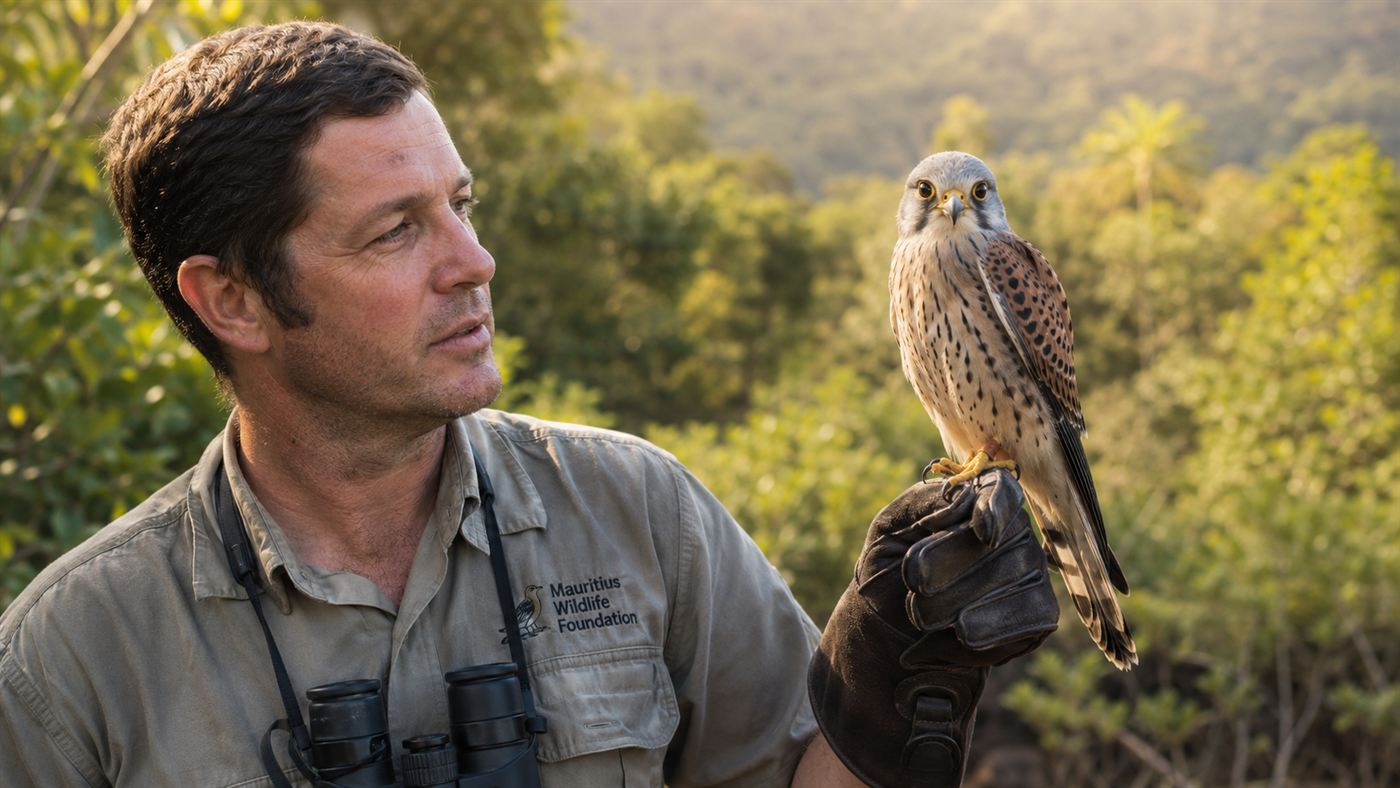
Carl Jones spent more than four decades in Mauritius turning the island of the dodo into a model for endangered bird recovery. Illustration: Watts & Wild.
The Mauritius kestrel is a small, spotted falcon found nowhere else on Earth. For centuries it hunted geckos and skinks through the dense hardwood forests of Mauritius, a volcanic island in the Indian Ocean about 800 miles east of Madagascar that most people know, if they know it at all, as the home of the dodo. Then the European settlers arrived, and with them came land clearing, sugar cane plantations, ship rats, cats and crab-eating macaques, and a steady draining away of everything that was native to the island.
By the early 1970s the Mauritius kestrel was nearly gone. Pesticides, especially DDT sprayed for malaria control, had thinned the eggshells to the point where they cracked under the weight of the incubating parent. The native forest the birds depended on for nesting had been cut back to a few patches in the Black River Gorges in the island's south-west. A 1974 survey confirmed just four birds in the wild, one breeding pair and two juveniles, making the Mauritius kestrel the rarest bird on Earth at the time. Biologists in Europe and America began writing the species off as a casualty of island extinction, the kind of quiet loss that had already taken the dodo, the Mauritius blue pigeon, and dozens of other island species before anyone could act.
The Mauritius kestrel was the world's rarest bird in 1974, with just four individuals left in the wild. A captive breeding and double-clutching programme led by Welsh ornithologist Carl Jones rebuilt the wild population to around 350 birds by the mid-1990s, completing one of the most dramatic endangered bird recovery stories on record.
How four birds fell through the floor
DDT was banned in Mauritius in 1970, six years after Rachel Carson's Silent Spring had already shown what it was doing to birds of prey around the world.
By then the kestrel population had been collapsing for at least a decade.
The pesticide residues accumulated in the food chain thinned the eggshells until eggs that would otherwise have survived were crushed by their own parents during incubation.
The chemical poisoning was not the only driver of the island extinction risk.
Mauritius had lost more than 97 percent of its native lowland forest by the mid-twentieth century, leaving the kestrel trapped in a small remnant of upland forest in the south-west corner of the island.
That forest was under siege: crab-eating macaques raided nests with efficiency, rats and cats took the birds that survived long enough to fledge, and invasive plants crowded out the native species the kestrel depended on for food.
The result was a species in freefall, with no buffer and nowhere left to retreat.
The Mauritius kestrel was facing the same island extinction spiral that had already claimed more than a hundred species from Mauritius since the arrival of European ships, including the dodo, the Réunion ibis, and the broad-billed parrot.
Carl Jones and the case for fighting back
Carl Jones was a Welsh ornithologist barely in his mid-twenties when he first arrived in Mauritius in 1979, invited by Gerald Durrell and the Jersey Wildlife Preservation Trust to assess what, if anything, could still be done.
What he found was a species that conventional wildlife conservation wisdom had effectively given up on.
The received view at the time was that intensive intervention for a bird as specialised as the Mauritius kestrel was too risky: you might disrupt the few remaining wild birds without any guarantee that captive breeding replacements would survive once released.
Jones disagreed.
His position, which he would defend for the next four decades, was that extinction was worse than any risk that came with active management, and that real wildlife conservation meant choosing to intervene even when the odds were bad.
He joined the Mauritius Wildlife Foundation, setting up operations at Black River Aviaries in the hills above the Black River Gorges, using equipment and expertise borrowed from Gerald Durrell's captive breeding work in Jersey.
The work was slow, chronically underfunded, and frequently questioned by colleagues who considered island extinction for the Mauritius kestrel to be essentially inevitable.
Jones did not accept that frame.
Why double-clutching changed everything
The technique that turned the tide was double-clutching, a method borrowed from falconry that had been used to boost raptor numbers during the American peregrine falcon recovery of the 1970s. A similar trick saved the Chatham Island black robin, a species rebuilt from a single female called Old Blue.
The principle is straightforward: remove the first clutch of eggs from the nest before the female begins incubating in earnest.
A healthy bird will usually respond by laying a second clutch to replace the one that has gone.
The removed eggs go into an incubator, the chicks are hand-raised under captive breeding conditions, and then released back into suitable habitat once they are old enough to fend for themselves.
The wild pair, meanwhile, raises their second brood naturally.
In a productive year, the approach can effectively double the number of chicks produced by a single breeding pair.
The supplementary feeding mattered more than anyone had expected.
Jones and his colleagues had noticed that kestrel pairs with reliable access to food, dead geckos and skinks left near the nest site, laid more eggs and raised more chicks to fledging.
Nutrition, not just pesticide load or predation pressure, had been compounding the collapse.
Fixing it turned out to be part of fixing the species.
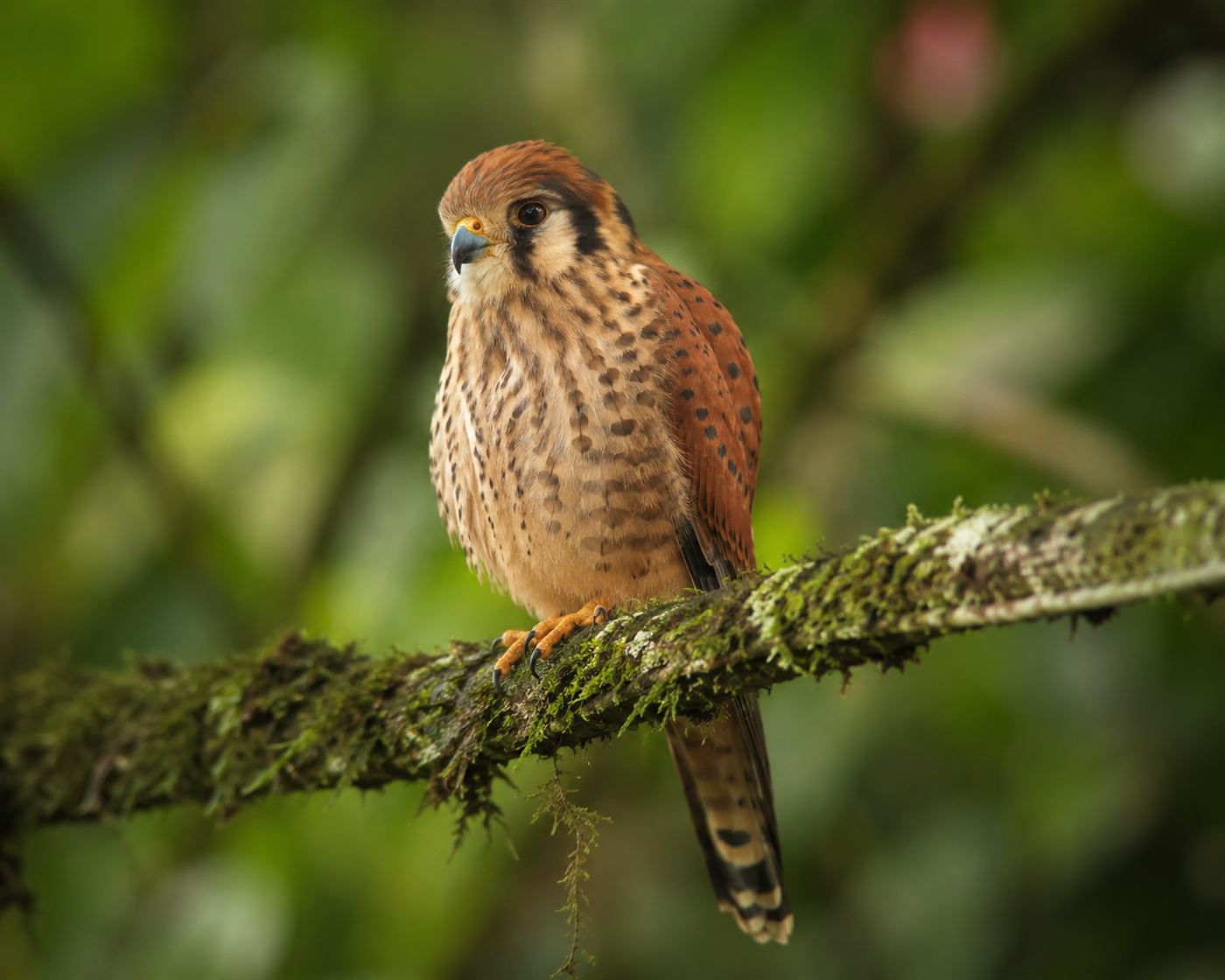
The Mauritius kestrel recovery, from four birds to a functioning population
By 1984, roughly fifteen Mauritius kestrels lived in the wild, a small increase from the four of a decade earlier but a sign the slide had stopped.
By 1990 the number had climbed past fifty.
By the mid-1990s, with captive-bred birds released into managed territories and predator control keeping nest failure down, the wild population crossed 300 and kept climbing.
BirdLife International puts the current wild population at approximately 400 to 500 birds, and the IUCN has reclassified the species from Endangered to Vulnerable, a genuine drop in extinction risk, even if Vulnerable still means the job is not finished.
The endangered bird recovery achieved in fewer than twenty years of intensive work is widely cited in the conservation literature as one of the fastest turnarounds ever recorded for any bird.
For comparison, the Iberian lynx took two decades to climb from 62 adults back past 2,000 and off the Endangered list, and that is celebrated as one of the greatest wildlife conservation achievements in European history.
The Mauritius kestrel did something comparable in birds, on an island with barely two percent of its native forest remaining.
In 2016, Carl Jones received the Indianapolis Prize, widely regarded as the Nobel Prize of wildlife conservation.
He was the first person ever to win it twice.
The Mauritius model goes global
The Mauritius kestrel was the first success, but it was not the last.
Jones and the Mauritius Wildlife Foundation applied the same captive breeding and intensive management approach to the pink pigeon, which had fallen to around ten wild birds in the early 1990s and has since recovered to more than 400.
The echo parakeet, the island's native parrot, hit a low of fewer than twenty individuals and has since climbed past 700.
Mauritius, which in the twentieth century had become a byword for island extinction and conservation failure, was turning into the opposite: an island where techniques once considered too risky were demonstrably working.
Those approaches have since been adopted by recovery programmes on islands from New Zealand to Hawaii and the Galápagos.
The intensive management of New Zealand's kakapo, a flightless parrot that bounced back from 51 birds in 1995 to record breeding seasons with hand-feeding and genetic management, follows the same core logic that Jones proved in Mauritius.
So does the recovery of the California condor, where the decision to capture every last wild bird and launch a full captive breeding programme was, in 1987, the most controversial call ever made in endangered bird recovery.
The honest catch
The Mauritius kestrel's recovery is real, and the wildlife conservation effort that drove it deserves to be called a success.
But it is worth being precise about what kind of success it is.
Less than two percent of Mauritius's original native forest remains standing today.
The kestrel's habitat is still a fragment of what it was before European settlement, and that fragment is still threatened by invasive species and development pressure.
The birds alive today depend significantly on nest boxes, supplementary feeding and active predator control.
This is not quite a species thriving in a restored wild: it is a species persisting in a heavily managed remnant, kept above the line by sustained human effort.
Remove the management and the population would likely fall again.
The IUCN still lists the Mauritius kestrel as Vulnerable, not out of inertia but because the underlying island extinction threat has not gone away.
A truly self-sustaining recovery would require something like the return of the native forest, a goal measured in generations rather than conservation project cycles.
The story of the Mauritius kestrel is one of the most powerful endangered bird recovery narratives in the history of the field, and it is also a reminder that halting a decline and reversing it are two very different things.

What the Mauritius kestrel story proves is not that the problem is solved, but that it could have been solved decades earlier for the dodo if the same determination had arrived in time.
It is also the most persuasive argument yet for why endangered bird recovery funding is not charity: it is preventive infrastructure for a world that cannot afford to keep losing what it cannot replace.
If intensive, hands-on management is the only thing standing between a species and island extinction, does that count as saving it, or just keeping it on life support?
Tell us what you think in the comments.
More from Watts & Wild
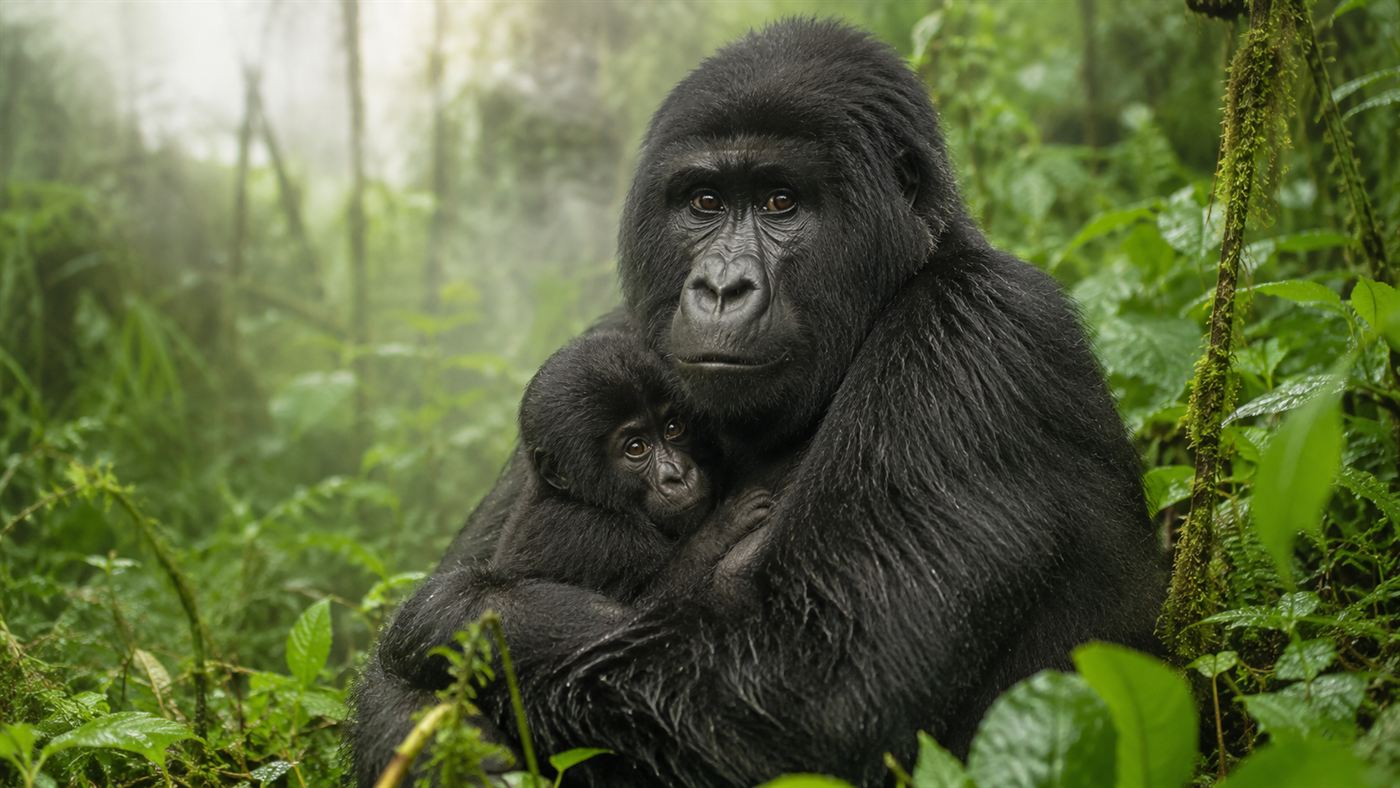 Mountain gorillas fell to 250 animals and still crossed one thousand, through genocide and war
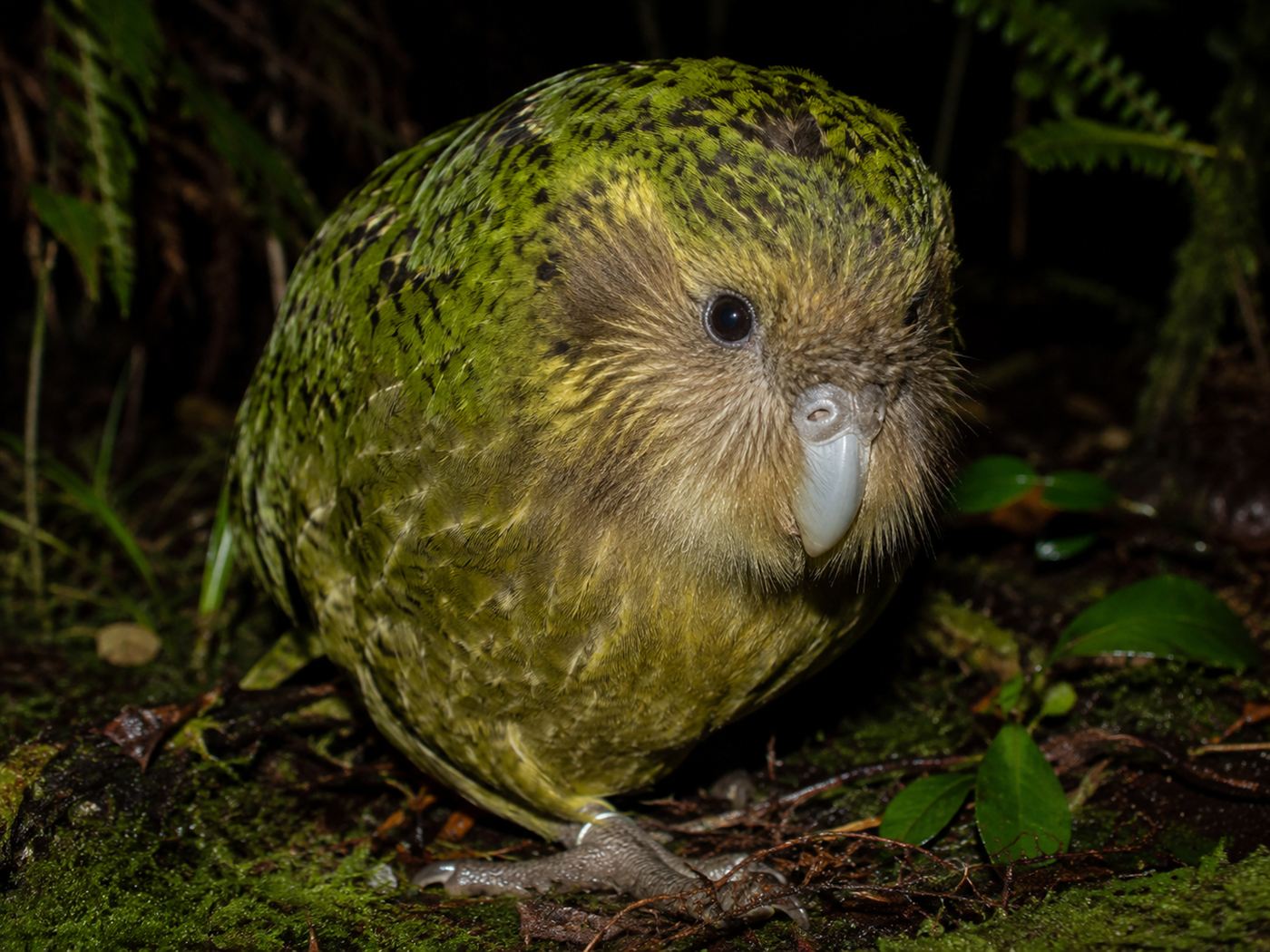 New Zealand's kakapo bounced back from 51 birds to a record breeding season
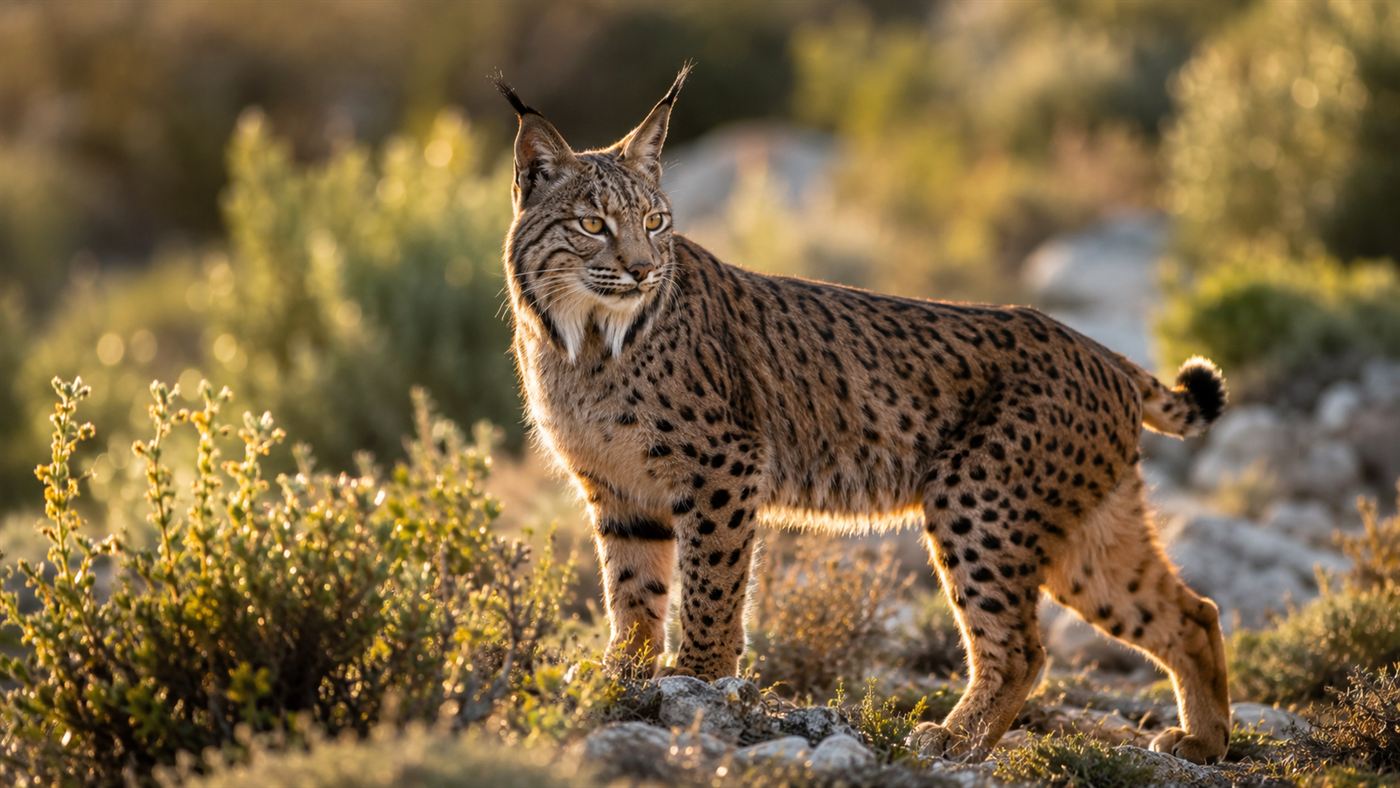 Iberian lynx climbed from 62 adults to 2,000 and off the Endangered list
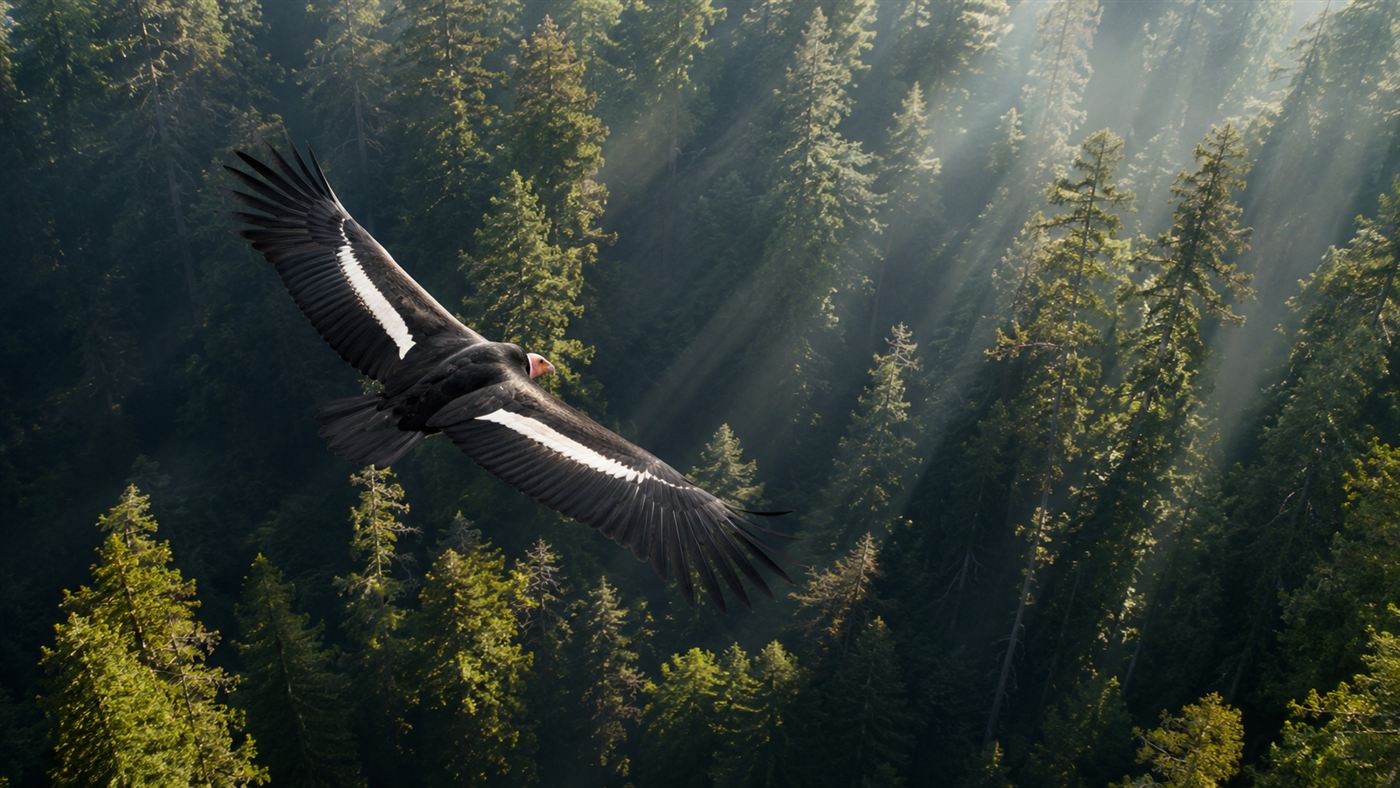 California condor captive breeding brought the species back from 27 birds