A whole bird species came down to five survivors and a single fertile female, and the fact that it exists at all today rests on that one bird, called Old Blue
There are close calls with extinction, and then there is the black robin. By 1980 this small songbird of New Zealand's Chatham Island chain had dwindled to just five individuals, and worse, only one of them was a female still able to breed. The entire future of the species hung on a single bird, a tiny survivor that history would come to know as Old Blue.
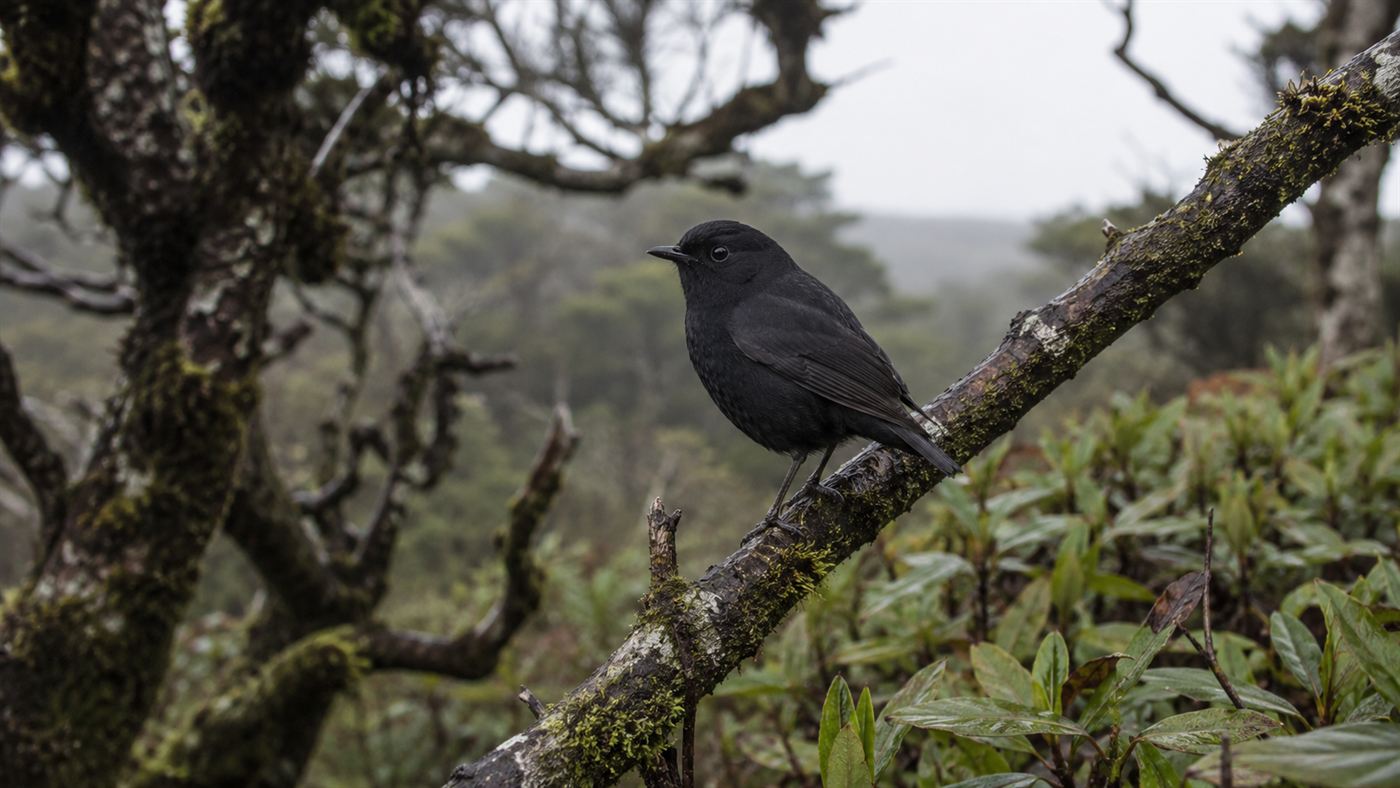
The black robin survives today only because of one remarkable female. Illustration: Watts & Wild.
Conservation is full of comebacks, but almost none start from a number as terrifyingly small as five. Most species are considered doomed long before they reach that point, because a population that tiny usually lacks the genetic diversity and sheer numbers to recover. The black robin should, by every rule of biology, have quietly vanished. That it did not is one of the strangest and most moving stories in the history of saving species.
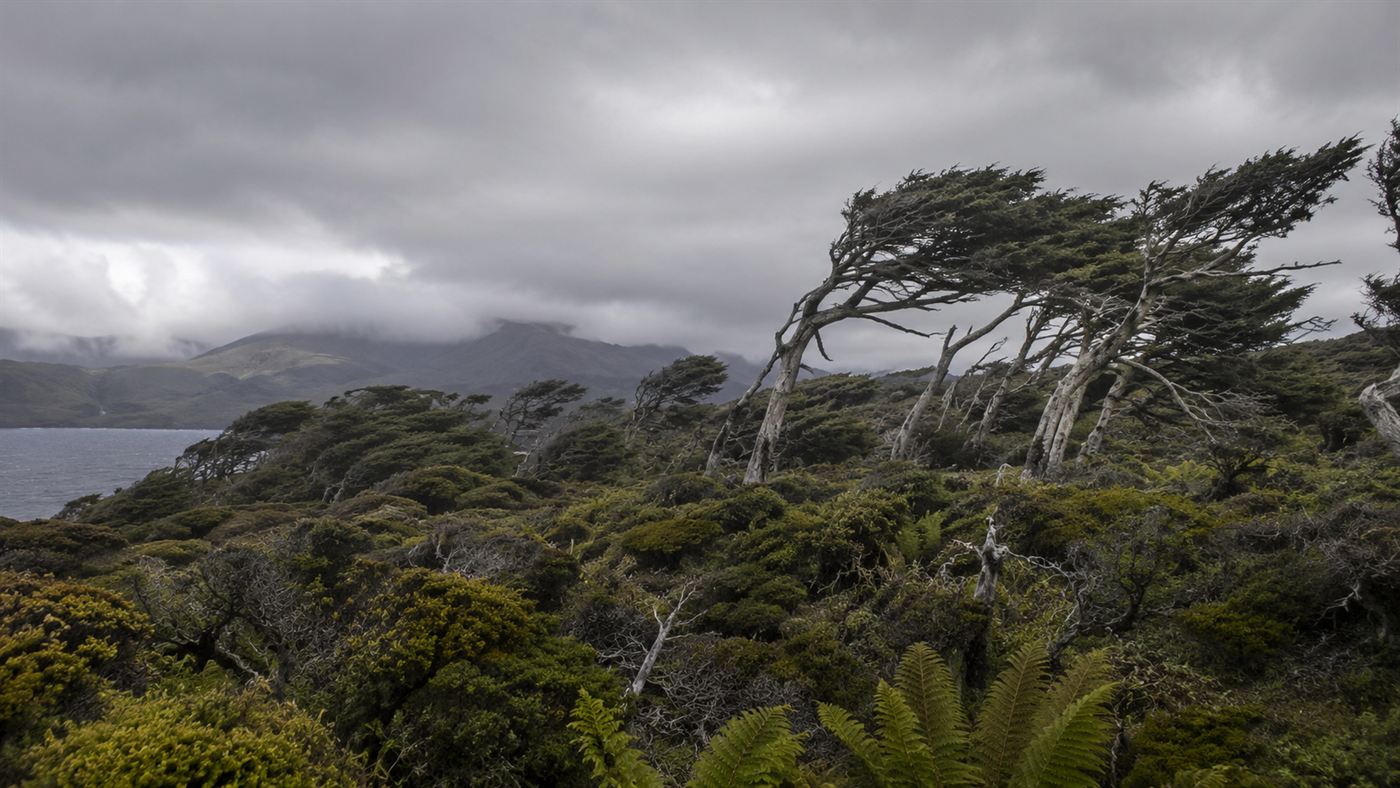
The bird had once been more widespread across the Chatham Islands, a remote group far to the east of mainland New Zealand. Rats and cats arriving with people wiped it out island by island until the last few clung on, on a single tiny, storm-battered rock called Little Mangere. By the late 1970s their scrap of forest was collapsing, and the birds were running out of time and space.
How the black robin fell to five
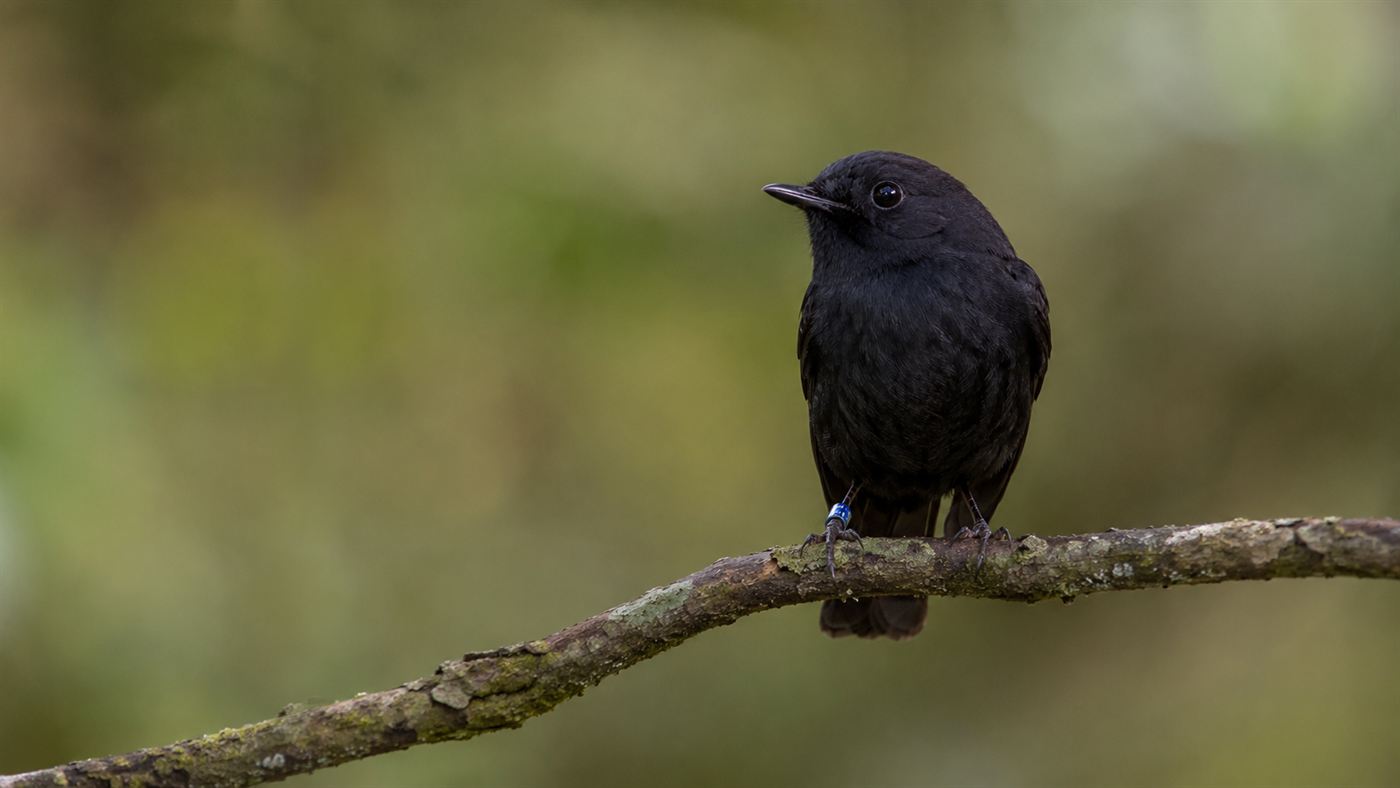
When conservationists made the desperate decision to move the survivors to better habitat on a neighbouring island, they were working with almost nothing. As Wikipedia records, just five black robins remained in the entire world, and among them only one pair could still produce young. The female of that pair was banded with a blue ring, and the team came to call her Old Blue.
She was already old for a bird of her kind, and her mate, inevitably, was christened Old Yellow. Everything now depended on whether these two could be coaxed into raising more chicks than nature would normally allow. The man who took on that impossible task was a New Zealand wildlife officer named Don Merton, who as Te Ara, the Encyclopedia of New Zealand records, had already spent years fighting to pull island birds back from the edge of extinction.
The trick that rebuilt a species
Don Merton's key insight was a technique called cross-fostering. Left alone, Old Blue would lay one small clutch of eggs a year and raise that single brood. So the team gently removed her first clutch and slipped the eggs into the nests of another local bird, the Chatham Island tomtit, which raised the chicks as its own.
Robbed of her eggs, Old Blue simply laid again, effectively doubling or tripling how many young she produced each season. It was a delicate, nerve-wracking gamble, moving the eggs of the world's rarest bird into the care of another species, but it worked. Slowly, brood by brood, the number of black robins began to climb back from the brink, all of them the children and grandchildren of one female.
Why Old Blue was a miracle
What made it possible was Old Blue herself. Black robins normally live only a few years, but she lived to around thirteen, and crucially she kept breeding late into that long life, well past the age at which she should have stopped. Without those extra years the rescue would simply have run out of time before the population was self-sustaining.
By the time she died, the species was no longer teetering on a single bird. Her descendants numbered in the dozens and then the hundreds, and as BirdLife International reports, decades later around 250 black robins were living across two predator-free islands. Every last one of them, without exception, traces its family tree back to Old Blue. It is hard to think of another animal whose entire living kind springs from one known individual.
The honest catch
As triumphant as the story is, it comes with a permanent asterisk. A species rebuilt from a single female carries an extreme genetic bottleneck, and the black robin is now one of the most inbred birds on Earth. That has real consequences, including an inherited quirk where some females laid eggs on the rim of the nest where they could not hatch, a trait the team had to learn to manage.
The black robin is also far from safe in any relaxed sense. It survives on a couple of carefully protected islands, watched over and managed, and a single disaster, a disease outbreak or a rat slipping ashore, could still undo everything. This is not a wild animal that has simply recovered and been left alone; it is a species kept alive by constant, deliberate human care, and probably always will be.
Why one small bird still matters
Even with those caveats, the black robin stands as proof of something genuinely hopeful: that even five individuals, even one fertile female, may not be the end if people are willing to try hard enough and cleverly enough. The cross-fostering methods Don Merton refined on these birds went on to help save other threatened species around the world.
Old Blue has no statue and no fame beyond the world of conservation, yet she is the ancestor of an entire species that would otherwise not exist. The next time someone says a population is too small to bother saving, the black robin is the quiet, stubborn answer, a whole kind of bird descended from one little survivor who simply refused to be the last.
An entire species of bird exists today because one female refused to die out, and people gambled on a risky trick to multiply her chicks. Is a species rebuilt from a single bird a triumph worth celebrating, or a fragile patch we should be uneasy about? Tell us in the comments.
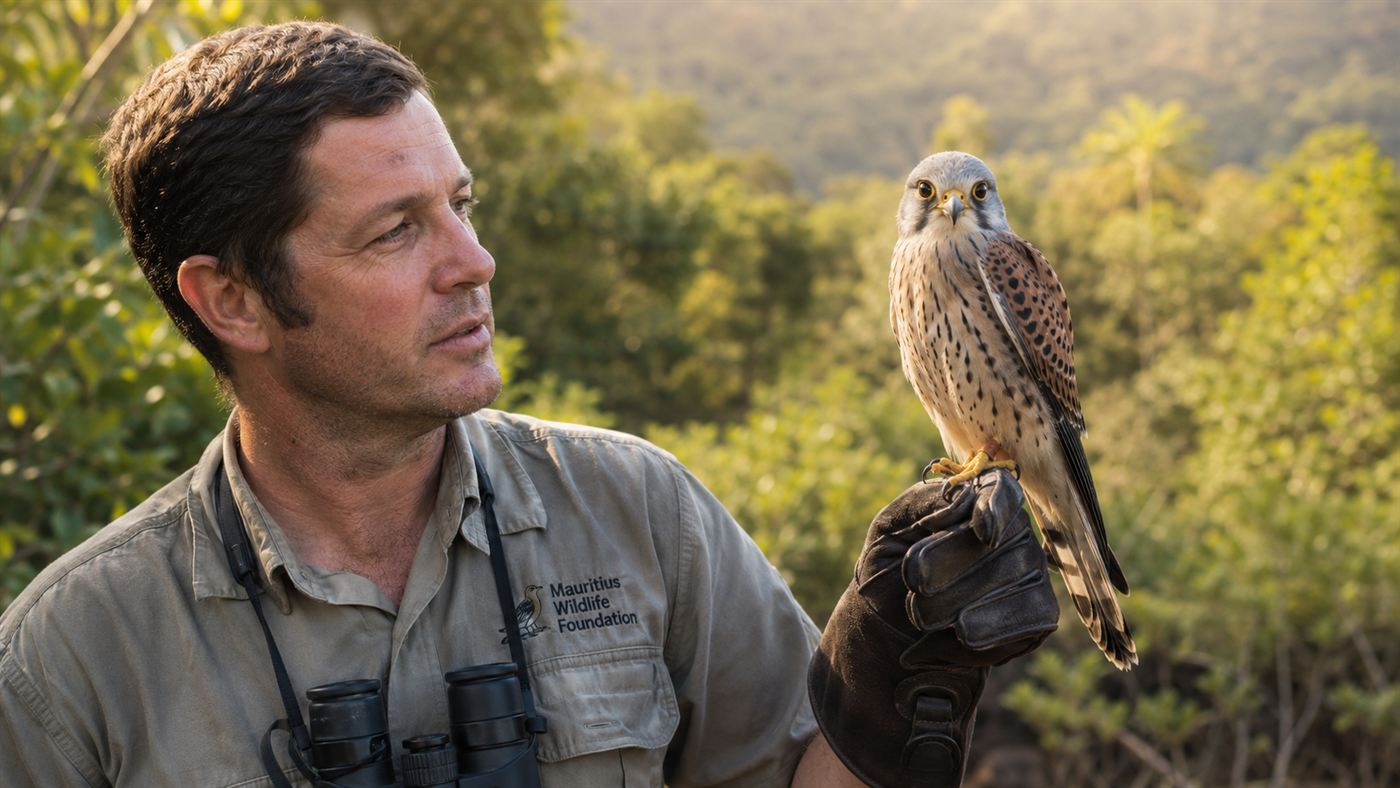
Related reading: The falcon that fell to just four birds and was hauled back from the edge.