Mountain gorillas fell to 250 animals in 1981, the woman who gave her life defending them was murdered four years later, and the species still crossed one thousand
In 1985, Dian Fossey was found murdered at her research camp in Rwanda after eighteen years protecting mountain gorillas that were vanishing in real time. By 1981, fewer than 250 survived on Earth. What the species did next, through genocide, war, and a $1,500 permit fee, became one of the most surprising comebacks in conservation history.
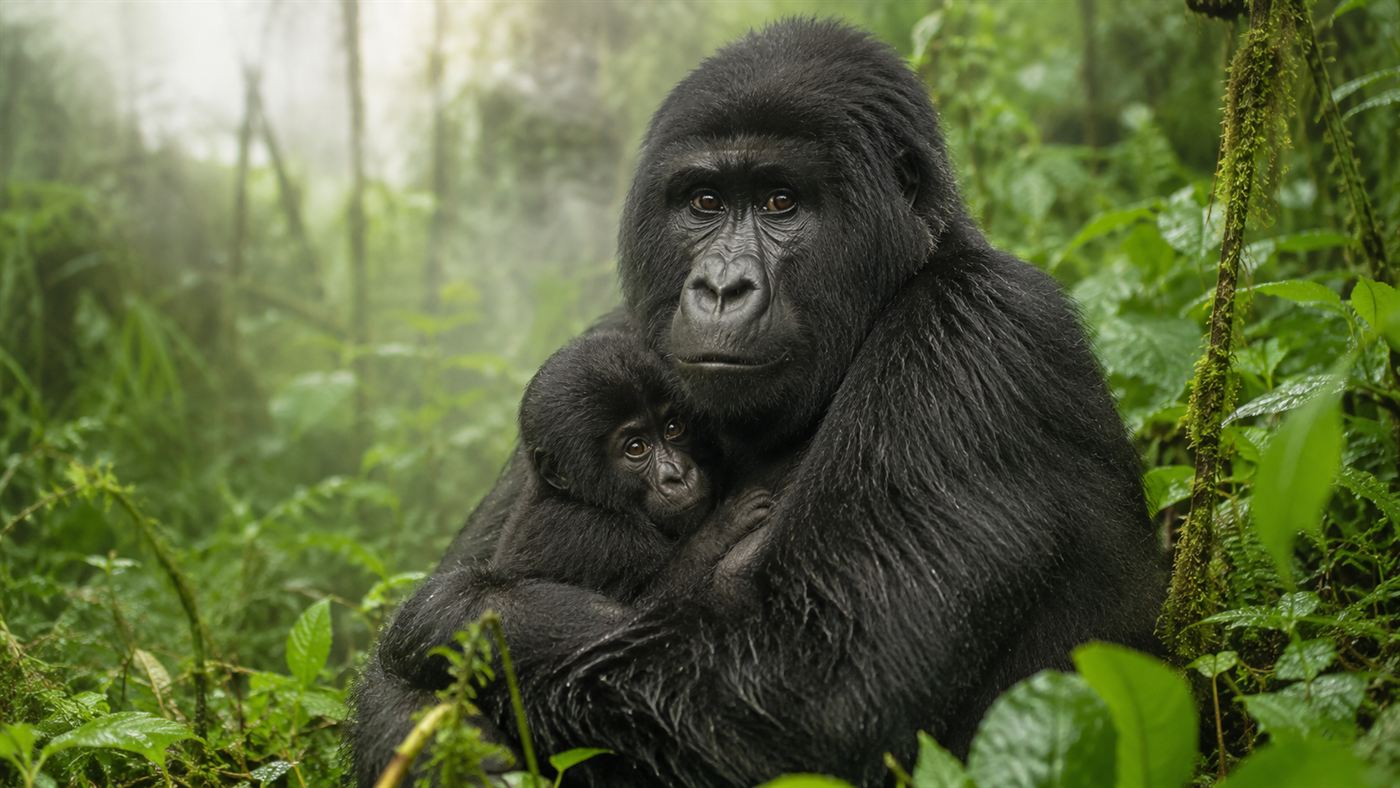
A mountain gorilla mother and infant in the Virunga mountains. In 1981, fewer than 250 of these animals survived on Earth. Illustration: Watts & Wild.
On December 26, 1985, Dian Fossey was found dead at the Karisoke Research Center in Rwanda, hacked with a machete she had confiscated from a poacher. She had spent eighteen years in the Virunga mountains cataloguing, protecting, and naming individual mountain gorillas, and her murder made front pages around the world. At the time of her death, fewer than 300 of the animals remained alive on the planet.
What happened next rewrote what wildlife conservation believed was possible. Four decades after Fossey's body was carried down the mountain, the global mountain gorilla population crossed one thousand for the first time. The species that researchers once described as a lost cause rebuilt itself through war, genocide, and persistent armed conflict, because a small number of people decided that was the only acceptable outcome.
Mountain gorillas live in two forest clusters straddling Rwanda, Uganda, and the Democratic Republic of Congo. In 1981, fewer than 250 survived. By 2018, a survey counted 1,063 and the IUCN moved the species from critically endangered to endangered, one of the only genuine red-list improvements ever recorded for any great ape.
The mountain gorilla population recovery began at the edge of extinction
The mountain gorilla was formally described by Western science in 1902, when a German officer shot two individuals in the Virunga volcanoes to bring home as specimens.
By the 1970s, three forces were pushing the species toward oblivion: habitat loss as farms crept uphill into the forest, the illegal wildlife trade that killed adults to capture infants for overseas zoos, and direct poaching for body parts sold as trophies.
Surveys in the early 1980s produced a number that stopped biologists cold: roughly 254 mountain gorillas, confined to two disconnected patches of Central African forest.
No other endangered species of great ape had survived at numbers that low.
The mountain gorilla was, on paper, past the threshold that most wildlife conservation models considered recoverable without extraordinary intervention.
Every individual alive today is descended from animals that survived that bottleneck.
Dian Fossey and the eighteen years that changed everything
Dian Fossey arrived in Rwanda in 1967 with almost no field experience and an obsession with great apes she had glimpsed briefly two years earlier.
She established the Karisoke Research Center at 3,000 metres on the slopes of Mount Karisimbi, surviving altitude sickness, hostile officials, and the death threats that accompanied her increasingly confrontational stance against poachers.
Her method was radical for its time: prolonged direct contact with individual gorilla families, whom she named, tracked across years, and eventually habituated to human presence.
When her favourite gorilla, Digit, was killed by poachers on New Year's Eve 1977 and his head and hands removed as trophies, Fossey used the international outrage to create the Digit Fund, which became the Dian Fossey Gorilla Fund International, still the largest long-running field study of wild mountain gorillas on Earth.
She was murdered at 53, her killer never definitively identified.
But the infrastructure Dian Fossey built, the habituated families, the census methodology, the research station, made everything that followed in wildlife conservation possible.
Her 1983 book, Gorillas in the Mist, and the 1988 Sigourney Weaver film brought a generation of researchers and donors to the Virunga region and kept the mountain gorilla visible to the governments and funders whose support proved decisive.
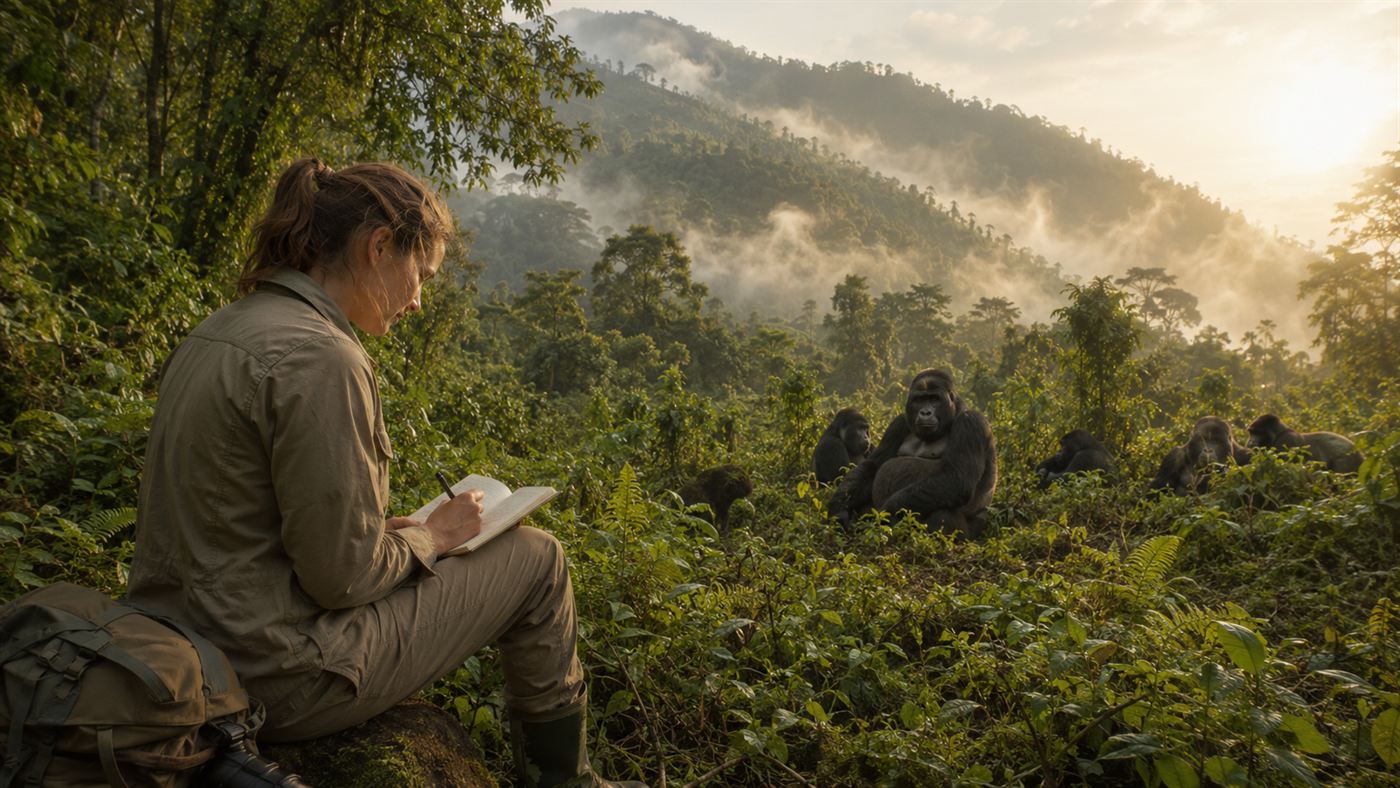
How did gorillas survive a genocide?
In April 1994, one of the twentieth century's worst atrocities began in Rwanda.
Over one hundred days, an estimated 500,000 to 800,000 people were killed.
The country's institutions collapsed almost overnight.
Staff abandoned Karisoke and the buildings were looted and burned.
For most of the world, wildlife conservation looked like a luxury Rwanda could not afford.
The mountain gorillas survived because the forest did.
The Virunga volcanoes span the borders of Rwanda, Uganda, and the DRC, and the animals range across all three without regard for national lines.
Conservation staff in Uganda and the DRC kept monitoring throughout the violence.
A handful of Rwandan rangers stayed in the forest through the worst of it.
After the genocide ended, international wildlife conservation organisations returned quickly, partly because the economic case for gorilla tourism was already established.
The gorilla families emerged from those hundred days with no reported losses to poaching.
It was the first evidence that the species was more resilient than its numbers suggested, and that the ecosystem itself could act as a buffer no single policy decision could remove.
The rangers who die to protect an endangered species
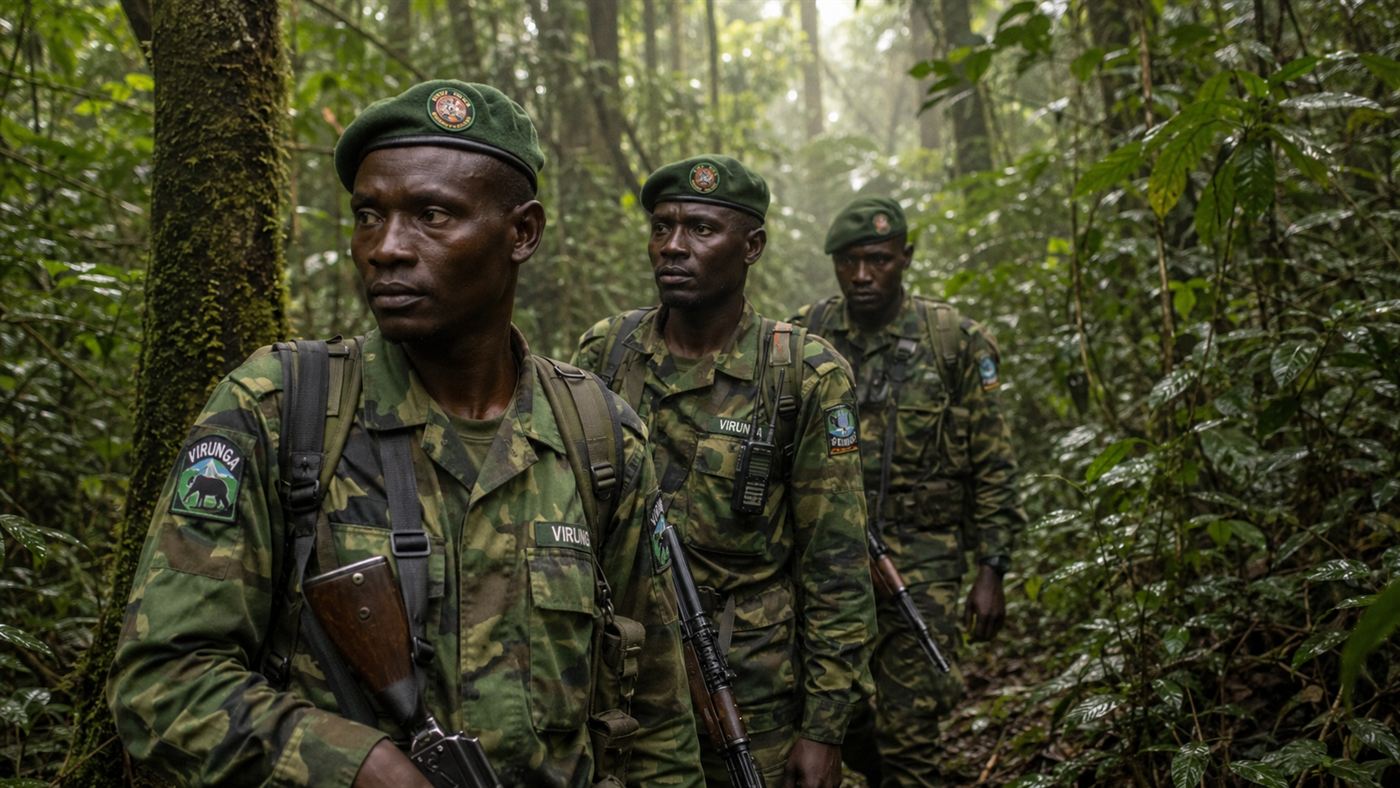
Virunga National Park in the DRC has one of the most dangerous wildlife jobs on Earth: more than 200 rangers have been killed there since 1996, most by armed groups that use the forest as cover and some by poachers responding to enforcement pressure.
The park sits in eastern DRC, a region that has experienced near-continuous conflict for three decades.
The Congolese wildlife authority and the Virunga Foundation have continued to operate through rebel incursions, military operations, and the brief occupation of park headquarters.
Rangers earn roughly $200 per month.
Many support large extended families on that wage.
All of them know the statistics.
Andre Bauma, who became internationally known after the 2014 Netflix documentary Virunga, described the work plainly: protecting the mountain gorilla is protecting the economic future of the communities that live alongside the park.
Since 2004, gorilla-related tourism has brought an estimated $17 million per year to the DRC economy in direct fees before conflict repeatedly disrupted the sector.
Why a $1,500 permit became the most effective tool in wildlife conservation
The decision that most transformed mountain gorilla protection was also the most counterintuitive: charging visitors more money than almost any other wildlife experience on the planet.
Rwanda's permit to spend one hour with a habituated gorilla family currently costs $1,500.
Uganda's permit is $800.
The revenue funds rangers, community benefit programmes, and direct management of the gorilla habitat.
Rwanda's Volcanoes National Park brought in more than $20 million in gorilla tourism revenue in 2019, the last full year before the pandemic closed the sector.
The model works because mountain gorillas are sufficiently rare, and the experience sufficiently extraordinary, that visitors will pay at a level that makes the forest worth more to host governments standing than cleared.
A 2016 study in PLOS ONE found that each mountain gorilla generated approximately $4,000 per year in tourism value, giving Rwanda and Uganda a direct financial incentive to protect the endangered species that no abstract conservation argument could have created.
The gorilla permit model is now cited as a template for endangered species financing worldwide.
It works partly because of what Dian Fossey built: tourists can only safely observe mountain gorillas because decades of patient habituation created the trust that close encounters require.
The Mauritius kestrel recovery, where intensive fieldwork by Carl Jones turned four surviving birds into 350, followed a similar logic: invest enough in one species to make the case that the investment pays back.
The kakapo in New Zealand, managed so closely that rangers fly frozen sperm between islands to improve genetic diversity, represents the same bet taken to its extreme: that highly managed wildlife conservation is better than no wildlife at all.
The honest catch
One thousand mountain gorillas is still an extraordinarily fragile number.
The entire world population fits inside a large sports stadium.
All of them live in two forest patches covering roughly 780 square kilometres combined, and those forests remain under pressure from agriculture, charcoal production, and oil exploration proposals that have repeatedly surfaced for blocks inside the national park boundaries.
The eastern DRC has seen renewed escalation of conflict since 2021, with armed groups approaching the edges of Virunga National Park.
Gorilla tourism in the DRC has nearly collapsed, eliminating the revenue that funds the rangers who protect this endangered species.
Respiratory illness remains the single greatest acute threat to individual animals, because their genetic proximity to humans makes them susceptible to diseases that would be manageable in a larger population.
Six mountain gorillas died in a respiratory outbreak at Bwindi Impenetrable National Park in January 2024.
The species was reclassified from critically endangered to endangered in 2018, and that is a genuine milestone in the history of the field.
But endangered is not safe.
A thousand animals is one bad disease wave, one prolonged conflict, or one major policy reversal away from the crisis numbers of 1981.
The conservation infrastructure that Dian Fossey built, and that the rangers who followed her have defended with their lives, has done something remarkable.
It has not yet made the mountain gorilla safe.
More from Watts & Wild
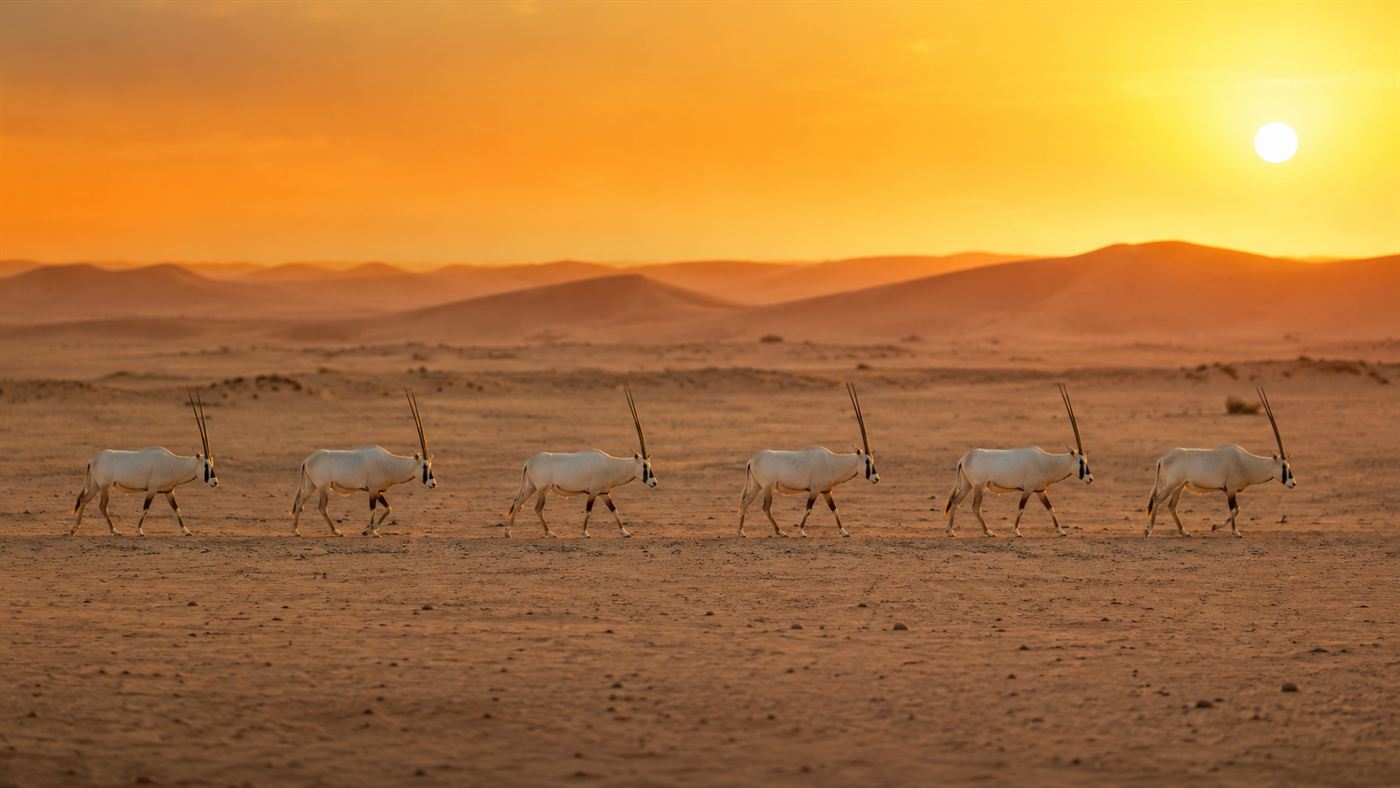 The Arabian oryx was declared extinct in the wild in 1972, and nine zoo animals became the founders of a species that runs free again
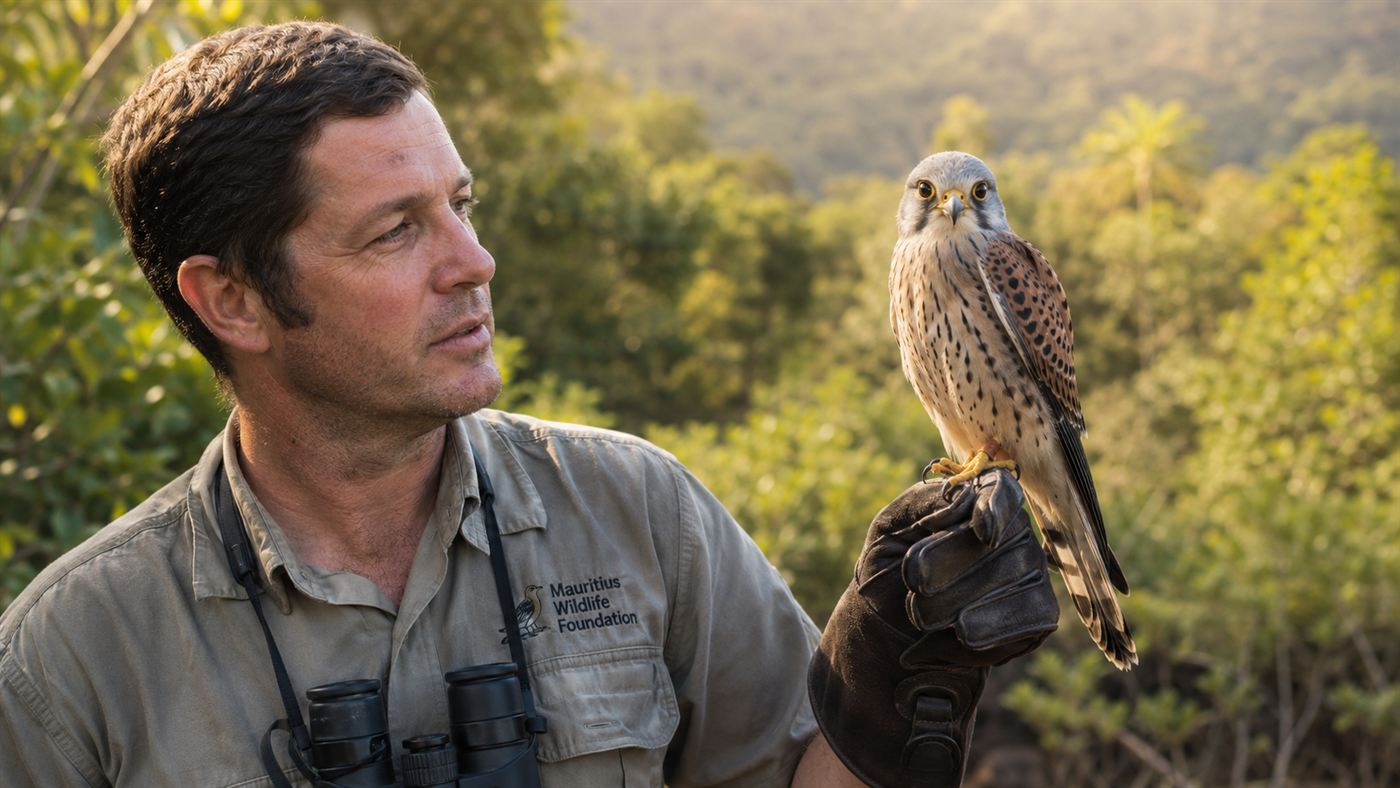 Mauritius kestrel: the world's rarest bird came back from four surviving individuals
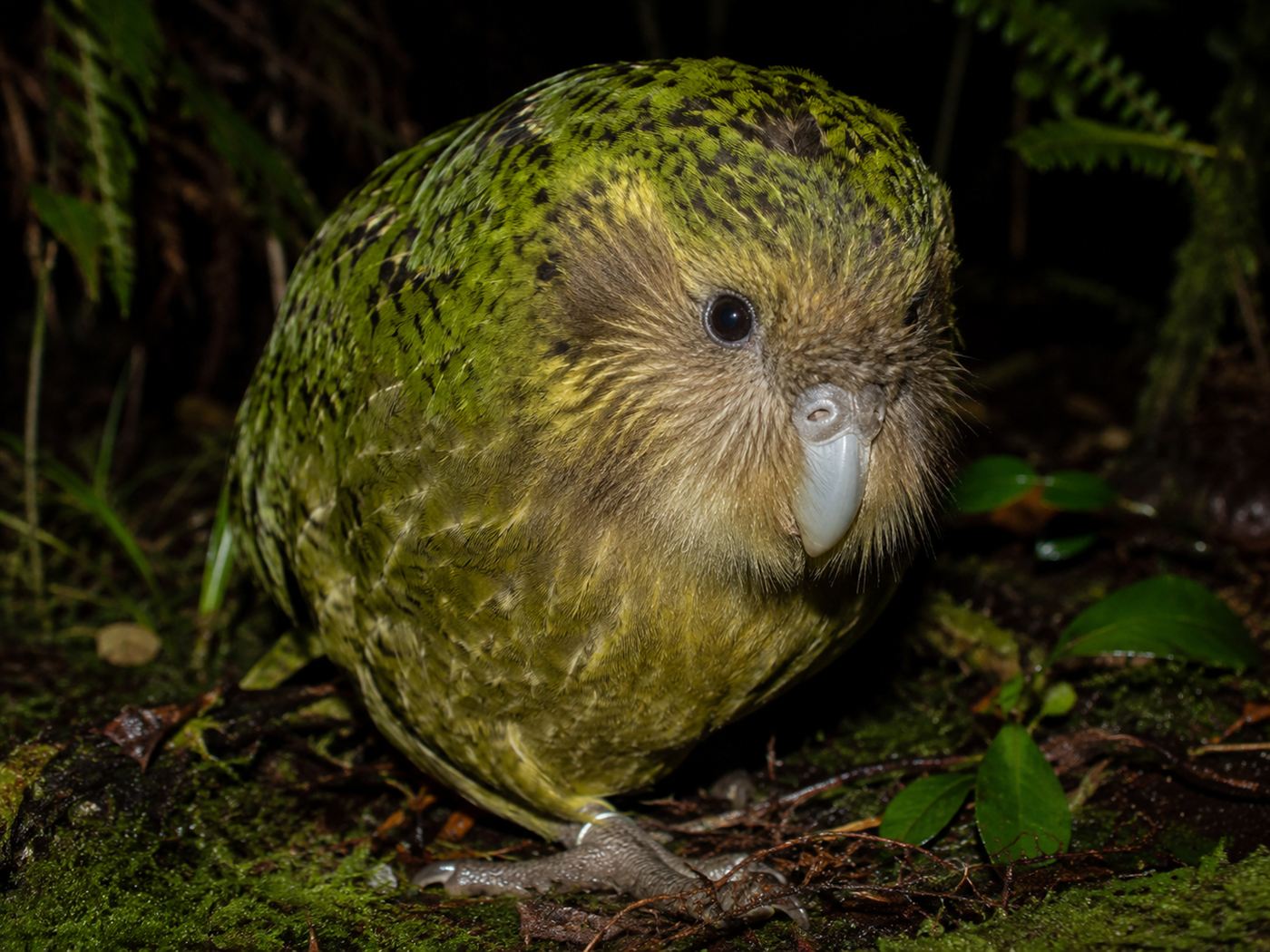 New Zealand's kakapo bounced back from 51 birds to a record breeding season
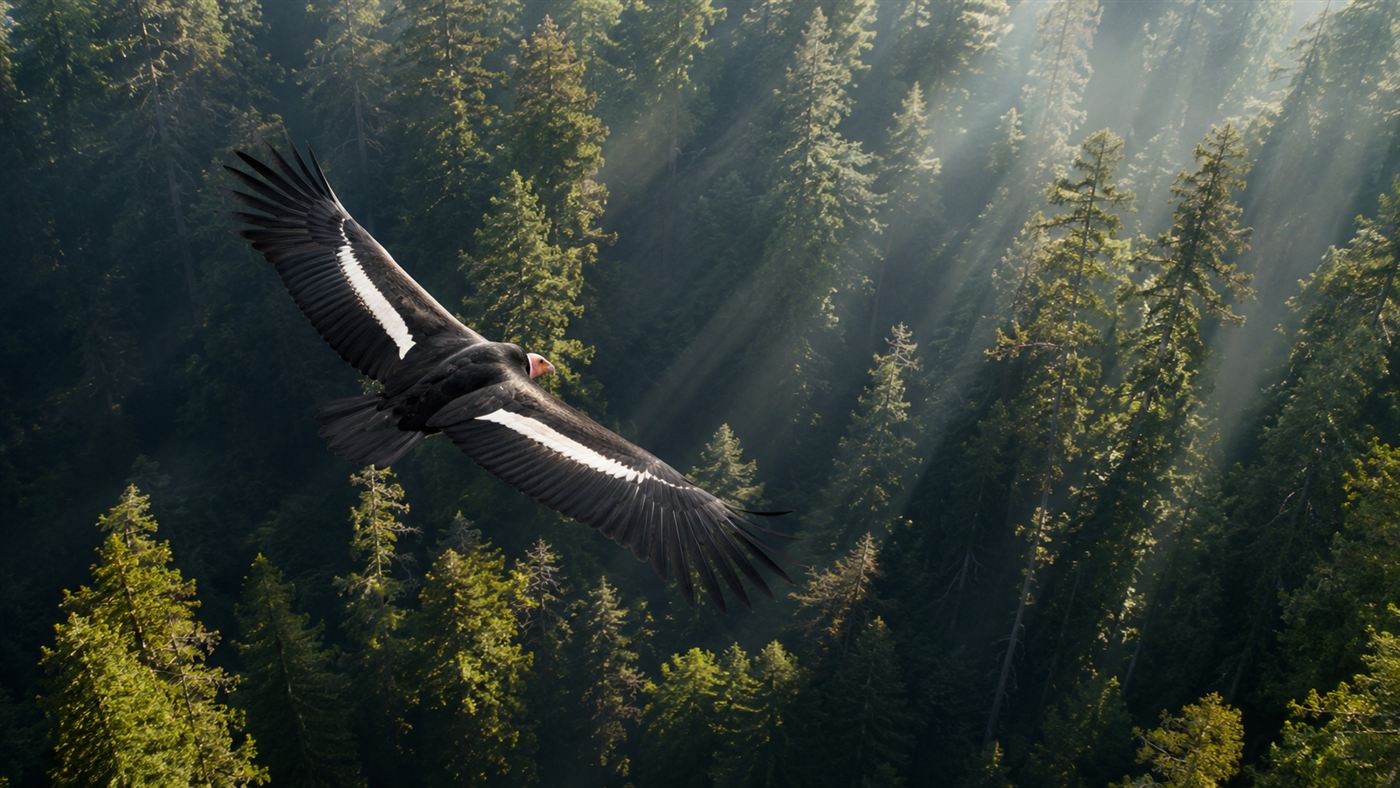 California condor captive breeding brought the species back from 22 wild birds
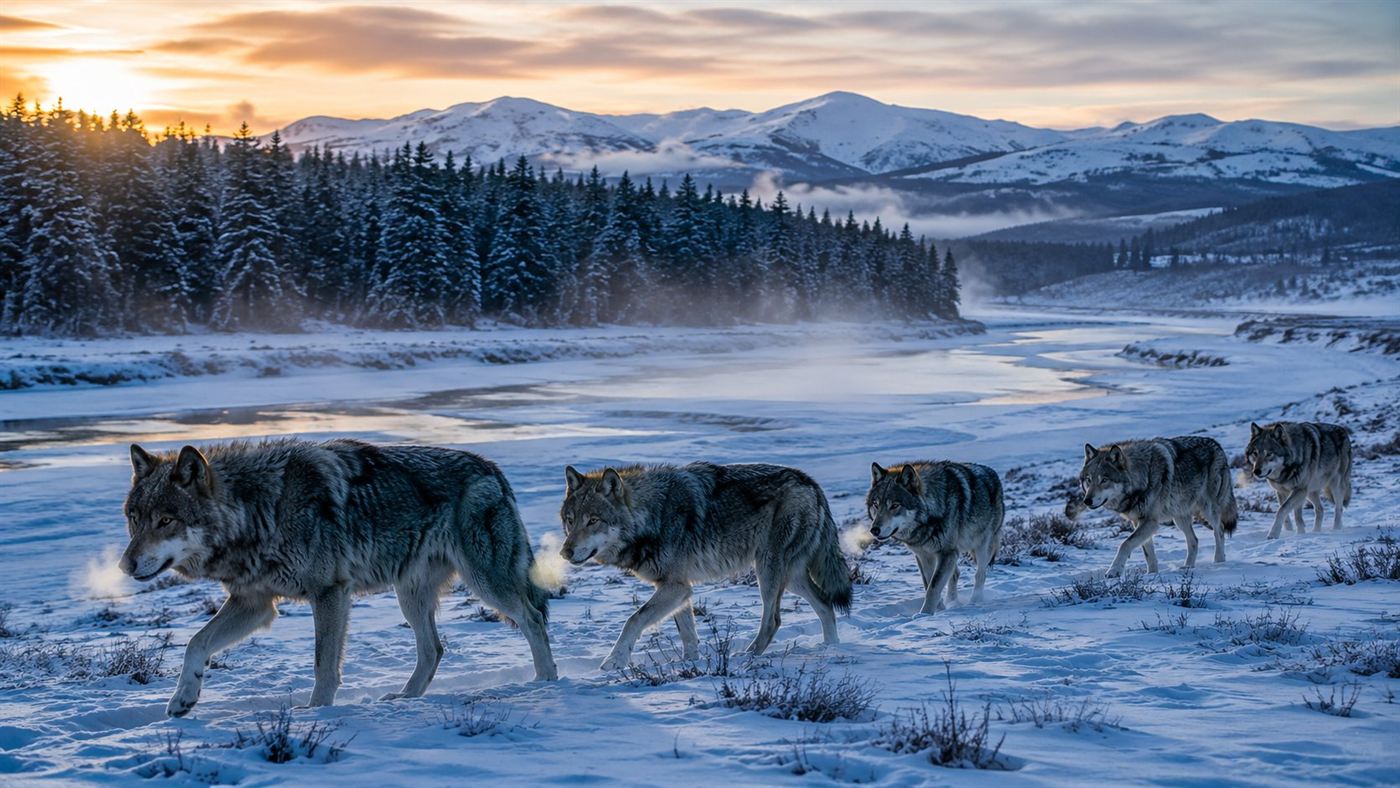 How the return of wolves to Yellowstone changed the course of rivers
Would you pay $1,500 to spend an hour with a mountain gorilla family, knowing that permit fee is the main thing keeping the species alive? Tell us in the comments.