NASA lost a 327 million dollar spacecraft at Mars because one team wrote its numbers in metric units and another read them in imperial, and no one caught the mistake until it was gone
It took years of work, a rocket launch and a 400-million-mile journey across the solar system to get a spacecraft to Mars. It took a single unnoticed mix-up between pounds and newtons to destroy it. The most expensive typo in the history of space travel was, in the end, a units error.
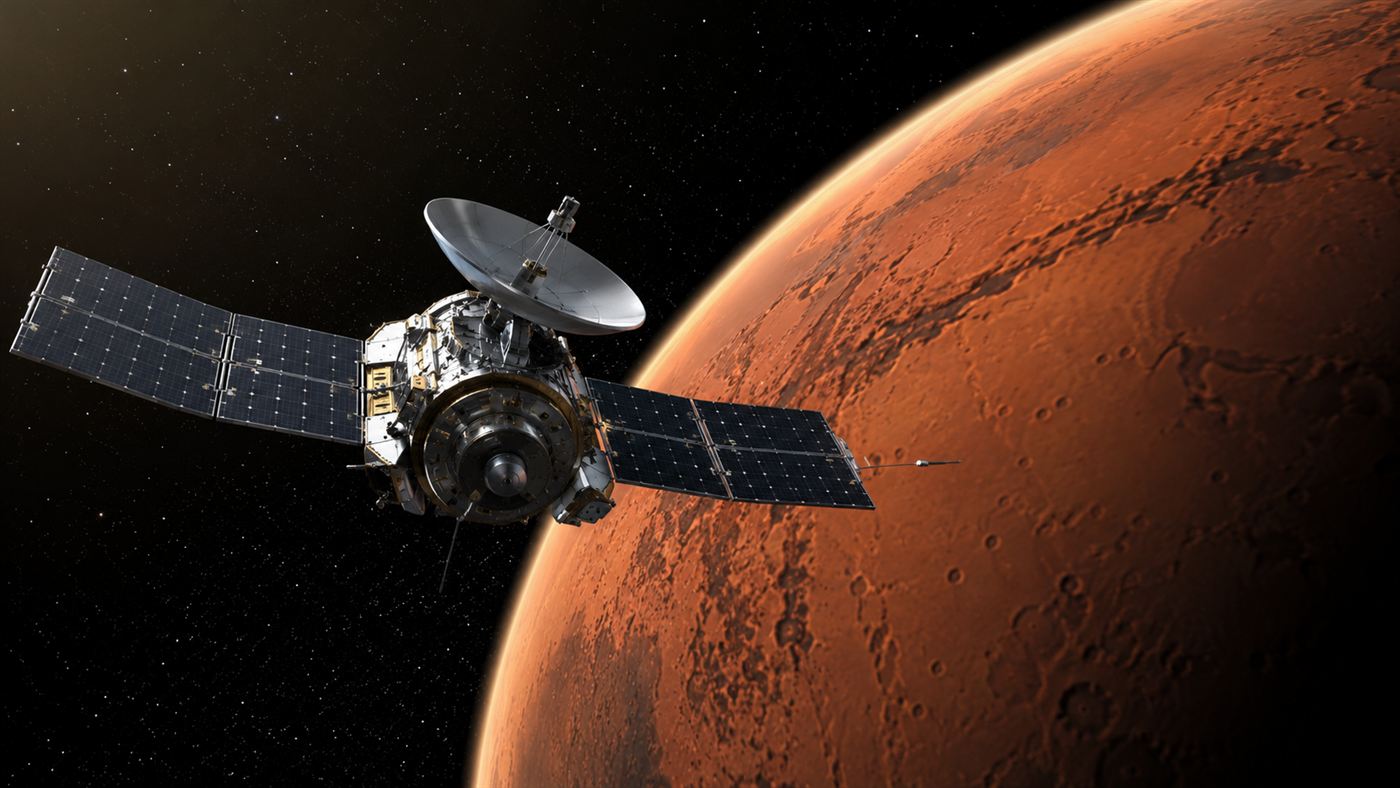
The Mars Climate Orbiter crossed the solar system, then vanished at the finish line. Illustration: Watts & Wild.
In December 1998, NASA launched the Mars Climate Orbiter, a robotic probe built to study the Martian atmosphere and weather and to relay signals from a companion lander. It was a flagship of the agency's ambitious, low-cost approach to exploring the red planet, and for nine months it flew flawlessly toward its destination.
Then, on September 23, 1999, as the spacecraft slipped behind Mars to fire its engine and slide into orbit, it went silent. It never came back. The orbiter had flown far too close to the planet, dipping deep into the atmosphere where it was torn apart or flung off into space. And the reason was almost too embarrassing to say out loud.
The short version: the Mars Climate Orbiter was lost because two teams used different units. Lockheed Martin's software reported the thrusters' force in imperial pound-force, while NASA's navigation team assumed the numbers were in metric newtons. The mismatch nudged the probe off course, and it flew too low into Mars and was destroyed.
The Mars Climate Orbiter's perfect flight to the wrong place
Nothing was visibly wrong for most of the journey. The probe launched cleanly, coasted across interplanetary space, and steered itself with small thruster burns to stay on course. On the surface, everything looked healthy, and the mission seemed destined for a routine arrival.
But hidden in the numbers, the aim was slowly drifting. Each little correction was calculated with a subtle error baked in, and over hundreds of millions of miles those tiny discrepancies added up. By the time the spacecraft reached Mars, it was set to pass the planet dozens of miles lower than intended, low enough to be fatal.
How a units mismatch doomed it
The root of the disaster was a mismatch between two pieces of software written by two different organizations. The spacecraft was built by Lockheed Martin, whose ground software calculated the gentle pushes of the thrusters in imperial pound-force. NASA's own navigation software at the Jet Propulsion Laboratory, meanwhile, expected those figures in metric newtons.
Because a pound of force is about four and a half newtons, every thruster value was off by that factor, and no one had checked that the two systems were speaking the same language. One team was quietly doing the math in one measurement system while the other read the answers in a completely different one. The spacecraft did exactly what it was told; it was told the wrong thing.
Why didn't anyone catch it?
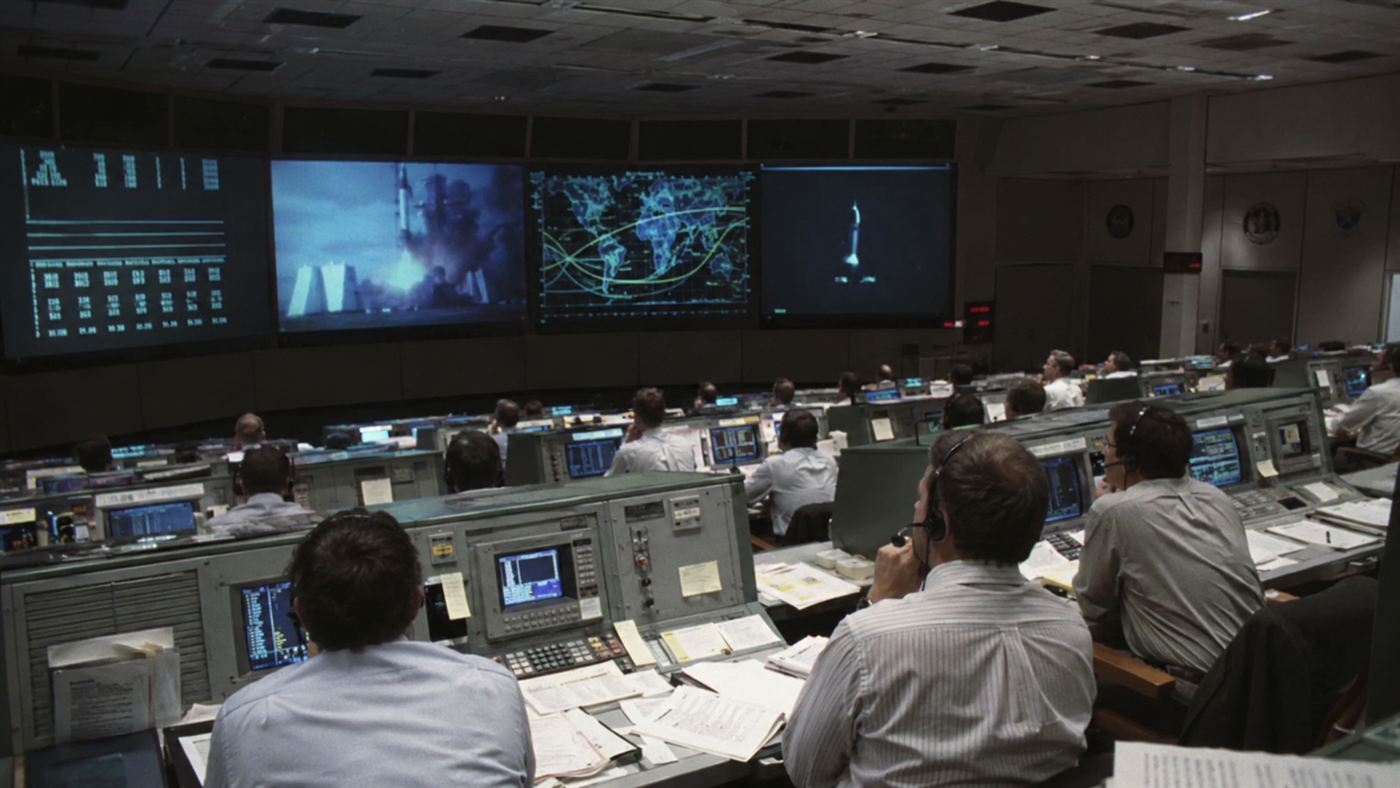
This is the part that haunts engineers. The error was not some exotic failure of physics; it was a discrepancy that a single careful cross-check should have exposed. But the two teams were working somewhat separately, the small navigation anomalies during the cruise were noticed yet not fully run to ground, and the assumption that everyone was using metric went unquestioned.
The later investigation was blunt about it. The real failure was not one programmer's slip but a process that let two groups hand data back and forth for months without ever confirming the units. It was a systems and communication breakdown as much as a coding one, the kind of gap that hides in plain sight on any complex project.
What the disaster changed
Losing a spacecraft in such a simple way was a painful humiliation for NASA, but it was not wasted. The failure became one of the most cited case studies in engineering, a permanent reminder to specify units explicitly, to check the seams between teams, and never to assume that an obvious thing is obvious to everyone.
It hardened habits that are now second nature in serious engineering, from labeling every quantity with its units to building in independent reviews at the boundaries where one team's work feeds another's. The orbiter was gone, but the lesson it burned into the profession has quietly protected countless missions since.

The honest catch
It is a great story to laugh at, the mighty space agency undone by grade-school arithmetic, but the mockery misses the point. The people involved were brilliant, and that is exactly why it is frightening. A disaster this trivial did not require incompetence; it only required a small, reasonable assumption that no one thought worth double-checking.
That is the real lesson of the Mars Climate Orbiter, and why it still gets taught. The biggest failures often are not the hard problems everyone is watching, but the boring, simple ones everyone assumes are already handled. The universe does not care how clever you are. It only checks whether your numbers agree.
A spacecraft crossed the solar system perfectly and then died at the finish line over a mix-up any schoolchild is warned about. How many disasters, do you think, come not from hard problems but from the simple ones nobody bothered to check? Tell us in the comments.
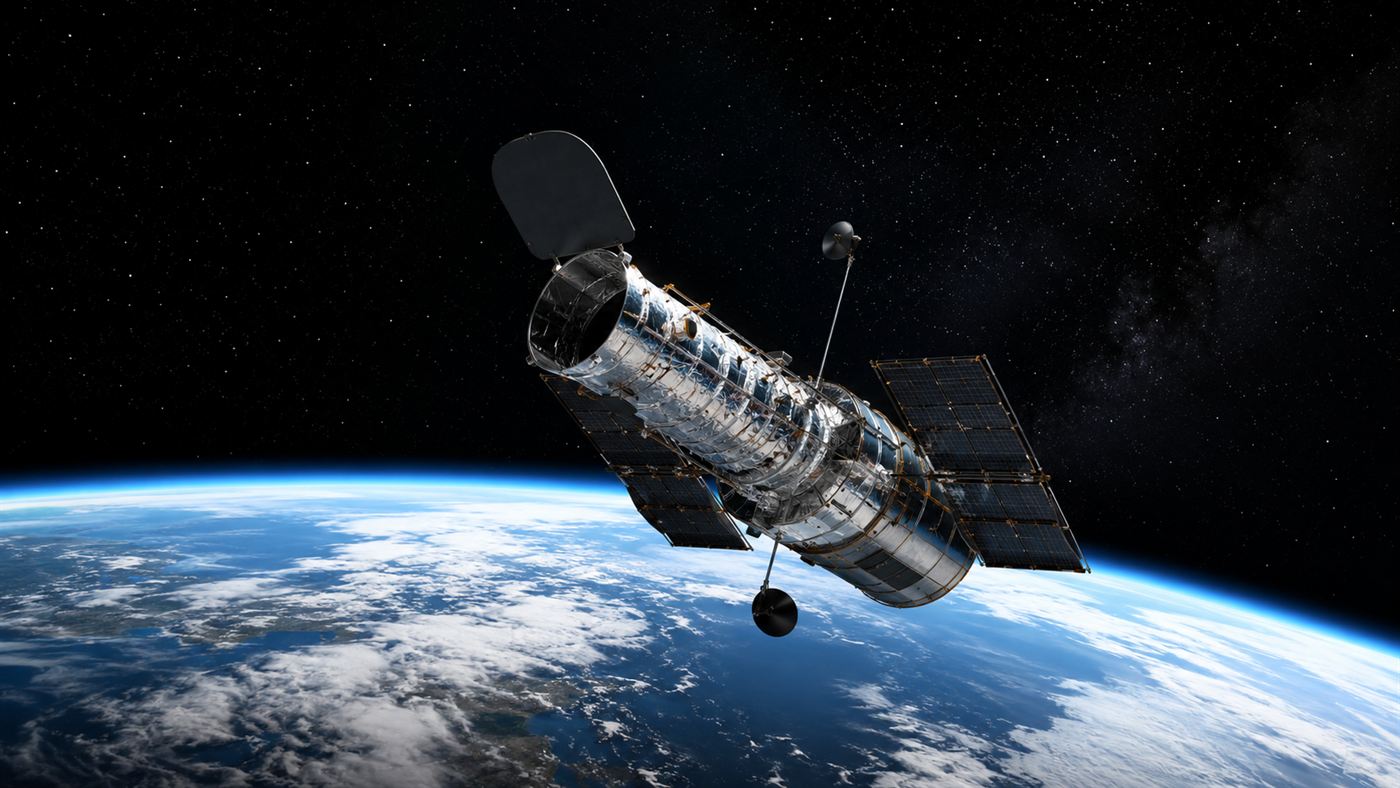
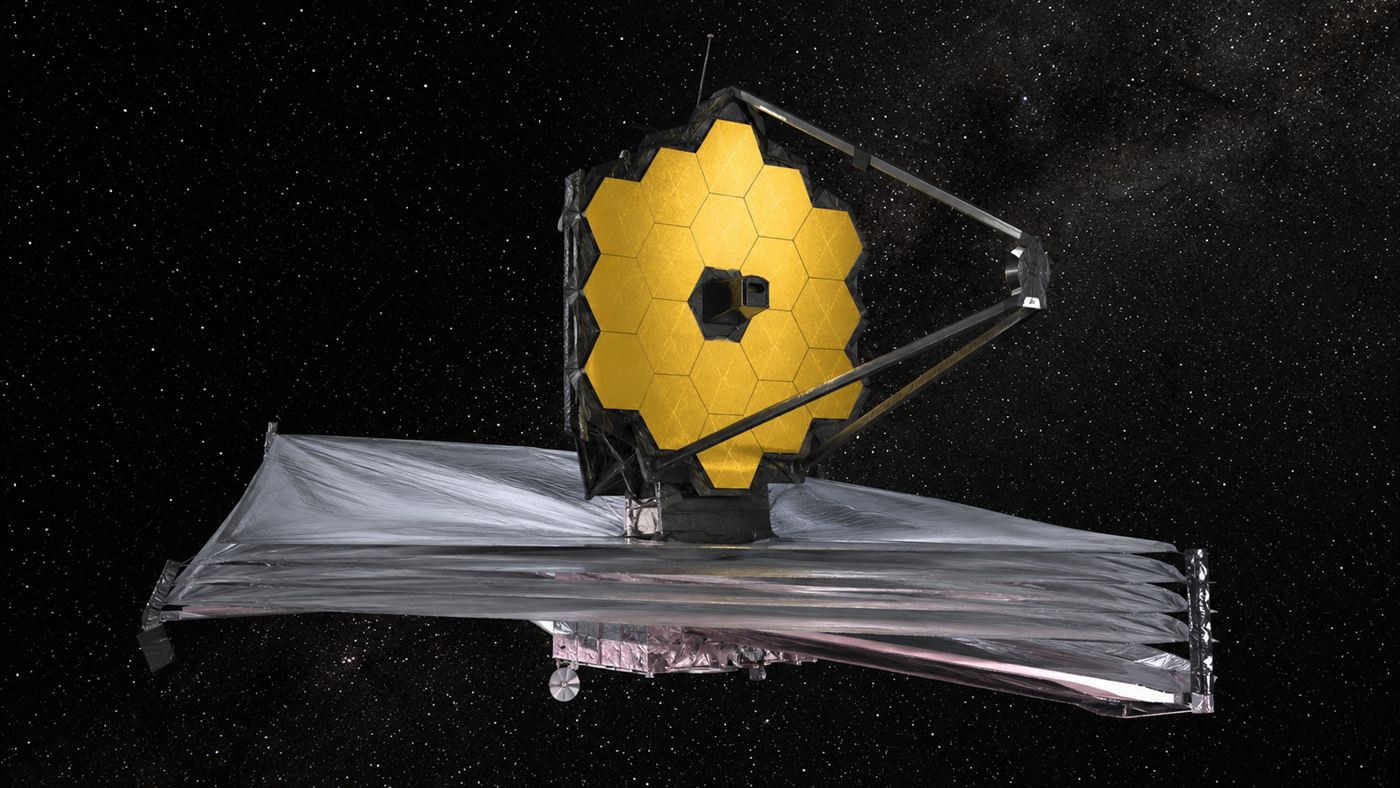
Related reading: the Hubble Space Telescope, launched nearly blind by a mirror ground to the wrong shape. See also the James Webb Space Telescope that folded like origami to reach deep space. See also how Skylab fell from orbit and rained debris on Australia. See also the Genesis probe, which crashed because its sensors were upside down, and Mariner 1, undone by the most expensive hyphen in history.