In 1979 America's first space station fell out of orbit and rained flaming debris across the Australian outback, and the whole world spent weeks nervously asking where it would hit
It had been a proud symbol of the space age, a home in orbit where astronauts lived for months. Five years later it was a 75-tonne piece of junk falling out of the sky with no one at the controls, and an entire planet looked up and wondered, only half joking, whether it would land on their heads.
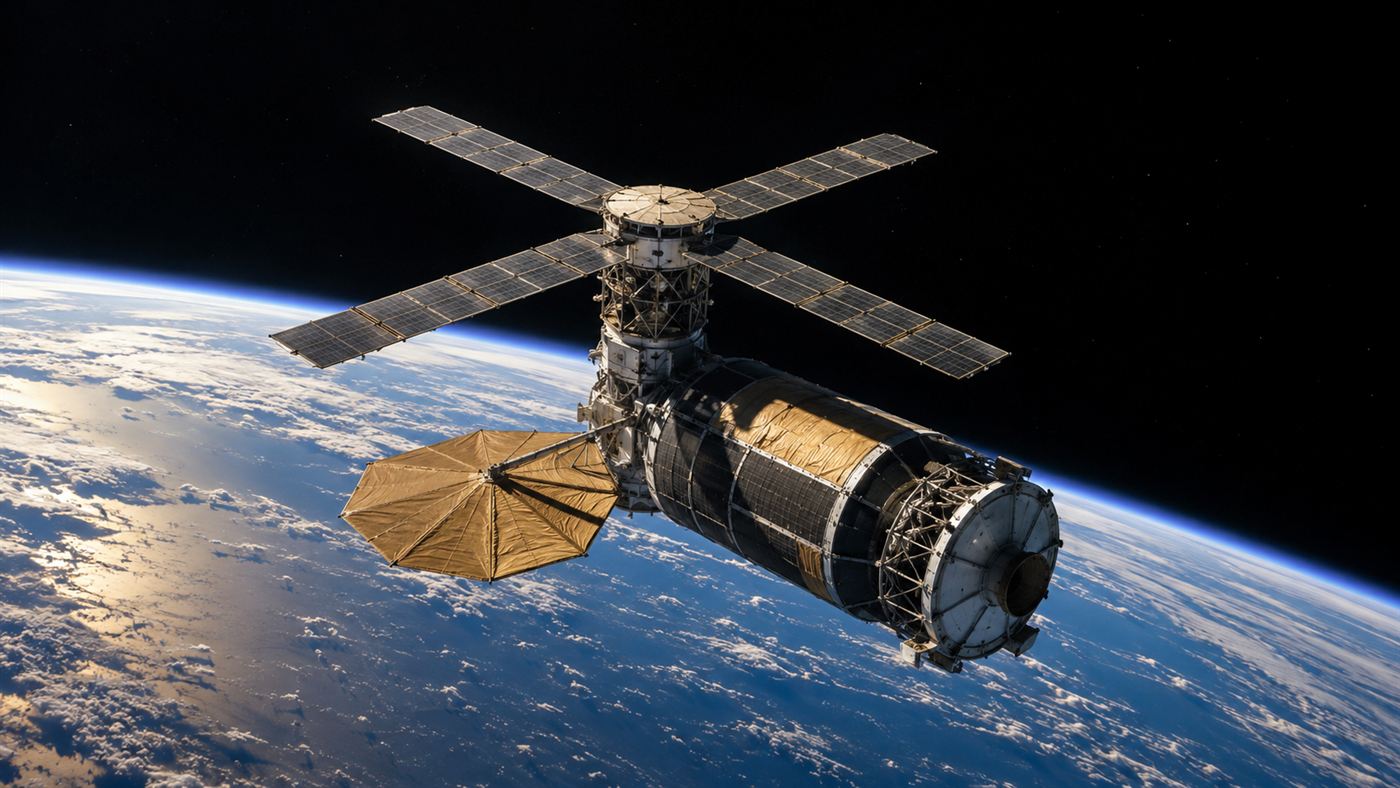
Skylab was America's first space station and, for a while, its pride. Illustration: Watts & Wild.
When it launched in 1973, Skylab was a genuine triumph. It was the first American space station, a roomy laboratory built partly from a leftover rocket stage, and over the next year three crews lived aboard it for weeks at a time. They studied the Sun, photographed the Earth and learned how human bodies hold up during long stretches in weightlessness.
Then the visits stopped. The last crew came home in early 1974, and Skylab was left circling the planet empty, waiting for a ride that never came. The plan had been for the new Space Shuttle to fly up, grab it, and boost it to a safer altitude, but the Shuttle was running years behind schedule.
The short version of what happened next is almost comic. The proudest object America had ever put in orbit slowly slipped lower and lower, until it came screaming back through the atmosphere over the Australian desert, and the whole world had front-row seats to its long, public fall.
The station that ran out of time
The station was never designed to stay up forever, but it should have lasted long enough to be rescued. Two things went wrong. The Space Shuttle, the vehicle meant to save it, kept being delayed, and there was simply no other craft that could reach the station and push it higher.
At the same time, the Sun grew unexpectedly active. A stronger-than-forecast burst of solar activity heated and puffed up the upper atmosphere, so the thin air reached higher than usual and dragged on the station with every orbit. It began losing altitude faster than anyone had planned for, and the clock on its life started running out early.
Why Skylab came crashing back to Earth
By 1978 it was clear the station was coming down, and that no rescue would arrive in time. The question was no longer whether it would fall, but when and where, and the honest answer from the engineers was that they could not say precisely. Predicting the re-entry of a large tumbling object is fiendishly hard.
NASA did what it could. Controllers adjusted the station's orientation to nudge its path, hoping to drop the wreckage into the vast emptiness of the southern oceans and away from cities. But the margins were small and the uncertainties large, and as the final days approached, the world's nervous excitement built into a full-blown media circus.
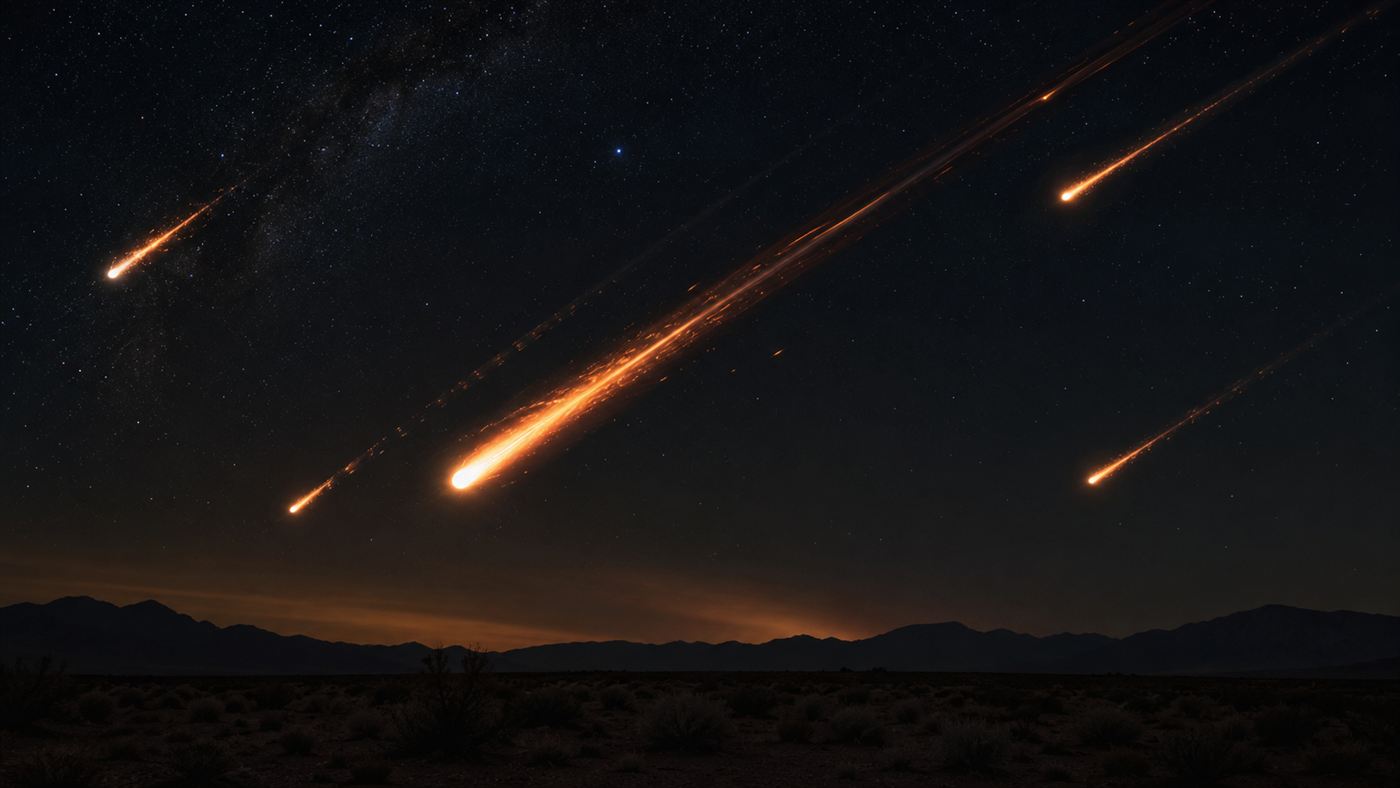
A planet watching the sky
The summer of 1979 turned the doomed station into a strange global celebrity. Newspapers ran maps of possible crash zones, shops sold hard hats and joke insurance, and people threw Skylab parties to watch for it. One American paper offered a cash prize for the first genuine piece delivered to its office, turning the fall into a worldwide treasure hunt.
Underneath the fun ran a thread of real anxiety. The station weighed dozens of tonnes, and while most of it would burn up, some heavy parts were expected to survive all the way to the ground. Nobody knew whose patch of the planet those glowing chunks might choose, and for a few weeks that uncertainty hung over the entire world.
Where did Skylab actually land?
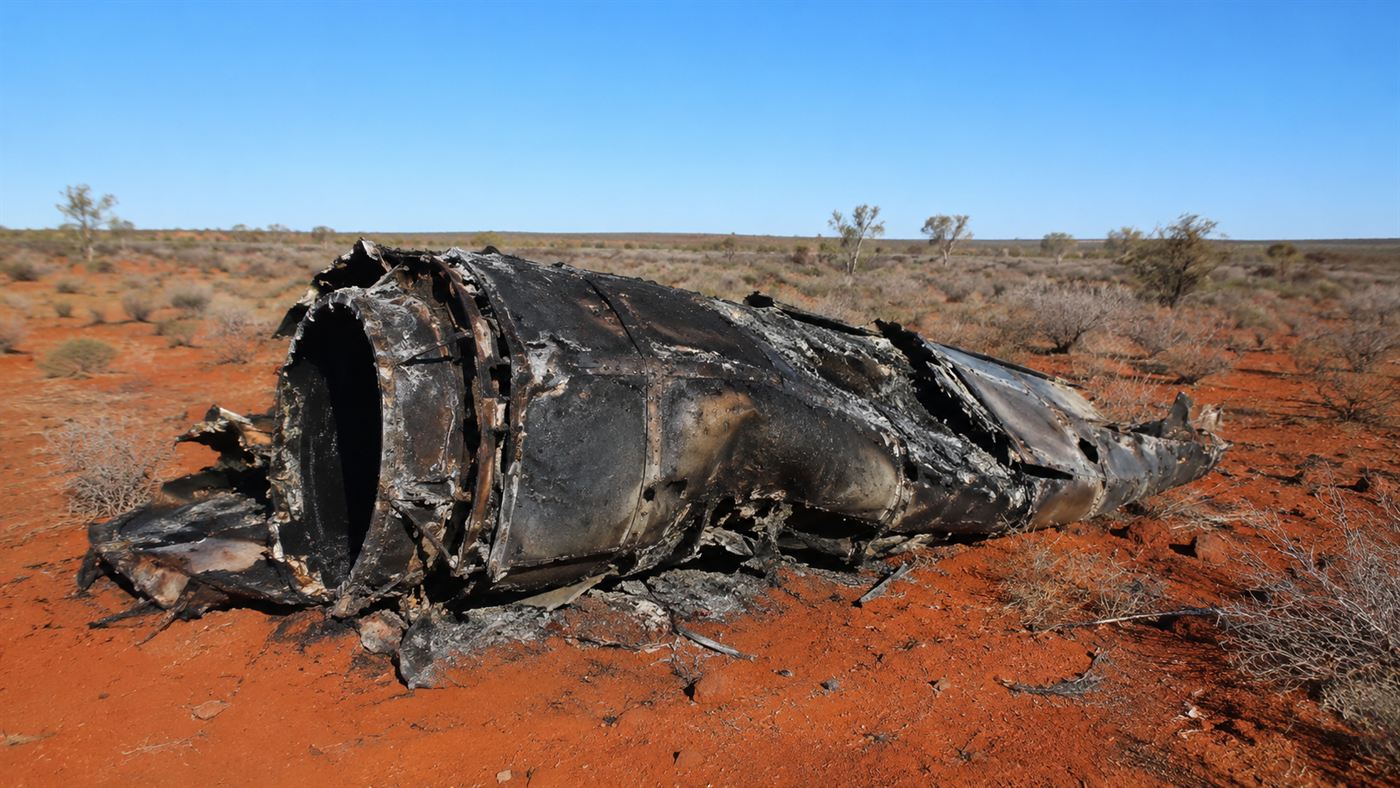
On 11 July 1979, Skylab finally came down. It broke apart in a dazzling cascade of fireballs, and although much of it fell into the southern Indian Ocean as hoped, the station held together a little longer than planned. The result was a long trail of debris scattered across a remote stretch of Western Australia, around the small town of Esperance. It was a corner of Western Australia so empty that the odds of hitting anyone were slim.
Remarkably, not a soul was hurt. Locals wandered out to find twisted, scorched fragments of the station lying in the scrub, and a teenager who scooped up some pieces flew them to America to claim that newspaper prize. In a final flourish of good humour, the local council solemnly fined NASA 400 dollars for littering, a bill that went cheerfully unpaid for thirty years.
The honest catch
It is easy to remember the fall as a slapstick failure, but that is not quite fair. NASA did not simply let it drop; controllers actively steered the re-entry toward open water, the odds of any one person being struck were tiny, and in the end no one came to harm. The circus was real, but so was the effort to bring it down responsibly.
It is also worth saying that the fall taught lessons we still use. The disaster helped make space agencies take seriously the problem of what to do with massive objects at the end of their lives, a question that matters more than ever now, with the far larger space station overhead due for its own careful, deliberate return to Earth. Skylab came down the hard way so that its successors would not have to.
A symbol of the space age ended its life as flaming junk over the outback while the planet watched and joked and worried, and quietly, it changed how we think about bringing giants home from orbit. Would you have thrown a Skylab party in 1979, or nervously stayed indoors? Tell us what you think in the comments.
Related reading: the Mars probe destroyed because two teams used different units. See also the giant radio telescope that collapsed into its own jungle bowl, and how engineers revived Voyager 1 from 15 billion miles away.