A single missing mark in a line of code helped destroy America's first mission to another planet, five minutes after it left the pad
In the summer of 1962, America aimed a spacecraft at Venus for the very first time. It never got near it. Barely five minutes into the flight, the rocket was blown to pieces on purpose, and the story that grew up around why has become the most famous typo in history.
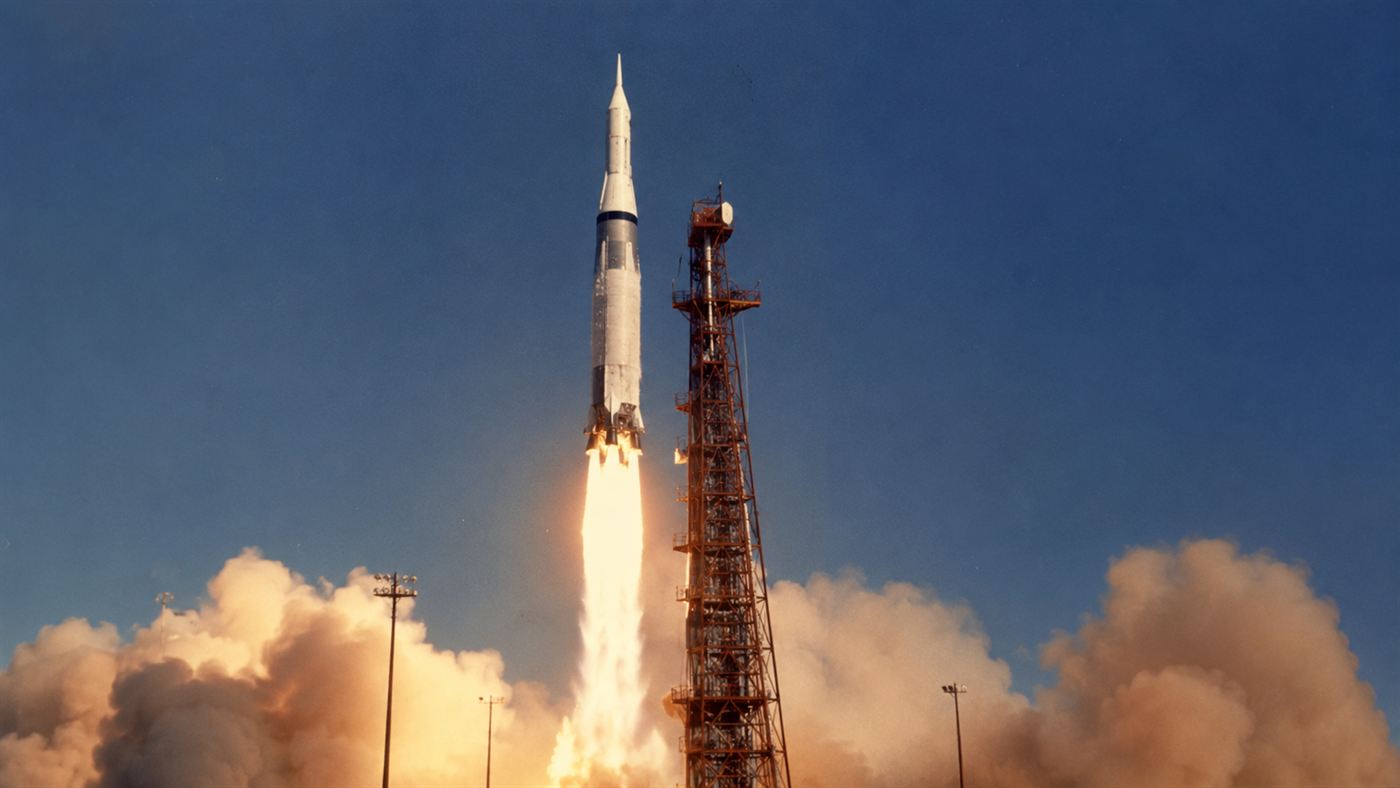
Mariner 1 rose from Cape Canaveral in July 1962 and was destroyed minutes later. Illustration: Watts & Wild.
On July 22, 1962, an Atlas rocket lifted off from Cape Canaveral carrying Mariner 1, NASA's bid to become the first nation to send a spacecraft past another world. Venus was the target, and the whole young American space programme was riding on making a clean start in the race across the solar system.
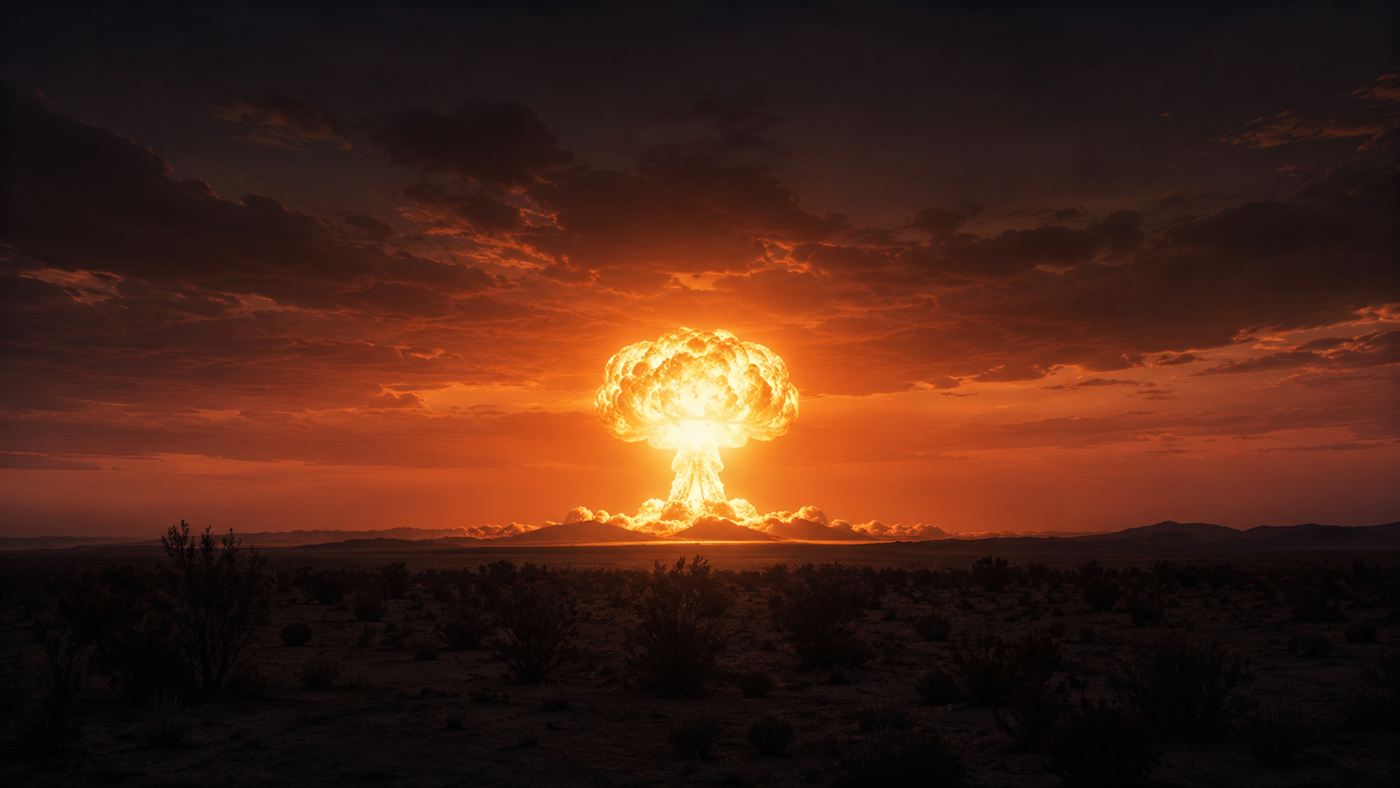
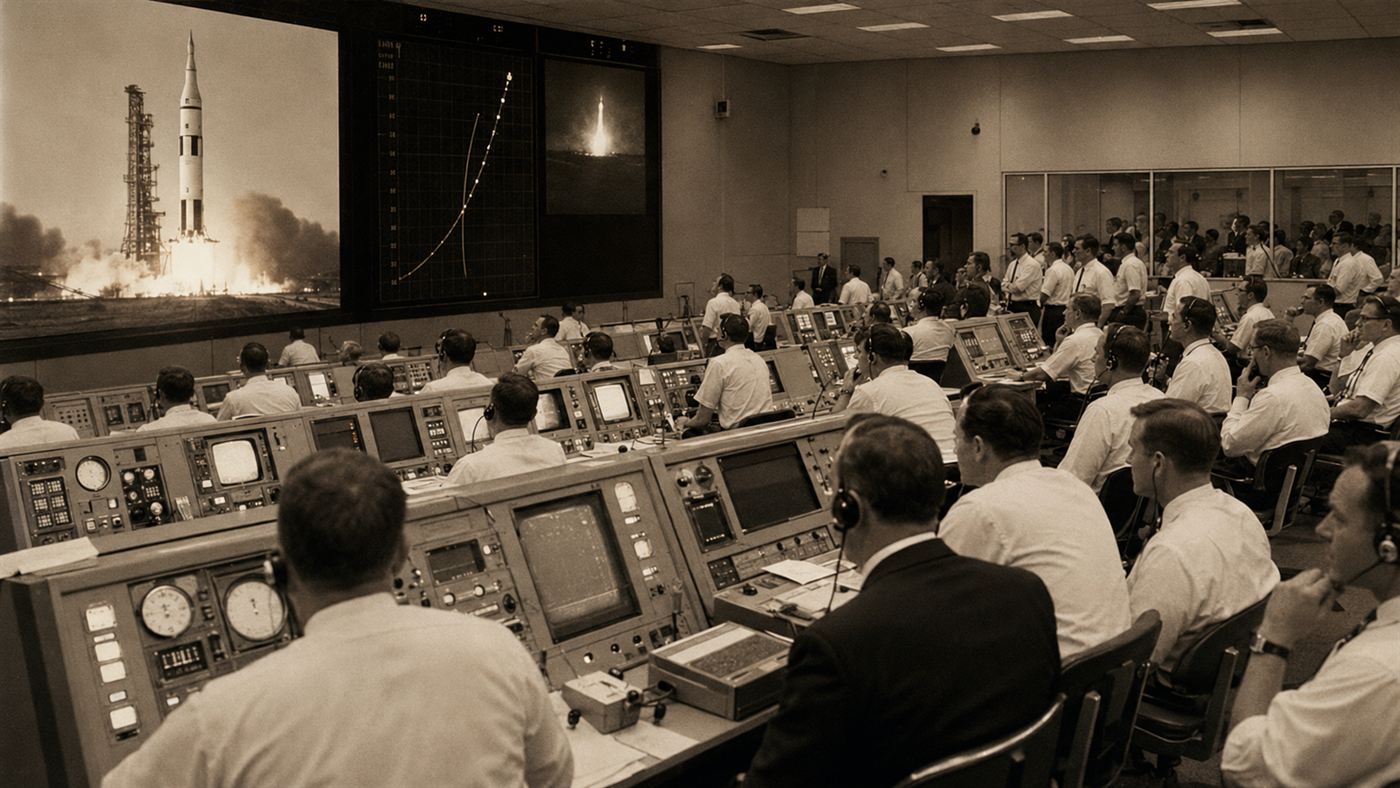
It went wrong almost at once. Not long after launch the rocket began to steer erratically, wandering off its planned path, and with debris potentially heading toward shipping lanes or land, the range safety officer had no choice. About 293 seconds into the flight he pressed the button that blew the vehicle apart, and Mariner 1 was gone.
The short version everyone repeats is that a tiny punctuation mark left out of the code destroyed a spacecraft. It is a wonderful story, and like most wonderful stories it is only partly true.
What actually went wrong with Mariner 1
The failure was really a chain of two problems, not one. First, a piece of the guidance system that tracked the rocket from the ground lost its lock on the vehicle, so the steering had to fall back on the craft's own onboard computer to hold the course. That handover was supposed to be safe.
It was not, because of the second problem, an error hiding in the guidance equations that had been written out by hand and coded into the system. A small symbol was missing, and without it the software misread ordinary, harmless wobbles in the rocket's motion as real and urgent, and yanked the controls to correct faults that were not there.
The most expensive hyphen in history
The missing piece is usually described as a hyphen, though NASA's own accounts point to an overbar, a little line that should have sat over one symbol to tell the computer to average the readings and smooth them out. Leave the bar off, and the software trusted every jitter instead of ignoring it.
The result was a rocket fighting phantoms, steering hard against noise that a working formula would have brushed aside. The writer Arthur C. Clarke is said to have called it the most expensive hyphen in history, and with a spacecraft worth many millions of 1962 dollars lost in minutes, the nickname stuck fast.
Why the hyphen is only half the story
It is worth pausing on that neat little moral, because it flatters us with something too simple. If the ground guidance hardware had not failed first, the flawed code would have sat there harmless, never called on to steer. The missing mark was dangerous only because a separate breakdown handed it control at the worst possible moment.
In other words, Mariner 1 was not killed by a typo alone but by bad luck stacked on a small mistake, a hardware fault and a software flaw lining up just so. The single-cause version survives because a lone lost hyphen makes a cleaner, more quotable tale than a tangle of guidance electronics and hand-copied equations.
How did the mission still succeed?
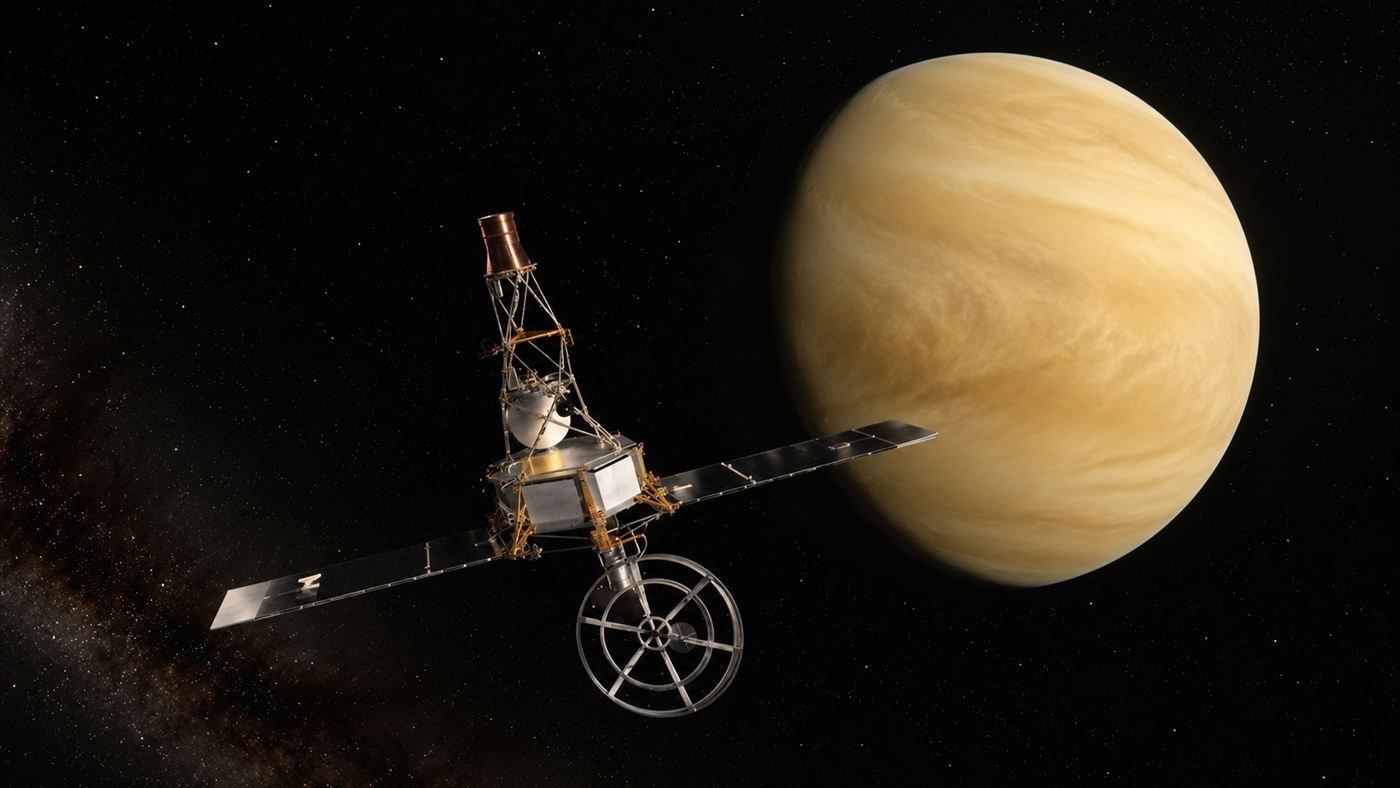
Here is the part the famous quip leaves out entirely. NASA had not bet everything on a single machine. It had built an identical twin, Mariner 2, and only about five weeks after the disaster, that backup rose from the same coast and flew almost the exact mission its sibling had failed to begin.
In December 1962 Mariner 2 swept past Venus and became the first spacecraft in history to fly by another planet, sending home the first close measurements of another world. The programme lost a rocket and a few weeks, not the prize, because someone had insisted on building two of everything.
The honest catch
So the lesson people take from Mariner 1 is usually the wrong one. They tell it as a warning that one careless keystroke can ruin everything, a tidy little horror story for the computer age. That reading is not exactly false, but it points at the least useful part of what happened.
The real moral is quieter and far more reassuring. A tiny error did slip through, as tiny errors always will, and a hardware fault found it at the worst moment, as faults do. What saved the mission was not perfection but redundancy, the humble decision to build a spare. Mariner 1 is remembered for the hyphen that killed it, when it should be remembered for the twin that made the hyphen not matter.
The world remembers a hyphen that cost millions, and forgets the spare rocket that quietly won the race anyway. Is the real lesson to fear small mistakes, or to always build a backup for when they slip through? Tell us what you think in the comments.
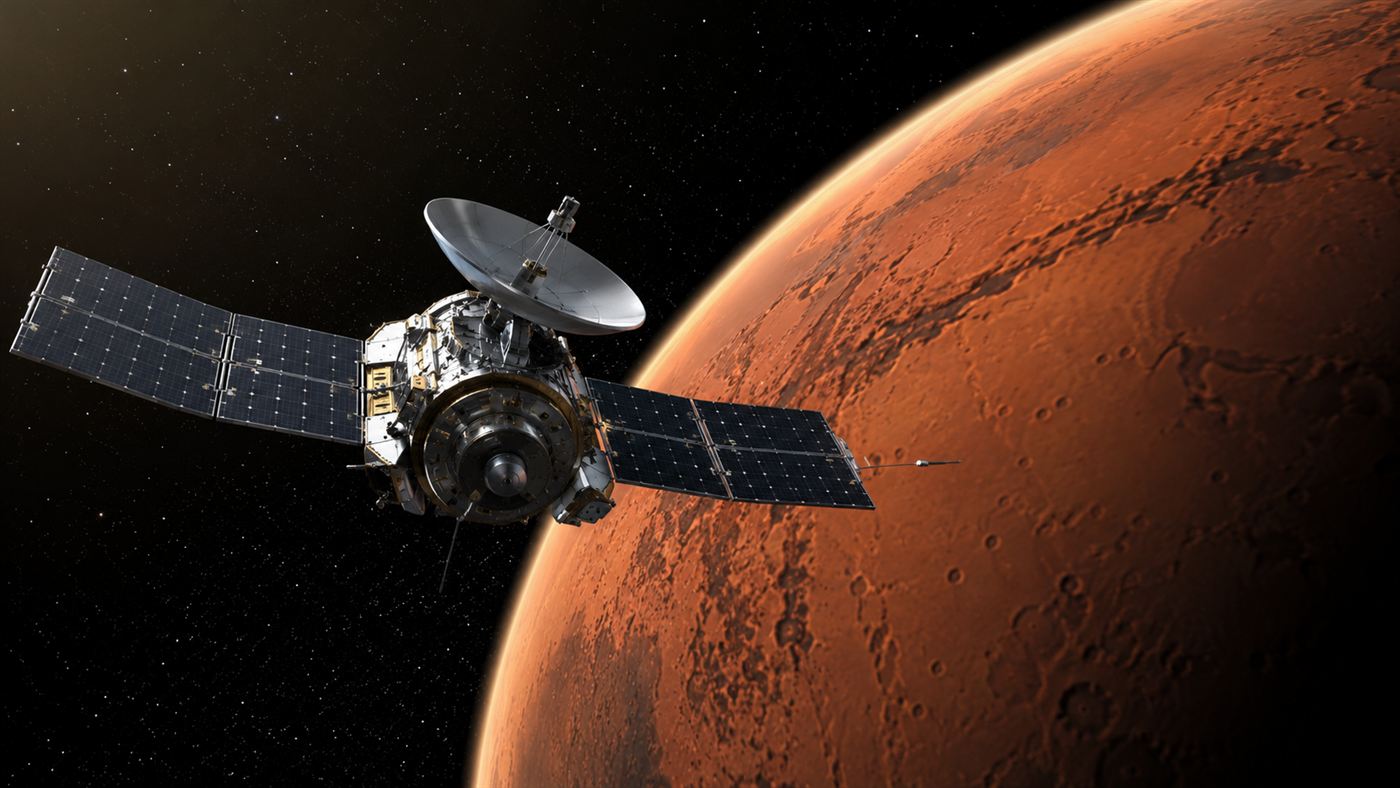
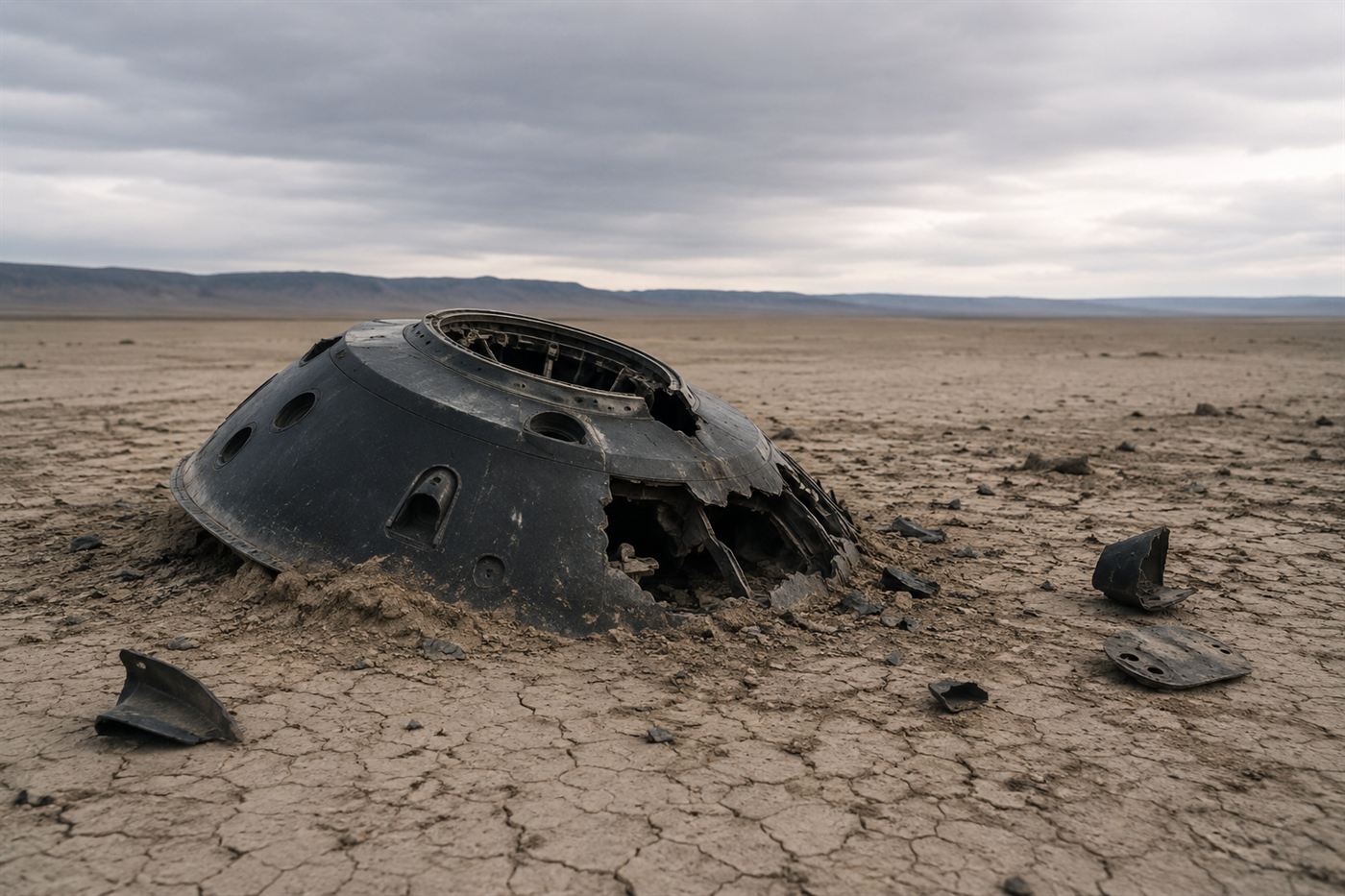
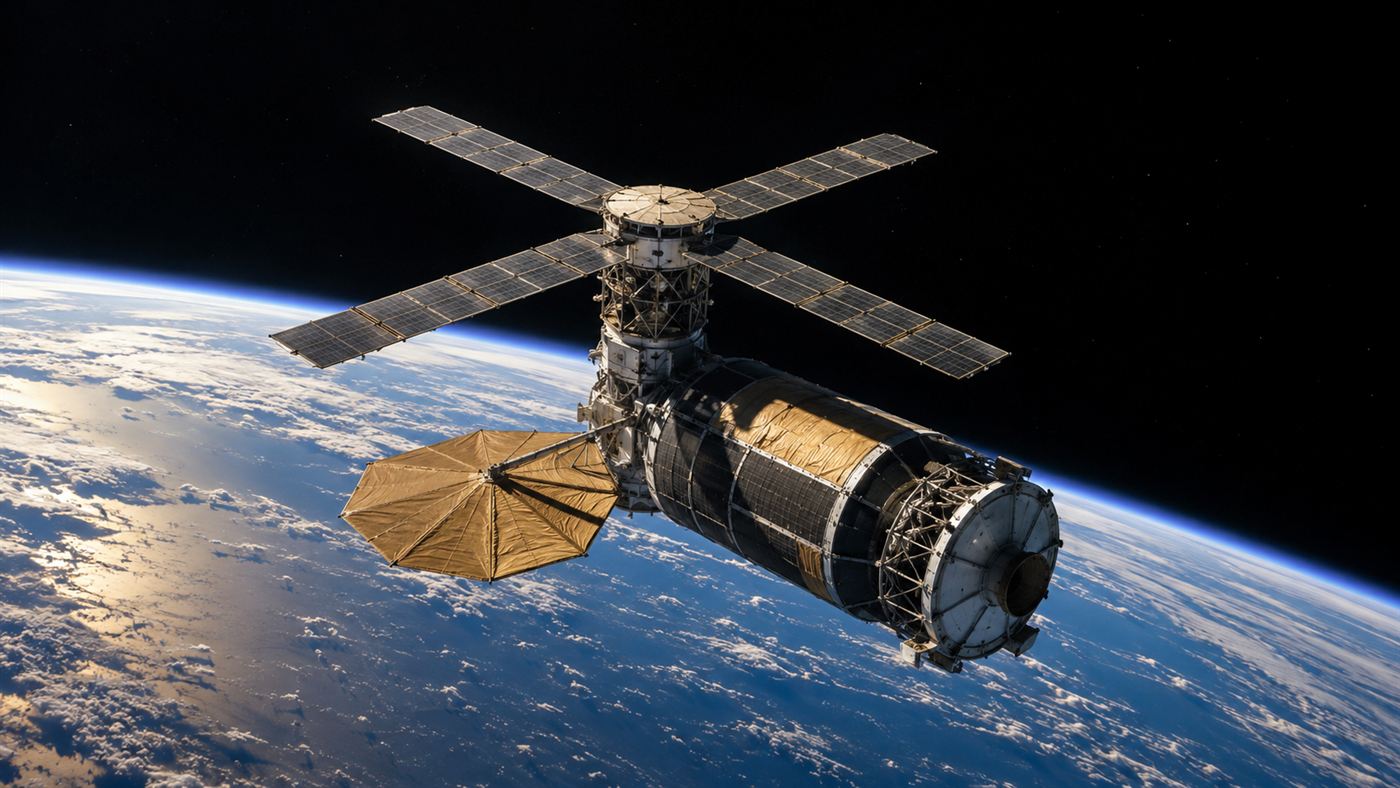
Related reading: the Mars orbiter lost because two teams mixed up their units. See also the Genesis probe that slammed into the desert with a switch installed backwards, and Skylab, the space station that fell out of the sky.