Texaco's drill missed oil and hit a salt mine ceiling under Lake Peigneur instead, and the shallow Louisiana lake swallowed eleven barges, a rig and a botanical garden in three hours
On November 20, 1980, a Texaco oil-drilling crew on a shallow Louisiana lake reported something unusual: their platform was tilting. Within hours, Lake Peigneur had drained into an underground salt mine, the Delcambre Canal had reversed direction, and the lakebed had swallowed eleven barges, a drilling rig and a botanical garden.
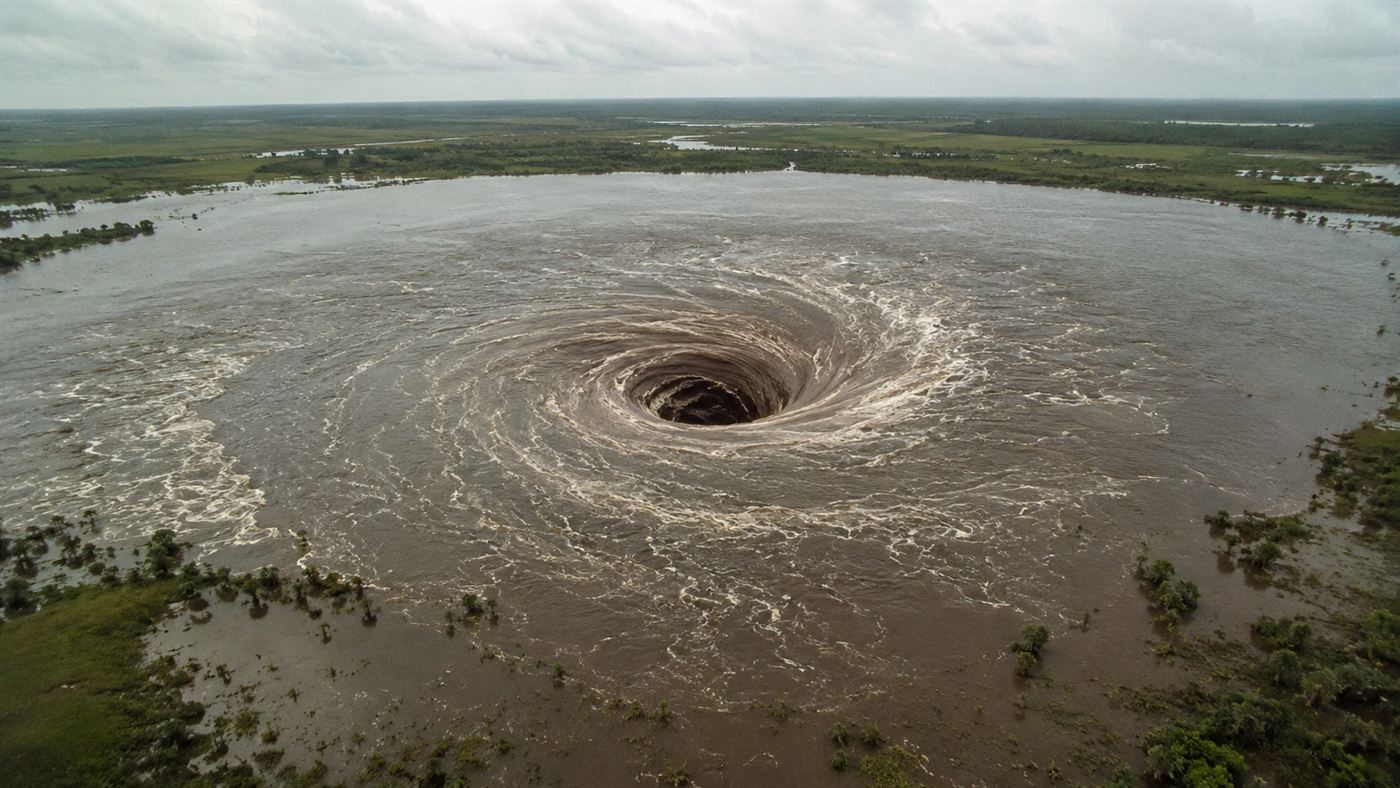
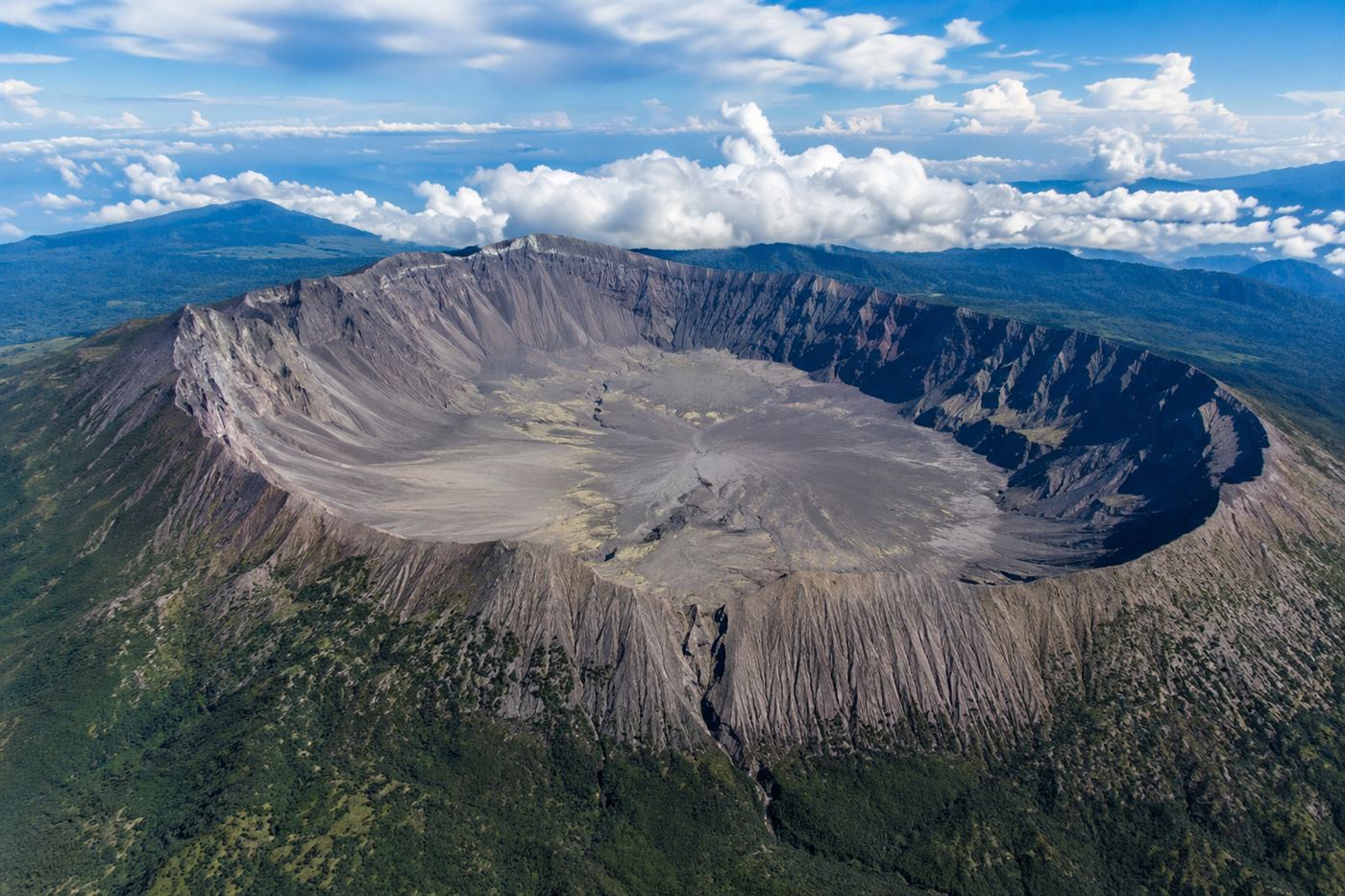
Lake Peigneur drained into a salt mine in under three hours on November 20, 1980, creating a whirlpool large enough to swallow an oil rig. Illustration: Watts & Wild.
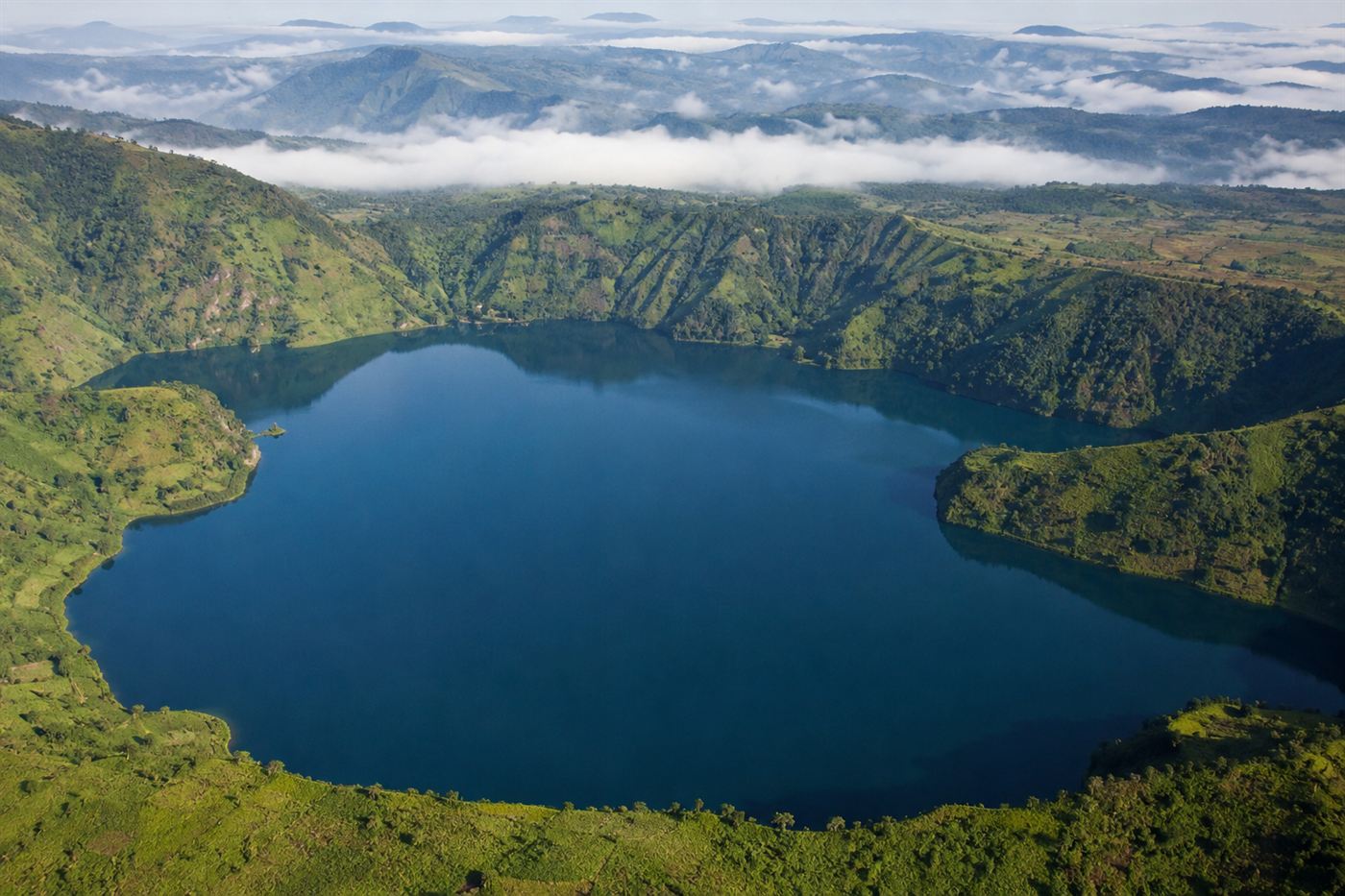
Lake Peigneur was not a dramatic body of water. It sat on Jefferson Island in Iberia Parish, Louisiana, and its deepest point reached barely three feet below the surface, shallow enough that you could wade across most of it without getting your chin wet. On the morning of November 20, 1980, a Texaco oil-drilling rig sat in the middle of it, testing what geologists believed was a promising oil deposit below the lakebed.
The geologists were right that something was down there. They were wrong about what it was. According to the documented record of the Lake Peigneur disaster, the drill had strayed off course and punched through the ceiling of the Diamond Crystal Salt Company's salt mine, an active network of tunnels and chambers stretching twelve square miles beneath the lake. The bore hole widened the moment it broke into open space, and the lake began to drain. The rest took roughly three hours, and nothing about Lake Peigneur was ever the same.
How the drill bit went wrong
Wilson Brothers Drilling was contracted by Texaco to operate the rig on Lake Peigneur, directly above the Diamond Crystal salt mine that had been running since 1919.
The job looked routine: sink a bore hole through the lakebed, through the soft sediment below it, and eventually reach the oil and gas deposits the surveys had identified.
The operation had been running without incident for several days.
What the drilling plan failed to account for was a navigational error that sent the drill off its intended path by a distance that was modest by oilfield standards but catastrophic given what lay below.
At around 05:30 in the morning, the drill broke into open space.
It was not oil-bearing rock.
It had punched through the ceiling of one of the Diamond Crystal Salt Company's active mine shafts, and the lake water above began pouring down through the puncture.
The salt mine beneath Lake Peigneur was a substantial operation, covering roughly twelve square miles of tunnels and chambers, with fifty-five miners at work underground that morning.
As lake water hit the soluble salt walls of the mine, the hole grew faster than anything above the surface could stop.
Jefferson Island sits on a salt dome, a common geological feature across southern Louisiana, and the Diamond Crystal salt mine had carved through that dome for more than sixty years without incident before the drill came through the ceiling.
How Lake Peigneur drained in three hours
What followed on the surface was a controlled evacuation in the middle of an uncontrolled collapse.
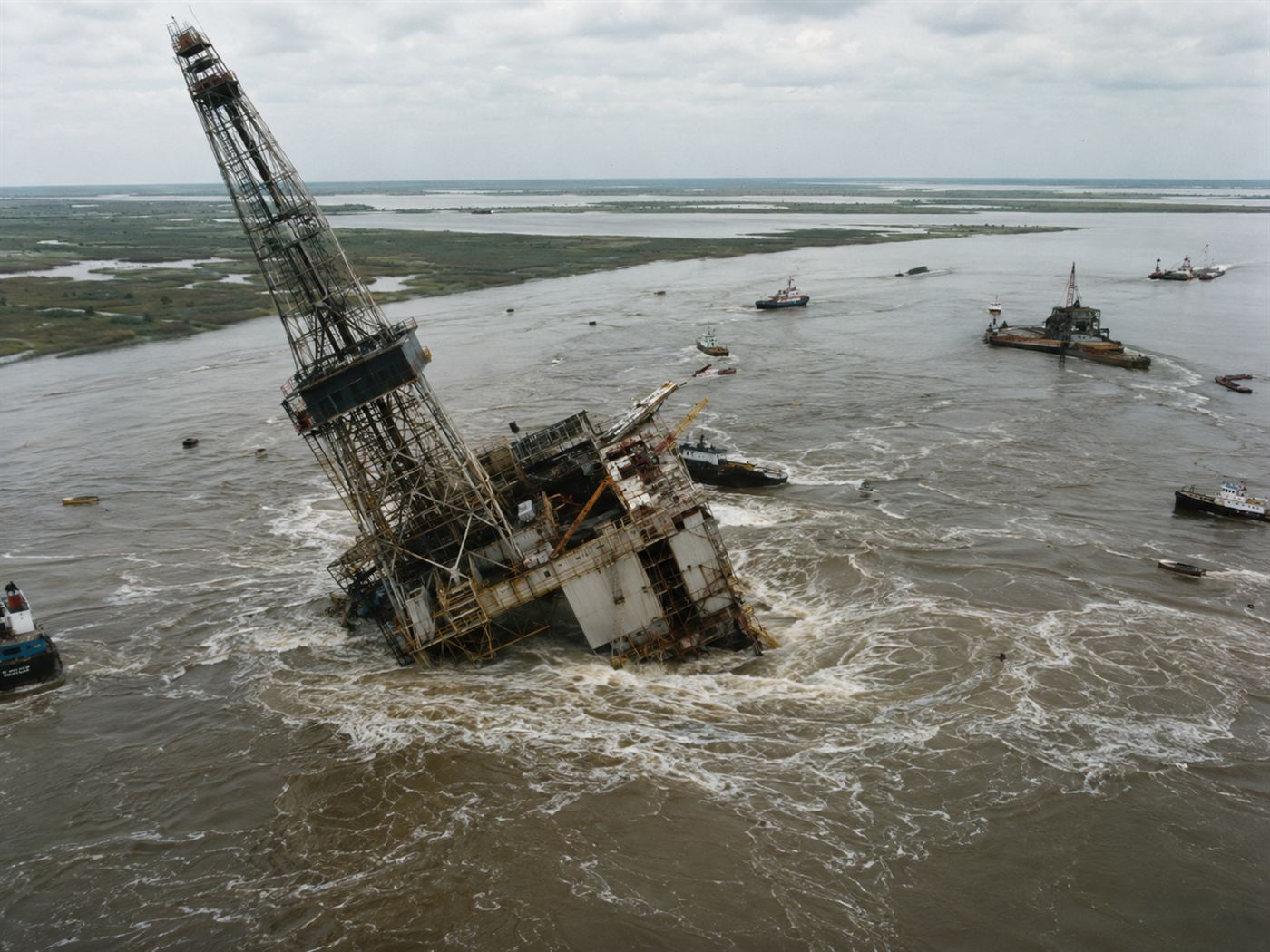
The Texaco drilling platform began to tilt, and the crew recognized that something was catastrophically wrong and evacuated without casualties.
Below the lakebed, the fifty-five Diamond Crystal salt mine workers received word that water was entering their tunnels and made their way to the surface via elevator and emergency ladders.
Every one of them made it out.
In a disaster that destroyed hundreds of millions of dollars of property and permanently altered the Louisiana landscape, nobody died.
On the surface, the tilting had become something stranger.
Lake Peigneur, which had been a flat, unremarkable freshwater lake for as long as anyone in Iberia Parish could remember, was draining visibly into the ground.
The whirlpool that formed above the collapsed salt mine shaft grew wide enough to pull in full-sized barges and swallow them whole.
The Delcambre Canal, which normally carries water from Lake Peigneur toward the Gulf of Mexico, reversed direction as the lake fell below canal level.
The Lake Nyos disaster of 1986 in Cameroon would later show how quickly a peaceful lake can turn lethal, but Lake Peigneur's transformation was mechanical, visible from the shore, and irreversible.
Eleven barges and a botanical garden
Jefferson Island had been famous since the nineteenth century for two things: salt and gardens.
Joseph Jefferson, an American actor known for his stage role as Rip Van Winkle, had built an estate on the island in the 1870s, and the grounds had become Live Oak Gardens, a botanical attraction open to tourists.
On November 20, 1980, the garden was open and gardeners were working when the island's edge began to fall into the water.
They evacuated.
Eleven barges moored in the Delcambre Canal near the lake were pulled into the whirlpool and vanished.
A tugboat followed them.
The Texaco drilling platform had already gone.
The botanical garden on Jefferson Island lost roughly sixty-five acres of grounds as the island shifted and sagged over the collapsing salt mine chambers beneath it.
When the water equalized hours later, Lake Peigneur had changed from a lake averaging less than one meter in depth to a body reaching five to thirteen meters in the areas above the old mine.
Nine of the eleven barges eventually resurfaced, popped back up when the pressure equalized, crushed and damaged but physically present.
The Texaco drilling rig did not resurface.
Why the Delcambre Canal ran backwards
The reversal of the Delcambre Canal was not a violent event.
It was a quiet, strange one.
As Lake Peigneur drained into the salt mine, the water level dropped below canal level and then below sea level.
The Delcambre Canal, which had always carried water from the lake toward the Gulf of Mexico, reversed and began carrying Gulf water inland instead.
For roughly forty hours, saltwater poured along the Delcambre Canal toward the drained lake.
When the process finished and the water equalized, Lake Peigneur was permanently saltwater.
The freshwater lake that had existed for thousands of years was gone.
The saltwater body that replaced it was connected to the Gulf of Mexico in a way the original lake had never been.
The fishing done there, the freshwater ecosystem, the familiar look of the place: all of it ended in a single morning.
The destruction of the salt mine operation below also had lasting effects on the Jefferson Island area, ending decades of Diamond Crystal production in those tunnels.
Louisiana is a state built on soft sediment above a maze of old salt domes, oil fields and natural caverns, and the Lake Peigneur event sits as a reminder of how little separation exists between the surface and what is beneath it.
The Banqiao dam collapse of 1975 showed how quickly cascading engineering failures can travel, but Lake Peigneur stands apart because the original error was so small and the result so complete.
The honest catch
Texaco eventually settled the resulting lawsuits for roughly forty-five million dollars, divided between Diamond Crystal, the garden operators and other affected parties.
The company did not admit fault in the settlement, and the exact navigational error that sent the drill off course was never definitively established in public proceedings.
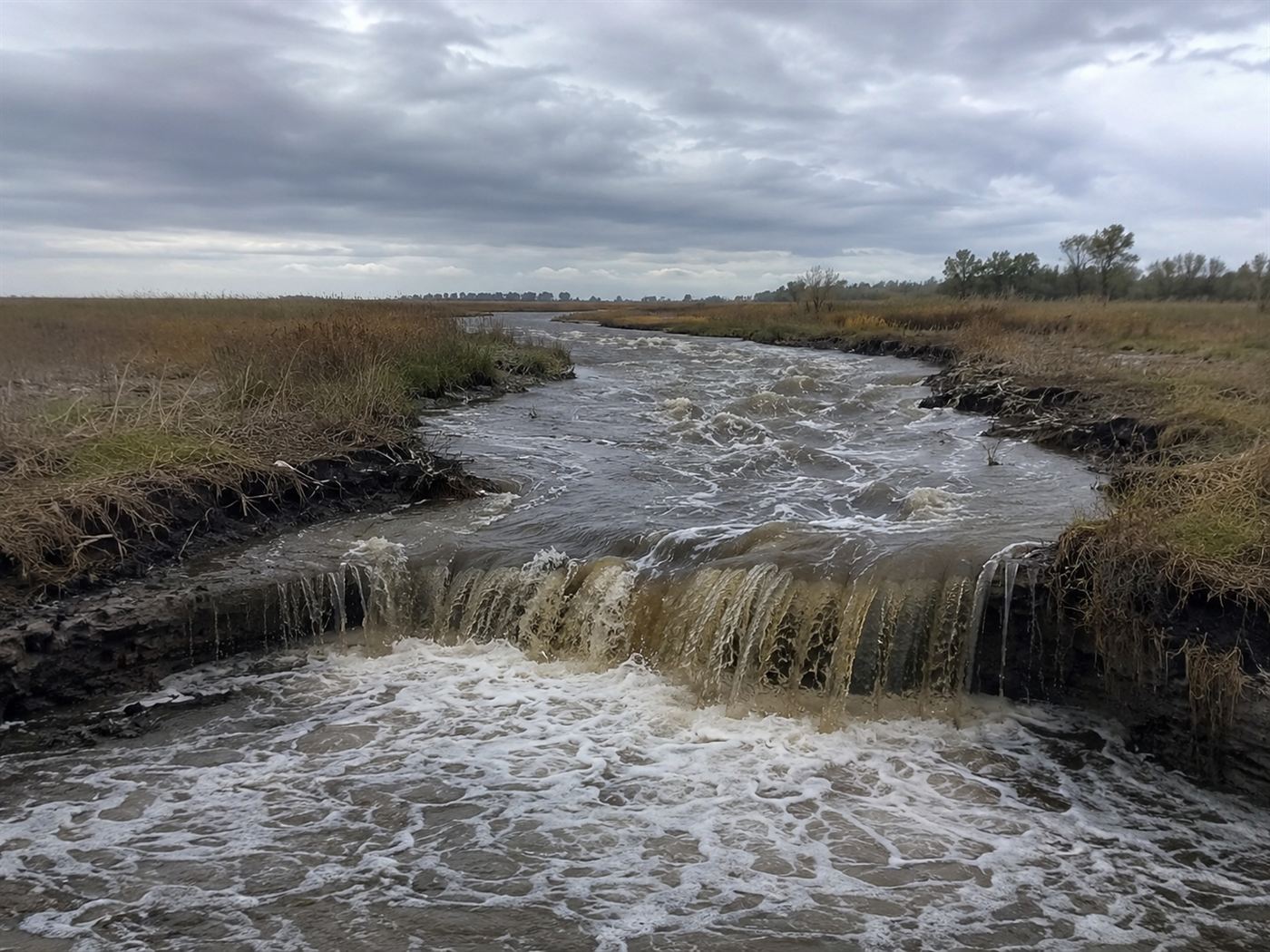
The canal reversal is sometimes described in popular accounts as if it became a permanent feature of the landscape, but the backwards flow lasted about forty hours.
What is permanent is the salinity change and the deepening of Lake Peigneur.
The Rip Van Winkle Gardens were rebuilt on the remaining intact portions of Jefferson Island and are still open to visitors today, which says something about stubbornness and about soil.
The exact figure of eleven barges is cited differently in some accounts, with certain sources listing fewer structures and others including additional equipment.
What is not disputed is that the salt mine was destroyed, the canal reversed, a freshwater lake became saltwater, and a drilling platform disappeared, all because a Texaco drill bit drifted off its planned path by a distance that was ordinary in oilfield terms and extraordinary in consequence. Not every vanishing-water mystery is a disaster, though: at Minnesota's Devils Kettle, half a river pours into a hole and simply reappears downstream.
Like the Aral Sea, which lost 90 percent of its volume after Soviet engineers diverted its source rivers for irrigation, Lake Peigneur is proof of how permanently a body of water can be transformed in a short time.
A Texaco drill bit drifted a few feet off target in 1980, and a lake that had been fresh for thousands of years became a saltwater body by afternoon.
Zero deaths, eleven lost barges, a salt mine destroyed and a botanical garden that stubbornly rebuilt itself on what the whirlpool left behind.
What is the most quietly consequential accident you can think of, one where the error was small but the result lasted forever? Tell us in the comments.
Related reading: How a Cameroonian lake suffocated 1,700 people in a single night with a cloud of carbon dioxide released from its own depths.