An ancient jar near Baghdad looks like a 2,000-year-old battery, and it probably never was one
In a museum in Iraq sits a small clay jar that has launched a thousand documentaries. The Baghdad Battery looks uncannily like a simple electric cell built two thousand years ago, and for decades people have wondered whether the ancient world quietly discovered electricity. The truth turns out to be stranger than the myth.
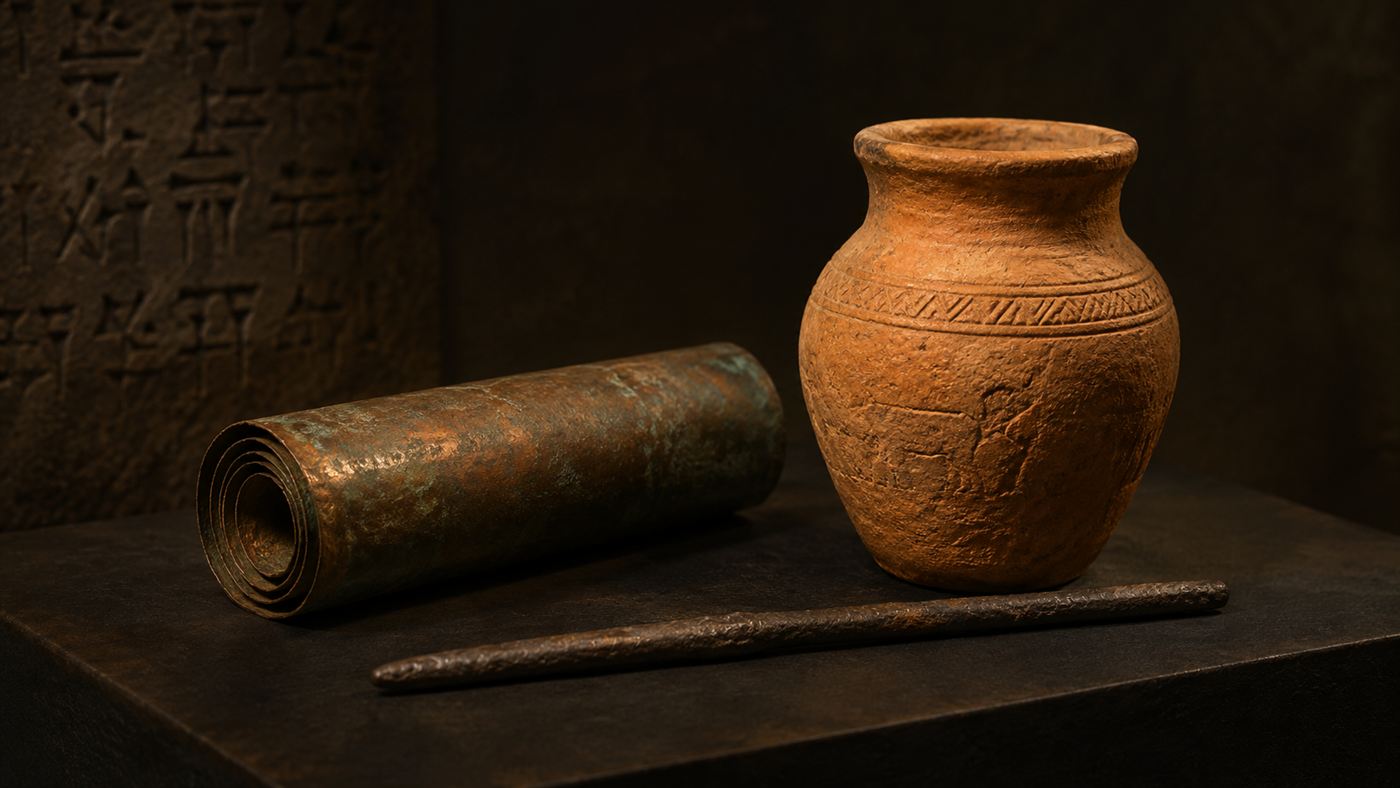
A clay jar, a copper cylinder and an iron rod, the pieces of the famous puzzle. Illustration: Watts & Wild.
It is one of the great campfire stories of archaeology, that the people of the ancient Middle East may have been making electricity long before anyone else.
The evidence sits in a jar small enough to hold in one hand.
What is the Baghdad Battery? The Baghdad Battery is a 2,000-year-old clay jar found near Baghdad that holds a copper cylinder and an iron rod. Its shape resembles a simple electric cell, and a replica filled with acid can make a faint current, which led some to suggest the ancient world had batteries.
A jar, a tube and a rod
The object is a small clay jar about thirteen centimetres tall, found near Baghdad and usually linked to the Parthian or later Persian era.
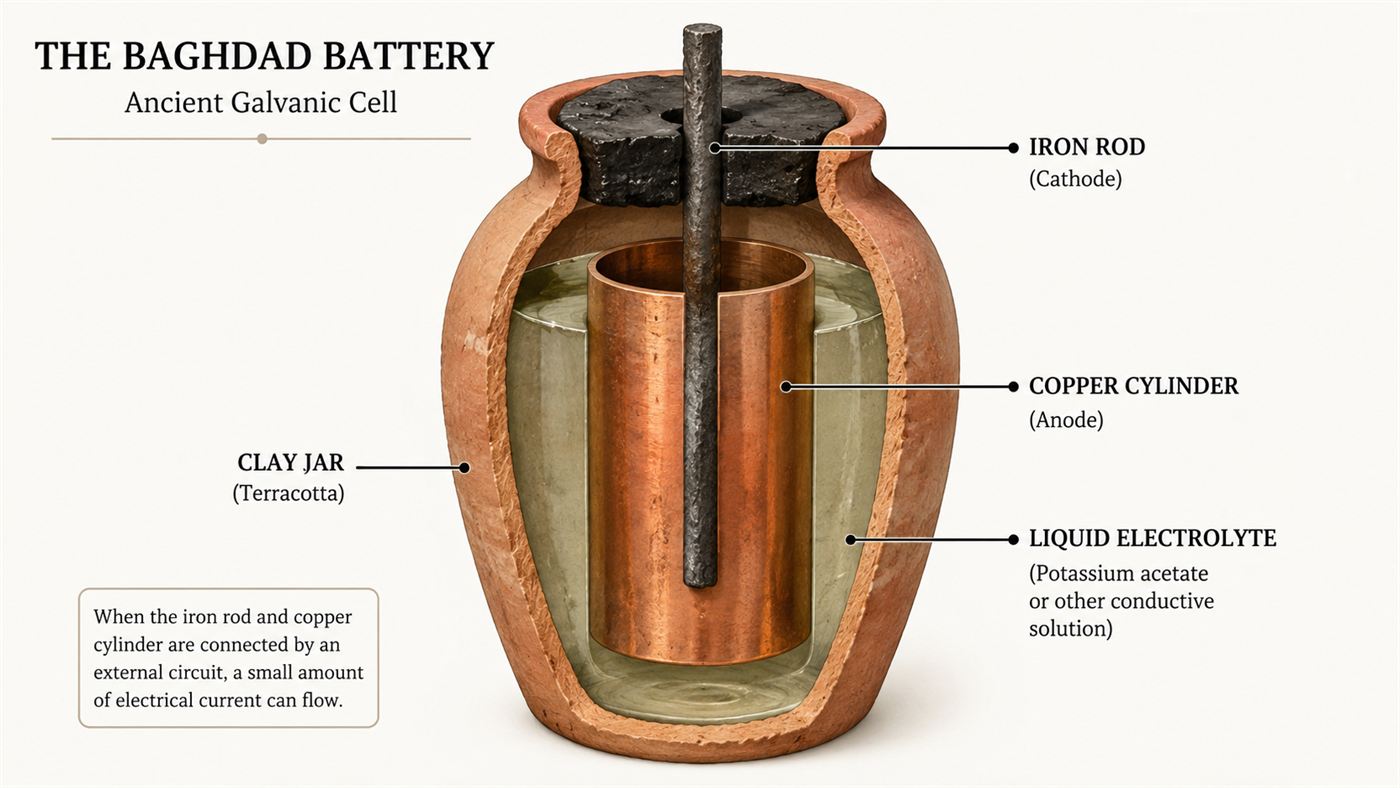
Inside sits a rolled copper cylinder, and inside that hangs an iron rod, held in place by what looks like ancient pitch.
It was described in 1938 by a German archaeologist, Wilhelm König, who was working with the collections in Baghdad.
He linked it to the Parthian world of roughly two thousand years ago and floated a startling idea about what it was for.
To his eye, the layered metals looked less like a pot and more like a piece of electrical equipment.
The Baghdad Battery really can make electricity
The unsettling thing is that, as a piece of physics, the idea works.
Two different metals sitting in an acidic liquid form a galvanic cell, and here the copper and iron are exactly that pairing, the basis of every battery.
When modern researchers built replicas and filled them with vinegar or grape juice, they produced something like half a volt to two volts.
That is a real, if tiny, electric current, enough to make the demonstration genuinely convincing on television.
So the jar can behave like a weak battery, and that single fact has powered the legend ever since.
The dream of ancient electricity
König suggested the jars might have been used to electroplate a thin layer of gold or silver onto objects.
It is a seductive picture, ancient craftsmen wiring up rows of jars to gild jewellery by a science no one else would rediscover for centuries.
Television specials and books ran with it, and the Baghdad Battery became a star of the ancient-mystery genre.
For many people it slid neatly into a bigger story about lost knowledge and forgotten golden ages.
The problem is that the workshop floor tells a different story.
Why most experts say no
Archaeologists have found no wires, no connectors and no other electrical gear anywhere near these jars.
No ancient text from the region mentions electricity, plating by current, or anything of the kind.
The gilding of that era is well understood, and it was done with heat and mercury, not with a battery.
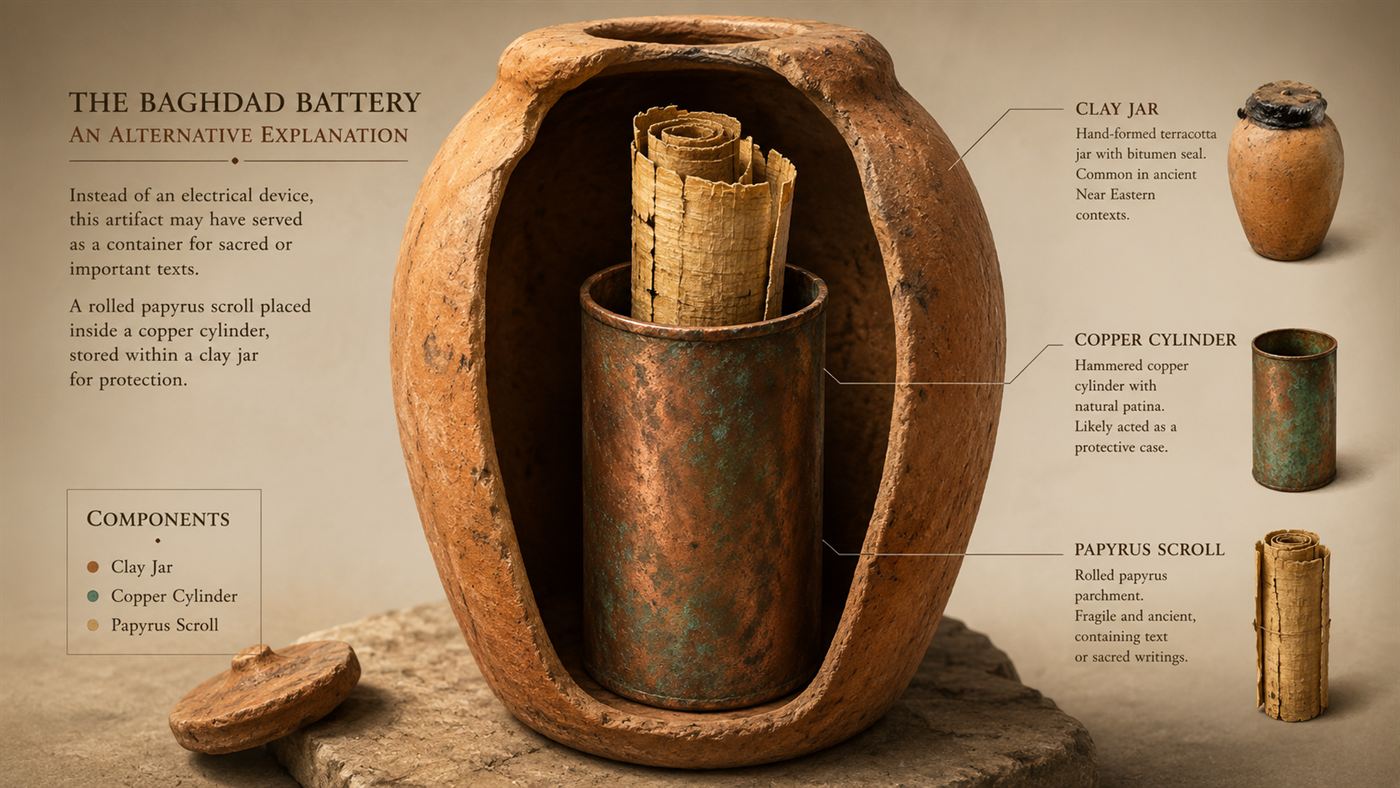
The favoured explanation now is far more ordinary, that the copper cylinders held rolled scrolls of papyrus or parchment, and the corrosion we see is what is left after the documents rotted away.
In other words, it was most likely a storage jar, a cousin of containers found elsewhere in the ancient world.
The honest catch
This is a story where the catch is the whole point.
The jar is real, it is genuinely old, and a replica really can light up a sensitive meter, so the wonder is not invented.
What is missing is any evidence that anyone in the ancient world ever used it that way, and a simpler explanation fits the find far better.
It does not help that the original artifacts went missing in the chaos around the looting of the National Museum of Iraq in 2003.
The Baghdad Battery is best enjoyed as a lesson, a reminder of how easily a clever idea can outrun the evidence that is supposed to support it.
The Baghdad Battery sits at the crossroads of real ingenuity and wishful thinking, which is exactly what makes it worth knowing about.
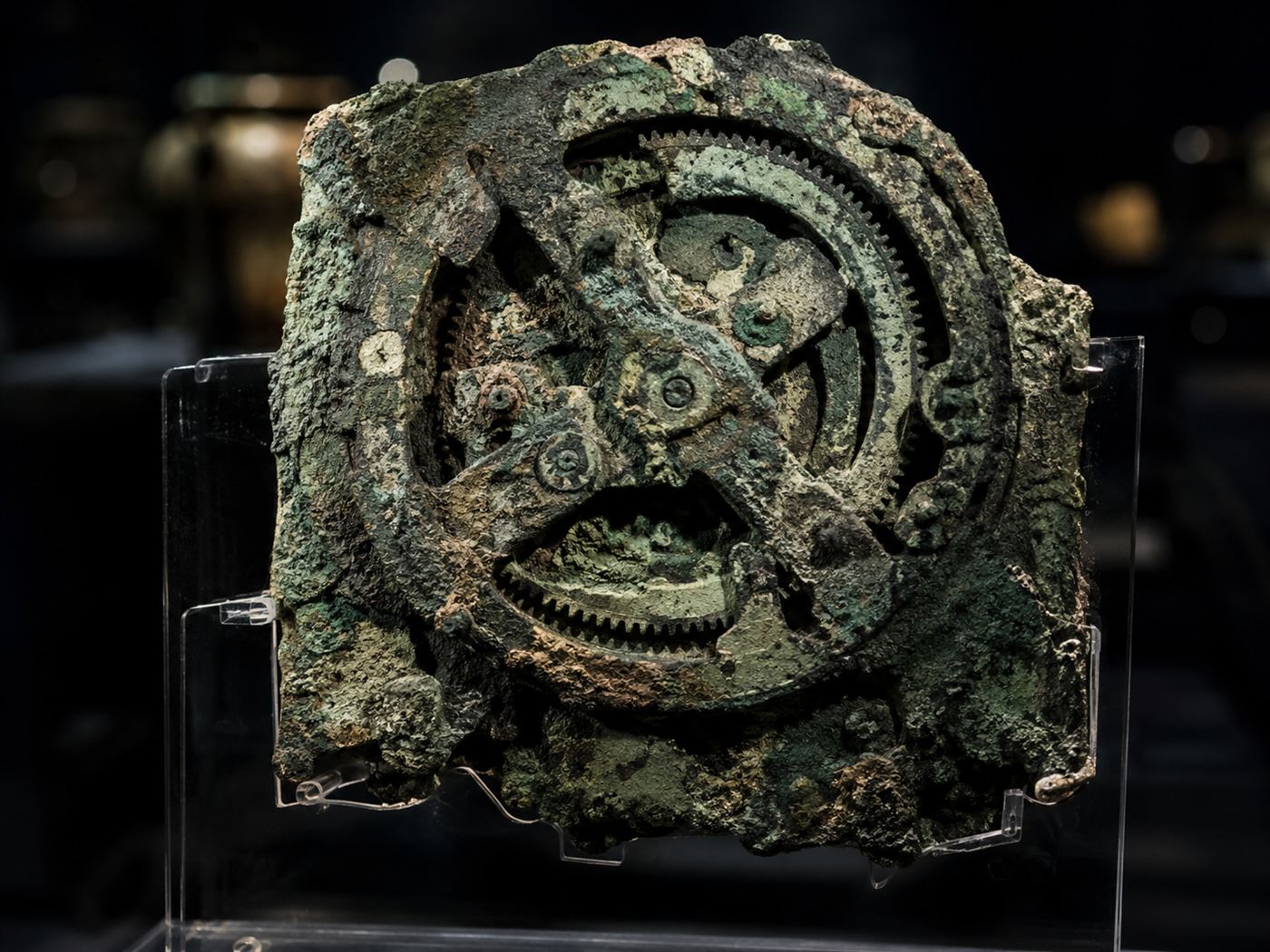
It belongs with the other ancient objects that test how we tell evidence from legend, from the Greek gearwork that really was a computer to the Roman concrete whose secret turned out to be true.
If a humble jar can fool us for the better part of a century, how many of today's confident stories about the past are really just clever guesses in disguise, and would you have believed the battery too? Tell us in the comments.