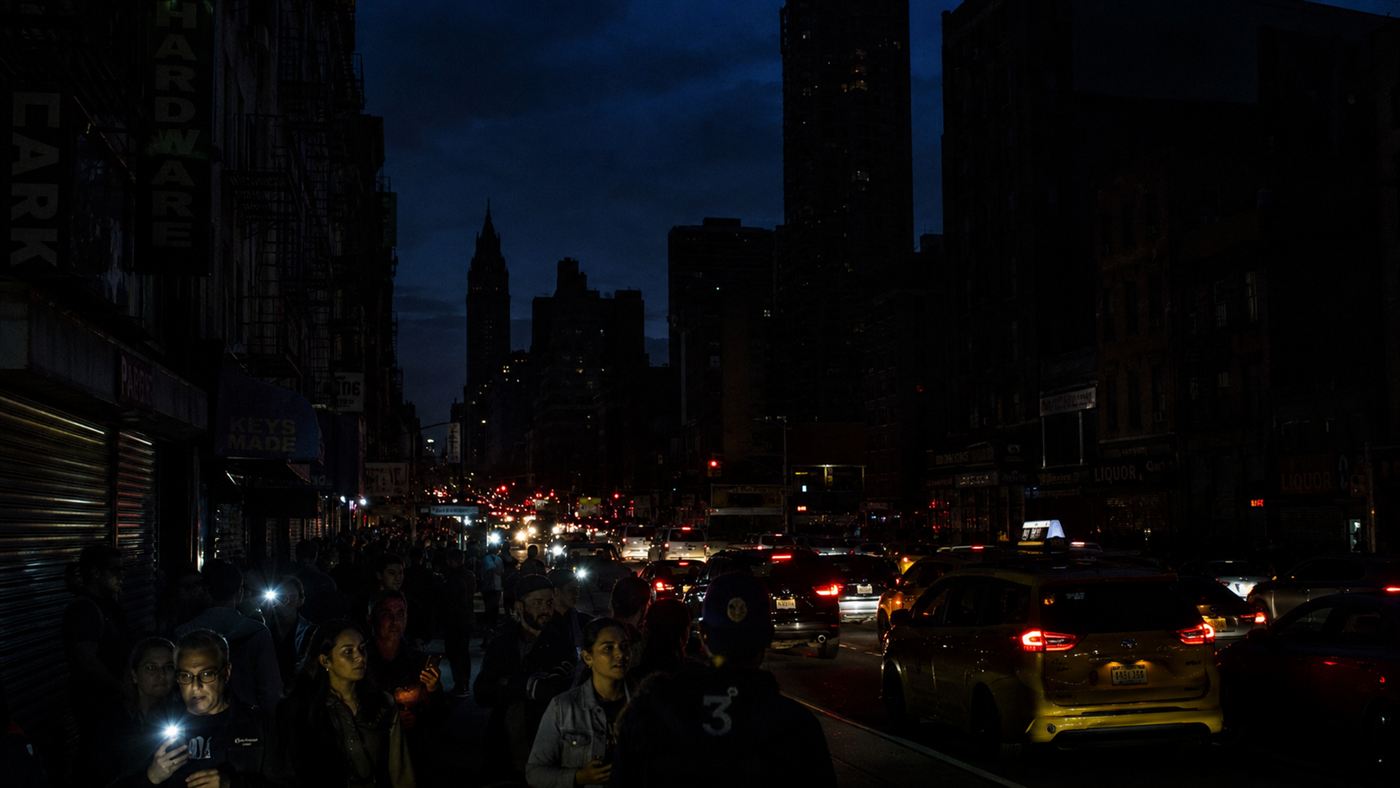
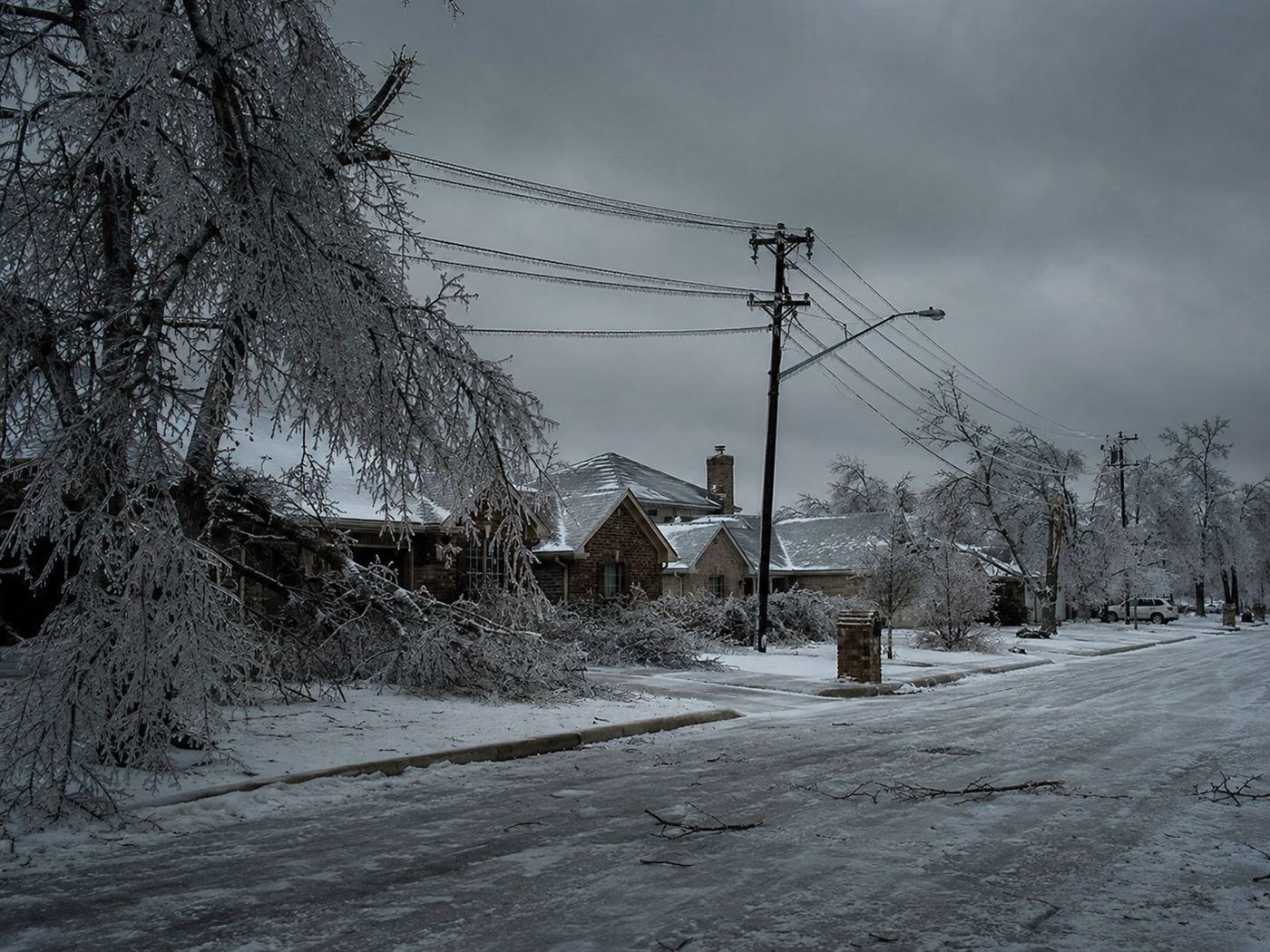
Retreating troops set 700 Kuwaiti oil wells on fire in 1991, turning day to night, and experts said they would burn for years
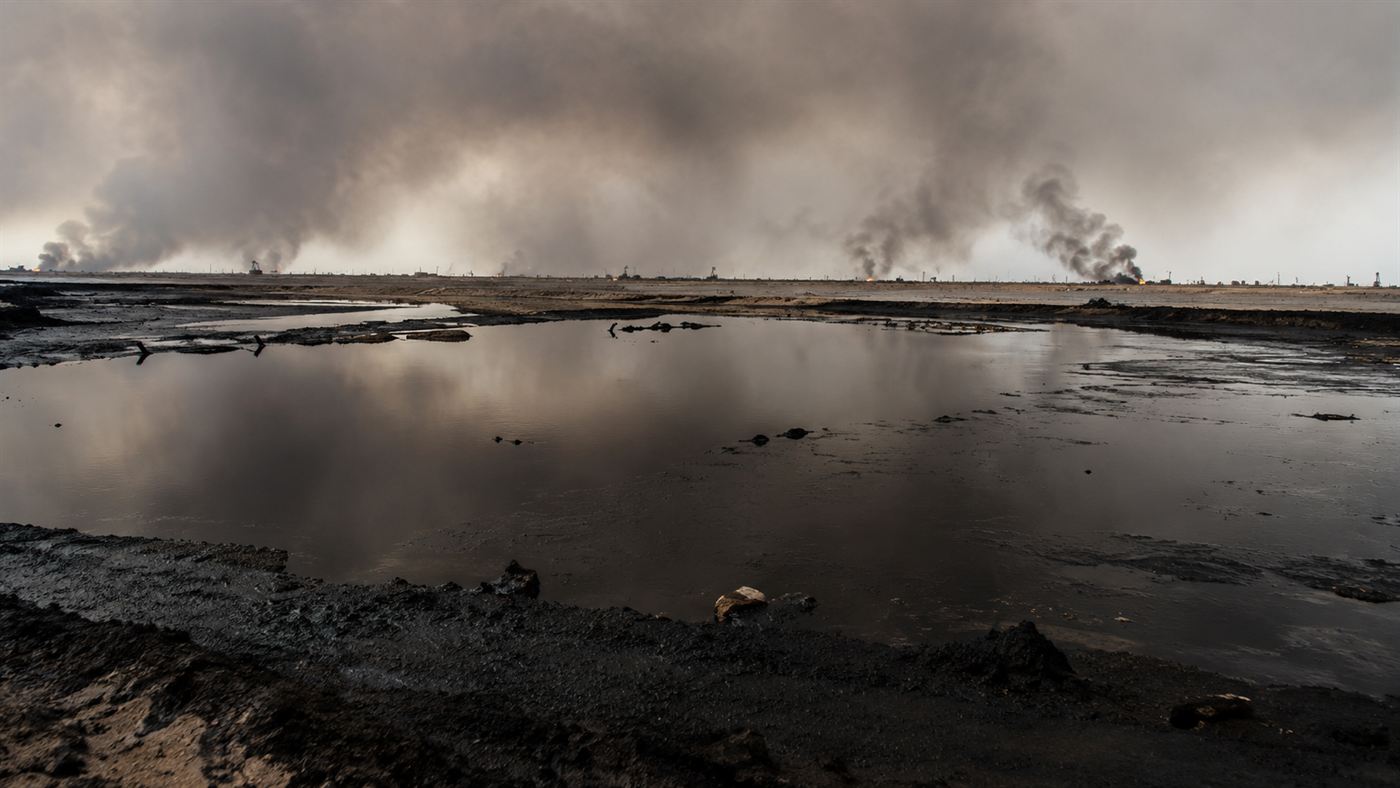
It looked like the end of the world. As the Gulf War wound down in 1991, retreating Iraqi forces blew up and ignited hundreds of Kuwait's oil wells, and the desert filled with roaring columns of flame and smoke so thick it turned midday into darkness. The Kuwait oil fires were a deliberate catastrophe, and putting them out became one of the strangest firefights in history.
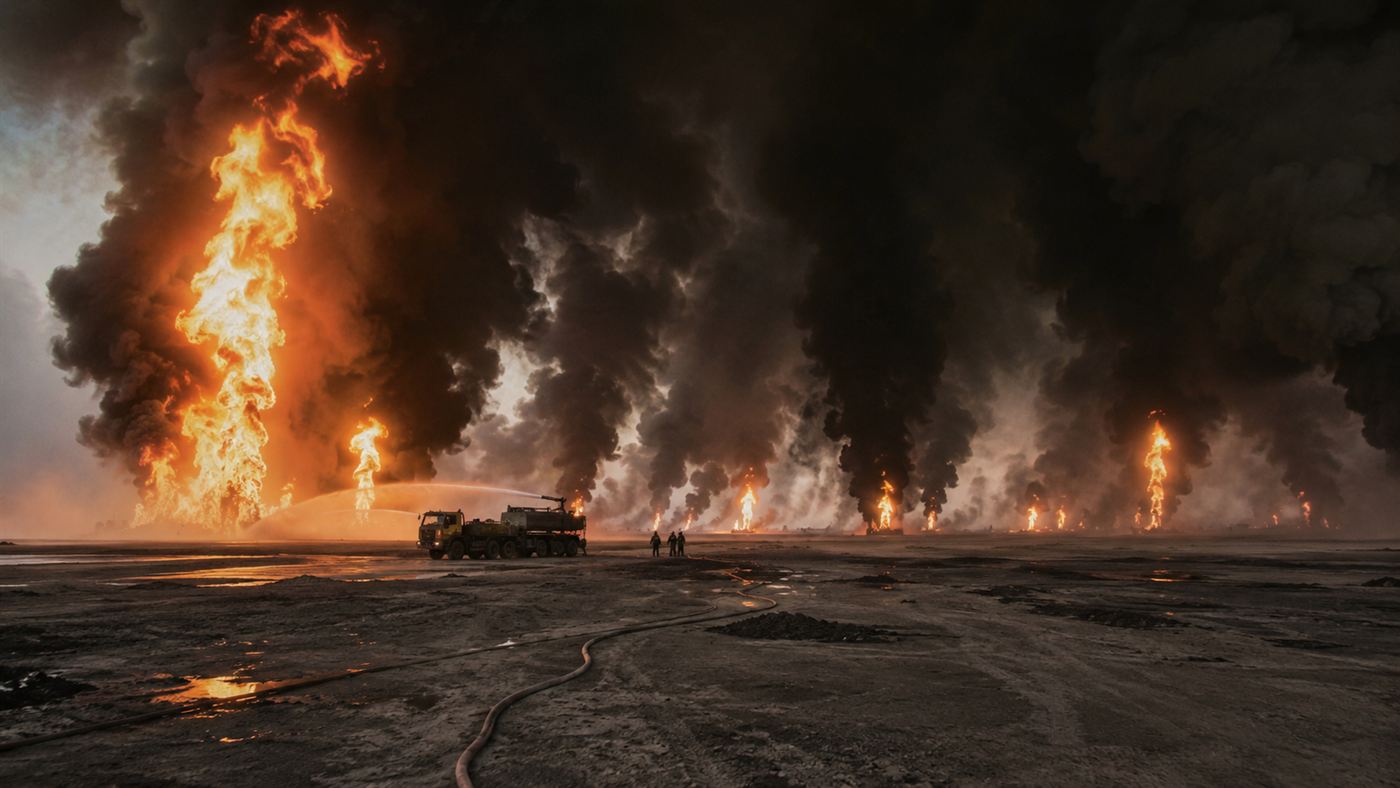
Hundreds of burning wells turned the Kuwaiti sky black at midday. Illustration: Watts & Wild.
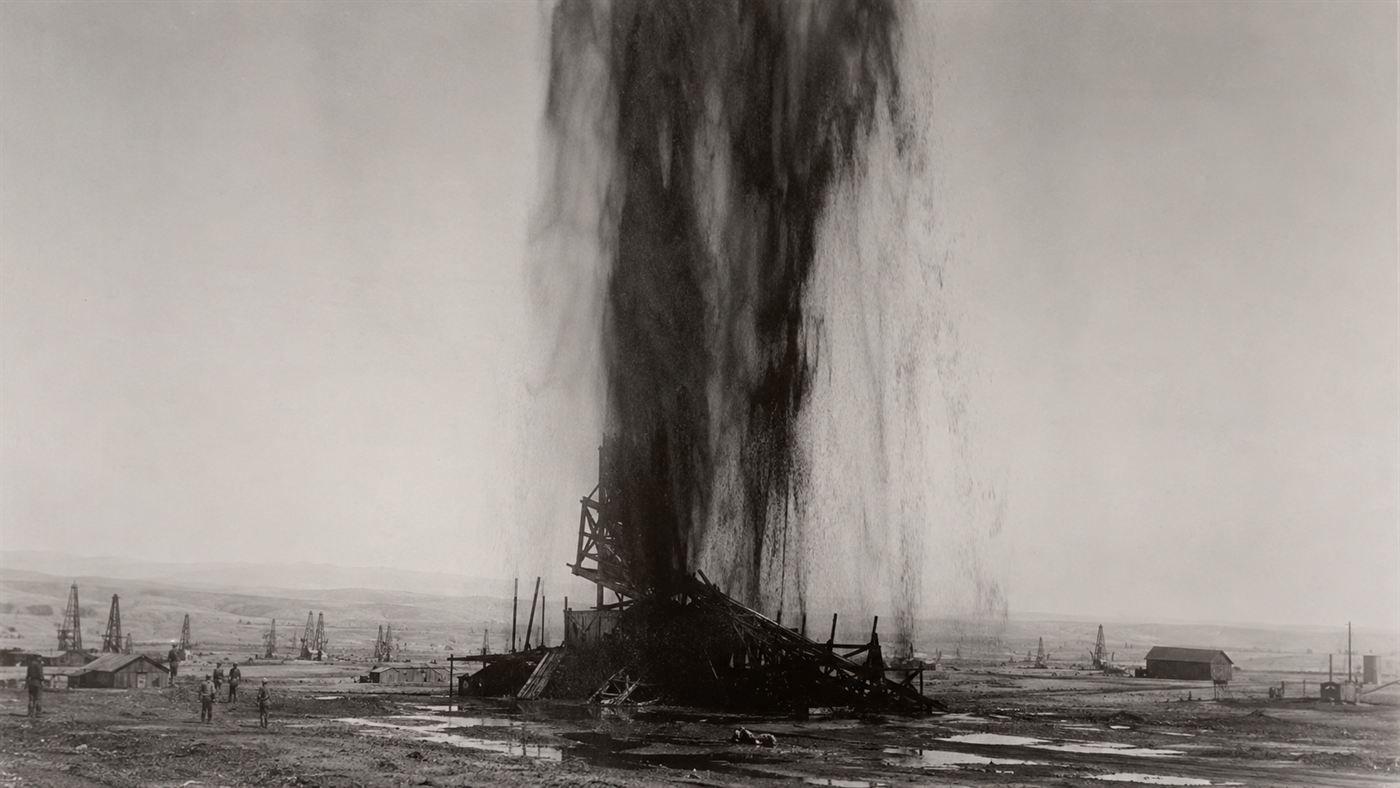
The sabotage was planned. From late 1990, Iraqi troops had wired explosive charges to Kuwait's oil wells, and as they pulled out in February 1991 they set them off, somewhere between 600 and 730 wells in all. Many became towering fountains of burning oil; others simply gushed crude across the sand into vast black lakes. It was scorched earth on an industrial scale, a violent end note to the oil age that Edwin Drake had quietly opened with the first oil well in 1859.
The effect on the sky was apocalyptic. As the detailed record of the fires notes, the plumes climbed to around 20,000 feet, and at the worst of it the smoke cut the sunlight reaching the ground by three-quarters or more, plunging the country into a sooty twilight in the middle of the day. The cloud spread over more than a million square miles, dropped local temperatures by several degrees, and rained oily black soot as far away as the Himalayas.
Why the Kuwait oil fires were so hard to fight
A burning oil well is not an ordinary fire. The fuel does not run out; it keeps roaring up from deep underground at enormous pressure, so you cannot simply pour water on it and wait. Each well has to be approached through ferocious heat, the flame snuffed out, and the wellhead then capped or controlled before it can reignite. With hundreds of them burning across a desert littered with unexploded mines, the experts were grim. Many predicted the fires would burn for two to five years before the wells lost pressure on their own.
So the world sent its specialists. Teams came from more than a dozen countries, led at first by famous American well-fighters including the legendary Texan Paul "Red" Adair, by then in his seventies, alongside outfits like Boots and Coots and Wild Well Control. As the Association for Diplomatic Studies and Training has documented, the work was brutal, hot and dangerous, yet the crews threw themselves at well after well.
The trick that beat them: seawater
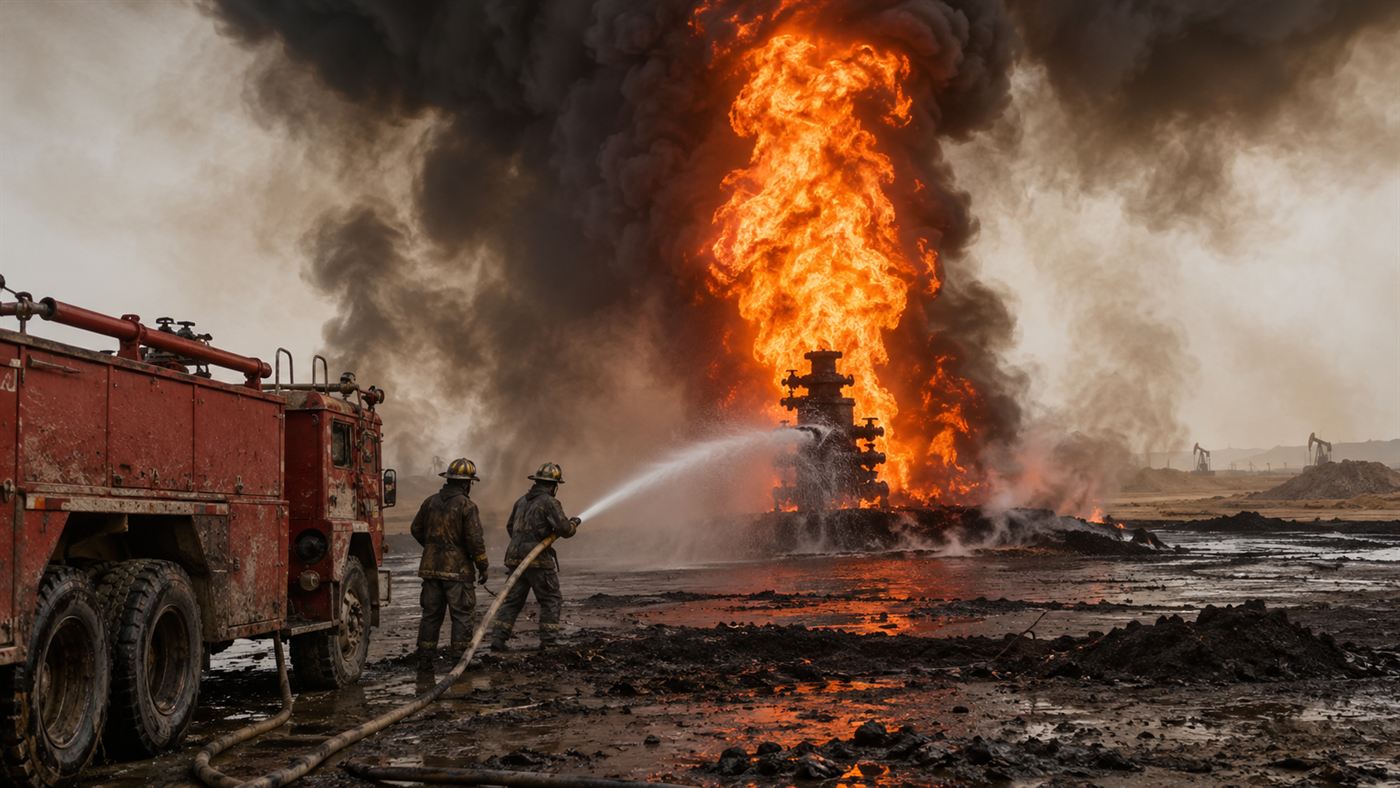
The clever part was where the water came from. A desert at war has very little spare fresh water, and you need an enormous amount to fight an oil fire. So the firefighters did something audacious: they repaired Kuwait's damaged oil pipelines and ran them backwards, pumping seawater from the Persian Gulf inland to the burning fields. In the end about nine in ten of the fires were fought with seawater piped through the very network built to carry oil out.
Other teams brought stranger tools still, including a Hungarian crew who bolted two jet engines onto a tank and used the screaming blast of air and water to blow the flames clean off the wellheads. Between them, the international effort did what the gloomy forecasts said was impossible. Red Adair's crews alone put out 117 wells in nine months without losing a single person.
How long did the Kuwait oil fires burn?
Far less time than anyone had feared. The fires were lit in February 1991 and the last well was finally capped on 6 November the same year, so the whole nightmare lasted about ten months rather than the predicted years. Given the scale of it, hundreds of high-pressure wells ablaze at once in a war zone, finishing in under a year was an extraordinary feat of nerve and improvisation.
The honest catch
The firefighting was heroic, but the damage was real and lasting, and it is worth not letting the triumphant ending paper over it. The fires and oil lakes wrecked desert ecosystems, killed wildlife and livestock whose lungs filled with oily mist, and left a hardened crust of "tarcrete" over a chunk of the country, along with health effects on people who breathed the smoke. At the same time, some of the scariest predictions did not come true. The astronomer Carl Sagan, among others, warned the smoke might trigger a worldwide cooling like a small "nuclear winter," but the plumes mostly stayed too low in the atmosphere for that, and the global climate was spared. What remains is a stark double lesson: how much harm a single act of sabotage on our energy system can do, and how fast determined people can undo it when they put their minds and their seawater to it.
A whole country's sky was set on fire, and a few hundred firefighters put it out with the sea. Does the story of the Kuwait oil fires leave you more struck by the destruction, or by how quickly people undid it? Tell us what you think in the comments.
Related reading: Another fire fed straight from the ground, the Turkmenistan gas crater that has burned for over 50 years.