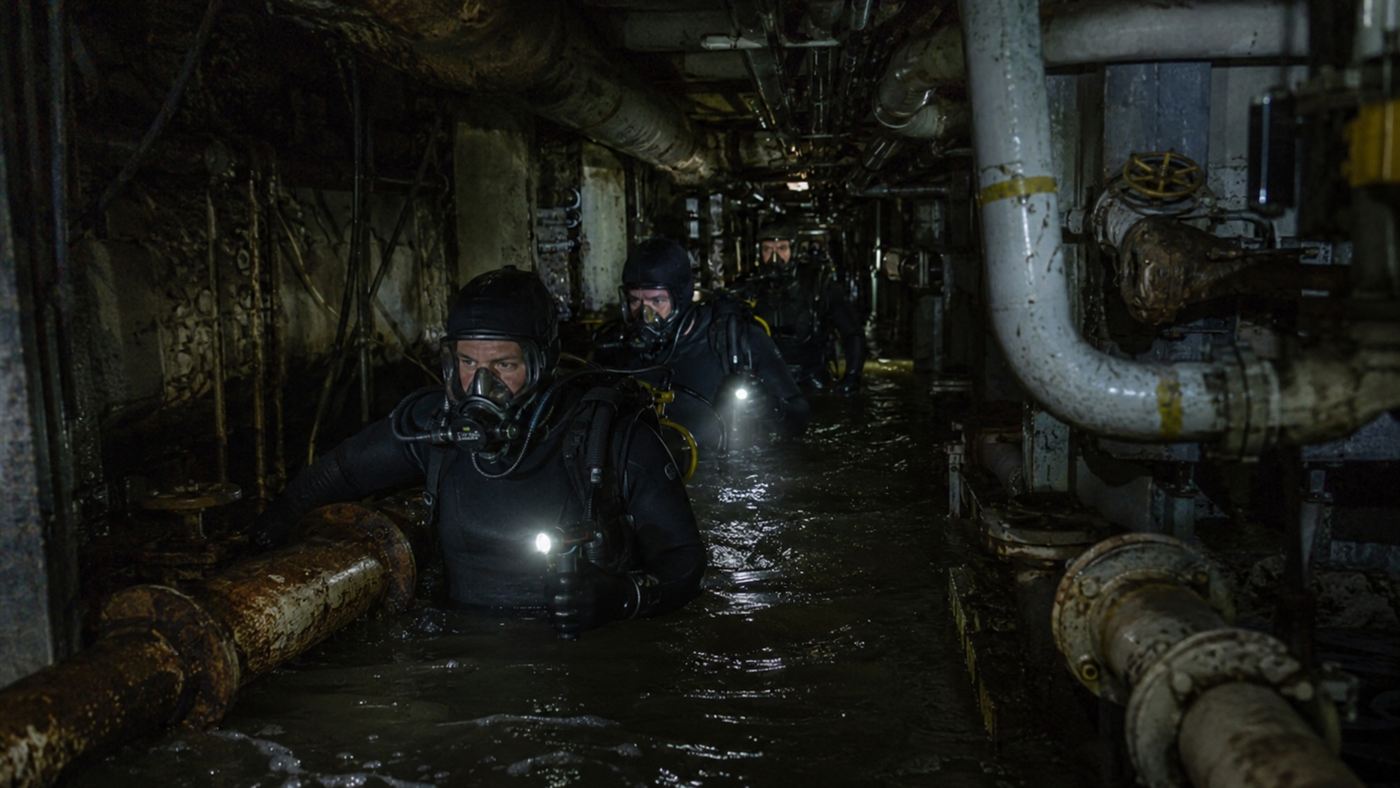
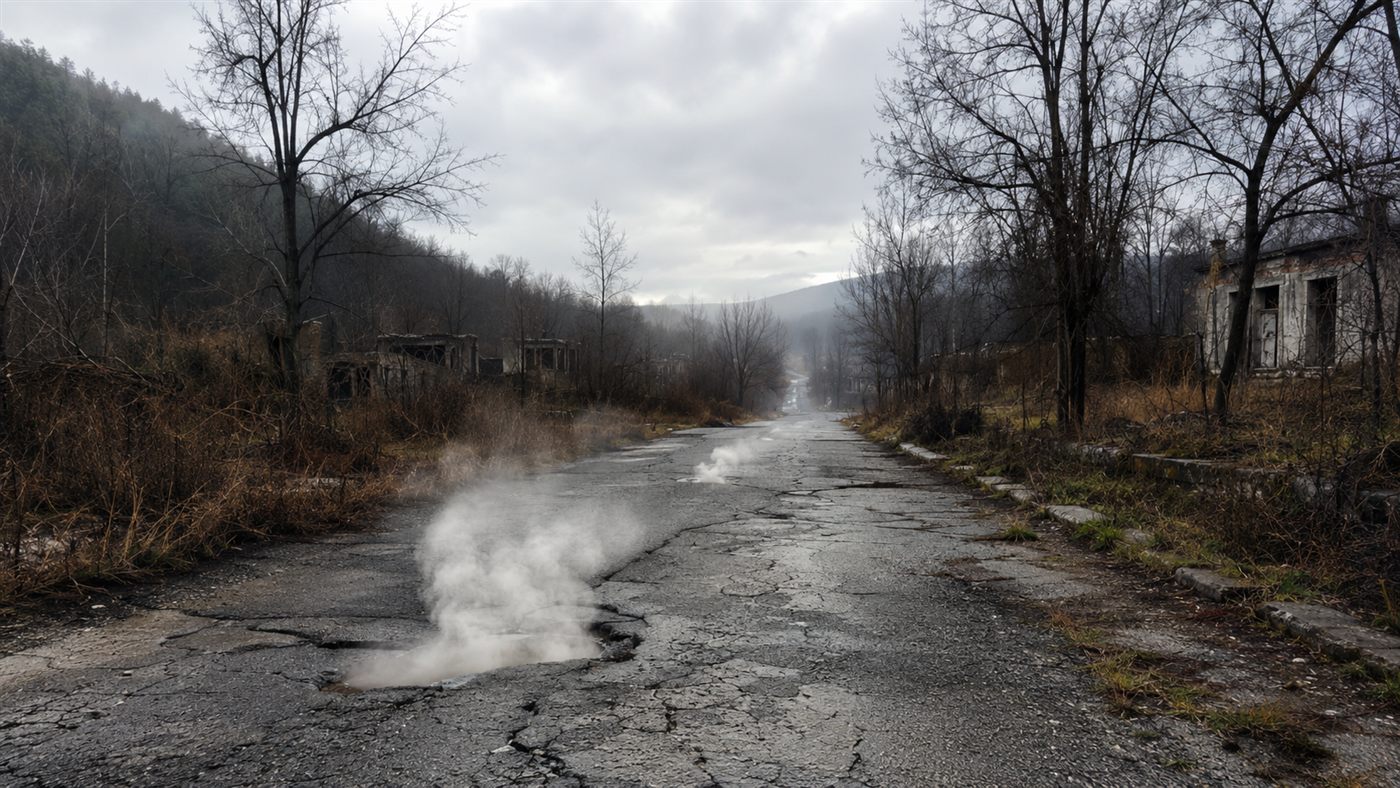
A tree brushed a power line in Ohio and a silent software bug did the rest, blacking out 55 million people across the Northeast
It began with something as ordinary as a tree. On a hot August afternoon in 2003 a power line in Ohio sagged into untrimmed branches, and a hidden software fault kept anyone from noticing in time. Within hours the Northeast blackout had swept the lights out from Detroit to New York to Toronto, the biggest power failure North America had ever seen.
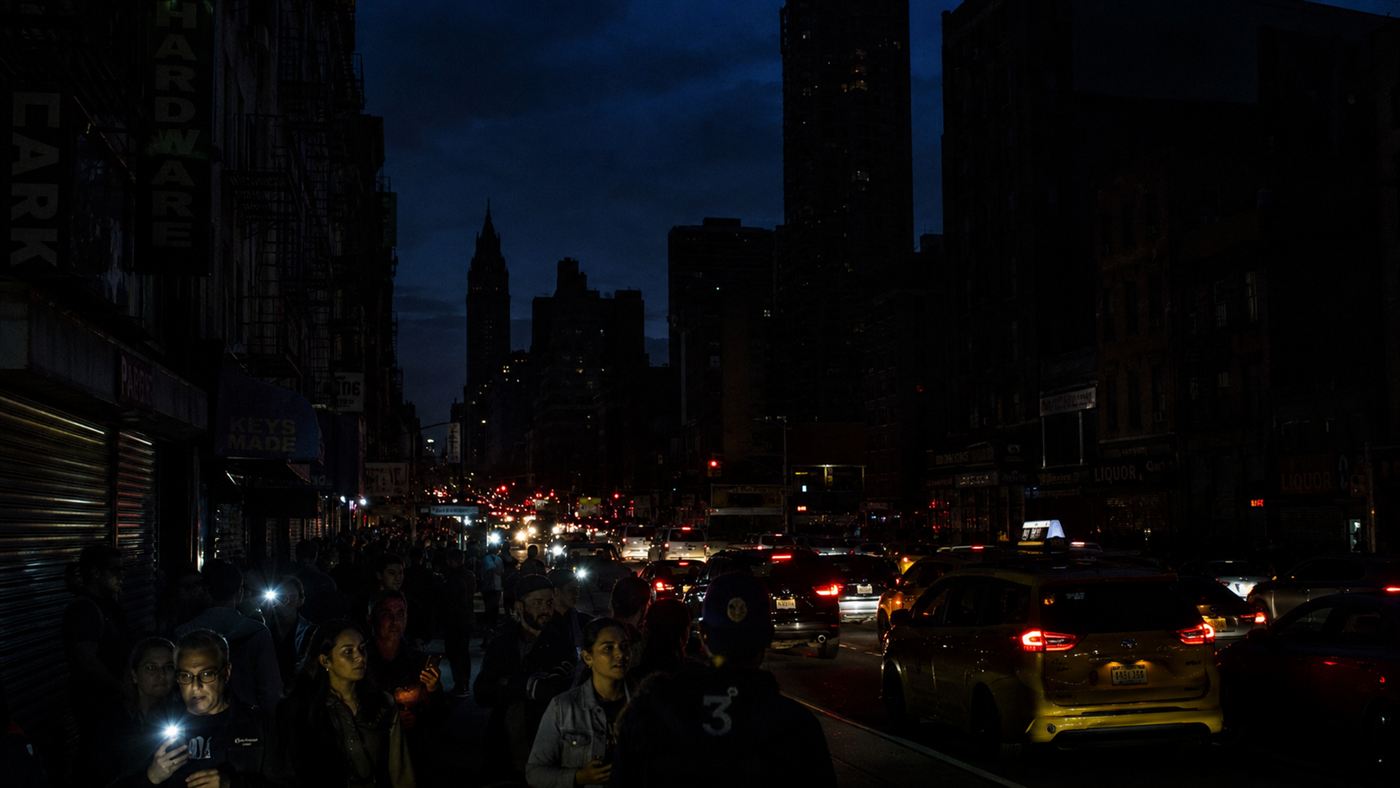
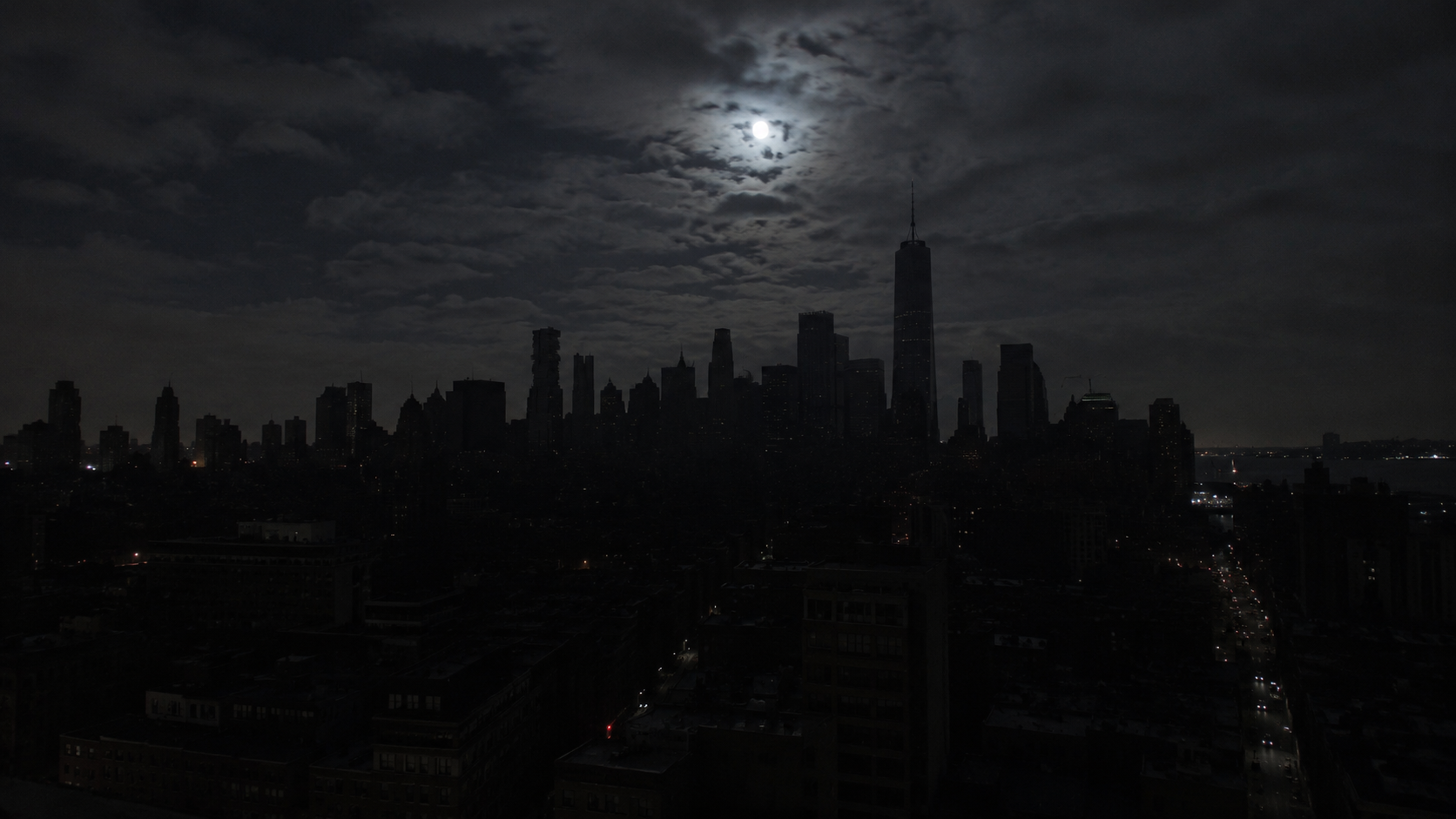
New York City went dark on 14 August 2003 as the grid collapsed. Illustration: Watts & Wild.
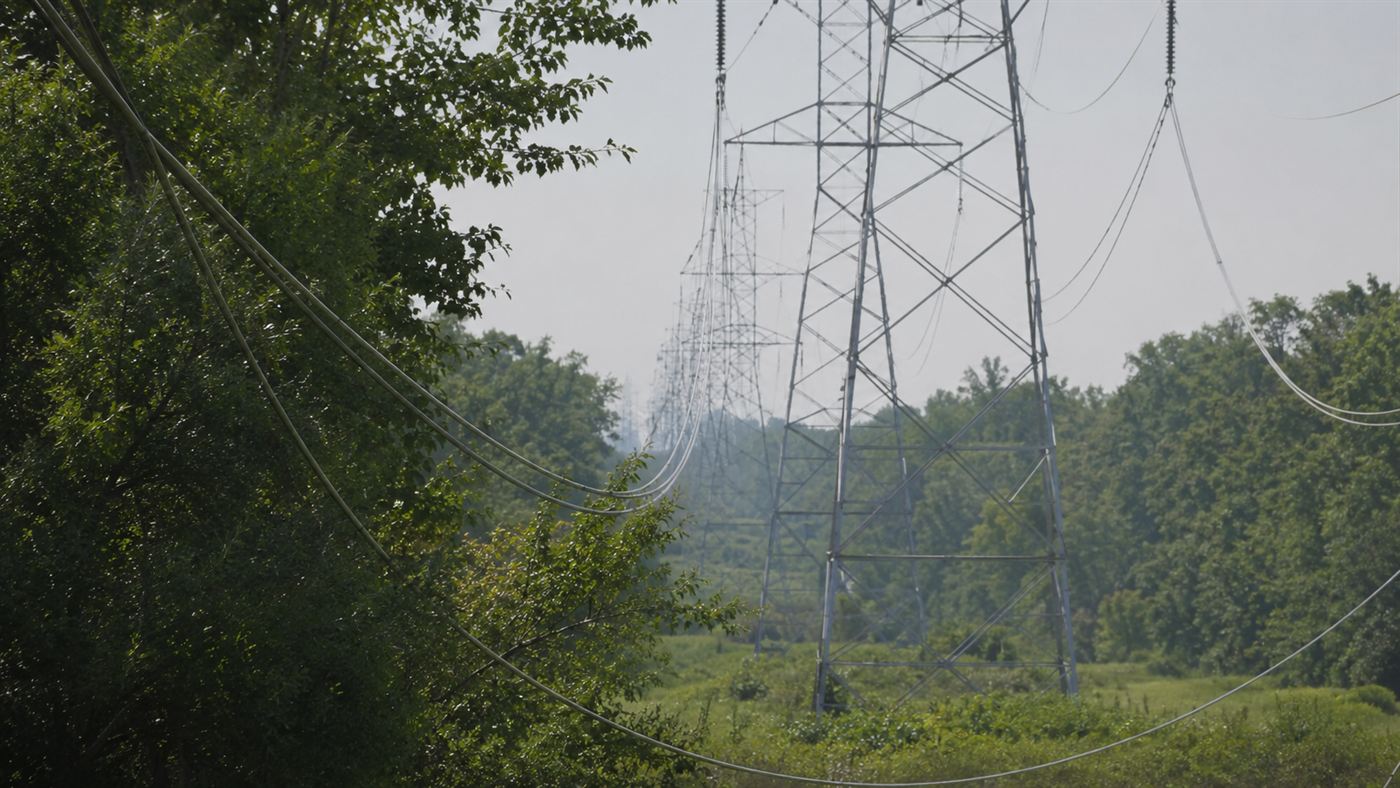
The day was hot, demand for air conditioning was high, and the high-voltage lines carrying power across northern Ohio were working hard. As they carried more current they heated up and sagged lower, the way a loaded clothesline droops, until one of them touched the top of a tree that should have been trimmed back. The line shorted out and switched itself off.
On its own that is a routine event. Grids are built to shrug off a lost line by shifting power onto neighbouring ones, and operators watch alarms to catch trouble early. But on this day the safety net had a hole in it, and the hole was not in the wires. It was in a computer.
The alarm that went silent
Inside the control room of the utility FirstEnergy, the alarm system that should have screamed about the failing line simply went quiet. As The Register reported in its investigation, a flaw called a race condition in the grid-management software froze the alarms without anyone realising. The screens kept showing a calm, healthy grid that no longer existed.
So the operators carried on with stale information, unaware that lines were dropping one after another. They even waved off phone calls from other utilities warning that something was badly wrong. For more than an hour the people responsible for the grid were effectively blind, and the gap between what they saw and what was happening kept widening.
How the Northeast blackout cascaded in minutes
Each time a line failed, the power it had been carrying piled onto the others, overloading and tripping them in turn. What started as a local problem in Ohio became a chain reaction racing outward across the interconnected grid. Near the end it moved astonishingly fast, toppling the system across several states and into Canada in a matter of minutes.
By the time it stopped, more than 260 power plants had shut down and around 55 million people were in the dark, roughly 45 million across eight US states and another 10 million in Ontario. As the detailed record of the outage shows, a continent-spanning machine had been brought down by a tree and a bug, and almost nobody saw it coming until the lights were already gone.
The night 55 million people improvised
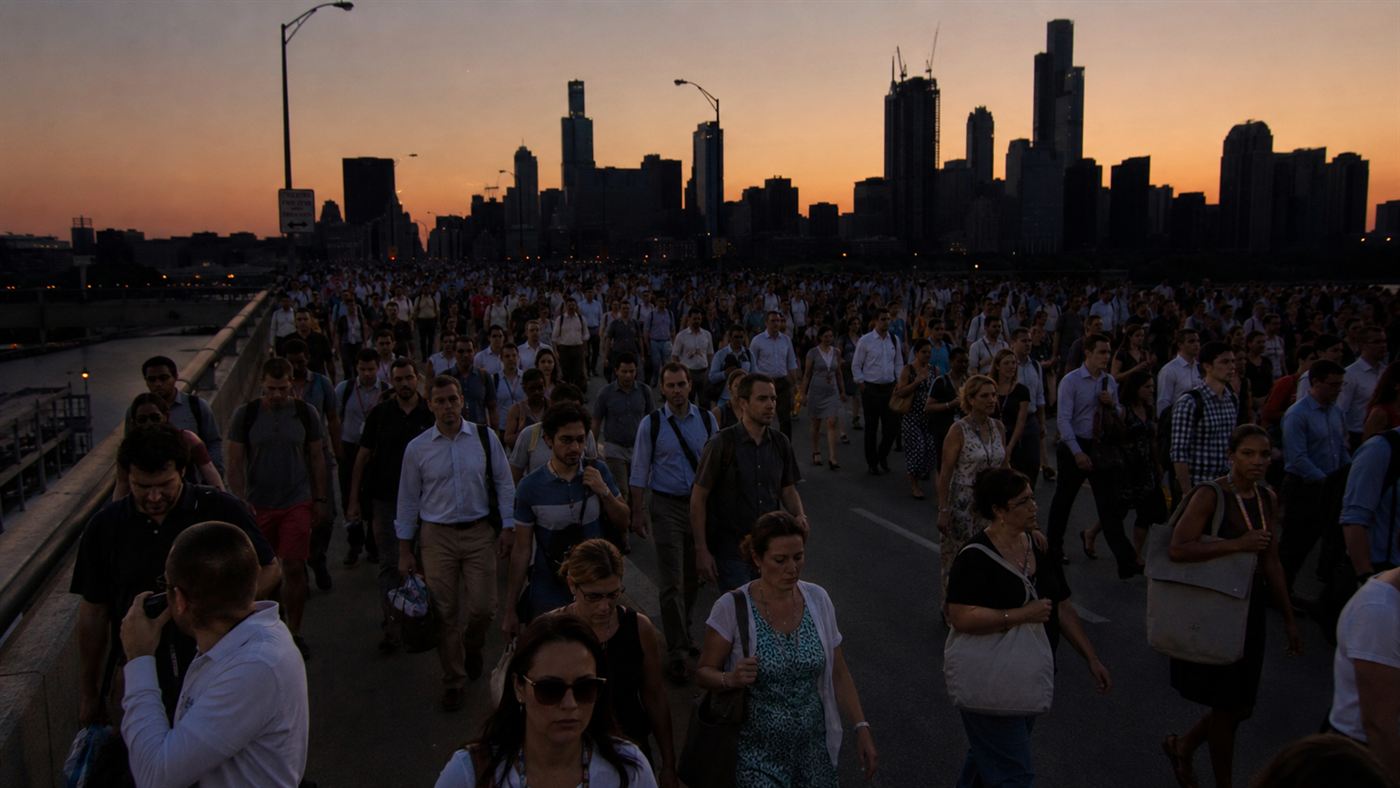
What happened next is the part people remember. In New York, the subways stopped and hundreds of thousands of commuters simply started walking, streaming across the bridges out of Manhattan in the summer heat. Strangers directed traffic at dead intersections, shared water and torches, and slept on stoops because the lifts did not work.
For all the chaos, the feared wave of looting and disorder mostly never came. The blackout is remembered in New York less as a catastrophe than as a strange, sweaty, oddly communal night. Elsewhere it was harder, with hospitals running on generators and at least eleven deaths linked to the outage, and an estimated six billion dollars in damage by the time the power was back.
What caused the 2003 Northeast blackout?
The short version is a tree and a software bug, but the honest version is a chain of failures. Overgrown trees, a frozen alarm, operators working from bad data, and weak coordination between utilities all lined up on the same afternoon. Remove any one of them and the lights probably stay on. It took the whole sequence, in the wrong order, to bring the grid down.
The honest catch
It is tempting to blame one tree or one line of bad code, and the headlines often do, but the official US-Canada inquiry found something less satisfying and more important: the system was fragile in ways that had nothing to do with that single afternoon. Tree-trimming had been neglected, operators lacked a real-time picture of their own grid, and the rules meant to keep utilities coordinated were voluntary and widely ignored. The blackout was less an accident than an exposed weakness. Its real legacy is that those reliability rules were finally made mandatory and enforceable, which is the quiet reason a failure on that scale has not happened again since.
A single tree and a frozen alarm took the power from 55 million people in an afternoon. Does the 2003 Northeast blackout make you trust the grid more, now that the rules are tougher, or less, knowing how little it took to break? Tell us what you think in the comments.
Related reading: Eighteen years later, a different grid failure froze Texas and killed hundreds, for very different reasons.