Texas kept its power grid deliberately isolated from other states for 80 years to avoid federal rules, and when Winter Storm Uri hit in 2021 that decision killed 246 people who had nowhere to borrow electricity from
The Texas power grid is the only major grid in the continental United States that does not connect to its neighbors. Texas built it that way on purpose. In February 2021, Winter Storm Uri arrived and ERCOT, the grid's operator, had no neighboring state to call for help.
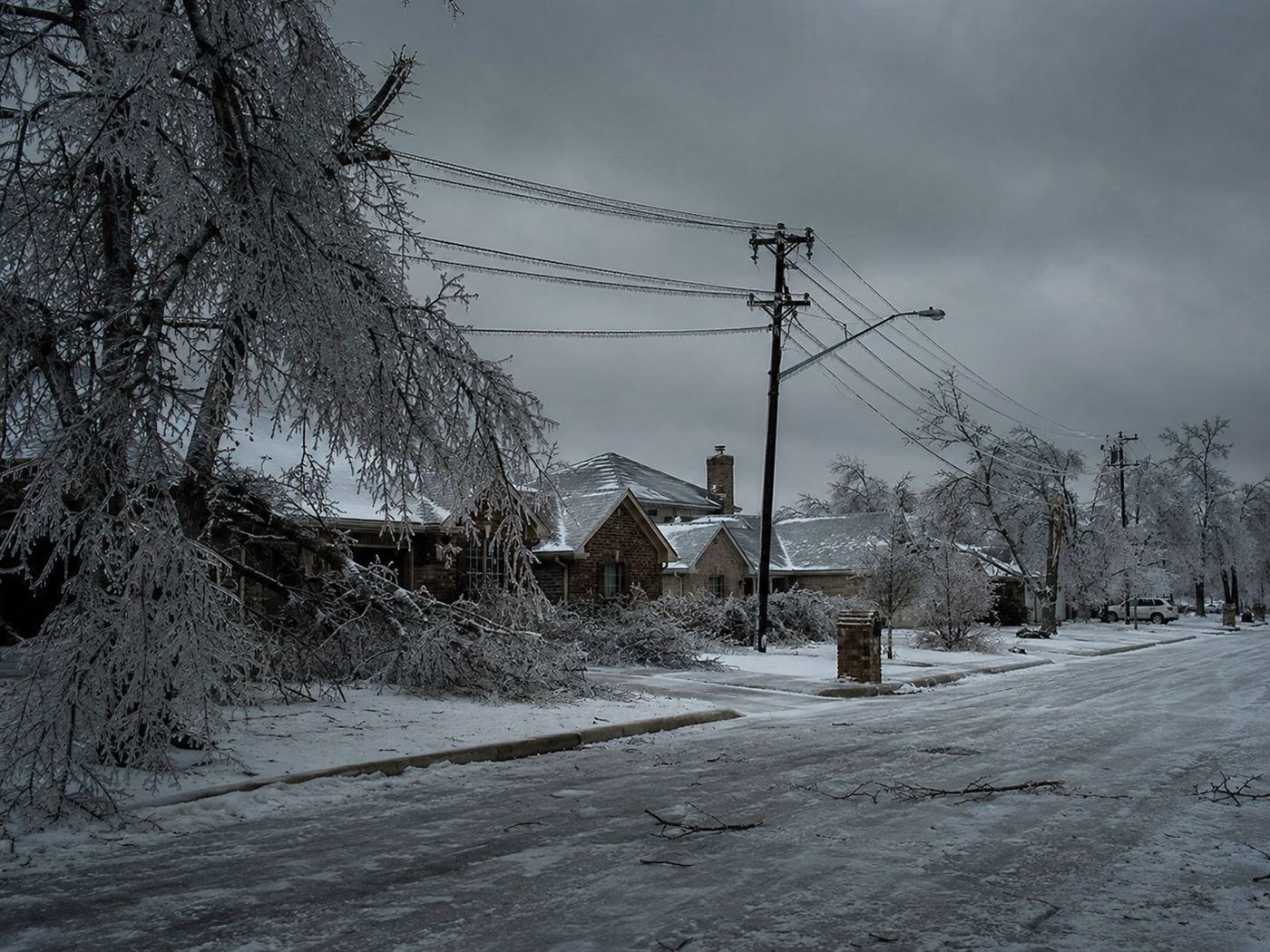
Texas suburbs during Winter Storm Uri, February 2021. The Texas power grid was not built to handle temperatures that fell below -18°C in some areas. Neither was most of the infrastructure connected to it. Illustration: Watts & Wild.
On the morning of February 10, 2021, a power outage began spreading across Texas. By the following day, 4.5 million households had lost electricity. By February 12, temperatures in some parts of the state were falling below -18°C, colder than parts of Alaska. People burned furniture for warmth. They left their cars running in garages and died of carbon monoxide poisoning. They ran hot water to keep pipes from bursting and pipes burst anyway, flooding homes that were already freezing. The Texas electricity system, managed by the Electric Reliability Council of Texas, known as ERCOT, had lost roughly a third of its total generating capacity in a matter of days, according to Wikipedia's documented account of the 2021 Texas power crisis. Natural gas pipes froze. Wind turbines froze. Coal plants froze. A nuclear plant went offline when its instruments failed in the cold. ERCOT came within minutes of a total, uncontrolled grid collapse that engineers said could have taken months to restart.
The final death toll from the storm and the Texas power grid failure was 246 people, with some analyses placing it above 700 when indirect causes were counted. The economic damage reached roughly $195 billion. Both figures made Winter Storm Uri the costliest disaster in Texas state history. The cause of the grid failure was not, in the end, unusual weather. Storms of similar intensity had hit Texas before. The cause was a decades-old decision to keep the Texas power grid disconnected from the rest of the country's electricity network, a decision made deliberately, for political reasons, and one that Texas has not fully reversed.
Why Texas has its own power grid
The continental United States has three main electricity grids: the Eastern Interconnection, the Western Interconnection, and the Texas Interconnection.
The Eastern and Western grids connect dozens of states and exchange power constantly.
The Texas grid, managed by ERCOT, stands alone.
This was not an accident of geography.
In the 1930s, electric utilities in Texas began building their own transmission lines, deliberately avoiding connections to neighboring states so they would not cross state lines and trigger federal jurisdiction.
The Federal Power Act of 1935 gave the federal government regulatory authority over interstate electricity transmission.
Texas utilities did not want federal oversight of their rates, their operations, or their infrastructure decisions.
By staying entirely within Texas borders, the Texas electricity system could argue it was not engaged in interstate commerce and therefore not subject to federal regulation.
The strategy worked for decades.
The Federal Energy Regulatory Commission, the federal body that oversees most of the country's electricity market, has no jurisdiction over ERCOT.
When the rest of the United States began interconnecting its grids in the mid-20th century for reliability and efficiency, Texas stayed out.
The freedom from federal rules came at a price that most Texans did not know they were paying until February 2021.
ERCOT and what an isolated Texas power grid cannot do
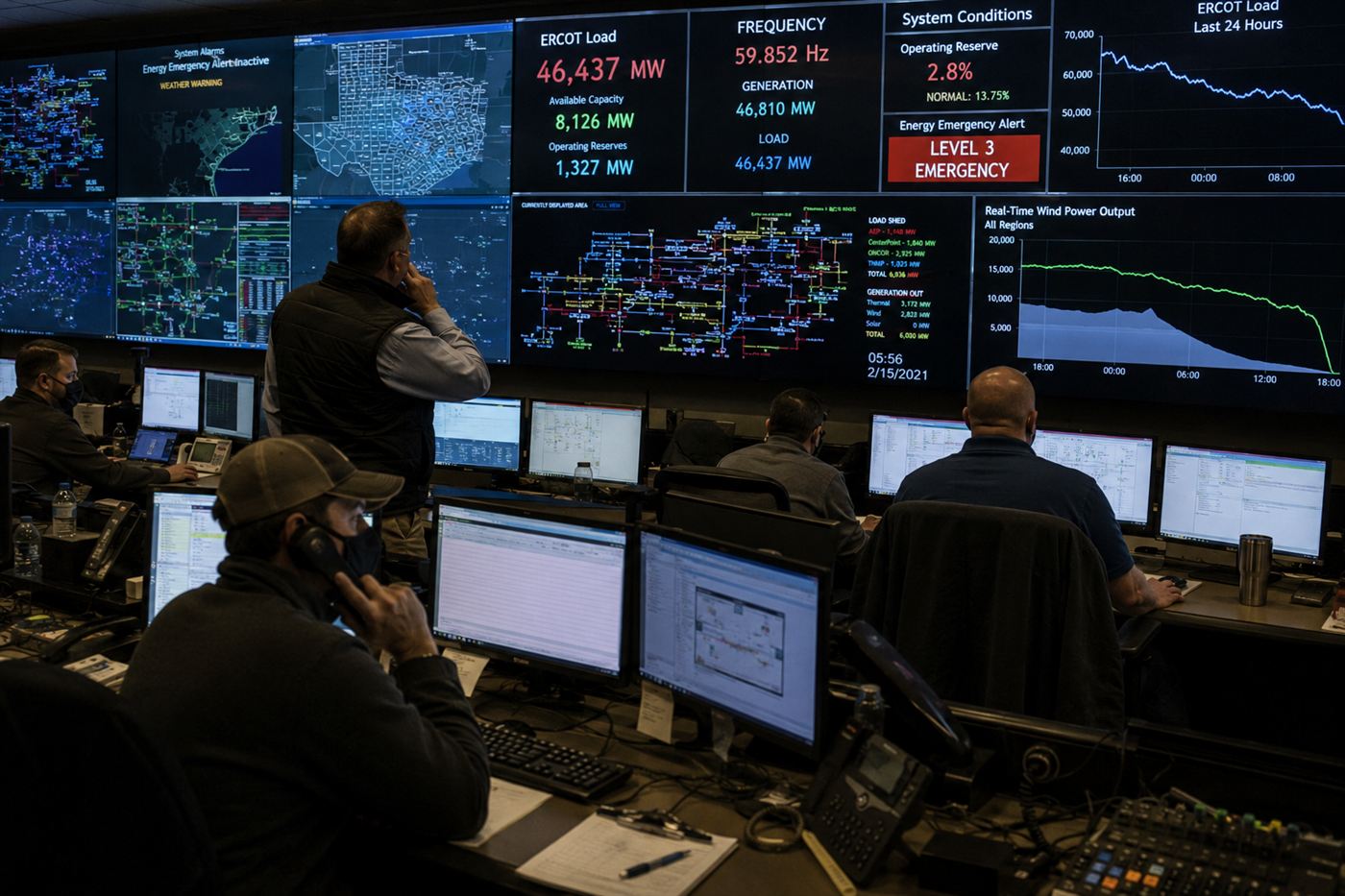
An interconnected grid has a simple advantage: when one part fails, power can flow in from elsewhere.
When a drought hits the Pacific Northwest and reduces hydroelectric output, California can pull from Arizona.
When a heat wave spikes demand in the Midwest, utilities can import from the East.
The Texas power grid cannot do this.
ERCOT has only two direct current ties to neighboring grids, one to the Eastern Interconnection and one to Mexico, totaling about 1,100 megawatts of import capacity.
The entire Texas electricity market uses roughly 70,000 to 85,000 megawatts on a normal summer day.
1,100 megawatts is barely enough to power a medium-sized city.
During Winter Storm Uri, ERCOT lost more than 30,000 megawatts of generation.
A neighboring interconnected grid could have sent emergency power.
ERCOT had nowhere to turn.
The Texas electricity market also operates differently from most US markets.
ERCOT runs a "energy-only" market, where generators are paid only for power they sell, not for simply being available to run.
This kept electricity prices low during normal times but gave generating companies no financial incentive to winterize their equipment, because the cost of cold-weather upgrades would not be recovered unless a cold winter actually arrived and prices spiked.
Cold winters rarely arrived in Texas.
Until they did.
What Winter Storm Uri brought to Texas in February 2021
Winter Storm Uri began affecting Texas on February 10, 2021, bringing temperatures that shattered records across the state.
Abilene reached -20°C.
Dallas fell to -15°C, colder than it had been in living memory for most residents.
Natural gas, which supplies about 45 percent of Texas's electricity generation, depends on a network of pipes, compressors, and processing plants that had not been built for those temperatures.
Gas froze in pipes before it could reach power plants.
Instruments at plants that were still running froze and shut units down automatically as a safety measure.
Wind turbines without cold-weather packages iced up, though wind generation, which had already been running at reduced levels because of the calm weather ahead of the storm, accounted for a smaller share of the lost capacity than natural gas did.
The Texas power grid began shedding load before dawn on February 10 and had lost around 34,000 megawatts of generating capacity by February 11.
ERCOT ordered utilities to cut power to rotating blocks of customers to prevent a full grid collapse.
What was supposed to be rotating, temporary outages lasting 10 to 45 minutes became days-long blackouts for millions of Texans.
The rotation system broke down because too much capacity was offline at once.
The Texas power grid failure: what the numbers looked like
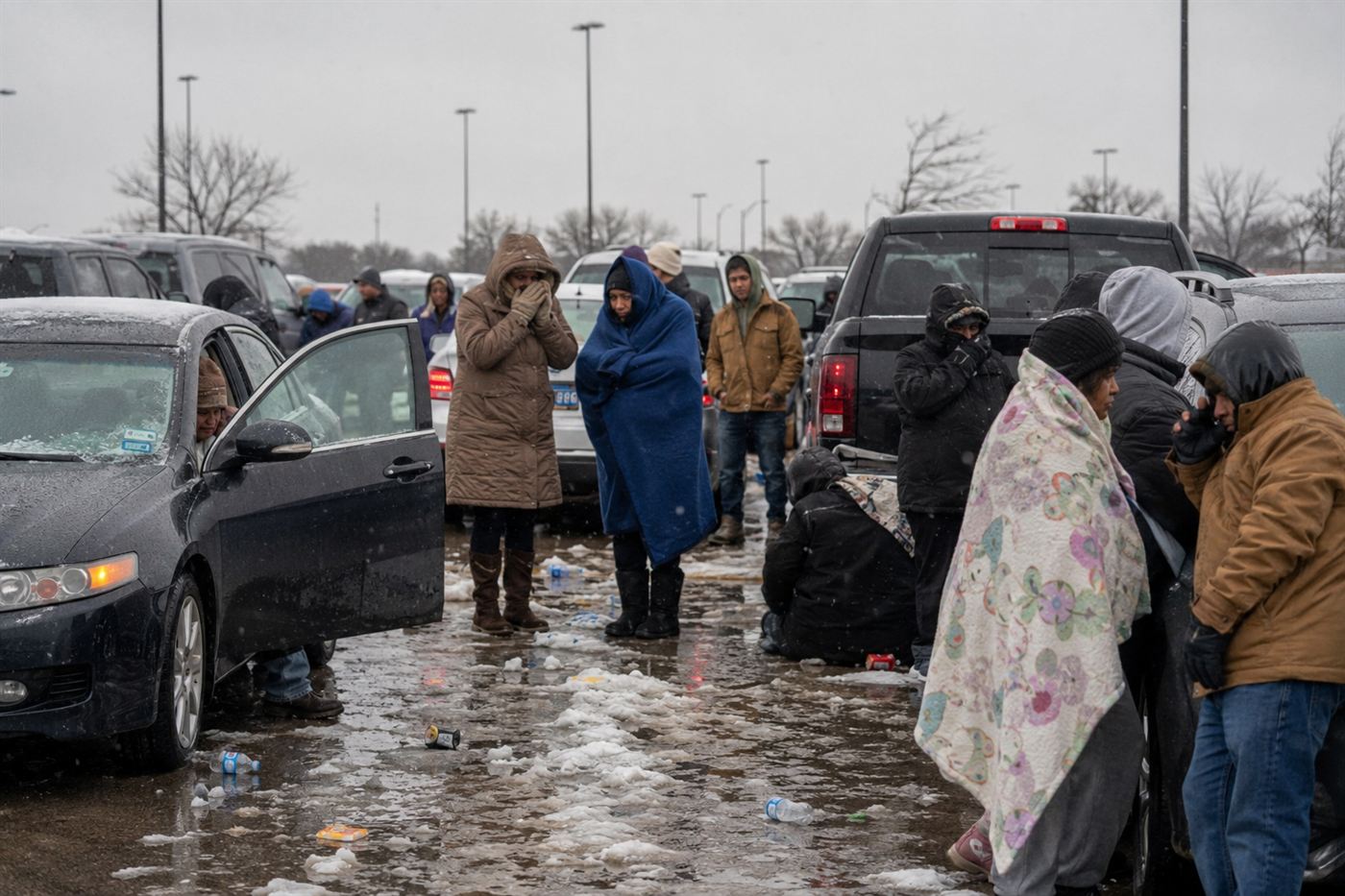
At its peak, the Texas power grid outage left roughly 4.5 million homes without electricity.
Because Texas electricity outages also cut the pumps that pressurize water systems, an estimated 12 million Texans lost access to running water.
The official death toll attributable to the storm and the power outage was set at 246 by the Texas Department of State Health Services.
A 2021 study published by the journal Nature estimated the actual excess mortality during the event at more than 700.
The dead included elderly people who had no heat, infants who were not dressed for near-Arctic conditions inside their own homes, and people who suffocated on carbon monoxide from indoor generators or from cars left running in garages.
The Texas electricity market had warned ERCOT before the storm that demand could exceed supply if temperatures dropped below a certain threshold.
The warning was accurate.
The same warnings had been issued after a cold snap in 2011 had exposed similar vulnerabilities, and after a 1989 freeze had done the same.
After each previous event, recommendations for winterization were made.
After each previous event, the recommendations were largely ignored, because winterizing was expensive and no rule required it.
The economic damage from Winter Storm Uri was estimated at $195 billion, making it the costliest natural disaster in Texas history and one of the costliest in American history.
How Texans survived when the Texas electricity system failed
People slept in cars in grocery store parking lots, running the engine for heat.
They draped themselves in every piece of clothing they owned.
They burned furniture and books.
They drove south toward warmer temperatures.
Hotel rooms in Austin and San Antonio sold out within hours, at prices that spiked to hundreds of dollars per night.
Warming centers opened in schools, arenas, and community centers, many of which were running on backup generators or happened to be on circuits that had not been cut.
The Texas electricity grid was restored to most homes by February 17 and 18, though some areas remained without power for longer.
By the time the lights came back, the ERCOT market had briefly hit its price cap of $9,000 per megawatt-hour, compared to a normal range of $20 to $50.
Some retail electricity customers on variable-rate plans received bills for thousands of dollars for a single week of service.
The honest catch
The Texas legislature passed Senate Bill 3 in June 2021, requiring ERCOT generators above a certain size to weatherize their equipment for cold weather.
Enforcement began in 2022 and inspections showed most large generators had complied with at least the minimum requirements.
The Texas power grid, however, remained isolated.
Proposals to add more interconnections to neighboring grids were debated, then largely set aside, because building those connections would invite federal jurisdiction, and that remains politically unacceptable in Texas.
A second major winter storm in January 2024, Winter Storm Heather, tested the newly weatherized system and ERCOT held.
But holding in one subsequent test does not mean the isolation problem has been solved.
A future cold event severe enough to overwhelm the weatherized generators, or a summer heat dome that pushes demand beyond what Texas electricity production can cover, would still find the grid unable to import meaningful amounts of power outage relief from neighbors.
The political logic that built the isolated Texas power grid in the 1930s is still in place.
So is the vulnerability it created.
Should Texas finally connect to the national grid, even if it means accepting federal oversight, or is the trade-off worth keeping? Leave a comment below.
More from Watts & Wild
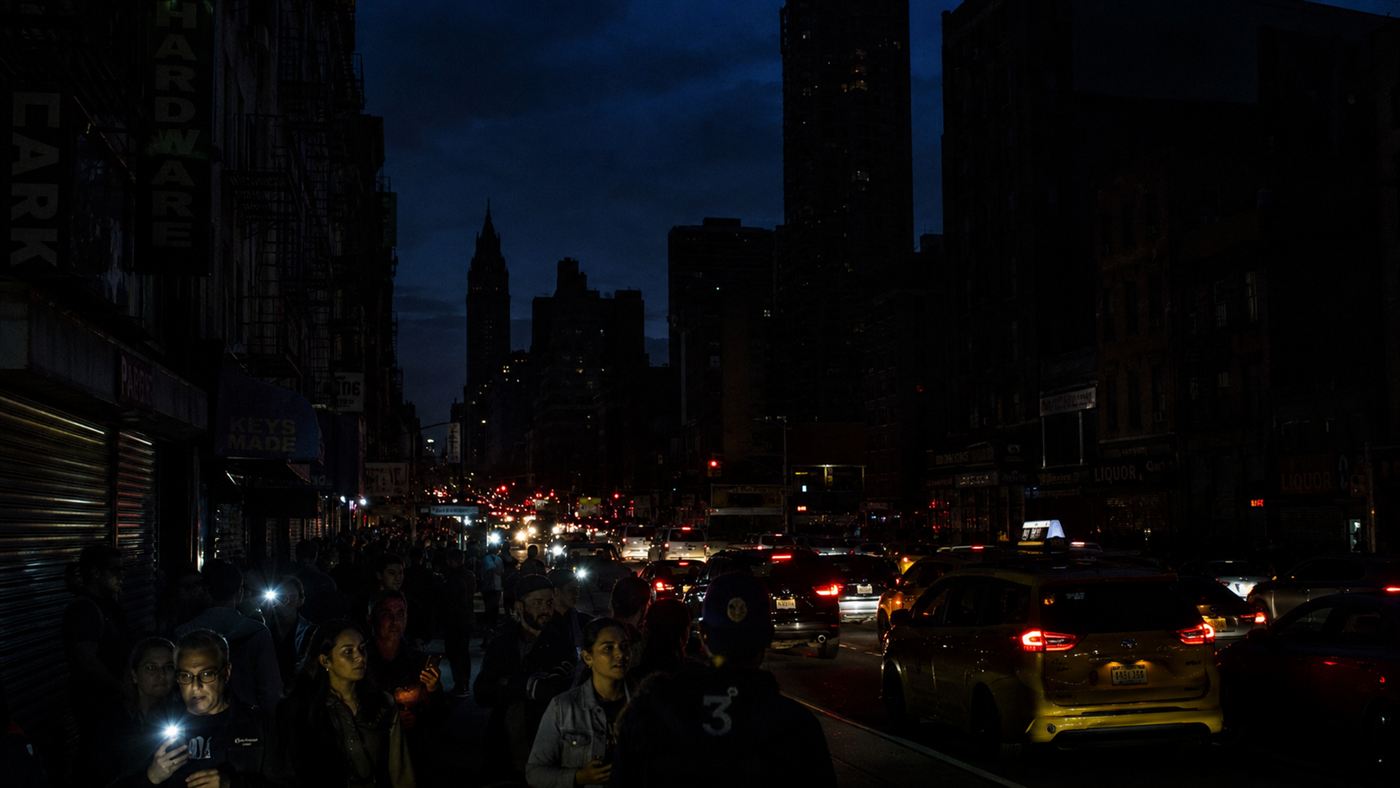 The tree and bug that blacked out 55 million
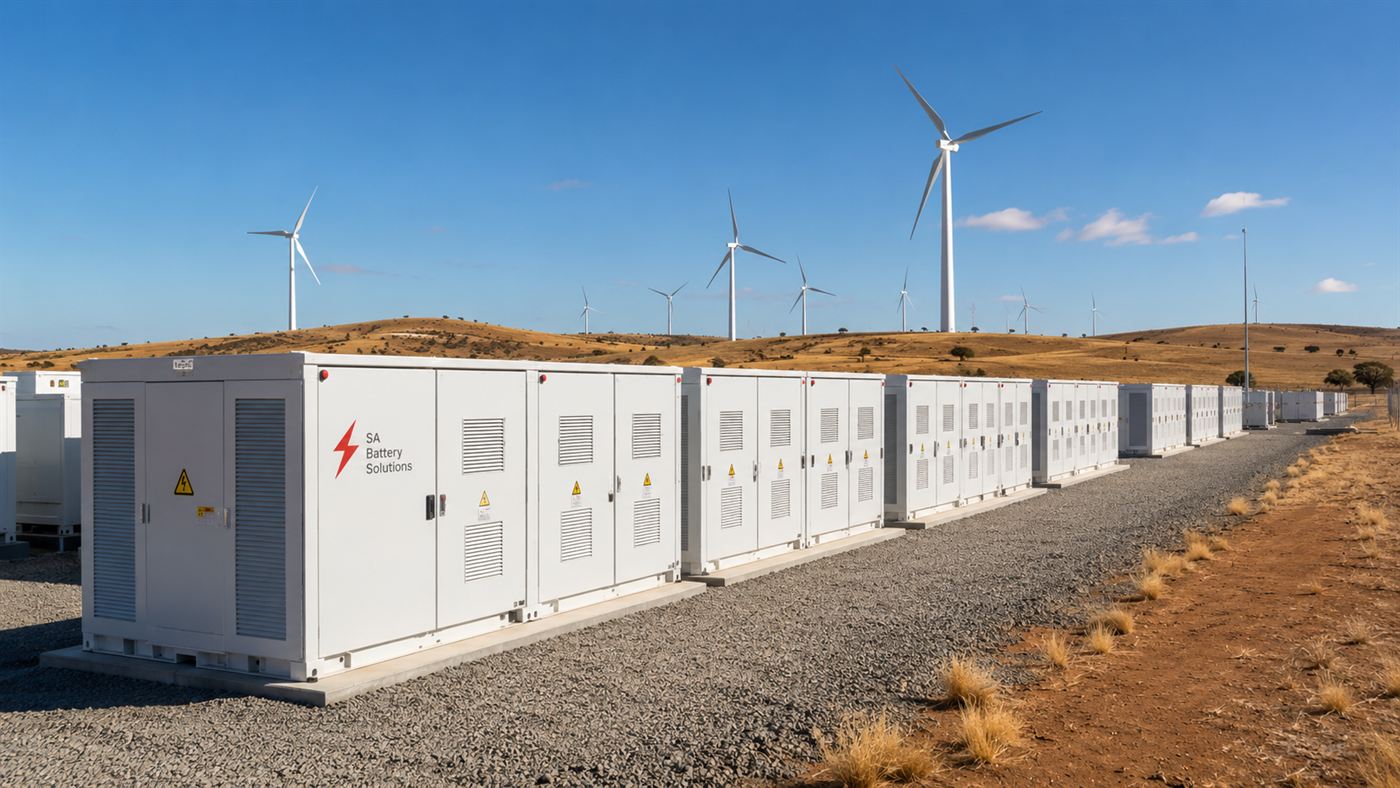 The Tesla battery that saved South Australia's grid in 140 milliseconds
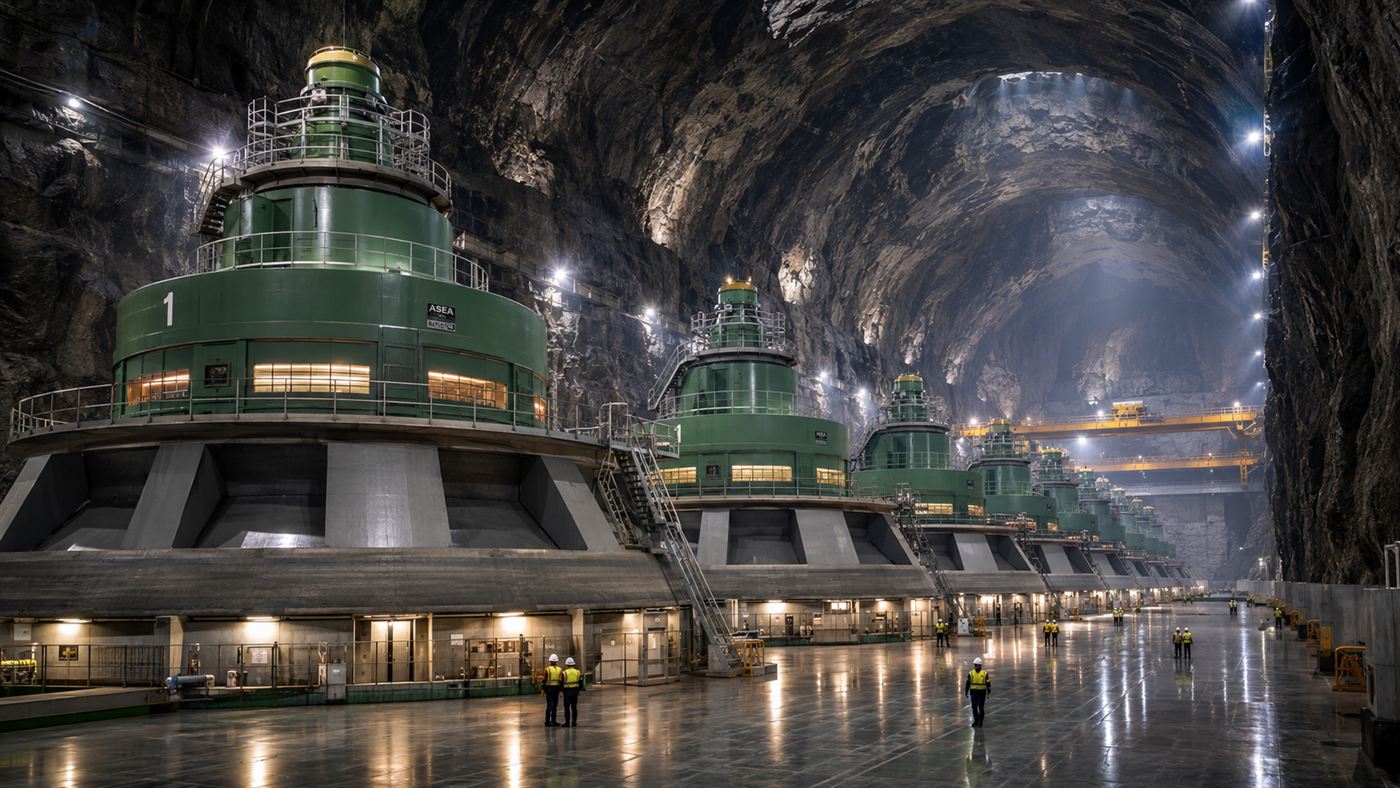 Wales hollowed out a mountain to build a 10-second emergency power station
 The night Piper Alpha burned: 167 dead and the safety culture that failed them
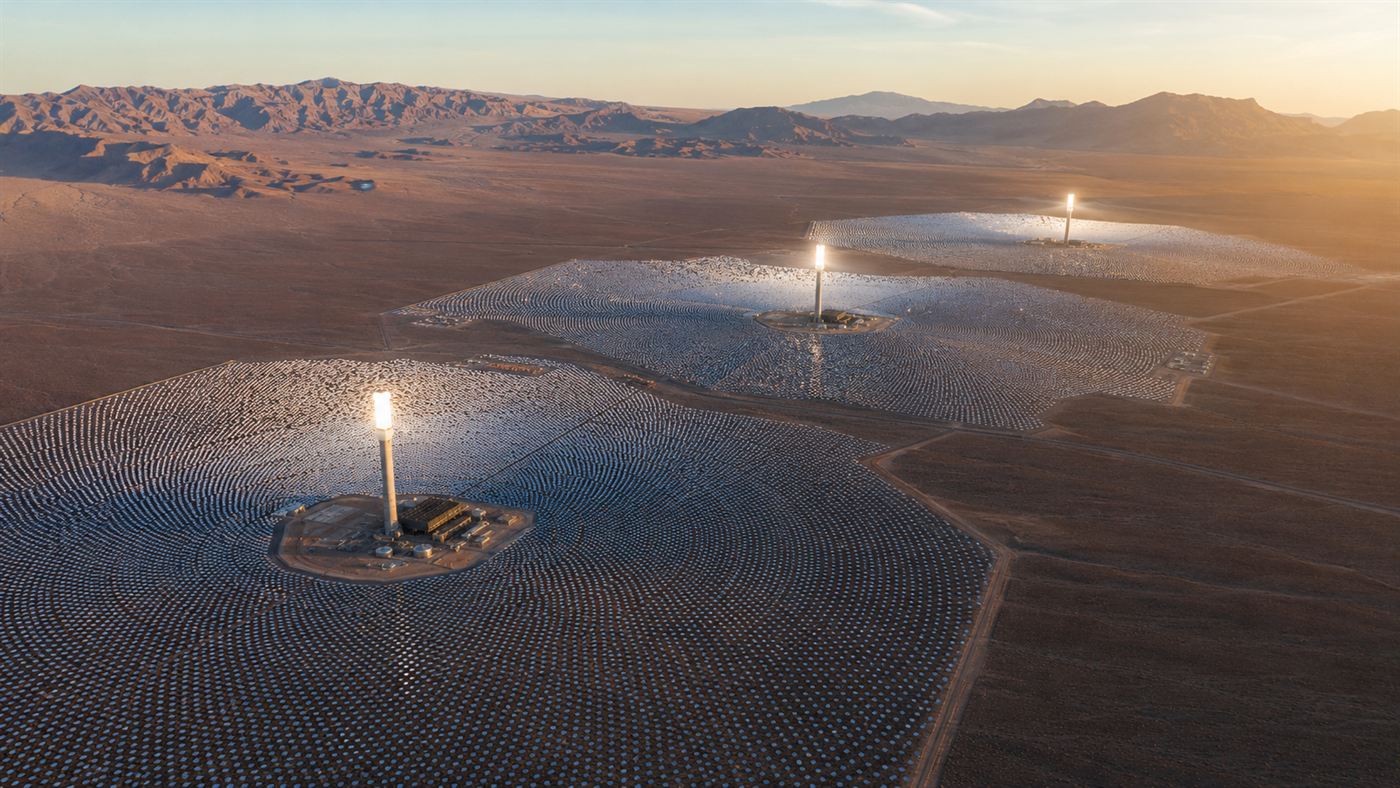 The solar plant that turned birds into midair fireballs