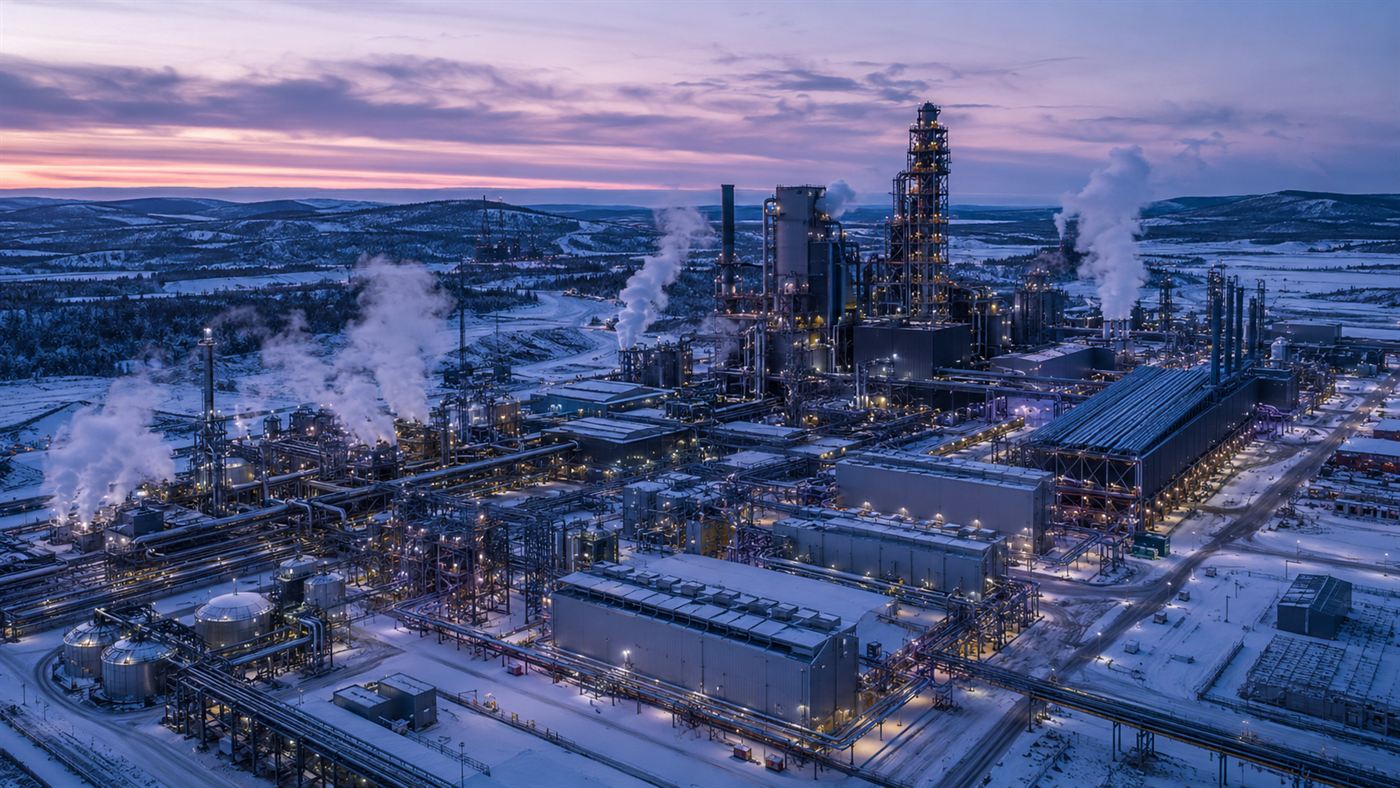
The Swedish town of Kiruna is being moved three kilometres down the road, homes, church and all, because the giant iron mine that built it is swallowing the ground beneath it
Kiruna sits on top of the largest underground iron ore mine on Earth, the mine that gave the town its life. Now the digging is cracking the ground under the streets, so Sweden is doing something almost unheard of: picking up the whole town and moving it.
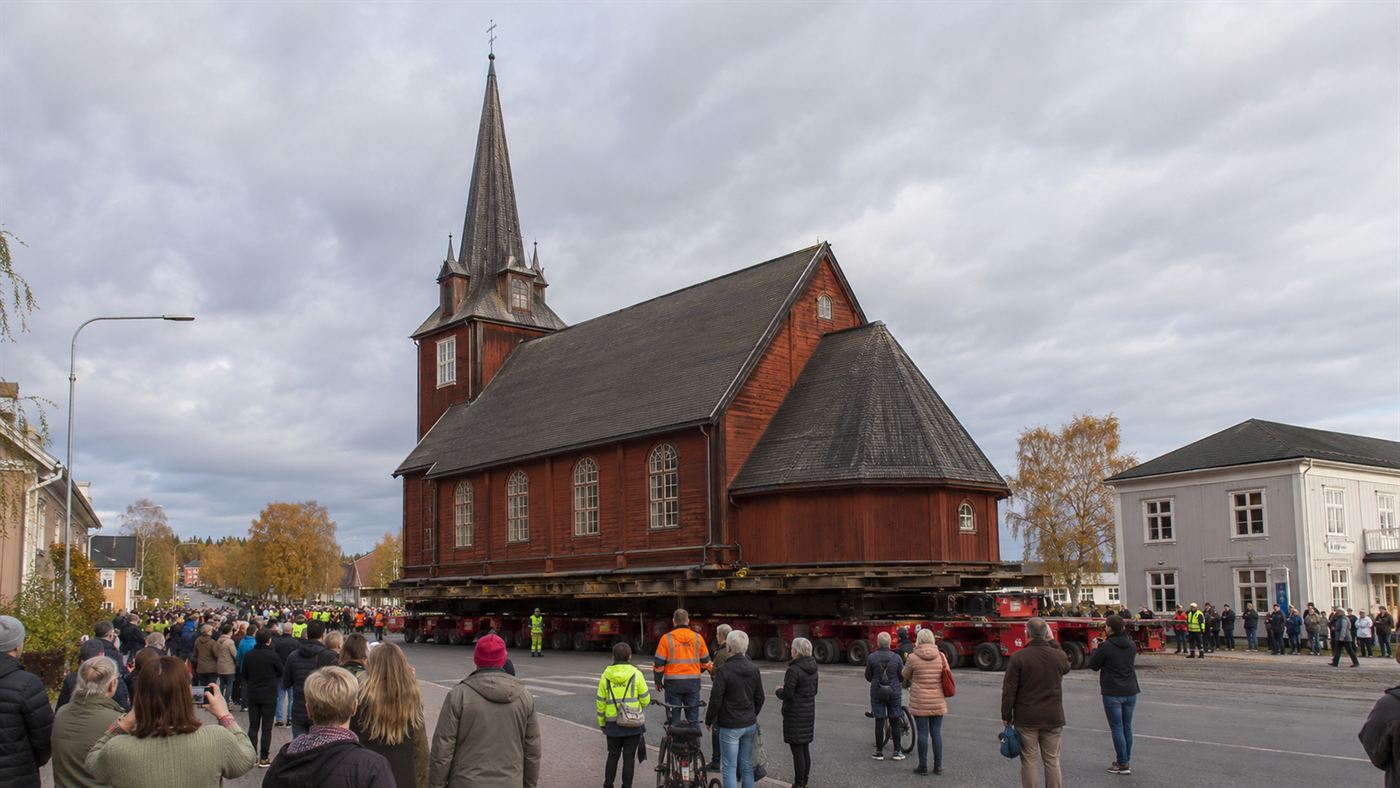
In August 2025 the 672-tonne Kiruna Church was driven whole, at walking pace, to a new home three kilometres away. Illustration: Watts & Wild.
In August 2025, a 113-year-old church weighing 672 tonnes rolled slowly down a road in the far north of Sweden, watched by crowds and by the king. The wooden Kiruna Church was not being torn down. As NBC News reported, it was being moved, whole and upright, about three kilometres to a new site, because the town it has stood in for over a century is being lifted and shifted out of the way of the Kiruna iron mine beneath it.
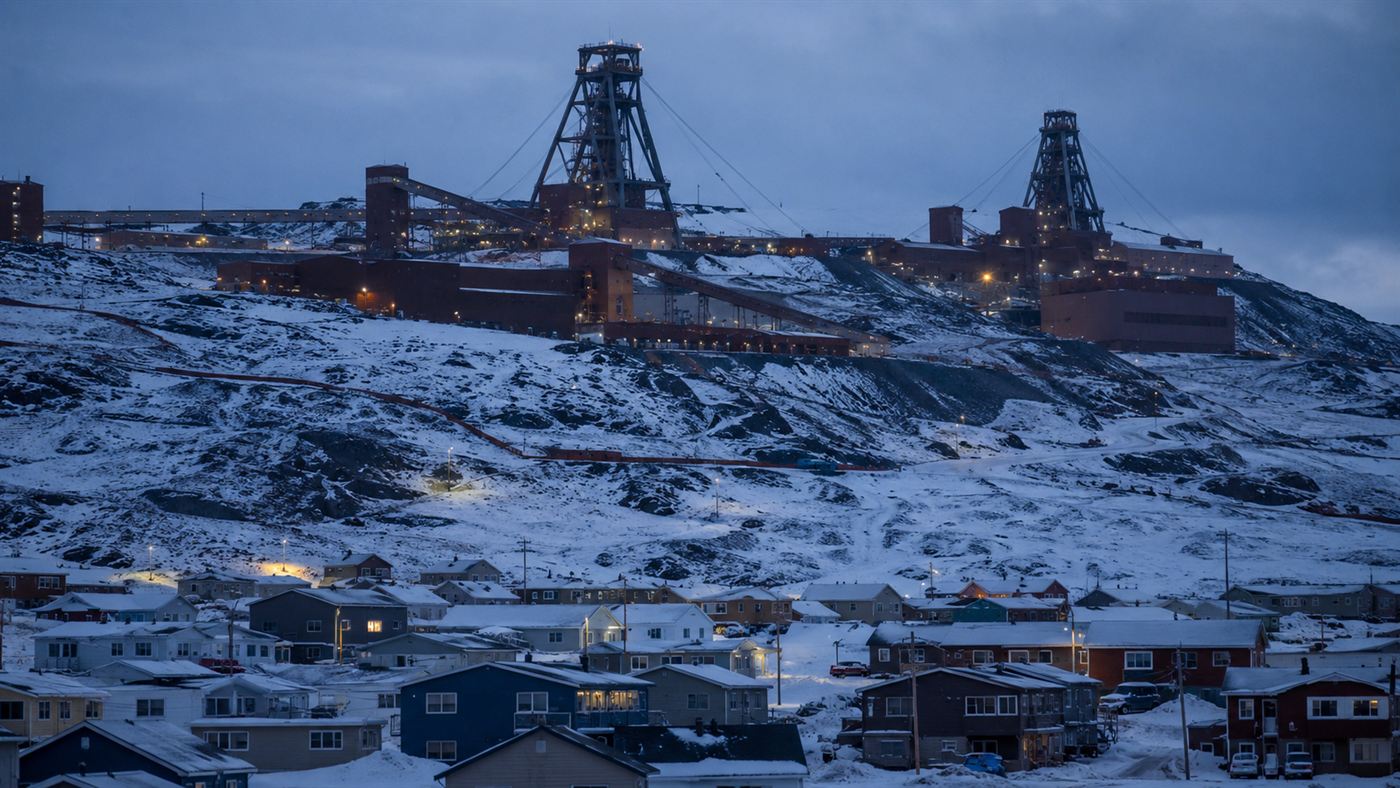
Kiruna, Sweden's northernmost town and 145 kilometres above the Arctic Circle, sits directly on top of the largest underground iron ore mine on the planet. The mine is the reason the town exists, and now it is the reason the town has to leave. As the state-owned company LKAB chases the ore deeper, the ground above is deforming and fracturing, and rather than abandon either the town or the mine, Sweden made a startling choice. It is moving the town.
A town built on the Kiruna iron mine that is now eating it
Kiruna was born from iron. The town grew up around the LKAB mine more than a century ago, and the ore body it lives on is one of the richest and largest known anywhere. The catch is geometry. The seam of iron runs at an angle down and under the town itself, so the only way to keep mining it is to follow it directly beneath the streets, the shops and the homes.
Dig out that much rock from underneath a place and the surface does not stay still. The ground slowly subsides, tilts and cracks in a widening zone above the workings, and that zone has been creeping toward and into Kiruna for years. The town was, quite literally, undermining itself. The choice became stark: stop the mine that pays for everything, or move everything off the mine.
So they decided to move a whole town
They chose to move. As CNBC has reported, the plan, first set in motion back in 2004, calls for shifting Kiruna's whole centre about three kilometres east, with roughly 3,000 homes and 6,000 people on the move, a figure that has since grown as the affected zone expanded. A brand-new town centre, with a new city hall, has been rising on the safe ground to receive them.
Some buildings are simply demolished and rebuilt. But the most cherished ones, the landmarks that make Kiruna feel like Kiruna, are being physically relocated, jacked up onto beams and rolled to the new town on wheeled platforms. It is one of the most radical urban transformations ever attempted, a whole community packing up and walking three kilometres down the road in slow motion over many years.
Moving a 672-tonne church at walking pace
Nothing captured the strangeness of it like the church. The Kiruna Church, a beloved dark-red timber building finished in 1912 and once voted one of Sweden's most beautiful buildings, could not be replaced, only moved. So in August 2025 it was lifted onto a pair of giant remote-controlled trailers and driven, in one piece, along a specially widened road to its new home.
The journey crawled along at a few kilometres an hour over two days, slow enough for thousands of people to walk alongside it and for the whole country to watch. It was part engineering feat, part funeral procession, part festival. The building is due to reopen in its new location by the end of 2026. For the people of Kiruna, watching their church roll past their windows was the moment the abstract idea of moving a town became unforgettably real.
What it costs the people who live there
Behind the spectacle is a harder, quieter story. For residents, the relocation means watching the town they grew up in be dismantled around them, homes demolished, familiar streets erased, the mental map of a lifetime slowly rubbed out. A new flat in a shiny new centre is not the same as the house your grandparents built. Some people have embraced the change. Others feel they were never really given a choice.
LKAB, which is footing much of the enormous bill, has pledged large sums to the municipality to keep the move going, and residents are compensated and rehoused. But money does not fully cover what is being lost, and the company has acknowledged the affected zone is spreading faster than expected, pulling still more homes and businesses into the relocation. The town keeps moving because the mine keeps growing.
Why a country sacrifices a town
It would be easy to ask why Sweden does not simply close the mine, until you see what is underground. Kiruna's iron has fed European steel for generations, and in 2023 LKAB announced that it had identified the largest known deposit of rare earth elements in Europe right next door. Those metals are essential for the magnets in electric car motors and wind turbines, and Europe is desperate to source them somewhere other than China.
That turns Kiruna from a remote mining town into a piece of the continent's strategic future. The town is being moved not just to keep iron flowing, but to keep open a site that may help power the green transition and loosen a dependence that worries every government in Europe. A town of 18,000 people is being relocated, in part, so that the rest of the continent can build cleaner cars.
The honest catch
The engineering is genuinely astonishing, and it is also worth resisting the urge to make it a tidy triumph. Moving a town is not the same as saving it. The new Kiruna is modern and well planned, but it is a reconstruction, and for many residents the original place, with all its memory baked in, is simply gone. Relocations like this tend to land hardest on the people with the least say. It is a far gentler version of what unfolded on Nauru, the Pacific island that mined away most of its own land.
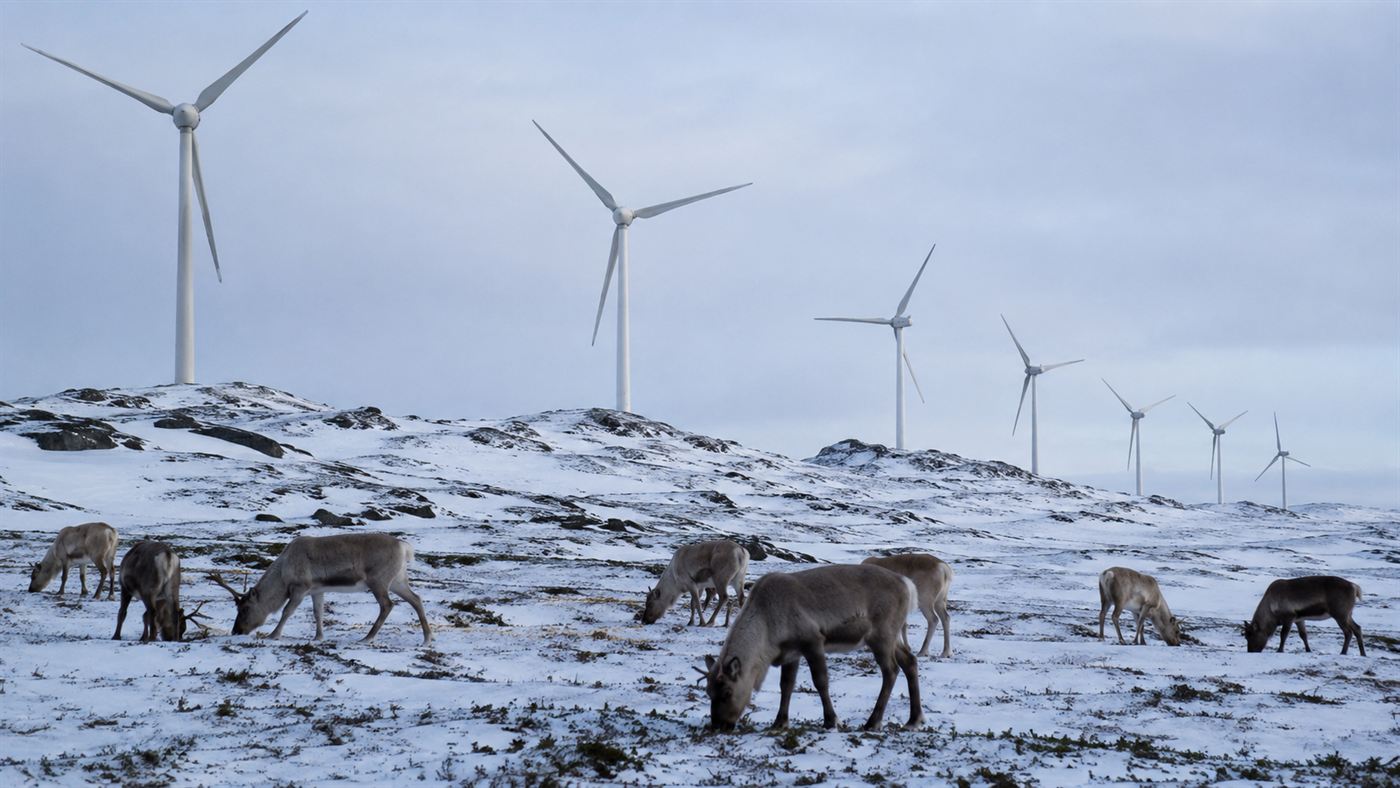
There is a wider shadow too. Kiruna lies in Sapmi, and the expanding mine and its infrastructure press on the same kind of reindeer-herding land that has sparked bitter disputes elsewhere in the Nordic north. And there is the uncomfortable irony at the centre of it all: some of what is being dug from under this town, the rare earths in particular, is meant to power a cleaner world, even as extracting it uproots the people living on top of it. Kiruna is a marvel of what we can move when we have to. It is also a reminder that nothing about getting the materials for the future is as clean as the future is supposed to be.
A whole Arctic town is rolling three kilometres down the road, church and all, so the mine beneath it can keep digging the metals the modern world runs on. Would you let them move your hometown to keep the mine open, or is there a point where the place matters more than the ore? Tell us what you think in the comments.
Related reading: The heaviest vehicle ever built is a 382 metre ship that lifts an entire oil platform out of the sea in a single move.