A Swedish factory is about to make steel without coal, replacing it with green hydrogen that emits only water and strips up to 95 percent of the carbon from one of the world's dirtiest industries
Making steel is one of the dirtiest things humans do, responsible for around 8 percent of all carbon emissions, because it has always needed coal. In the far north of Sweden, a company called Stegra is finishing a giant plant designed to make green steel with hydrogen instead of coal, releasing water where there was once smoke.
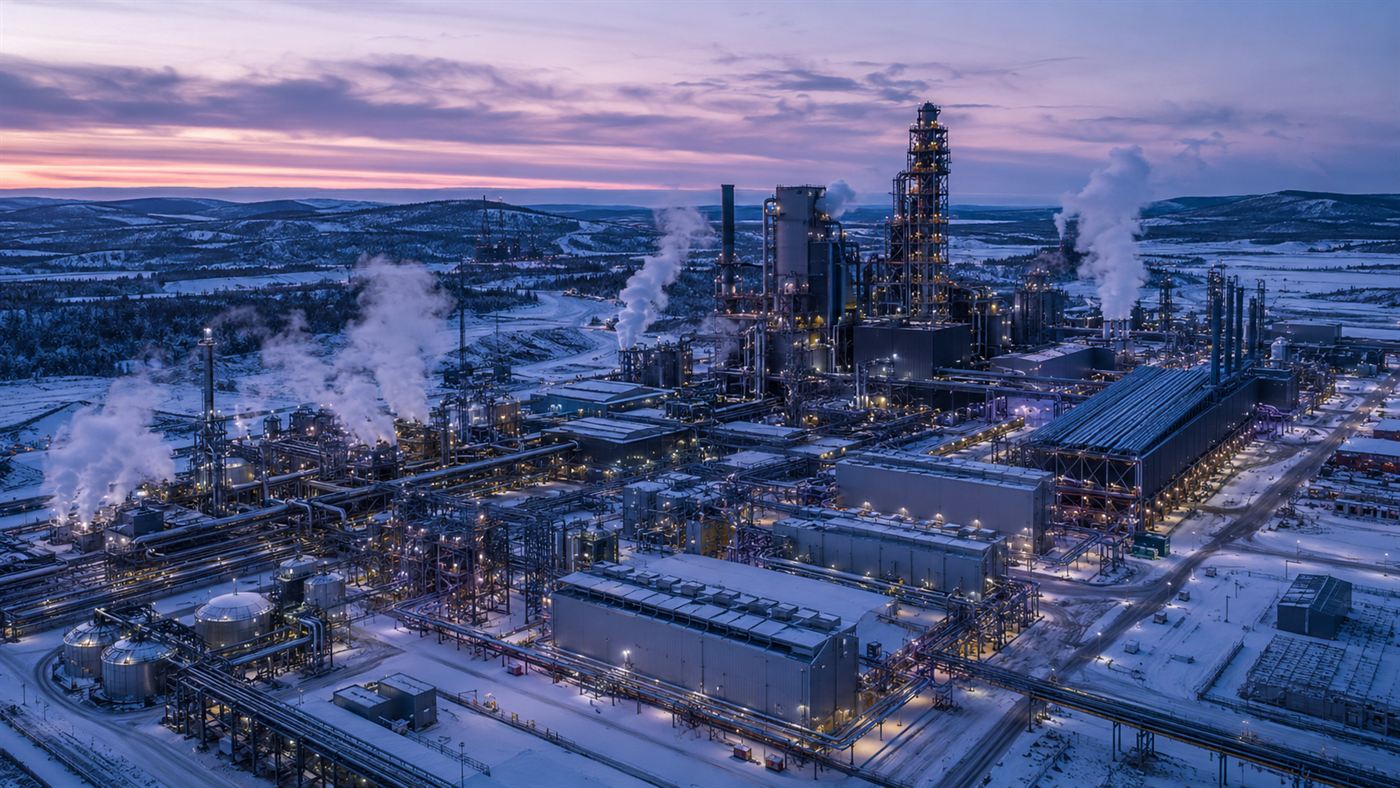
Stegra's plant in Boden swaps coal for green hydrogen made with northern Sweden's clean power. Illustration: Watts & Wild.
Steel is everywhere, in the buildings around you, the car outside, the bridge across the river, and almost all of it is made the same filthy way it has been for over a century. You heat iron ore with coal, the carbon in the coal rips the oxygen out of the ore to leave pure iron, and in the process you pour out carbon dioxide on a colossal scale. The world makes roughly two billion tonnes of steel a year, and it is one of the single hardest industries to clean up.
That is the problem Stegra, the company formerly known as H2 Green Steel, is trying to solve in the small northern town of Boden. As Fuel Cells Works reported when Stegra raised a further 1.4 billion euros in 2026 to finish the plant, the project is built around making steel with renewable hydrogen instead of coal, and it has now pulled in something like 6.5 billion euros in total. The idea is simple to say and very hard to do.
How you make green steel with hydrogen instead of coal
The clever switch happens at the very first step. Instead of burning coal to strip the oxygen out of iron ore, Stegra uses hydrogen. The hydrogen grabs the same oxygen the carbon used to take, but when hydrogen bonds with oxygen the result is not carbon dioxide. It is plain water vapour. The iron that comes out the other side is then melted in an electric arc furnace running on clean electricity, not a coal-fired blast furnace.
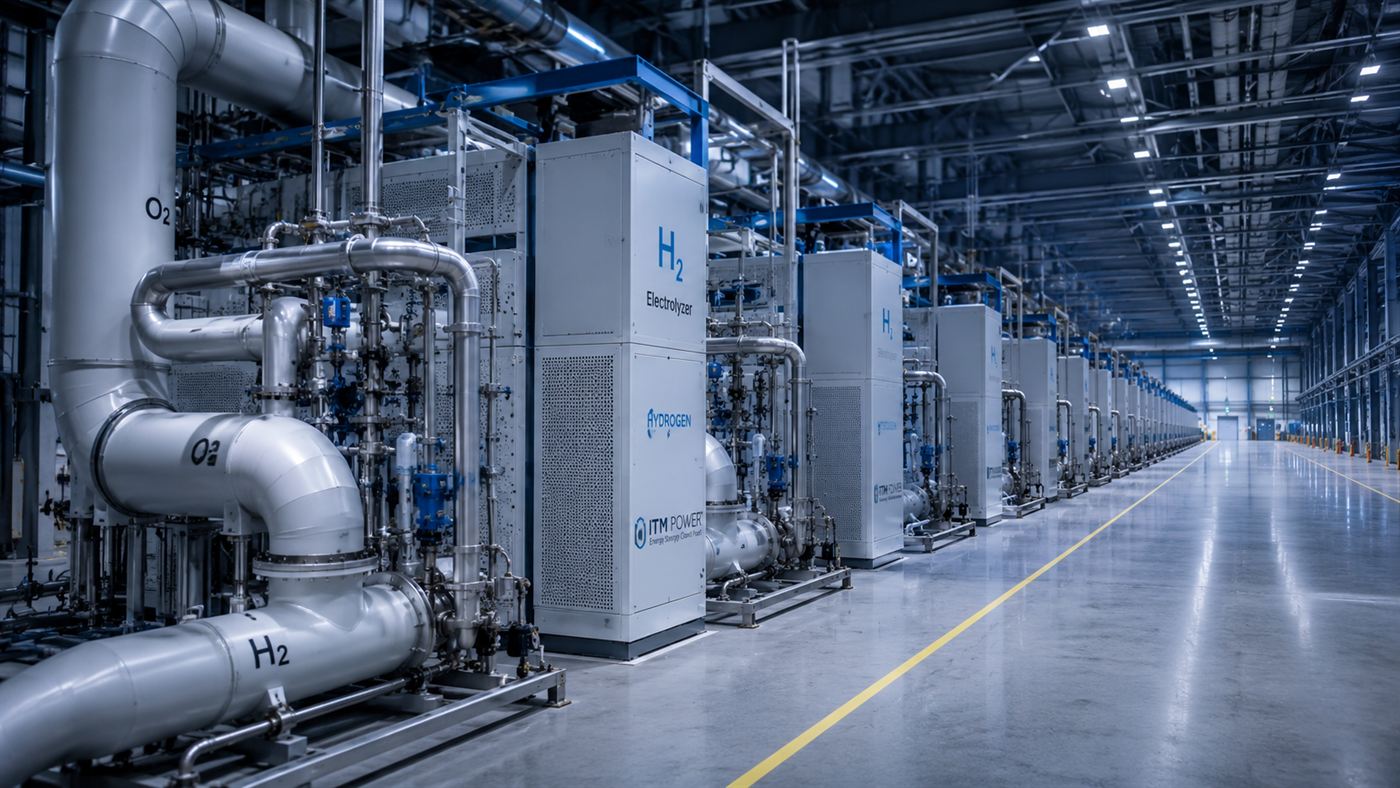
The catch is that the hydrogen itself has to be clean to make any of this worthwhile, and that means splitting water with renewable electricity. According to the Global Energy Monitor's profile of the Boden plant, Stegra is building a giant electrolyser of around 690 megawatts on site, which would be one of the largest green hydrogen installations in Europe, fed by the abundant wind and hydro power of Sweden's north.
A factory the size of a small town
The scale of the build is hard to overstate. The melt shop tower has risen to its full height of 110 metres, four enormous electrolyser halls are going up alongside it, and the team has talked about installing one electrolyser unit every week to hit its targets. The first steel was produced at the end of 2024, and the plant is being ramped up from there toward full operation.
When it is finished, Stegra is aiming to produce around 5 million tonnes of green steel a year, with up to 95 percent less carbon than the coal-based version. That is not a token pilot or a science project. It is an industrial plant built to sell steel at a scale that matters, to carmakers and manufacturers who want to cut the hidden carbon buried in their products.
Why this is happening in northern Sweden
It is no coincidence that the first plant of this kind is rising in Boden rather than in a traditional steel town. Making green steel needs a vast supply of cheap, clean electricity, both to run the electrolysers and to melt the iron, and northern Sweden has exactly that, a grid rich in hydropower and wind with room to spare. The raw ingredient of green steel is not really hydrogen. It is abundant clean power. The same clean-hydrogen push is aimed at fertilizer too, where the Haber-Bosch process that feeds half the world still runs mostly on fossil gas.
That also explains why a heavy, old-fashioned industry is suddenly chasing the far north. Where there is enough cheap renewable electricity, the economics of cleaning up steel start to work, and the companies that get there first lock in both the know-how and the customers. Sweden's quiet advantage in clean power is turning into an advantage in one of the most basic materials on Earth.
The honest catch
There are good reasons green steel is not everywhere already, and it is worth being clear about them. It is still more expensive to make than coal-based steel, at least for now, and it leans entirely on having enormous amounts of cheap, clean electricity in one place, which most of the world's steel regions simply do not have. You cannot copy and paste Boden into a country whose grid still runs on coal.
The plant is also still being built and ramped up, so the headline numbers are targets, not yet a finished track record, and scaling from one pioneering site to a meaningful slice of global production is a long road. None of that makes the achievement small. But the honest version is that Stegra is proving the method works where the conditions are ideal, not that dirty steel is about to vanish everywhere overnight.
Why clean steel matters
Steel is so basic, so woven into everything we build, that cleaning it up is one of the biggest levers there is for cutting emissions. A world that keeps building with steel, and we will, needs a way to make it without the coal, and Boden is the most serious attempt yet to show that hydrogen can do the job at full industrial scale.
If it works, the quiet revolution will be invisible. The bridges and cars and buildings will look exactly the same, but the carbon poured into the sky to make them will be a fraction of what it was. A steel mill in the snow that breathes out water instead of smoke is a strange and hopeful thing to picture. Would you pay a little more for a car or a building made from green steel, or should clean steel have to win on price alone? Tell us what you think in the comments.