A bridge between two countries dives into the sea and becomes a tunnel halfway across, and the island of rubble it leaves behind has turned into an accidental nature reserve
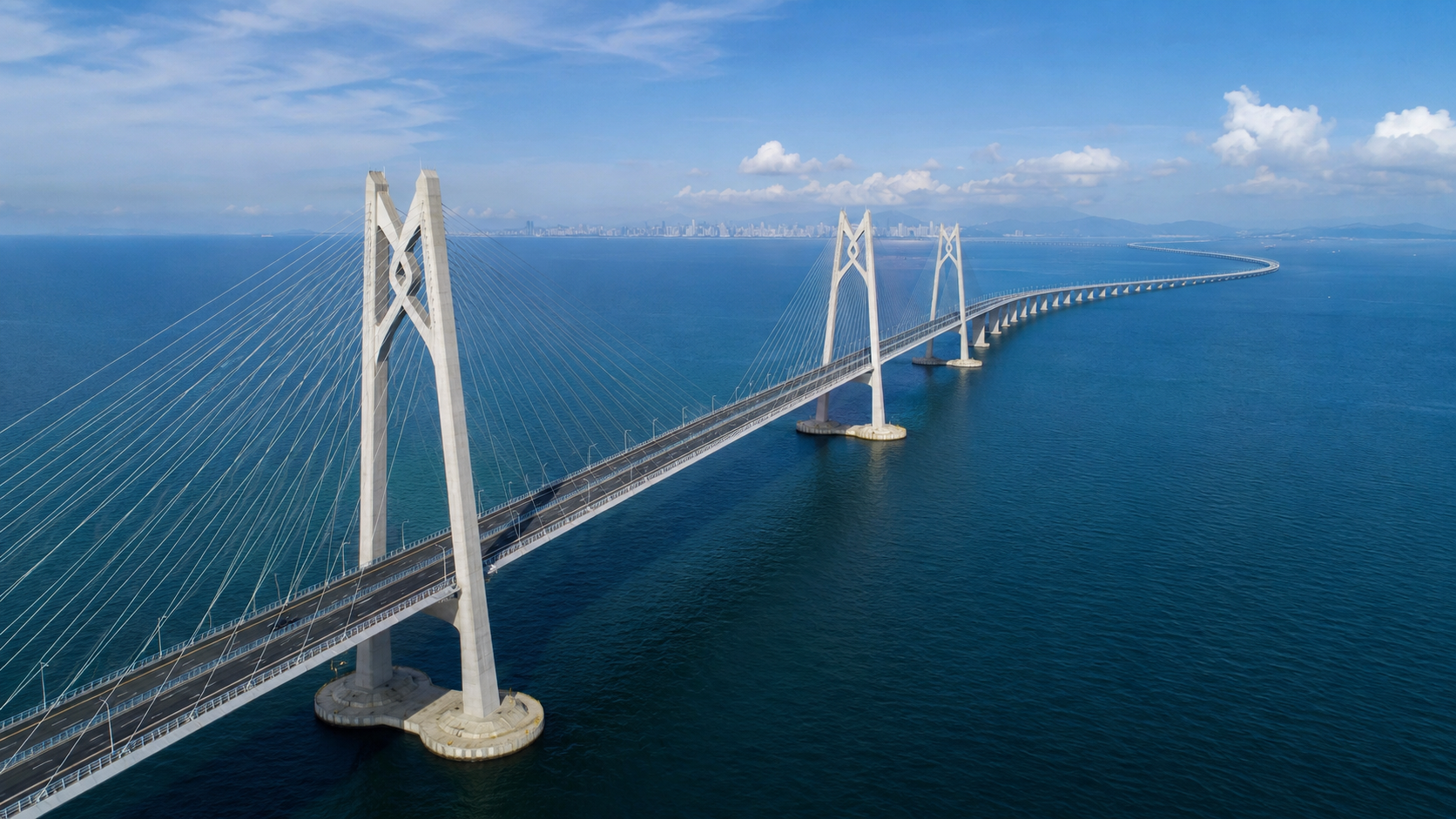
The Oresund Bridge linking Sweden and Denmark looks, from the air, like an ordinary crossing, until you notice it ends in the middle of the sea. There the road and railway plunge down a ramp onto a man-made island and vanish into a tunnel. That strange decision quietly created one of Europe's most surprising wild places.
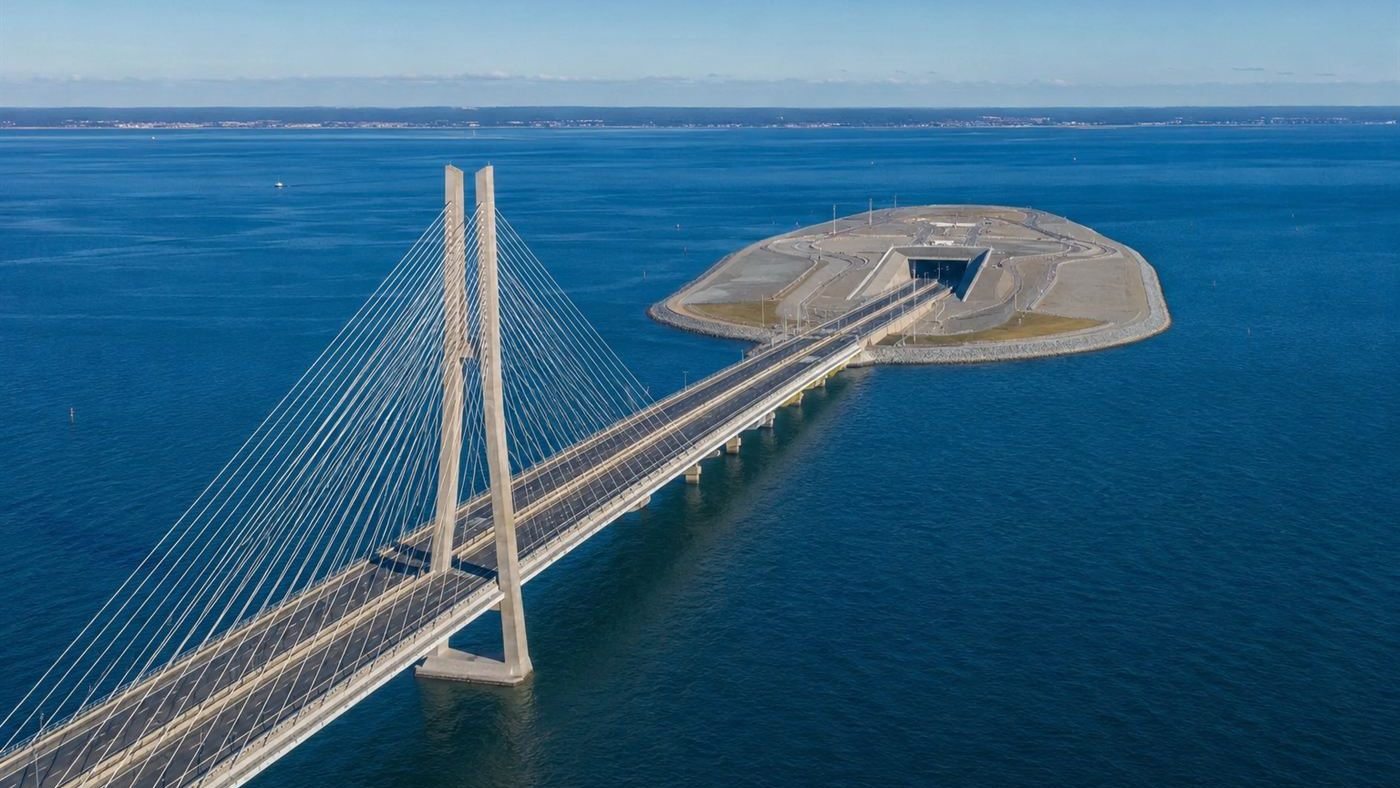
The Oresund Bridge runs to a mid-sea island, then becomes a tunnel. Illustration: Watts & Wild.
For most of the twentieth century, Sweden and Denmark were separated at their nearest point by the Oresund strait, a busy stretch of water between Malmo and Copenhagen crossed only by ferries. The dream of a fixed link, a way to drive or take a train straight across, had been talked about for decades. When it was finally built in the 1990s, opening in 2000, the engineers faced a problem that forced an unusual solution.
The obvious answer, a single long bridge, turned out to be impossible for two very practical reasons that had nothing to do with the strait itself.
Why the Oresund Bridge becomes a tunnel
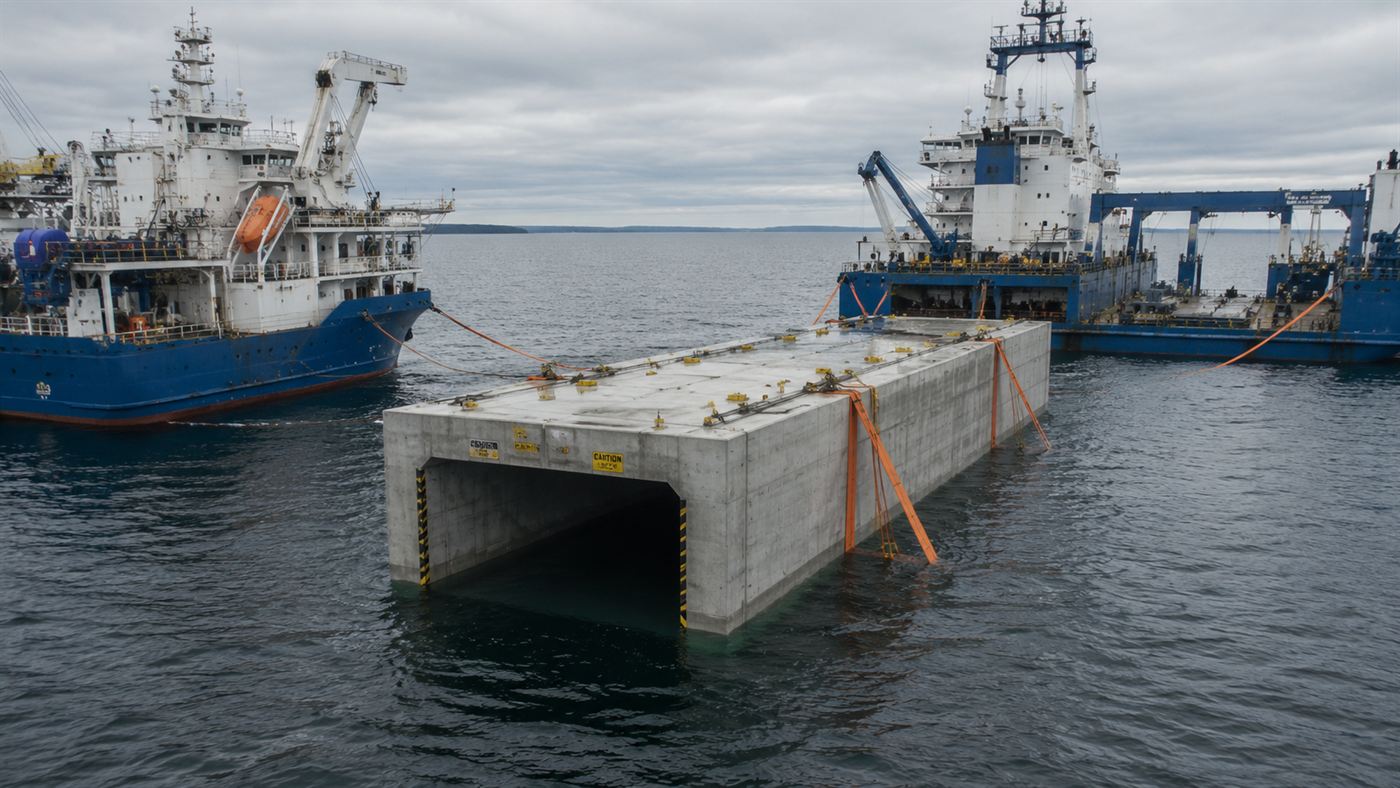
The first obstacle was in the sky. Copenhagen's main airport sits right on the Danish coast, and a tall bridge running the whole way would have poked up into the protected airspace that aircraft need on approach and take-off. The second was on the water: the Oresund is a major shipping route, and a bridge low enough to be cheap would block the big vessels that pass through. As the Institution of Civil Engineers explains, the solution was to split the crossing, running a bridge part of the way and a tunnel the rest.
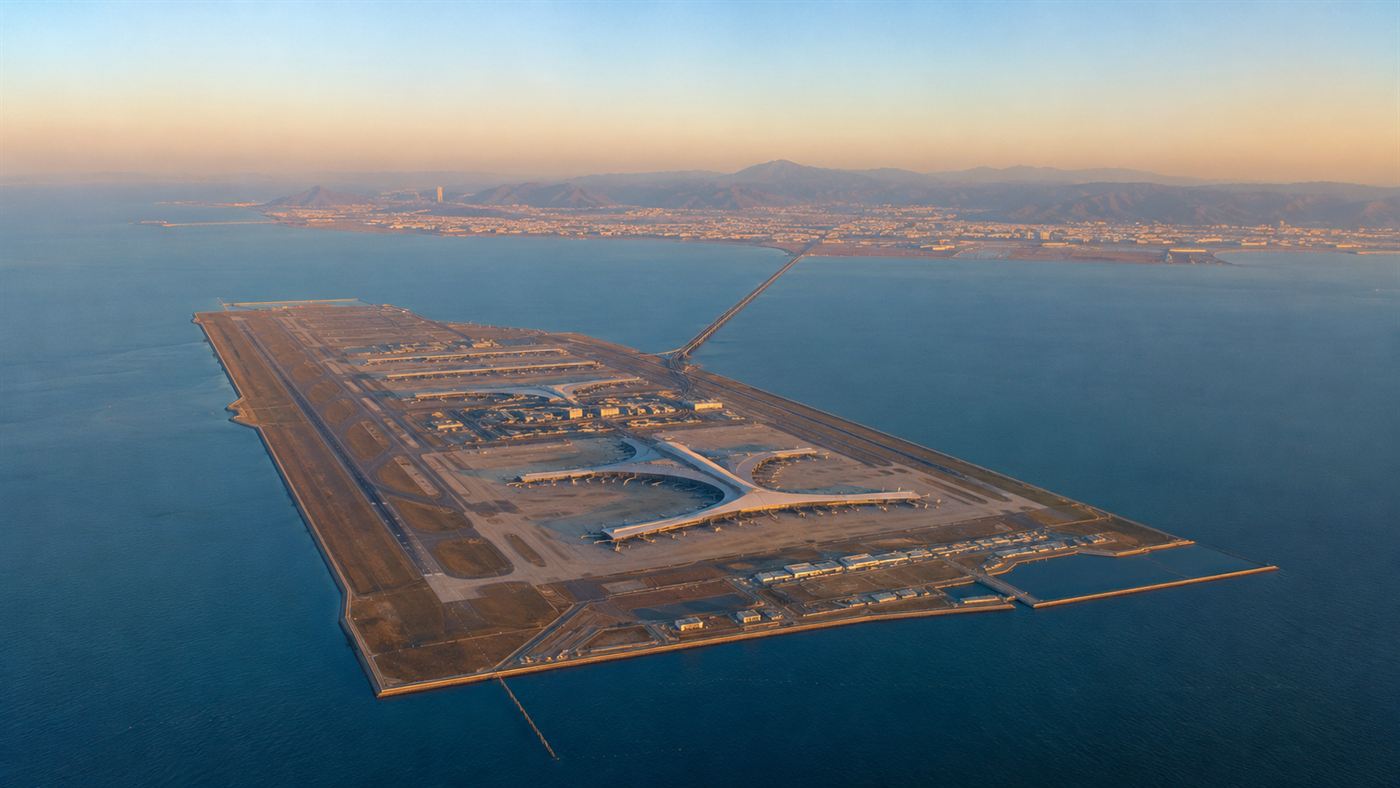
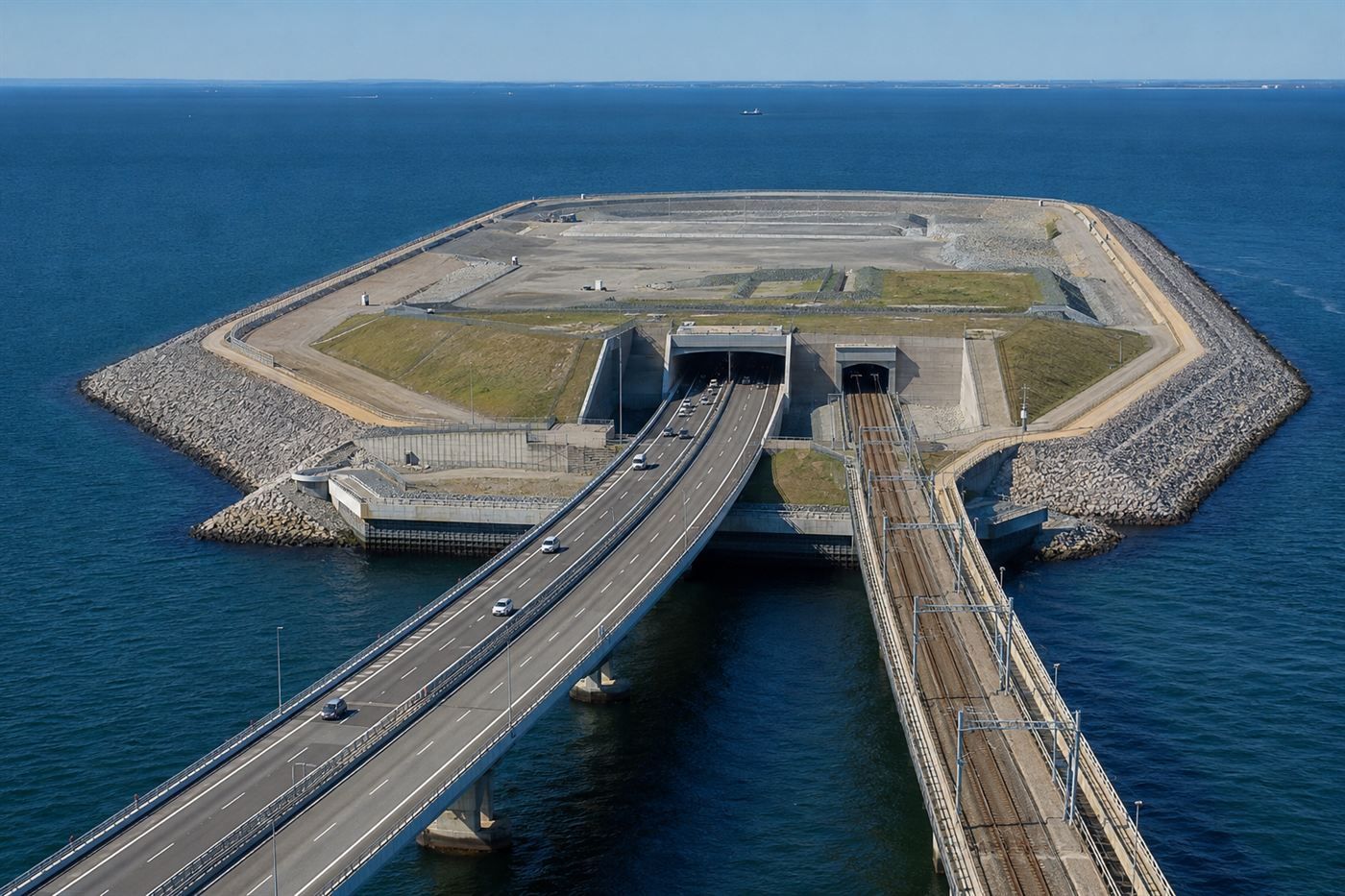
To join the two, they needed a place for the bridge to come down and the tunnel to begin, so they built one. Out in the middle of the strait, engineers piled up an artificial island, and the link runs about eight kilometres of bridge from Sweden to this island, then dives into a four-kilometre tunnel to reach Denmark. The island was named Peberholm, "Pepper islet," a playful nod to the natural island of Saltholm, "Salt islet," nearby. And then something unplanned happened.
An island left to nature
Peberholm was made from sand and rock dredged off the seabed, a raw, bare strip of new land in the sea. But instead of landscaping it, planting gardens or paving it over, the authorities made an unusual choice: they left it almost entirely alone, to see what would colonise it on its own, and turned it into a kind of living laboratory. Other dredged islands take the opposite path, like Palm Jumeirah, the palm-shaped island Dubai sprayed from the sea.
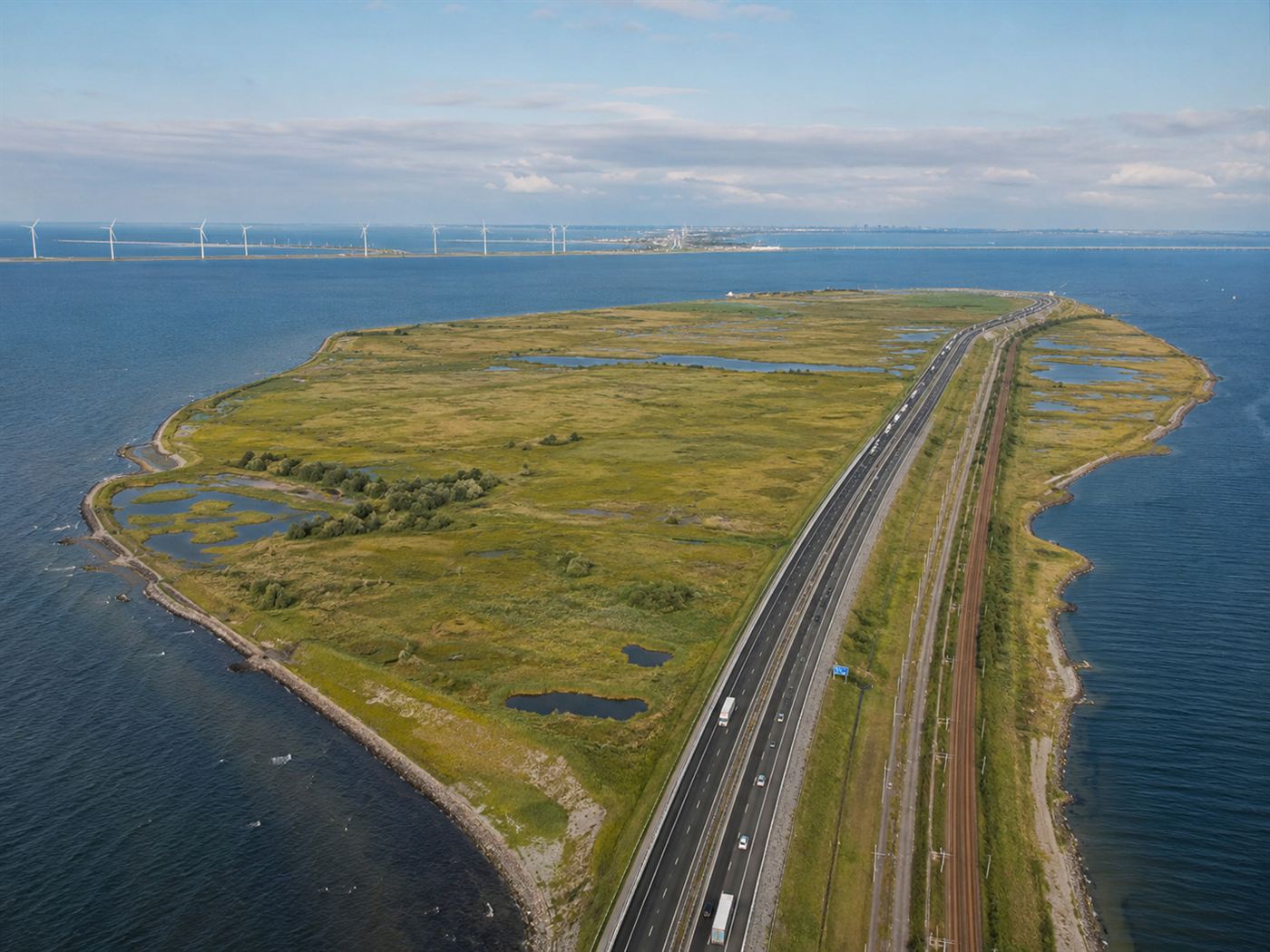
Nature moved in fast. Seeds blew in on the wind, hitched rides on birds and were carried in on the tyres of construction traffic, and life took hold. As ZME Science notes, the once-barren island has become an unexpected haven for wildlife. Botanists from a Swedish biological society visit each year to count what has appeared, and within a few years they had recorded over 450 species of plants on a heap of dredged seabed that had not existed at all a short time before.
What lives on Peberholm
It is not just plants. The island has become a refuge for creatures that struggle elsewhere, precisely because almost no people are allowed to set foot on it. The standout is the European green toad, a species that is rare and protected in Denmark. On Peberholm it thrives: a survey found around 2,500 of them, one of the largest populations anywhere in Scandinavia, breeding happily in the island's ditches and pools.
Rare birds nest there too, undisturbed, alongside spiders and other small life that has quietly assembled into a functioning little ecosystem. An artificial island built purely to let a motorway turn into a tunnel has become, almost by accident, one of the more important patches of protected nature in the region.
The honest catch
The lovely part of the story, an accidental nature reserve, deserves a little honesty about how accidental it really was. Peberholm was not created for wildlife. It exists because of aircraft and ships and the politics of not disturbing the neighbouring natural island, and the rich life that arrived is a happy side effect of a practical decision, plus a deliberate hands-off policy, rather than a conservation triumph anyone planned.
The "untouched wilderness" framing also needs trimming. A motorway and a railway run straight across the island, it is monitored and managed rather than truly wild, and the very seeds that greened it often arrived on human traffic. Almost nobody is allowed to visit, so for the public the reserve is more an idea than a place. None of that spoils it, but Peberholm is a story about what nature does when we get out of the way, not about nature we set out to protect.
Why a bridge that hides still matters
The Oresund Bridge is worth knowing about because it does two unfashionable things at once. It solves a hard engineering problem with humility, choosing to duck underwater rather than dominate the strait with one giant span, and it shows how quickly the natural world will reclaim even a heap of dredged seabed if we simply let it.
A crossing built for cars and trains turned out to also build a home for toads and wildflowers, without anyone really intending it. Should we leave more of our leftover land to go wild like Peberholm, or was its success just lucky? Tell us in the comments.
Related reading: Japan built an entire airport on a man-made island in the sea, and it has been slowly sinking ever since.