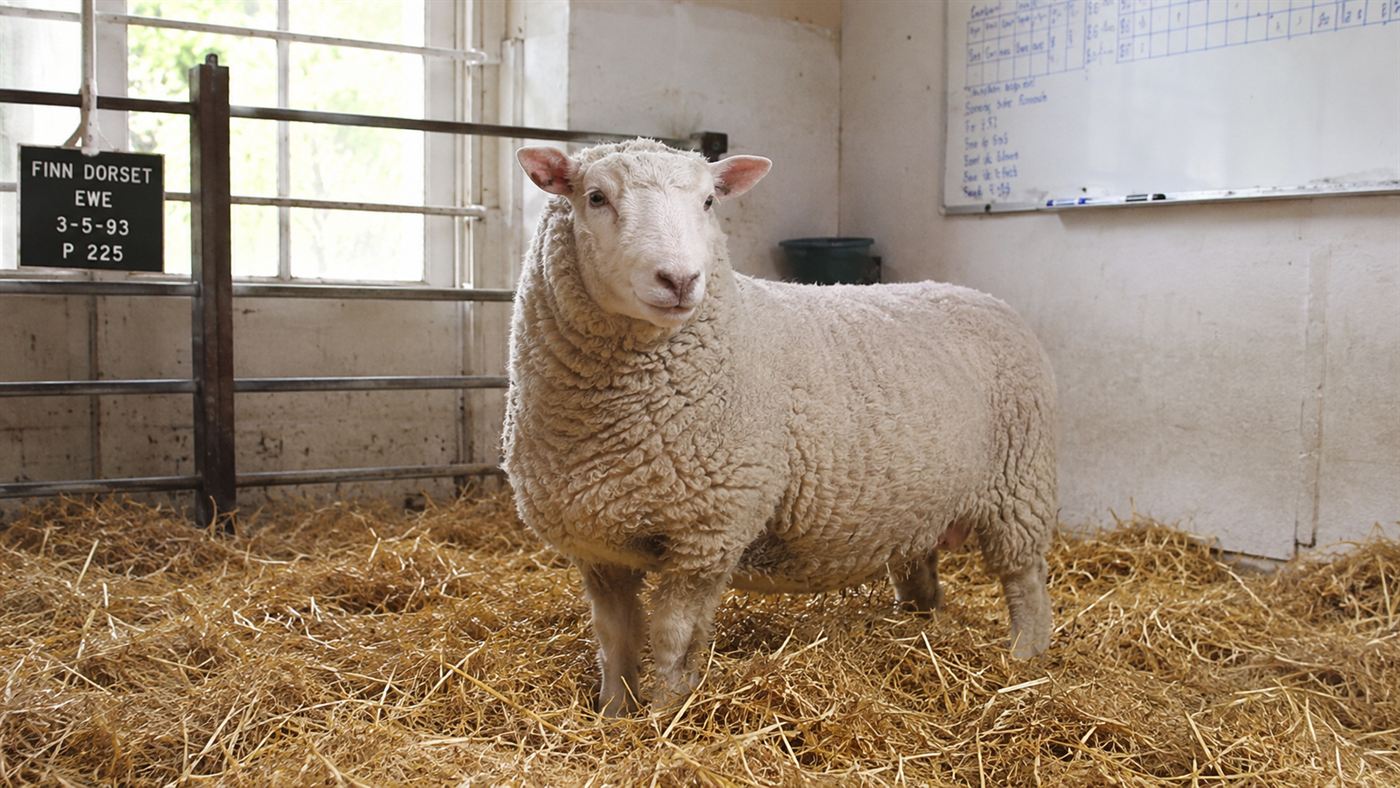
Henrietta Lacks died of cancer in 1951, but a sample of her tumour taken without her consent became the first immortal human cells and quietly rebuilt modern medicine
She was a young mother who never knew she had made history. The cells doctors took from Henrietta Lacks as she was dying have been multiplying in laboratories ever since, helping cure diseases that killed millions, while for decades her own family had no idea and no share.
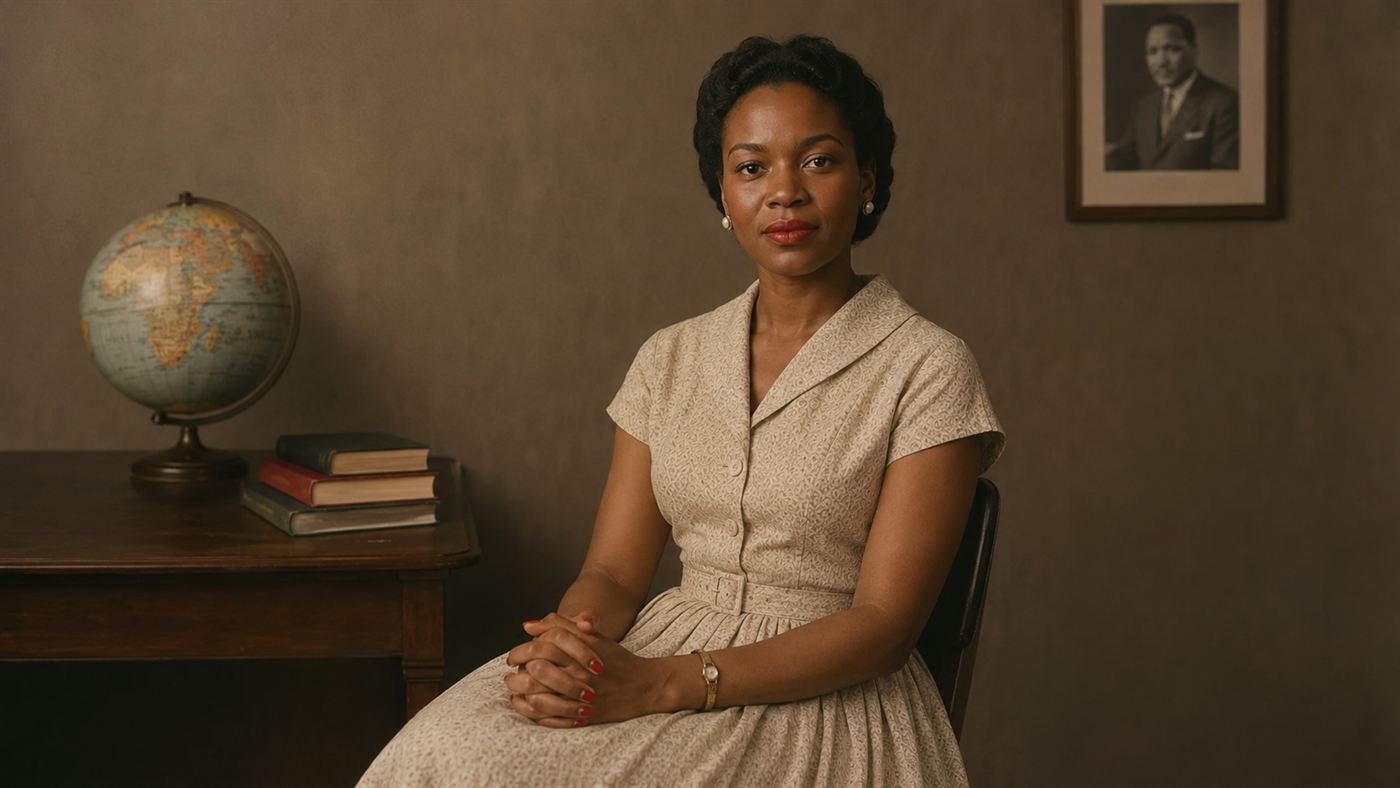
Henrietta Lacks died in 1951, yet in a real biological sense part of her has never stopped living. Illustration: Watts & Wild.
Henrietta Lacks was a Black tobacco farmer and mother of five from Virginia, living near Baltimore, when she went to Johns Hopkins in 1951 with what turned out to be an aggressive cervical cancer. She was 31, and the cervical cancer was spreading fast. During her treatment, a doctor shaved a small sample from her tumour and sent it to a lab, without telling her and without asking, a practice that was routine and unquestioned at the time. She died that October, and her family buried her in an unmarked grave, while back at Johns Hopkins her cells were already multiplying.
But the sliver of tissue did something no human cells had ever done in a dish before: it refused to die. Those cells, labelled HeLa from the first letters of her name, became the first immortal human cell line in history, and over the following decades they would touch almost every corner of modern medicine. The woman was gone; her cells were just getting started.
Henrietta Lacks was a Black American woman who died of cervical cancer in 1951 at Johns Hopkins. Cells taken from her tumour without her consent became HeLa, the first immortal human cell line, used in medical research worldwide ever since, even as her family went unrecognised and uncompensated for decades.
The cells that would not die
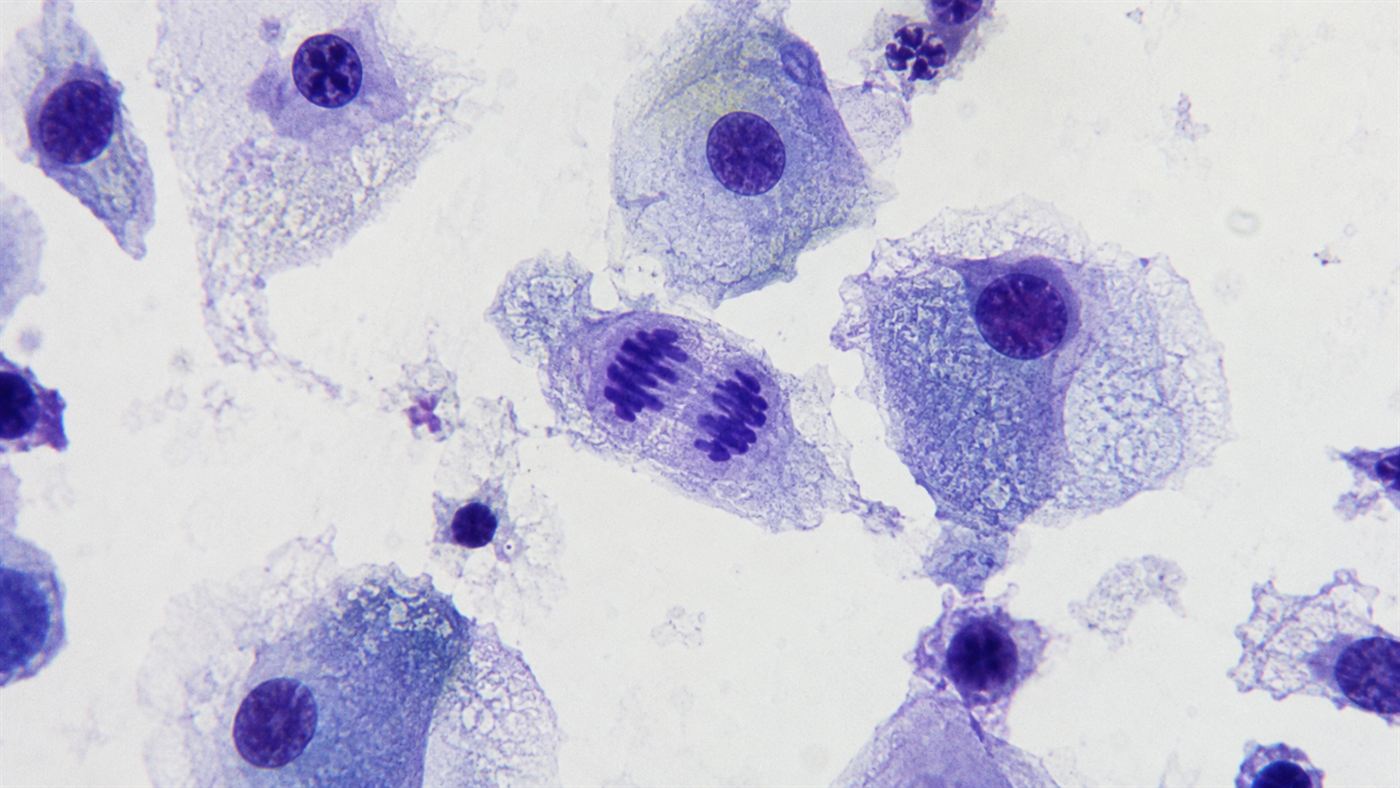
For years, scientists had been trying and failing to keep human cells alive outside the body. Samples would divide a few times and then give out, making sustained experiments almost impossible. When a Johns Hopkins researcher named George Gey received the sample from Henrietta Lacks, he expected the same disappointment. Instead her cervical cancer cells doubled roughly every day, on and on, as long as they were fed.
That endless division is what makes HeLa cells "immortal." Ordinary cells have a built-in limit on how many times they can divide, but the changes that made Henrietta's tumour so aggressive, linked to an infection with the human papillomavirus, switched that limit off. The result was a line of immortal cells that could be grown by the tonne, shared between labs, frozen, thawed, and grown again, the first reliable, renewable supply of immortal cells science had ever had.
How HeLa cells rebuilt modern medicine
Once researchers had a cell line that never ran out, the breakthroughs came in a flood. The very first major use was the polio vaccine: Jonas Salk's vaccine needed huge quantities of human cells to be tested and produced, and HeLa cells were perfect for the job, helping to end an epidemic that had paralysed and killed children around the world.
From there the list becomes staggering. HeLa cells have been used to study cancer, map the human genome, develop drugs for herpes, leukaemia and Parkinson's, work out how cells are damaged by radiation, and test the safety of cosmetics and vaccines, including those for COVID-19. They were sent up with early space missions to see how human tissue coped with zero gravity, and exposed to atomic radiation to study its effects. By any measure, the immortal cells of Henrietta Lacks are among the most important tools in the history of biology.
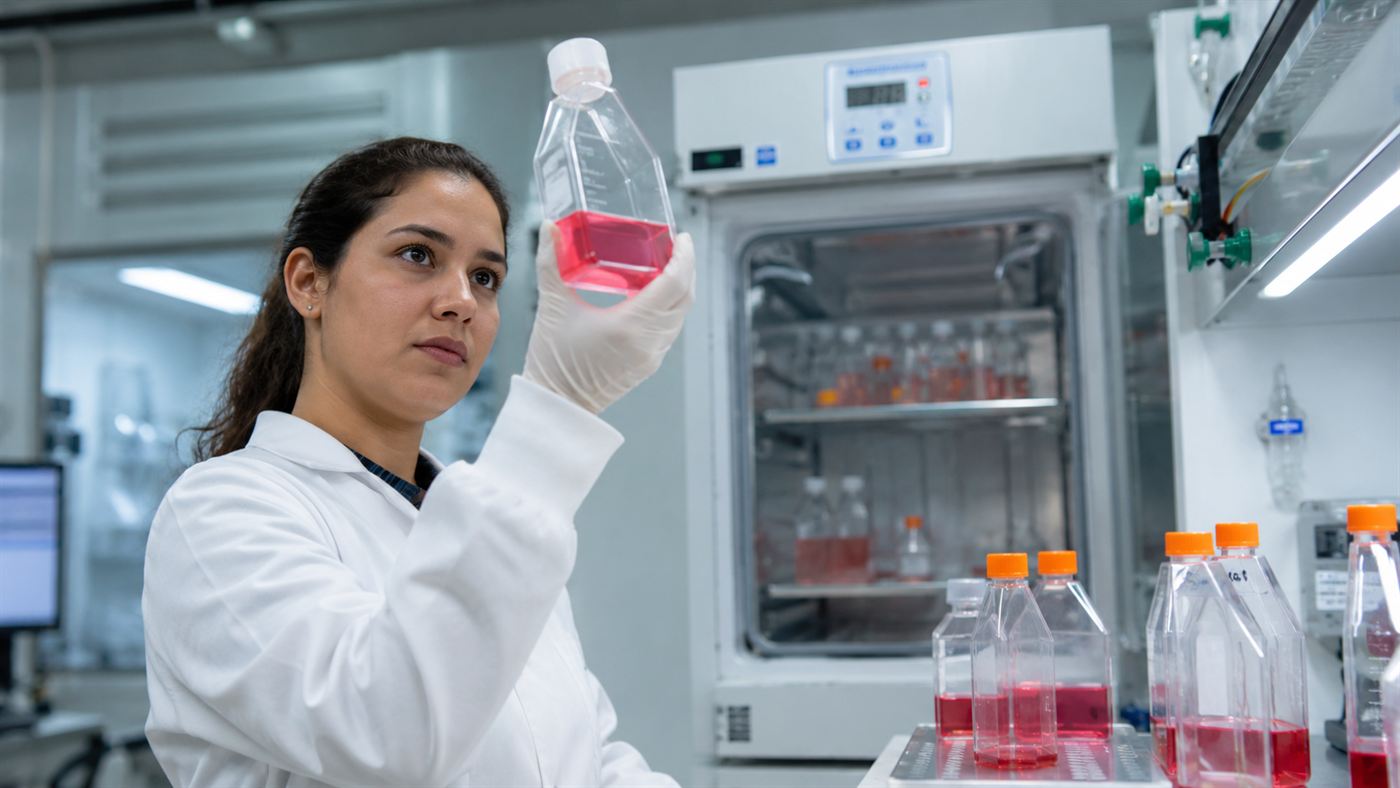
The family who were the last to know
Here is the part that turns a science story into a reckoning. For about twenty-five years, the family of Henrietta Lacks had no idea that her cells existed, let alone that they were being bought, sold, and shipped around the world. They only found out in the 1970s, when scientists, studying genetic markers, came looking for her relatives to take blood samples, often without clearly explaining why.
The injustice was sharpened by circumstance. A multimillion-dollar industry grew up supplying HeLa cells to laboratories, yet Henrietta's own children sometimes could not afford health insurance or the very treatments her cells had helped create. Her name was garbled in the literature for years as "Helen Lane," erasing even her identity, until the writer Rebecca Skloot spent a decade with the family and told their story in her 2010 book "The Immortal Life of Henrietta Lacks."
Putting Henrietta Lacks's name back on the cells
In recent years there has been an effort to set at least part of the record straight. In 2013, after researchers published the full genome of HeLa cells online, exposing genetic information about her descendants, the US National Institutes of Health reached an agreement giving the family some say over how that data is used. Recognition has slowly followed, with awards, a foundation, and her name placed on buildings and a World Health Organization honour.
The money question moved too. In 2021 the family sued a biotech company that had sold products derived from HeLa cells, and in 2023 they reached a settlement, as NPR reported, the terms kept confidential. None of it brings back the woman who died in 1951, but it marks a shift from treating Henrietta Lacks as an anonymous biological resource toward remembering her as a person who was wronged.
The honest catch
It would be too easy to cast this purely as villainy. In 1951 there was no legal requirement for informed consent to take a tissue sample, and what happened to Henrietta Lacks was standard practice, not a singular crime; George Gey gave the cells away freely rather than selling them for personal profit. The deeper wrong is structural, the way a poor Black woman's body could be used without a thought while the benefits and the money flowed to others, against a backdrop of racism in American medicine, at Johns Hopkins and far beyond.
There is a scientific catch too. HeLa cells are so vigorous that they have contaminated countless other cell cultures over the decades, quietly invalidating research that thought it was studying something else, a real headache for biology. And the cells are not Henrietta; they are her cervical cancer reshaped by decades in the lab. Yet the core truth still lands hard: modern medicine was built in part on immortal cells taken from one woman who never got to say yes, and whose name we are only now learning to remember.
One woman who never agreed to it ended up helping save millions of lives, decades after her own death. Should families share in the profits when a relative's cells or DNA power a medical fortune? Tell us in the comments.
Related reading: The factory women who were told to lick their radium brushes, and whose lawsuit changed workers' rights forever. See also how CRISPR gene editing cured a woman of sickle cell disease.