Victoria Gray spent her whole life crippled by the agony of sickle cell disease, until doctors rewrote the genes in her own blood with CRISPR and the pain simply stopped
For 34 years, the pain came without warning and without mercy. Then, in July 2019, a mother of four from Mississippi named Victoria Gray let doctors do something that had never been done: edit the DNA inside her own cells to cure her. Her CRISPR sickle cell treatment worked, and it changed medicine.

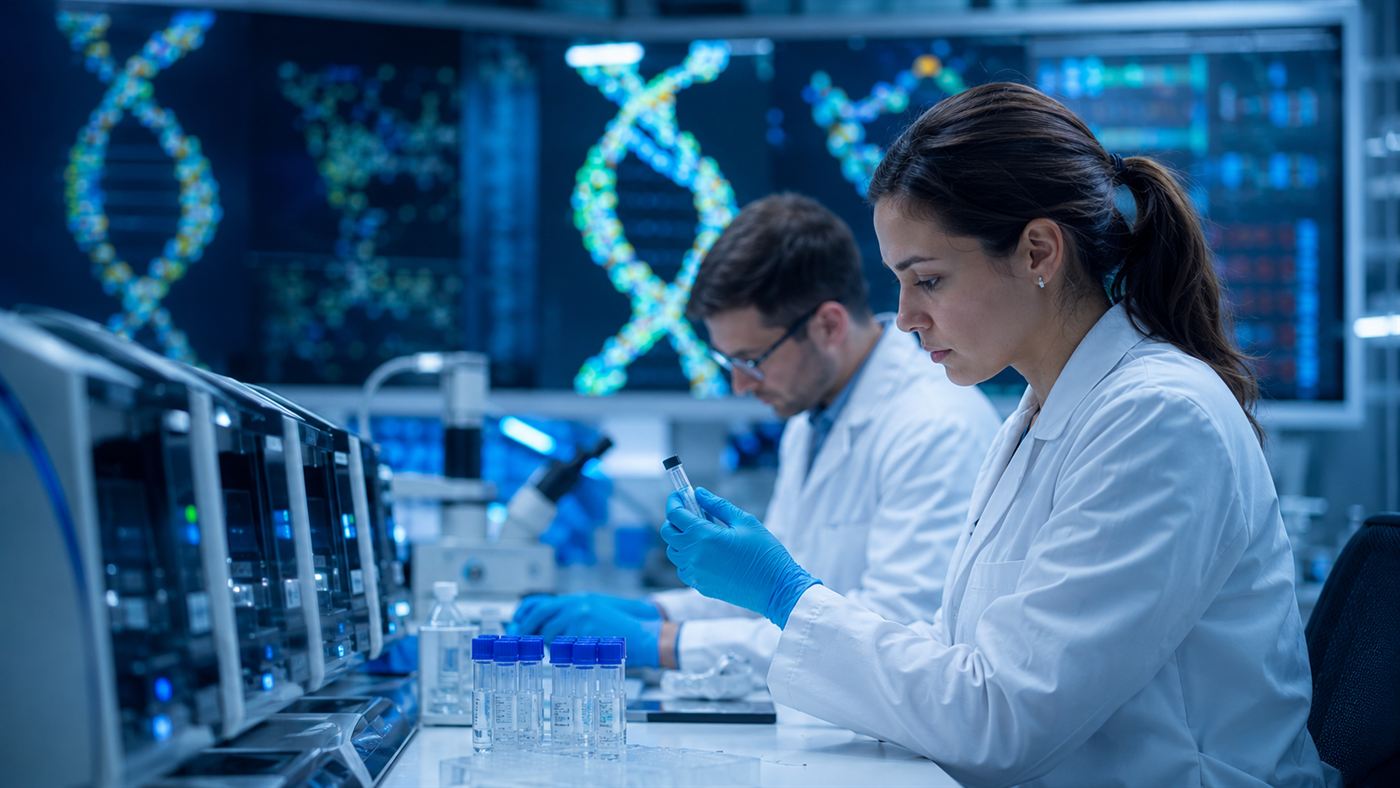
A CRISPR sickle cell therapy freed its first patient from a lifetime of pain crises. Illustration: Watts & Wild.
The story of the first CRISPR sickle cell cure is really the story of one woman's body finally being left in peace. Victoria Gray, from Forest, Mississippi, was born with sickle cell disease, and it had shadowed every day of her life. The sudden crises of excruciating pain, the crushing fatigue, the nights in the emergency room hooked to transfusions and heavy painkillers, all of it had stolen her ability to work and even to care for her own children.
As NPR, which followed her case for years, reported, Gray became the first sickle cell patient to be treated with CRISPR gene editing, in an experimental trial run by Vertex Pharmaceuticals and CRISPR Therapeutics. What happened to her over the following months turned a laboratory tool into a genuine medicine.
The short version: In July 2019, Victoria Gray became the first person treated for sickle cell disease with CRISPR gene editing. Doctors edited her own blood stem cells to switch on fetal hemoglobin, and her lifelong pain crises stopped. Her recovery helped lead to the 2023 approval of Casgevy, the first CRISPR-based medicine ever cleared for use.
What is sickle cell disease?
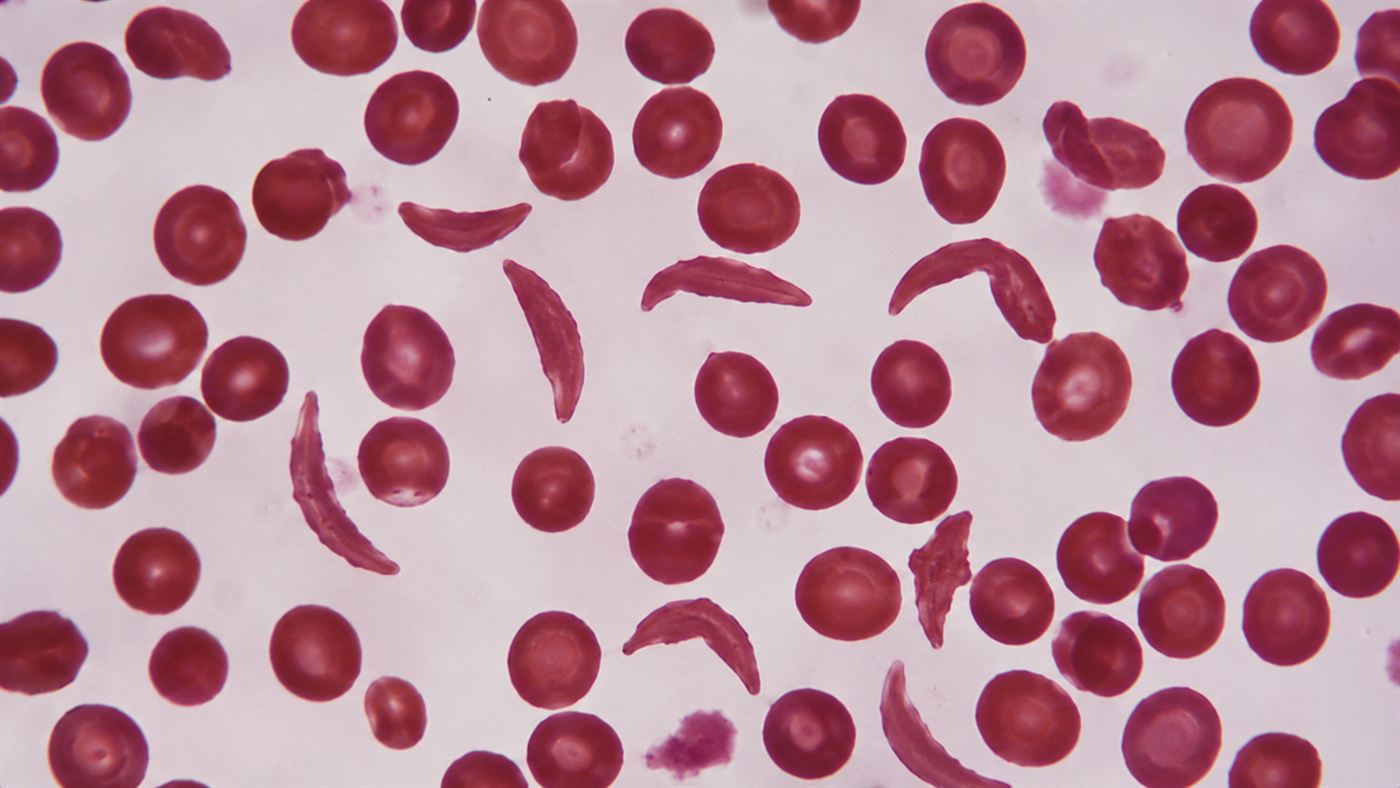
Sickle cell is a cruel inheritance written into a single gene. Normally red blood cells are soft, round discs that slip easily through the tiniest vessels. In sickle cell disease, a mutation makes the hemoglobin inside them warp into stiff, crescent shapes under stress. Those sickled cells snag and pile up, blocking blood flow, starving tissues of oxygen, and setting off the waves of agony that patients call pain crises.
Over a lifetime the damage accumulates in the organs, and life expectancy is cut short. The disease affects millions of people worldwide and, in the United States, falls most heavily on Black Americans, a community whose suffering from it was long underfunded and overlooked. For generations the only real options were managing the pain and hoping to avoid the next crisis. A true fix meant getting at the gene itself.
Inside the CRISPR sickle cell treatment
The approach doctors took is beautifully indirect. Rather than trying to repair the broken adult hemoglobin gene, they reached for a backup the body already owns. Before we are born, we make a different form of the protein called fetal hemoglobin, which does not sickle, and a gene normally switches it off in infancy. The therapy uses CRISPR to disable that off-switch, so the body starts making the harmless fetal version again.
In practice it is a grueling procedure. Under Dr. Haydar Frangoul in Nashville, Gray's own blood stem cells were collected and edited with CRISPR outside her body. Then chemotherapy wiped out her existing bone marrow to make room, and the edited cells were infused back in to rebuild her blood from scratch. It is closer to a bone marrow transplant than a shot, using the patient's own corrected cells, and it leans on the precise gene editing tool that won its inventors the 2020 Nobel Prize in Chemistry, the same lineage of biology that gave us the cloned sheep Dolly.
The pain simply stopped
The result was the kind of outcome doctors rarely dare to promise. In the years since her infusion, the sudden attacks of pain that had tortured Gray her whole life were gone. Gone too was the fatigue that had left her unable to care for herself and her kids, and gone were the emergency-room nights and the endless transfusions. She was, for the first time, simply living.
Her recovery was not a fluke. It foreshadowed the same result in dozens of other patients in the trial, and it made her an accidental spokesperson for a whole field, telling her story to scientists and lawmakers. When a treatment turns a life of chronic torment into an ordinary life, the abstraction of gene editing suddenly has a face, and hers became the one the world remembered. It is the sort of human turning point that echoes through medicine, from the cells of Henrietta Lacks to a gene-edited pig kidney.
From one patient to an approved cure
Cases like Gray's moved with unusual speed from experiment to approved therapy. As the Innovative Genomics Institute has documented, her success helped drive swift regulatory approval, and in December 2023 the US Food and Drug Administration cleared the treatment, now sold as Casgevy. It was a landmark: the first medicine anywhere based on CRISPR gene editing, approved barely a decade after the tool was invented. Britain and the European Union signed off around the same time.
That timeline is astonishing by the standards of medicine, where breakthroughs usually crawl toward the clinic over decades. CRISPR went from a curiosity in bacteria, to a Nobel-winning laboratory technique, to a stamped-and-approved cure for a genetic disease inside a single generation of scientists. Victoria Gray sits right at the hinge of that history, the first person the tool actually healed.
The honest catch
A cure this real deserves honesty about its limits, and they are serious. The treatment costs around $2 million, and the process is brutal: months of hospital visits, chemotherapy that carries its own risks including possible infertility, and a long recovery. It is not a pill you take, it is a months-long medical ordeal that only a well-resourced health system can deliver, and even then only to patients sick enough to justify it.
Then there is the cruel geography of the disease. The overwhelming majority of people with sickle cell live in sub-Saharan Africa, where a two-million-dollar therapy requiring elite hospitals is, for now, simply out of reach. There are also honest unknowns about how the edits behave over a full lifetime, since the first patients have only a handful of years on the clock. The CRISPR sickle cell cure is a genuine medical miracle. The next challenge, harder in its own way than the science, is making it something more than a miracle for the few.
One woman let doctors rewrite her own genes, her lifelong pain vanished, and a laboratory trick became the first approved gene-editing cure. Now that we can edit disease out of a person's DNA, how far should we go, and who should get to decide? Tell us what you think in the comments.
Related reading: How a gene-edited pig kidney kept a woman alive for a record 130 days. And in a new first, CRISPR edited a gene inside patients' own bodies.
More from Watts & Wild
More in Science & Tech →




Bruno writes about energy history, industrial disasters, and the people who shaped the technologies we take for granted. He is based in Brazil.