She had no PhD, found a malaria cure in a 1,600-year-old book, and tested it on herself
In the chaos of China's Cultural Revolution, a researcher with no doctorate and no foreign training was handed an almost impossible job: beat malaria, a disease that had outwitted modern medicine for decades. She found her answer not in a cutting-edge lab but in a handbook written seventeen centuries earlier. The drug she pulled from those pages has since saved millions of lives.
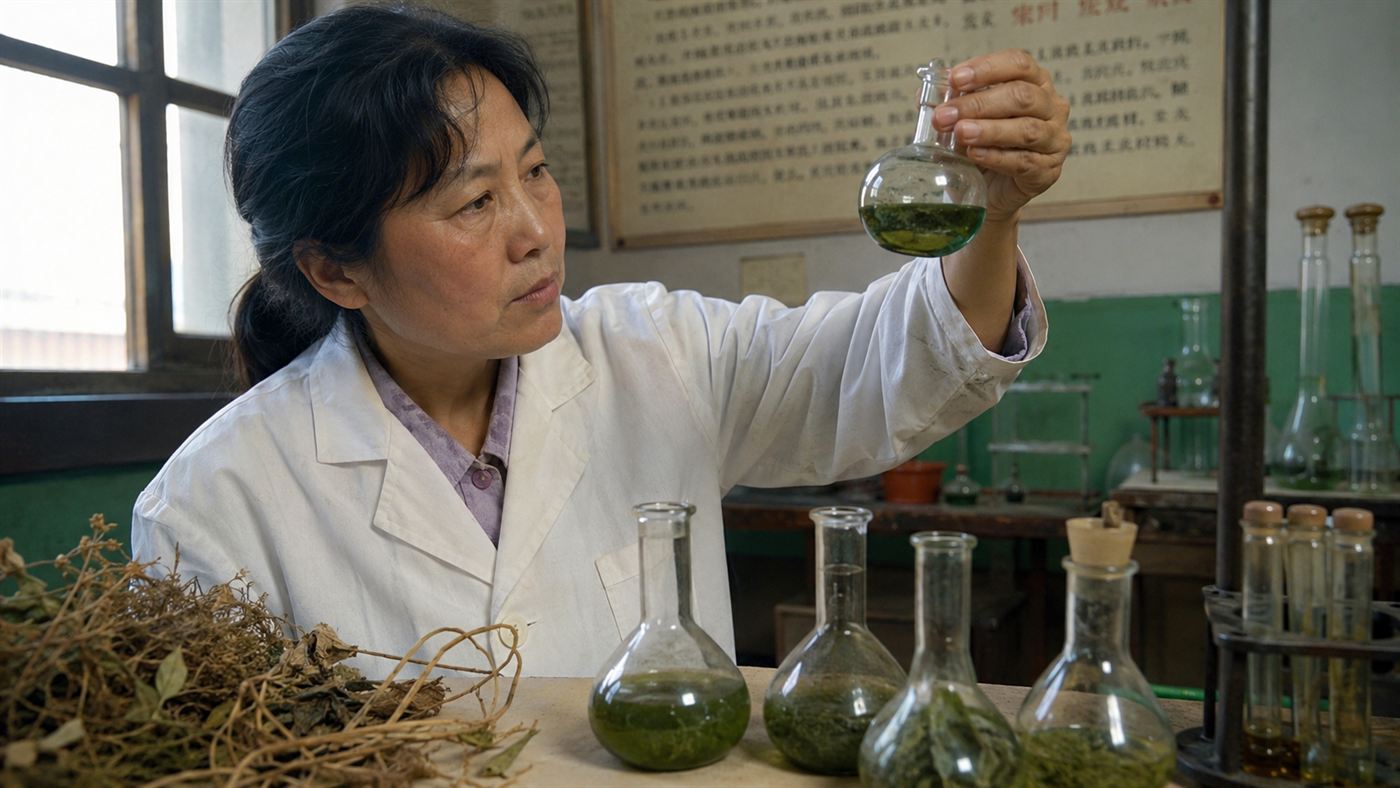
A modest laboratory and an ancient text became the unlikely birthplace of the world's best malaria drug. Illustration: Watts & Wild.
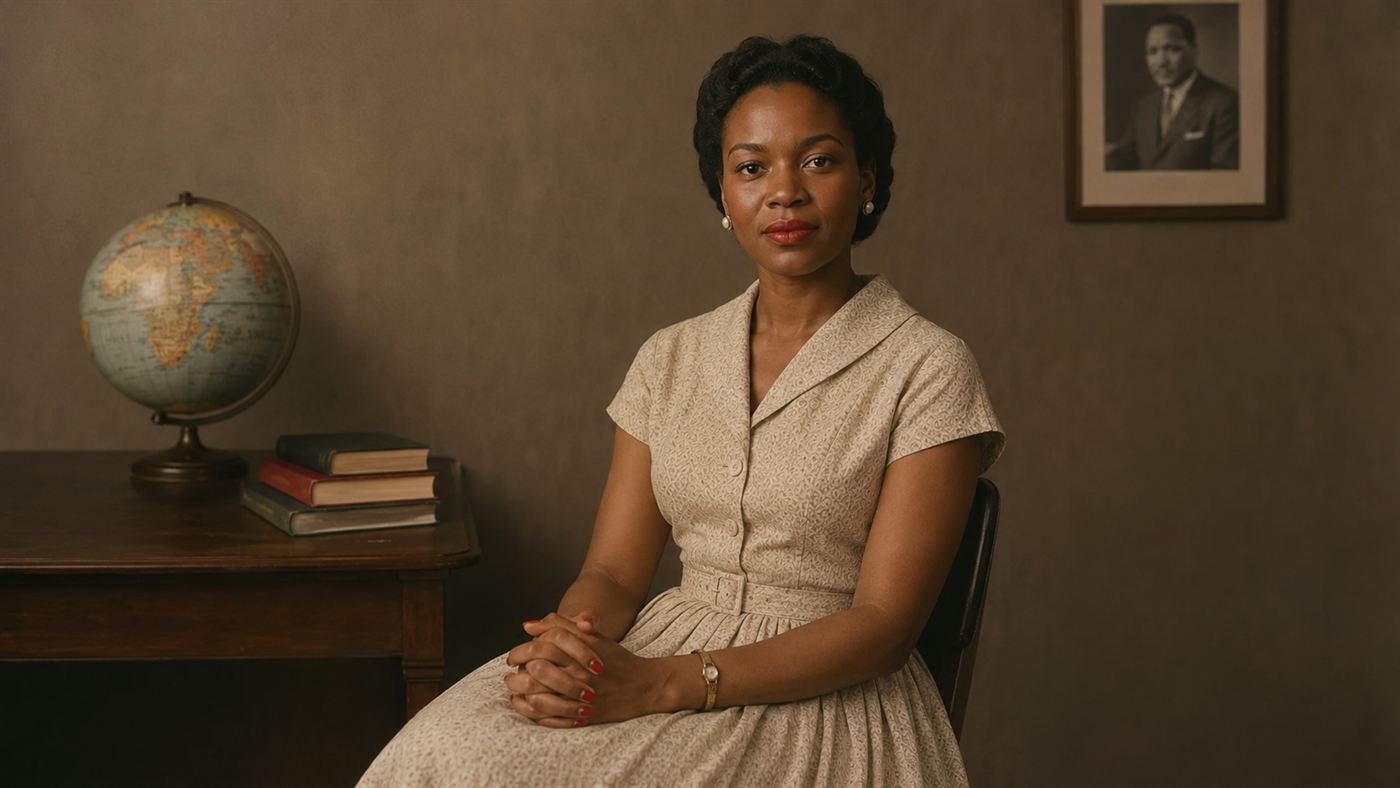
Tu Youyou was born in 1930 and trained in both modern pharmacology and traditional Chinese medicine, a rare combination that would turn out to matter enormously. She never earned a doctorate, never studied abroad, and was not a member of any prestigious academy. In China she is sometimes called the three-no laureate, no PhD, no overseas training, no academy seat, and yet she changed the course of global health.
Her story is a quiet rebuke to the idea that breakthroughs only come from the best-funded labs and the most decorated scientists. It came instead from patience, a willingness to take a personal risk, and the humility to take an old book seriously.
A secret war against malaria
In 1967, malaria was killing soldiers across Southeast Asia faster than bullets, and it was developing resistance to the standard drugs. China launched a secret military research programme to find a cure, and from its start date it was code-named Project 523. More than 500 scientists were eventually pulled into the effort, all of it hidden from the outside world.
Two years later, Tu Youyou was put in charge of one of its research groups. The timing could hardly have been worse. The Cultural Revolution was tearing through China's universities, science was under suspicion, and many senior researchers had been purged. She left her young children with relatives and threw herself at the problem.
The clue hidden in a 1,600-year-old text
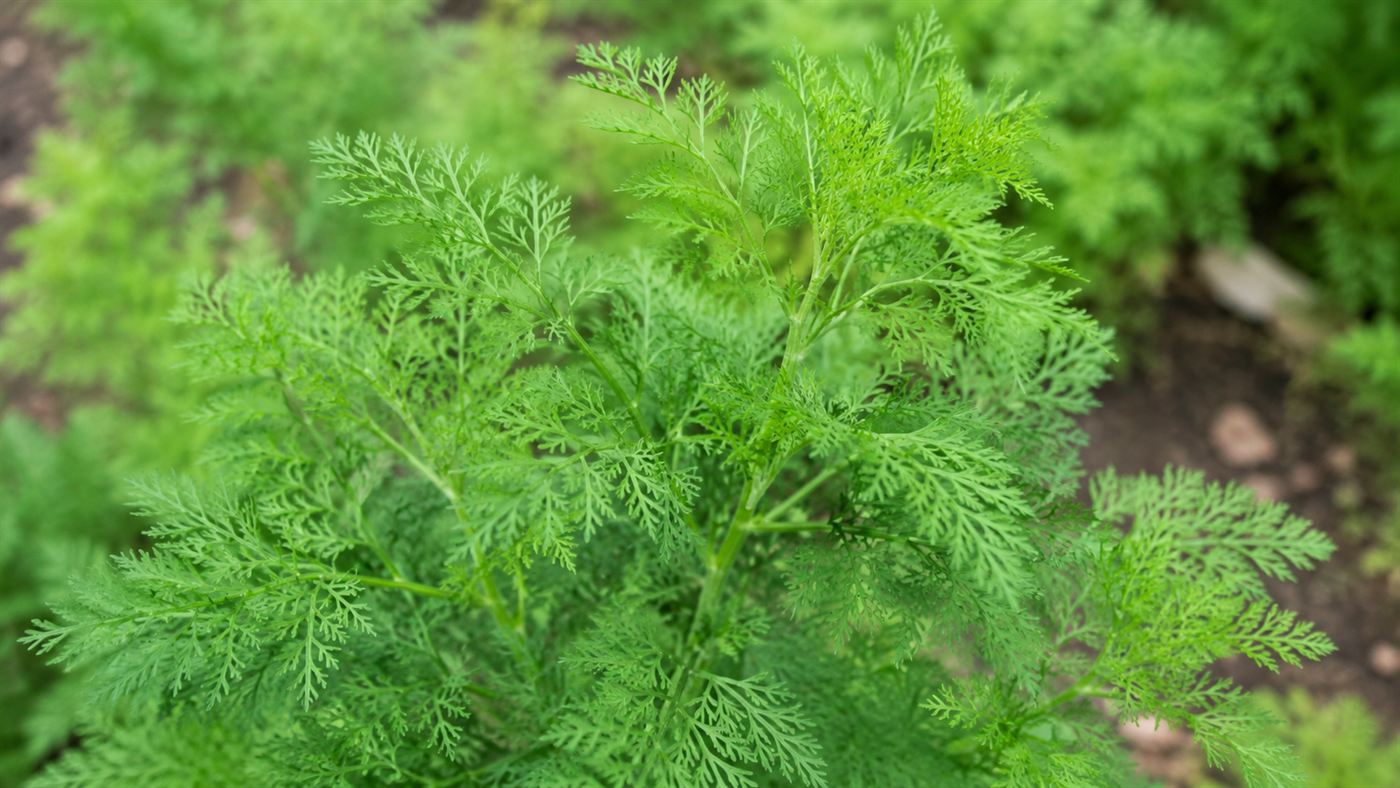
Tu's team combed through thousands of traditional remedies, testing hundreds of plant extracts against the malaria parasite. One plant kept showing promise and then frustratingly losing it: sweet wormwood, known in Chinese as qinghao. Sometimes it worked, sometimes it did nothing, and no one could see why.
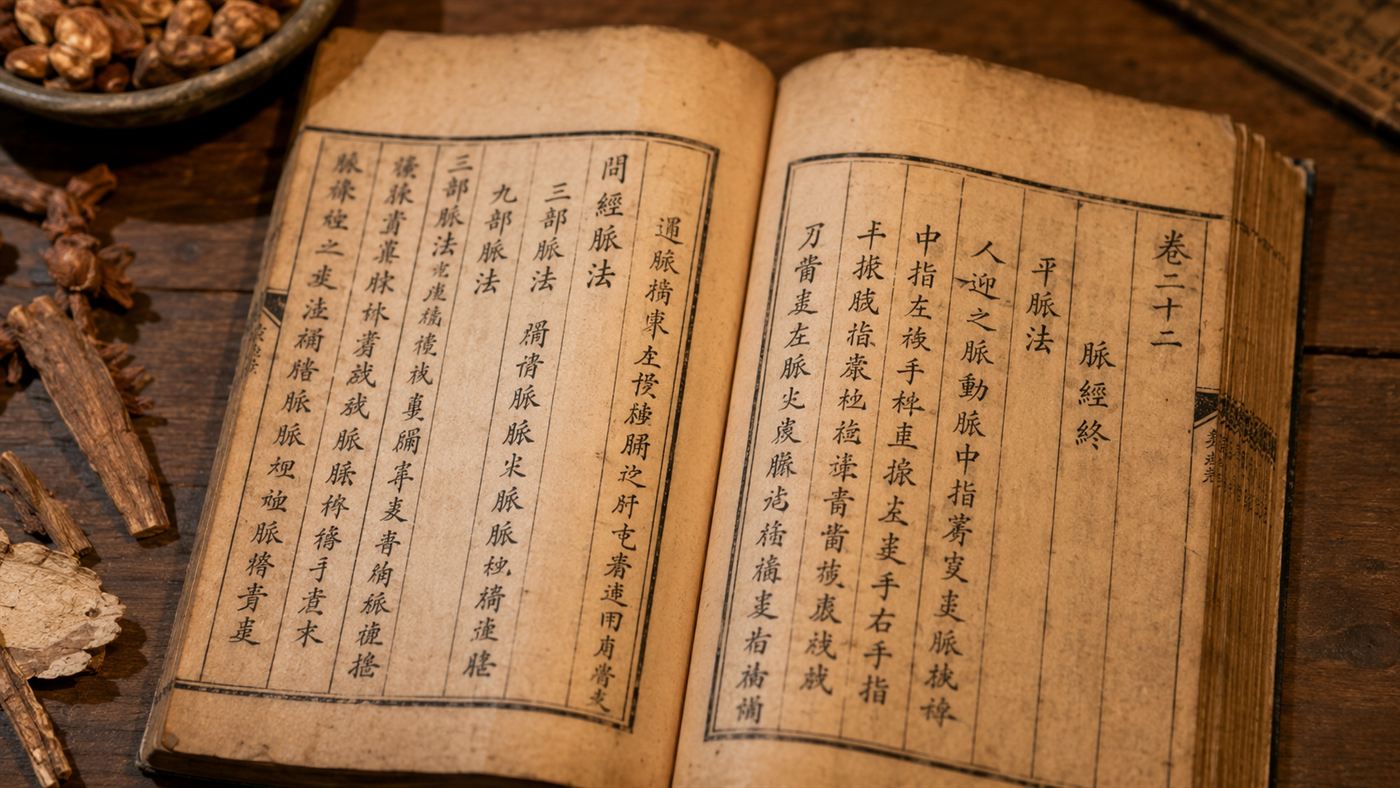
The answer came from a fourth-century physician named Ge Hong, in a handbook of emergency remedies more than 1,600 years old. His instruction was to soak the wormwood in cold water and wring out the juice, not to boil it as every modern extraction did. Tu realised the heat was destroying the very compound she was hunting. She switched to a low-temperature method, and suddenly the extract worked every single time.
Why Tu Youyou tested the drug on herself
The new extract wiped out the malaria parasite in mice and monkeys. But getting it into human patients during the Cultural Revolution was another matter, because the careful system of clinical trials we take for granted simply did not exist. To prove the extract was safe, Tu Youyou and two of her colleagues volunteered to take it themselves first.
Only after they came through unharmed did the drug go to malaria patients in southern China, where the results were dramatic: fevers broke and parasites vanished. The active compound was isolated and named artemisinin. It was one of the most important medical discoveries of the century, and almost no one outside China knew her name.
From secret to Nobel Prize
Because Project 523 was secret and the era frowned on individual glory, Tu's work went uncredited for decades. The drug spread quietly through the world, becoming the backbone of modern malaria treatment, while its discoverer remained almost unknown. It took until 2011, forty years after her breakthrough, for a major award to finally name her, and in 2015 she won the Nobel Prize in Physiology or Medicine.
She was the first Chinese woman to win a Nobel, and the first laureate to have done the prize-winning work entirely inside China. By then artemisinin-based therapies were standard treatment across Africa and Asia, credited with saving millions of lives, most of them children.
The honest catch
The neatest version of this story, lone genius reads old book and cures malaria, is too simple, and Tu herself would resist it. Project 523 was a vast team effort, and there has been genuine debate about how credit should be shared among the many researchers involved. The ancient text gave a crucial hint, but the hard modern science of isolating, testing and proving artemisinin was the real work. Traditional medicine here was a lead worth chasing, not a finished cure waiting in a drawer.
There is also a sobering coda. In parts of Southeast Asia the malaria parasite is now developing resistance to artemisinin, the same trick that defeated the drugs before it. The fight is not over, and it may never be. But for half a century, a compound coaxed out of a weed by a woman with no doctorate has been the best weapon we have, and that is no small thing.
A researcher with no doctorate read a 1,600-year-old book, risked her own life, and gave the world a drug that has saved millions. How many other answers are sitting unread in old texts, waiting for someone to take them seriously? Tell us what you think in the comments.
Related reading: Henrietta Lacks, whose cells were taken without consent and became the most important in medicine. The fight she joined has a new weapon: a malaria vaccine now saving children's lives.