A tunnel that took a quarter of a century and 200 lives to drive through a mountain was a triumph of engineering and a slaughterhouse at once
In the hills of western Massachusetts there is a hole through a mountain that took twenty-four years to dig. It helped invent modern tunnelling, and it swallowed so many of the men who built it that they gave it a second name: the Bloody Pit.
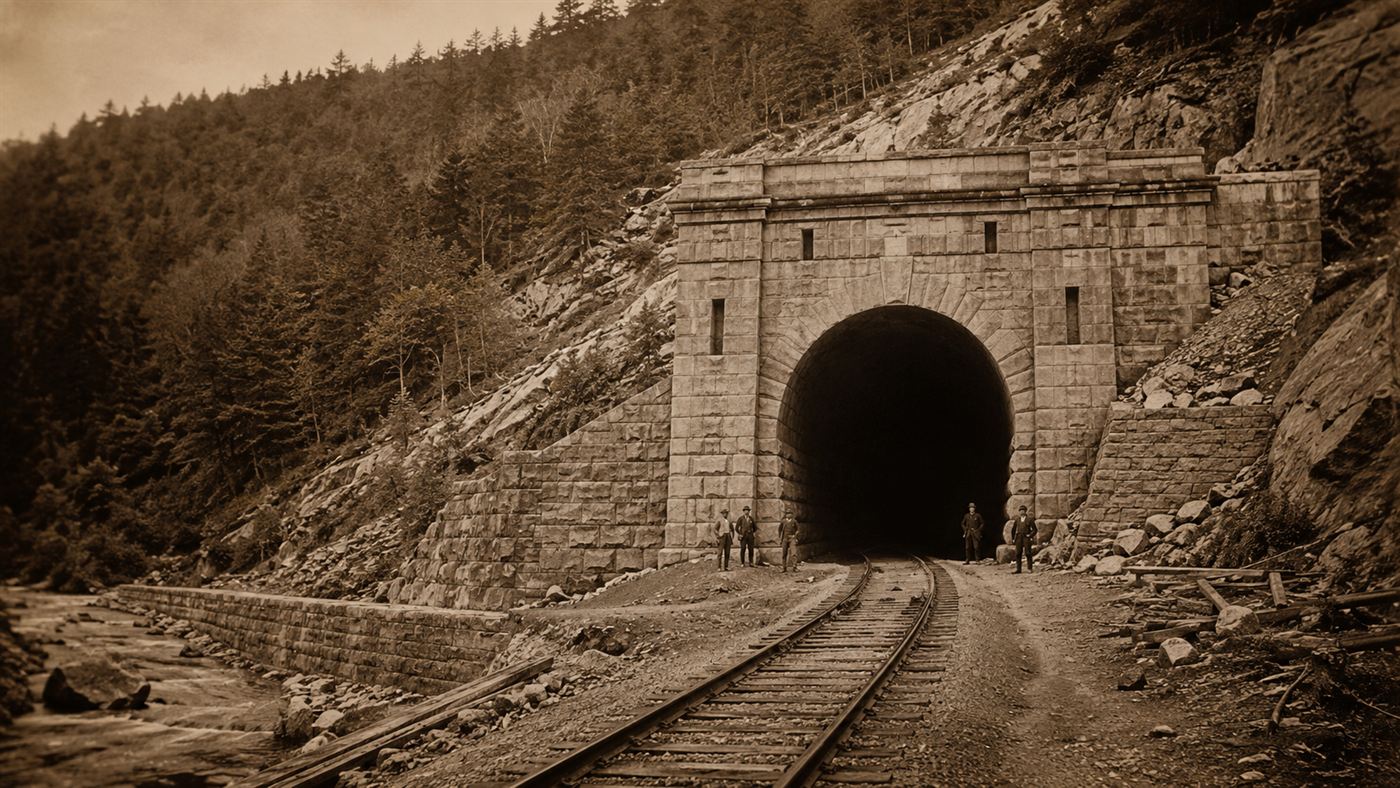
The Hoosac Tunnel bored almost five miles straight through a mountain. Illustration: Watts & Wild.
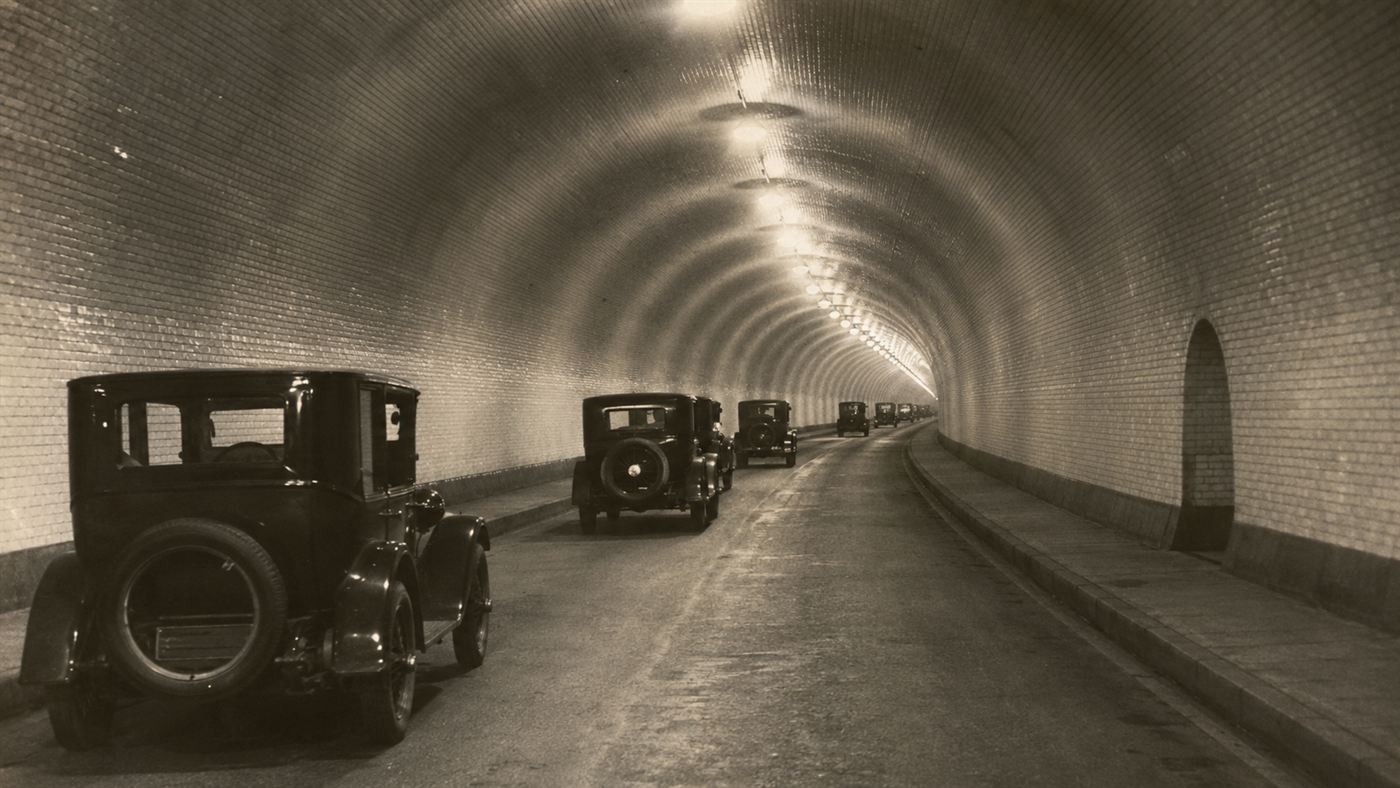
The Hoosac Tunnel runs nearly five miles through Hoosac Mountain, part of the Berkshire range, and when it finally opened in 1875 it was the longest tunnel in North America. It was built to carry a railroad through a barrier that had long stood between Boston and the trade of the west, a bottleneck that New England badly wanted gone.
On paper it looked simple enough: bore a straight line through the rock and lay track. In practice it took nearly a quarter of a century, ran wildly over budget, and killed around two hundred men. Almost nothing about it went as promised, and yet what came out the far side changed how humans dig through the earth.
The short version is that the Hoosac Tunnel was a genuine marvel and a genuine horror, and the very things that made it a landmark of engineering are the same things that made it a killer.
Why the Hoosac Tunnel took so long
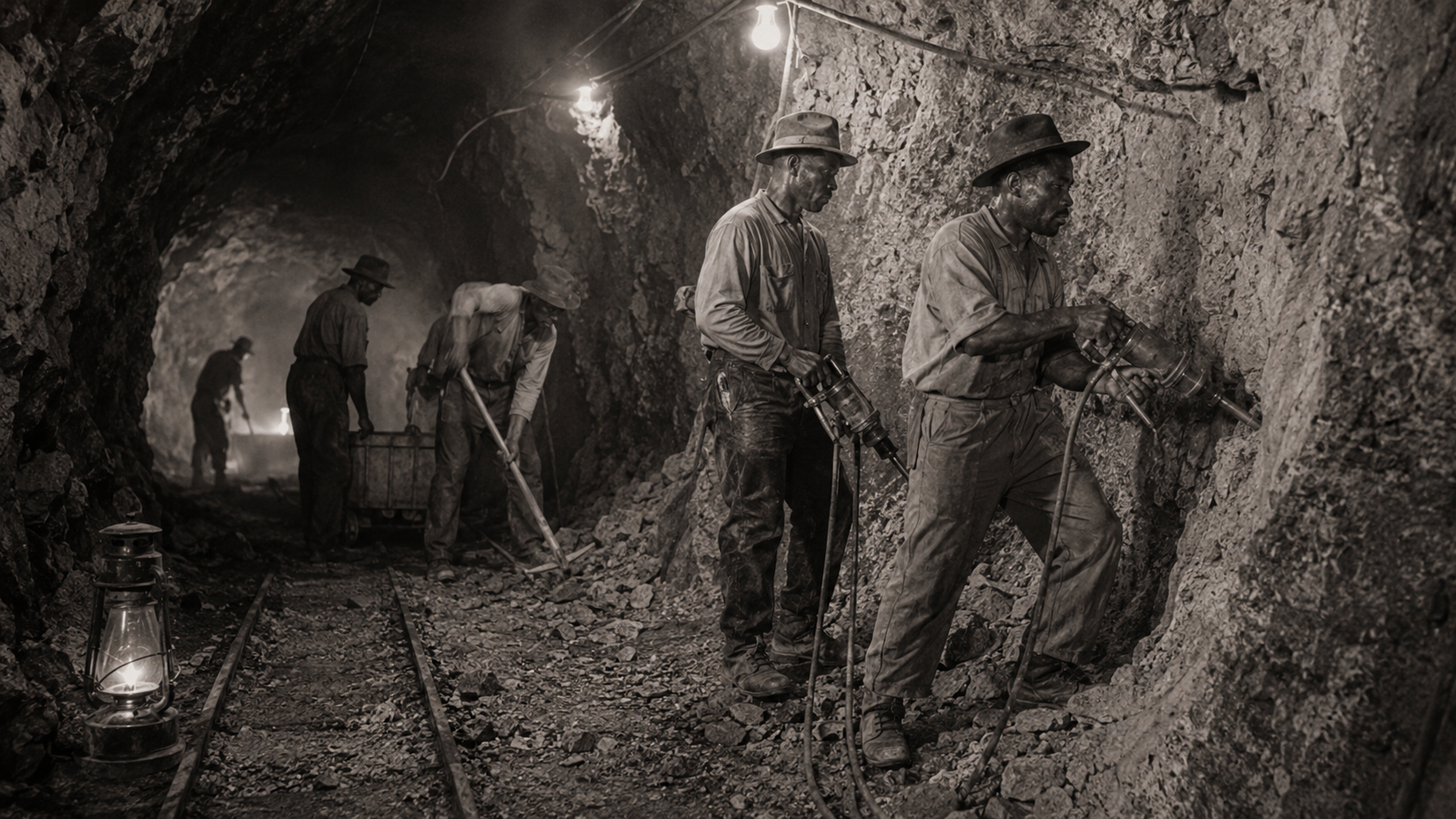
The mountain fought back. Early crews attacked the rock with hand tools and black powder, and progress was measured in pathetic inches a day against stone that was harder and wetter than anyone had bargained for. At that rate, the tunnel would have taken lifetimes, and for years it looked like a fool's errand that would never be finished.
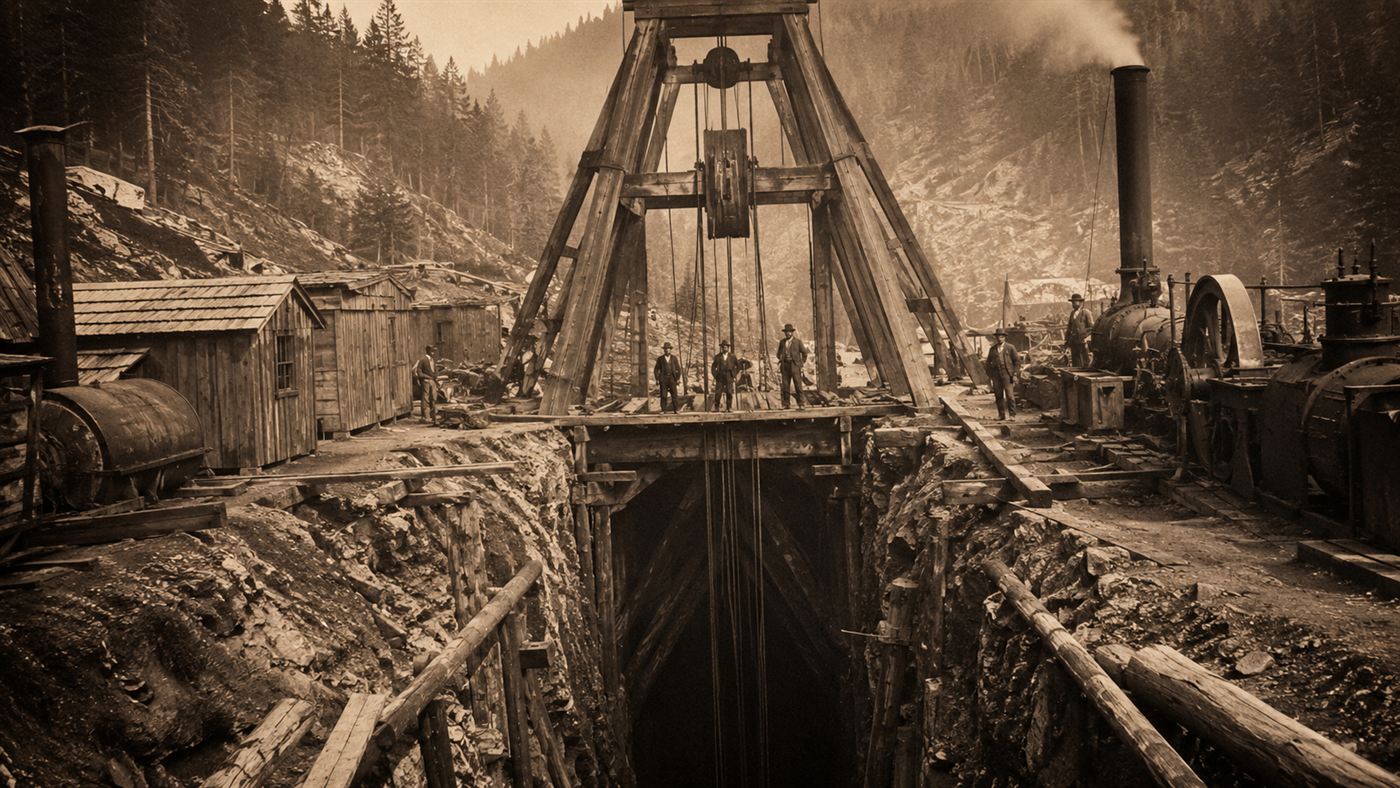
To speed things up, engineers also sank a huge vertical central shaft down more than a thousand feet to the level of the tunnel, so crews could dig outward from the middle as well as inward from each end. It was a clever way to open more working faces at once, but it also created a deep, dangerous pit that would soon earn its dark reputation.
The explosives that changed everything
What finally cracked the mountain was chemistry. The Hoosac became one of the first great projects to use nitroglycerin on a large scale, an explosive far more powerful than black powder, made on site by a chemist who mixed it near the works. It could shatter rock that powder only bruised.
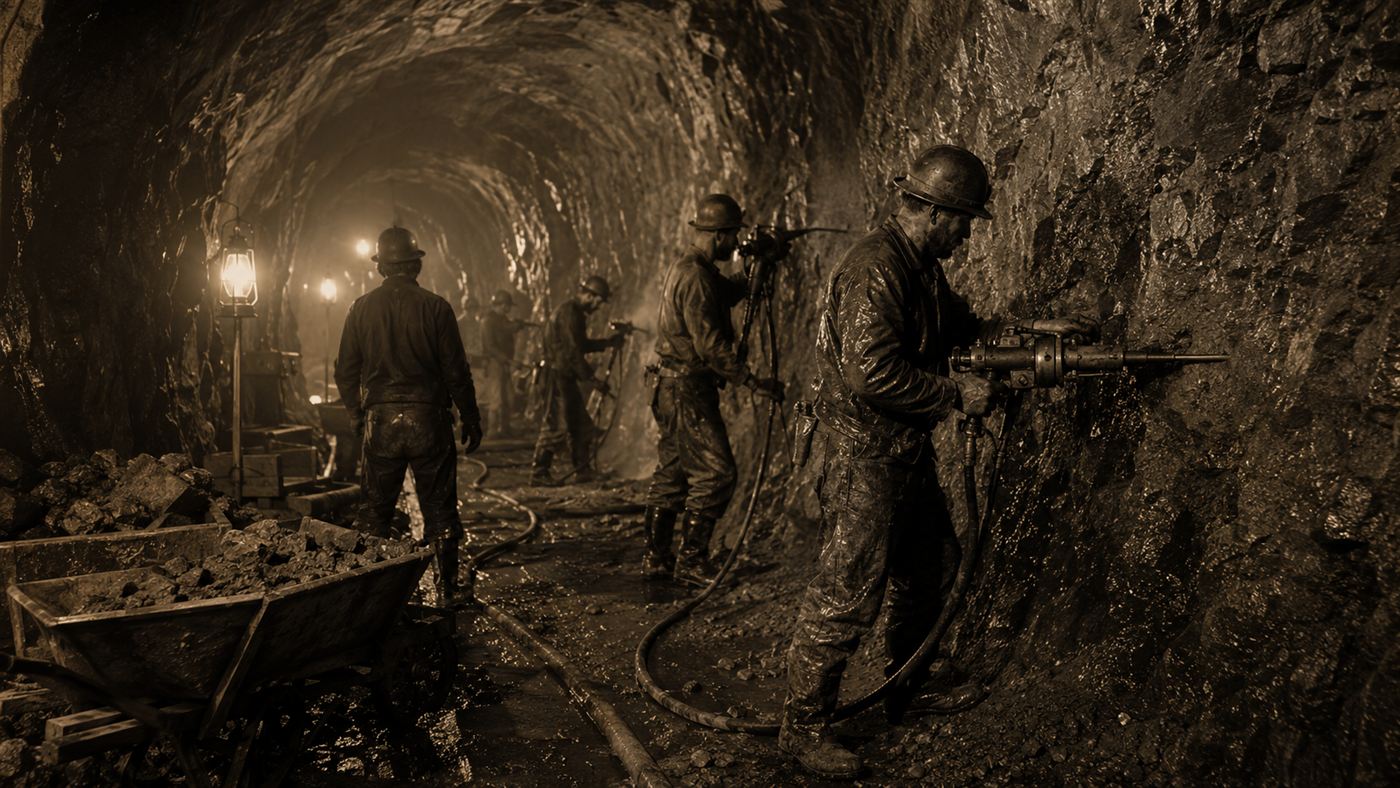
The builders paired it with other advances that read like a list of firsts, including compressed-air drills that chewed into the rock far faster than human arms, and one of the earliest uses of electricity to fire the charges from a safe distance. Together these tools turned a hopeless crawl into steady progress, and much of modern tunnelling traces back to what was worked out here.
Why they called it the Bloody Pit
Every one of those breakthroughs had a body count. Early nitroglycerin was dangerously unstable and poorly understood, and it killed men who mishandled it or were caught by a blast, while falls, floods and collapses took others in the dark. Over the years of digging, roughly two hundred workers lost their lives in the tunnel.
The worst single disaster came in 1867, when a fire broke out in the building above the central shaft and destroyed the machinery that pumped out water and hauled up men. Thirteen workers were trapped at the bottom, more than a thousand feet down, and all of them died as the flooded shaft became their grave. After horrors like that, the nickname the Bloody Pit needed no explanation.
Was it even worth the money?
For most of its construction, the honest answer looked like no. The cost ballooned far beyond its early estimates into the millions, private companies failed at the job, and the state of Massachusetts had to take it over to see it finished. To many taxpayers of the day it looked like a bottomless money pit as much as a bloody one.
And yet, once it opened, the tunnel did what its champions had promised. It gave Boston a direct railroad route west through the mountain wall, boosting the region's trade for generations, and it is still carrying freight through Hoosac Mountain today. Judged over a century and a half rather than a single decade, the reckless-looking gamble largely paid off.
The honest catch
It is easy to celebrate the Hoosac Tunnel as a heroic first, the bold bore that helped invent modern tunnelling, and that is true. But the triumphant version has a way of quietly rounding the dead down to a footnote, and the same story can be told as a grim one in which around two hundred men were fed into a mountain over twenty-four years.
The sharpest point is that the marvel and the massacre were not separate. The very innovations that make the Hoosac a landmark, the raw new nitroglycerin, the deep central shaft, the untested machinery, were exactly what killed the workers, because the cutting edge is, almost by definition, the place where people get cut. The tunnel still hums with trains, a monument to what we can build, and a quiet one to the price the builders paid.
A tunnel we still use today was dug at the cost of around two hundred lives and a fortune in overruns. When a great feat of engineering is built on this many deaths, how should we remember it? Tell us what you think in the comments.
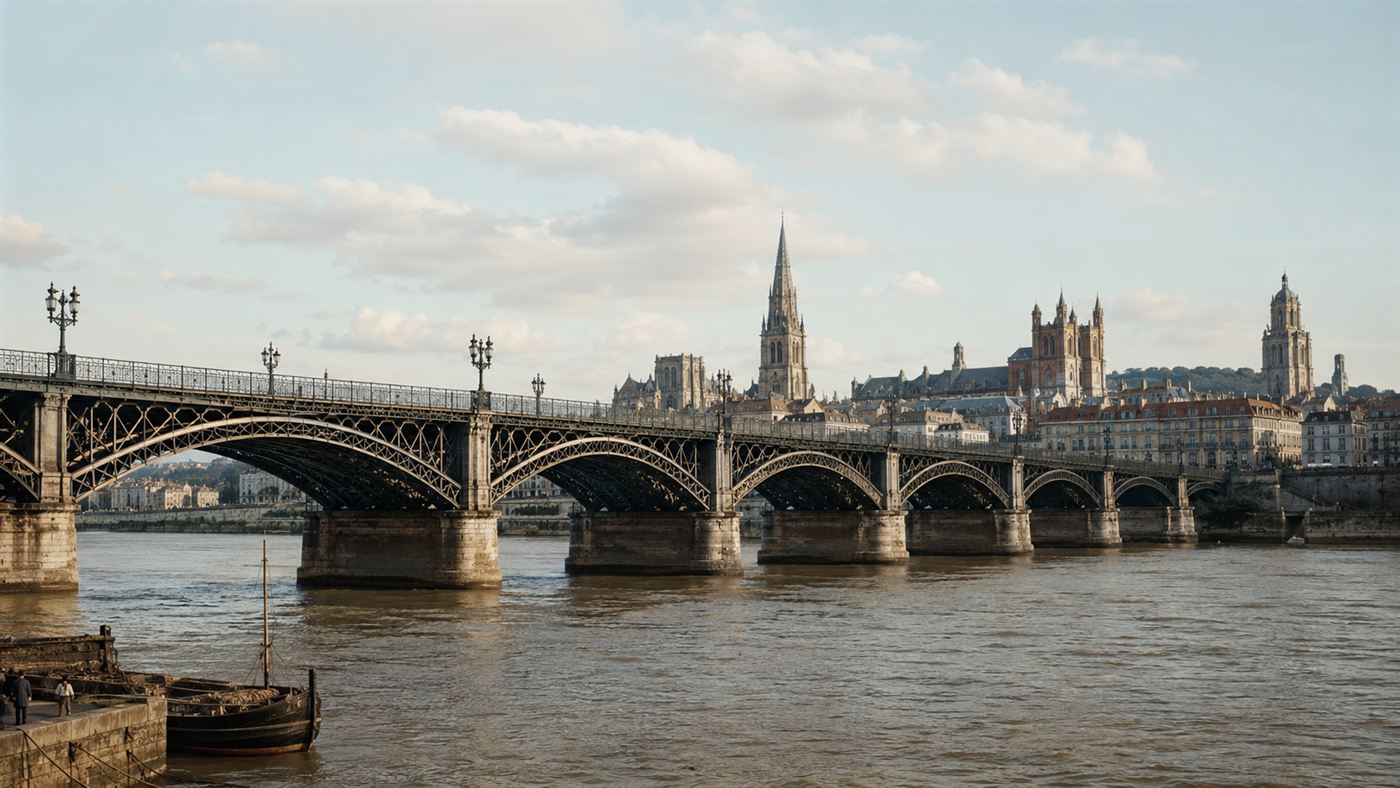
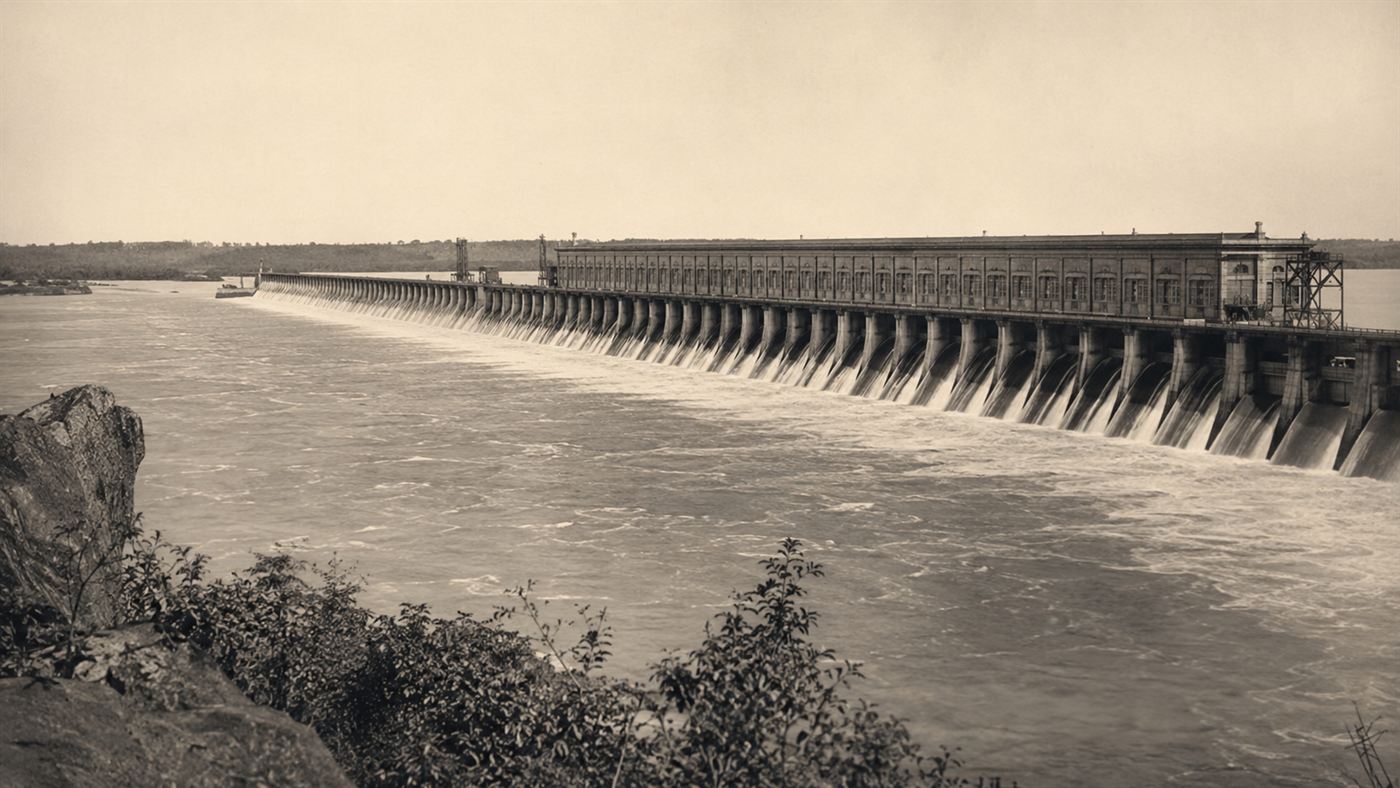
Related reading: the Eads Bridge, another marvel whose workers paid a hidden price. See also the Hawks Nest tunnel, where the dust itself was the killer, and the Keokuk Dam that drowned a wild river to make power.