A tunnel leaked so badly that Sweden poured in poison, and then the poison got out
It was meant to be a simple shortcut for trains under a low Swedish ridge, finished in three years. Instead the rock bled water no one could stop, engineers reached for a chemical that should never have touched groundwater, and cows began to fall down in the fields. The Hallandsås Tunnel became one of the worst engineering scandals in Swedish history.
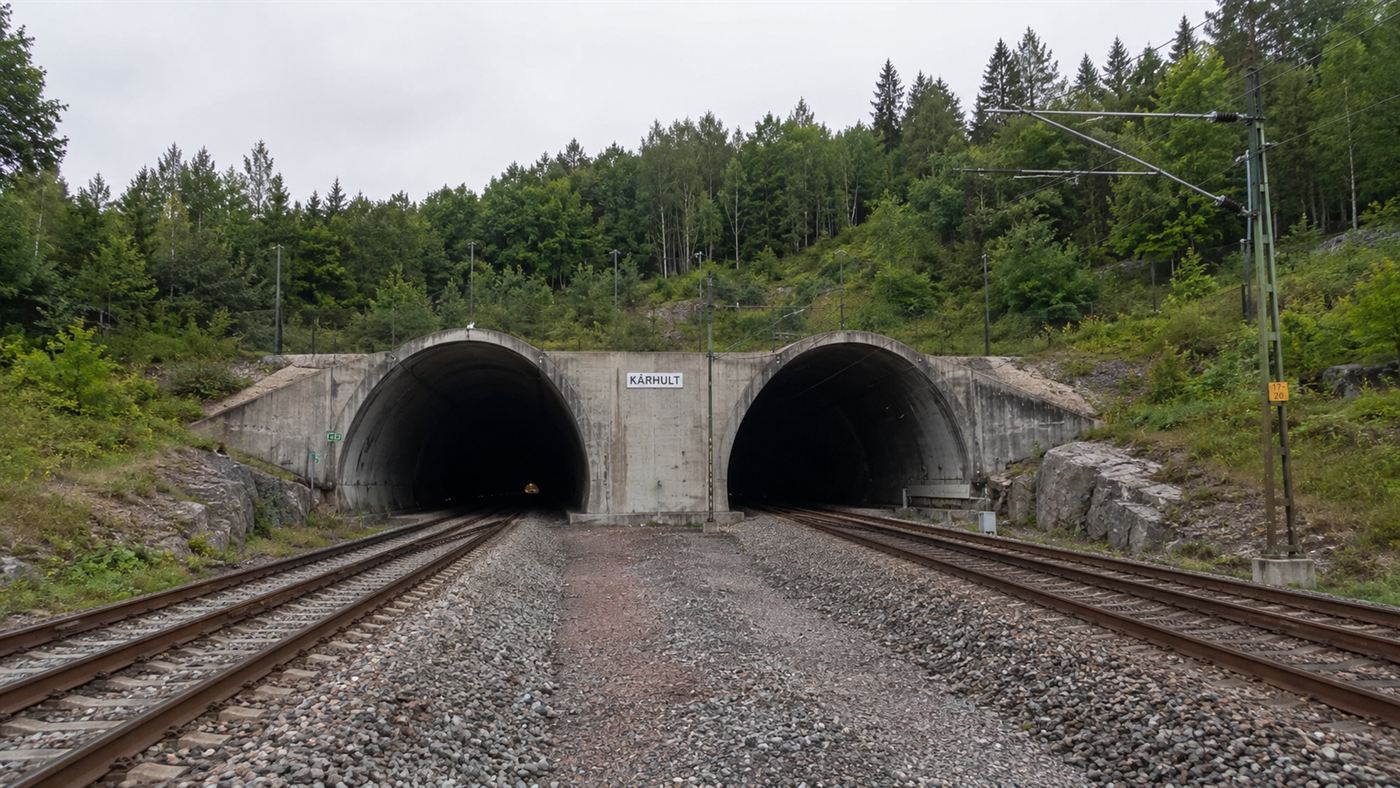
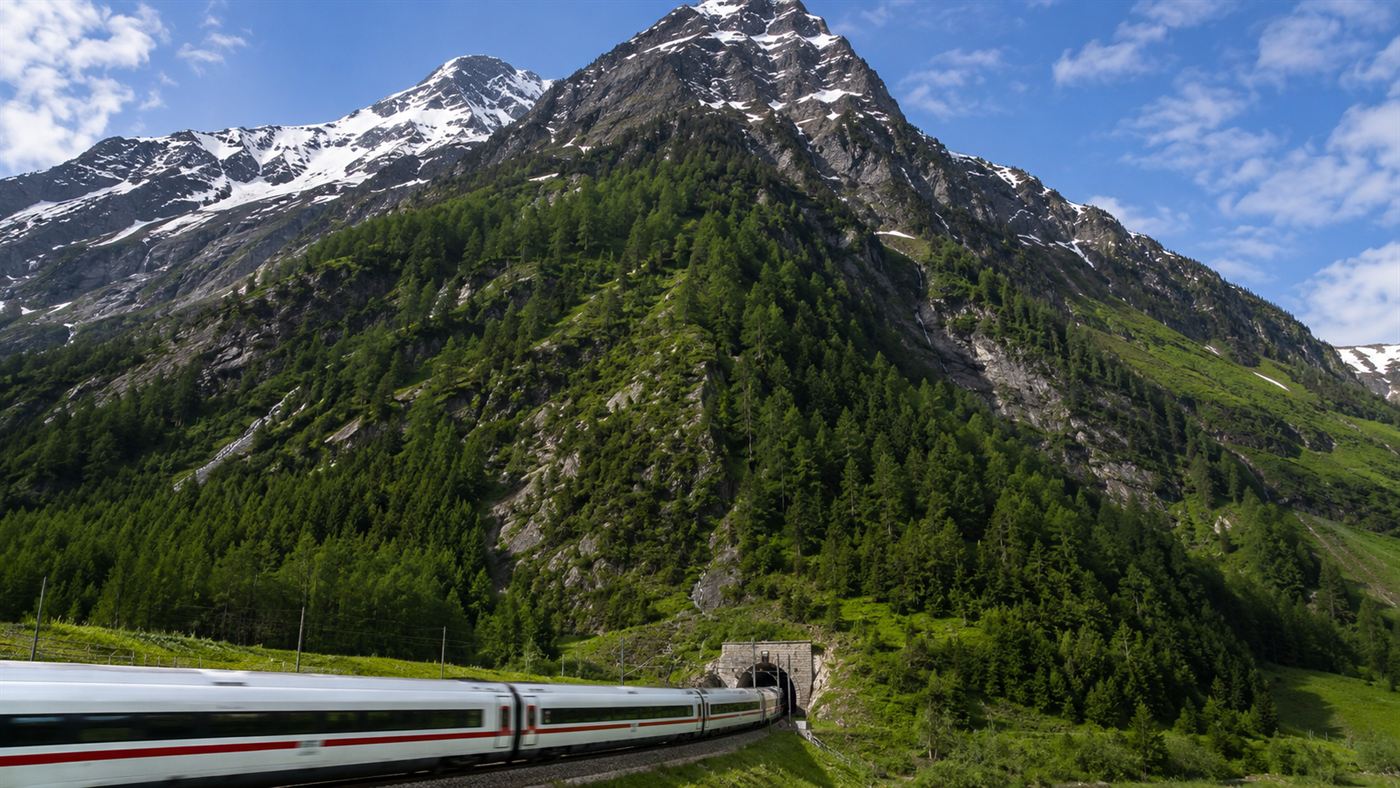
Two short railway tubes through a gentle ridge took more than twenty years and a poisoning scandal to finish. Illustration: Watts & Wild.
On paper it looked easy. A railway line on Sweden's west coast needed to cross the Hallandsås, a long, low ridge between Ängelholm and Halmstad, and the plan was to bore two straight tunnels straight through it. The Hallandsås Tunnel was supposed to open in 1995, just a few years after work began, and instead it turned into a twenty-year ordeal that poisoned a corner of the countryside.
The reason it all went wrong is a lesson every engineer knows in theory and dreads in practice: the ground is never quite what the surveys promised.
What went wrong in the Hallandsås Tunnel
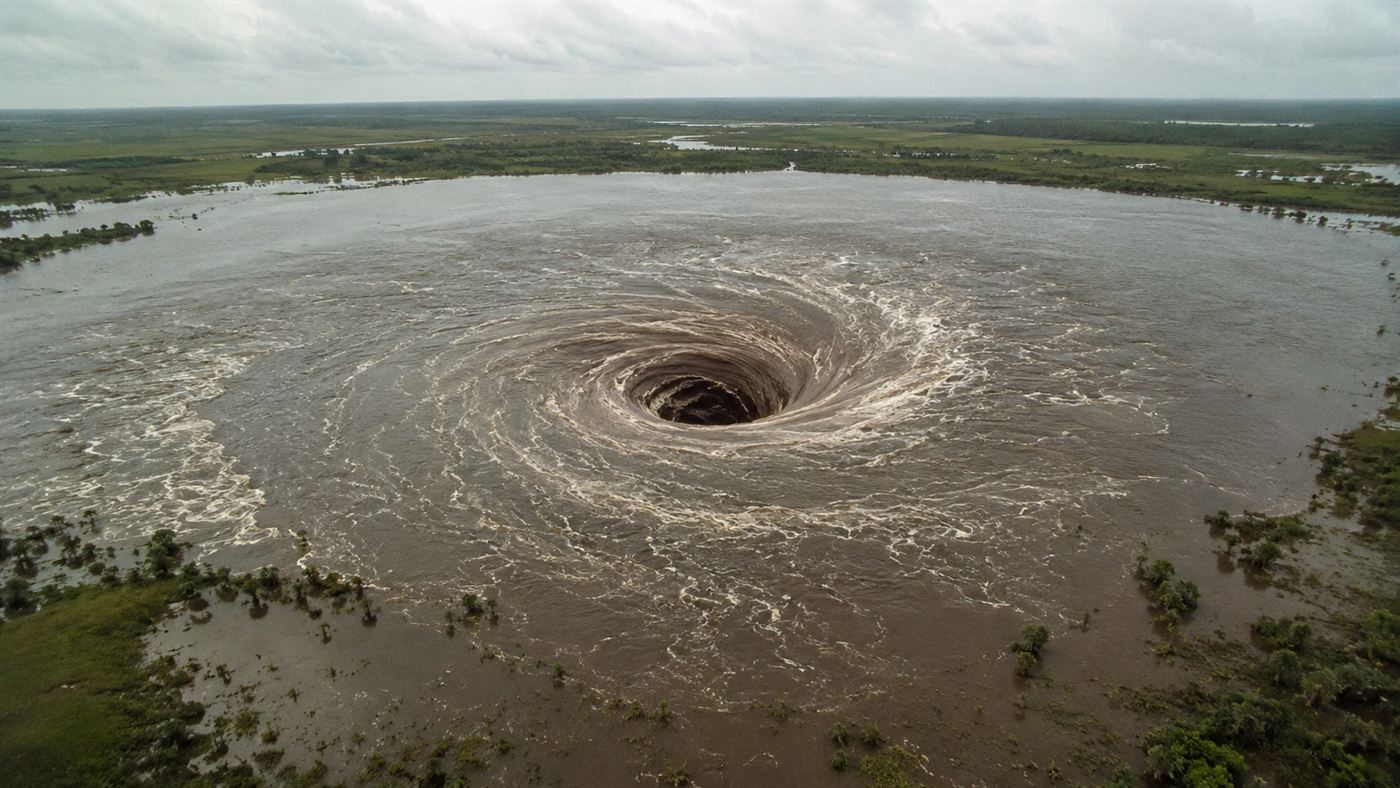
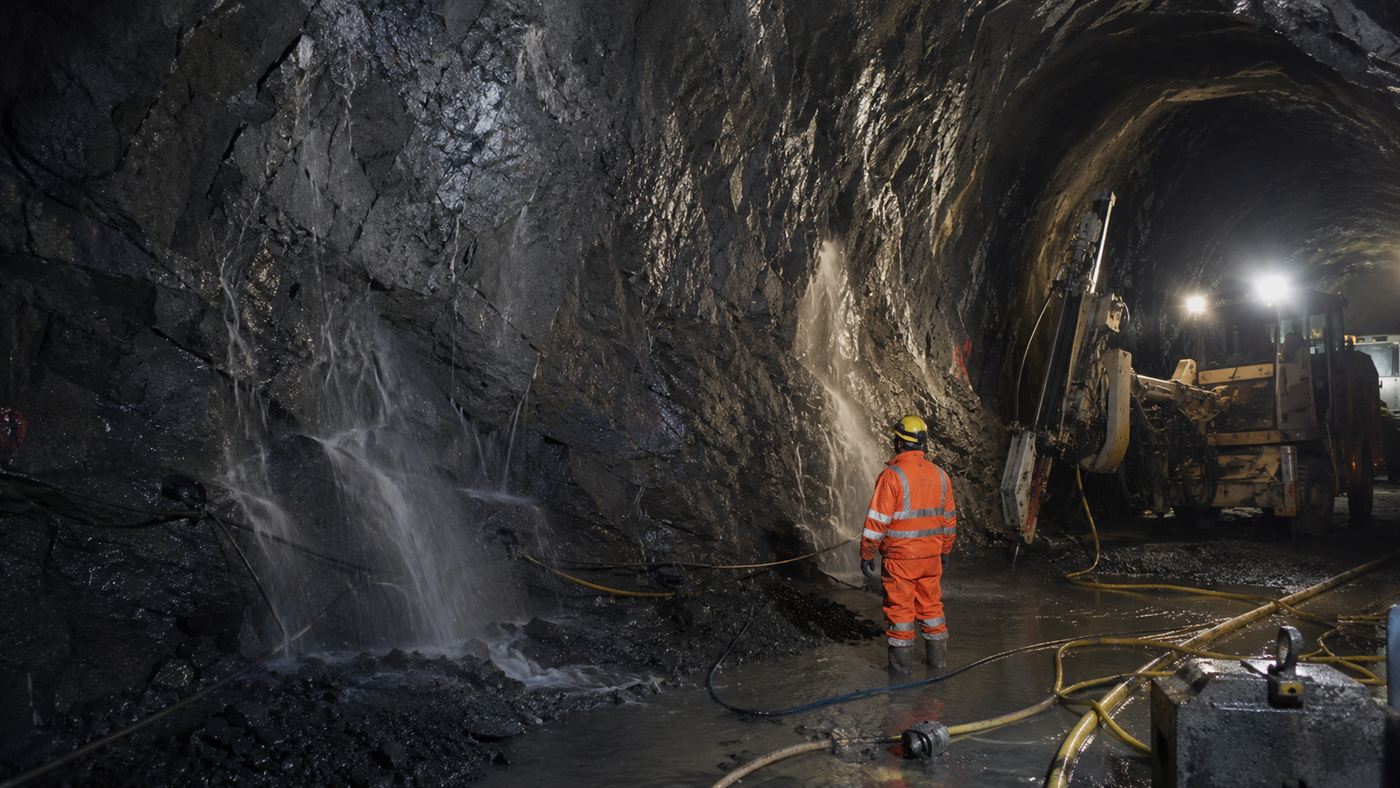
The ridge looked solid, but inside it was cracked and soaked. As the digging advanced, water poured in through the fractured rock in volumes far beyond anything the planners had allowed for. The rock was so broken and waterlogged that conventional tunnelling stalled, with groundwater flooding the works faster than the crews could seal it back.
Draining that much water carried its own danger, because lowering the water table could dry out wells and farmland above. The pressure to plug the leaks, quickly and cheaply, pushed the project toward a decision that would haunt it. The engineers needed something to turn the weeping rock solid, and they found a product that promised exactly that.
The sealant that should never have been used
The answer they chose was a grout sold as Rhoca-Gil, a liquid plastic that was injected into the rock and set hard to block the water. What mattered, and what was badly underestimated, was its main ingredient. Rhoca-Gil contained acrylamide, a chemical that attacks the nervous system and is considered mutagenic and a probable cause of cancer.
In a sealed laboratory that might have been manageable. Pumped by the tonne into cracked rock that was actively leaking water, it was a disaster waiting to surface. Much of the grout never set properly and simply washed back out with the very groundwater it was meant to stop, carrying its poison straight into the open. By the time the injection was stopped, around 1,400 tonnes of the stuff had been pumped underground.
When cattle started falling in the fields
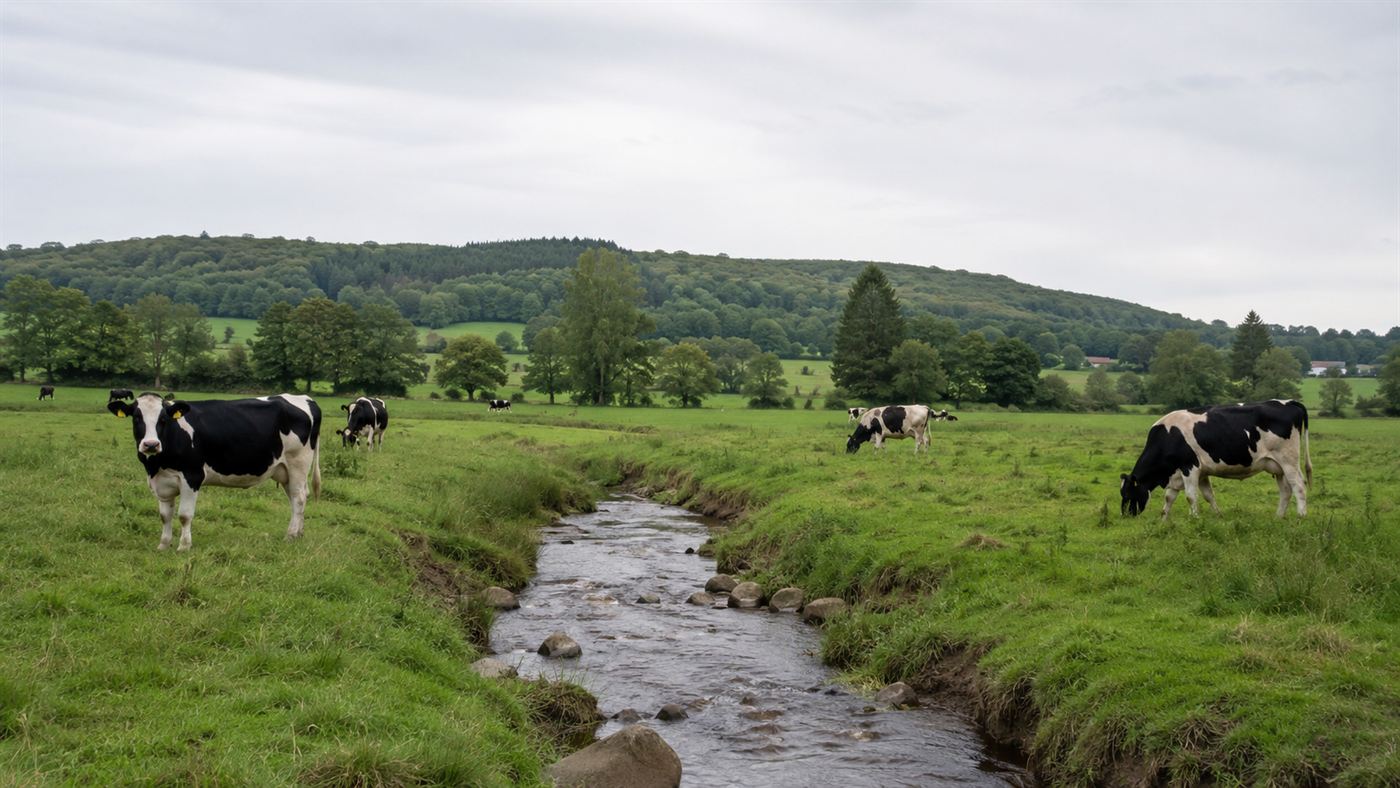
The contamination did not stay in the tunnel. It flowed out into the streams and ditches around the ridge, and in the autumn of 1997 the countryside began to sicken. Cattle that drank from the polluted streams became paralysed, fish died, crops had to be destroyed, and the sale of farm produce from the area was banned.
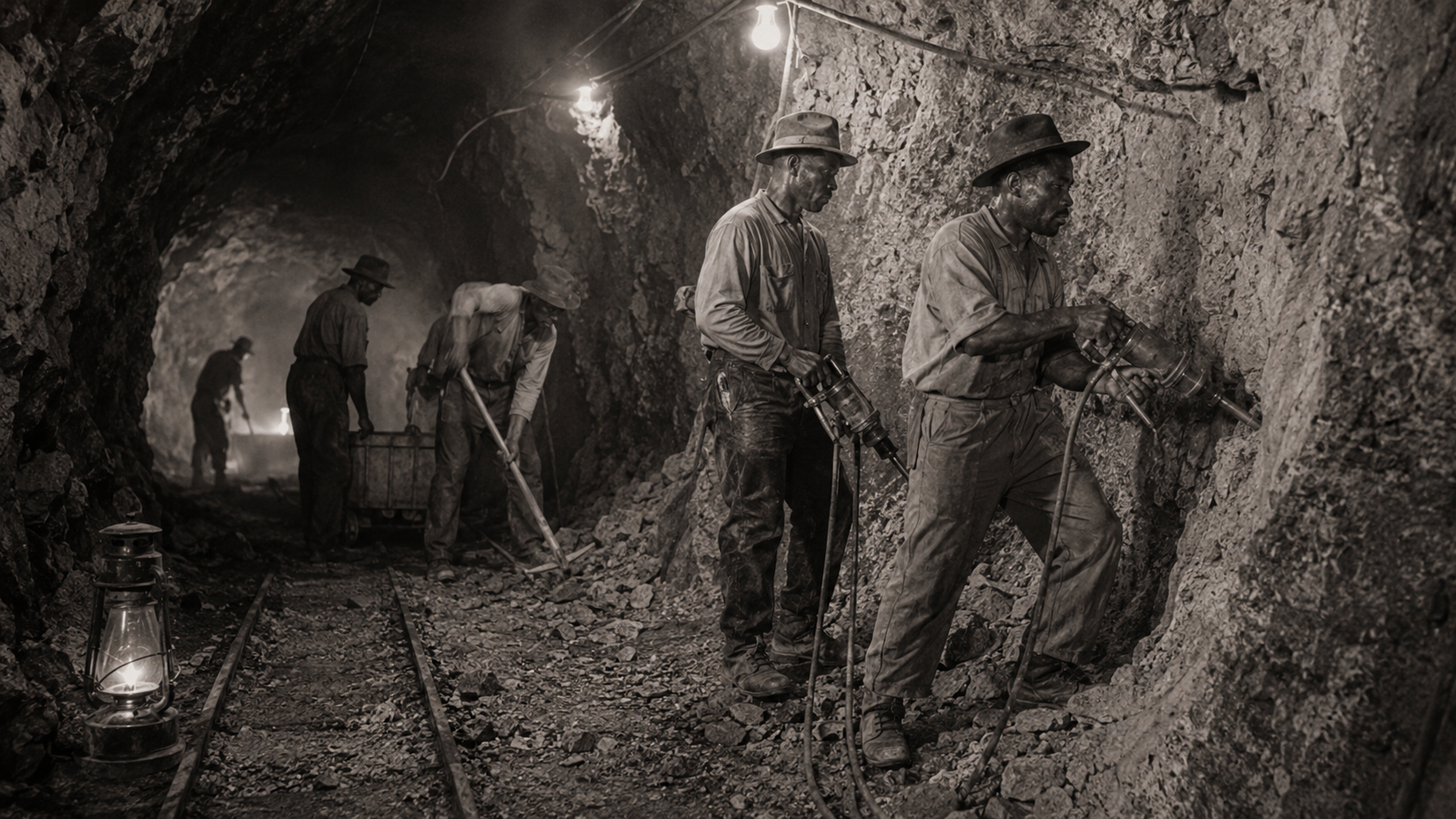
The harm reached the workers too. Tunnel crews who had handled the grout and stood in the runoff were found to have high levels of acrylamide in their blood, with nerve damage in their hands and feet. People who had simply gone to work building a railway came home poisoned, and farmers watched their animals collapse without knowing why. When the story broke, it became one of the most heavily reported events in the history of Swedish media.
Seven lost years and a slow recovery
The fallout was immediate. Work stopped completely, criminal charges were brought against the contractor and others involved, and senior figures resigned. The Hallandsås project sat frozen for about seven years before the Swedish government decided the half-dug tunnel was too valuable to abandon and ordered the work restarted.
The second attempt leaned on a single enormous tunnel boring machine rather than blasting and chemical grout, grinding its way through the ridge behind a shield that held the water back. It was slow, careful and expensive, but it worked. The tunnel finally opened to trains in 2015, more than two decades after the first plans, and at a cost many times the original budget.
Why did the Hallandsås Tunnel take so long to build?
Because almost everything that could be misjudged was. The geology was wetter and weaker than the surveys suggested, the rushed fix poisoned the surroundings, and the scandal that followed cost the project seven idle years on top of the original delays.
It is a textbook example of how a mega-build goes wrong not in one dramatic collapse but in a chain of pressured decisions, each reasonable on its own, ending somewhere no one intended. The trains run smoothly through the ridge today, and most passengers have no idea what it took, or what it poisoned, to put them there.
What was the Hallandsås Tunnel toxic scandal?
It was the moment a construction shortcut turned into an environmental and human-health crisis. A grout called Rhoca-Gil, full of the nerve toxin acrylamide, was pumped into leaking rock, escaped into local water, and harmed livestock, wildlife and the workers themselves.
One honest caution belongs here: while acrylamide is clearly a nerve poison and a probable carcinogen, the long-term cancer risk to the people exposed at Hallandsås is genuinely hard to pin down, and no deaths were ever directly tied to the leak. What is certain is that a quiet Swedish ridge was poisoned to build a tunnel through it, and that the people who paid the price had not chosen to take it on.
A short tunnel under a gentle ridge ended up poisoning the land above it and taking twenty years to finish. When the ground fights back, how far should engineers go to win, and who gets to decide what risk the neighbours have to swallow? Tell us what you think in the comments.
Related reading: the Hawks Nest tunnel, an American dig whose dust killed hundreds of workers and was hidden for years.