Cities grew outward and upward because one forgotten inventor put electric motors in streetcars and elevators, and almost nobody knows his name
Everyone has heard of Edison and Tesla. Almost nobody has heard of Frank Sprague, and yet the shape of the modern city, sprawling out along tram lines and stacking up into towers, is largely his doing. He took the electric motor and used it to move people in the two directions that built the twentieth-century metropolis: sideways and straight up.
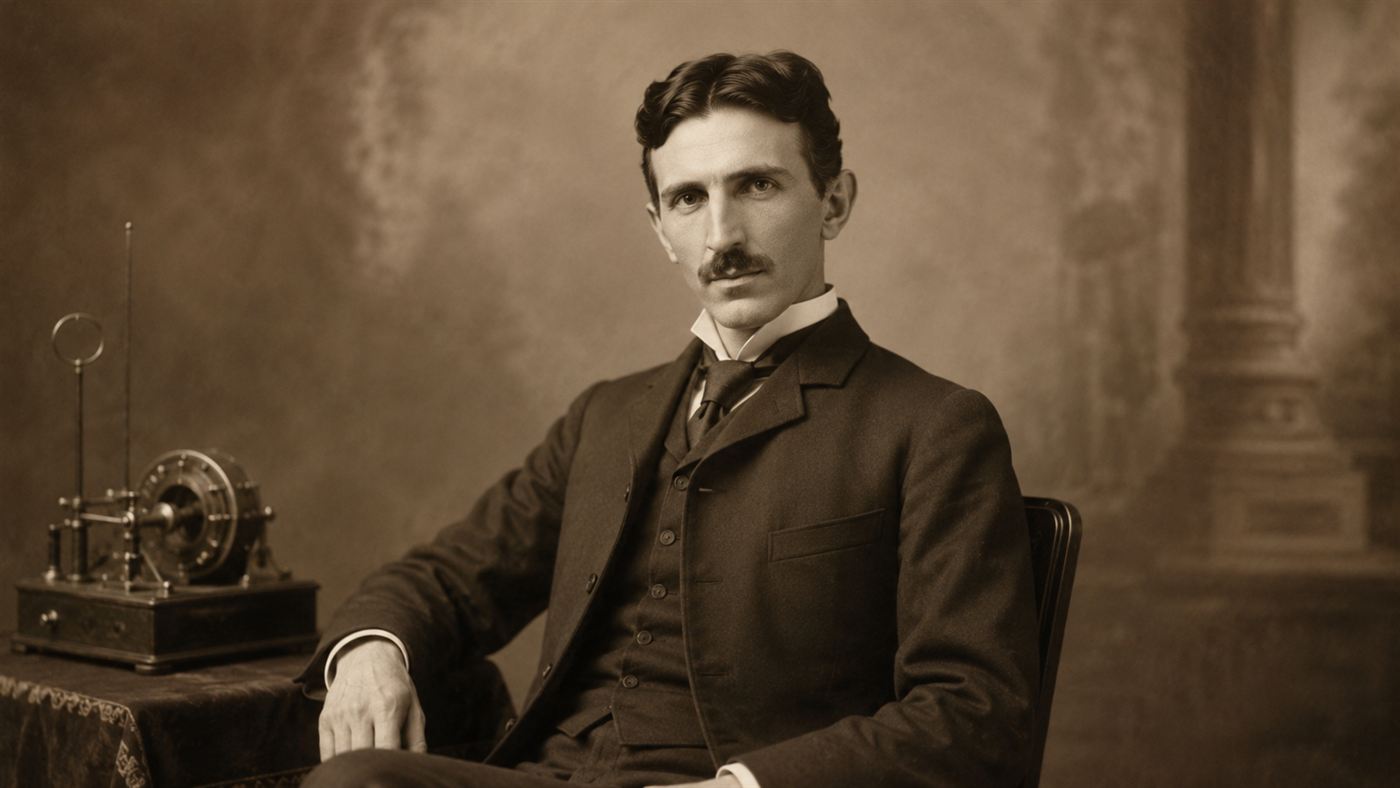
Frank Sprague, the "father of electric traction," whose motors reshaped cities. Illustration: Watts & Wild.
Sprague was a US naval officer with a gift for electrical engineering who worked briefly for Thomas Edison before striking out on his own. Where Edison obsessed over light and power, Sprague became fixated on a harder problem: how to make an electric motor do real, heavy, reliable work, turning wheels and lifting loads, out in the messy world rather than in a laboratory.
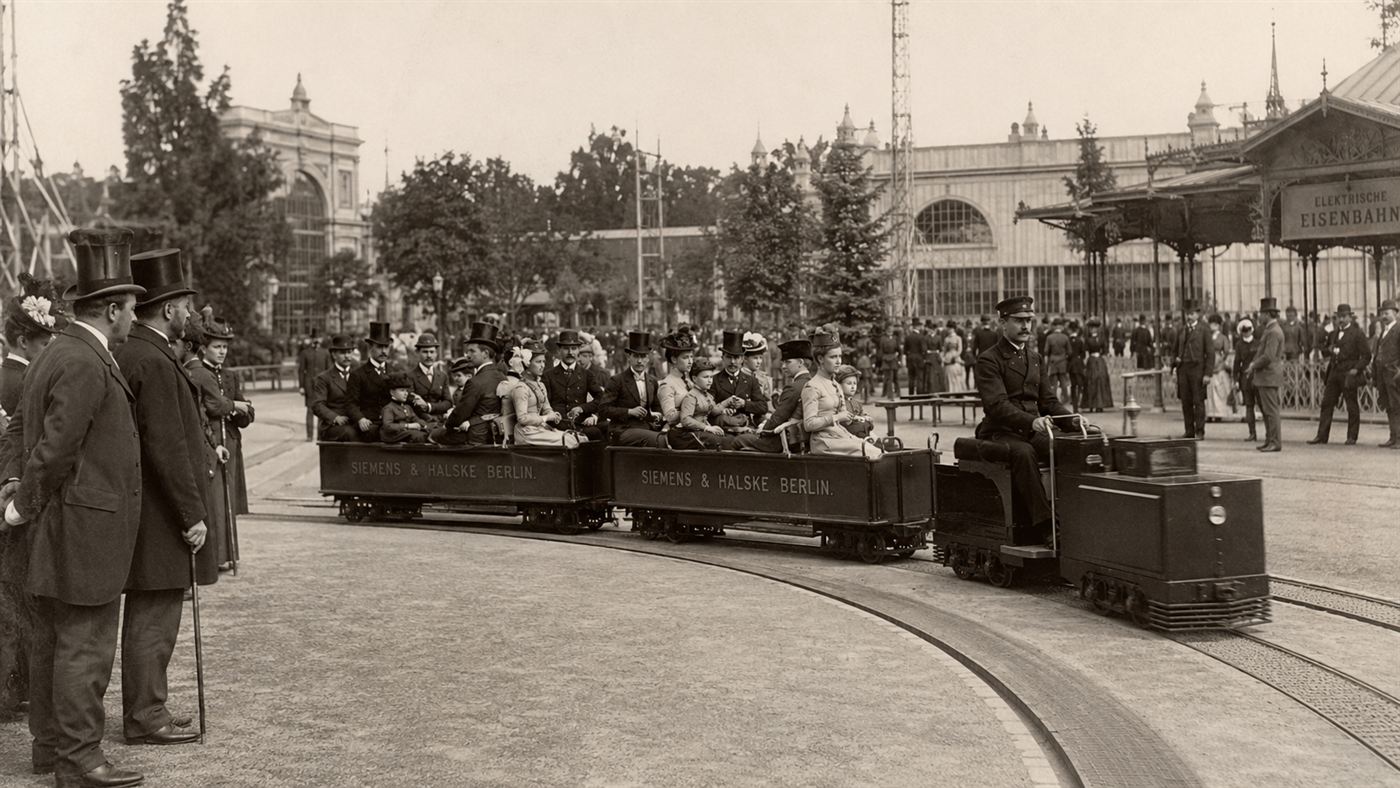
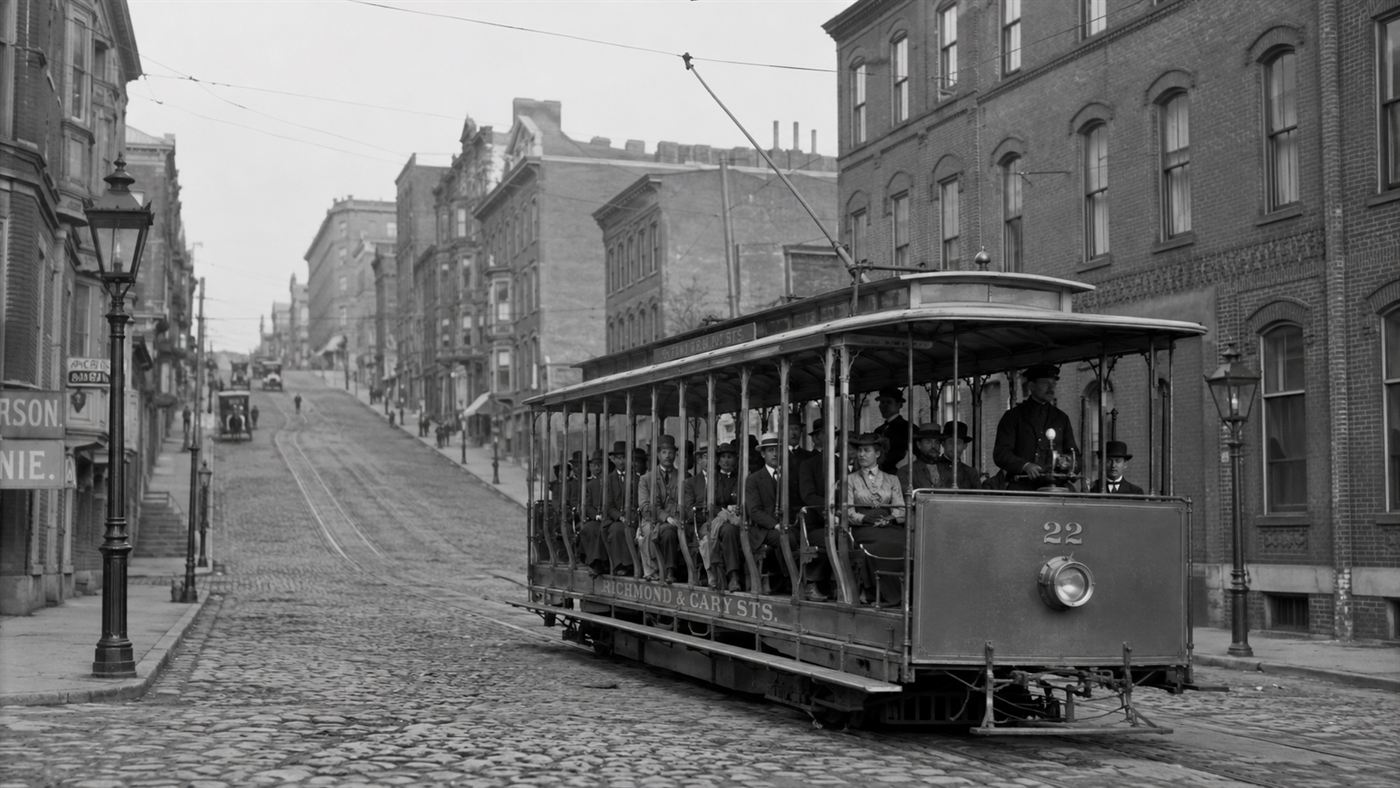
His first great answer came in 1888 in Richmond, Virginia. Cities then ran on horse-drawn trams, slow and filthy, and various inventors had tinkered with electric ones without making them stick. Sprague built an entire city's worth at once, around forty cars running on a dozen miles of track, climbing Richmond's hills on electricity drawn from an overhead wire by a spring-loaded pole.
How Frank Sprague rebuilt the street
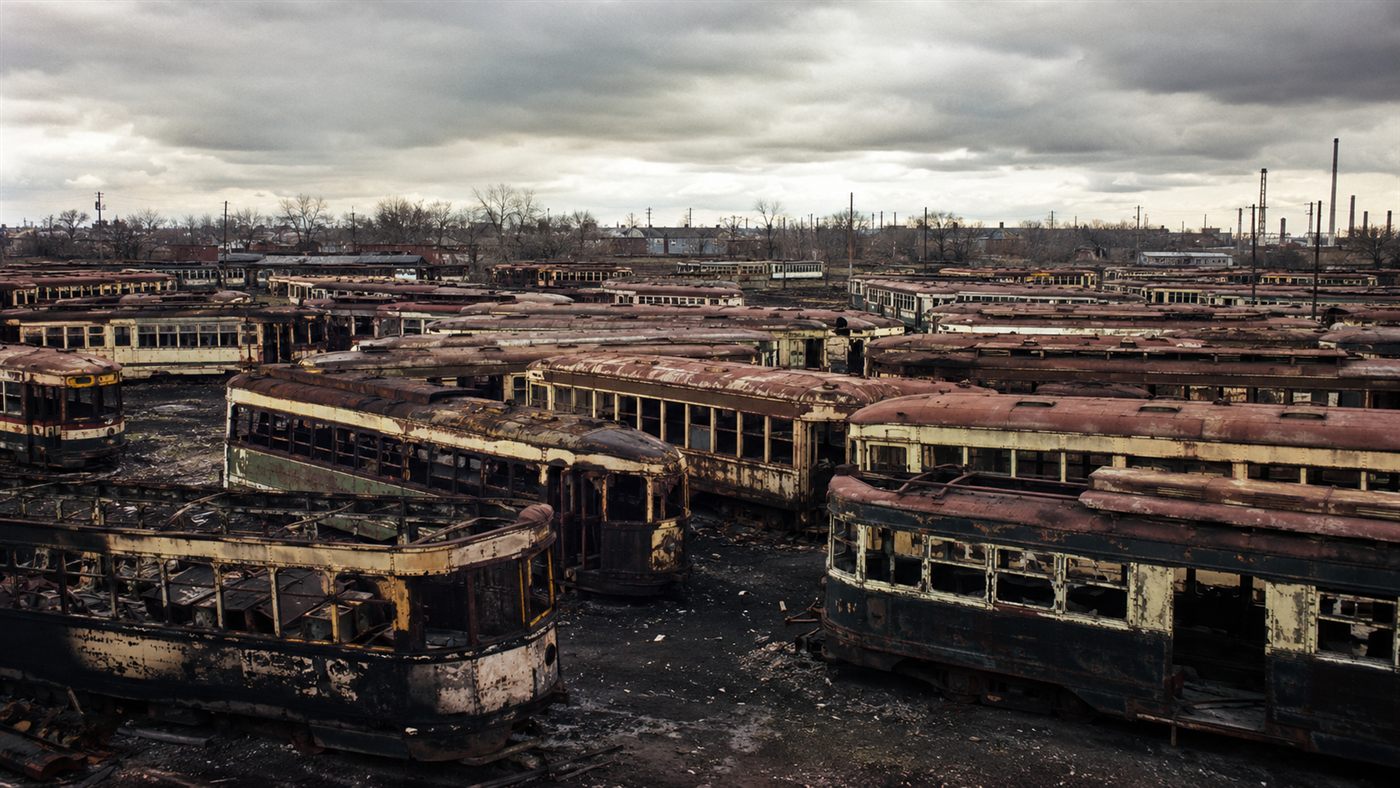
It worked, and the effect was explosive. As the Engineering and Technology History Wiki records, within a few years his Richmond design had been copied into electric streetcar systems all over the United States and beyond. Suddenly an ordinary worker could live miles from the factory or office and ride in for a few cents, and cities began to spread outward along the new tram lines into the suburbs we still live in today.
That alone would have earned him a place in history. But Sprague was just getting started, and his next idea pointed in the opposite direction, not out across the city but up into the sky above it.
The electric elevator that built the skyscraper
We usually credit the skyscraper to two things: the steel frame that lets a building stand tall, and the safety brake that stops a lift from plunging if its cable snaps. Both are real, but they miss the obvious problem. A fifty-storey tower is worthless if it takes ten minutes and a heaving steam engine to reach the top. What made height usable was a fast, reliable, electric elevator.
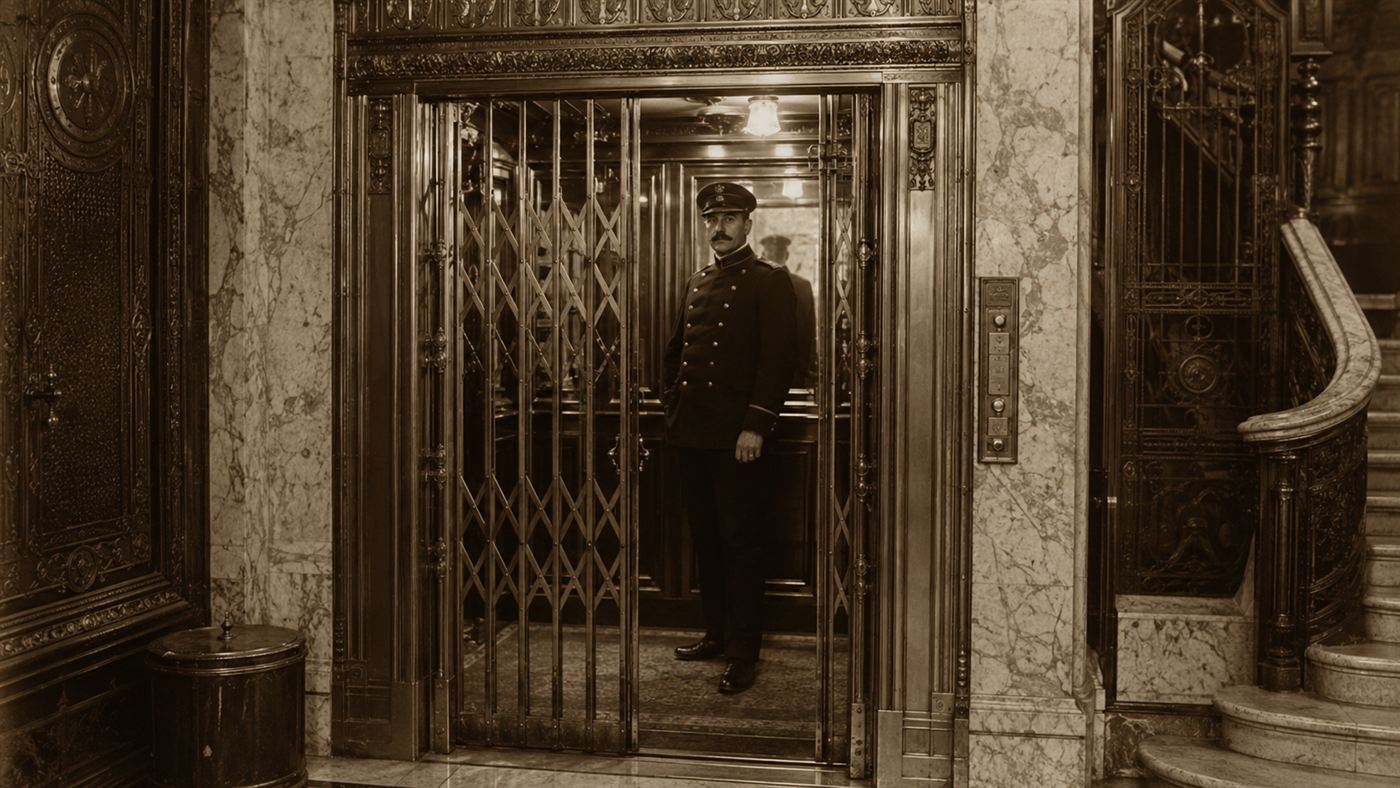
In the early 1890s Sprague turned his motors to exactly that. As the Lemelson-MIT program notes, his elevators were quicker than the hydraulic and steam machines they replaced, carried heavier loads, and stopped automatically level with each floor instead of leaving passengers to step up or down to the landing. They made living and working dozens of storeys in the air not just possible but pleasant, and the tower could finally pay for itself all the way to the roof.
What did Frank Sprague invent?
An astonishing amount, considering how little his name is known. He built the first city-scale electric streetcar network, developed the self-levelling electric elevator that unlocked the skyscraper, and in 1897 invented "multiple-unit control," a way of giving every carriage in a train its own motor while driving them all from a single cab. That last one is why modern underground railways and long electric trains work at all, and it powered the first New York subway and Chicago's elevated lines.
Why nobody remembers him
Put together, Sprague's inventions did as much to create the modern city as anyone's. The metropolis that grows outward along its transit lines and upward into its towers is, in a real sense, the city he made movable. And yet he is a footnote where Edison and Tesla are household names, partly because he sold his companies to bigger firms like Otis and then moved on to the next problem, rather than building an empire and a legend around his own name.
The honest catch
It would be unfair to hand Sprague the whole skyline. The elevator did not begin with him: hydraulic and steam lifts already existed, and Elisha Otis's safety brake from the 1850s was what first convinced people to step into a lift at all, while the steel frame was the work of other engineers entirely. Sprague's genius was to make the electric version practical and to tie the electric motor to the moving city, not to invent every piece from scratch. Even the grand title "father of electric traction" glosses over the many others who contributed. What is fair to say is this: stand on a busy street corner, look along the tram or subway line in one direction and up the side of a tower in the other, and you are looking at the world Frank Sprague helped set in motion, whether or not you have ever heard his name.
One man's electric motors let the city grow both outward and upward, and history mostly forgot him. Does Frank Sprague deserve to stand beside Edison and Tesla, or is being quietly everywhere its own kind of monument? Tell us what you think in the comments.
Related reading: The famous feud over electricity itself, the war of currents between Edison and Westinghouse, or the San Francisco cable car that Sprague's electric streetcars pushed aside.