The San Francisco cable car was not built for charm or tourists, it was born because one man could not forget the sight of horses dying on a steep wet hill
Today the San Francisco cable car is a postcard, a jingling ride for visitors clinging to the running board. But it began as something far more serious: an engineer's answer to a scene of everyday cruelty on the city's brutal slopes, and a bet that steel rope could do what horses could not.
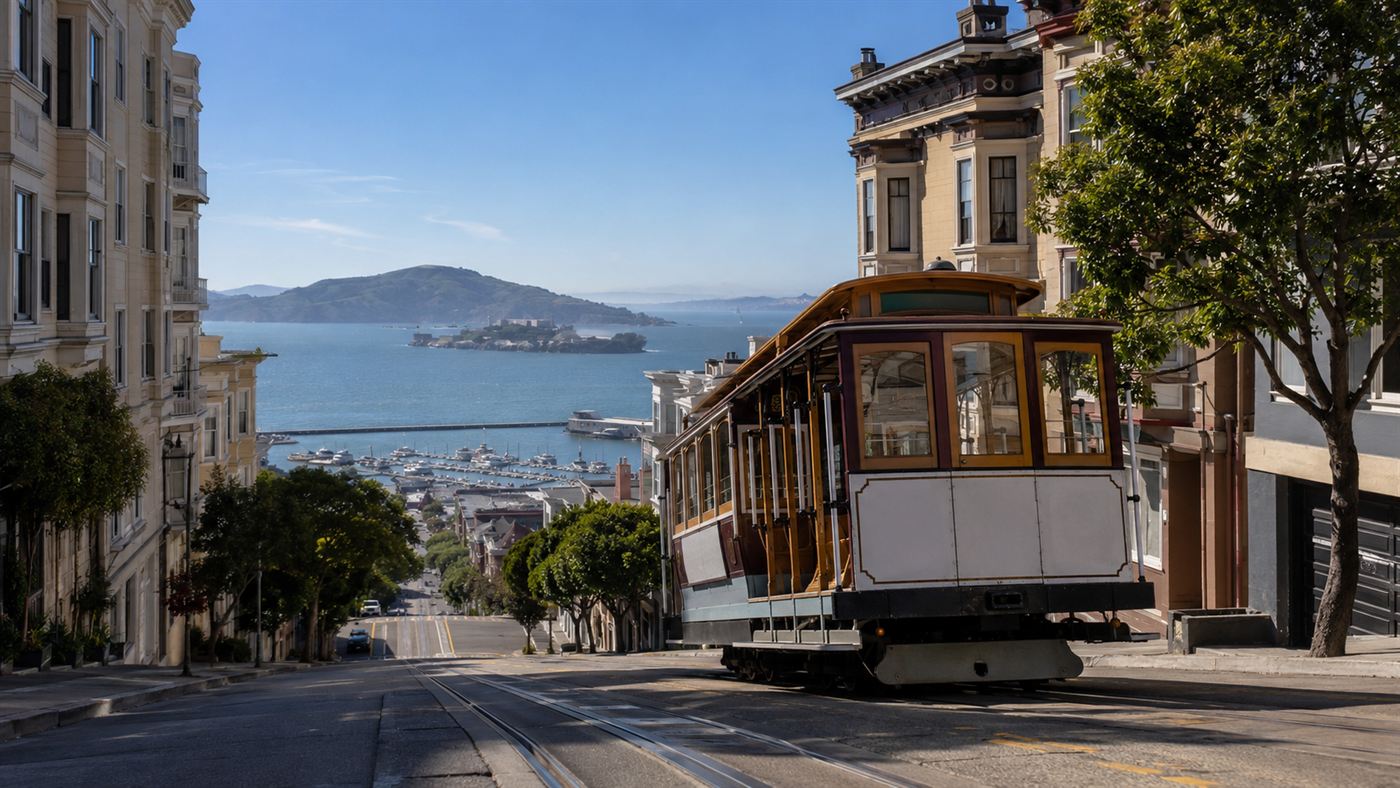
A San Francisco cable car climbs one of the hills that horses once could not. Illustration: Watts & Wild.
The San Francisco cable car is one of the most beloved machines in America, and one of the most misunderstood. People assume it was always a charming relic. In truth it was a piece of cutting-edge Victorian engineering, invented to solve a real and grim problem, and it very nearly disappeared before nostalgia ever had the chance to save it.
As the history of the system records, San Francisco's cable cars are the world's last permanently operating manually operated cable car system, a survivor from an age when cities were desperate for a way to climb hills without horses. To understand why anyone built such a strange contraption, you have to start with the animals.
The short version: Andrew Hallidie, a wire-rope maker, built San Francisco's first cable car line in 1873 as a humane replacement for horses that suffered and died hauling streetcars up steep, wet hills. The cars grip a moving underground cable. Electric trams later made most cable lines obsolete, and San Francisco's were nearly scrapped, until a public campaign saved them as a living landmark.
Horses dying on the hills
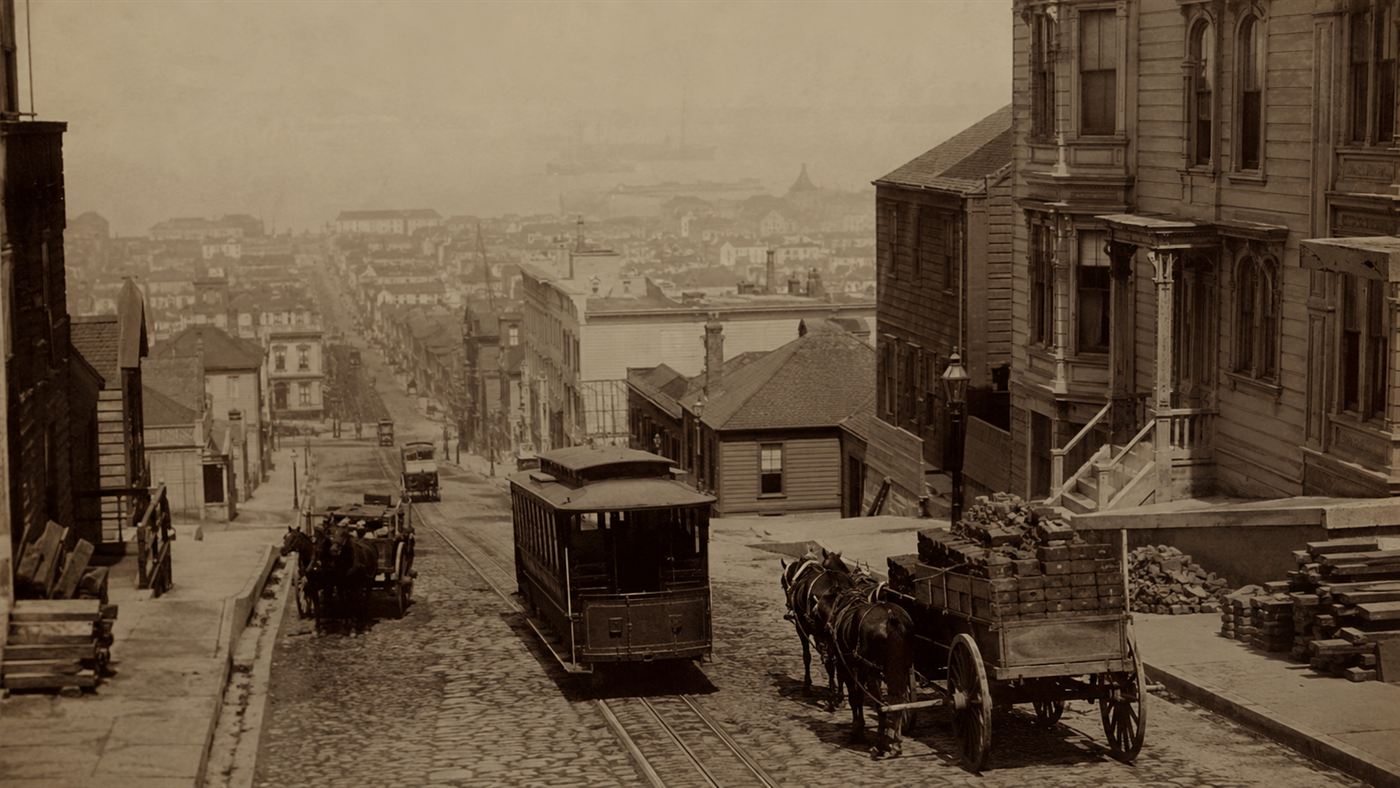
San Francisco is a city of famously severe hills, and in the mid-1800s the only way to haul a streetcar up them was with teams of horses. On the steepest grades it was miserable, dangerous work. In the wet, the cobblestones turned slick, and a horse that lost its footing could be dragged backward down the slope by the weight of the car, sometimes to its death.
The traditional story holds that in 1869 a man named Andrew Hallidie watched exactly such a scene, a team of horses slipping and being dragged down a hill, and was so disturbed that he resolved to find a better way. Whether the tale is literally true or polished in the retelling, it captured a genuine problem. The hills were killing horses, and everyone who lived there knew it.
The man with the wire rope
Andrew Hallidie was unusually well suited to the challenge. His family were pioneers of wire rope, strong cable woven from steel strands, and he had come to California in the Gold Rush era and used that wire rope to haul ore and build suspension structures in the mines and mountains. He understood, better than almost anyone, what a moving steel cable could pull.
His idea was to bury a continuously moving cable in a slot beneath the street, driven by a stationary engine, and let the cars grab hold of it to be towed along and let go to stop. There would be no horses at all. The power would come from a central plant, and the cars themselves would be simple, gripping and releasing an endless loop of the very wire rope his family made.
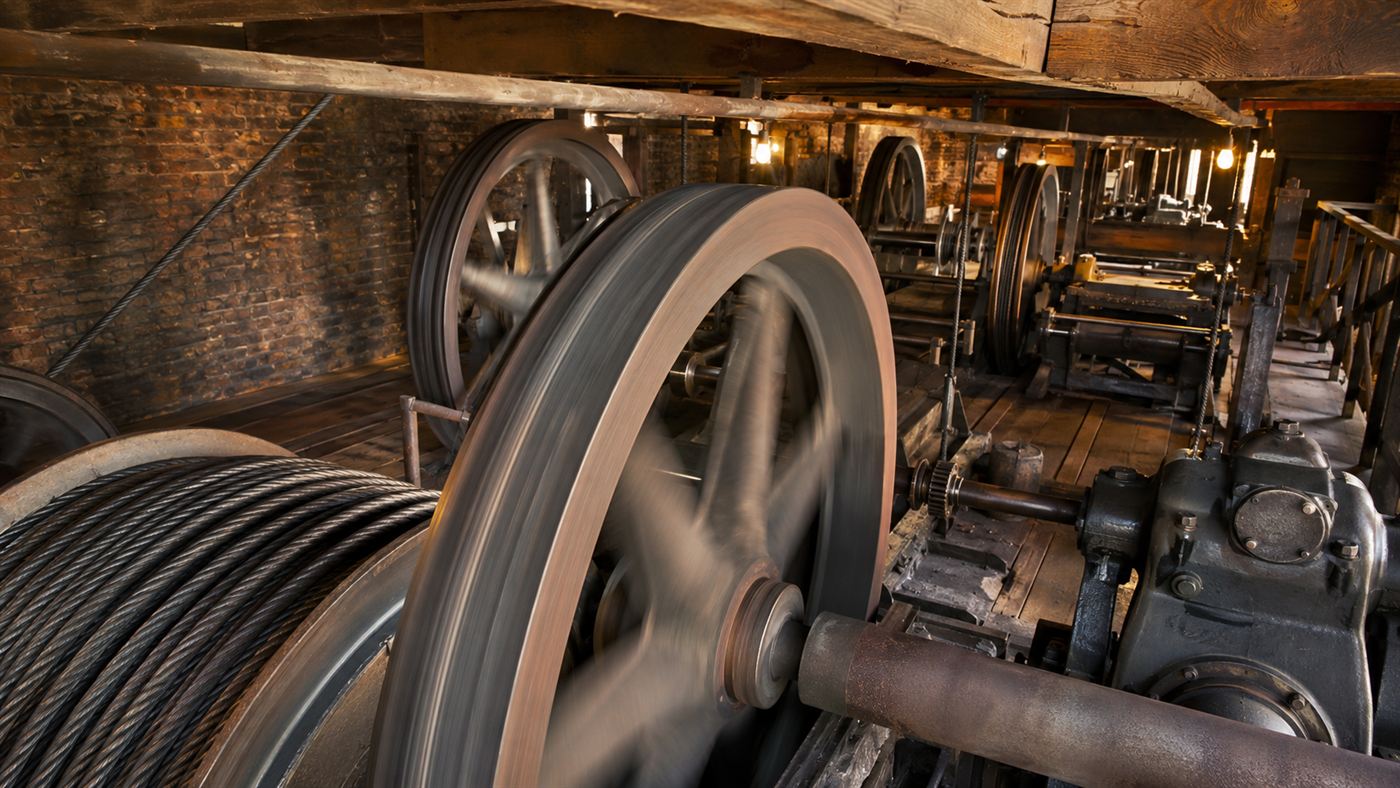
How a cable car actually works
The mechanism is beautifully simple once you see it. Under the street runs a slot, and under the slot runs the cable, looping endlessly at a steady speed. Each car carries a device called a grip that reaches down into the slot. To move, the operator squeezes the grip shut onto the moving cable, and the car is pulled along at the cable's pace. To stop, he opens the grip, letting the cable slide free, and works the brakes.
The person doing this is the gripman, and it is hard, physical work, hauling the grip lever by hand and reading the hills to know exactly when to grab and release. Hallidie's first line opened on Clay Street in 1873 and worked, a car climbing a hill under the invisible pull of a cable, no horse in sight. It was a genuine marvel of the age, and the idea of the cable railway quickly spread far beyond San Francisco.
The rise and near-death of the San Francisco cable car
For a couple of decades, cable cars were the future. Lines multiplied across San Francisco and were copied in cities around the world, and for hilly, crowded towns they were a huge improvement over horses. But their reign was short. A new technology was coming that would do the same job more cheaply and flexibly: the electric streetcar, powered from overhead wires, which did not need a costly cable and power house running under every route.
Electric traction, pioneered by engineers like Frank Sprague, swept the cable car aside almost everywhere, and the great electrification that began at places like Niagara Falls only accelerated it. San Francisco's 1906 earthquake wrecked much of the cable network, and most of it was rebuilt with electric lines. By the mid-20th century, the San Francisco cable car had shrunk to a few surviving routes, and the city government wanted to finish the job and scrap them for good.
The woman who saved them
What kept the cable cars alive was not the city but its citizens. In 1947, when the mayor moved to replace the remaining lines with buses, a resident named Friedel Klussmann organized a campaign to save them, arguing that the cars were part of the city's soul and worth keeping. Her committee rallied public opinion, the matter went to the voters, and the people of San Francisco chose to keep their cable cars.
That reprieve turned into permanence. In 1964 the system was declared a National Historic Landmark, the only moving one in the country, a monument you can ride. The cable cars that had begun as a hard-headed fix for a horse problem, and had nearly been thrown away as obsolete, were reborn as something a city had deliberately decided to love. They still climb the hills today.
The honest catch
A little honesty keeps the story from getting too sweet. The tidy origin tale, Hallidie struck by the sight of dying horses, is probably polished; he was also a businessman who stood to profit handsomely from selling the wire rope and the system, and cable railways had earlier precedents he built upon. Noble motive and commercial interest sat comfortably together.
And it is worth admitting that the cable cars lost the technological argument. Electric trams really were better, cheaper and more flexible, which is why they replaced cable lines nearly everywhere on the planet. San Francisco keeps its cable cars not because they are the smartest way to move people, but because they are beautiful, historic and loved, a decision of the heart rather than the ledger. That is a perfectly good reason to save a machine. It is just not the same as the machine still being the right tool for the job.
A machine built to spare horses became a monument a city refused to give up. Is it worth keeping the San Francisco cable car running when buses would do the job better, or is preserving a beautiful, useless-on-paper machine exactly the kind of thing cities should do? Tell us what you think in the comments.
Related reading: How the electricity from Niagara Falls helped make cable cars obsolete.
More from Watts & Wild
More in Industry & Mega-Builds →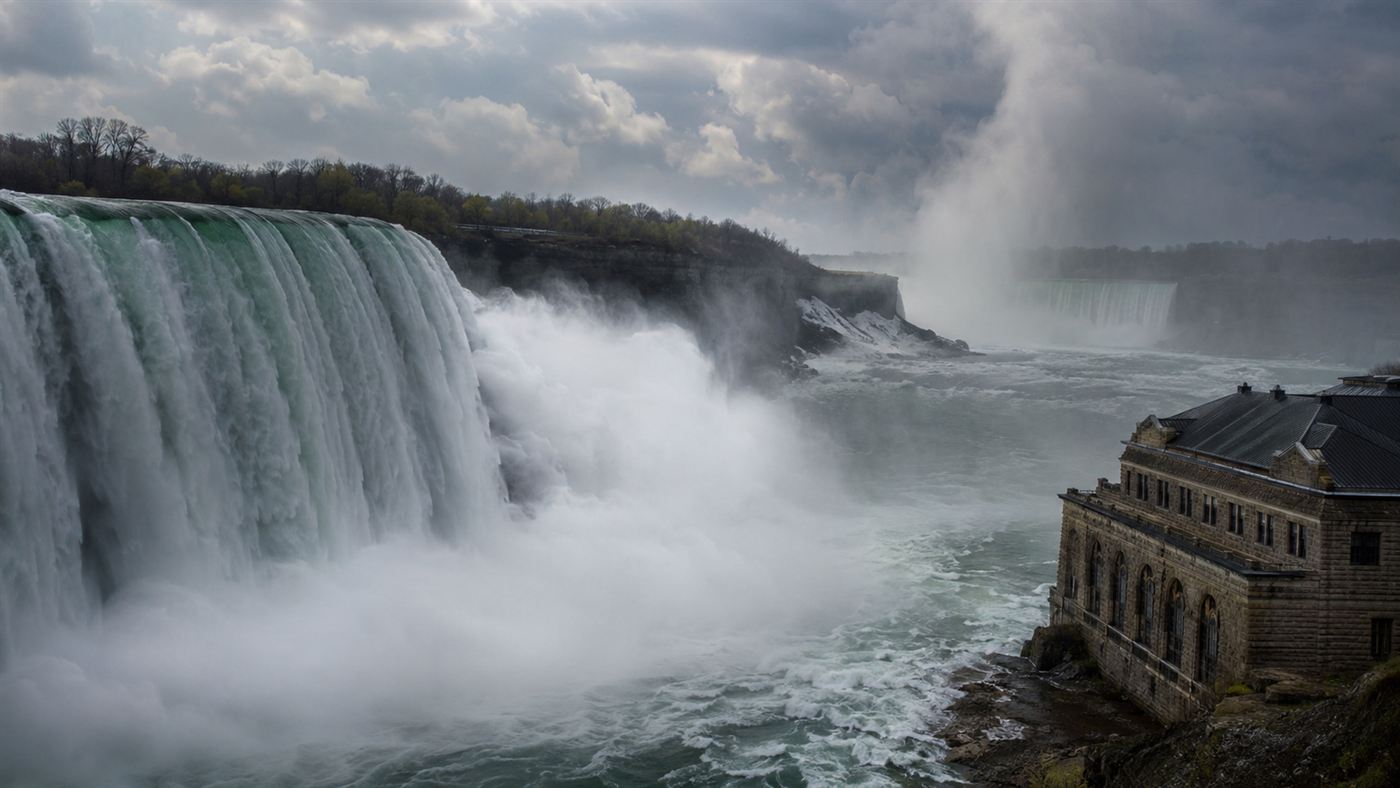

Bruno writes about energy history, industrial disasters, and the people who shaped the technologies we take for granted. He is based in Brazil.