Boston's tallest skyscraper was an award-winning masterpiece that started raining 500-pound windowpanes onto the street, and for years it was wrapped in so much plywood that people called it the Plywood Palace
It was meant to be one of the most beautiful towers in America, a sheer blue mirror reflecting the old city around it. Instead, on windy days in the 1970s, the police had to close the streets below, because Boston's newest skyscraper had a terrifying habit. It was throwing its own windows onto the sidewalk.
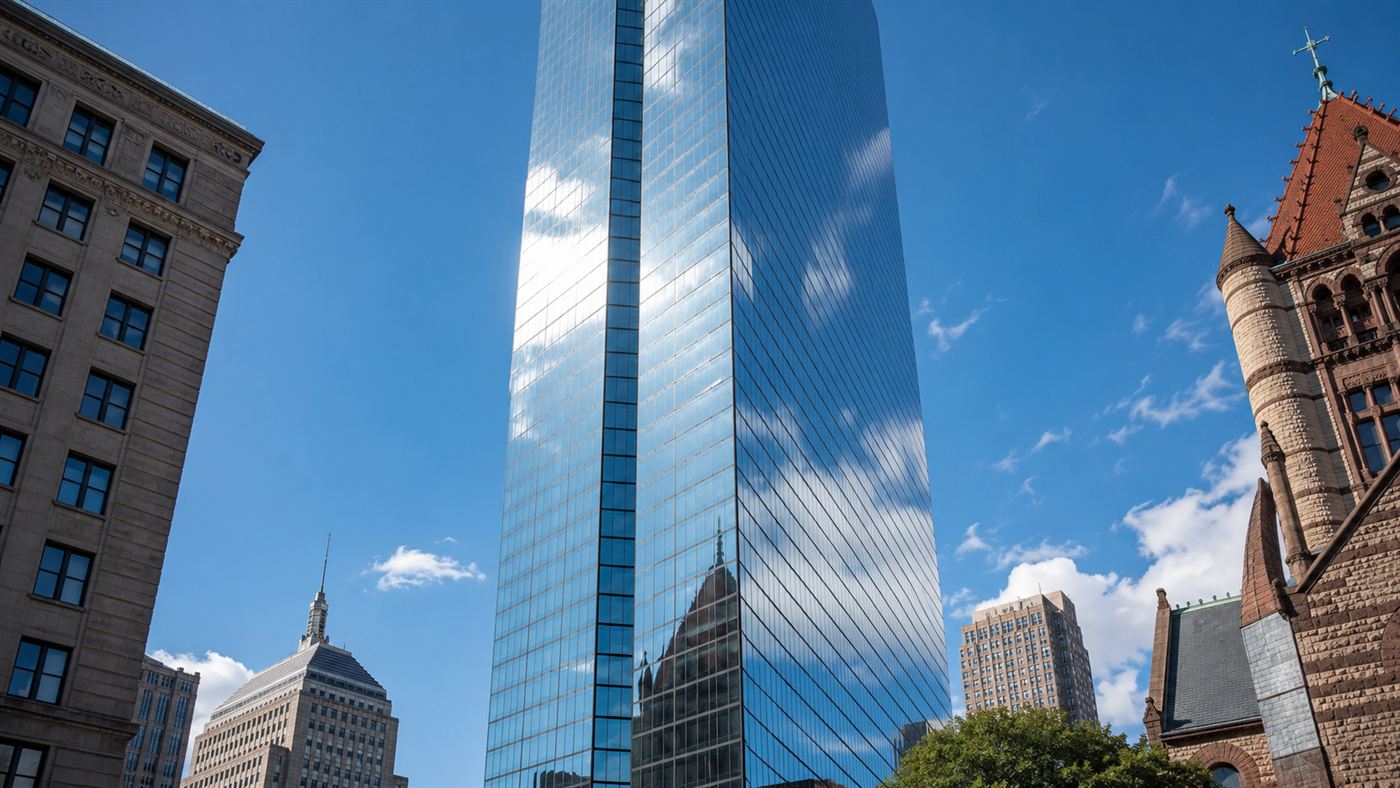
The John Hancock Tower's mirrored skin was its glory and its curse. Illustration: Watts & Wild.
The John Hancock Tower, now known by its address at 200 Clarendon Street, is the tallest building in Boston and in all of New England. Designed by Henry Cobb of the celebrated firm I. M. Pei & Partners and finished in 1976, its slim, mirror-glass form was hailed as a triumph of modern architecture, a building that politely reflected its historic neighbors rather than shouting over them.
But before it was an icon, it was an embarrassment and a genuine public danger. During construction in the early 1970s, its enormous windows began cracking and falling out, plunging hundreds of feet onto the streets of the Back Bay. The story of how the John Hancock Tower nearly became the city's biggest liability is a lesson in how the smallest detail can bring down the grandest design.
The short version: the John Hancock Tower shed hundreds of its 500-pound glass panes onto the street, so the gaps were boarded over and it became the "Plywood Palace." The real culprit was the reflective double-glazed windows, and engineers also quietly discovered the tower swayed dangerously and could even topple in a rare wind.
When the John Hancock Tower started shedding windows
The trouble began in January 1973, before the building was even finished. Individual panes, each measuring roughly four by eleven feet and weighing about 500 pounds, spontaneously cracked and crashed to the ground. Whenever winds picked up past around 45 miles per hour, police cordoned off the sidewalks below. Pedestrians learned to give the tower a wide berth.
This was not one or two faulty windows. In the end, every single one of the tower's 10,344 glass panes would be replaced. For a building meant to be a flawless sheet of glass, having its skin fall off in pieces was about the worst failure imaginable, and nobody at first could say for certain why it was happening.
The Plywood Palace
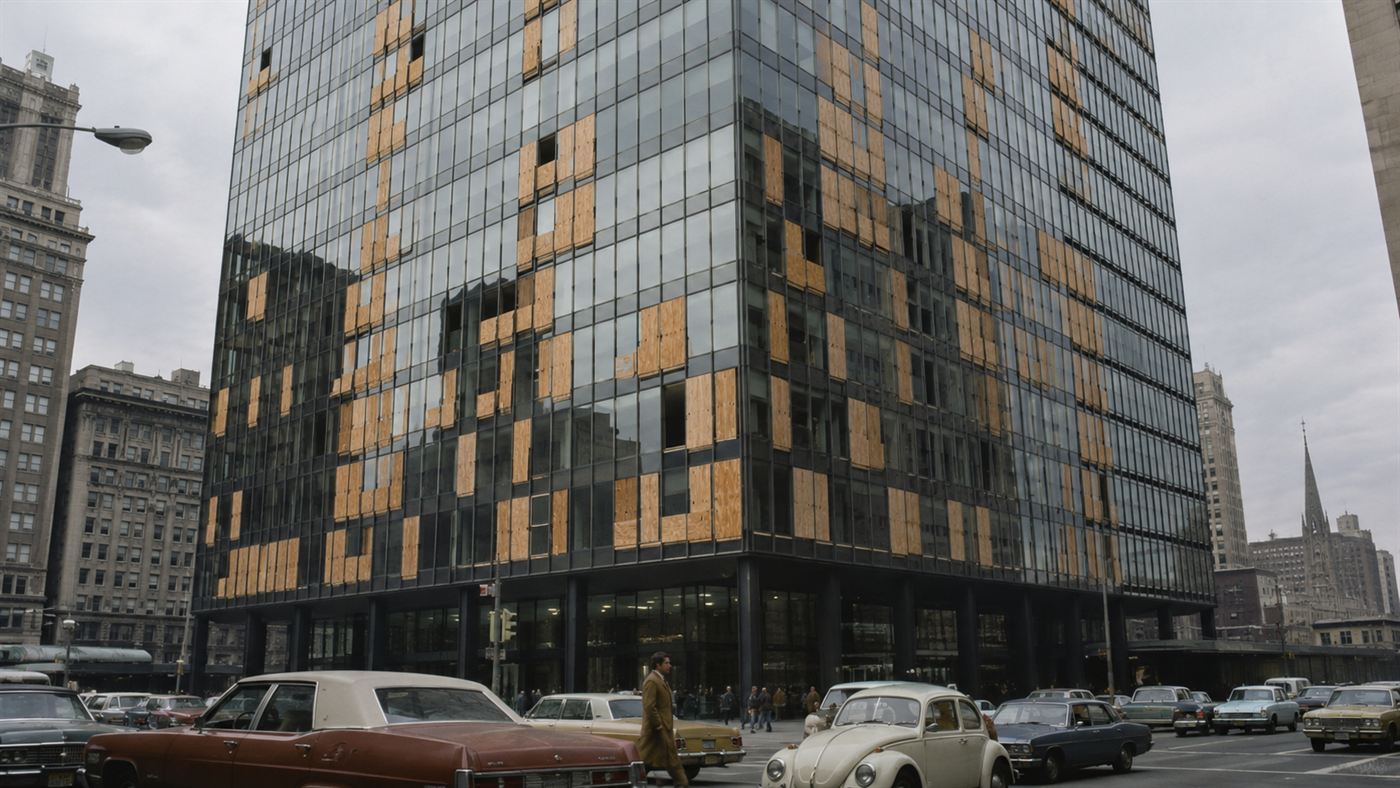
While the cause was hunted down, something had to fill the gaps where the glass had fallen or been removed for safety. That something was plywood. At the peak of the crisis, more than an acre of the shimmering tower was covered in dull sheets of it, a checkerboard of wood across what was supposed to be a mirror.
Bostonians, never shy with a nickname, dubbed it the "Plywood Palace" and the "Plywood Ranch." A skyscraper designed to disappear elegantly into reflections of the sky had instead become the most conspicuous joke on the skyline, a monument to a mystery no one had yet solved.
What was really breaking the glass?
The investigation eventually cleared the building's frame and the wind itself of direct blame and pointed at the windows as objects. Each pane was a sophisticated double-glazed unit with a reflective coating, and the failure lay in how those layers were bonded together. Repeated heating and cooling flexed the units, and the rigid bond between the glass and its metal spacer could not take the stress, so the panes cracked.
The remedy was almost humble compared with the drama. All those clever reflective double panes were swapped for single sheets of thicker, heat-treated tempered glass. The tower got its mirror skin back, this time one that stayed where it was put, and the falling-glass emergency finally came to an end.
The bigger secret inside the tower
The windows, remarkably, were not even the most dangerous problem. While studying the building, engineers realized it swayed enough at the top to make people on the upper floors queasy, and worse, that under a rare but possible wind it might not just sway but actually fall over the wrong way about its narrow axis.
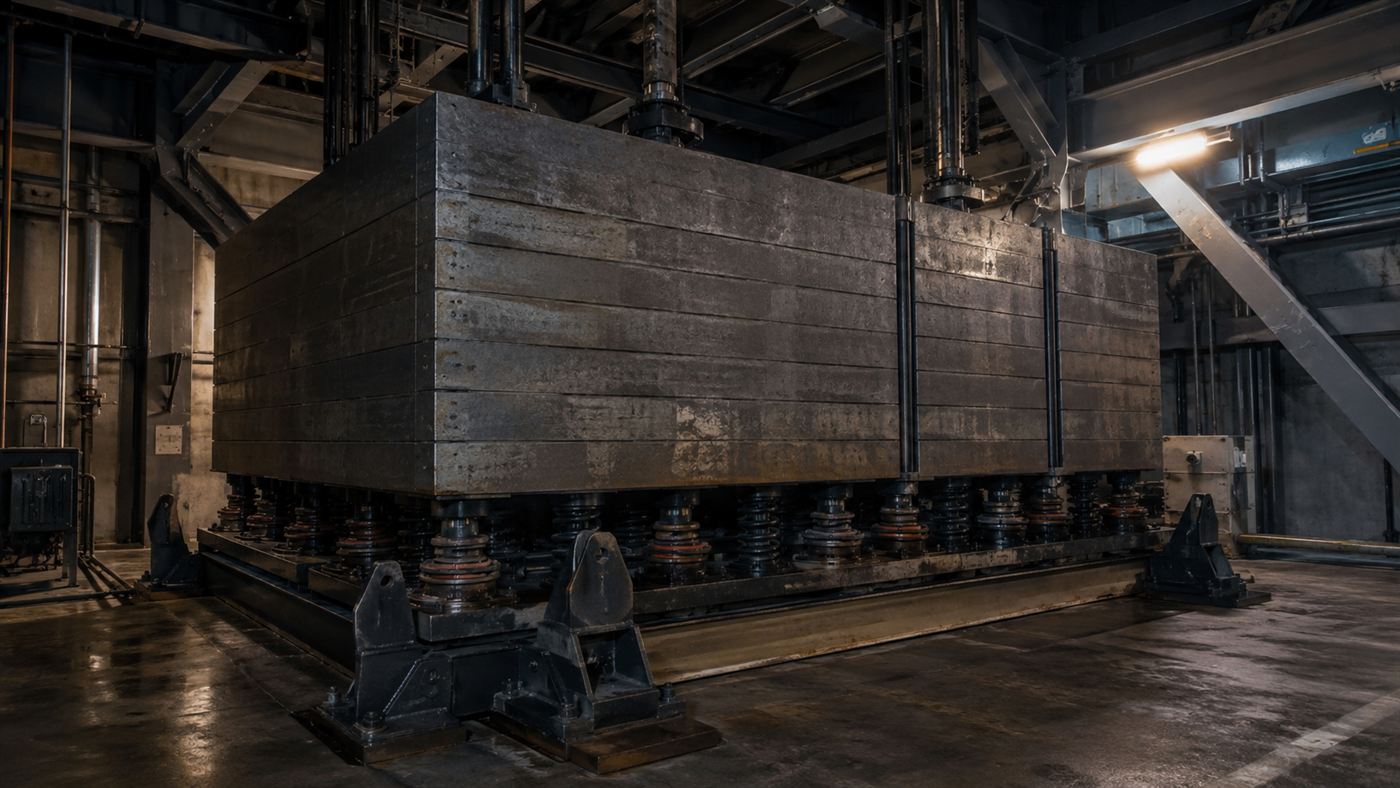
The fix came from the Cambridge engineer William LeMessurier, who prescribed a tuned mass damper, then a novel idea. Two 300-ton blocks of lead and steel were installed high in the building, sliding on lubricated plates and tied to the frame with springs, so that as the tower leans one way the weights lag behind and pull it back. Roughly 1,500 tons of extra diagonal steel bracing were added as well to rule out any chance of a topple.
The honest catch
It is easy to laugh at the Plywood Palace, but the story is less a tale of incompetence than of ambition running ahead of experience. Henry Cobb's Hancock pushed reflective glass and a razor-thin profile further than anyone had before, and it was precisely at those frontiers, the newest glass unit and the slenderest shape, that it failed. Pioneering buildings are where the industry finds out what it does not yet know.
There is also a quieter unease. Much of the drama, especially the risk of the tower toppling, was handled discreetly, and the public learned the full extent only years later. The building was made genuinely safe, which is what matters most, but it is a reminder that some of the most alarming problems in our tallest structures are solved out of sight, long after the ribbon is cut.
An architectural masterpiece spent years boarded up in plywood while hiding a secret that was scarier than any falling window. Would you happily work on the top floor of a skyscraper knowing its stability rests on a giant sliding weight above your head? Tell us in the comments.
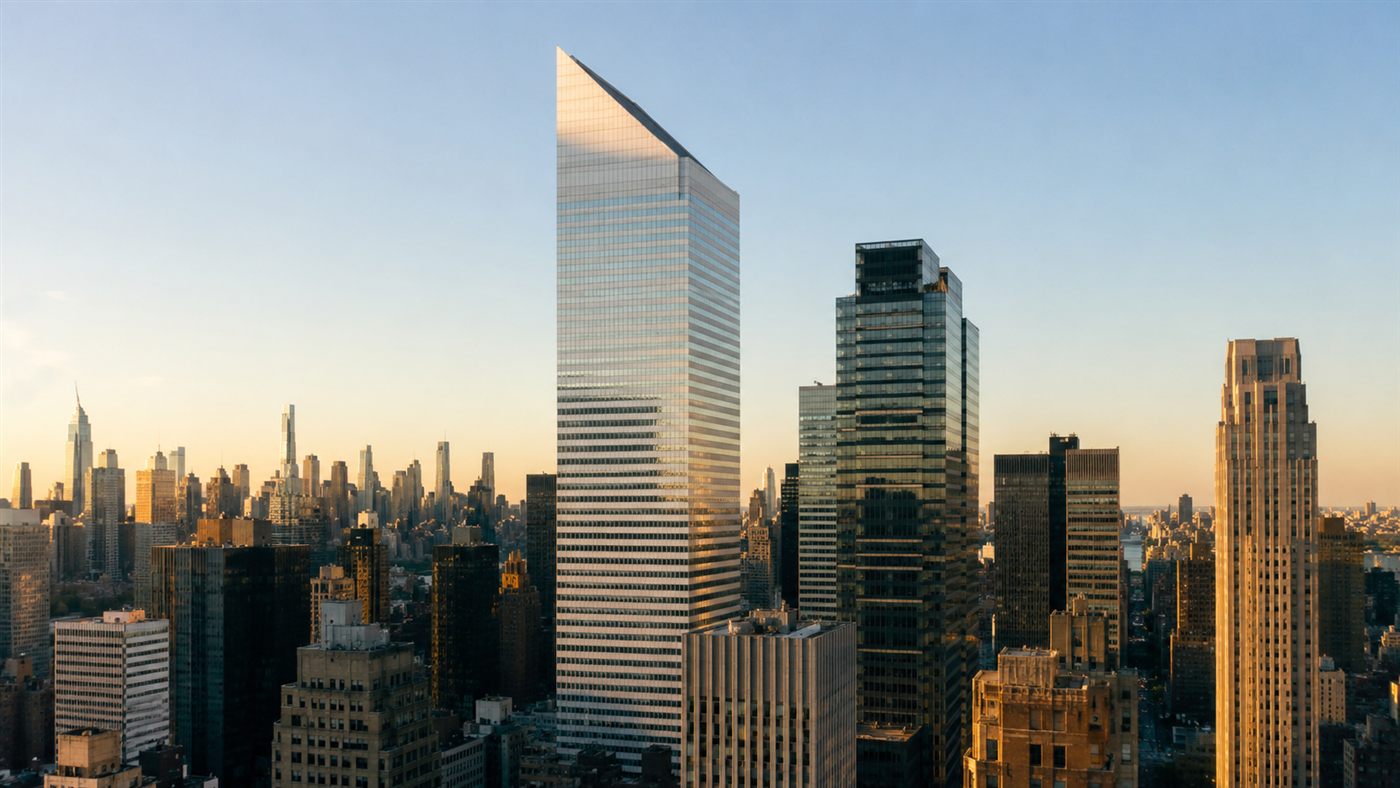
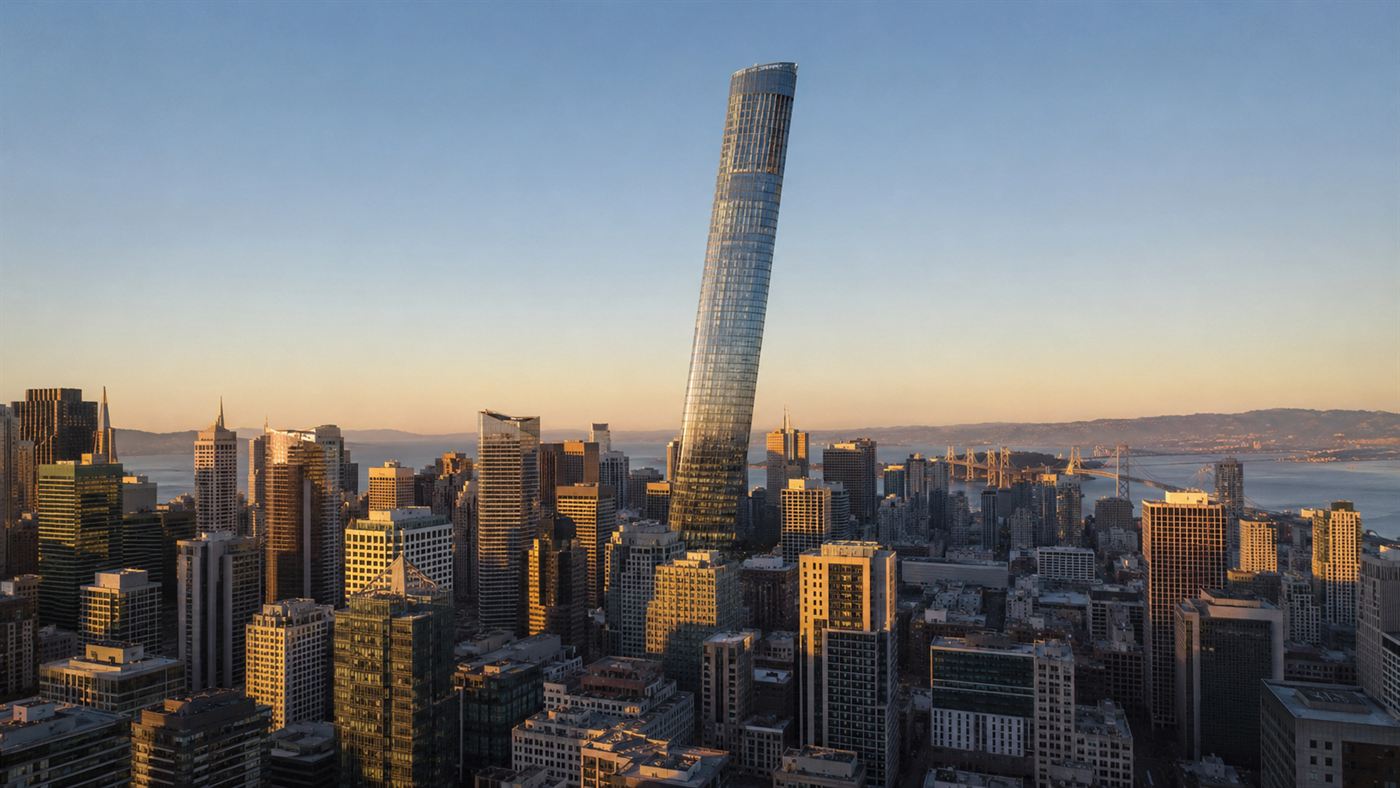
Related reading: the Citicorp Center, whose secret structural flaw was fixed at night in a race against a hurricane. See also how San Francisco's Millennium Tower keeps sinking and tilting years after it opened, and how Houston's Astrodome accidentally invented fake grass.