Massachusetts erased four whole towns from the map and drowned their homes, farms and even their graveyards under the Quabbin Reservoir so that faraway Boston would never run out of water
On its last night, the doomed town of Enfield threw a ball. People danced in the town hall until the clock struck midnight, and at that moment their town legally ceased to exist. Within a few years the whole valley they had grown up in was gone, buried under billions of gallons of water bound for a city most of them would never live in.
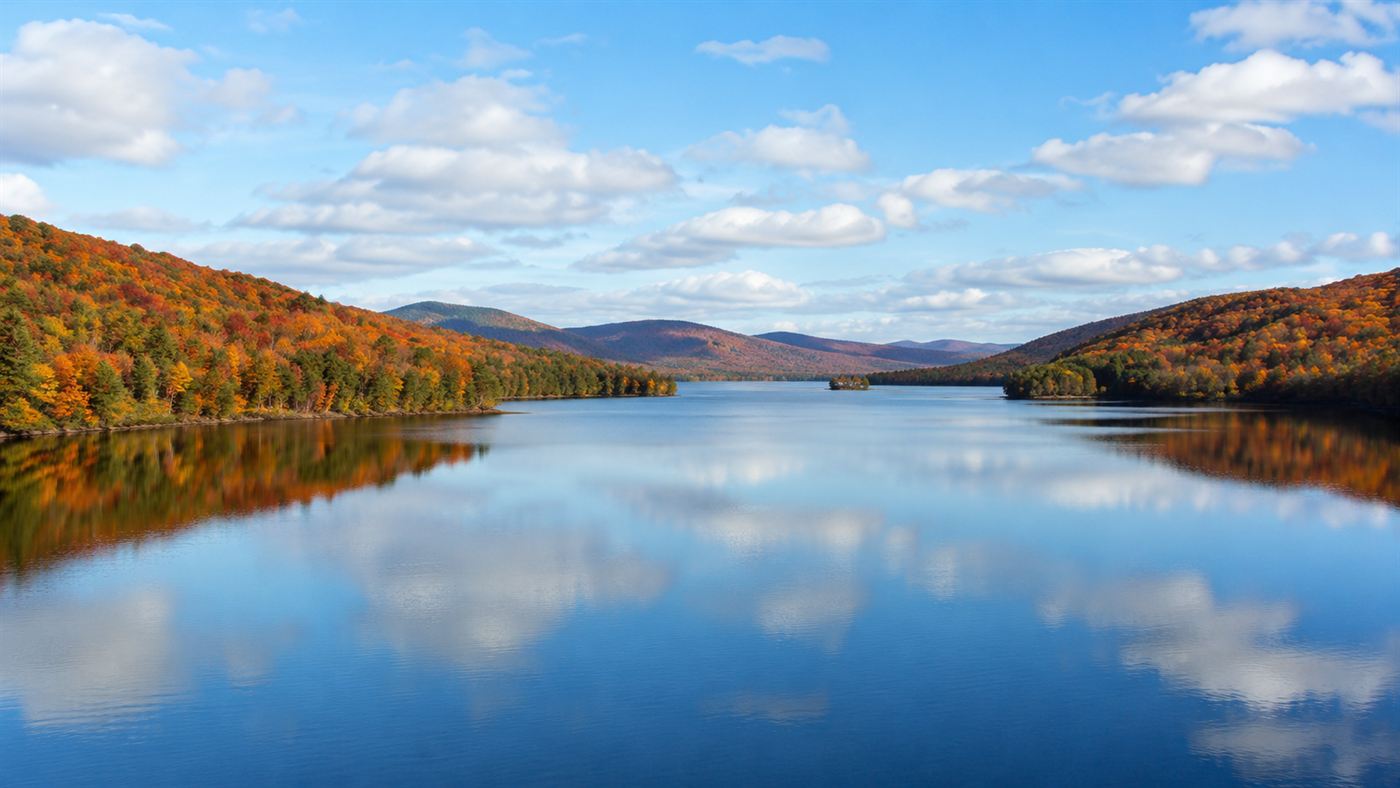
The Quabbin looks like ancient wilderness, but four towns lie beneath its calm surface. Illustration: Watts & Wild.
At the stroke of midnight on April 28, 1938, four towns in the middle of Massachusetts vanished from the law. Enfield, Greenwich, Dana and Prescott were formally dissolved, their names struck from the state's rolls after more than a century and a half of existence. The valley they sat in, the Swift River Valley, was about to become the bottom of a lake.
That lake is the Quabbin Reservoir, and it was built to answer a simple, brutal question. Greater Boston, more than sixty miles to the east, was running out of water. Rather than limit the city's growth, the state chose to flood a valley full of living communities and pipe their river to the coast. It remains one of the most sobering trades in the history of American engineering.
The short version: to slake the thirst of a distant city, Massachusetts dammed the Swift River, cleared four towns of roughly 2,500 people, dug up 7,500 graves, and let the water rise. The result is a pristine reservoir that supplies millions of people, and a valley of ghosts that no one is allowed to build on again.
Why Boston needed a whole valley
By the early twentieth century, Boston's existing reservoirs simply could not keep up with a booming metropolitan population. Engineers looked west and found the Swift River Valley, a broad, low basin ringed by hills, fed by three branches of a clean river. It was, from a purely technical view, a perfect bathtub waiting to be filled.
The catch was that people already lived in that bathtub. The valley held farms, mills, churches, schools and family plots going back generations. To the planners in Boston, that was an obstacle to be managed. To the roughly 2,500 residents, it was simply home, and they were told the Commonwealth had decided their home was worth more underwater.
The last dance in Enfield
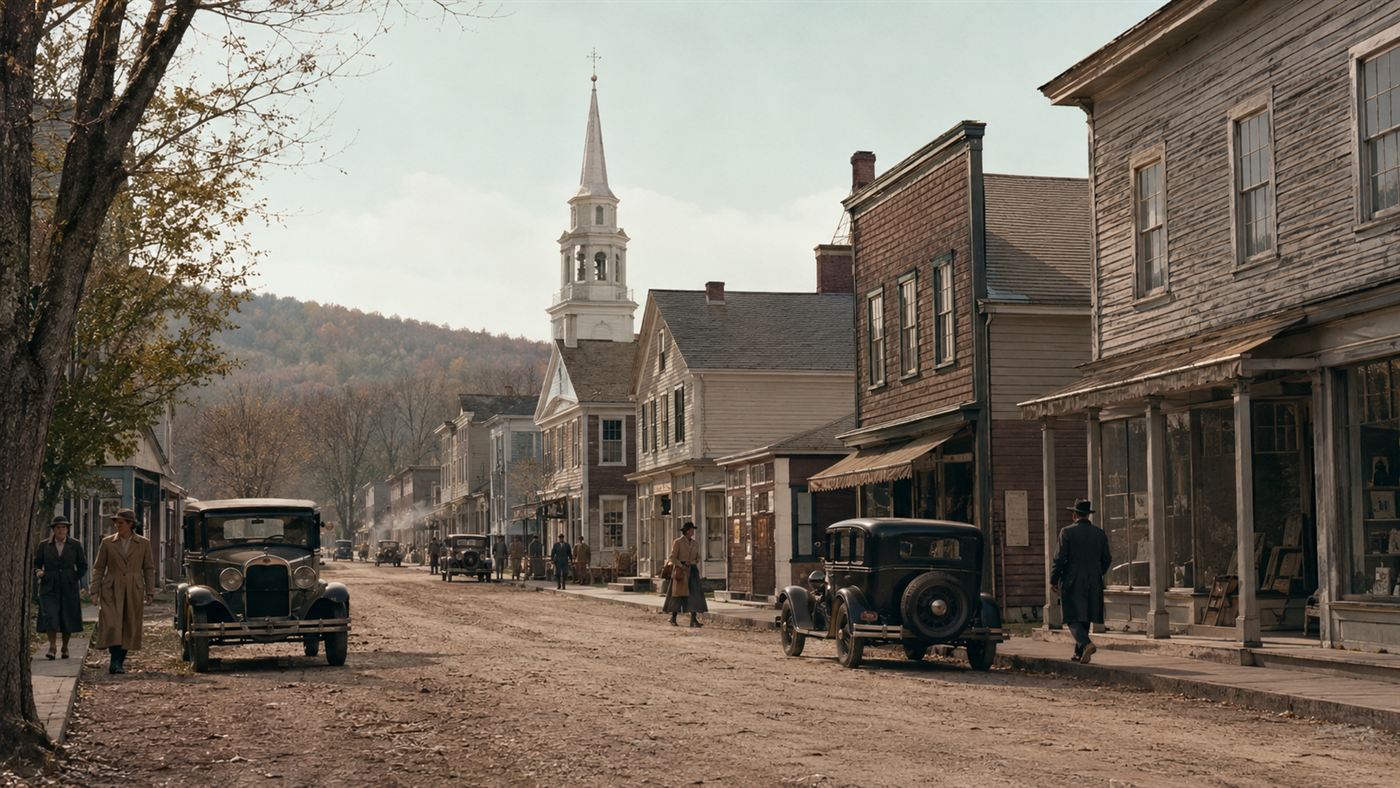
The night the towns died has become the emotional heart of the story. On April 27, 1938, the residents of Enfield gathered in the town hall for a farewell ball. As Yankee Magazine has recounted in its history of the lost towns, those who could not get inside danced on the lawn, unwilling to miss the community's final hours together.
Just before midnight the band played, and then the clock ran out. People wept openly as the town they had been born in stopped being a town at all. It is hard to imagine a more human way to mark the end of a place, and harder still to imagine having to attend your own hometown's funeral.
Clearing the valley, and the graves
Emptying the valley was a grim industrial operation in its own right. Houses, barns and businesses were bought out, then razed or burned. Whole forests were felled so that rotting timber would not foul the future water supply. The land was scraped down toward bare earth to leave a clean basin behind.
The hardest part was the dead. Around 7,500 bodies were exhumed from the valley's cemeteries and reburied, most of them in a new resting place built for the purpose, the Quabbin Park Cemetery. Families watched ancestors they had never met, and some they had, lifted from the ground so the water could move in. Few engineering projects ask that of the people in their path.
How the Quabbin Reservoir finally filled
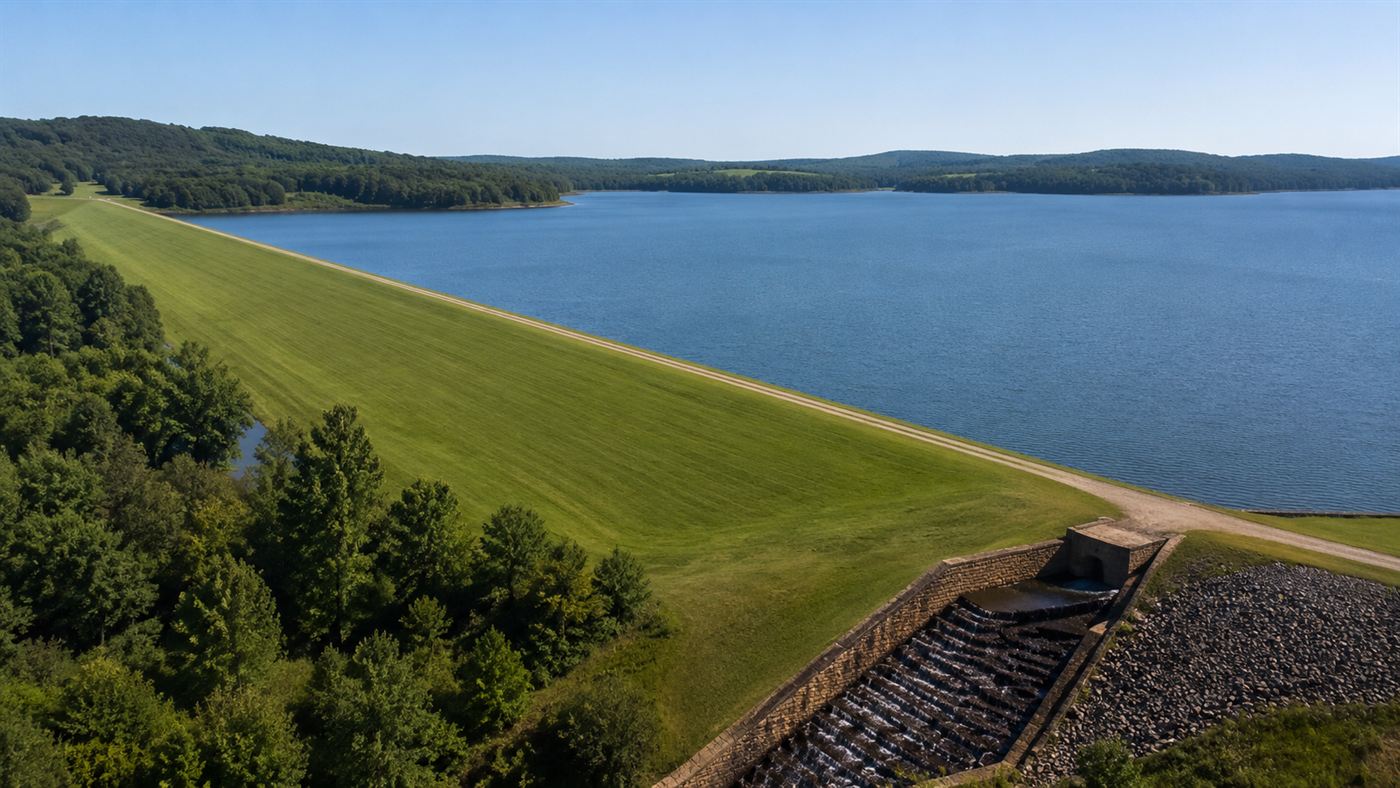
With the valley cleared, the Winsor Dam and the smaller Goodnough Dike sealed off the Swift River, and the basin began to fill. It took years. The reservoir slowly swallowed roads, foundations and stone walls, rising until it held hundreds of billions of gallons across some 39 square miles of what had been dry land.
By the time it was full in 1946, the Quabbin Reservoir was the largest man-made reservoir in the world built solely for drinking water, and it was celebrated as an engineering triumph. As Wikipedia's detailed record of the project notes, the Winsor Dam and Goodnough Dike still impound the three branches of the Swift River today, sending water east through a long system of tunnels and aqueducts.
The honest catch
It would be easy to file this away as a simple crime against small-town people, but the truth is more uncomfortable than that. The Quabbin Reservoir genuinely works. It supplies clean, largely unfiltered water to roughly 2.5 million people in eastern Massachusetts, and because building was banned around it, the drowned valley became an accidental wilderness where bald eagles, loons and moose returned. Beauty grew directly out of loss.
That is the trade at the center of every great public work, laid unusually bare. A city got a century of secure water and a wild refuge in the bargain. Four communities got erased, their graves moved, their names reduced to markers on a map of the bottom of a lake. Both of those things are true at once, and the reservoir has never let anyone pretend otherwise.
Would we ever do this again?
Standing on the Winsor Dam today, it is worth asking whether a modern state could repeat the Quabbin Reservoir. Eminent domain still exists, and cities are still thirsty, but the idea of dissolving four towns and moving thousands of graves would face lawsuits, protests and headlines that the planners of the 1930s never had to fear. The valley was flooded in a quieter, harder age.
Maybe that is the real legacy of the drowned valley. The clean water coming out of a faraway tap was never free, and someone, somewhere, usually paid for it. The most peaceful-looking landscapes can be sitting on top of a story nobody wanted to live through.
A whole valley of homes, farms and graves lies silent under one of the cleanest lakes in the northeast, all so a distant city could keep its taps running. Would you accept your own town being erased if it meant clean water for millions of strangers? Tell us in the comments.
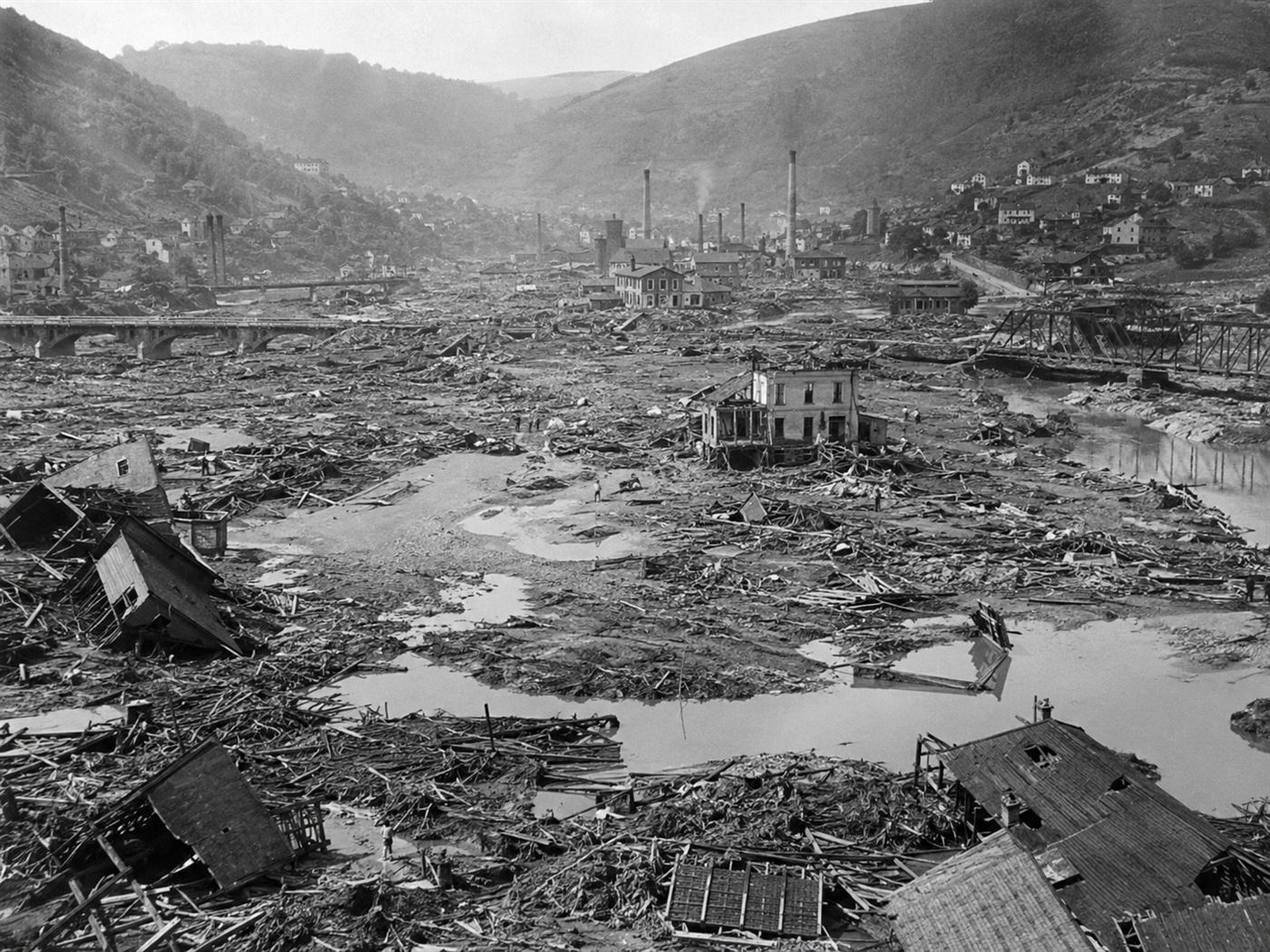
Related reading: the St. Francis Dam, whose collapse destroyed the reputation of the man who built Los Angeles its water. See also the Johnstown Flood, when a failing dam wiped a Pennsylvania city off the map in minutes.