To bury a city's highway, engineers froze the ground and ran up the biggest road bill in history
For decades an ugly elevated motorway cut Boston in half. The plan to fix it was breathtakingly ambitious: tear down the overhead road and replace it with tunnels threaded directly beneath the living, breathing city above. The Big Dig became the most expensive road project ever attempted, a triumph of engineering shadowed by tragedy.
Where an elevated highway once loomed, traffic now flows through tunnels under the city. Illustration: Watts & Wild.
Cities are full of mistakes that are too expensive to undo. Boston had a famous one: an elevated expressway that scarred its downtown for a generation. The Big Dig was the audacious attempt to undo that mistake, by lowering an entire interstate highway underground while the city carried on living right on top of it.
It is a story of brilliant engineering, eye-watering costs, and a single failure that turned a marvel into a warning.
What the Big Dig actually built
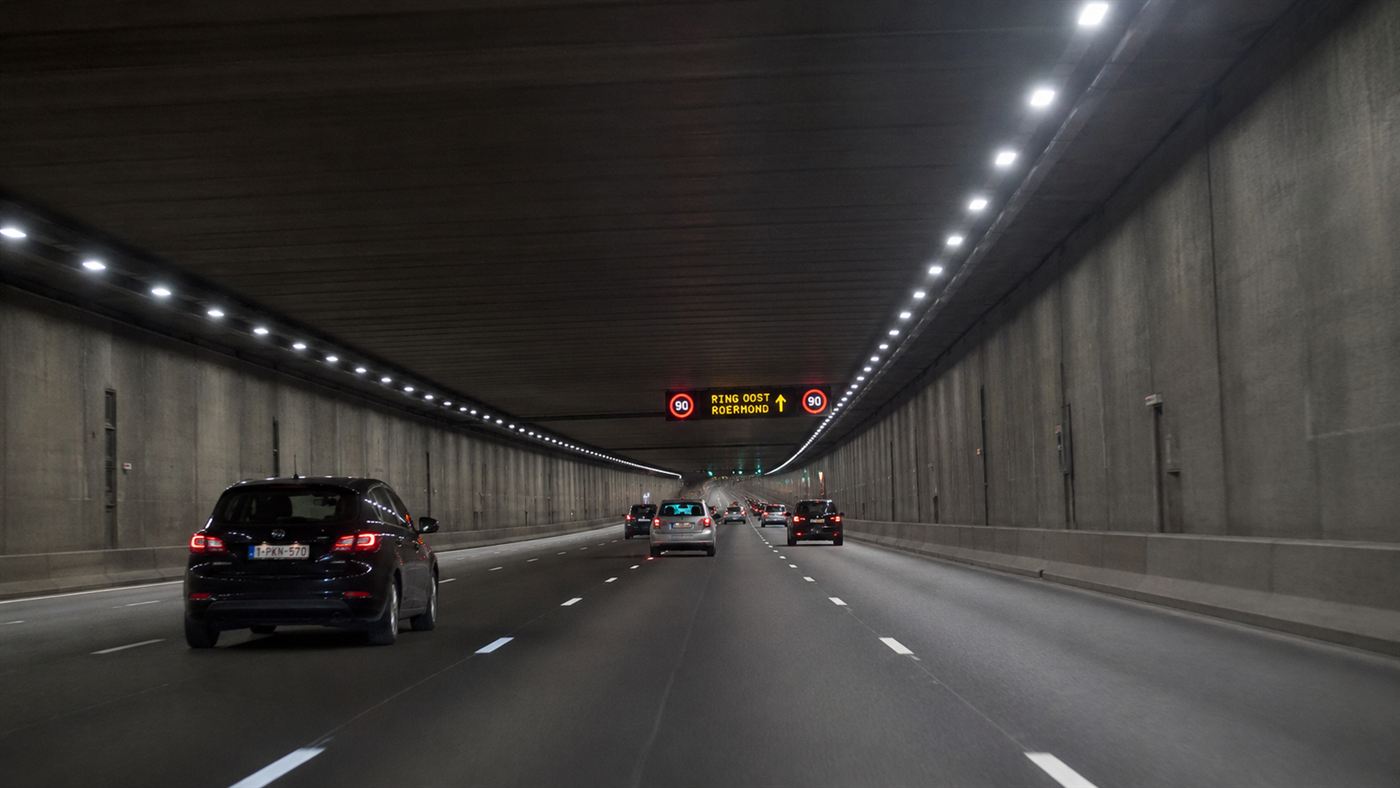
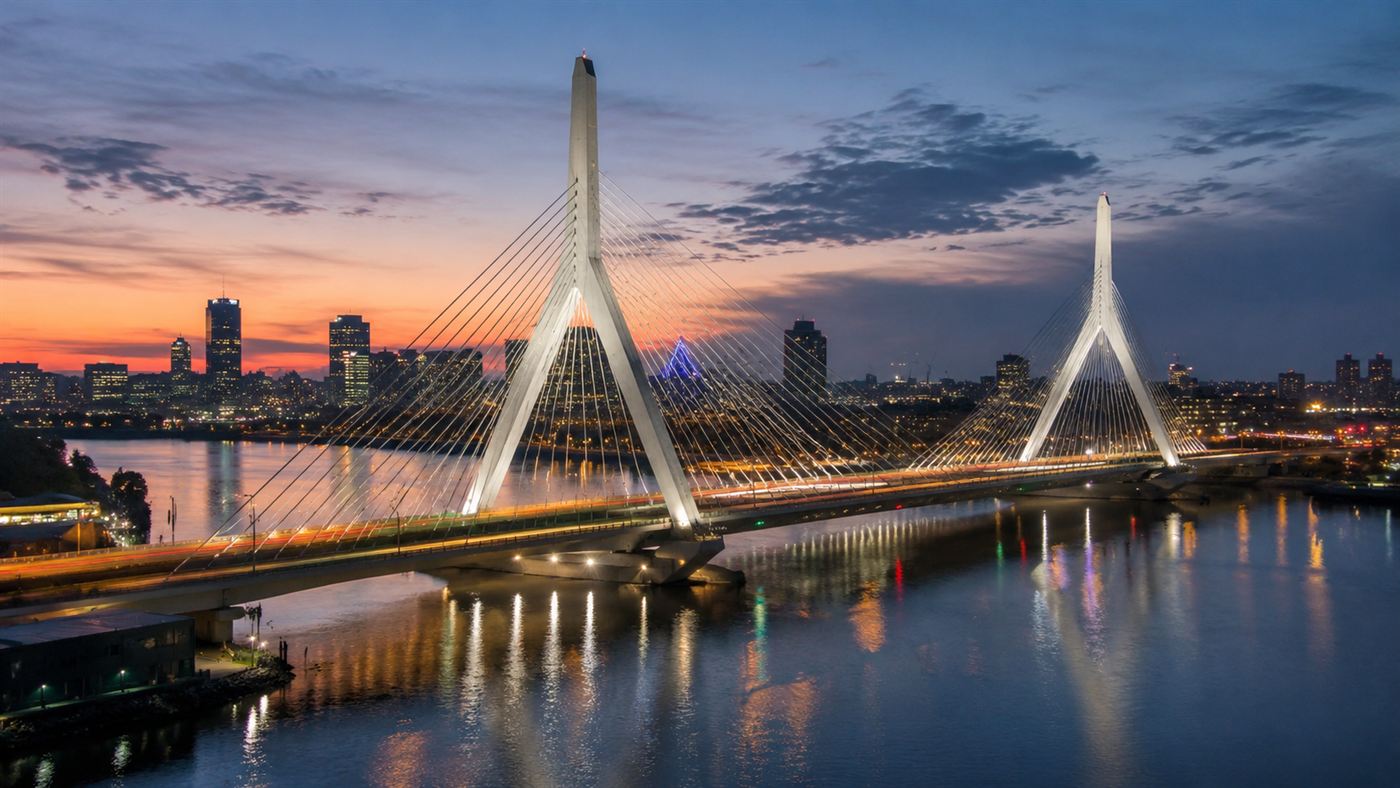
The project did far more than dig one tunnel. It buried the central highway that had divided the city, added a new tunnel running under Boston Harbor out to the airport, and crowned the whole thing with a striking new bridge across the Charles River. The Big Dig replaced Boston's elevated central artery with a network of underground tunnels, all built while the old highway overhead kept carrying around 200,000 vehicles a day.
That last detail is the hardest part to grasp. The work could not simply close the city down. Engineers had to construct enormous tunnels directly beneath roads, railways and buildings that stayed in full use throughout, like performing open-heart surgery on a patient who refuses to stop running. The new tunnels gradually took the traffic, and the hated overhead road was finally torn down.
Freezing the ground to dig
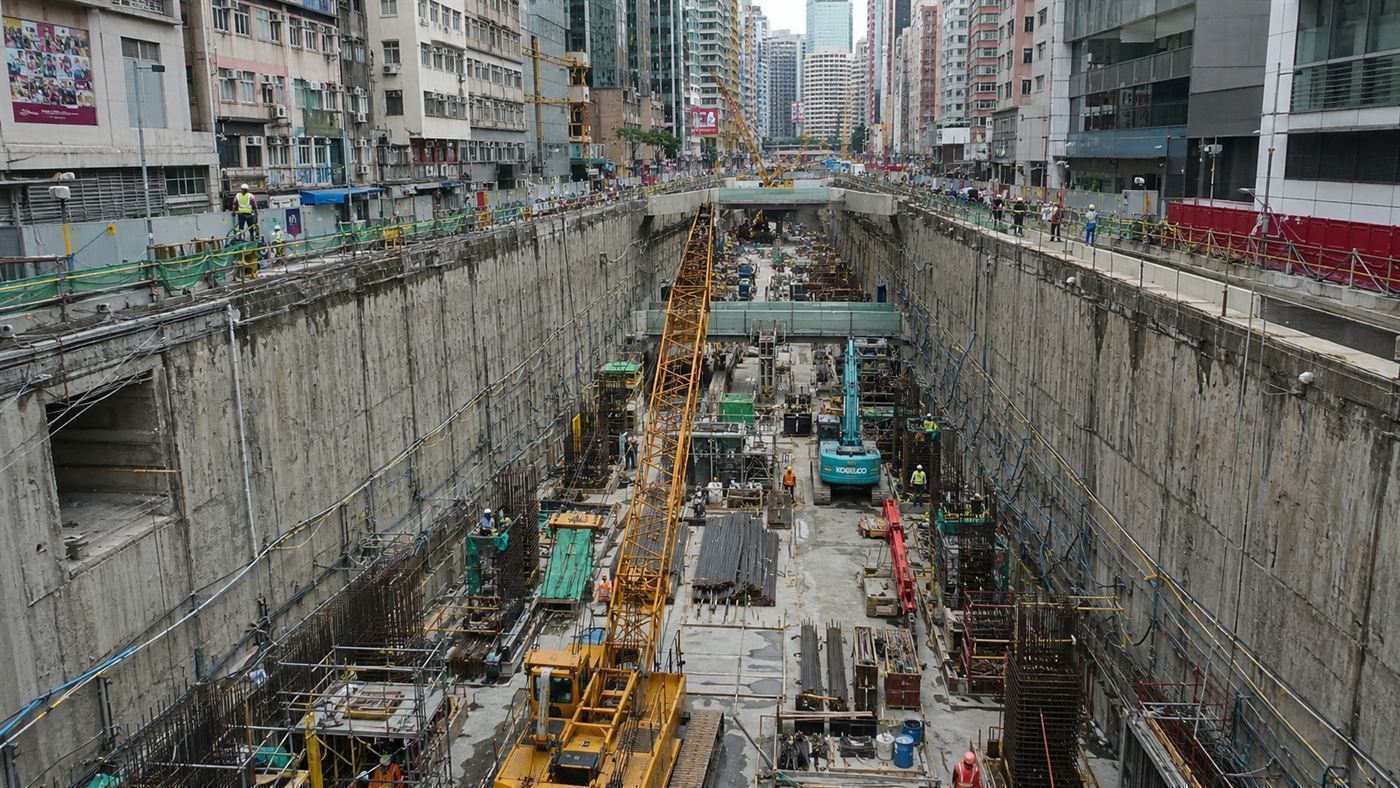
To tunnel safely under such a crowded place, the engineers reached for some of the most extreme techniques in civil engineering. They sank deep concrete walls into the earth to hold back the soft, wet ground, and in the trickiest spots they did something stranger still. To bore beneath a busy railway station without the ground caving in, the Big Dig team actually froze the soil solid, turning loose earth into a temporary block of ice they could safely cut through.
Ground freezing on this scale was almost unheard of, and it was just one of many feats the project demanded. Crews threaded tunnels between century-old foundations, sank a tube tunnel into the bed of the harbour, and held an entire interstate up on temporary supports while they carved out the space beneath it. As pure engineering, the Big Dig was extraordinary.
The cost and the collapse
The price, however, spiralled into legend. An early estimate of a few billion dollars proved wildly optimistic. By the time it was finished the Big Dig had cost around fifteen billion dollars, and well over twenty billion once the interest on its borrowing was counted, making it the most expensive highway project in American history.
Worse than the money was a death. In 2006, in one of the new tunnels, several concrete ceiling panels weighing many tonnes tore loose and crashed onto a passing car, killing a woman named Milena Del Valle. Investigators traced the disaster to the wrong type of epoxy glue holding the ceiling bolts, an adhesive whose own maker had warned years earlier that it was unsuitable for holding heavy loads over time.
What was the Big Dig?
At its heart it was an attempt to heal a city. The Big Dig took a brutal elevated highway that had cut Boston off from its own waterfront and replaced it with tunnels and a long ribbon of parkland on the surface, stitching the city back together.
On that score it largely succeeded. The grim overhead road is gone, a green corridor runs where it once stood, and the project is now credited with sparking a wave of new building. The marvel is real, even if it arrived years late and many billions over budget.
Why did the Big Dig cost so much?
Because almost nothing about it was simple, and a good deal of it went wrong. Building enormous tunnels through soft ground beneath a living city, without stopping its traffic, was always going to be costly, and delays, leaks, flawed materials and weak oversight piled the bills ever higher.
One honest reckoning belongs at the end. The ceiling collapse that killed Milena Del Valle was not a freak of nature but a preventable failure, caused by a known-unsuitable glue used despite clear warnings. The Big Dig is remembered as both a genuine engineering triumph and a hard lesson in how cost-cutting and poor supervision on a mega-project can turn brilliance into something deadly.
Boston buried a highway under its own streets and froze the earth to do it, then paid for the achievement in money and a life. When a mega-project is this hard, who should answer for the corners that get cut along the way? Tell us what you think in the comments.
Related reading: the Marmaray tunnel, threaded under the Bosphorus to link two continents by rail. See also the Chesapeake Bay Bridge-Tunnel, the highway that dives under the sea for passing ships, or how Chicago reversed an entire river to stop poisoning itself. See also how Jane Jacobs stopped a ten-lane highway from being bulldozed through Lower Manhattan.