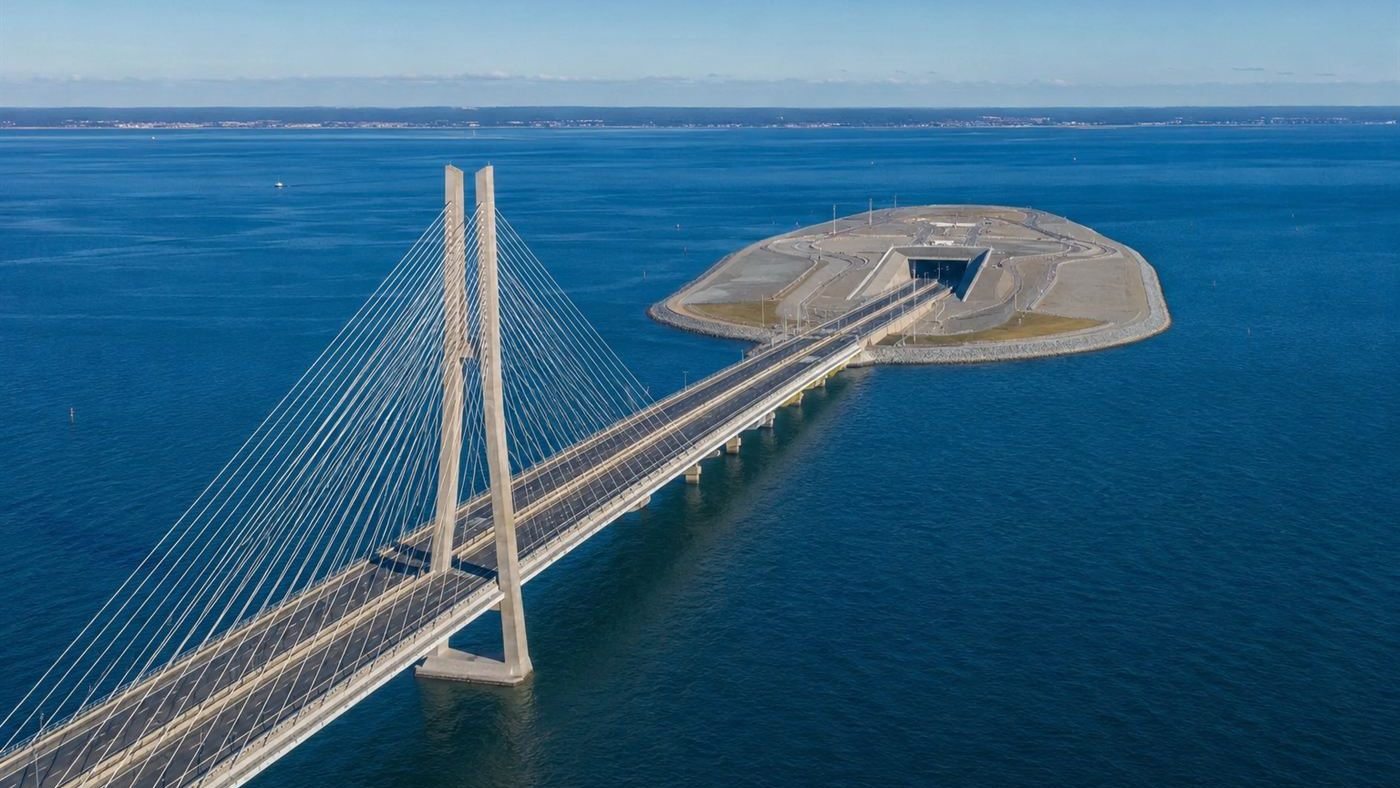
Turkey spent a century dreaming of a tunnel under the Bosphorus, then digging it unearthed a lost harbour and 8,000 years of buried history
For more than 150 years, rulers of Istanbul dreamed of joining the European and Asian halves of their city with a tunnel beneath the sea. When Turkey finally built the Marmaray tunnel, the digging did something nobody planned for: it tore open the buried past of one of the oldest cities on Earth.
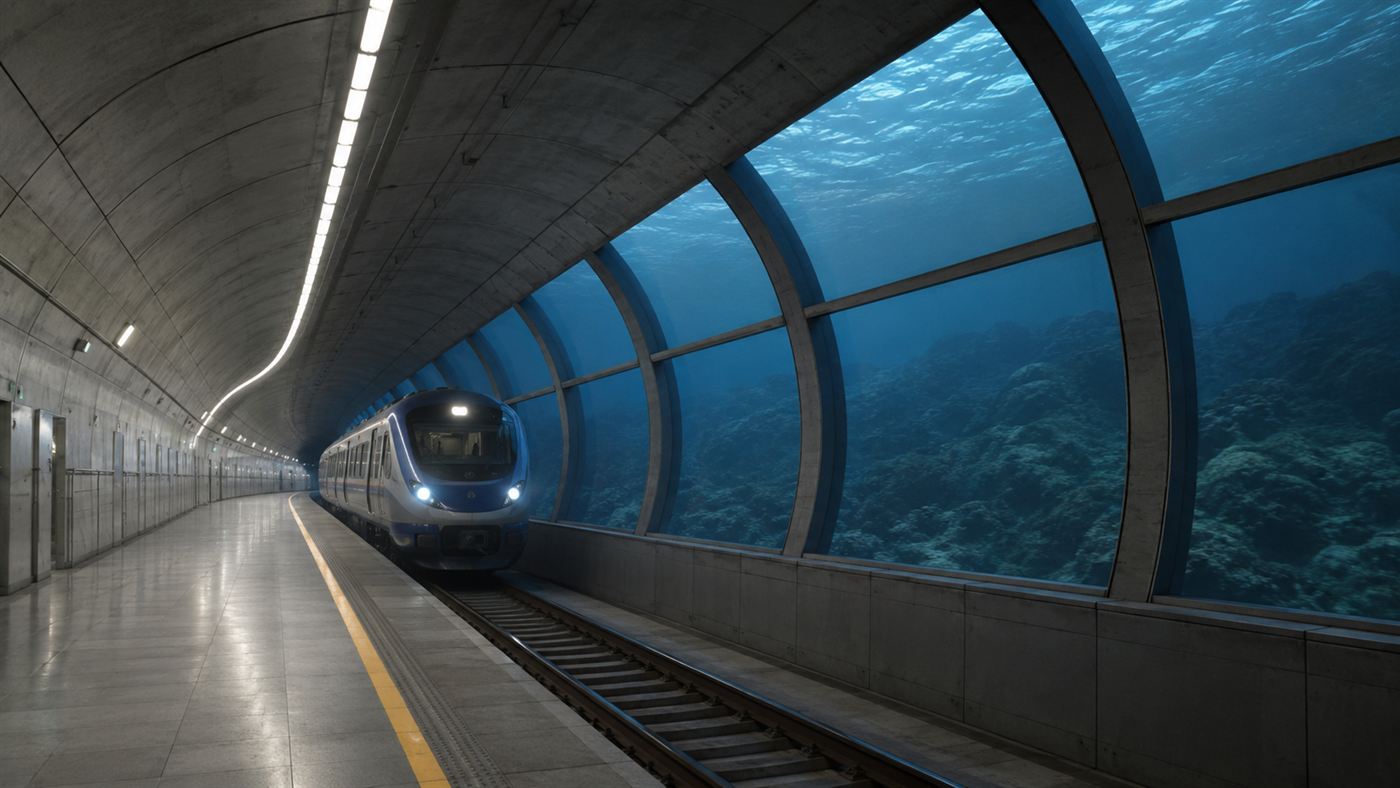
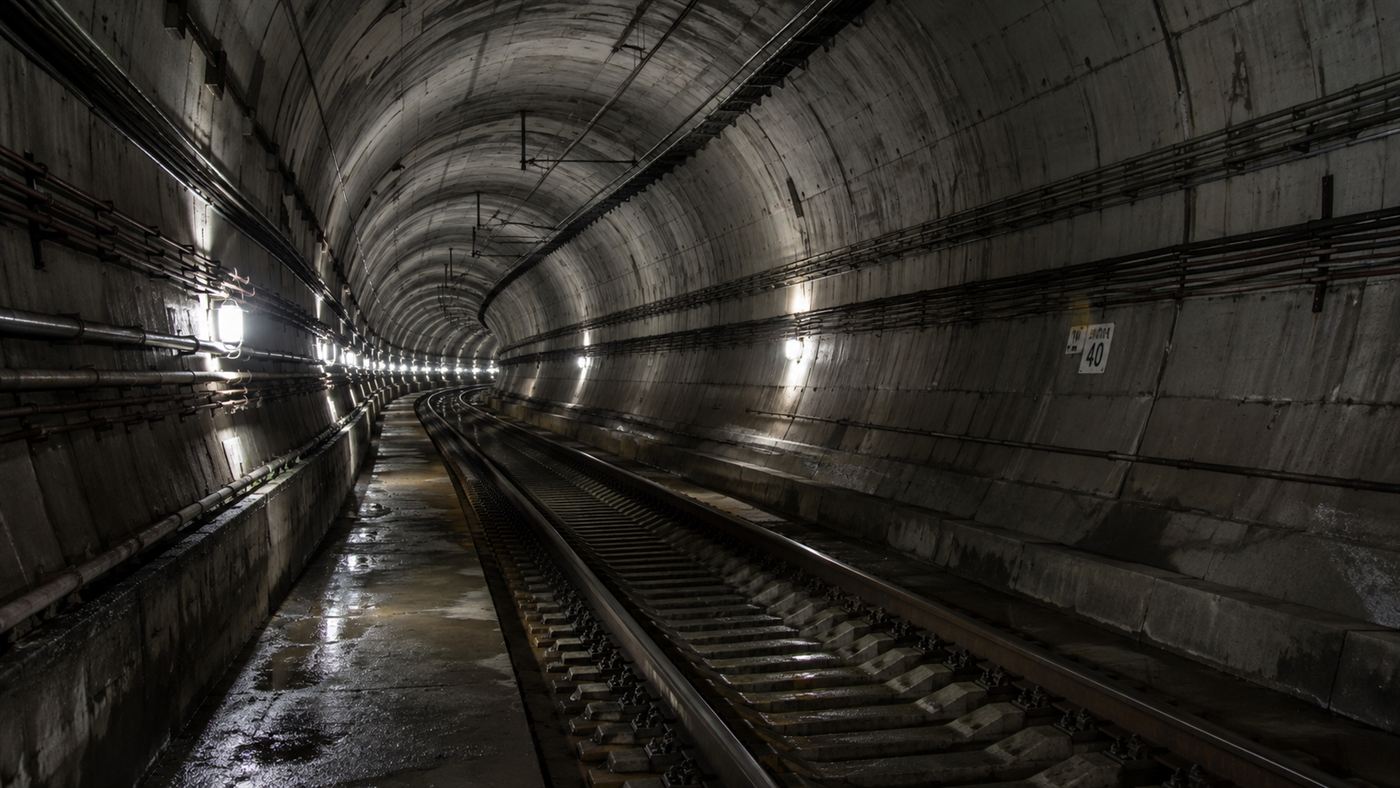
The Marmaray tunnel carries trains between two continents, deep beneath the Bosphorus. Illustration: Watts & Wild.
The idea is astonishingly old. As the project's history records, a railway tunnel under the Bosphorus was first proposed back in 1860 by the Ottoman Sultan Abdülmecid I, complete with sketches of a crossing resting on the seabed. The technology of the time could not come close, and the dream sat unrealised for a century and a half.
When Turkey finally took it on, it built something record-breaking. The crossing under the strait is the deepest immersed-tube tunnel in the world, a string of giant prefabricated tube sections sunk into a trench and joined underwater, sitting around 60 metres below the surface, beneath 55 metres of water and several more of seabed.
How the Marmaray tunnel was built under the strait
An immersed tube is a clever way to cross deep water. Instead of boring far below the seabed, engineers cast huge concrete tube segments on land, float them out, and lower them into a dredged trench one by one, bolting them together and pumping them dry. The Bosphorus crossing was assembled from eleven such sections to form a continuous, watertight tunnel between the continents.
There was a catch that kept everyone awake: this is earthquake country. The North Anatolian Fault runs close to Istanbul and is expected to produce a major quake, so the immersed tube had to be engineered to flex and survive violent ground movement without flooding. Building the world's deepest tube tunnel was hard enough; building one that could ride out a big earthquake under a strait was the real test.
The dig that fell through time
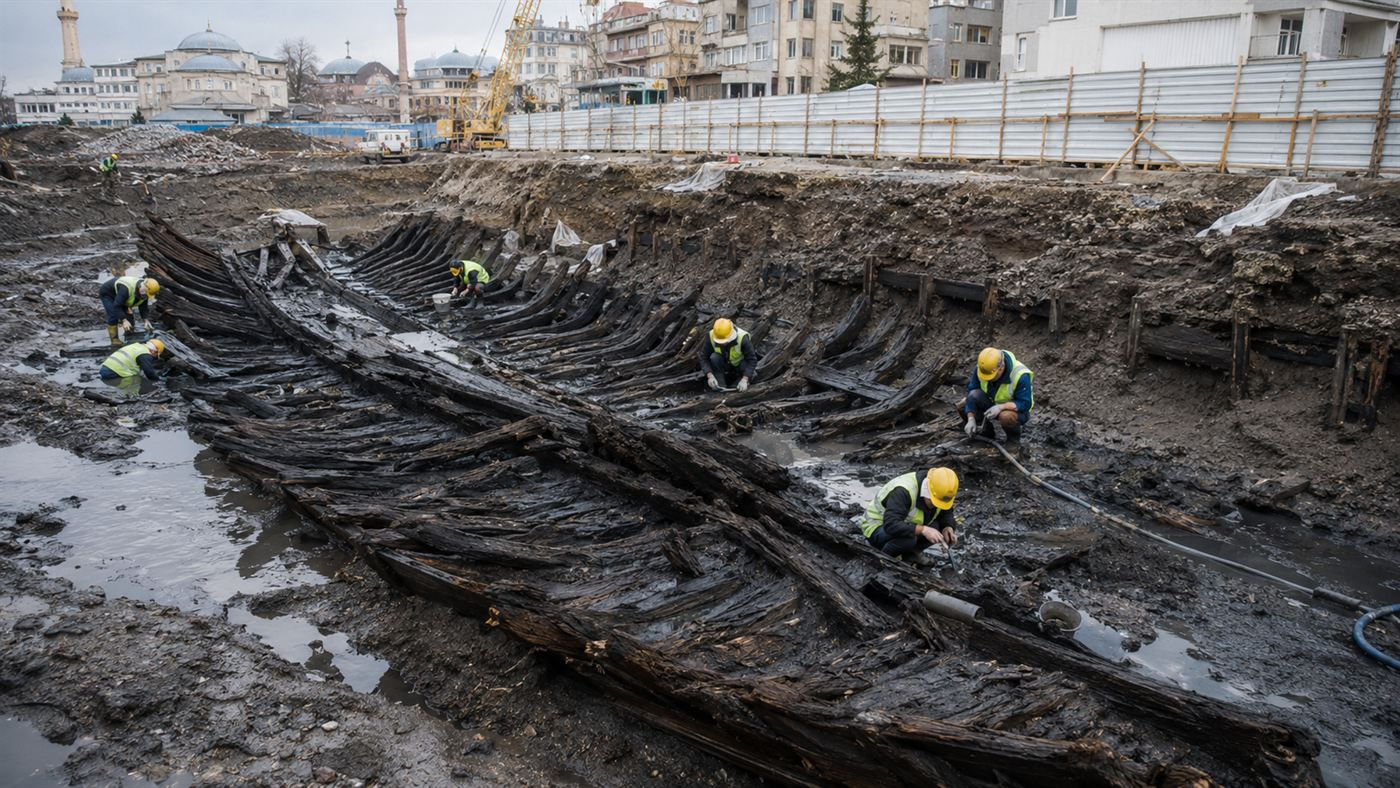
Then the engineers hit history. While excavating the station at Yenikapi on the European side, crews broke into the lost Harbour of Theodosius, the great port that had served the city back in the 4th century and then vanished under centuries of silt. As Railway Technology has noted, the archaeological discoveries delayed the whole project by around four years as the site became a rescue dig instead of a building site.
What came out of the mud was extraordinary. Archaeologists recovered dozens of remarkably preserved Byzantine shipwrecks, the largest collection of medieval ships ever found in one place, along with everyday objects from a thousand years of harbour life. Then they went deeper still and found something far older: human remains and traces, including ancient footprints, dating back roughly 8,000 years, the earliest evidence that people had lived on this spot long before there was a city at all.
Two continents, finally joined
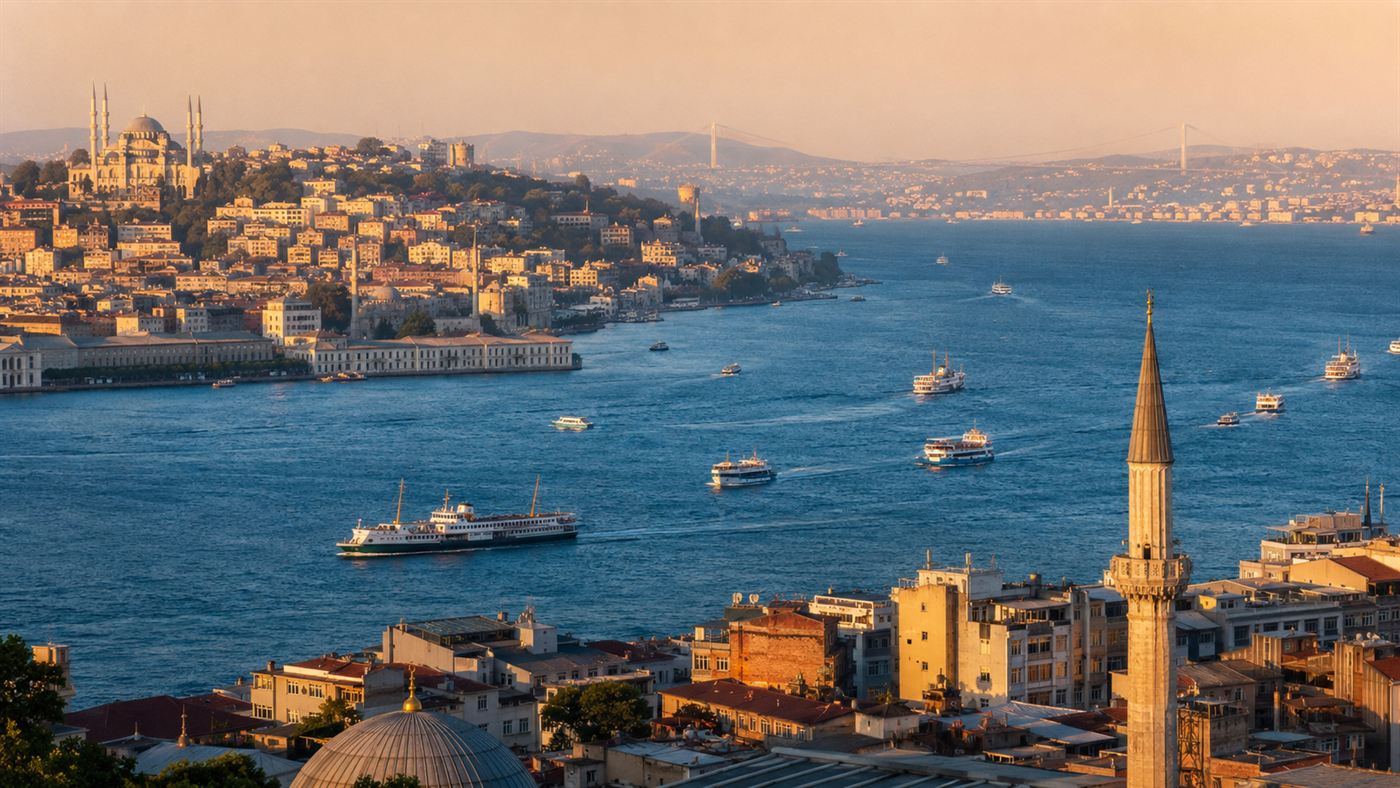
On 29 October 2013, the Marmaray tunnel opened to passengers, and for the first time a train could run directly from Europe to Asia beneath the water. A commute that had always meant a ferry or a packed bridge became a few quiet minutes underground. The 150-year-old sultan's sketch had, at last, become a working railway.
The honest catch
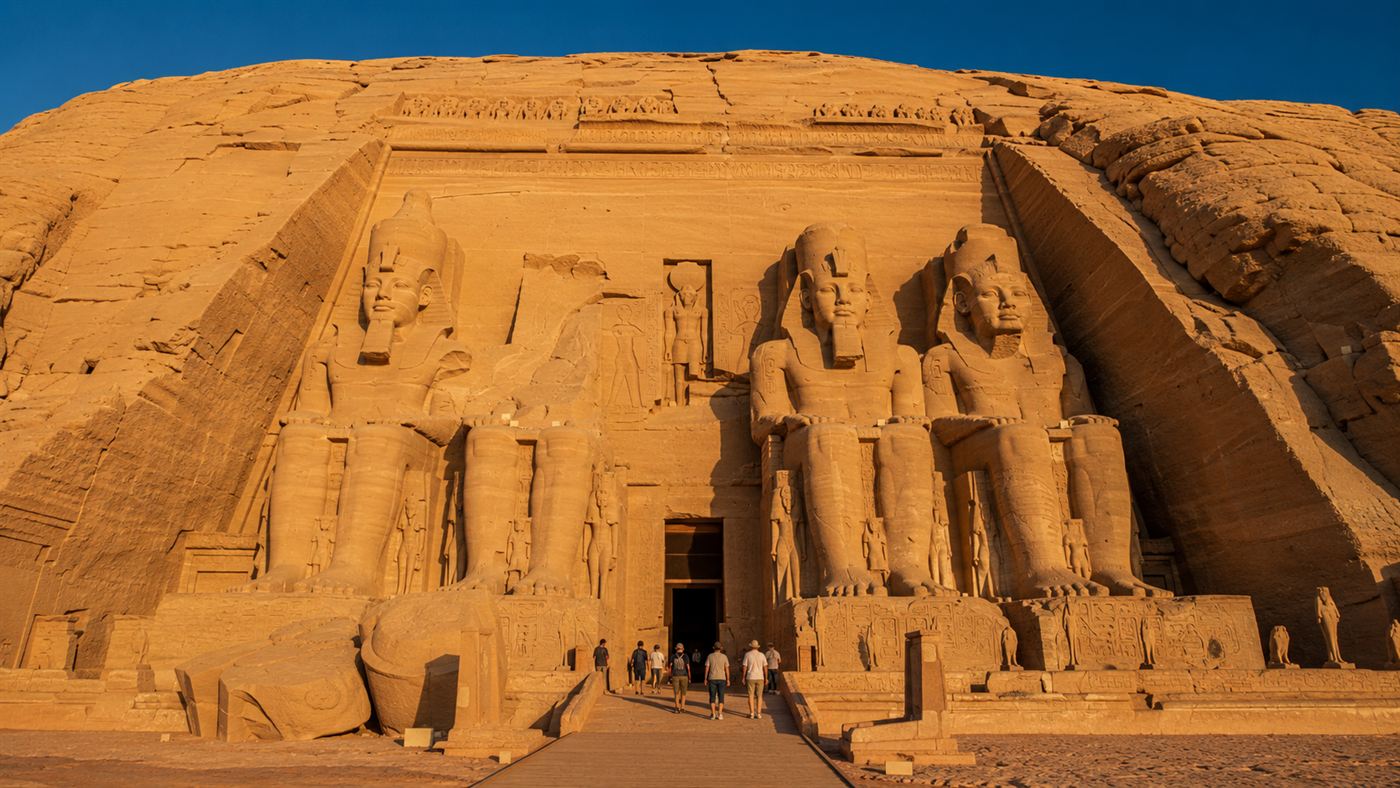
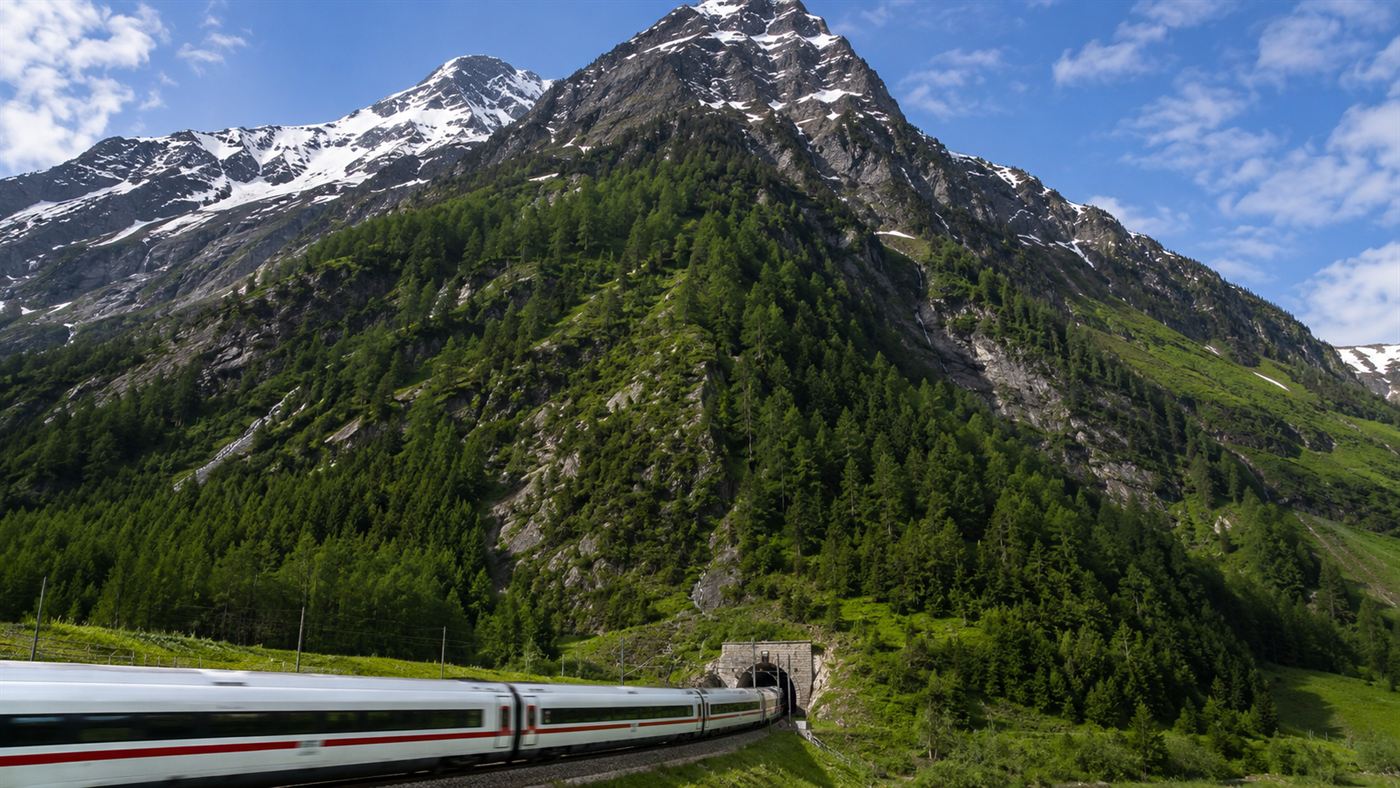
It is a triumph, but a complicated one. The four-year archaeological delay, however priceless its finds, drew political grumbling about cost and timing, and critics argued the rescue dig was rushed in places under pressure to finish. The earthquake risk that the tunnel is built to survive has not gone away; it remains a real and frightening prospect for the whole city, not just the tunnel. And there is a quiet irony in the whole story: the same dig that connected modern Istanbul to its future also forced it to confront just how deep its past runs. It joins the rare projects where engineering and archaeology collided head-on, much like the rescue that cut an entire ancient temple apart to save it from a rising dam, and the long line of great tunnels such as Japan's Seikan tunnel beneath the sea.
A century-and-a-half-old dream of joining two continents finally came true, but only after the diggers fell straight through 8,000 years of the city's own history. When the future runs into the past like this, which one should give way? Tell us what you think in the comments.
Related reading: how engineers sliced an entire ancient Egyptian temple into blocks and rebuilt it on higher ground, or the Big Dig, which buried Boston's highway by tunnelling beneath a living city.