In 1900 Chicago was poisoning itself with its own sewage, so its engineers did the unthinkable and reversed the entire Chicago River to make it flow backward, away from the lake
On January 2, 1900, workers quietly broke through a dam south of the city and did something no one had ever done at that scale: they turned a river around. The Chicago River, which had flowed into Lake Michigan since the last ice age, began running the other way, and it has ever since.
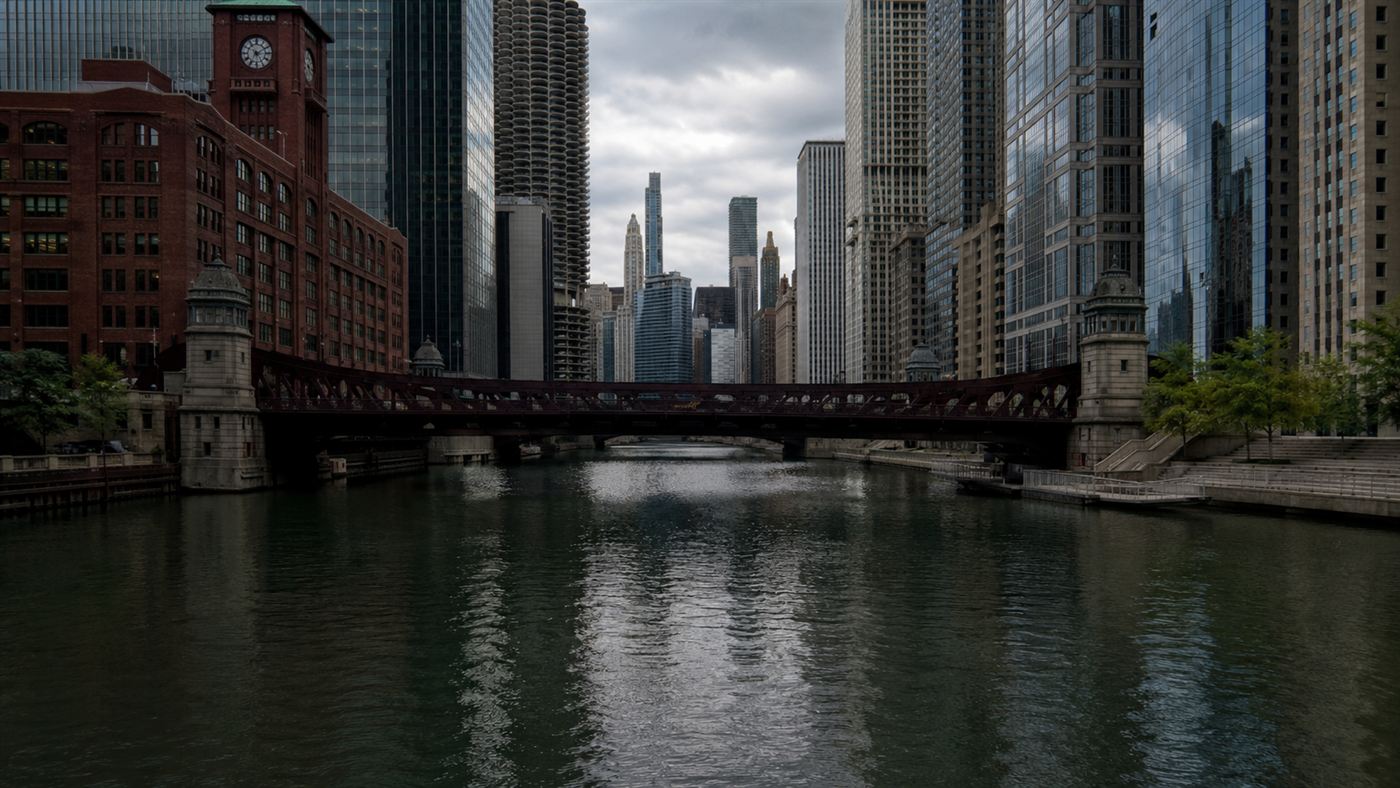
The Chicago River runs through downtown, flowing away from Lake Michigan by human design. Illustration: Watts & Wild.
Rivers are supposed to be the one thing you cannot argue with. Water runs downhill to the sea, and that is that. But at the end of the 19th century, the city of Chicago looked at the Chicago River, decided its direction was killing people, and set out to change which way it flowed. It is one of the boldest, and strangest, engineering decisions in American history.
As the Chicago Sun-Times recounted on the project's anniversary, the reversal of the river in 1900 was an engineering triumph that transformed the city. To pull it off, Chicago dug the largest canal North America had ever seen and gambled its public health, and its reputation with every city downstream, on the idea that a river could be told to turn around.
The short version: Chicago drank from Lake Michigan, but the Chicago River dumped the city's sewage into that same lake, threatening deadly typhoid outbreaks. So engineers dug the 32-mile Sanitary and Ship Canal and, in January 1900, reversed the river so it flowed inland toward the Mississippi instead of into the lake. It worked, but it pushed the problem downstream and permanently linked two great watersheds.
A city drinking its own filth
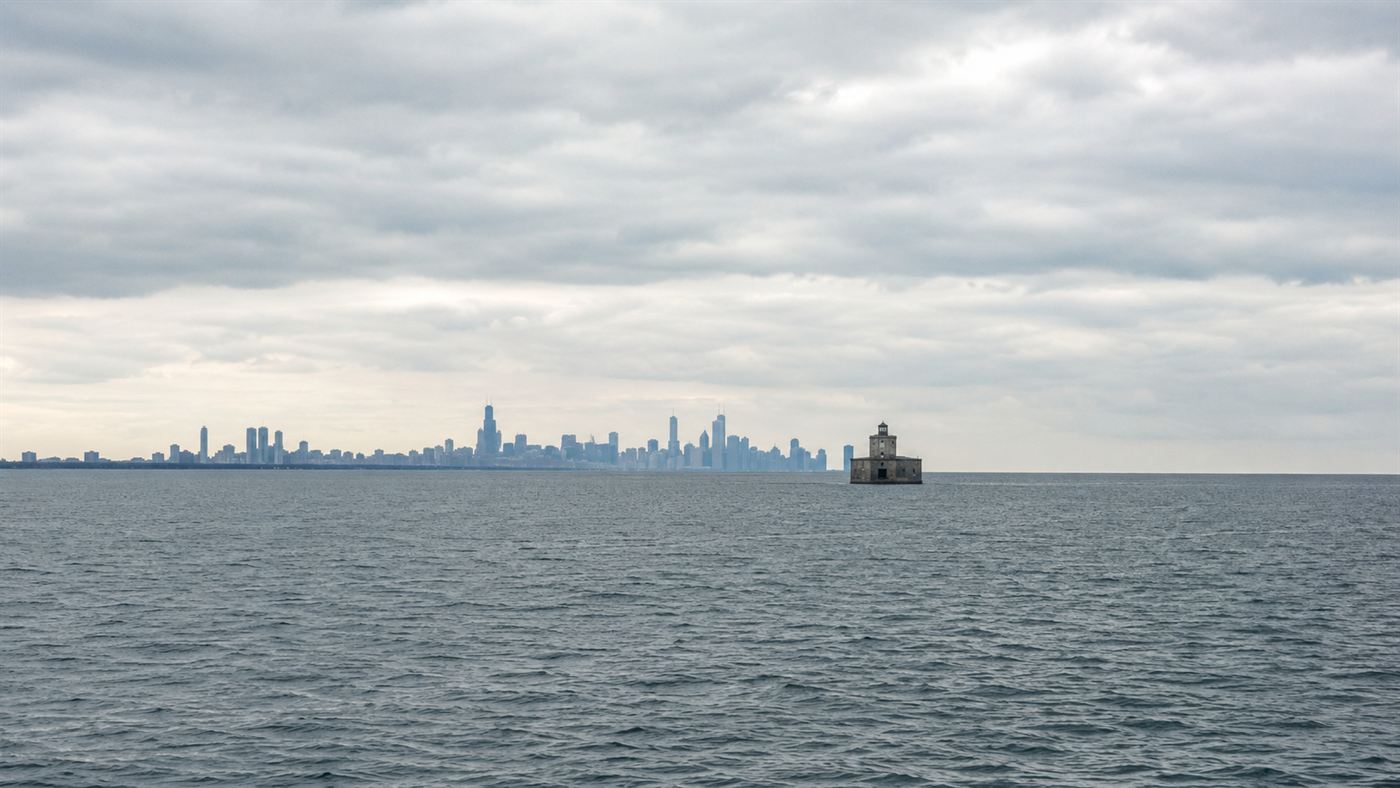
By the 1880s Chicago was booming and filthy. Slaughterhouses, factories and hundreds of thousands of homes poured their waste into the Chicago River, which emptied straight into Lake Michigan. The problem was that the lake was also where the city drew its drinking water, through intake cribs built out in the water. Chicago was, in effect, flushing its toilet into its own drinking glass.
The result was disease. typhoid fever, cholera and dysentery stalked the city, and everyone understood the water was to blame. In 1885 a huge storm washed a plume of filth far out into Lake Michigan, and the city panicked that it would reach the intakes and trigger a catastrophic epidemic. Something drastic had to be done before the growing city poisoned itself for good.
The unthinkable fix, turn the river around
The idea Chicago settled on sounds insane even now: if the river kept carrying sewage into the lake, then stop the river from reaching the lake at all. Reverse it. Make it flow the other direction, inland and away, so that the city's waste would drain toward the Des Plaines and Illinois rivers and eventually the Mississippi, far from the drinking water.
To do it, the newly created Sanitary District of Chicago would carve a brand-new artificial river across the land. As documented in the record of the works, the Chicago Sanitary and Ship Canal ran about 32 miles from the South Branch of the river down to Lockport, dug deep enough that the water would run downhill away from Lake Michigan. Open that channel, and the river would have no choice but to turn.
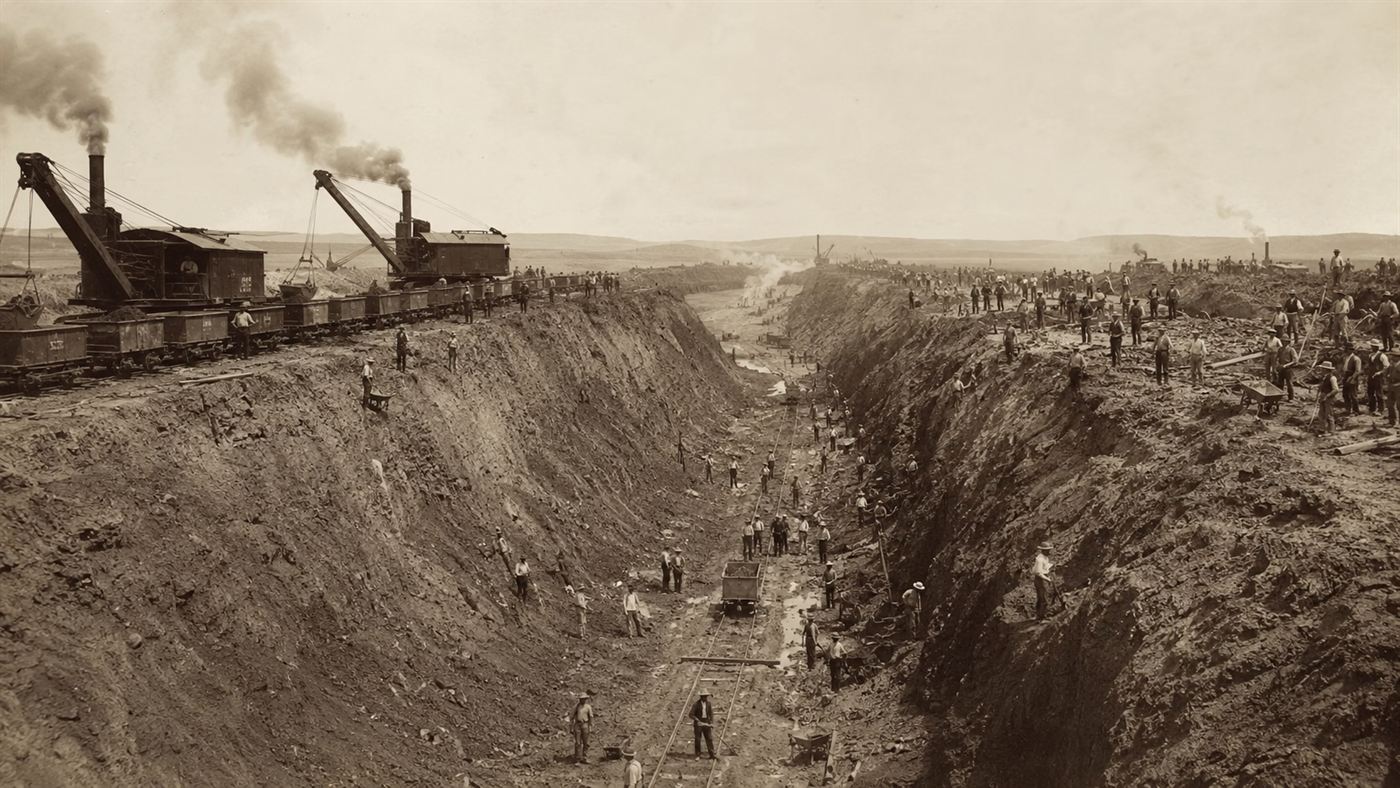
The biggest dig in America
The canal was a monster. Digging it meant moving more earth than any project on the continent had ever attempted, and the crews had to invent their way through it, building novel excavating machines and conveyor systems as they went. The techniques became so celebrated that they were later called the Chicago School of Earth Moving, a training ground for a generation of engineers.
One of them was the chief engineer, Isham Randolph, who ran the enormous project and later carried what he had learned to Panama, helping build the canal that split a continent. The Chicago dig was a proving ground for the kind of gigantic, machine-driven earthworks that would define the next century of construction. What looked like a local sewage fix was quietly rewriting how big things got built.
How the Chicago River was reversed in secret
There was a catch: the cities downstream were horrified. St. Louis and the state of Missouri realized that Chicago's plan amounted to shipping its sewage down the rivers toward them, and they moved to stop it in court. Chicago knew a legal injunction was coming, and it did not intend to lose.
So the city moved fast and quiet. In the first days of January 1900, before the courts could act, workers cut through the barrier separating the river from the new canal, and the water began to flow the new way. By January 17 the full reversal was complete. By the time Missouri's case reached the US Supreme Court, the Chicago River had already been running backward for months, and the deed was effectively done.
It worked, and it moved the problem
On the terms Chicago set for itself, the reversal was a triumph. With sewage no longer flowing into the lake, the city's water grew far safer, and deaths from typhoid and other waterborne diseases fell sharply in the years that followed. A booming metropolis that had been drinking its own waste had, in one audacious stroke, bought itself clean water and room to grow.
But the fix was less a cure than a transfer. Chicago had not made its sewage disappear, it had simply sent it somewhere else, diluting it down the Illinois and Mississippi rivers past the towns that lived along them. The city solved its crisis by handing a smaller version of it to its neighbors, a piece of the story that the word triumph tends to leave out.
The honest catch
The reversal deserves its fame, but it left a long shadow. By permanently connecting the Great Lakes basin to the Mississippi basin, the canal opened a door between two vast watersheds that nature had kept apart, and today that door is a highway for invasive species. As WTTW has reported, more than a century on, the canal is now the front line in the fight to keep invasive carp out of the Great Lakes.
It is also worth resisting the myth-making. Some old accounts wildly overstate the epidemics the reversal prevented, and dumping your waste on downstream neighbors is not exactly a moral victory. Still, faced with a city slowly poisoning itself, Chicago's engineers did something genuinely audacious and genuinely effective. The reversed river is a reminder that big engineering can save a city and, in the same stroke, hand the future a problem nobody saw coming.
Chicago decided a river was flowing the wrong way and simply turned it around. Was reversing the Chicago River a brilliant act of engineering nerve, or a reckless fix that just dumped the problem on everyone downstream? Tell us what you think in the comments.
Related reading: How Boston buried a highway under a living city and called it the Big Dig, or the Erie Canal, the ditch that everyone mocked before it built New York. See also the raising of Chicago, when the same city jacked its buildings out of the mud decades earlier.
More from Watts & Wild
More in Industry & Mega-Builds →

Bruno writes about energy history, industrial disasters, and the people who shaped the technologies we take for granted. He is based in Brazil.