A Scottish reef vanishes under the sea twice a day, yet two hundred years ago engineers built the Bell Rock lighthouse on it and it still shines
Eleven miles out in the North Sea lies a reef that kills ships and disappears beneath the waves at every high tide. Building the Bell Rock lighthouse there should have been impossible, and the story of how it was done is one of the great feats of engineering.
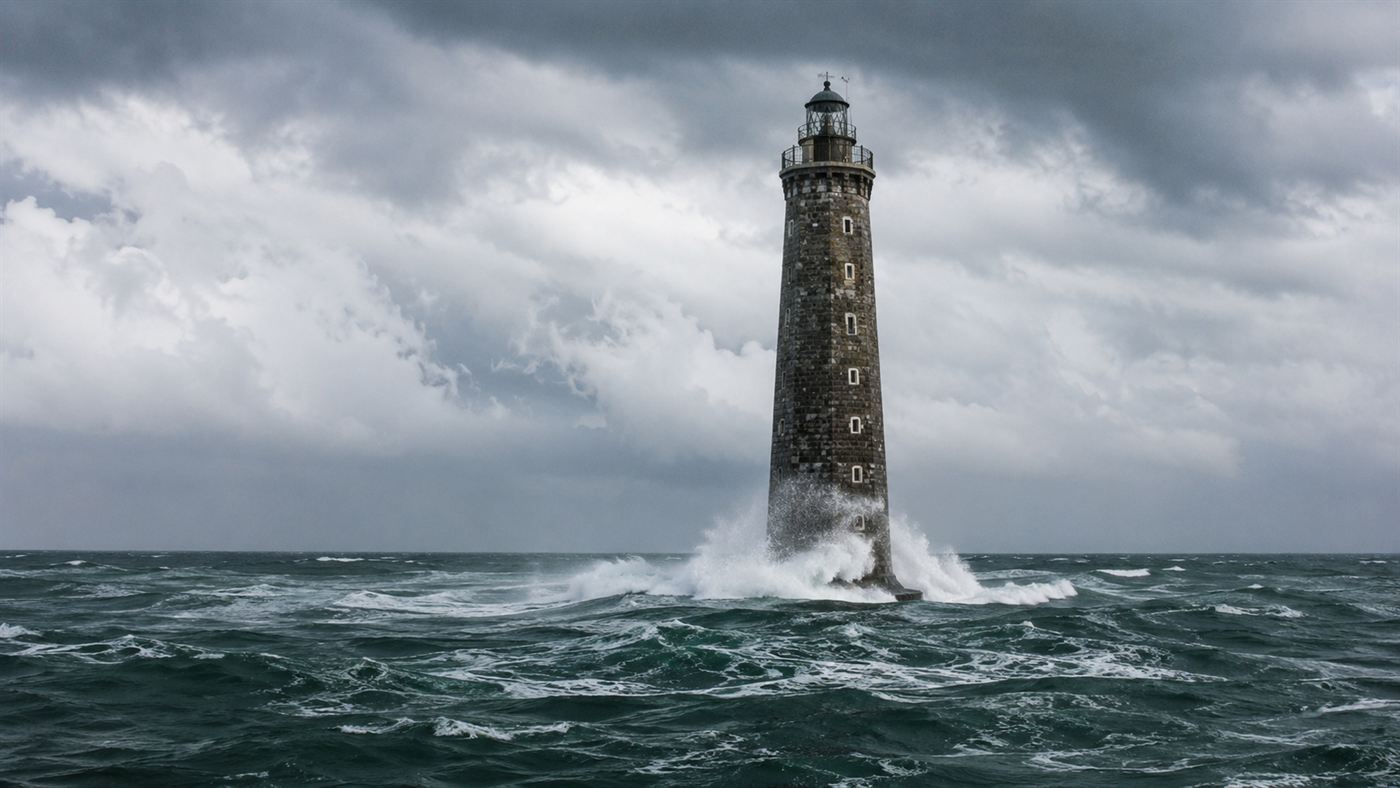
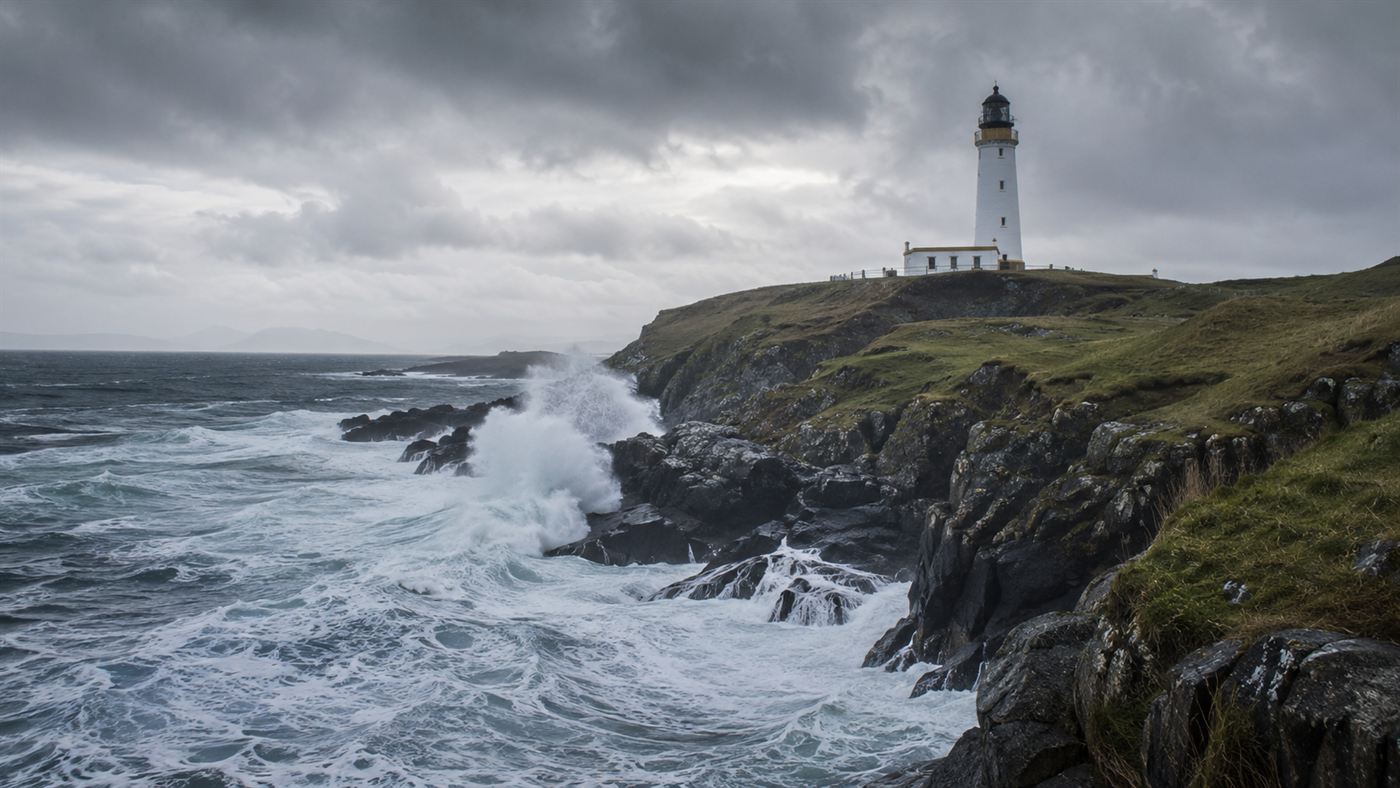
The Bell Rock lighthouse stands alone in the open sea, on a reef that is hidden at high tide. Illustration: Watts & Wild.
Most lighthouses sit safely on a clifftop or a headland where builders can come and go as they please.
The Bell Rock had no such luxury, because for most of every day there was nothing to stand on at all.
Where is the Bell Rock lighthouse? The Bell Rock lighthouse stands on a tidal reef in the North Sea, about 18 kilometres off Arbroath on the east coast of Scotland. The reef is submerged at high tide and exposed only for a few hours at low tide, which is why building a lighthouse there was so extraordinarily difficult.
A reef that swallowed ships
For centuries the Bell Rock was a death trap, a low reef that lurked just beneath the surface right in the path of ships heading for the Firth of Forth.
At high tide it vanished completely under the sea, giving sailors no warning until their hulls were torn open.
Legend says a medieval abbot once fixed a warning bell to the rock, only for a pirate to cut it loose and later wreck on the very same reef, a tale immortalised in Robert Southey's poem about the Inchcape Rock.
True or not, the danger was real, and one storm in 1799 was said to have wrecked dozens of vessels on this coast.
Something had to be built out there, on a rock that spent most of its life underwater.
Two hours a day to build a tower
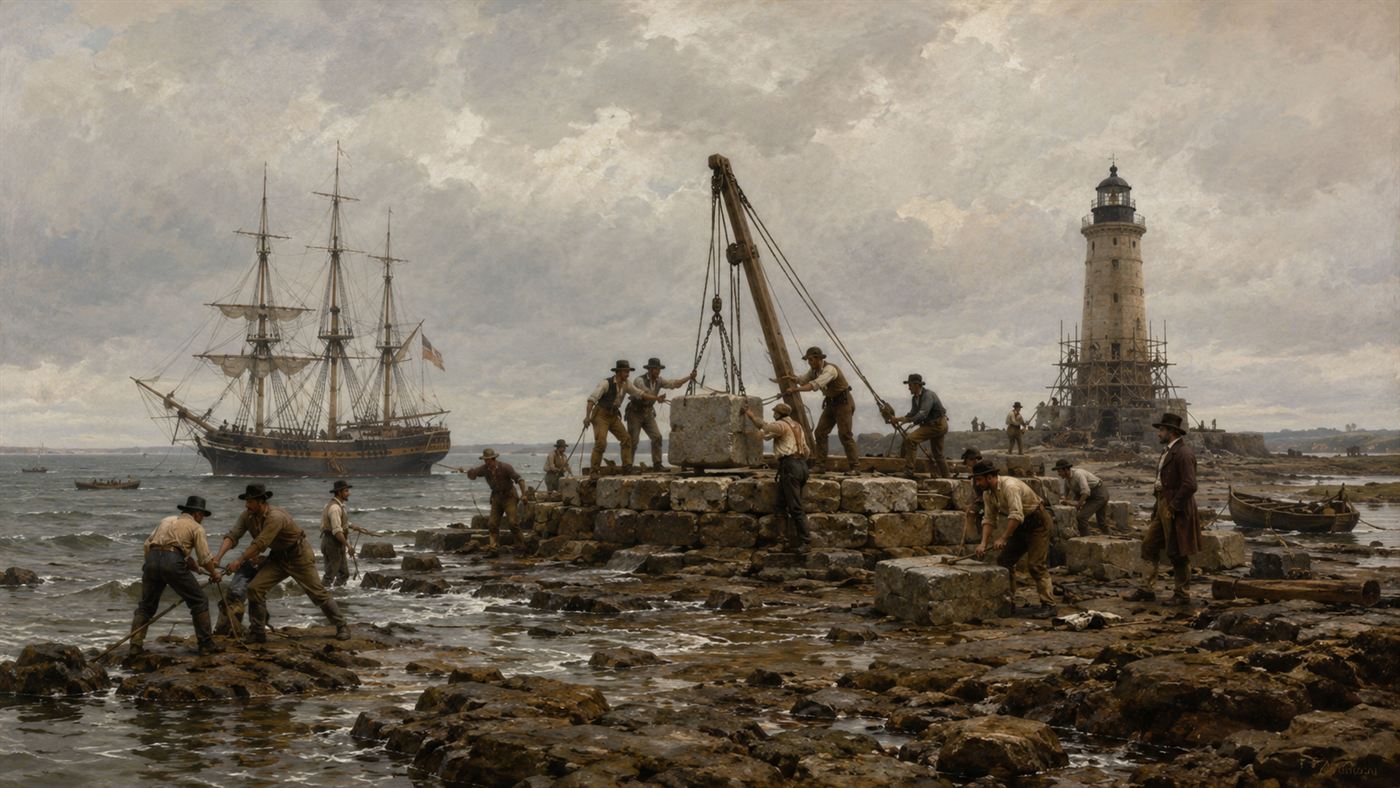
Work began in 1807 under the engineer Robert Stevenson of the Northern Lighthouse Board.
The cruel catch was that the rock was only above water for about two hours at a time, so the men could do just a few hours of building a day.
They lived offshore on a ship and later in a wooden barrack perched on stilts above the waves, rowing across to the reef whenever the tide allowed.
Stone by stone they raised a tower of heavy granite and sandstone blocks, each one shaped to lock into its neighbours like a giant three-dimensional puzzle.
After three short building seasons the tower was finished in 1810, rising about 35 metres straight out of the sea.
The man who would not be beaten
Robert Stevenson became famous for this single, stubborn act of engineering against the ocean.
One day a supply boat drifted away and there were briefly too few places in the remaining boats for all the workers stranded on the shrinking rock as the tide rose.
Disaster was avoided only when a chance vessel arrived in time, a moment that haunted Stevenson for the rest of his life.
He went on to found a dynasty of lighthouse engineers, and his grandson was none other than the writer Robert Louis Stevenson, who grew up on tales of the sea.
The family lit the coasts of Scotland for generations, but the Bell Rock always remained their boldest triumph.
The Bell Rock lighthouse has burned for two centuries
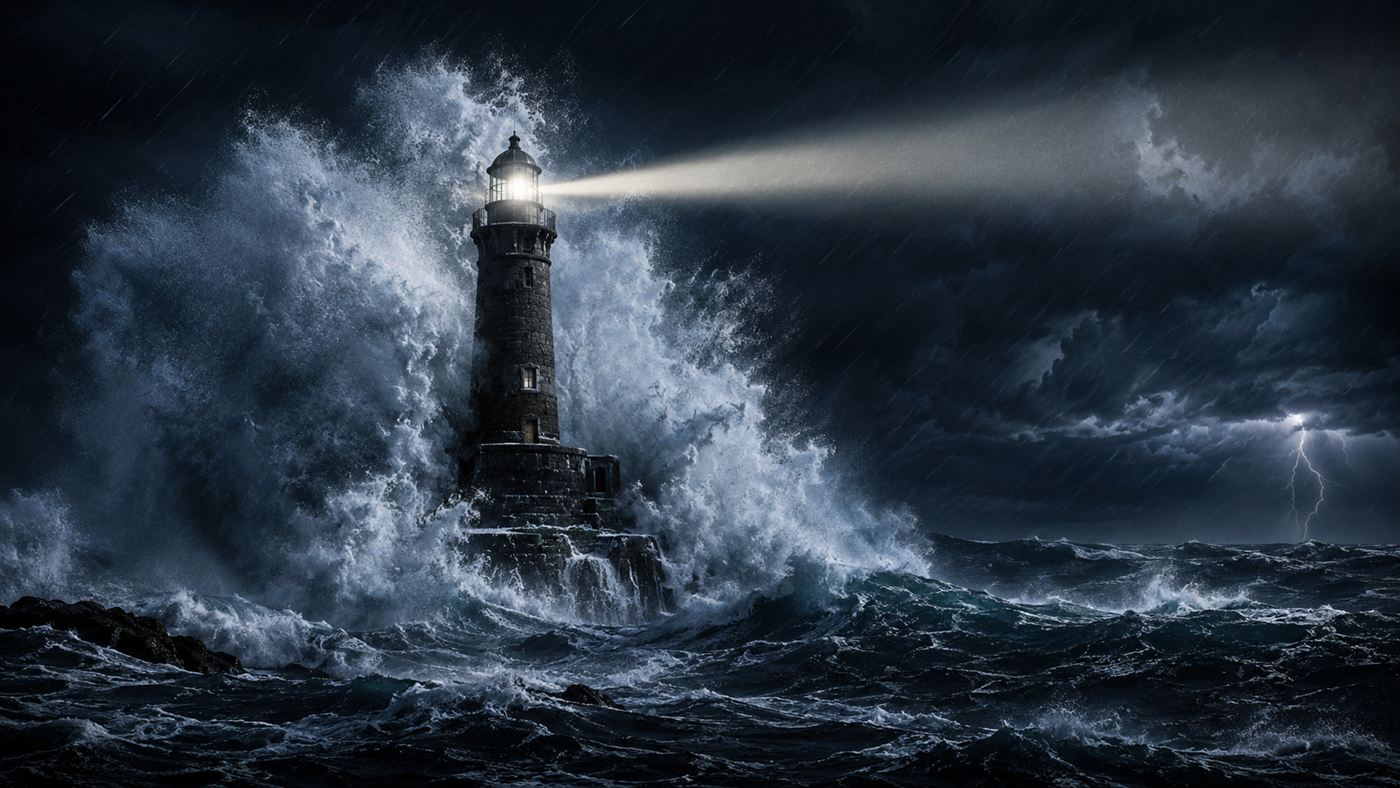
The Bell Rock lighthouse first lit its lamps in 1811, and astonishingly it has been guiding ships ever since.
It is widely recognised as the oldest surviving sea-washed lighthouse in the world, its original stone tower never once rebuilt.
Generations of keepers lived inside it, taking turns to tend the light in one of the loneliest jobs imaginable.
In 1988 the lighthouse was automated, and the last keepers left the rock to the seabirds and the waves.
Today its light still flashes across the North Sea, switched on by machines rather than men.
The honest catch
The romance of the Bell Rock hides a few less tidy truths.
Credit for the design has been argued over for two centuries, because the celebrated engineer John Rennie held the title of chief engineer while Stevenson did the work on the rock, and their supporters have squabbled ever since.
The famous tale of the abbot and the bell is a legend dressed up by a poet, not documented history.
And the lonely, heroic keepers who gave the lighthouse its soul are long gone, replaced by automated lamps and remote monitoring.
Yet none of that changes the simple, staggering fact that a stone tower built two hours at a time still stands in the open ocean after more than two hundred years.
The Bell Rock is proof that with enough patience and nerve, people can build to last in the most hostile place imaginable.
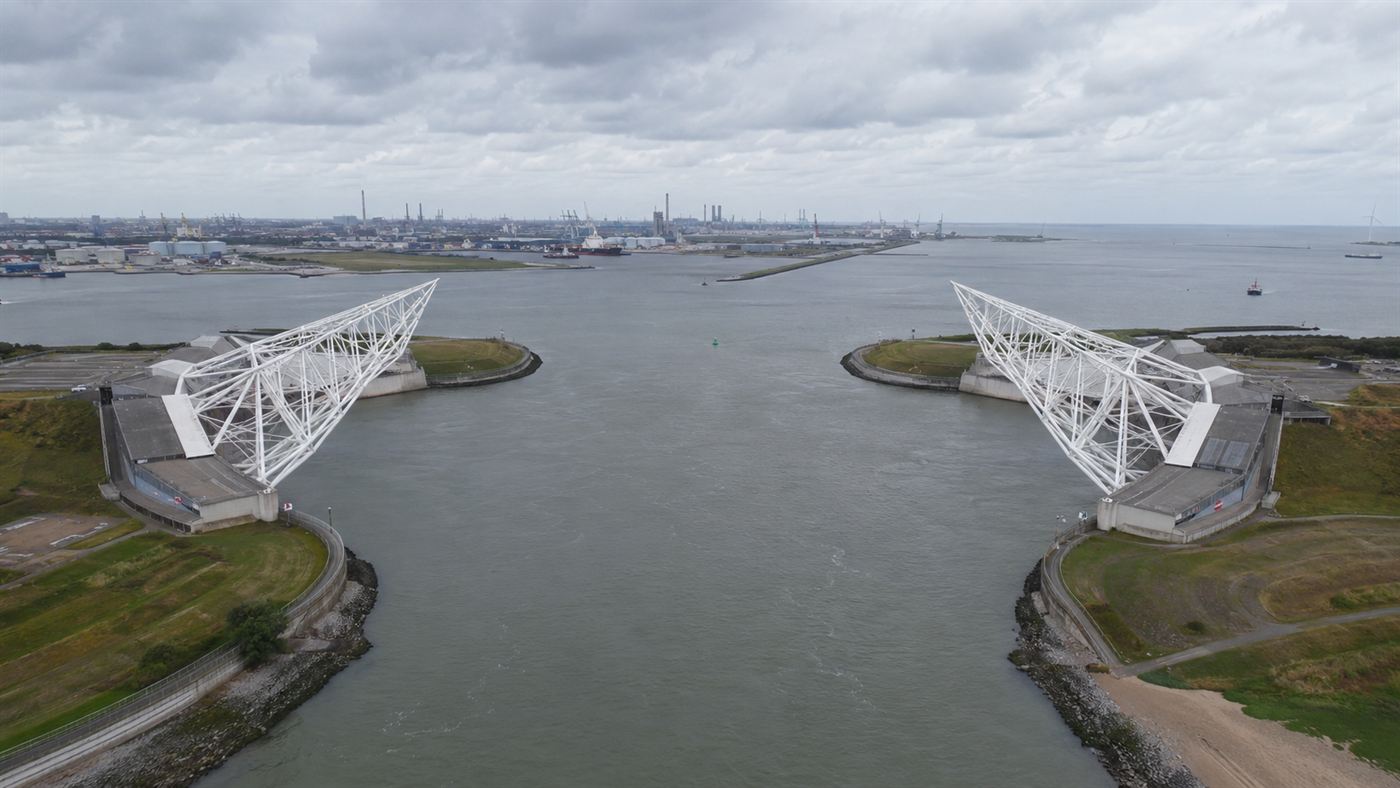
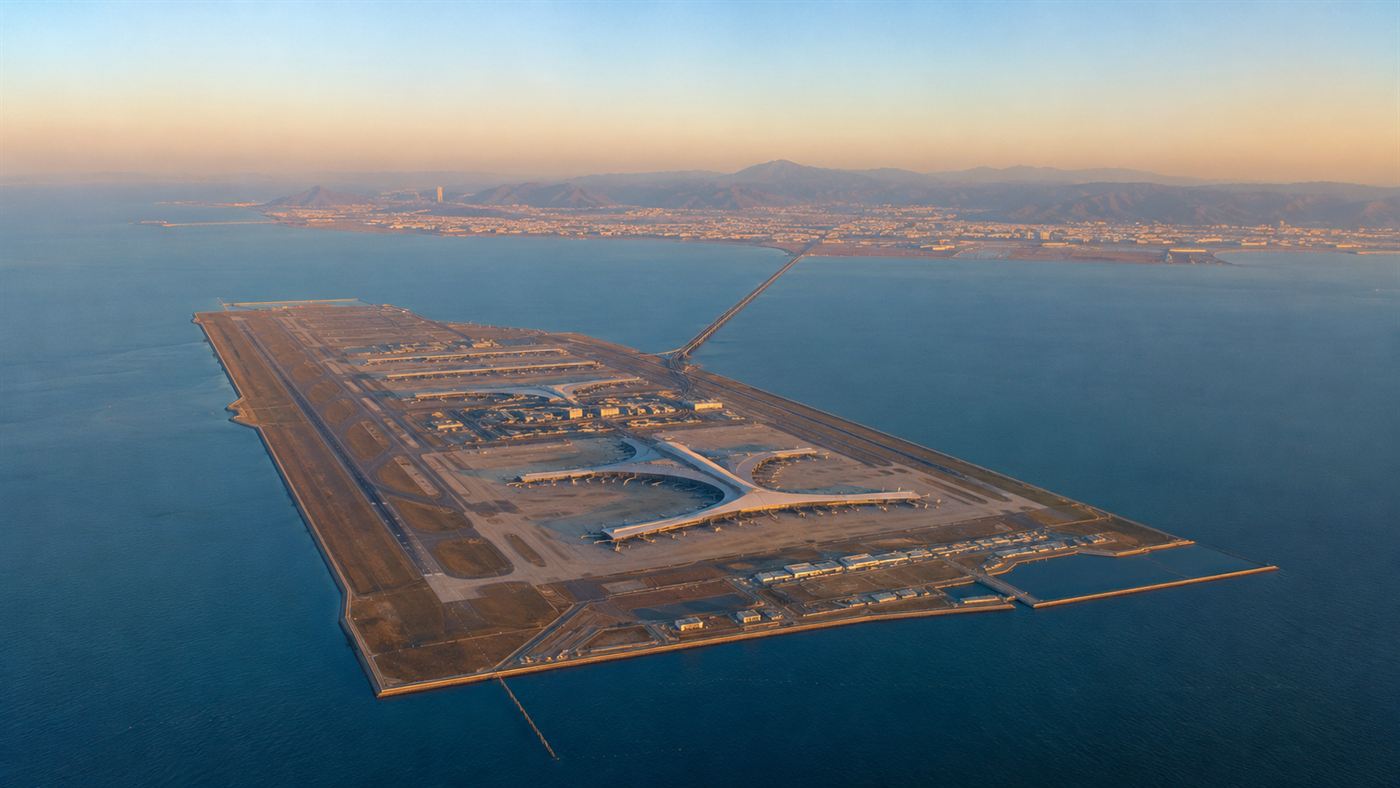
It stands with the other ways we have learned to wrestle with the sea, from the giant gates that hold back the North Sea for the Netherlands to the airport Japan built on an artificial island, and the Eddystone Lighthouse, whose builder was swept away by the storm he dared the sea to send, or the Fresnel lens, the glass invention that finally made these lights blaze.
If a handful of workers could raise a tower in the open ocean two hours at a time, what does it say about what patience and engineering can achieve, and would you have braved that rock yourself? Tell us in the comments.